landmark
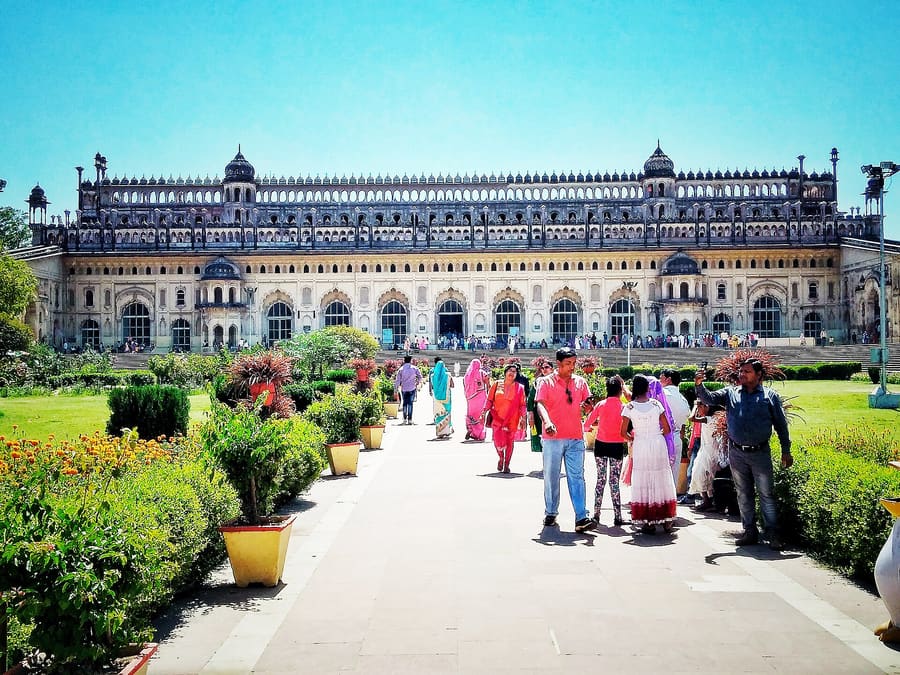
Bara Imambara
A vast 18th-century hall built without iron or beams. Hire an official guide at the gate to navigate the labyrinthine upper maze.
Chiedi a ParleyIndia
Nawabi architecture, refined Awadhi food, slow pace.
introduction
Lucknow is Uttar Pradesh's quiet capital, shaped by the Shia Nawabs of Awadh and British colonial conflict. Broad boulevards in Hazratganj contrast with narrow alleys in Chowk. Travel here centres on slow eating and architectural precision. You come for melt-in-mouth kebabs, intricate embroidery, and labyrinthine brick structures.
Airport connection
The Lucknow Metro Red Line connects CCS Airport directly to Hazratganj in 25 minutes for ₹50.
Imambara combo ticket
A single ₹50 entry ticket covers Bara Imambara, Chota Imambara, and the Picture Gallery.
Kebab timing
Famous kebab stalls in Chowk open by 11:00. Popular buff-meat Galouti plates sell out by 21:00.
Lucknow
Mohit · CC BY-SA 3.0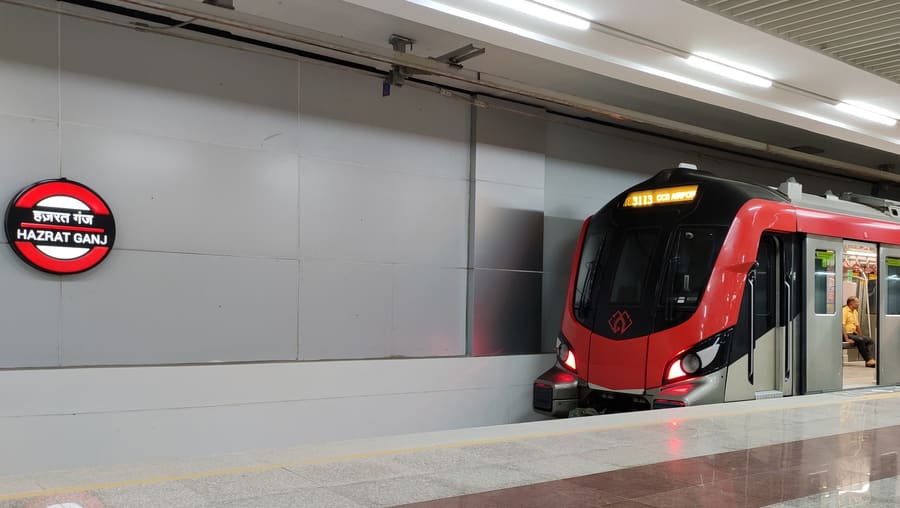
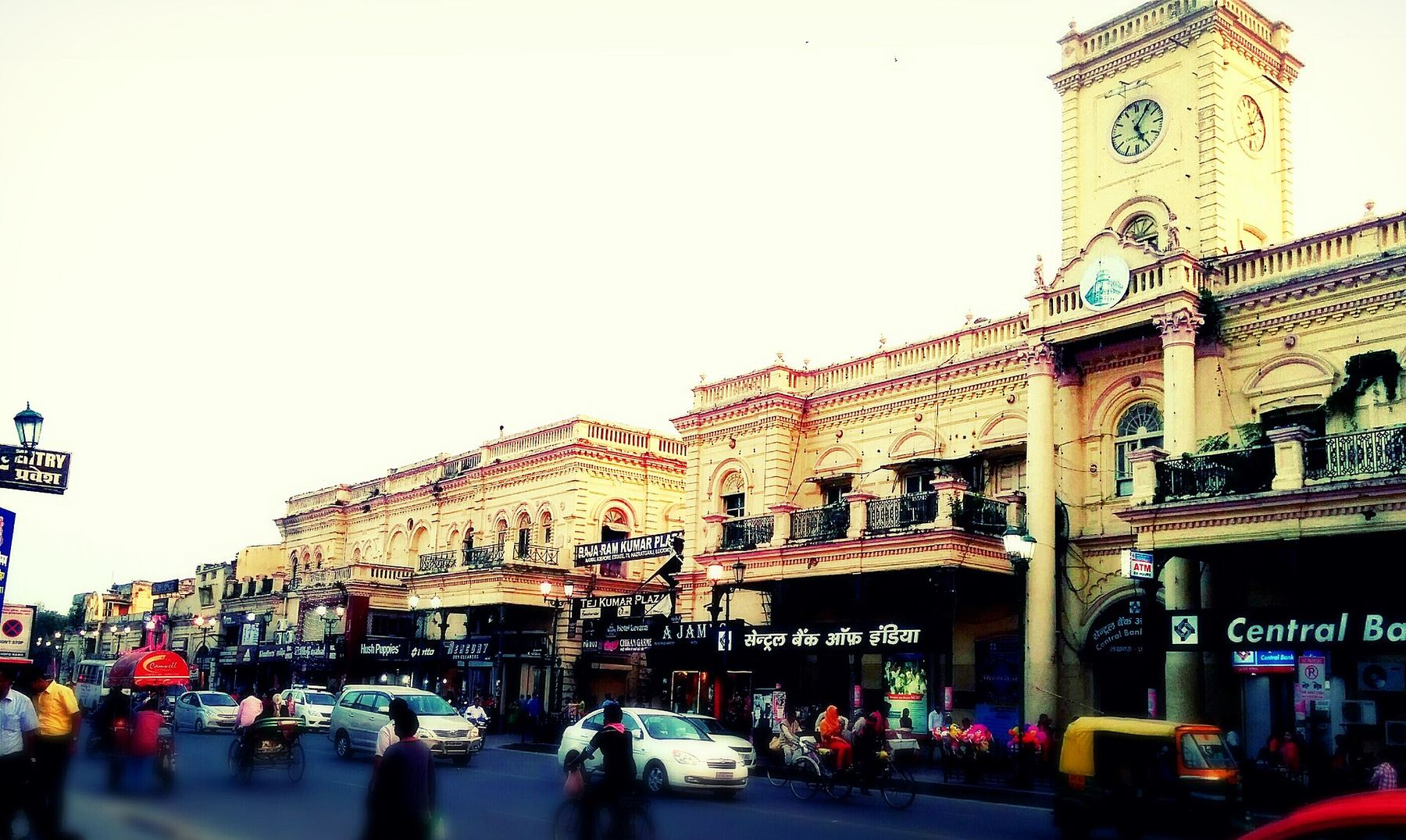
Hazratganj — Colonial-era shopping arcade with uniform black and yellow signage, wide sidewalks, and cafes.
Santosh4118 · CC BY-SA 4.0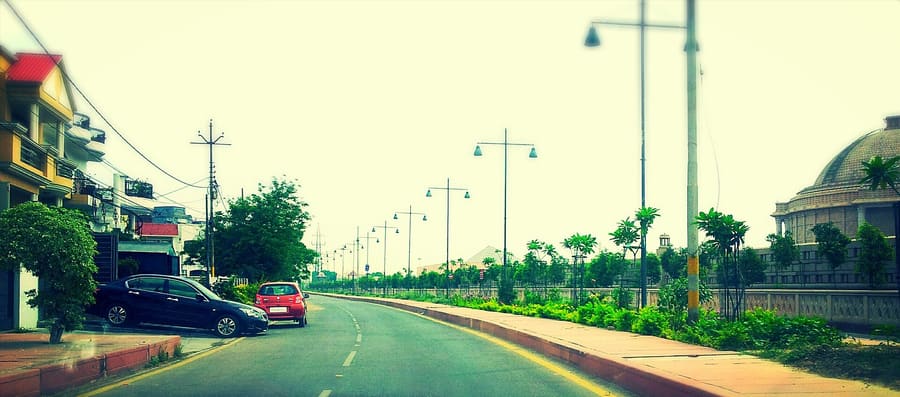
Gomti Nagar — Modern planned suburb featuring luxury chain hotels, expansive parks, and wide multi-lane roads.
Mohitextreme · CC BY-SA 4.0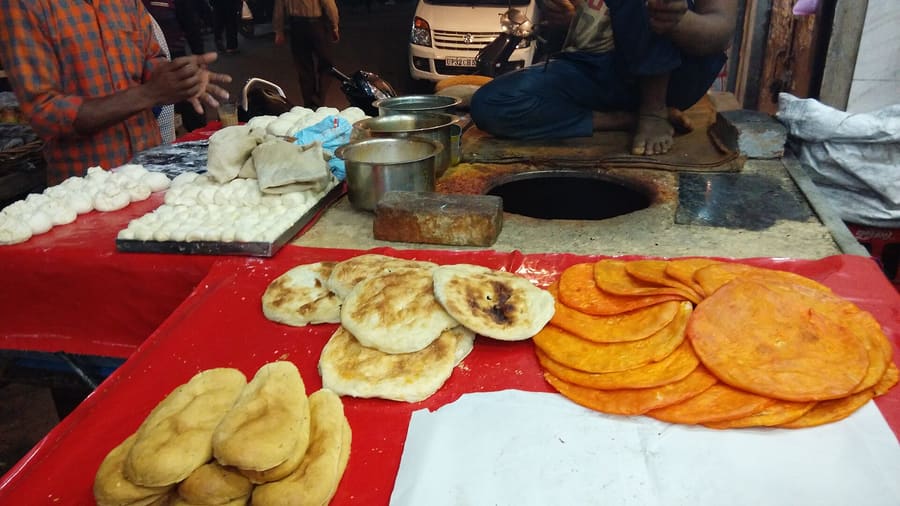
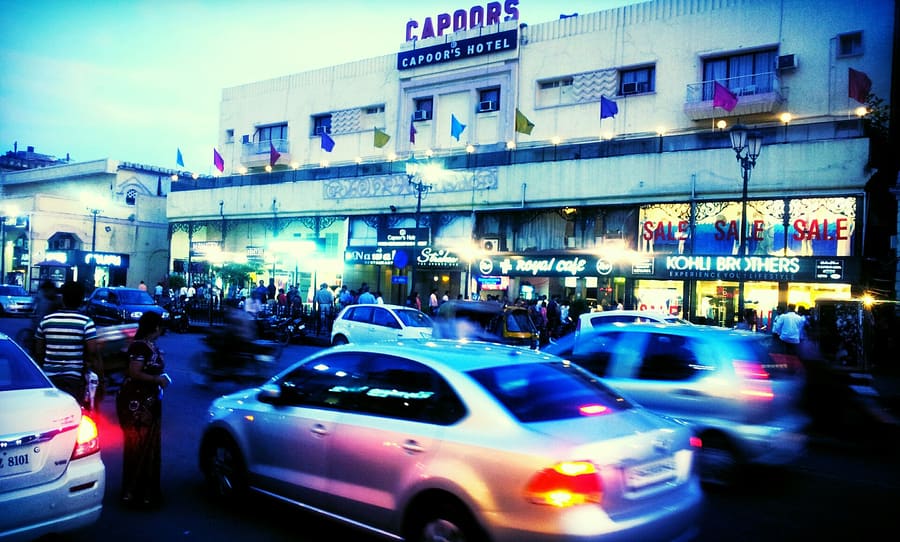
Aminabad — High-density retail district packed with fabric vendors, jewelry stalls, and wholesale markets.
Harsh_1811 · CC BY-SA 4.0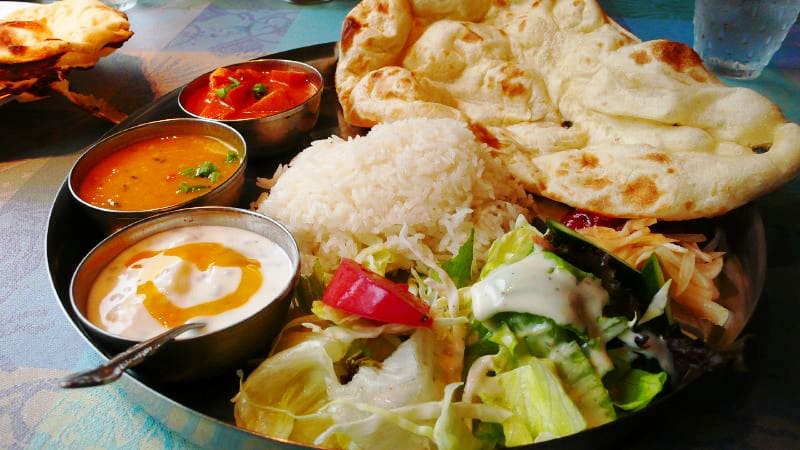
Traditional Awadhi dum biryani served straight from a sealed copper handi.
GracinhaMarco Abundo · CC BY 2.0highlights
landmark
A vast 18th-century hall built without iron or beams. Hire an official guide at the gate to navigate the labyrinthine upper maze.
Chiedi a Parley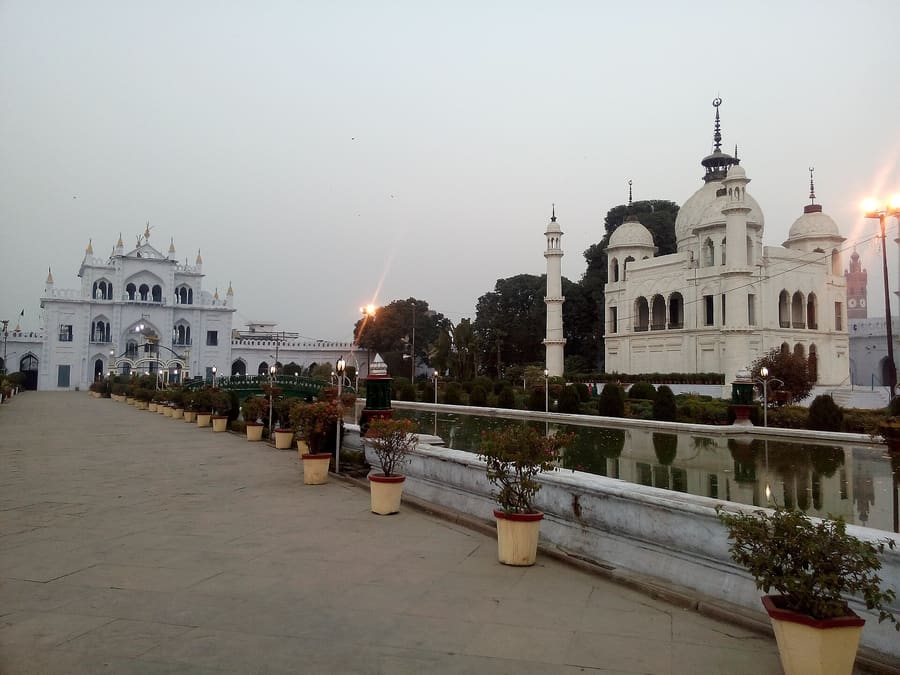
landmark
Built in 1838 as a congregation hall for Shia Muslims. Chandeliers imported from Belgium fill the central hall.
Chiedi a Parley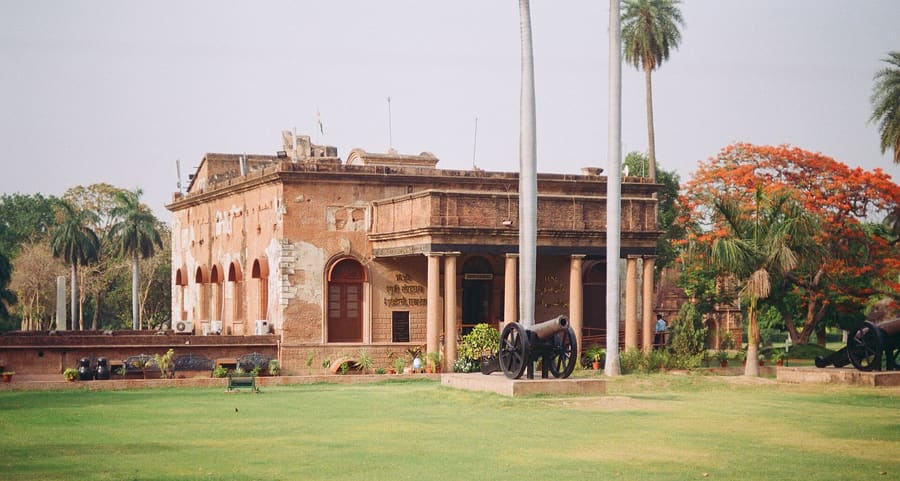
landmark
Ruins preserved exactly as they stood after the 1857 siege. The quiet park contrasts sharply with surrounding city traffic.
Chiedi a Parley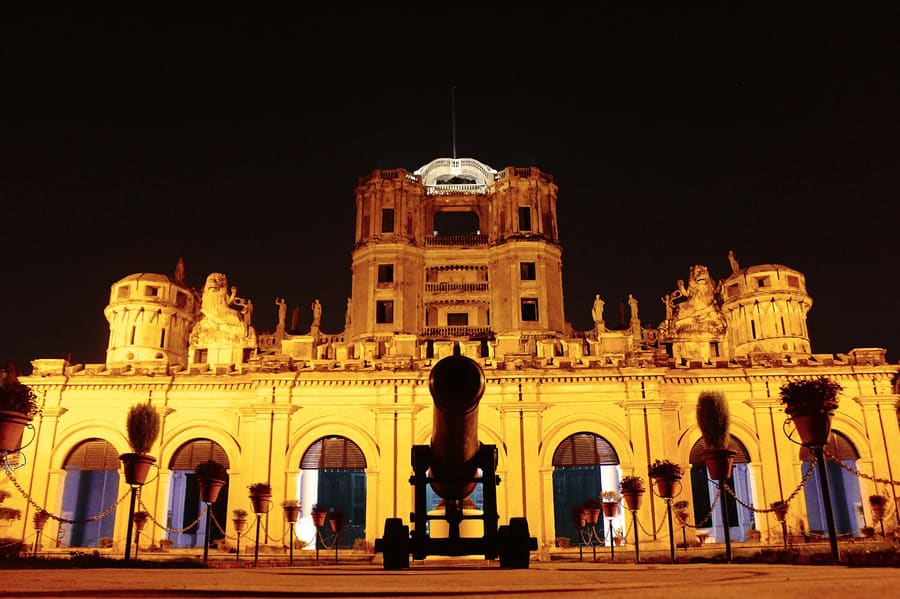
landmark
An unusual European palace built by French soldier Claude Martin. Visit on non-school days for outdoor access.
Chiedi a Parleyattractions
areas
Colonial-era shopping arcade with uniform black and yellow signage, wide sidewalks, and cafes.
Nei dintorniBritish Residency, General Post Office
Chiedi a ParleyModern planned suburb featuring luxury chain hotels, expansive parks, and wide multi-lane roads.
Nei dintorniAmbedkar Memorial Park, Janeshwar Mishra Park
Chiedi a ParleyHigh-density retail district packed with fabric vendors, jewelry stalls, and wholesale markets.
Nei dintorniCharbagh Station, Hazratganj
Chiedi a ParleyTight, congested alleyways focused on traditional crafts, perfumery, and late-night street food.
Nei dintorniBara Imambara, Rumi Darwaza
Chiedi a Parleyfood
Lucknow's culinary tradition relies on dum, a method of slow-cooking meat in sealed copper pots over low coals. Royal cooks developed the Galouti kebab specifically for an elderly Nawab who had lost his teeth. The tenderized meat patty uses papaya paste and over fifty spices to dissolve without chewing.Food is regional and split by neighborhood. Buff meat dishes dominate Akbari Gate in Chowk. Mutton biryani and savory chaat cluster near Hazratganj and Aminabad. Vegetarian dishes rely heavily on winter crops and slow-simmered lentils.
Traditional Awadhi dum biryani served straight from a sealed copper handi.
GracinhaMarco Abundo · CC BY 2.0The original Akbari Gate branch serves buffalo-meat Galouti kebabs. The modern Aminabad branch serves mutton and chicken.
Royal Cafe in Hazratganj serves its famous Basket Chaat starting at 12:00, but peaks between 17:00 and 20:00.
Historic eateries in Chowk rarely accept international credit cards. Keep small INR cash notes ready.
history
Lucknow gained political prominence in 1775 when Nawab Asaf-ud-Daula shifted the Awadh capital here from Faizabad. The Nawabs patronized architecture, music, and complex culinary arts, constructing monumental Imambaras to provide famine relief labor for local citizens.In 1857, Lucknow became a key battleground during the Indian Uprising. Sepoys besieged the British Residency for nearly six months, leaving the structures scarred by cannon fire. British rule subsequently reshaped the city layout, adding wide roads and military cantonments alongside the Nawabi core.
Capital Relocation
Asaf-ud-Daula moves the Awadh court to Lucknow, initiating a golden era of Shia architectural expansion.
Bara Imambara Completed
Constructed as a famine relief project, creating the world's largest vaulted central hall supported without pillars.
Siege of Lucknow
Indian forces besiege the British Residency during the uprising, resulting in heavy destruction across the city.
Hazratganj Redesign
The shopping corridor is formally modernized with Victorian architectural elements and uniform street layouts.
where to stay
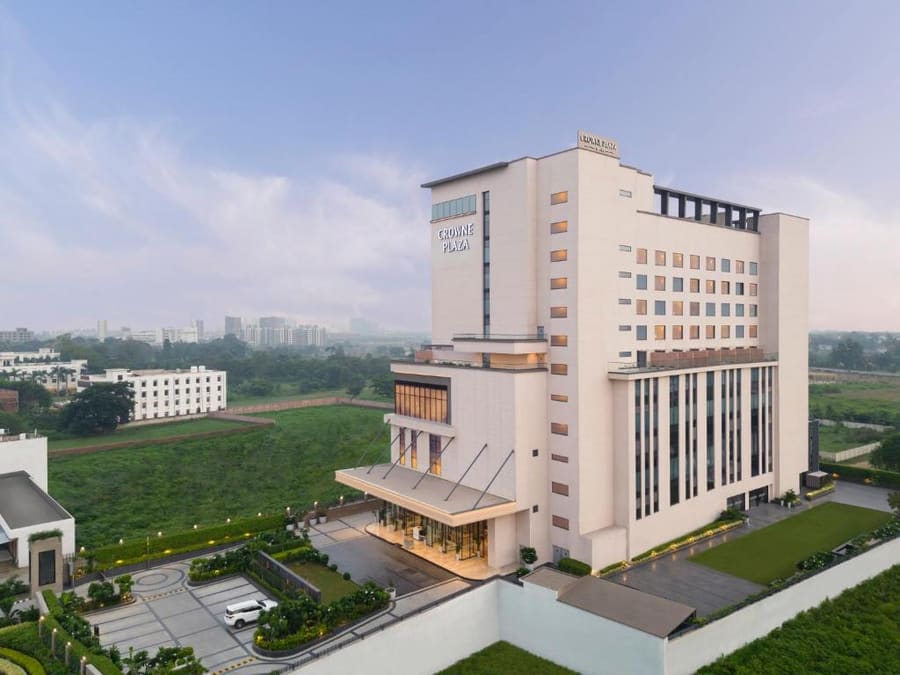
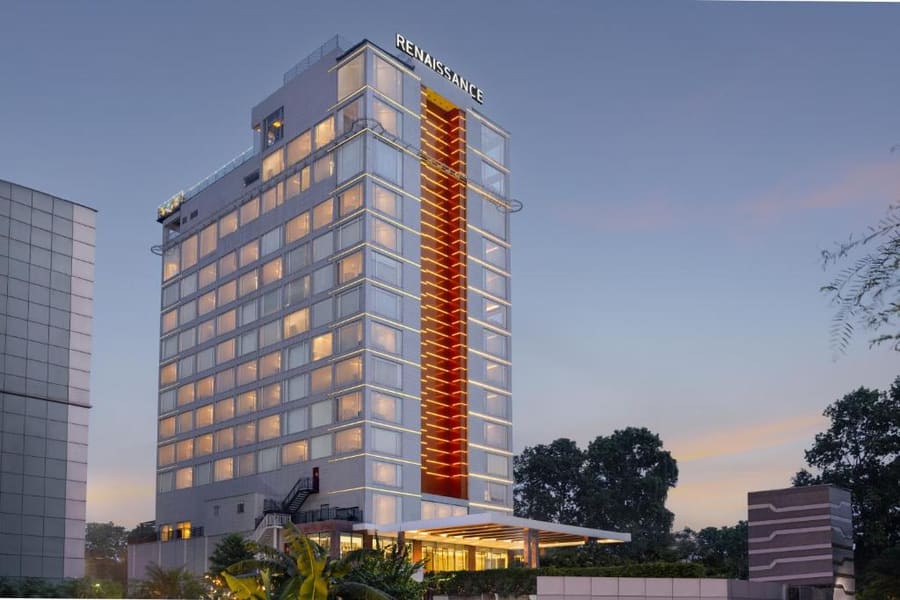
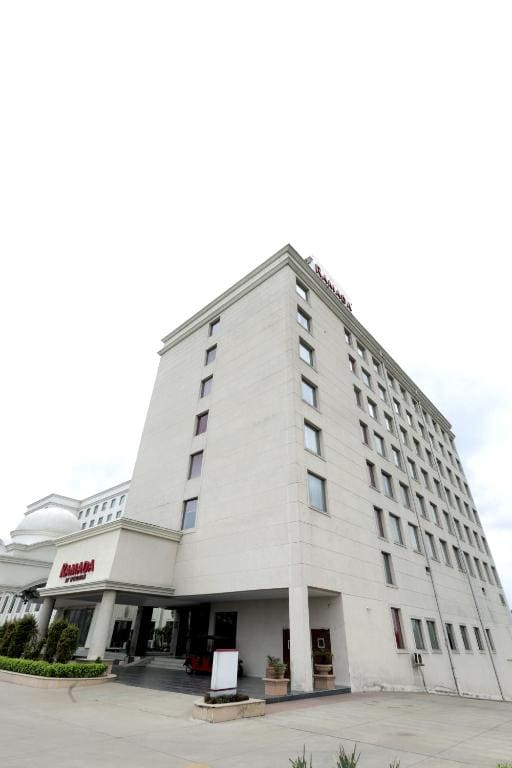
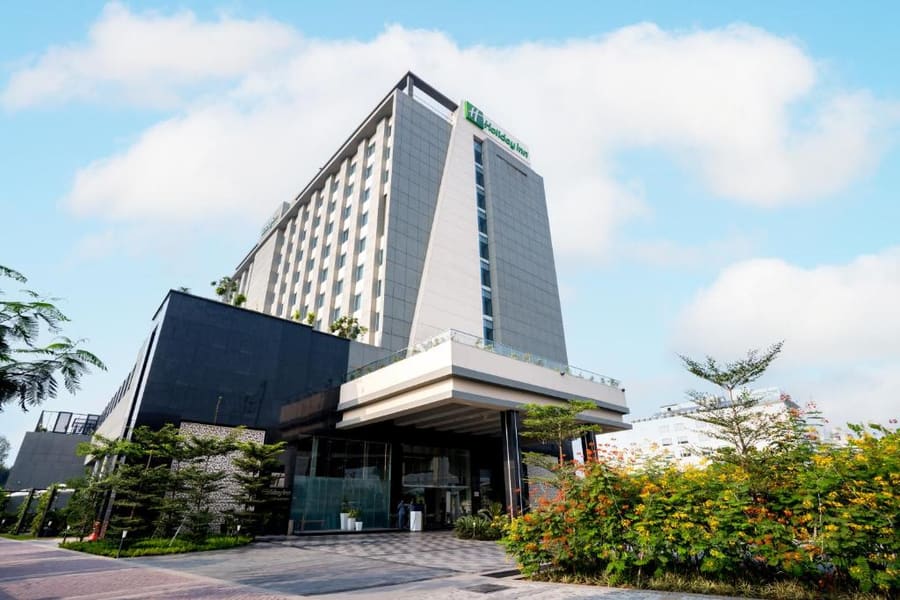
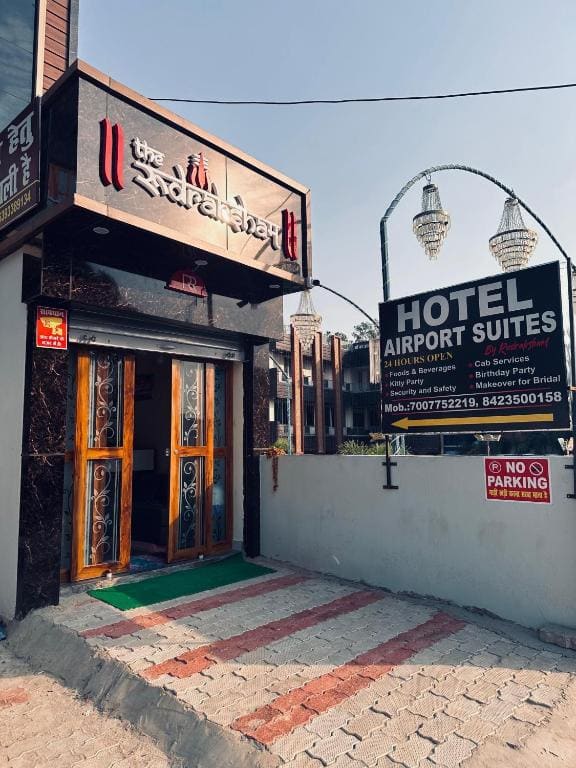
Choose your base by transit priorities and noise tolerance. Old City hotels put you within walking distance of historic monuments, but traffic congestion is severe. Hazratganj offers walkability, central metro connections, and mid-range options. Gomti Nagar houses international luxury brands with quiet grounds, but requires taxi rides for sightseeing.
Live rates, matched to the areas above.
transport
Lucknow has an efficient north-south Metro line connecting the airport, main railway station, and central shopping areas. For Old City travel, auto-rickshaws and battery-powered e-rickshaws navigate streets too narrow for cars. Ride-hailing apps like Uber and Ola work reliably across all main districts.
Da Chaudhary Charan Singh International Airport (LKO)
Uber and Ola pick up outside Terminal 2. Peak hour congestion increases travel times.
Prepaid taxicab counters sit right inside the arrivals hall before exiting.
Buy single-journey contactless tokens at station counters or use a GoSmart card for a 10% fare discount.
E-rickshaws in Chowk operate on shared fixed routes for ₹10–20 per seat. Agree on a total price if booking private.
The road outside Lucknow Charbagh Railway Station stalls completely between 17:00 and 20:00. Take the Metro instead.
Auto-rickshaws rarely use meters. Agree on the full trip price before placing a foot inside the vehicle.
cost
Lucknow offers low daily expenses compared to Delhi or Mumbai. Street food and local transport remain extremely cheap, while high-end dining and five-star accommodation cost significantly less than in India's primary financial hubs.
Covers entrance to the Imambara grounds, upper maze, Chota Imambara, and Picture Gallery.
Fares depend on distance traveled along the single active Red Line corridor.
Handmade embroidery prices scale upwards based on fabric quality and stitch density.
seasonality
NOV – FEB
Cool weather with daytime temperatures around 20°C. Ideal for walking tours, though morning fog can delay flights.
MAR – MAY
Severe heat reaching above 40°C. Sightseeing must be confined to early mornings before afternoon sun peak.
JUN – SEP
Heavy monsoon rains and high humidity. Outdoor walking in Old City lanes becomes waterlogged and difficult.
OCT
Transitional period with warm days and manageable humidity. Pleasant evening walking conditions return.
practicalities
Remove shoes and cover shoulders and knees before entering active Imambara prayer halls.
Hire guides inside the Bara Imambara ticket office. Unlicensed touts outside charge higher rates for inaccurate tours.
Many core shops in Chowk remain closed on Thursdays for weekly maintenance.
ATMs in Hazratganj are reliable. Old City ATMs frequently run out of cash during weekend rush hours.
Drink sealed bottled water. Unfiltered tap water and unpasteurized street drinks cause digestive illness.