landmark
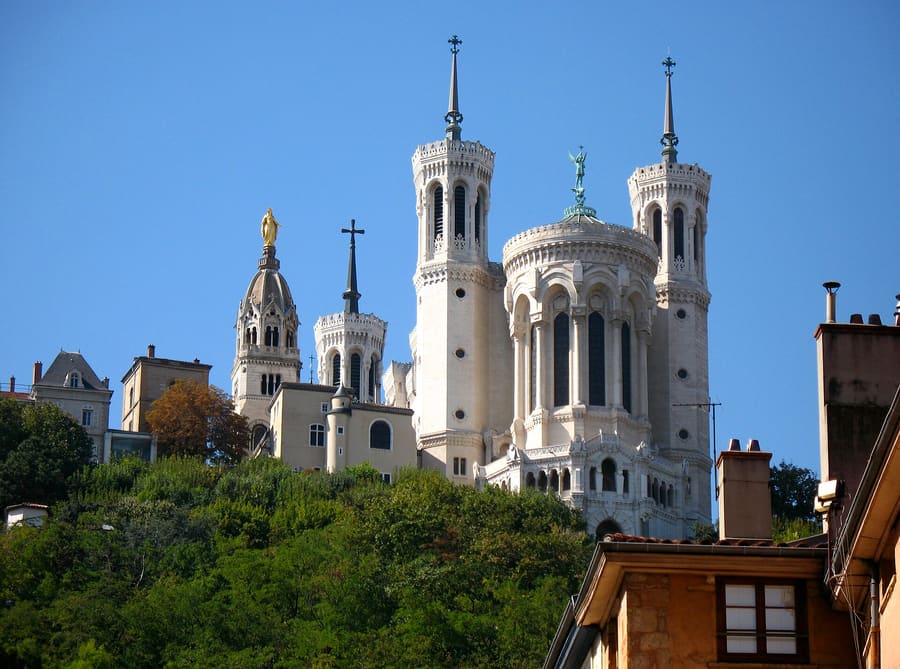
Basilique Notre-Dame de Fourvière
19th-century basilica overlooking the city. Take the Funicular F2 from Vieux Lyon to avoid the steep urban climb.
Chiedi a ParleyFrancia
Two rivers, two hills, and France's culinary capital.
introduction
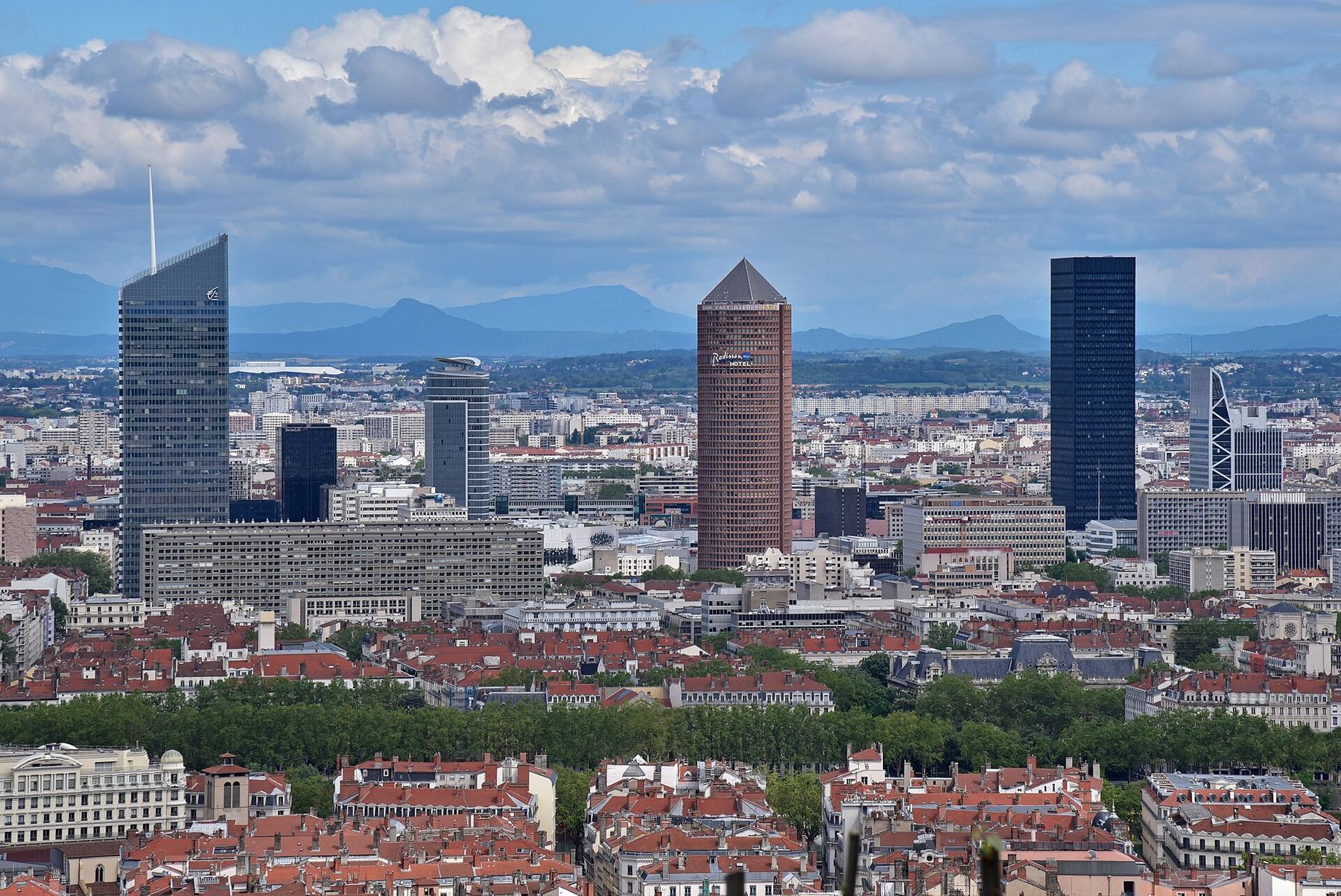
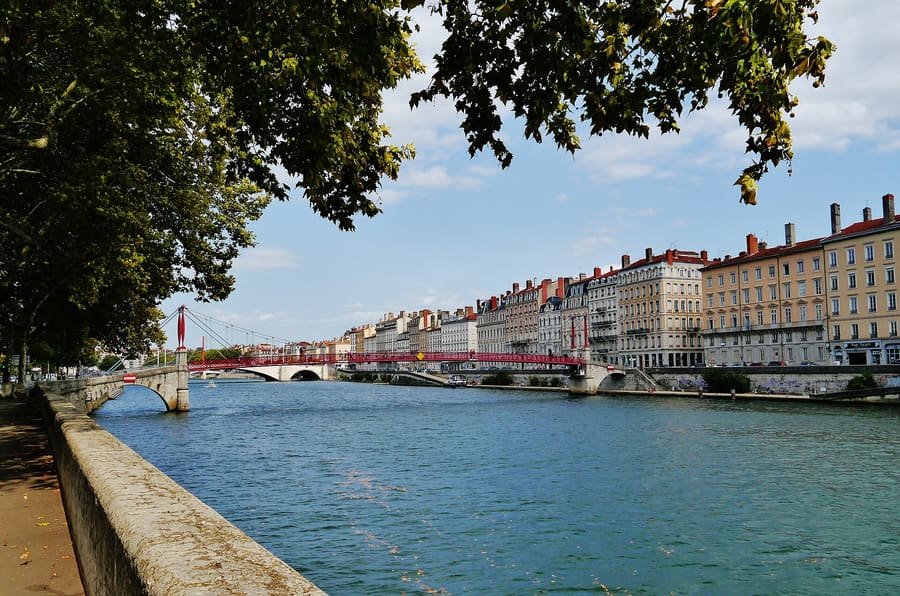
Lyon sits at the confluence of the Rhône and Saône rivers, split between working-class slopes and Renaissance alleyways. You navigate the city primarily on foot and via an efficient four-line metro system. Expect serious food traditions, dense urban covered passages, and steep hill climbs rewarded by sweeping city views.
Airport transport shortcut
The Rhônexpress tram takes 30 minutes from Saint-Exupéry airport to Part-Dieu station. Buying tickets online in advance saves a few euros.
UNESCO Heritage designation
UNESCO listed 500 hectares of central Lyon in 1998, spanning Fourvière, Vieux Lyon, Croix-Rousse, and Presqu'île.
Traboule navigation
Most traboules are private residential passages. Look for small bronze identifying shields next to street doors, and press the service button to enter in the morning.
Lyon
Zairon · CC BY-SA 4.0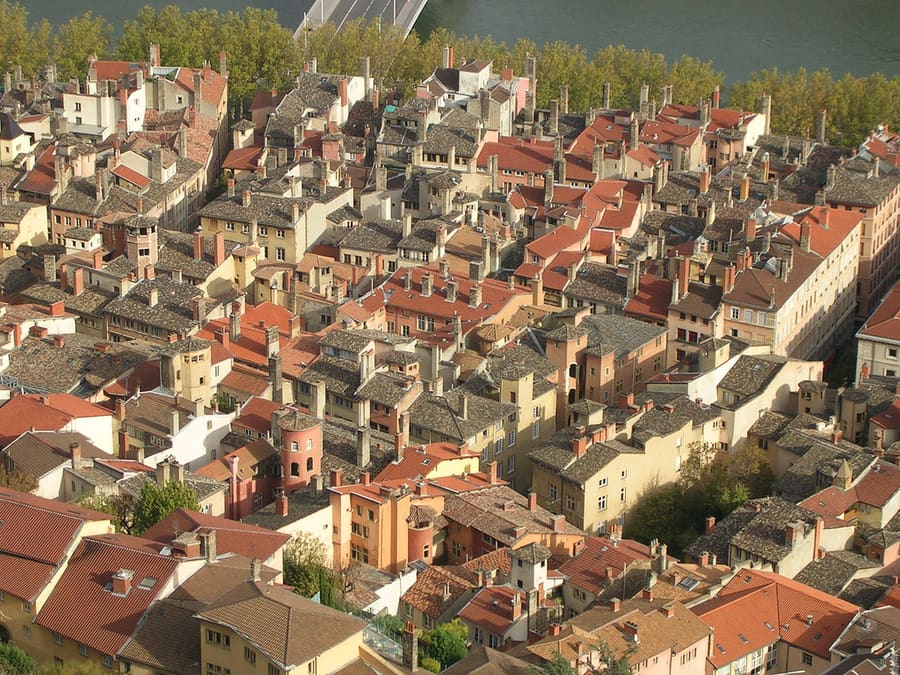
Vieux Lyon — Cobblestone Renaissance corridors running along the base of Fourvière hill.
Karldupart · CC BY-SA 3.0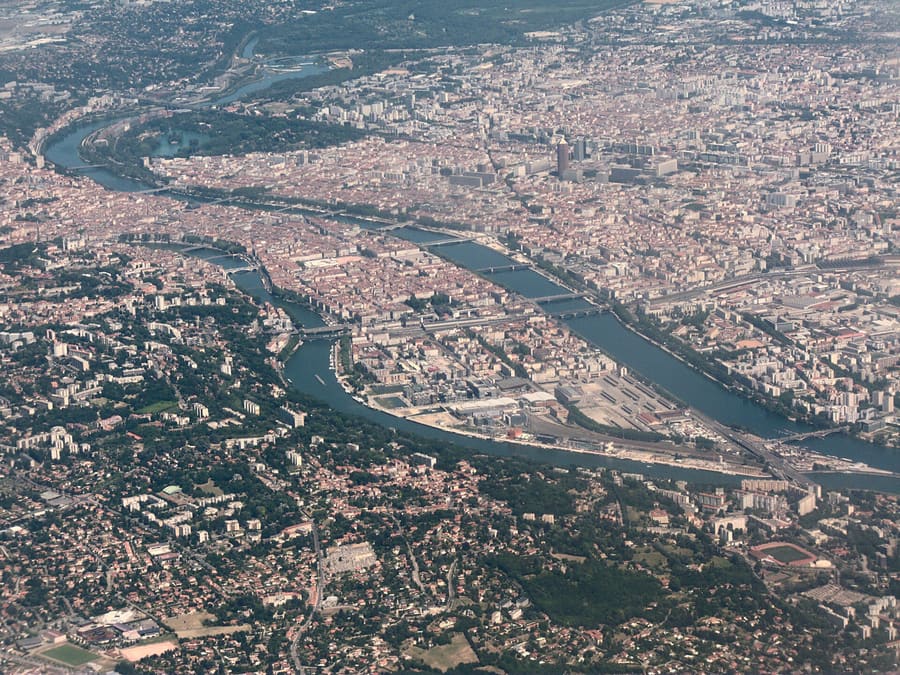
Presqu'île — Grand 19th-century boulevards situated between the Rhône and Saône rivers.
David.Monniaux · CC BY-SA 3.0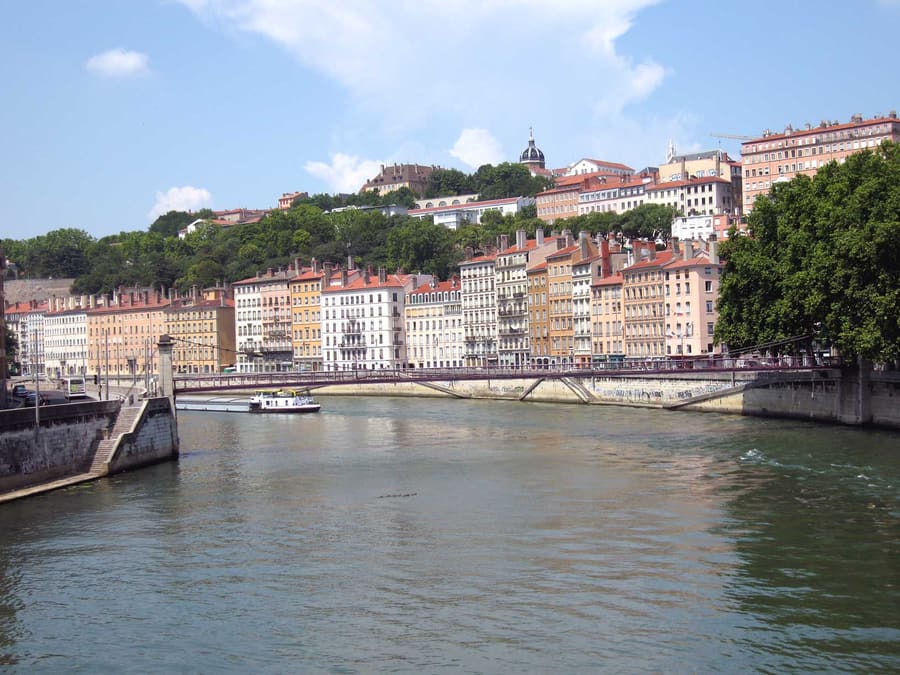
La Croix-Rousse — Former silk-worker hill neighborhood with village character and steep staircases.
Pline · CC BY-SA 3.0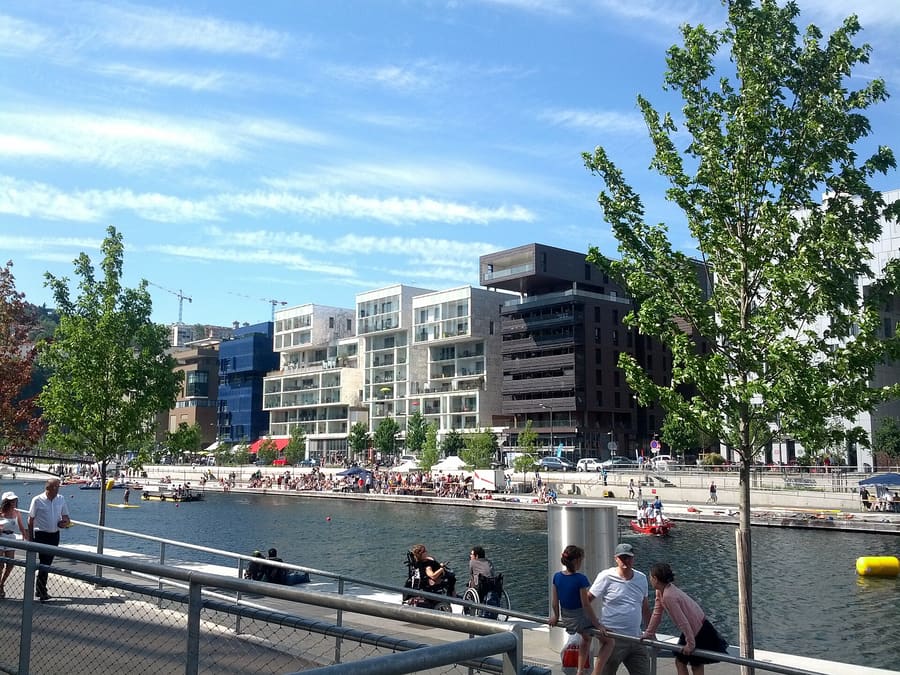
Confluence — Redeveloped industrial waterfront featuring contemporary glass and steel architecture.
Tibidibtibo · CC BY-SA 3.0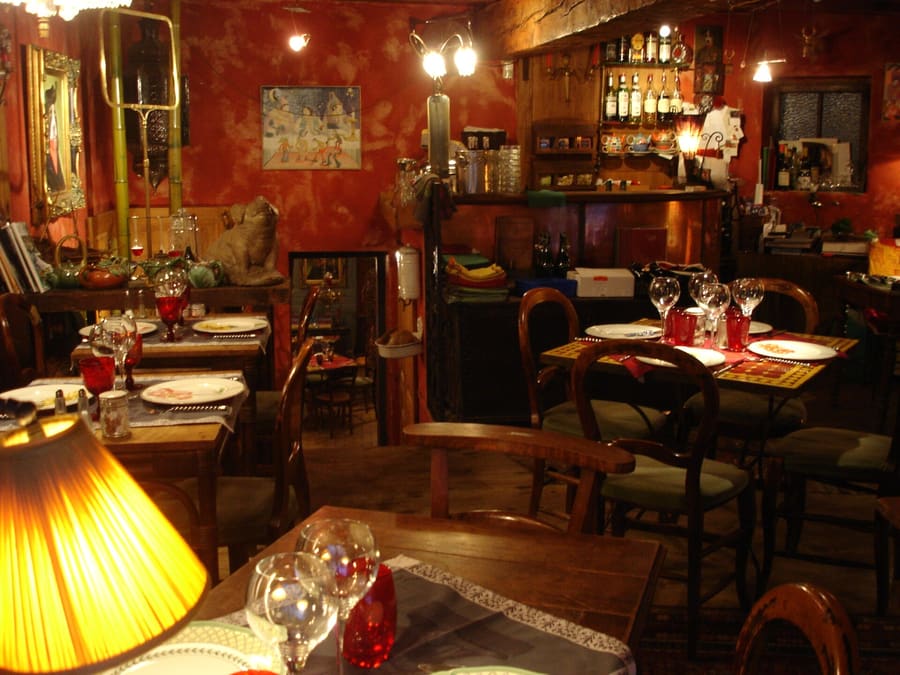
A traditional Lyonnais lunch featuring local charcuterie and regional wine.
Photo courtesy of: Trishhhh · CC BY 2.0highlights
landmark
19th-century basilica overlooking the city. Take the Funicular F2 from Vieux Lyon to avoid the steep urban climb.
Chiedi a Parley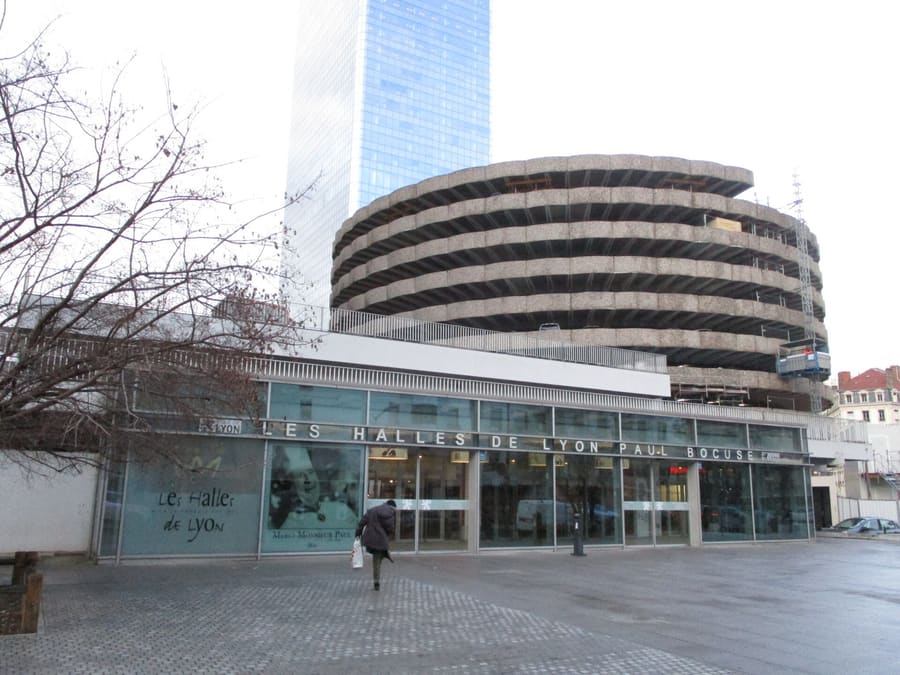
landmark
Enclosed food hall housing Lyon's top cheese, charcuterie, and wine vendors. Prices run high, but quality is consistent.
Chiedi a Parley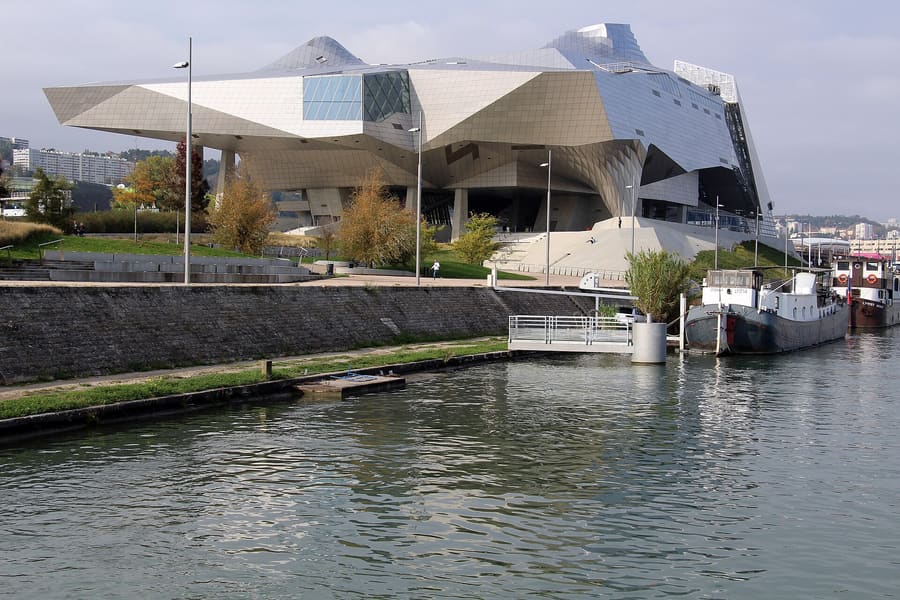
landmark
Futuristic science and anthropology museum at the tip of the peninsula. Take tram T1 directly to the entrance.
Chiedi a Parley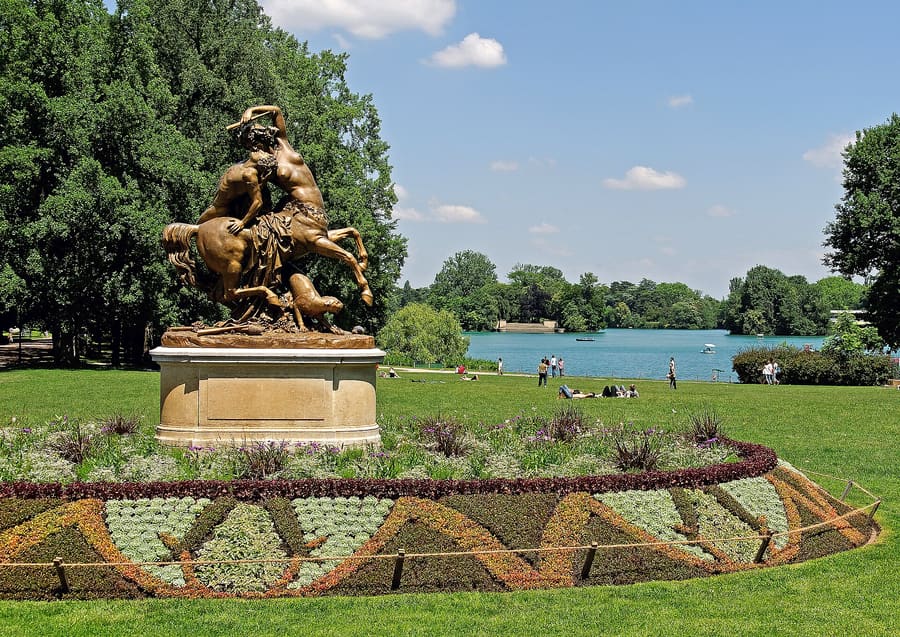
landmark
Sprawling 19th-century park with a free zoo and botanical greenhouses. Rent a boat on the central lake during spring.
Chiedi a Parley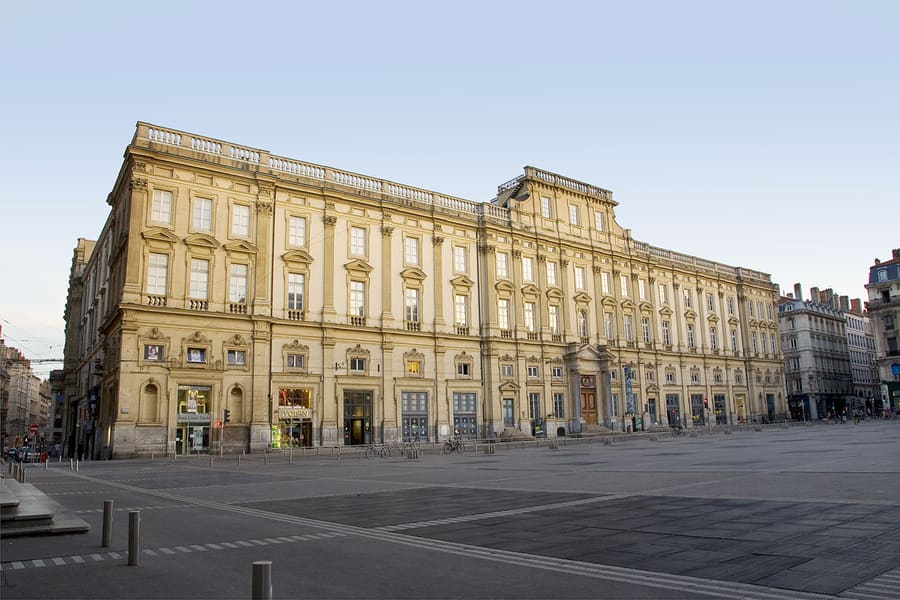
landmark
Set in a 17th-century Benedictine convent on Place des Terreaux. The peaceful inner courtyard garden costs nothing to enter.
Chiedi a Parleyattractions
areas
Cobblestone Renaissance corridors running along the base of Fourvière hill.
Nei dintorniFourvière hill and Saône riverbanks.
Chiedi a ParleyGrand 19th-century boulevards situated between the Rhône and Saône rivers.
Nei dintorniPlace Bellecour and Place des Terreaux.
Chiedi a ParleyFormer silk-worker hill neighborhood with village character and steep staircases.
Nei dintorniMur des Canuts and Boulevard Croix-Rousse.
Chiedi a ParleyRedeveloped industrial waterfront featuring contemporary glass and steel architecture.
Nei dintorniMusée des Confluences and Saône docks.
Chiedi a Parleyfood
Lyon's culinary identity sits on a foundation of hearty offal, pork charcuterie, and rich butter sauces born in traditional dining spots called bouchons. Authentic bouchons carry an official Authentique Bouchon Lyonnais certificate label to distinguish them from tourist traps. Order a quenelle de brochet (pike mousse poached in crayfish sauce) or saucisson chaud for a classic meal.
A traditional Lyonnais lunch featuring local charcuterie and regional wine.
Photo courtesy of: Trishhhh · CC BY 2.0Look for the yellow sticker displaying Gnafron holding a glass of wine to guarantee traditional preparation.
Most traditional kitchens serve lunch strictly between 12:00 and 14:00. Arriving past 13:30 usually means turned away.
This classic local spread made of fresh cheese, herbs, shallots, and olive oil is traditionally served at the end of meals.
history
Founded as the Roman settlement Lugdunum in 43 BC, Lyon grew into the capital of the Gallic provinces. By the Renaissance, the city transformed into Europe's printing and silk trading epicenter, establishing networks of interior passages known as traboules to protect textiles from weather during transport.
Roman Foundation
Lucius Munatius Plancus establishes Lugdunum on Fourvière hill, which quickly becomes the Roman capital of Gaul.
Printing Revolution
The first printing press opens in Lyon, turning the city into one of Europe's primary publishing centers.
Canut Revolts
Silk weavers (canuts) in Croix-Rousse revolt over working conditions, marking an early industrial worker uprising.
Capital of Resistance
Jean Moulin coordinates French Resistance networks from Lyon, using secret traboules to evade occupation forces.
where to stay
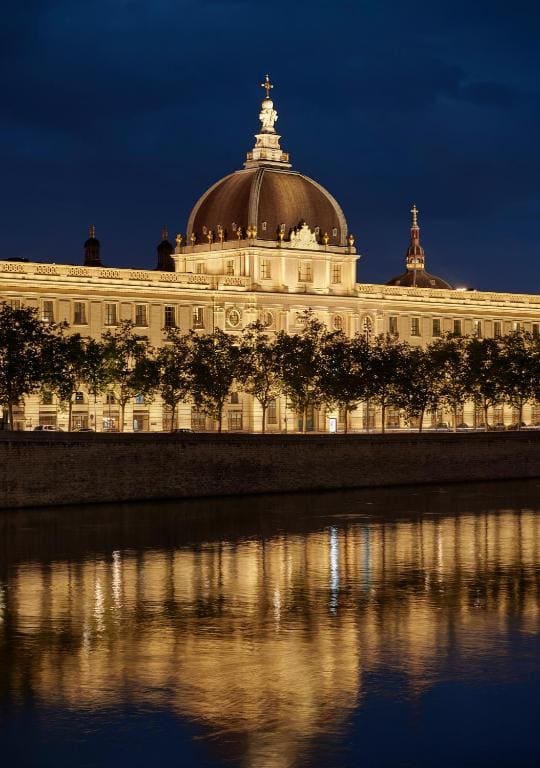
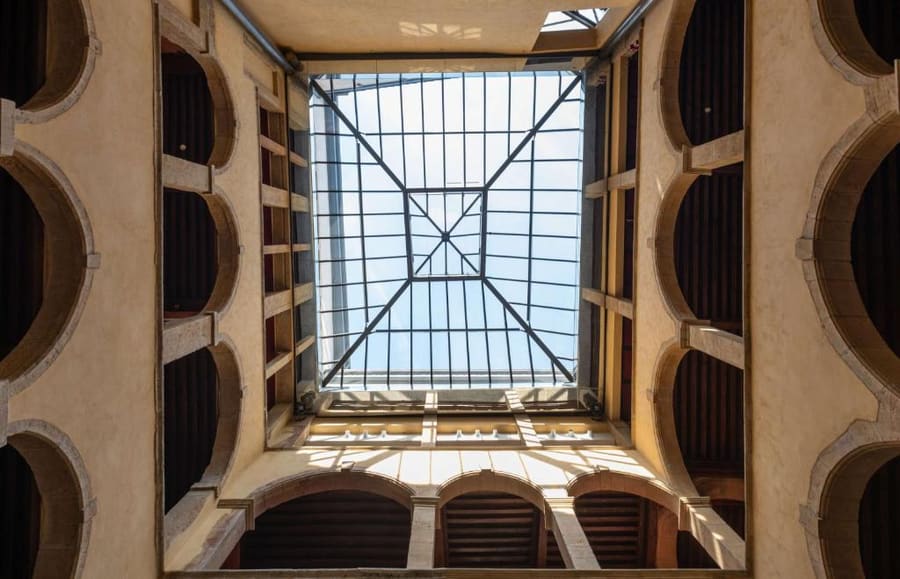
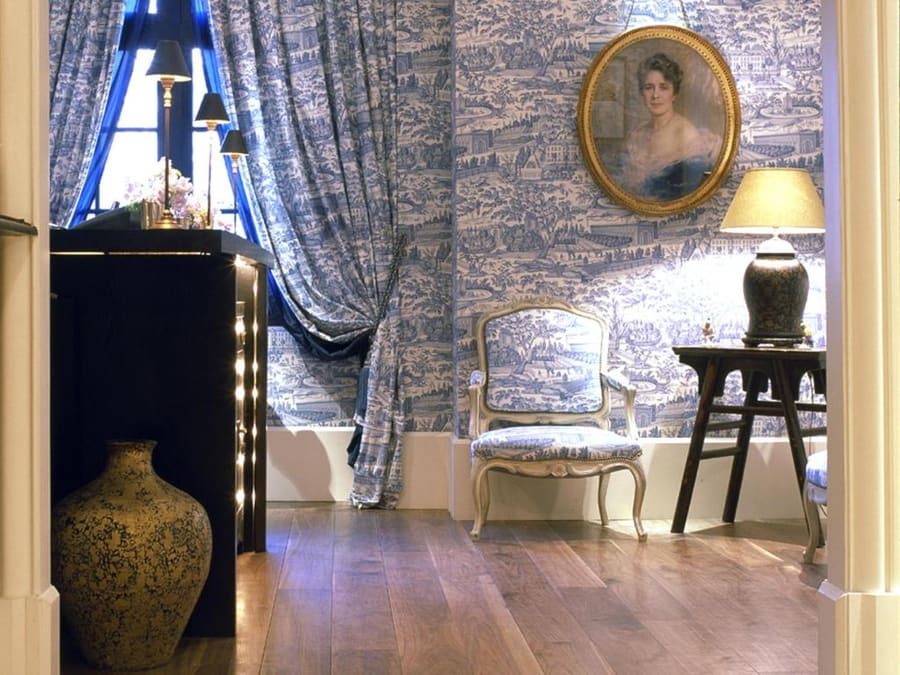
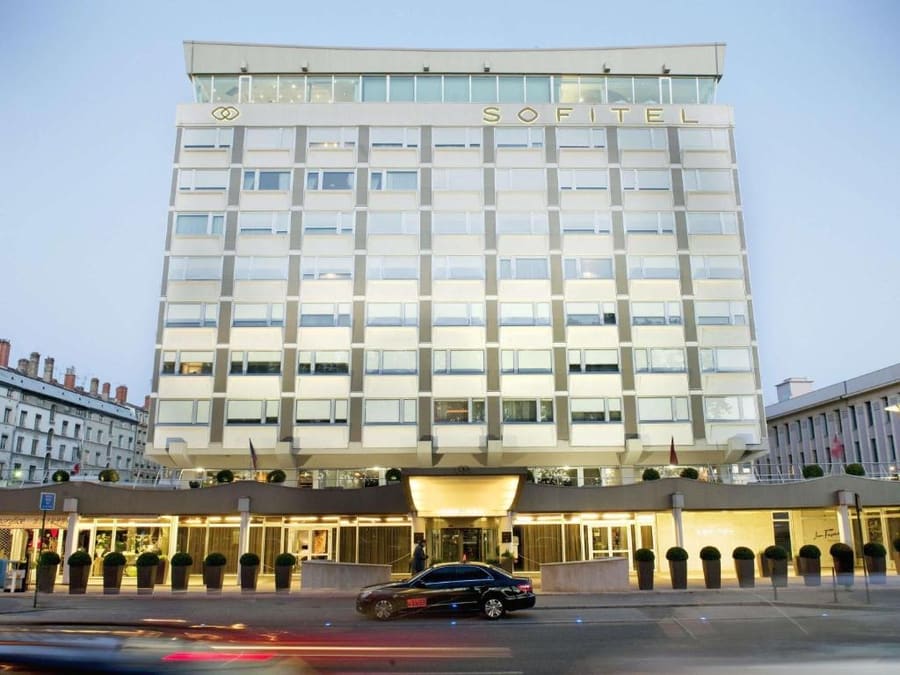
Choose your base based on your daily mobility tolerance and evening dining plans. Presqu'île offers flat walking access to both riverbanks, while Vieux Lyon puts Renaissance charm on your doorstep at the cost of heavier tourist crowds.
Live rates, matched to the areas above.
transport
Lyon transit is managed by TCL and operates four metro lines, seven tram lines, two funiculars, and extensive bus routes. Tickets work seamlessly across all transit modes.
Da Lyon-Saint Exupéry Airport (LYS)
The Rhônexpress tram runs directly to Part-Dieu station every 15 minutes.
Flat daytime rate to downtown; night rates increase fees significantly.
Contactless payment is active on all TCL metro lines, trams, and buses. Tap your payment card at validation gates.
Standard TCL transit tickets include rides on the two funicular railways up Fourvière hill (lines F1 and F2).
Lyon's public bike network offers short-term passes via app. The first 30 minutes of every ride are free.
Metro trains run daily from 05:00 to 00:00, with extended service until 02:00 on Friday and Saturday nights.
cost
Lyon offers better dining value than Paris, though luxury hospitality and fine dining match national capital price points. Budget for museum entry fees and public transit passes.
Three-course traditional fixed lunch menus offer substantial savings compared to dinner service.
Sitting at an outdoor terrace table increases coffee pricing compared to standing at the bar.
seasonality
MAR – MAY
Mild weather with temperatures around 15°C–20°C. Outdoor terrace seating reopens and rain stays moderate.
JUN – AUG
Hot summer days regularly exceeding 30°C. Many independent bouchons close during August for summer break.
SEP – NOV
Autumn harvest season brings fresh seasonal game and local wines. October offers comfortable walking temperatures.
DEC – FEB
Cold winter temperatures near 5°C. Fête des Lumières in early December causes hotel prices to surge drastically.
practicalities
Dozens of family-owned bouchons and bakeries close entirely for 3-4 weeks in August.
The Berges du Rhône pedestrian riverbanks offer miles of continuous paved walking and cycling trails.
Most retail stores in Presqu'île close completely on Sundays, though food markets operate until noon.
Traboules pass through real residential courtyards. Speak quietly and keep group sizes small while inside.
Skip paid observation decks; the public terrace beside Notre-Dame de Fourvière offers free panoramic views.