landmark
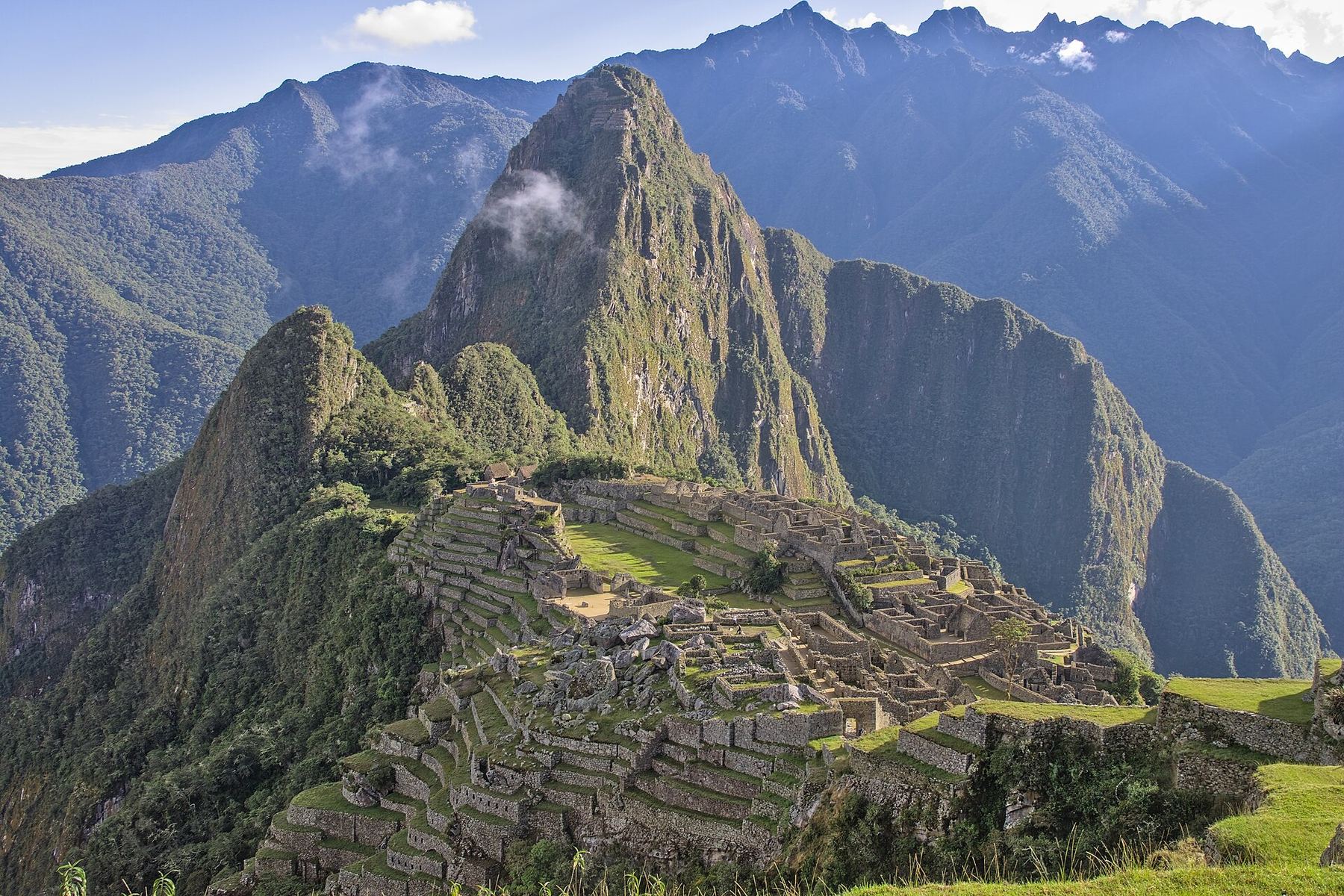
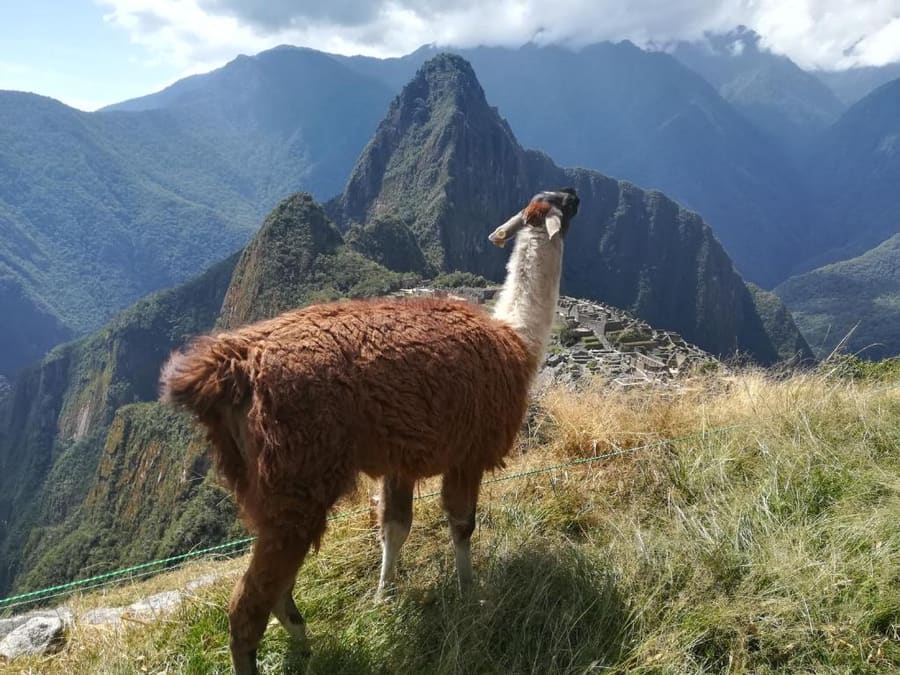
Guardhouse Viewpoint
The classic elevation shot of the citadel. Circuit 1 and 2 tickets give access to this terrace level.
Chiedi a ParleyPerù
Inca stone craft sitting high above the Urubamba canyon.
introduction
Machu Picchu is a strictly timed archaeological site reached via train and bus or multi-day foot passes. You move along designated, one-way circuit paths that prevent back-tracking once entered. Expect strict park rules, high altitude, and steep stone stairways without guardrails. Most visits start from the valley town of Aguas Calientes or nearby Sacred Valley hubs.
Ticket timing
You must enter within your printed 60-minute time window. Miss it and guards turn you away at the gate without refund.
UNESCO status
Designated a UNESCO World Heritage site in 1983. Daily visitor caps protect the fragile dry-stone terraces.
Passport requirement
You need your original physical passport to pass security. A driver's license or photo copy will not be accepted.
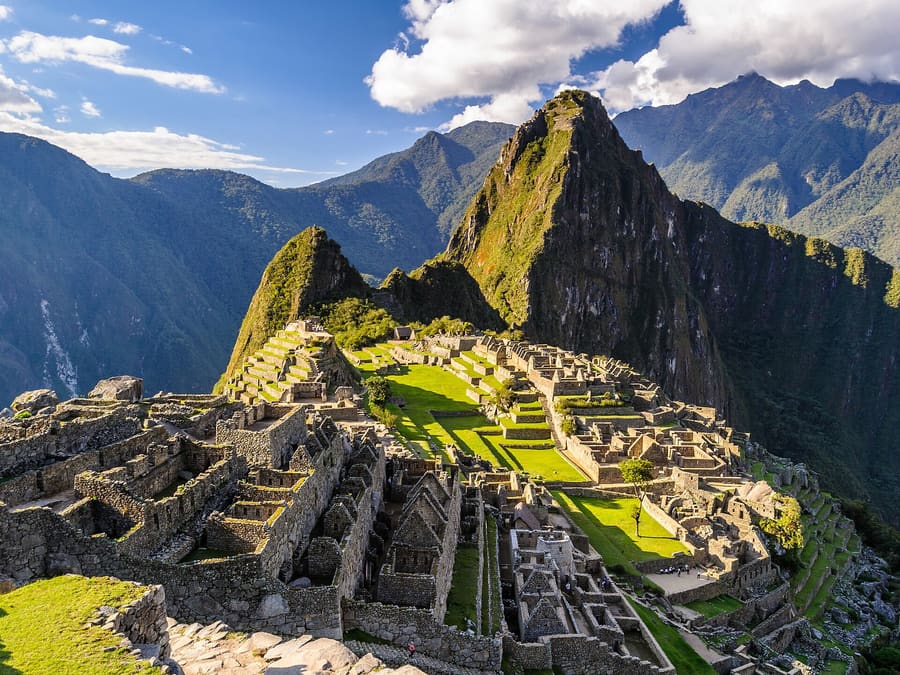
Machu Picchu
Kabelleger / David Gubler · CC BY-SA 4.0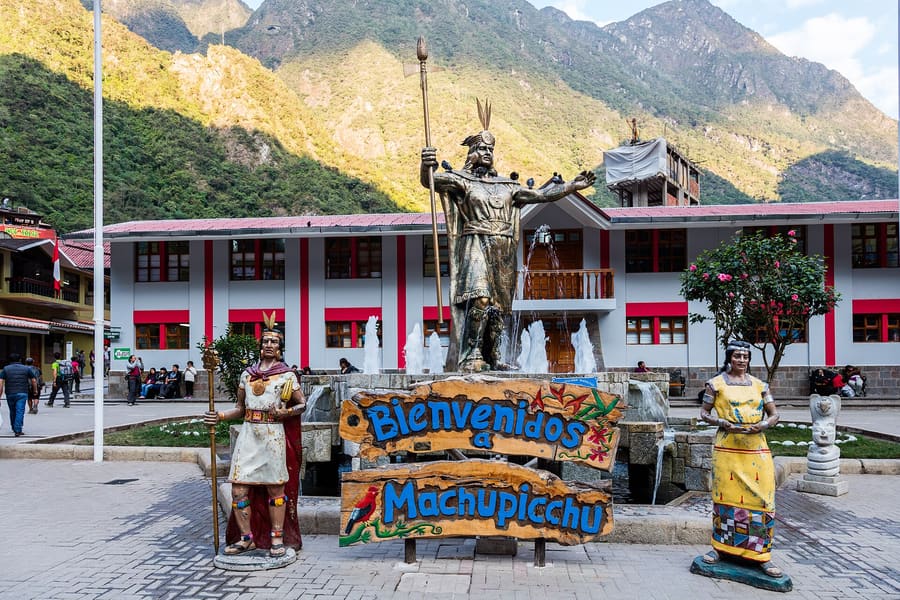
Machupicchu Pueblo — Canyon base town packed tightly around train tracks and river gorges.
Diego Delso · CC BY-SA 4.0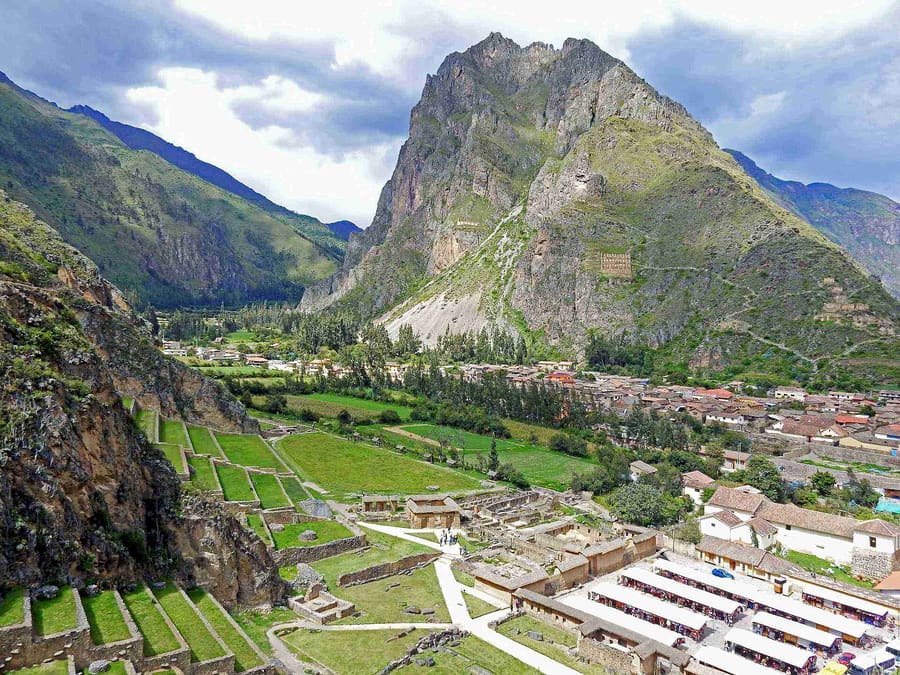
Ollantaytambo — Living Inca town with stone grid streets and direct train station access.
FLASHPACKER TRAVELGUIDE · CC BY-SA 2.0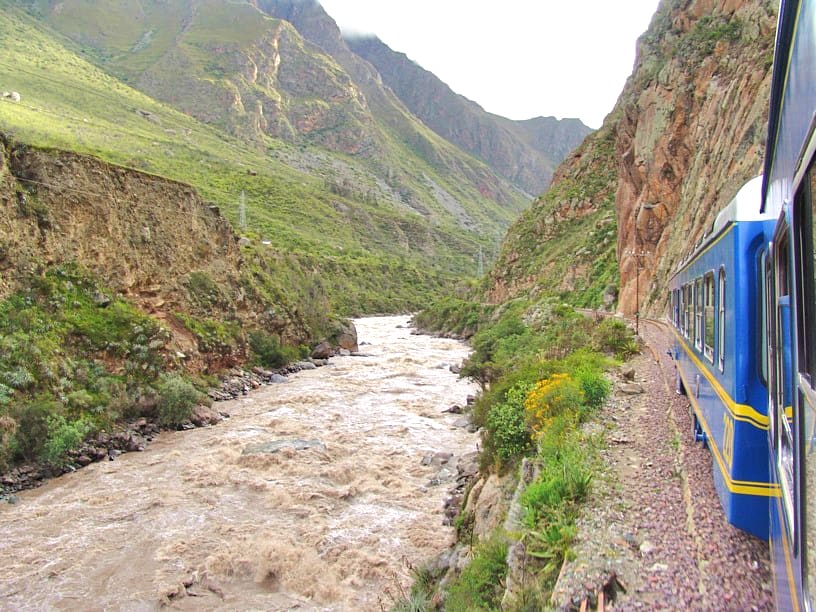
Urubamba — Sprawling valley countryside featuring high-end resort compounds and quiet air.
Leon petrosyan · CC BY-SA 3.0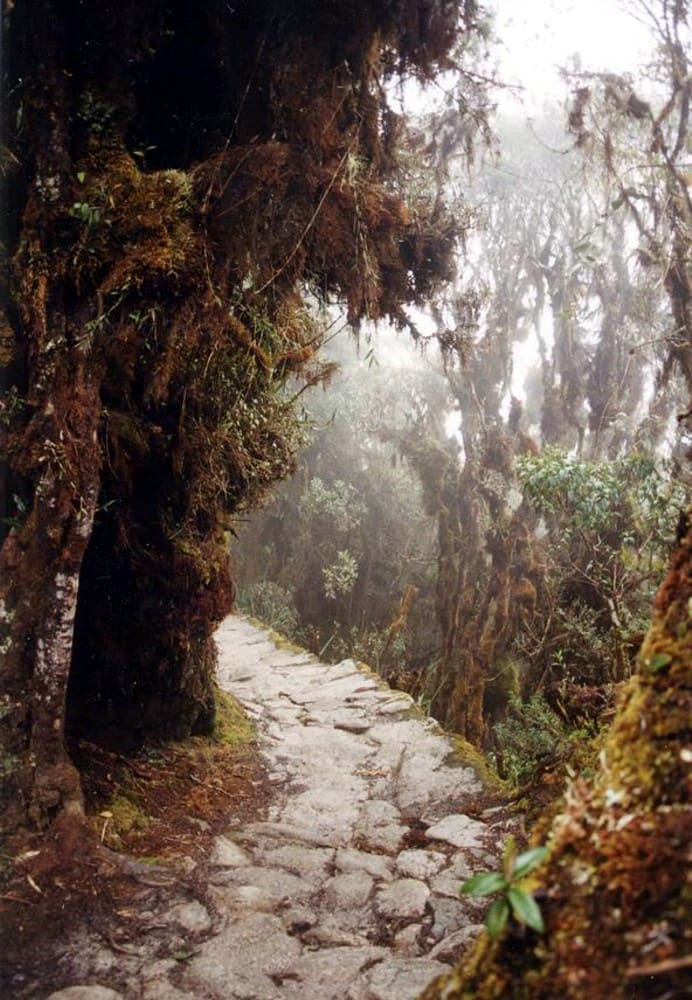
Inca Trail Approach — High ridge trail zone accessible exclusively via multi-day trekking permits.
Public domain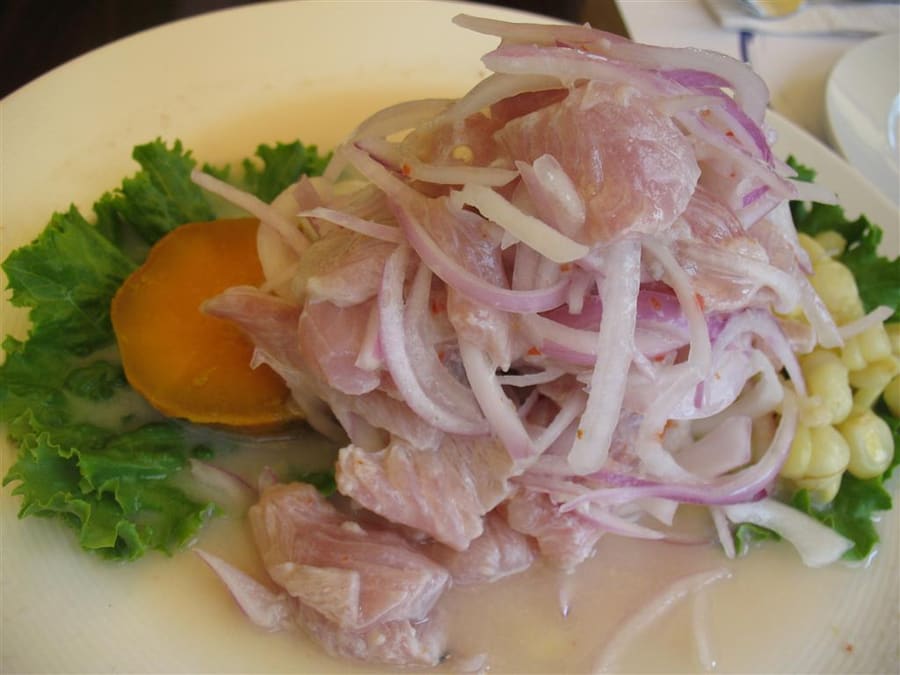
Freshly caught pan-seared Urubamba river trout served with native Andean potato varieties.
ProjectManhattan · CC0highlights
landmark
The classic elevation shot of the citadel. Circuit 1 and 2 tickets give access to this terrace level.
Chiedi a Parley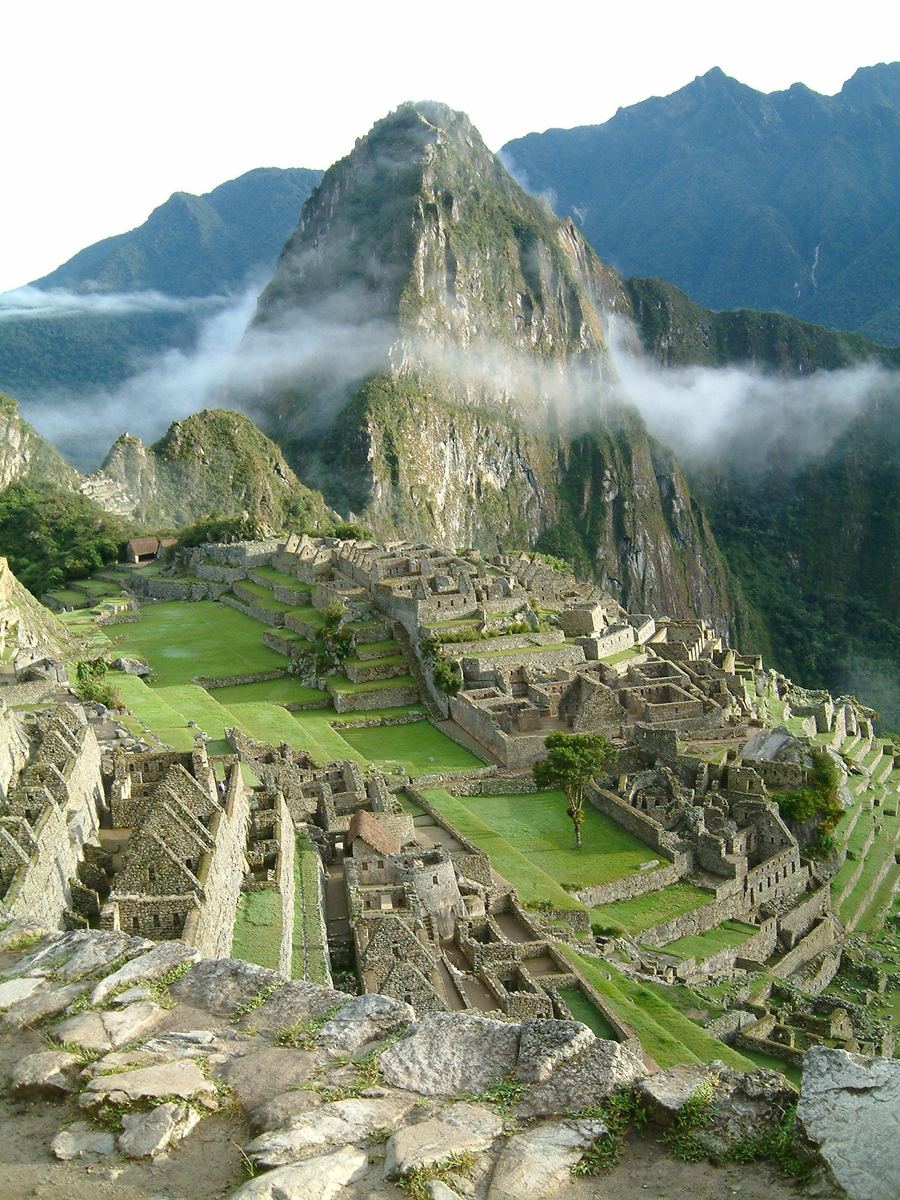
landmark
Steep climb above the citadel via narrow stone stairs. Requires a specific separate permit booked months ahead.
Chiedi a Parley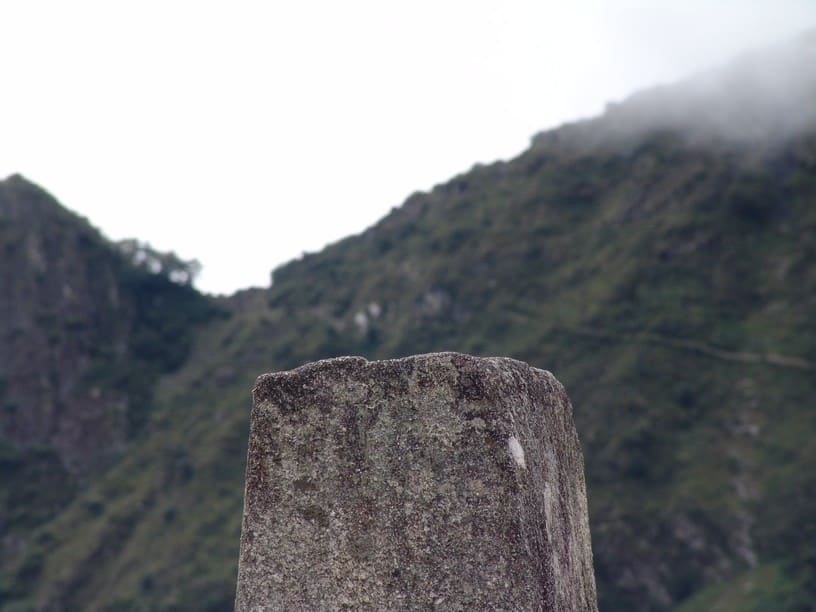
landmark
Carved granite rock anchored to the hill peak. Used by Inca astronomers to track seasonal sun movements.
Chiedi a Parleyattractions
areas
Canyon base town packed tightly around train tracks and river gorges.
Nei dintorniShuttle bus line to the citadel entrance.
Chiedi a ParleyLiving Inca town with stone grid streets and direct train station access.
Nei dintorniOllantaytambo fortress and direct train lines.
Chiedi a ParleySprawling valley countryside featuring high-end resort compounds and quiet air.
Nei dintorniSalt mines of Maras and Sacred Valley road routes.
Chiedi a ParleyHigh ridge trail zone accessible exclusively via multi-day trekking permits.
Nei dintorniSun Gate entrance and Andean mountain passes.
Chiedi a Parleyfood
Dining options directly at the citadel site remain limited to one hotel restaurant and a snack bar with inflated prices. Most visitors eat in Machupicchu Pueblo down in the valley floor. Regional dishes rely on freshwater trout, native high-altitude potatoes, and corn grown in the Sacred Valley.
Freshly caught pan-seared Urubamba river trout served with native Andean potato varieties.
ProjectManhattan · CC0Food is officially prohibited inside the archaeological park. Keep small snacks sealed in your daypack to avoid confiscation at the gate.
Restaurants in Machupicchu Pueblo fill completely between 12:00 and 14:00 when morning visitors return down the shuttle path.
Eateries right next to the Aguas Calientes train station add 10% service charges and higher base prices than those two blocks uphill.
history
Built around 1450 under Inca Emperor Pachacuti, the complex served as a royal estate and ceremonial site. It was abandoned roughly a century later during the Spanish conquest of Peru. Because the Spanish never located the high ridge, the structures remained intact until public exposure in 1911.
Estate construction
Inca rulers engineer massive agricultural terraces and granite palaces high above the Urubamba valley.
Citadel abandonment
The site is deserted during civil disruption and Spanish conquest, remaining hidden under cloud forest vegetation.
Scientific arrival
Hiram Bingham reaches the site with local guides and publishes photographs in Western media.
World Heritage status
UNESCO lists the site as a World Heritage property to mandate preservation and limit structural decay.
Circuit system instituted
Peru introduces strict timed entries and one-way fixed movement paths to protect the stone walls.
where to stay
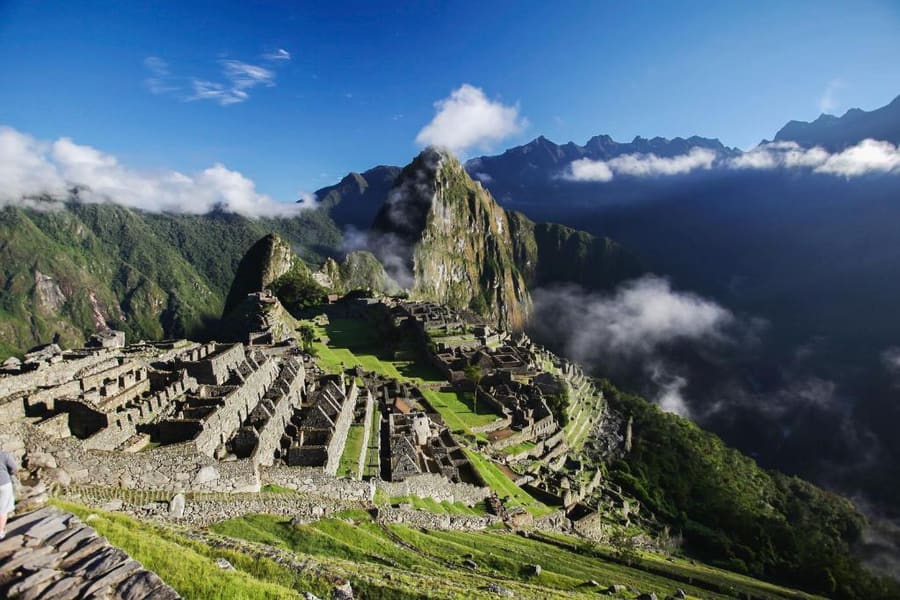
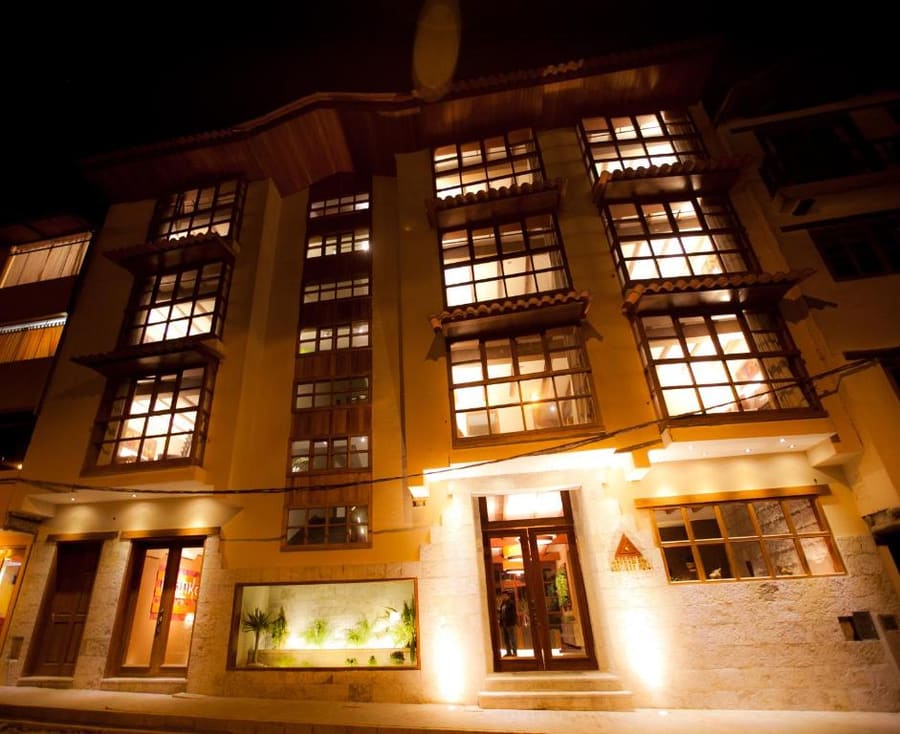
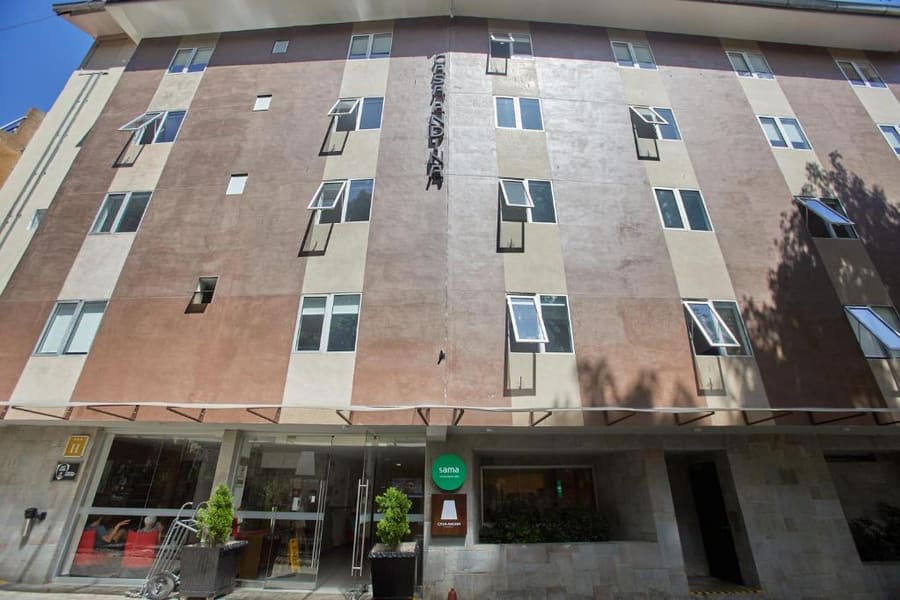
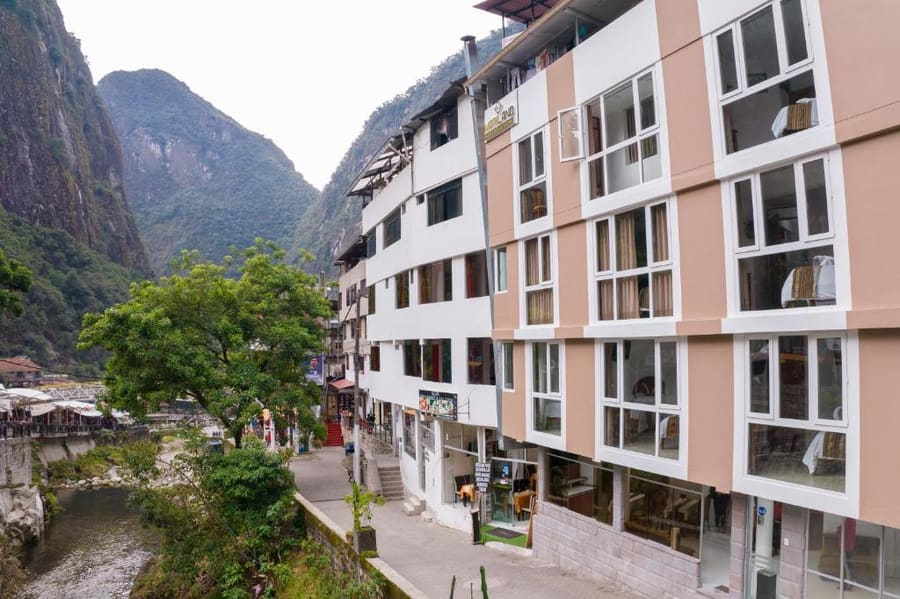
Where you sleep determines your morning routine. Staying in Machupicchu Pueblo gives you direct access to the morning shuttle buses before train arrivals. Staying in Ollantaytambo or Urubamba offers lower altitude sleeping and historic stone surroundings at the cost of an earlier wake-up call.
Live rates, matched to the areas above.
transport
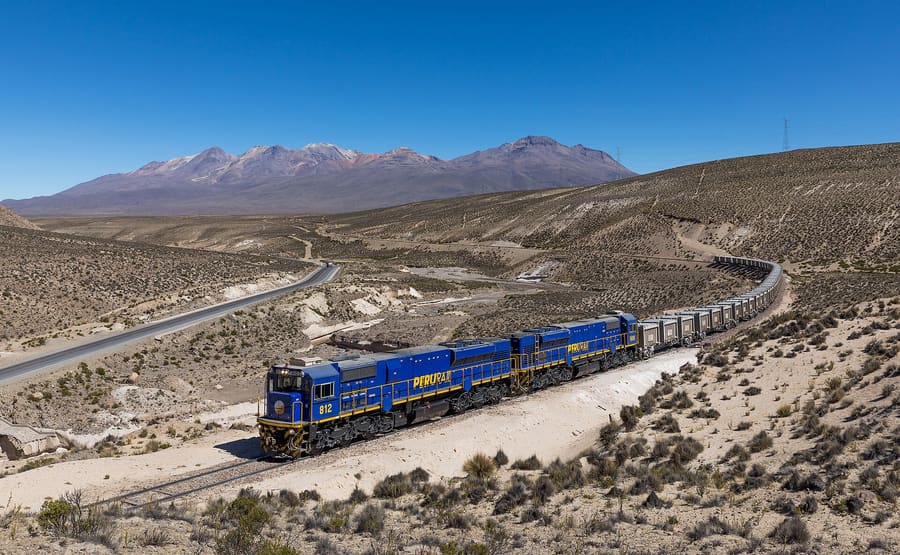
Machu Picchu has no road access from Cusco. You reach the base town of Machupicchu Pueblo via PeruRail or Inca Rail trains running from Ollantaytambo or Poroy. From the valley base, official Consettur shuttle buses haul visitors up the switchback mountain road to the main entrance.
Da CUZ
Cusco Airport to Ollantaytambo train station. Negotiate the rate before entering the vehicle.
Pre-arranged driver from Cusco directly to Sacred Valley train platforms.
Trains strictly enforce a 5kg hand luggage limit. Leave large suitcases at hotel storage in Cusco or Ollantaytambo.
Morning shuttle bus lines at Machupicchu Pueblo start forming by 04:30. Expect up to a 45-minute wait during peak hours.
You must show your passport to buy and board the Consettur shuttle bus. Cash and cards are accepted at the station office.
No highway connects Cusco directly to Aguas Calientes. Do not rent a car expecting to drive to the site.
cost
Budgeting for Machu Picchu requires accounting for train tickets and entry permits alongside base expenses. Prices at the base of the mountain reflect the geographic isolation of bringing goods up the canyon rail line.
Standard official entry permit price for adults through the Ministry of Culture website.
Consettur bus fare connecting Aguas Calientes town to the citadel main gate.
One-way Expedition or Voyager train service from Ollantaytambo.
Typical main course meal price in Machupicchu Pueblo tourist spots.
Private licensed guide fee for a standard two-hour tour at the entrance.
seasonality
MAY – SEP
Dry season with clear skies and high visitor volumes. Book tickets three months ahead.
OCT – NOV
Transition period with sporadic rain showers and shorter lines at entry gates.
DEC – FEB
Heavy rains in the cloud forest. Trail paths can be slippery and fog often covers morning views.
MAR – APR
Rain eases and surrounding hills turn green. Sun emerges by mid-morning.
practicalities
Restrooms exist only outside the main entrance turnstiles. Once inside the circuit, there are no facilities.
Keep Peruvian Soles in small denominations for public restrooms and street stalls in the valley.
The citadel sits at 2,430 metres, which is lower than Cusco. Spend a day in the Sacred Valley first to acclimate.
Citadel pathways run one way. You cannot turn around to re-visit a temple after passing it.
UV levels are extreme at this elevation. Wear high-factor sunscreen even on overcast morning visits.