landmark
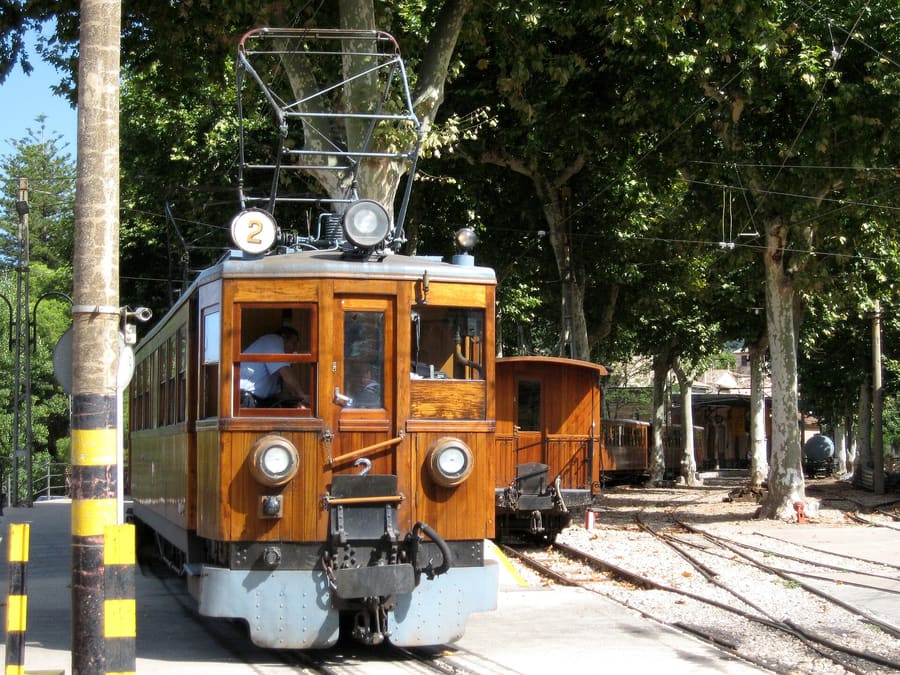
Ferrocarril de Sóller
A 1912 wooden train connecting Palma to Sóller through 13 mountain tunnels. Sit on the left side facing forward for the best valley views.
Chiedi a ParleySpagna
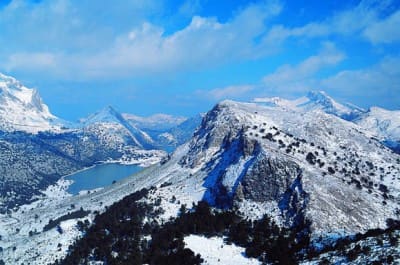
A mountain range dropping into clear Mediterranean coves.
introduction
Mallorca combines a dense urban capital with a rugged limestone mountain spine and quiet agricultural plains. You navigate the island by car for coastal coves or by TIB public buses for main towns. Palma delivers urban dining and historic architecture, while rural villages move at a slower agrarian pace. Expect high summer crowding along the coasts and cool quiet winters in the interior.
Airport to Palma center
Bus line A1 runs every 12 minutes from Palma airport to Plaça d'Espanya. A single ticket costs €5 and takes 20 minutes.
UNESCO Tramuntana range
UNESCO protects the Serra de Tramuntana for its centuries-old drystone terraces, olive groves, and traditional water channels.
Mallorca
No machine-readable author provided. Cybertoni assumed (based on copyright claims). · Public domain
Santa Catalina — Former fishermen's district now packed with bakeries, wine bars, and an active covered food market.
Chixoy · CC BY-SA 3.0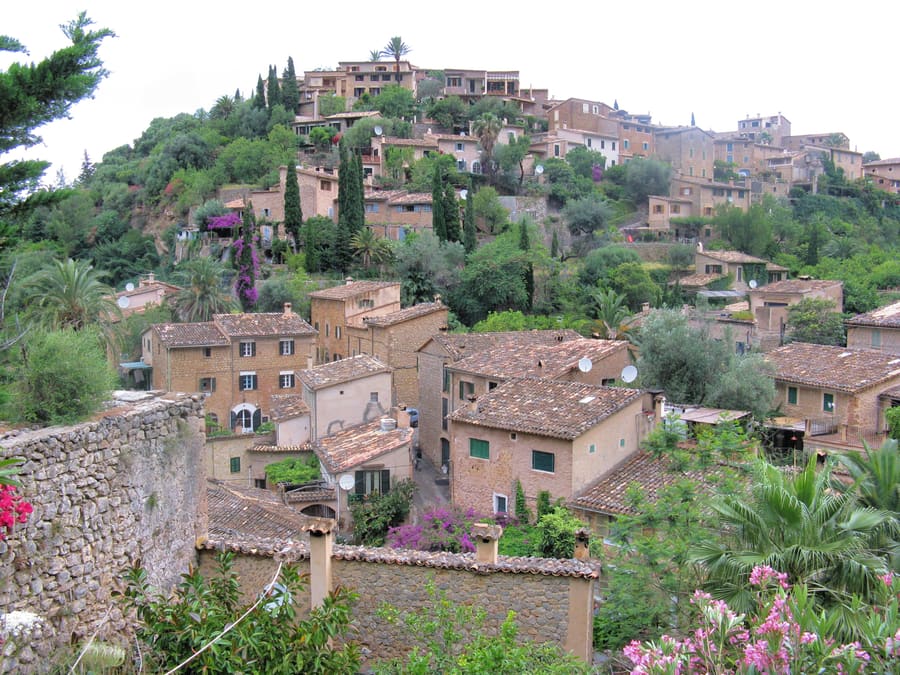
Deià — A quiet mountain village of ochre stone houses surrounded by olive groves and steep coastal cliffs.
Photographed by Adrian Pingstone · Public domain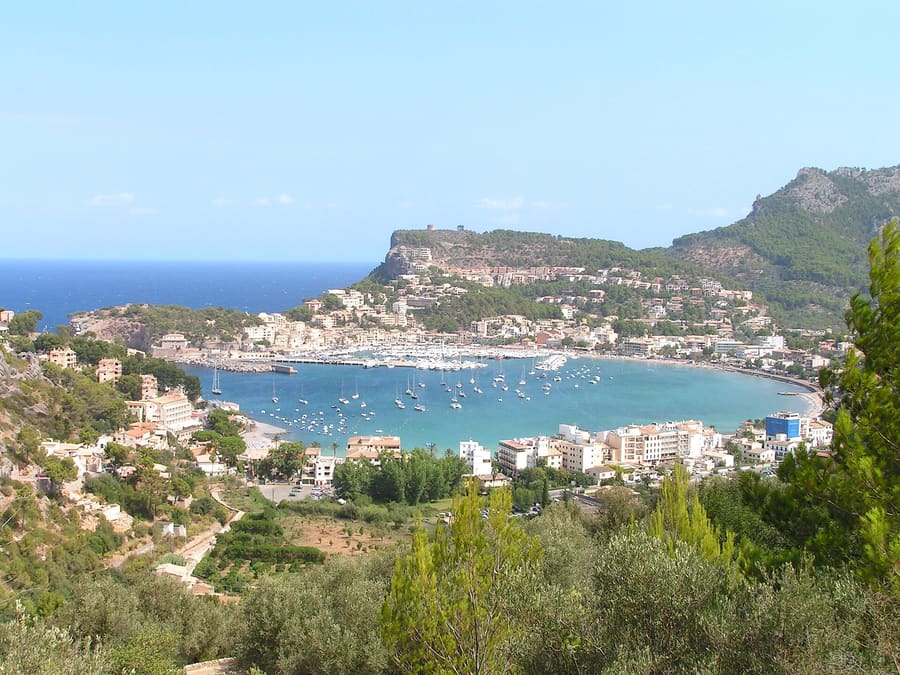
Port de Sóller — A circular coastal bay with a tram line running along the pedestrian promenade.
BuzzWoof · Public domain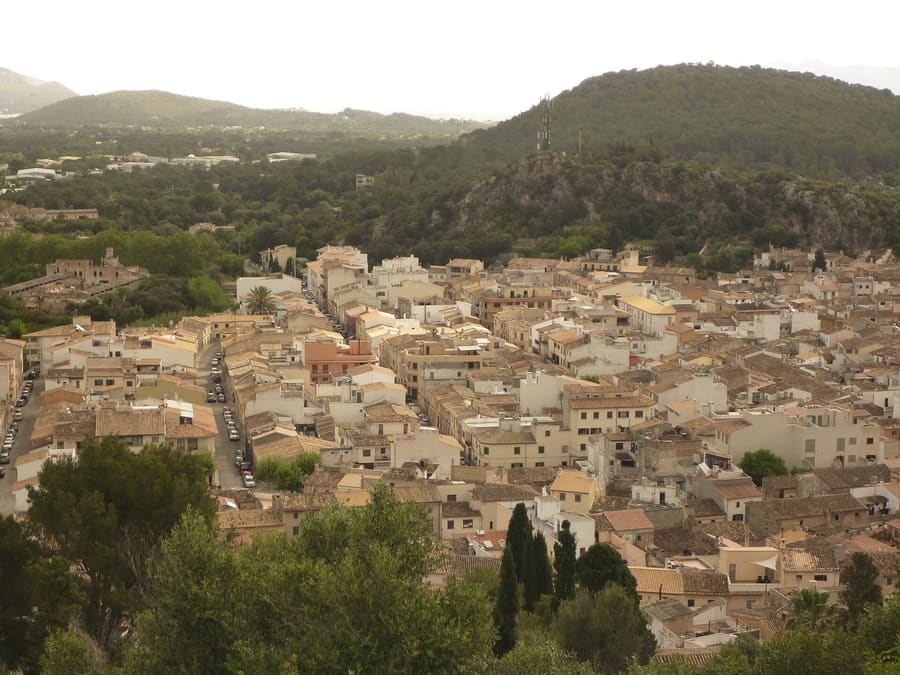
Pollença — An inland northern town of stone alleys, weekly markets, and a famous 365-step hillside staircase.
Sam Wilson (taken with Panasonic Lumix DMC-FT1) · CC BY-SA 2.0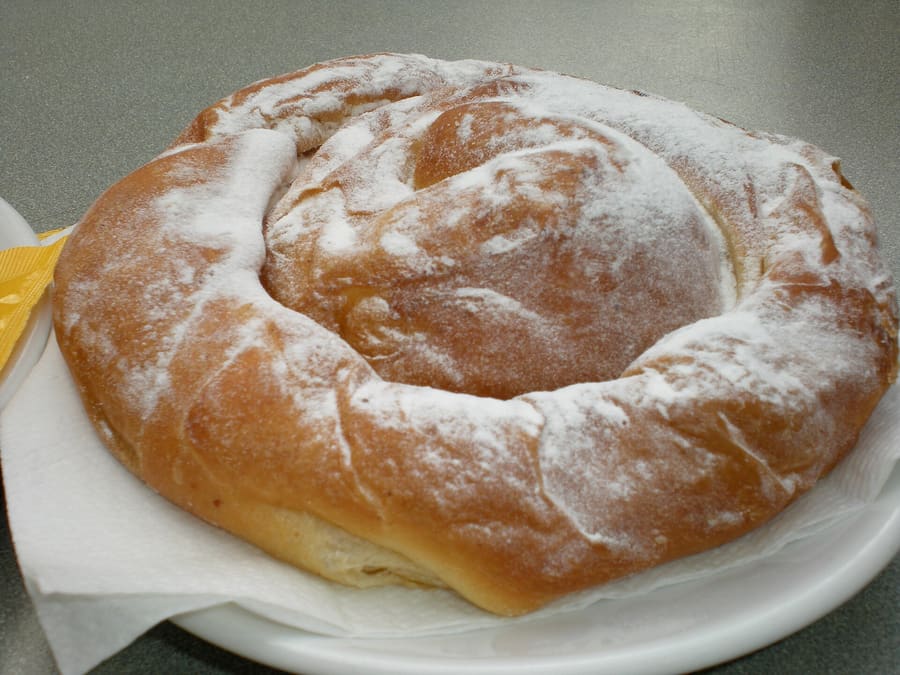
A traditional dusted ensaïmada from a bakery in Palma.
Lisa Stevens from Sutton Coldfield, UK · CC BY-SA 2.0highlights
landmark
A 1912 wooden train connecting Palma to Sóller through 13 mountain tunnels. Sit on the left side facing forward for the best valley views.
Chiedi a Parley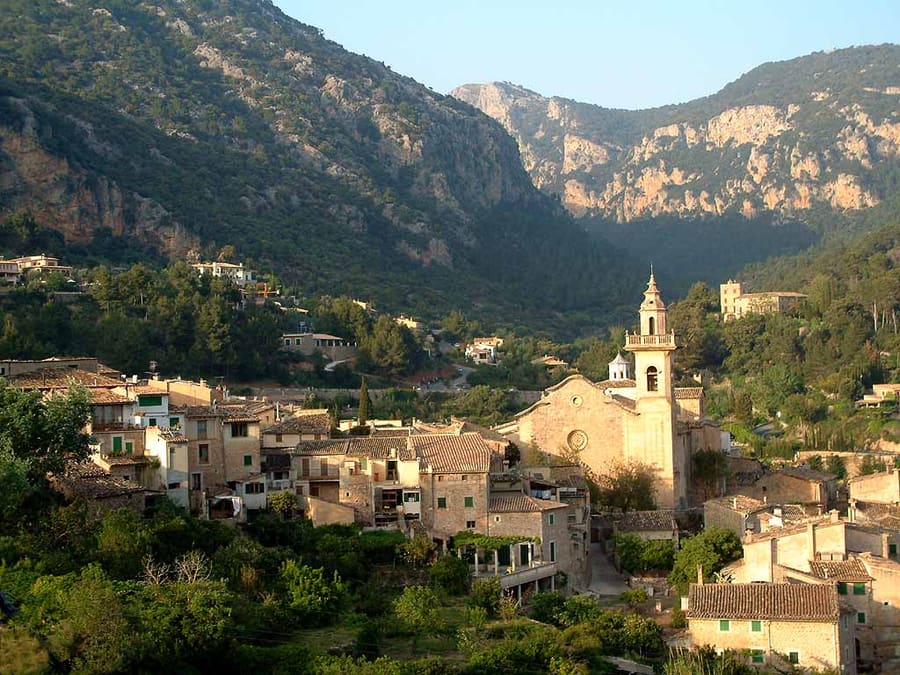
landmark
A hilltop Carthusian monastery where Chopin wintered in 1838. Visit early at 10:00 before coach tour groups fill the narrow streets.
Chiedi a Parley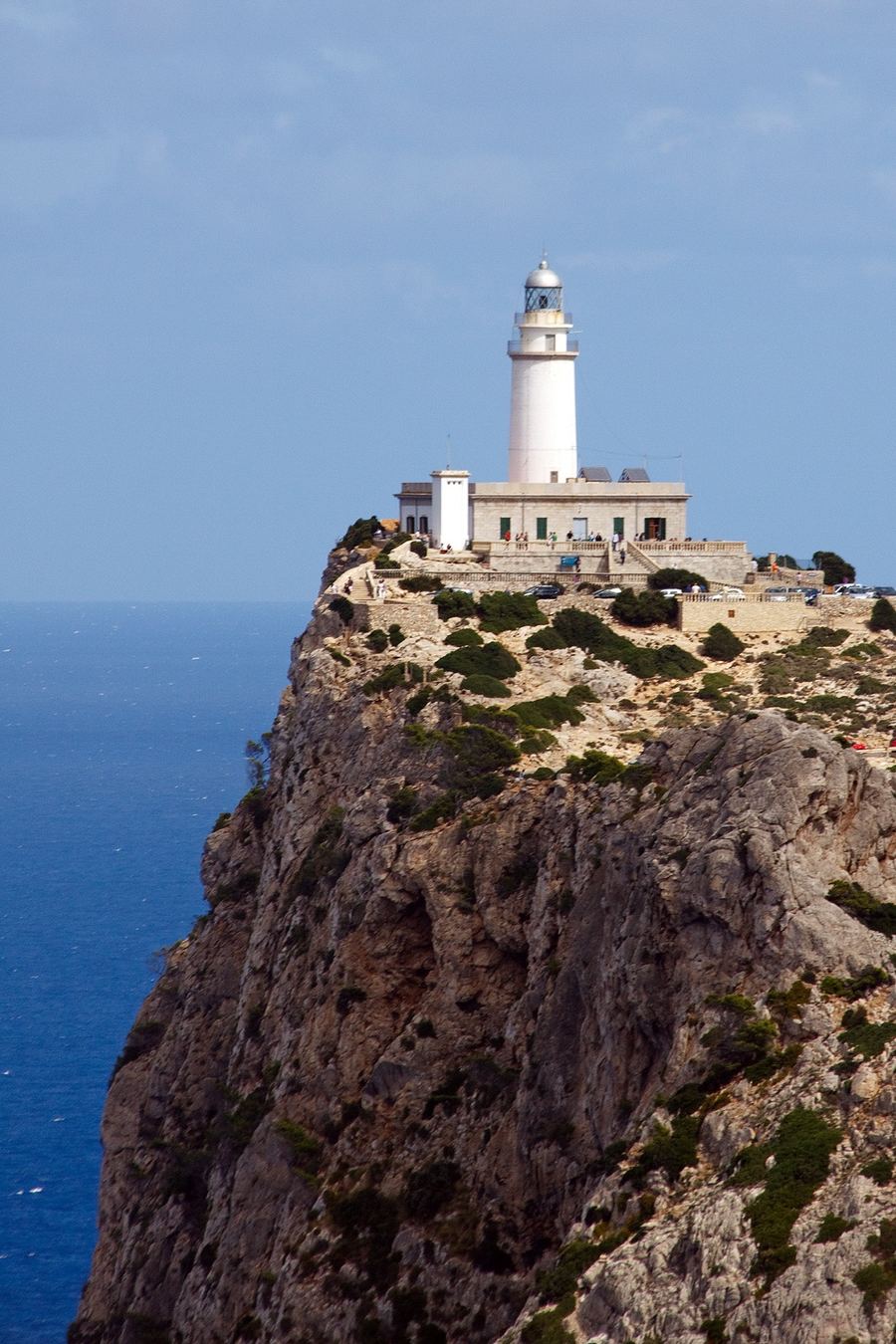
landmark
The northern tip of Mallorca where sheer cliffs drop 300 metres into the sea. Ride the public shuttle bus during summer traffic bans.
Chiedi a Parley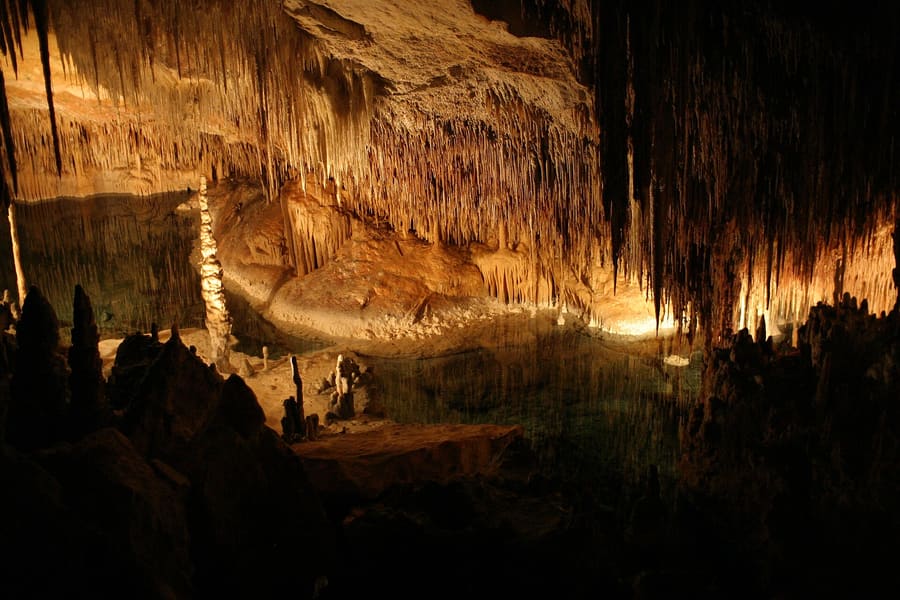
landmark
Four subterranean caves surrounding Lake Martel. Timed tickets include a short classical music concert played from wooden boats.
Chiedi a Parley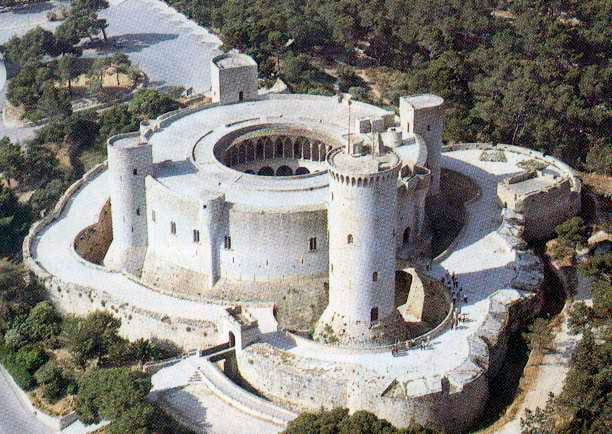
landmark
A rare circular 14th-century fortress overlooking Palma bay. Entry is free on Sundays, though interior museum rooms remain closed.
Chiedi a Parleyattractions
areas
Former fishermen's district now packed with bakeries, wine bars, and an active covered food market.
Nei dintorniPalma seafront promenade and Es Baluard museum.
Chiedi a ParleyA quiet mountain village of ochre stone houses surrounded by olive groves and steep coastal cliffs.
Nei dintorniCala Deià pebble cove and Robert Graves museum.
Chiedi a ParleyA circular coastal bay with a tram line running along the pedestrian promenade.
Nei dintorniSóller town and Tramuntana mountain hiking trails.
Chiedi a ParleyAn inland northern town of stone alleys, weekly markets, and a famous 365-step hillside staircase.
Nei dintorniFormentor peninsula and Port de Pollença bay.
Chiedi a Parleyfood
Mallorcan cuisine relies on lard, pork, olive oil, and seasonal vegetables rather than heavy spice. The staple pastry is the ensaïmada, a spiral dough baked with sweetened pork lard. Local charcuterie centres on sobrassada, a cured pork sausage seasoned with ground paprika and spread on crusty bread.For lunch, traditional cellers (former wine cellars turned taverns) serve tumbet, a baked layer of sliced potatoes, aubergines, and red peppers in tomato sauce. Coastal restaurants serve arròs brut, a spiced broth rice dish with meat and local mushrooms.
A traditional dusted ensaïmada from a bakery in Palma.
Lisa Stevens from Sutton Coldfield, UK · CC BY-SA 2.0Bakeries like Ca'n Joan de s'Aigo serve hot chocolate thick enough to dip the pastry.
Brown crusty bread rubbed with Ramellet tomatoes, drizzled with local olive oil, and topped with Mahón cheese or cured ham.
Towns like Inca house historic subterranean restaurants serving slow-roasted suckling pig. Reserve ahead for weekends.
history
Mallorca's strategic position in the western Mediterranean made it a target for conquest across centuries. Talaiotic tribes built stone towers before Roman forces under Caecilius Metellus founded Palma in 123 BC. Byzantine rule gave way to Moorish dominance in 902 AD, establishing advanced irrigation systems across the Serra de Tramuntana.King Jaume I of Aragon conquered the island in 1229, integrating Mallorca into Catalan maritime power. Modern tourism transformed the economy starting in the 1950s, shifting the island from agriculture to global travel.
Roman Settlement
Quintus Caecilius Metellus establishes Roman towns at Palma and Pollentia.
Moorish Conquest
Madina Mayurqa becomes a prospering Islamic trade hub with terraced agriculture.
Catalan Conquest
Jaume I of Aragon takes Palma, establishing the Kingdom of Mallorca.
Charter Flight Era
Palma airport opens to commercial international flights, sparking mass tourism.
where to stay
Choose your base based on how you plan to travel. Staying in Palma allows you to rely on public transit and walk to dinner. Renting a car in the north or west unlocks mountain villages and secluded coves, but requires patience with narrow roads and tight parking.
transport
Mallorca operates an efficient public network alongside high rental car demand. TIB interurban buses connect Palma to almost every town on the island. For mountain exploration, driving gives total flexibility, but summer parking requires early arrival.
Da Palma de Mallorca Airport (PMI)
Runs every 15 mins to Plaça d'Espanya. Pay driver directly with card or cash.
Official rank outside Arrivals. Includes €2.90 airport fee; higher rates at night/weekends.
Pick-up in the airport parking garage VTC area. Prices fluctuate with summer demand.
Desks inside terminal. Rates spike in summer; book a compact model early for narrow roads.
Pay on TIB buses using your bank card when boarding and exiting. Up to five passengers can tap on a single card for scaled discounts.
The Ferrocarril de Sóller runs daily between Palma's Plaça d'Espanya and Sóller. Buy tickets at the dedicated historic station.
Summer car rental rates rise sharply as inventory empties. Choose a compact model to navigate narrow mountain village lanes.
The MA-10 mountain road winds through the Tramuntana. Drive it before 10:00 or after 17:00 to miss tour buses.
cost
Prices on Mallorca vary drastically between Palma's resort zones and interior rural villages. Expect high season inflation on rental cars, beach sunbeds, and coastal dining.
Standard breakfast price at traditional bakeries across the island.
Fares depend on zones travelled. Contactless card payment is cheaper than buying cash tickets from the driver.
Includes three courses, bread, and wine or water at inland town taverns.
Municipal beach sets include two loungers and one umbrella along major coves.
seasonality
MAR – APR
Wildflowers bloom and temperatures hover around 18°C. Ideal for cycling and hiking before summer heat.
MAY – JUN
Sea temperatures become comfortable for swimming. Town crowds stay manageable before peak European school holidays.
JUL – AUG
Daily heat exceeds 30°C and coastal coves fill completely. Reserve hotels and rental cars months ahead.
SEP – OCT
Warm sea water remains while summer traffic thins out. Autumn wine harvests begin in Binissalem.
NOV – FEB
Almond trees bloom in February. Many coastal hotels close, but Palma remains fully operational.
practicalities
Shops in inland villages close between 13:30 and 17:00. Palma high street stores stay open all day.
Mountain parking meters in Deià and Valldemossa do not always accept international bank cards.
Reaching secluded coves like Cala Varques requires walking 20 minutes over sharp limestone rocks.
Many mountain trails cross private finca estates. Stay on marked GR221 paths and keep property gates closed.