landmark
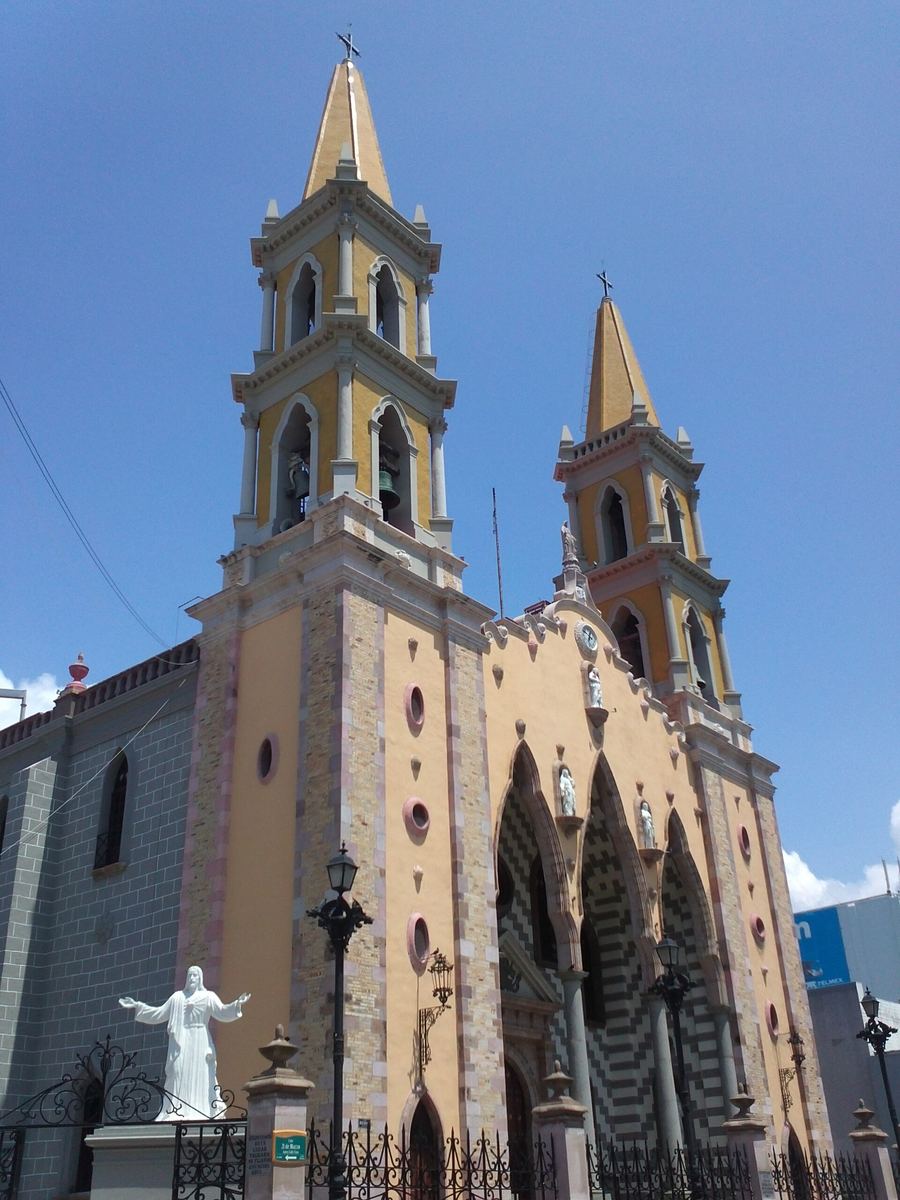
Catedral de la Inmaculada Concepción
A 19th-century basilica featuring yellow tiled spires and French stained glass, built with local silver mining fortunes.
Chiedi a ParleyMessico
Pacific shrimp port meets historic urban coastline.
introduction
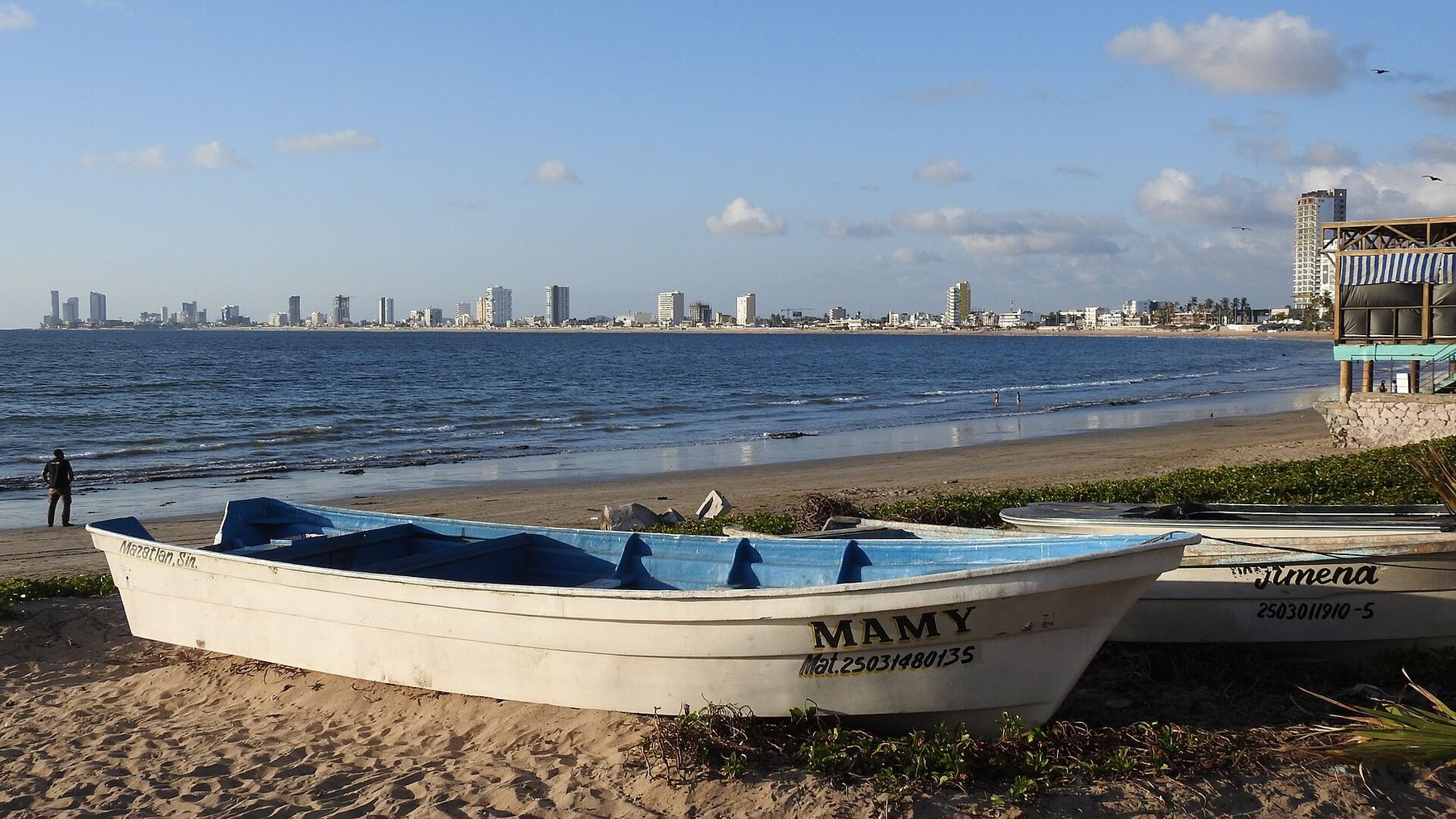
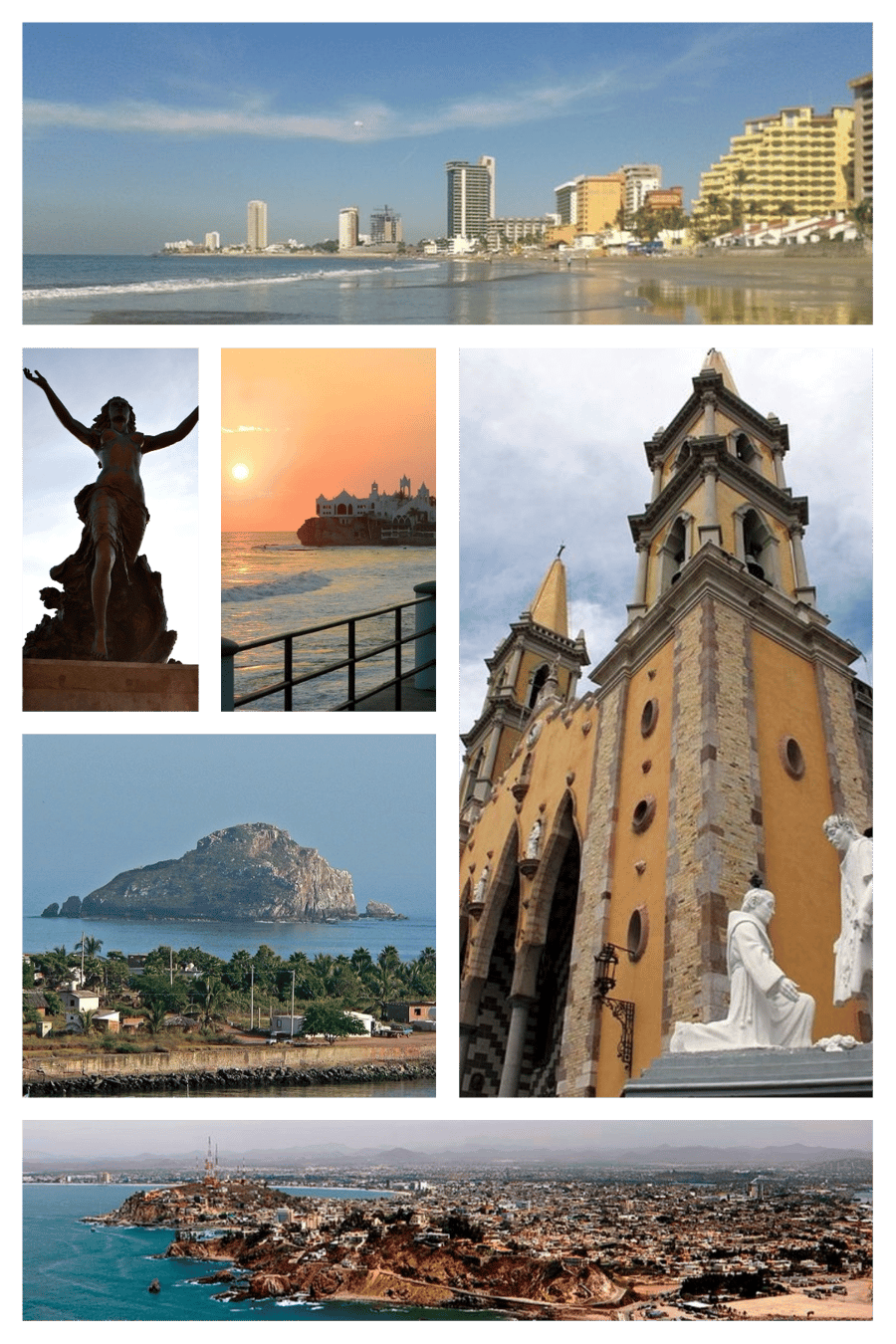
Mazatlán splits into two distinct coastlines separated by rocky headlands. The southern end holds a 19th-century historic center built during a XIX-century mining boom, while northern resort strips line modern sandy beaches. Open-air golf-cart taxis called pulmonías run the 21-kilometer coastal boulevard connecting both worlds. You come here for Pacific shrimp, classical opera in restored courtyards, and direct oceanfront access without mega-resort insulation.
Airport transport trick
Pre-paid taxis and shared vans operate inside the terminal. Uber drivers pick up outside airport gates across the highway.
Mazatlán
Microstar · CC BY-SA 4.0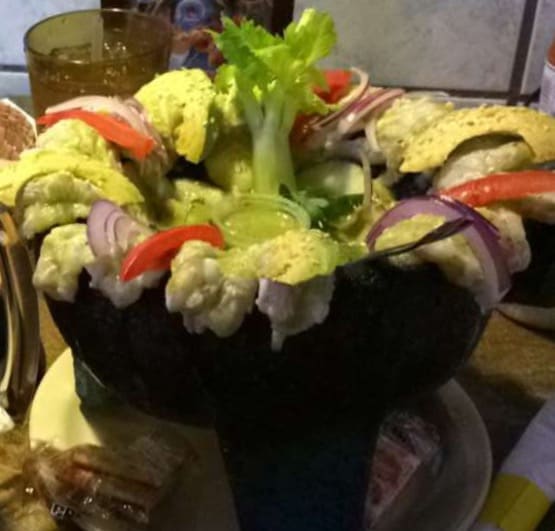
Aguachile verde: fresh raw shrimp flash-cured in lime juice, cucumber, and ground serrano chili.
Daisygarcia28 · CC BY-SA 4.0highlights
landmark
A 19th-century basilica featuring yellow tiled spires and French stained glass, built with local silver mining fortunes.
Chiedi a Parley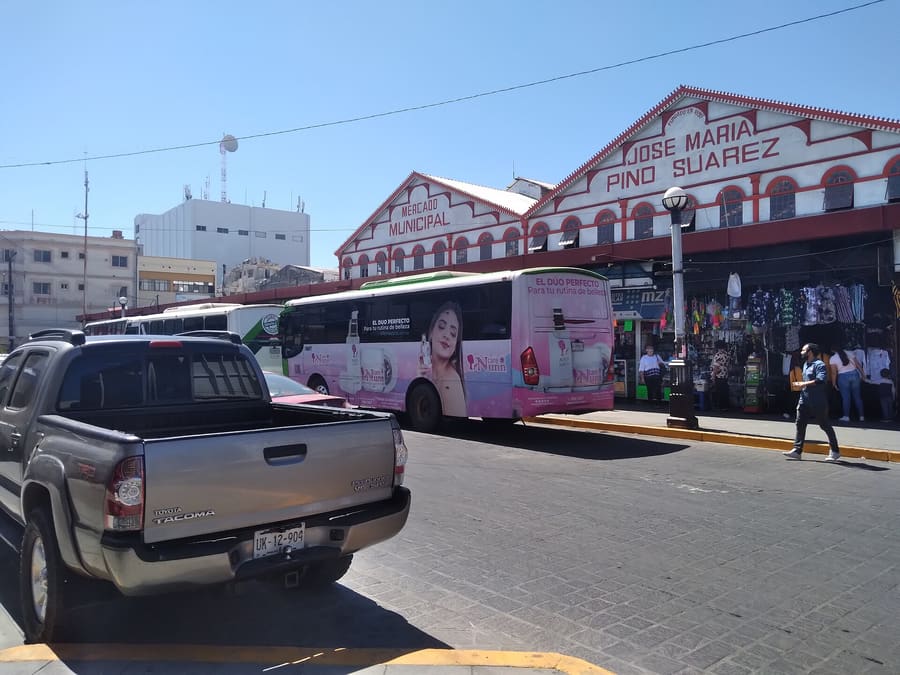
landmark
Iron structure designed in France in 1899. Floor stalls sell cured meats, smoked marlin, and fresh limes.
Chiedi a Parley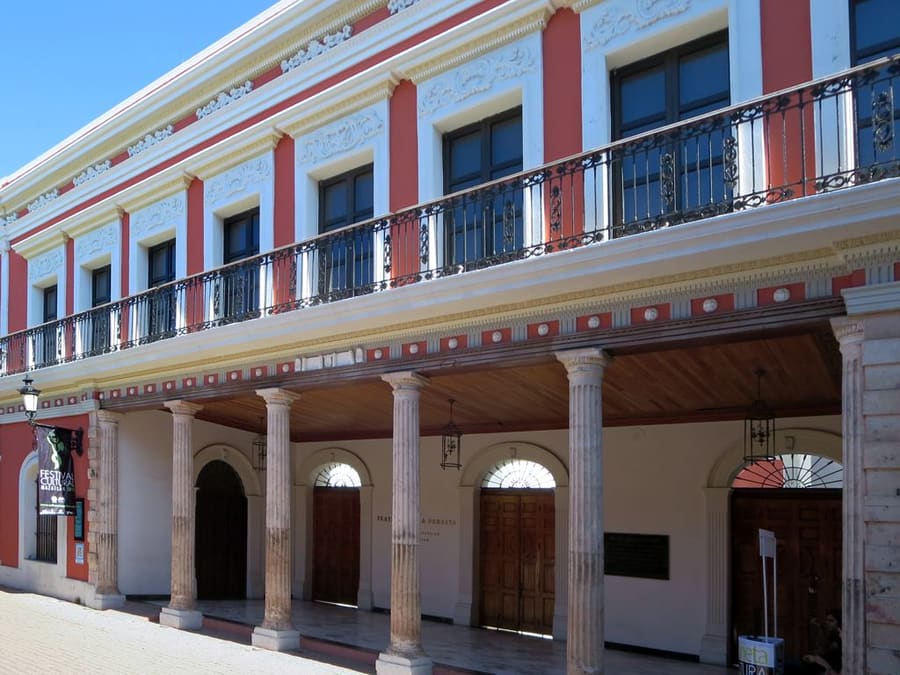
landmark
Neoclassical opera house saved from ruin in 1992. Box office handles tickets for weekend orchestra and dance shows.
Chiedi a Parley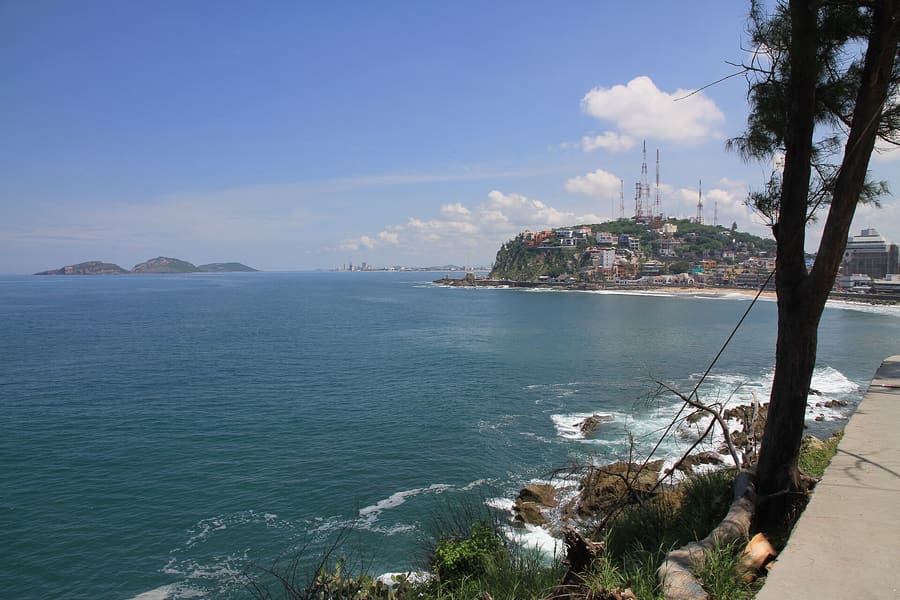
landmark
The city's original waterfront bay. Strong shorebreaks favor experienced swimmers; sidewalk cafes line the seawall.
Chiedi a Parleyattractions
areas
Restored XIX-century pastel facades, leafy squares, and courtyard restaurants.
Nei dintorniPlaza Machado, Teatro Ángela Peralta, Olas Altas beach
Chiedi a ParleyMid-century resort strip with high-rise hotels, beach clubs, and tourist markets.
Nei dintorniPlaya Gaviotas, coastal bars, water sports docks
Chiedi a ParleyModern residential harbor with yacht docks, golf courses, and paved boardwalks.
Nei dintorniMarina golf course, yacht charter slips, shopping centers
Chiedi a ParleyQuiet northern oceanfront featuring newer condo towers and wide sandy beaches.
Nei dintorniPlaya Cerritos, northern Malecón extension
Chiedi a Parleyfood
Mazatlán serves as the home port for Mexico's largest Pacific shrimp fleet. Seafood here relies on same-day ocean catches rather than heavy sauces. Breakfast begins with smoked marlin tacos or machaca dried beef scramble. Midday meals peak at street-side street carts called carreta de mariscos, where cooks peel raw shrimp to order and cure them in lime juice, salt, sliced red onions, and serrano chilies.
Aguachile verde: fresh raw shrimp flash-cured in lime juice, cucumber, and ground serrano chili.
Daisygarcia28 · CC BY-SA 4.0Carretas (seafood carts) open around 10:00 and sell out of raw shrimp by 15:00. Arrive before 13:00 for the freshest catch.
Aguachile verde uses raw green serranos. Aguachile negro uses charred habaneros and soy marinade. Ask for chili on the side if sensitive.
Neighborhood seafood stands and Mercado Pino Suárez fishmongers do not accept credit cards. Keep small peso bills ready.
history
Mazatlán grew in the mid-19th century as a port serving inland silver mines in Sinaloa. German immigrants settled here during that era, establishing the Pacifico brewery and importing brass band instruments that created Sinaloan banda music. The city expanded north as a resort hub in the 1960s, while the historic center underwent extensive restoration starting in the late 1980s.
Port incorporation
Mazatlán officially becomes an international entry port to export silver mined from nearby Sierra Madre ranges.
Cervecería del Pacífico
German settlers open the Pacifico brewery, permanently shaping local industrial architecture and regional drinking habits.
Historic restoration
Reopening of Teatro Ángela Peralta kicks off municipal preservation across 180 blocks of the XIX-century core.
Malecón modernization
The city rebuilds the entire oceanfront promenade, adding wide pedestrian pathways and separated bike lanes.
where to stay
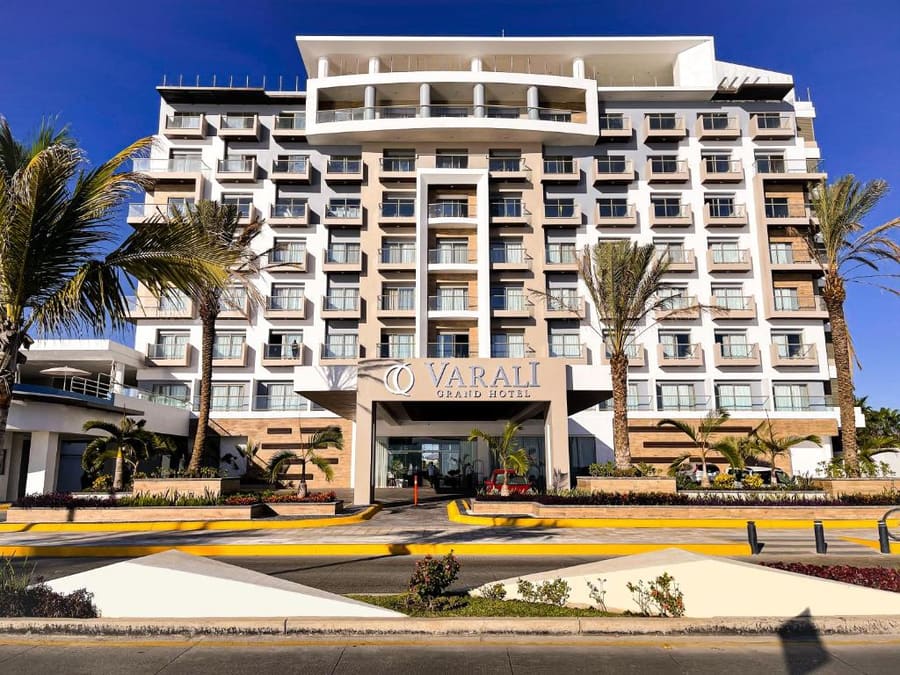
Choose your base by deciding between historic urban walking and direct oceanfront access. Centro Histórico puts you steps from restaurants and theaters inside restored buildings. Zona Dorada and Cerritos trade architectural character for direct beach sand and resort pools.
Live rates, matched to the areas above.
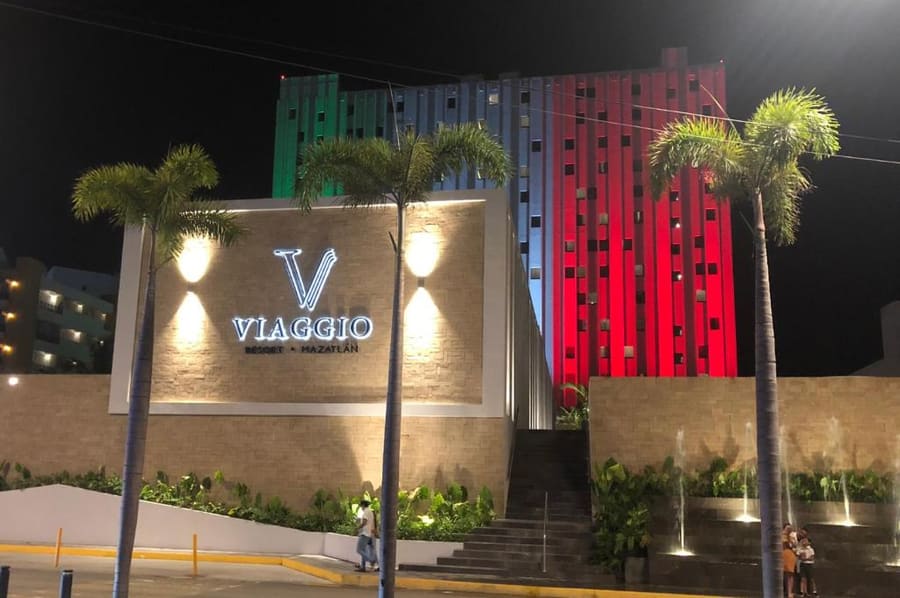
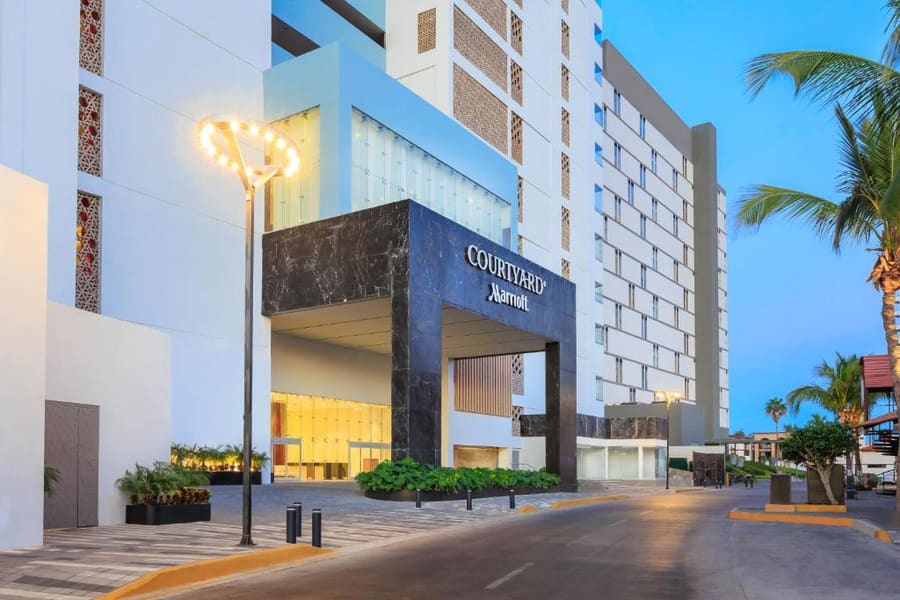
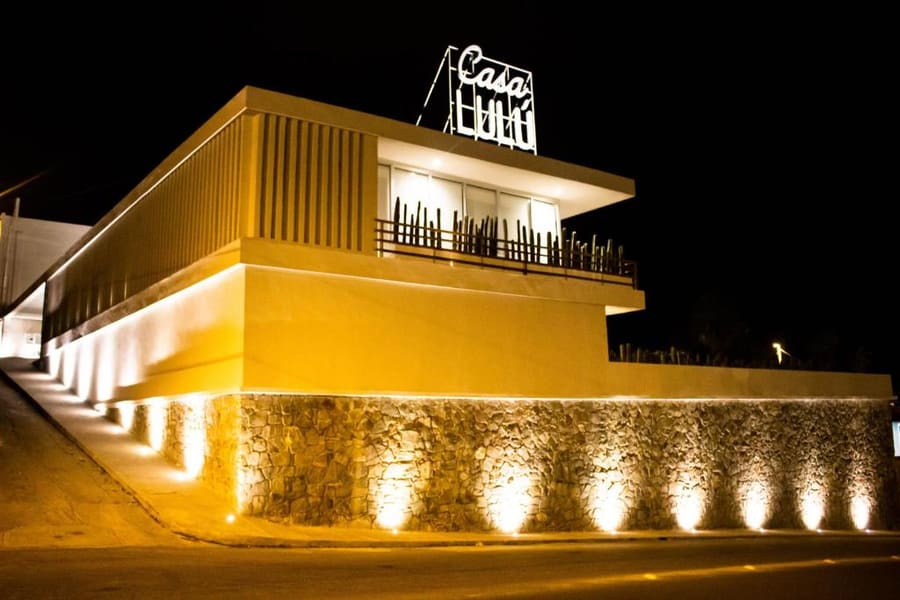
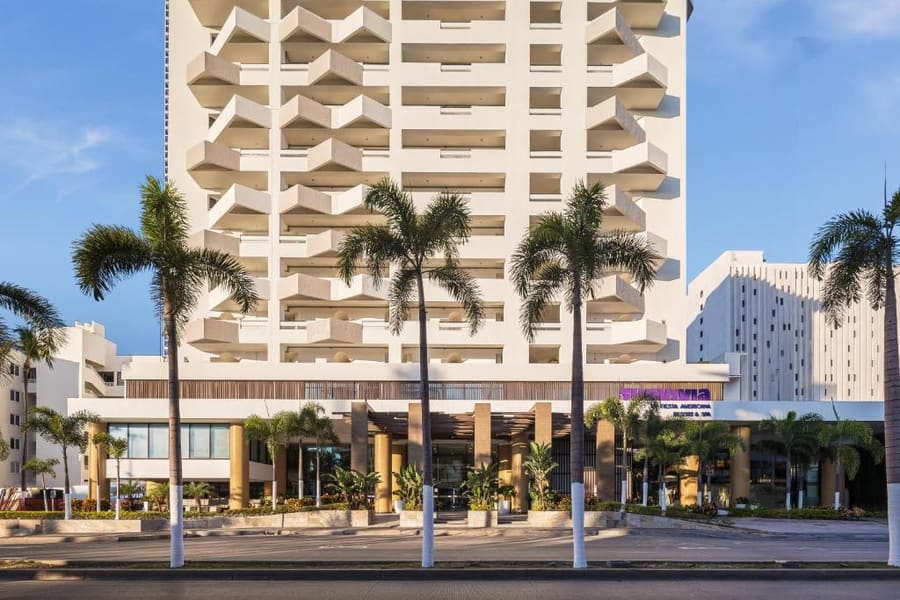
transport
Mazatlán's coastal geography forms one long corridor running south to north. Pulmonías—open-air modified golf carts—and white taxi sedans operate constantly along the main avenue. Green city buses run parallel to the coast for low fares, while Uber operates across urban limits.
Da General Rafael Buelna International Airport (MZT)
Pay at official airport kiosks before exiting the terminal.
Shared vans drop passengers at individual hotels along the coast.
Uber drivers must pick up outside airport grounds past the entry gates.
Agree on a flat rate before sitting down in a pulmonía taxi. Drivers do not use meters.
Green buses marked 'Sábalo Centro' connect Zona Dorada to Centro Histórico along the waterfront.
City bus fares cost under $15 MXN. Pay the driver in small cash coins as change is limited.
Avenida Camarón Sábalo gets congested on Friday and Saturday evenings around major hotel strips.
cost
Mazatlán remains significantly cheaper than Mexican resort cities like Los Cabos or Cancún. Local seafood stand prices stay grounded because the fleet lands locally daily.
Fresh shrimp cured in lime, served with tostadas at local street carts.
Flat fare for short trips between adjacent zones along the waterfront.
Standard price at beachside palapa bars and neighborhood eateries.
seasonality
NOV – FEB
Clear skies, mild daytime highs around 25°C, and low humidity. Peak season for North American visitors.
MAR – MAY
Warm ocean temperatures and moderate humidity. Crowds spike dramatically during Carnival and Easter week.
JUN – AUG
High humidity and afternoon temperatures above 32°C. Lower hotel rates offset by tropical afternoon rains.
SEP – OCT
Peak tropical storm and hurricane season along the Pacific coast. High humidity with frequent heavy downpours.
practicalities
Pacific shorebreaks can carry dangerous rip currents. Red flags mean swimming is prohibited.
The seawall promenade offers almost no shade. Walk during early morning hours or after 17:00.
Banda groups roam beaches and play loud brass live music until nightfall. Choose northern zones for quiet.
Buses, pulmonía drivers, street food stalls, and market vendors operate exclusively on cash.
Smaller shops in Centro Histórico close between 14:00 and 16:00, re-opening late into the evening.