landmark
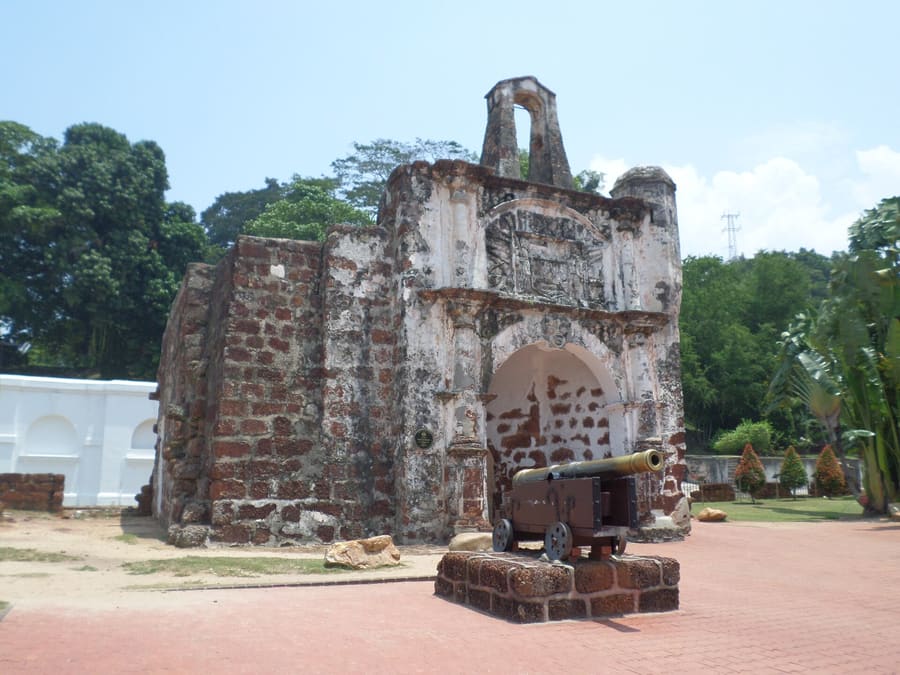
A Famosa Gatehouse
This 1511 Portuguese gatehouse stands at the foot of St. Paul's Hill. Visit before 09:00 to beat tour buses.
Chiedi a ParleyMalaysia
Centuries of trade written in shophouses and spice routes.
introduction
Melaka sits where the Malacca Strait is around 100 km wide, two hours south of Kuala Lumpur. Portuguese, Dutch, and British rulers left stone fortresses and red-brick churches along the river. Today, the compact historic core is easy to walk, provided you avoid the midday heat. Expect dense weekend crowds, strong Peranakan flavours, and quiet mornings along the water.
Bus terminal transfer
Express buses drop passengers at Melaka Sentral, 5 km north of town. A Grab car to Dutch Square takes 15 minutes and costs under MYR 15.
UNESCO core boundary
UNESCO inscribed Melaka in 2008. Building regulations restrict mid-rise developments inside the heritage zone, preserving the original street plan.
Midweek travel advantage
Weekend visitors from Singapore and KL triple the local crowd. Visit between Monday and Thursday to secure hotel rooms and restaurant tables at base rates.
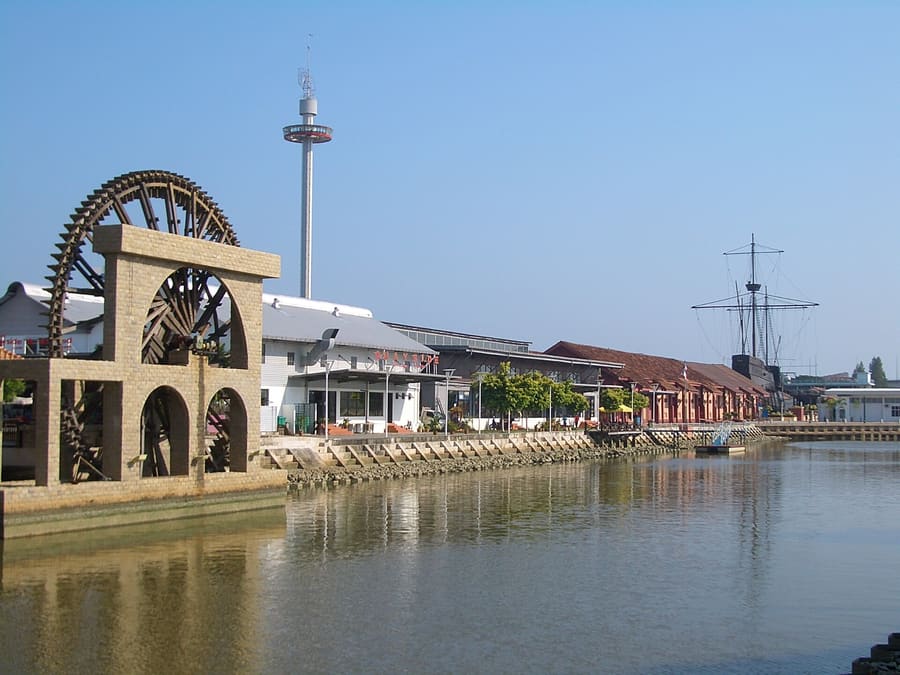
Melaka
User:Vmenkov · CC BY-SA 3.0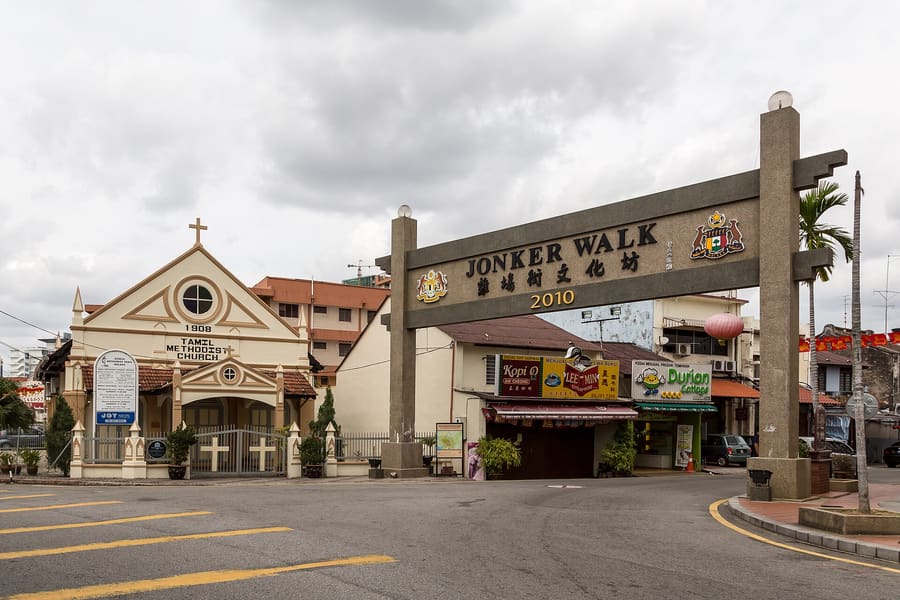
Old Town — Narrow shophouse lanes packed with heritage museums, clan houses, and evening street vendors.
CEphoto, Uwe Aranas · CC BY-SA 3.0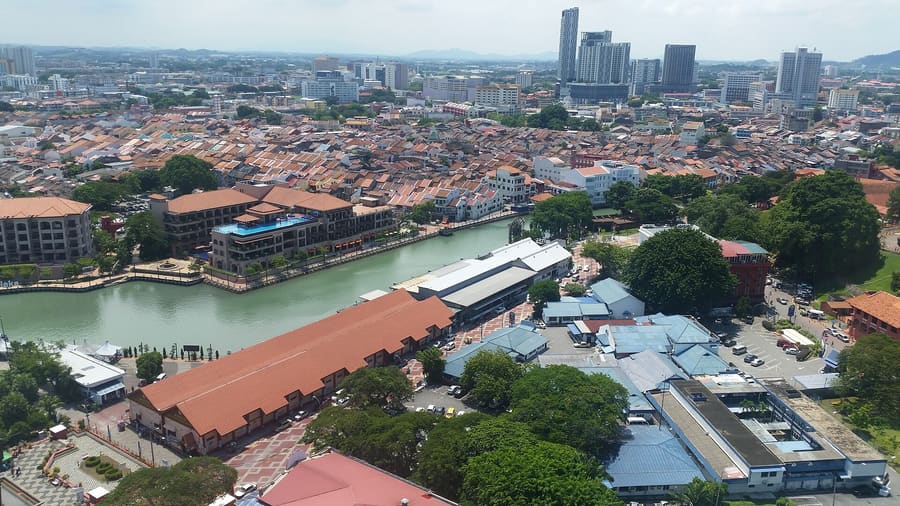
Bandar Hilir — Colonial fortress grounds and museum quarters surrounding St. Paul's Hill.
Atlasmotor · CC BY-SA 4.0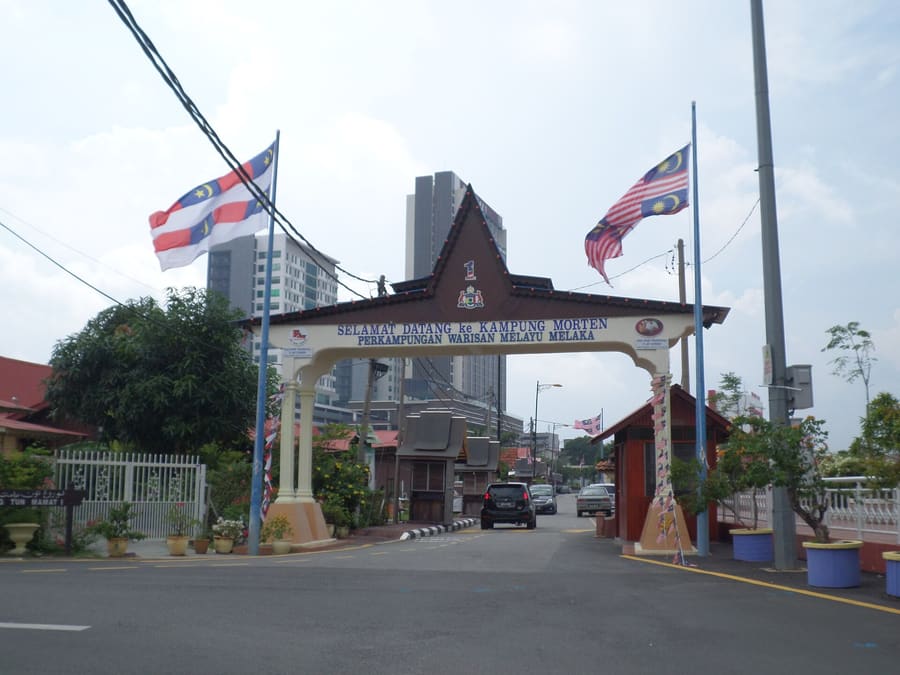
Kampong Morten — Traditional Malay village stilt houses lining a peaceful bend of the Melaka River.
Chongkian · CC BY-SA 4.0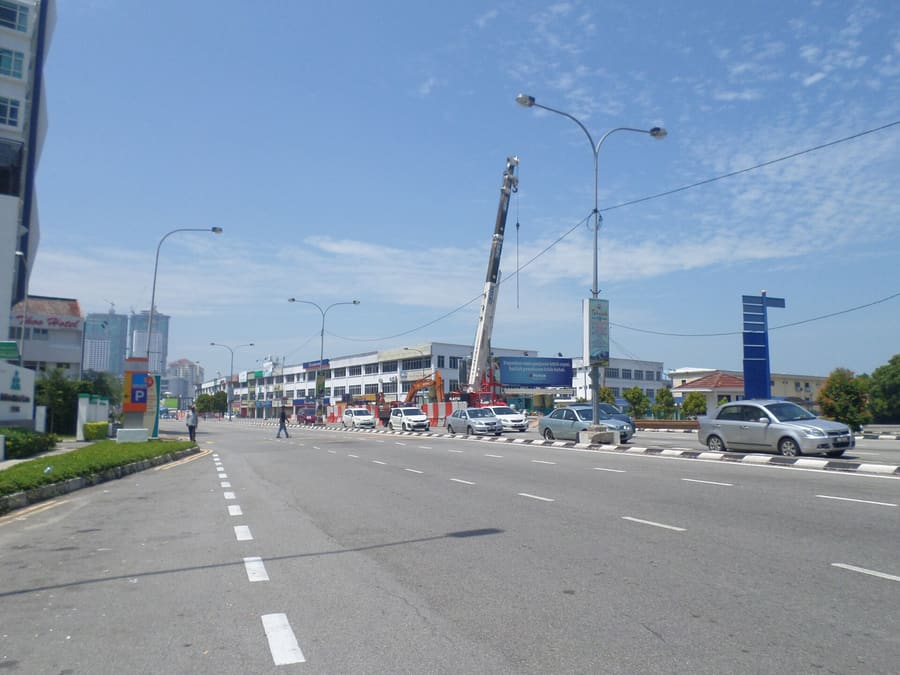
Melaka Raya — Grid-layout commercial district built on reclaimed coastal land south of the centre.
Chongkian · CC BY-SA 4.0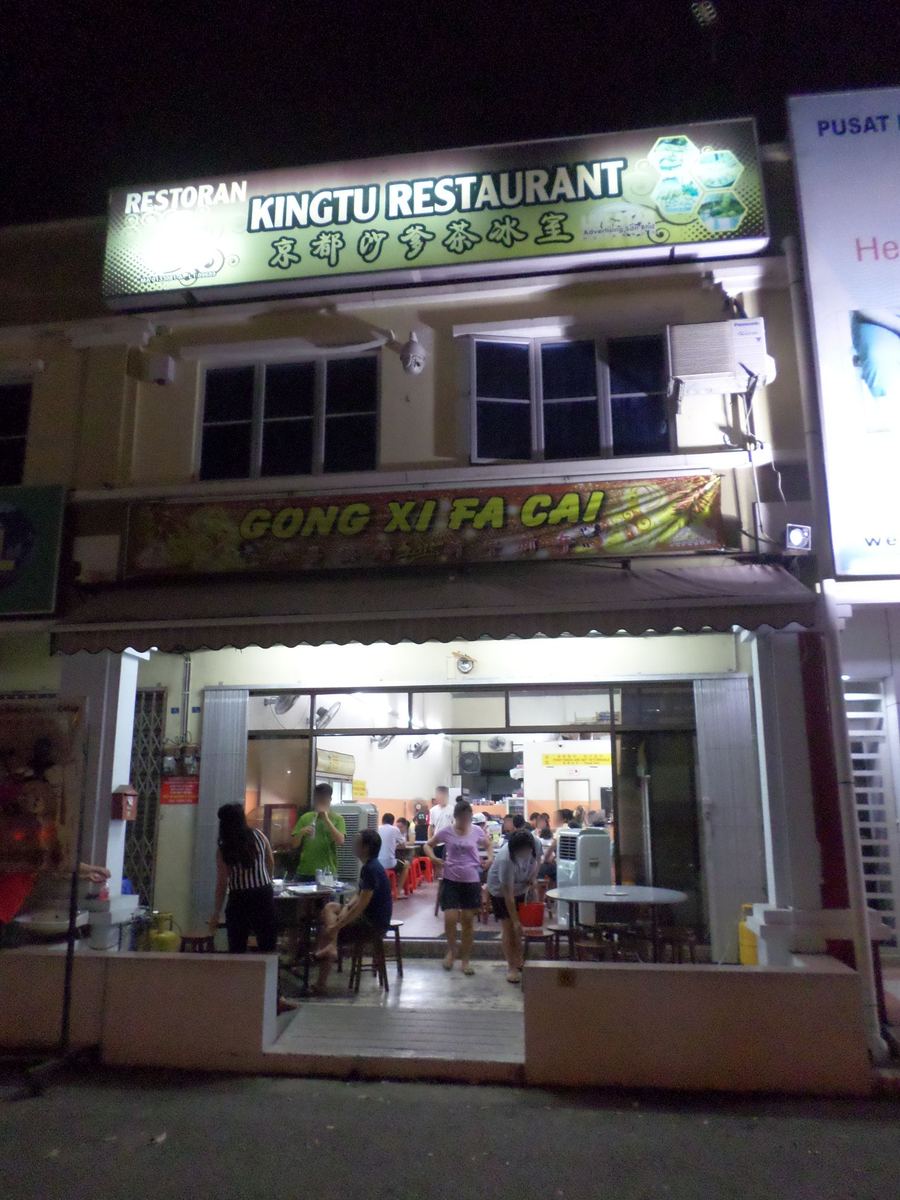
Skewers simmering in rich peanut sauce at a local satay celup eatery.
Chongkian · CC BY-SA 4.0highlights
landmark
This 1511 Portuguese gatehouse stands at the foot of St. Paul's Hill. Visit before 09:00 to beat tour buses.
Chiedi a Parley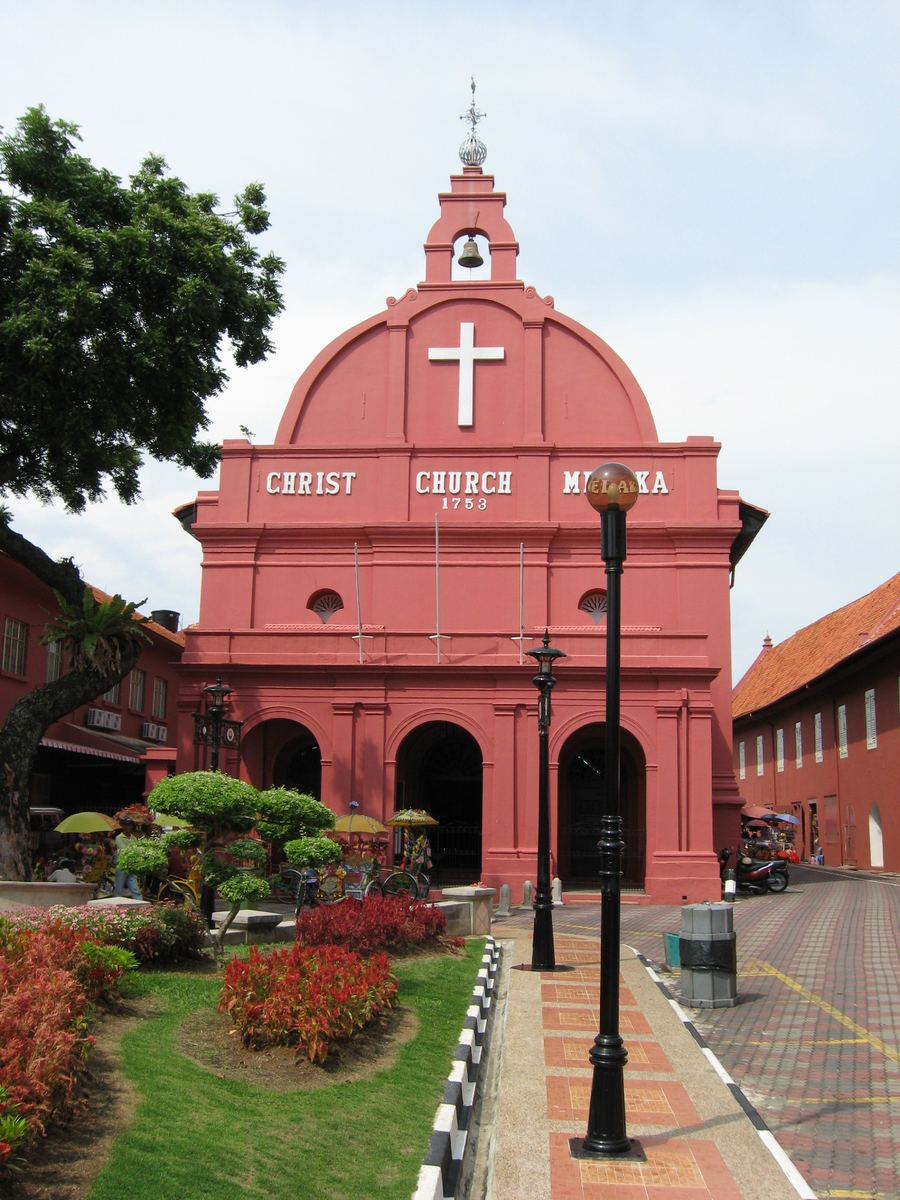
landmark
Built by the Dutch in 1753 using terracotta bricks imported from Zeeland. The interior retains original hand-hewn wooden pews.
Chiedi a Parley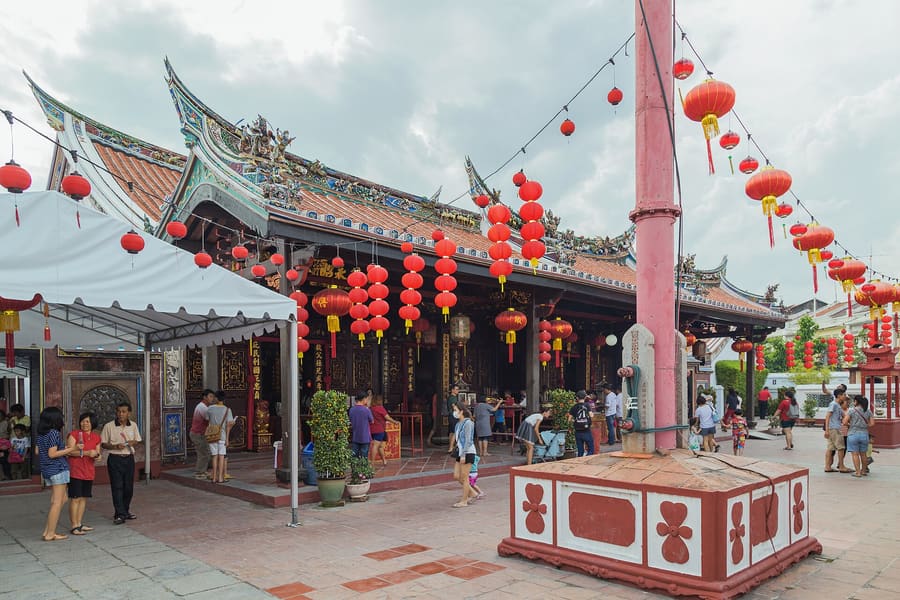
landmark
Malaysia's oldest functioning Chinese temple, established in 1645. Walk through early morning to observe active Taoist worship.
Chiedi a Parley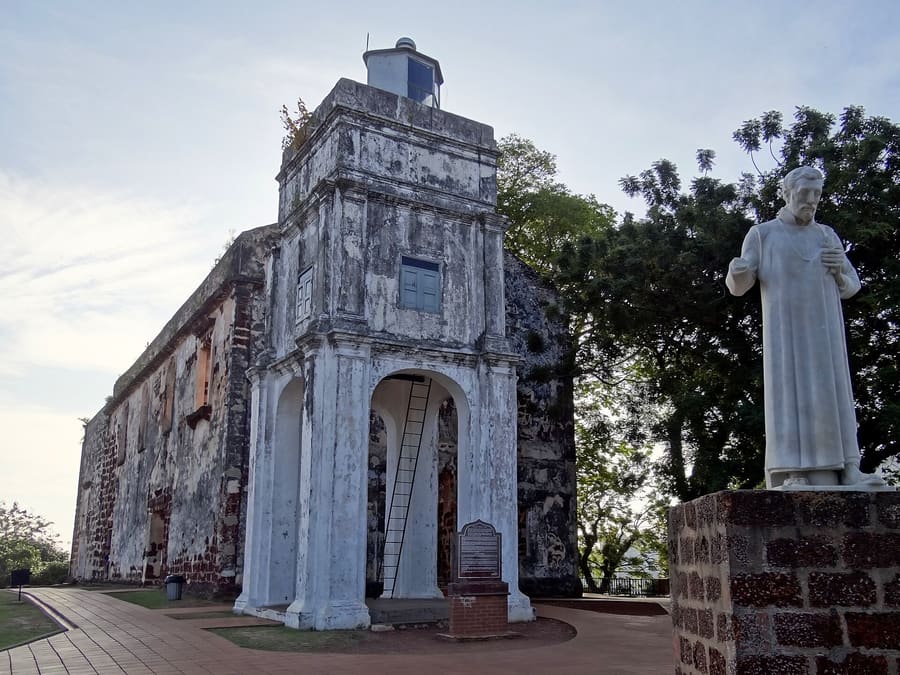
landmark
Roofless 16th-century Portuguese ruins with carved Dutch tombstones. Climb St. Paul's Hill late afternoon for shade and sea views.
Chiedi a Parley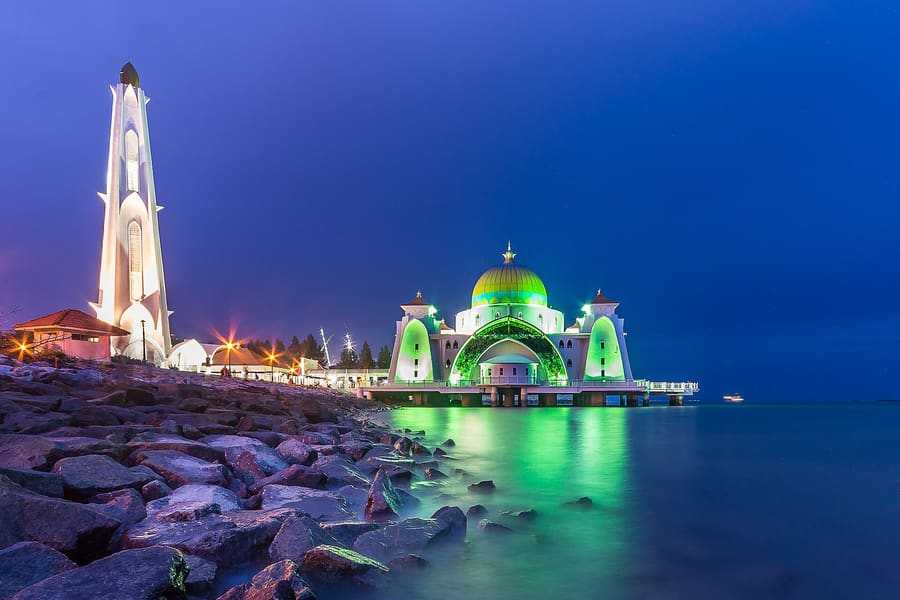
landmark
Built on a reclaimed island off Melaka Raya, looking suspended over water at high tide. Non-Muslims enter outside prayer hours.
Chiedi a Parleyattractions
areas
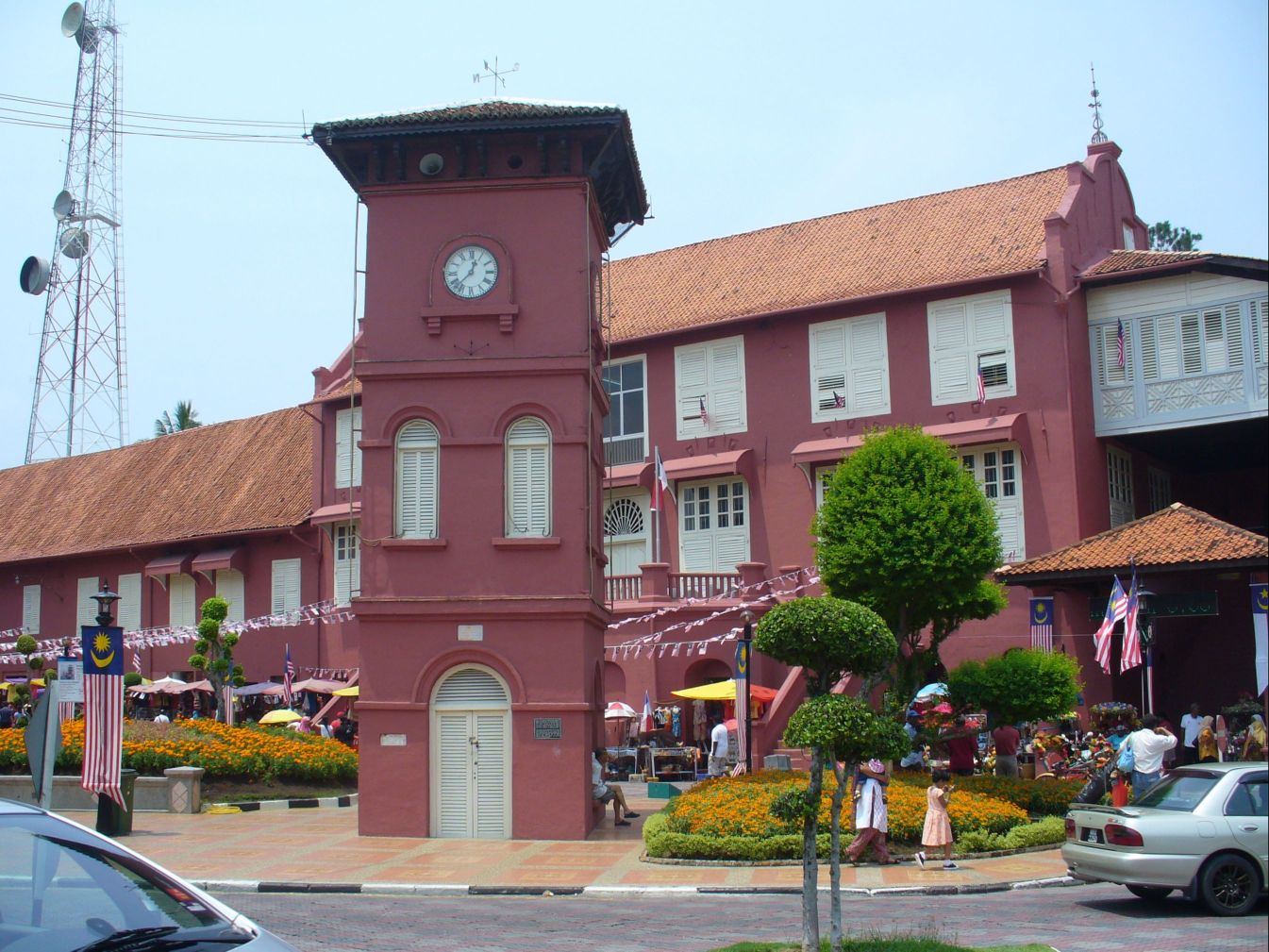
Narrow shophouse lanes packed with heritage museums, clan houses, and evening street vendors.
Nei dintorniDutch Square, Cheng Hoon Teng Temple, riverfront walkway.
Chiedi a ParleyColonial fortress grounds and museum quarters surrounding St. Paul's Hill.
Nei dintorniA Famosa, Christ Church, Dataran Pahlawan shopping mall.
Chiedi a ParleyTraditional Malay village stilt houses lining a peaceful bend of the Melaka River.
Nei dintorniMelaka River Walk, Villa Sentosa, express bus connections.
Chiedi a ParleyGrid-layout commercial district built on reclaimed coastal land south of the centre.
Nei dintorniMelaka Straits Mosque, Mahkota Medical Centre, seafood eateries.
Chiedi a Parleyfood
Peranakan cooking combines Chinese ingredients with Malay spices and coconut milk. Melaka Nyonya laksa relies on a rich coconut broth balanced with wild ginger flower and lime, unlike Penang's sour tamarind version. Satay celup lets diners dip skewers of meat and vegetables into a shared pot of boiling peanut sauce. Rice ball chicken rice presents seasoned rice rolled into firm spheres, originally created to keep food warm for harbour labourers.
Skewers simmering in rich peanut sauce at a local satay celup eatery.
Chongkian · CC BY-SA 4.0Popular spots like Donald & Lily or Nancy's Kitchen sell out of laksa broth by 14:00. Arrive before noon to guarantee a bowl.
Traditional satay celup spots reuse the peanut broth between tables. Request a fresh pot for a small surcharge if you prefer unshared sauce.
Famous chicken rice ball venues on Jonker Street draw 45-minute queues on weekends. Eating on weekdays eliminates wait times entirely.
history
Parameswara, a Sumatran prince, founded Melaka around 1400. Its strategic location along the strait turned it into Southeast Asia's principal trading hub for spices, silk, and porcelain. European powers fought for control of this maritime choke point for over four centuries.
Sultanate Founded
Parameswara establishes Melaka as a port empire, adopting Islam and securing trade protection from Ming Dynasty China.
Portuguese Conquest
Afonso de Albuquerque captures Melaka, constructing the A Famosa fortress to control spice routes through the strait.
Dutch Era Begins
The Dutch East India Company besieges the city, ousting the Portuguese and erecting Dutch Square's red civic buildings.
Anglo-Dutch Treaty
Britain exchanges Sumatra holdings for Melaka, incorporating the port into the Straits Settlements alongside Penang and Singapore.
UNESCO Listing
UNESCO inscribes Melaka's historic town centre as a World Heritage Site alongside George Town, Penang.
where to stay
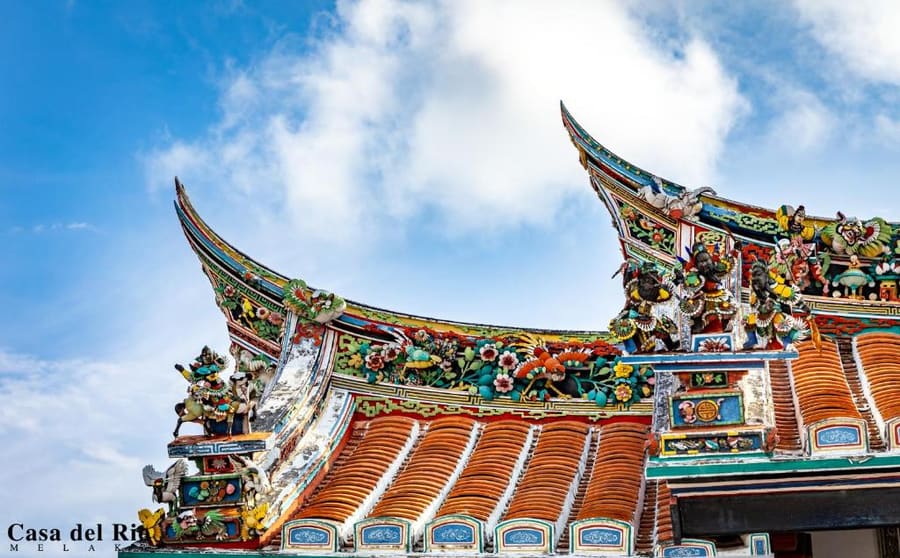
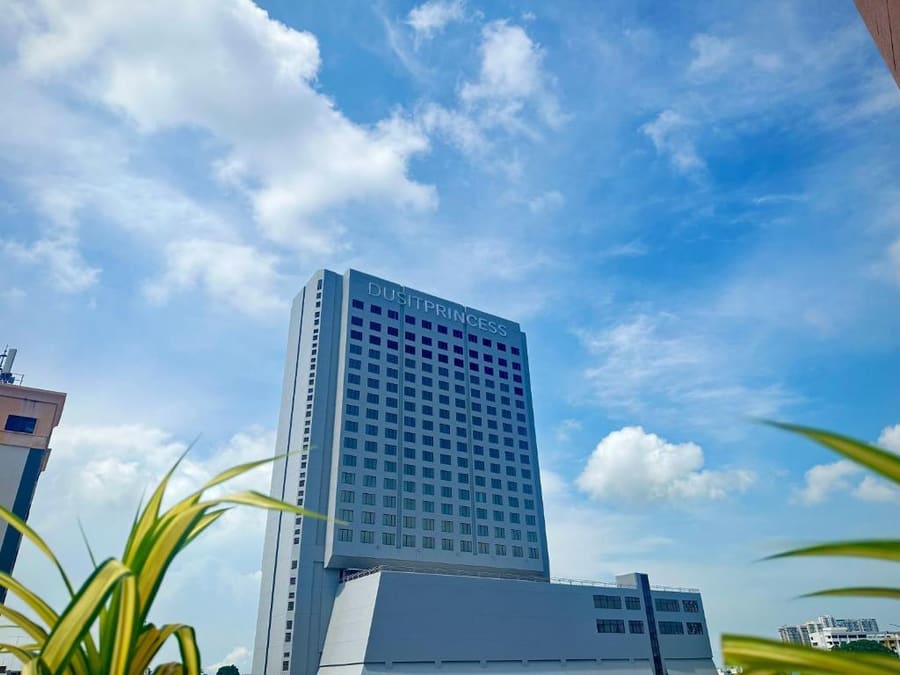
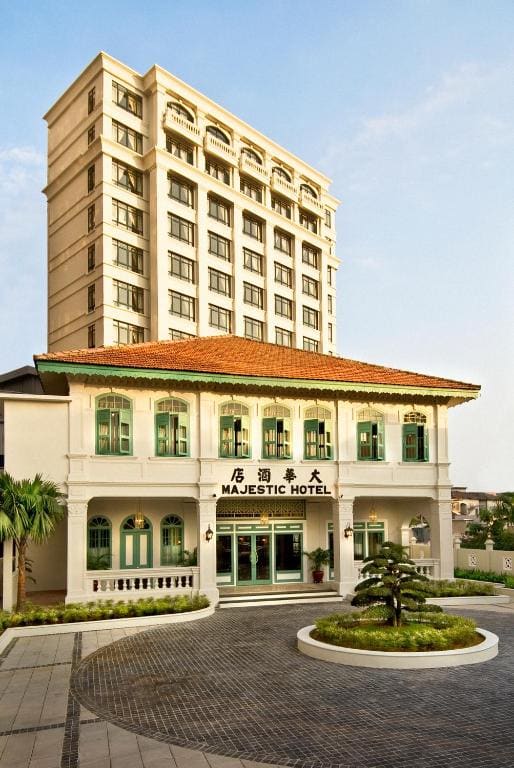
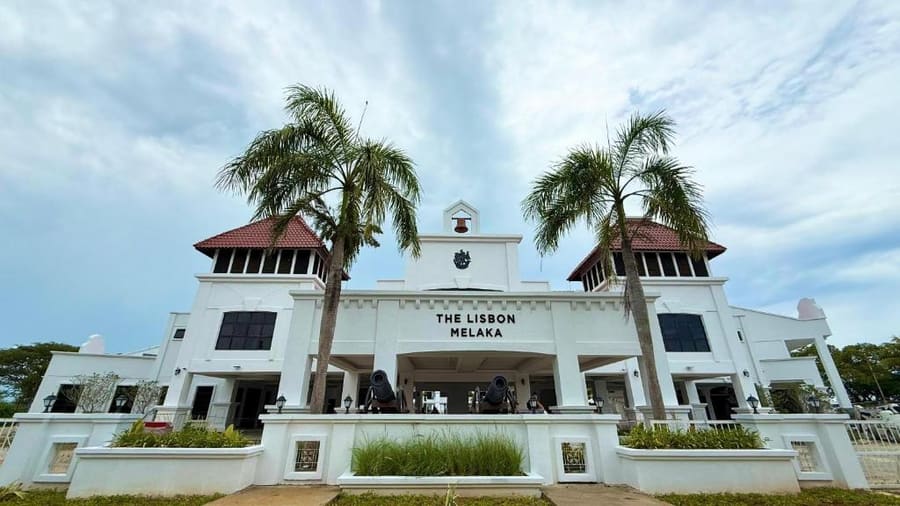
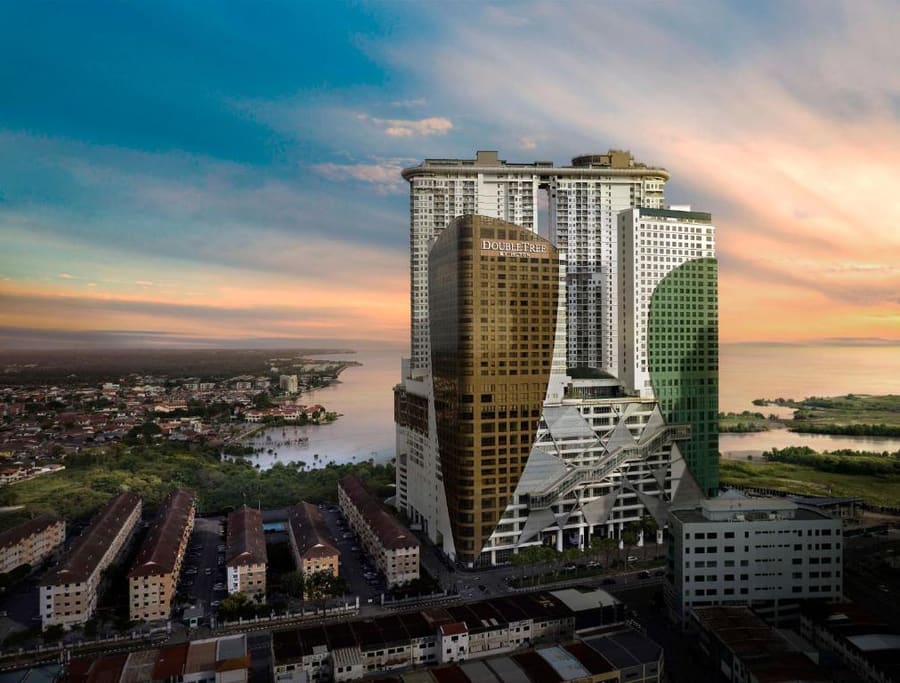
Choose your base by your tolerance for noise and foot traffic. Staying inside Old Town puts you steps from dining and night markets, but weekend noise persists past midnight. Bandar Hilir offers larger full-service hotels near historic sites. Kampong Morten and the riverfront cater to travellers seeking quiet evenings along the water.
Live rates, matched to the areas above.
transport
Melaka has no urban rail network. The historic centre is compact enough to explore entirely on foot. For destinations beyond the core, Grab rideshares are fast, cheap, and widely available.
Da Melaka Sentral Bus Terminal
Pick-up point is outside Gate 3. Fast and reliable outside peak hour traffic.
Panorama Bus 17 runs directly to Dutch Square. Pay cash to the driver upon boarding.
Purchase a pre-paid coupon at the official terminal counter inside.
Dutch Square, St. Paul's Hill, and Jonker Street sit within a 1 km radius. Foot travel is the fastest way through congested streets.
Street taxis rarely use meters for short trips. Grab offers fixed upfront pricing and avoids price haggling.
Traffic jams choke narrow heritage streets on Friday and Saturday nights. Park your car at your hotel and travel on foot.
Local stage buses and small food hawkers do not accept card payments or large MYR 50 notes.
cost
Melaka remains significantly cheaper than Kuala Lumpur and Singapore. Food expenses are low, while hotel pricing fluctuates dramatically between midweek and weekend periods.
A standard bowl at local coffee shops costs under MYR 10. Heritage restaurants charge up to MYR 14.
Skewers are priced by count. An average dinner costs around MYR 25 to MYR 35 per person.
Midweek rates hover near MYR 150. Prices double or triple on Saturday nights.
Rides between Old Town and Melaka Raya stay under MYR 12 outside severe traffic spikes.
seasonality
JAN – MAR
Dry season with warm days. High crowds around Chinese New Year when dragon dances fill Jonker Street.
APR – JUN
Moderate rainfall with humid afternoons. Lower hotel rates and shorter restaurant queues on weekdays.
JUL – SEP
Inter-monsoon period with brief afternoon rainstorms. Clear skies return quickly by evening.
OCT – DEC
Northeast monsoon brings heavy afternoon downpours. December school holidays trigger major weekend traffic jams.
practicalities
Hotels collect a flat heritage charge of MYR 2 per room per night directly at check-in.
Cheng Hoon Teng Temple and Melaka Straits Mosque require covered shoulders and knees. Robes are provided at the mosque entrance.
Many family-run Nyonya restaurants and heritage museums close on Tuesdays or Wednesdays. Check operating schedules before setting out.
Jonker Street night market stalls and traditional coffee shops operate cash-only. ATM machines cluster along Jonker Street and Dataran Pahlawan.
Board the river cruise at Muara Jetty after sunset to see illuminated bridges without daytime heat.