landmark
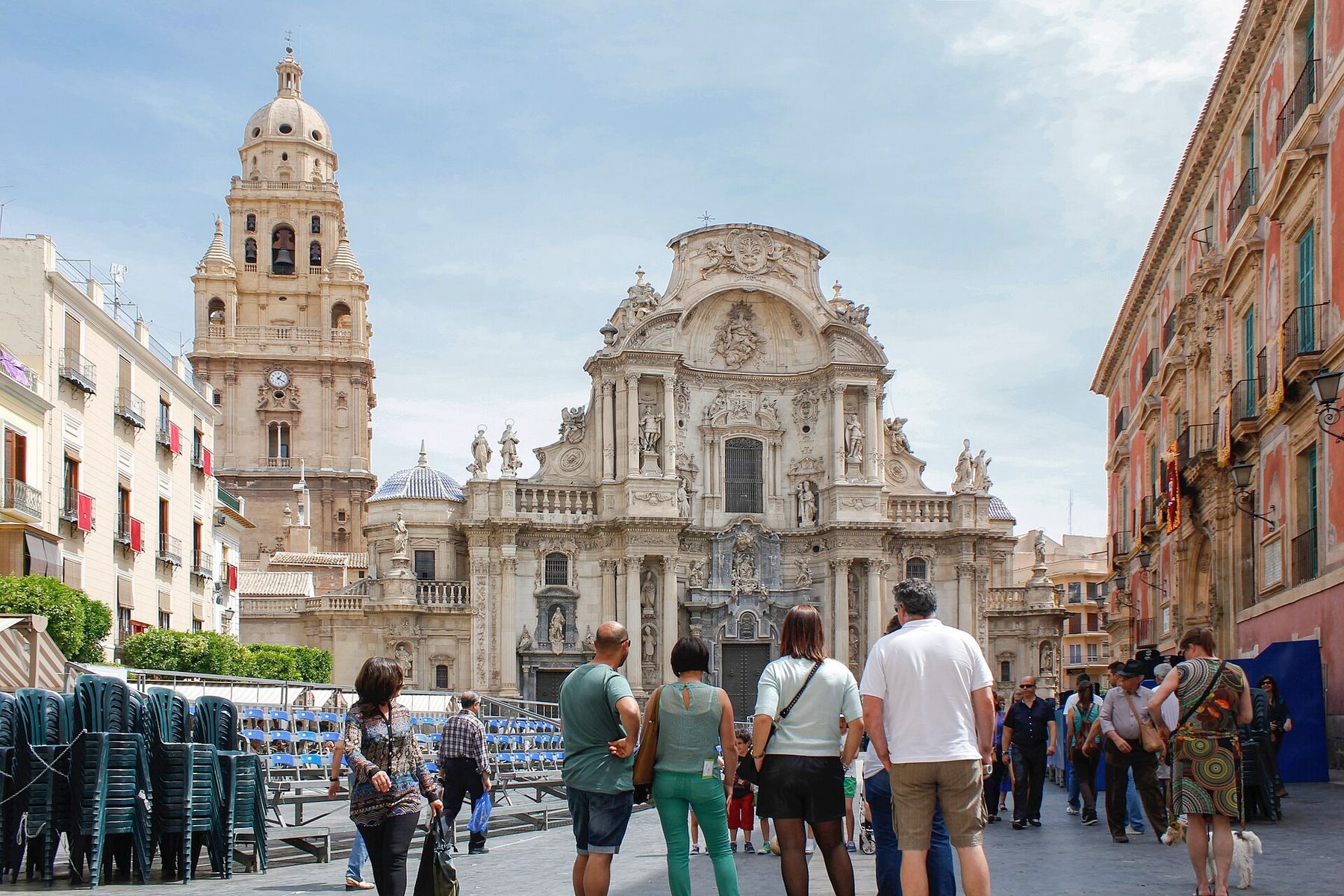
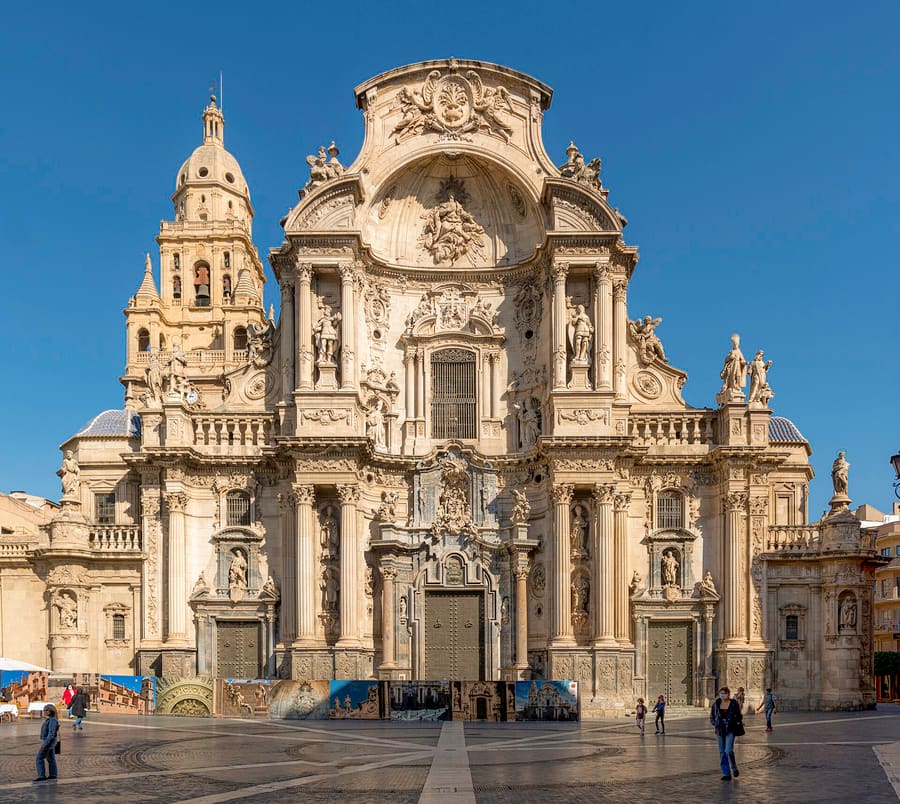
Murcia Cathedral
Gothic foundations beneath an extraordinary Baroque façade. Climb the campanile for views over the Segura valley.
Chiedi a ParleySpagna
Orchard tapas, Baroque plazas, and warm riverfront walks.
introduction
Murcia sits in a fertile river valley shaped by Moorish irrigation and Baroque wealth. You move through the compact center entirely on foot, threading between sun-baked plazas and narrow pedestrian lanes. Expect hot afternoon lulls, low prices compared to coastal resorts, and a culinary scene built around garden produce and pastry traditions.
Corvera airport transfers
Región de Murcia International Airport sits 25km south in Corvera. Intercity buses match flight arrivals, but missing one means taking a €35 taxi.
Cathedral campanile height
Murcia Cathedral features a 92-metre campanile housing 25 bells. It took four centuries to complete, blending Gothic and Baroque architecture.
Monday museum closures
Mondays shut major sites like the Salzillo Museum and Santa Clara. Schedule your indoor cultural visits for Tuesday through Saturday.
Murcia
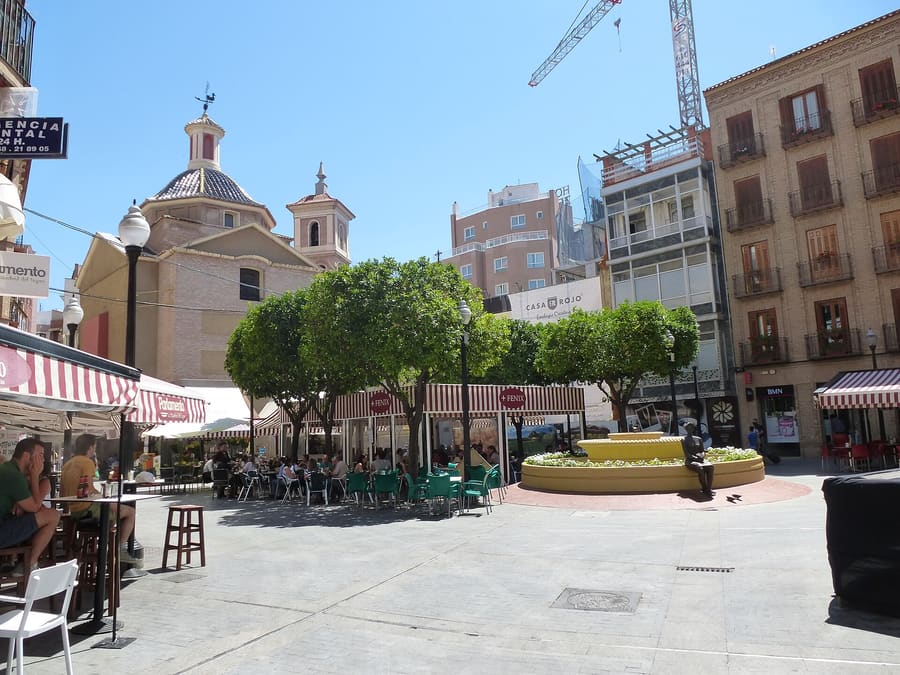
chisloup · CC BY 3.0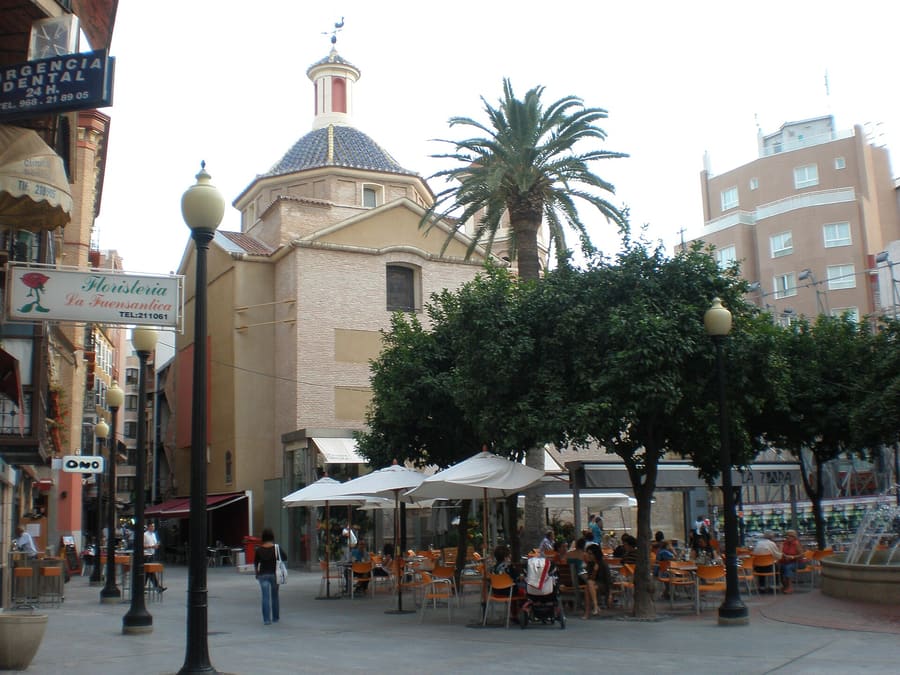
Old Town — Pedestrian squares, flower stalls, and outdoor tapas terraces anchored by the cathedral.
Murcianboy · CC BY-SA 3.0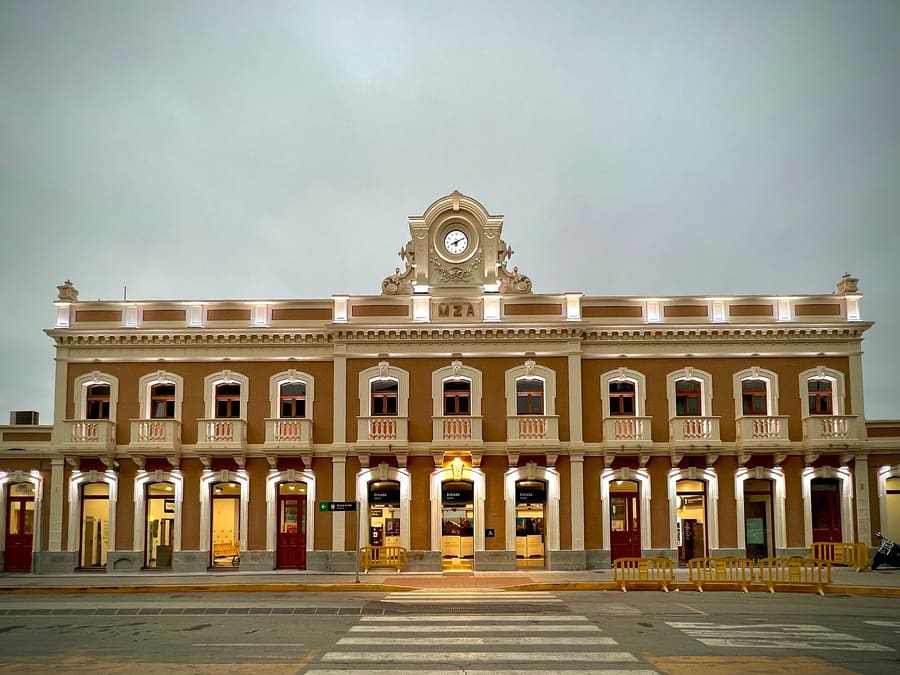
El Carmen — Traditional residential district south of the river with local markets and quiet residential plazas.
Sharon Hahn Darlin · CC BY 2.0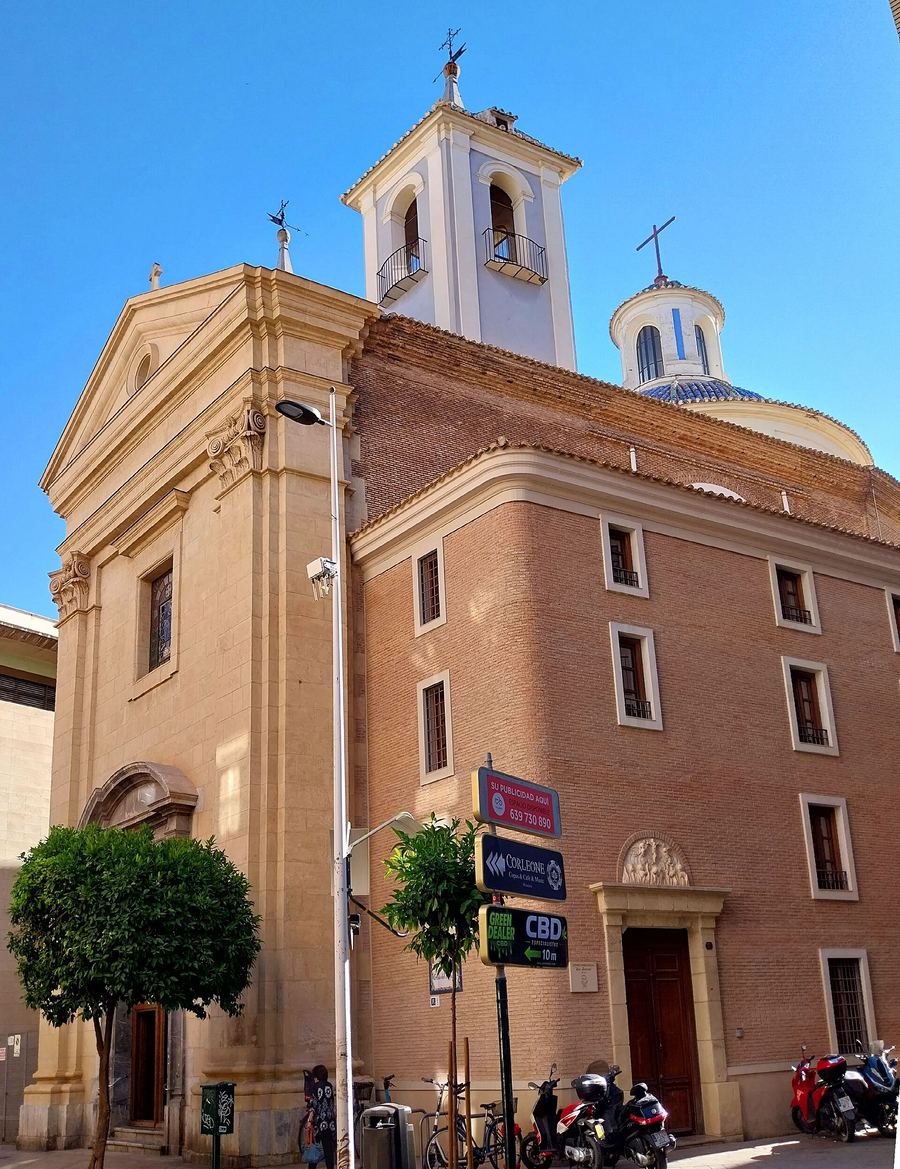
San Lorenzo — University neighborhood filled with affordable tapas bars, bookshops, and lively evening squares.
Zarateman · CC0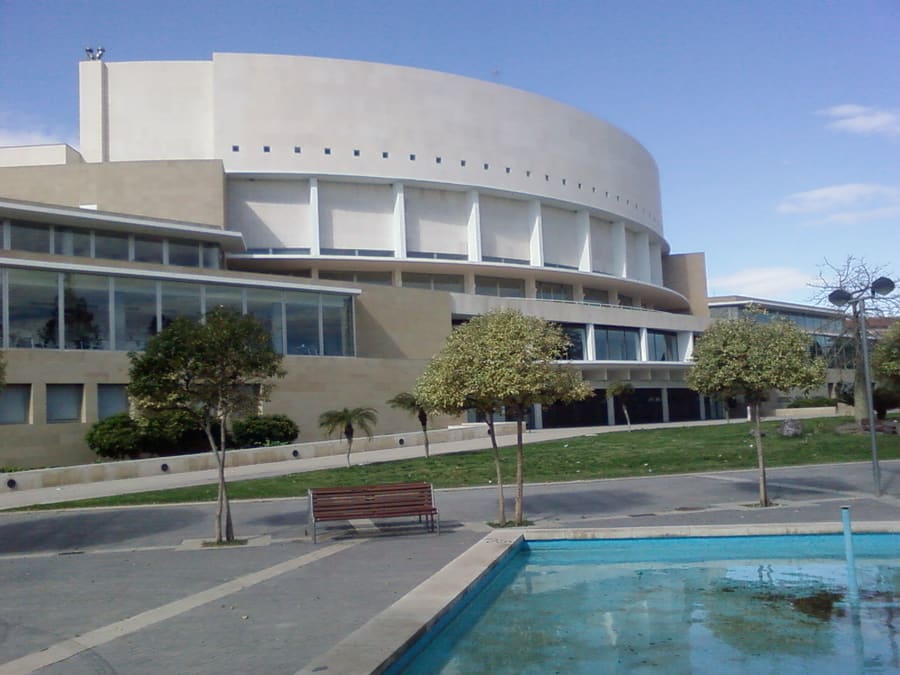
La Flota — Modern northern residential suburb with wide avenues, modern hotel chains, and direct tram service.
TheAnthonyo92 · CC BY 3.0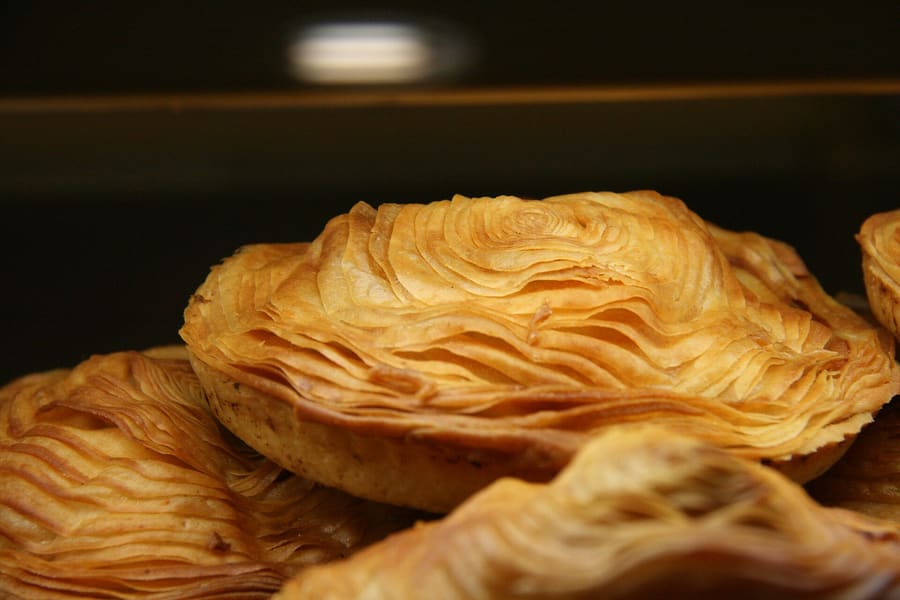
The traditional pastel de carne, encased in fine circular puff pastry.
Tamorlan · CC BY 3.0highlights
landmark
Gothic foundations beneath an extraordinary Baroque façade. Climb the campanile for views over the Segura valley.
Chiedi a Parley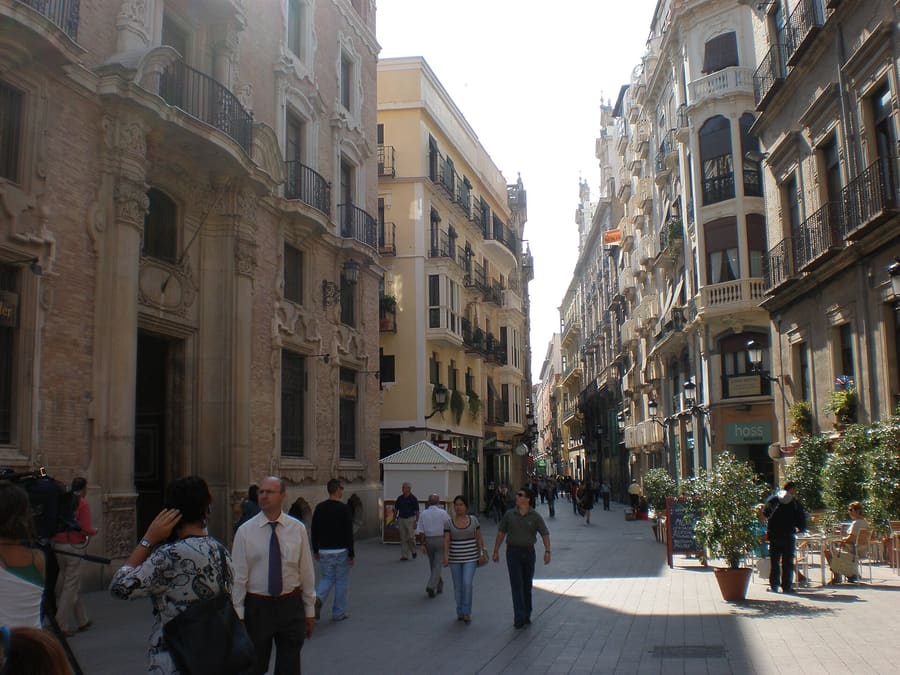
landmark
A 19th-century private club featuring a Neo-Moorish courtyard and a gilded ballroom. Entry includes a reliable audio guide.
Chiedi a Parley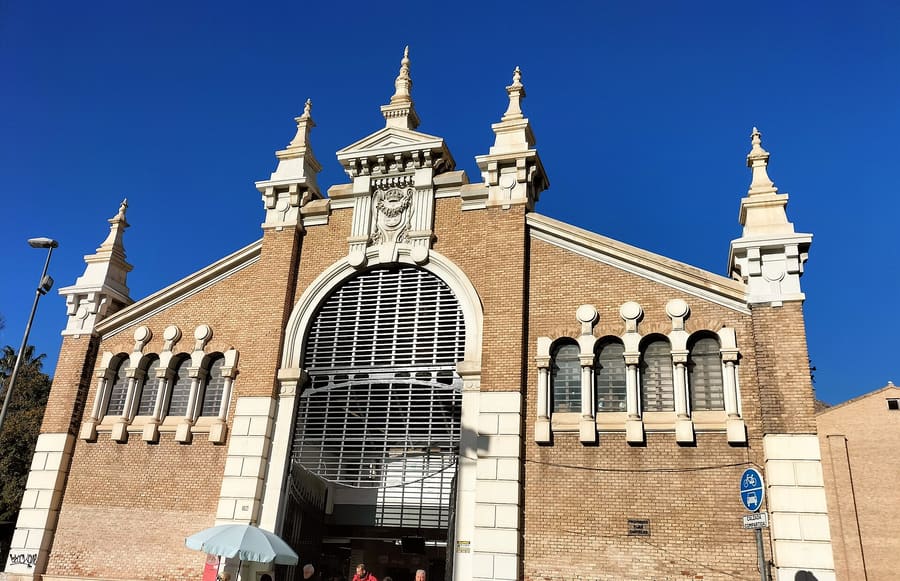
landmark
The city central food hall. Buy fresh red prawns downstairs and take them upstairs to be cooked for a small fee.
Chiedi a Parley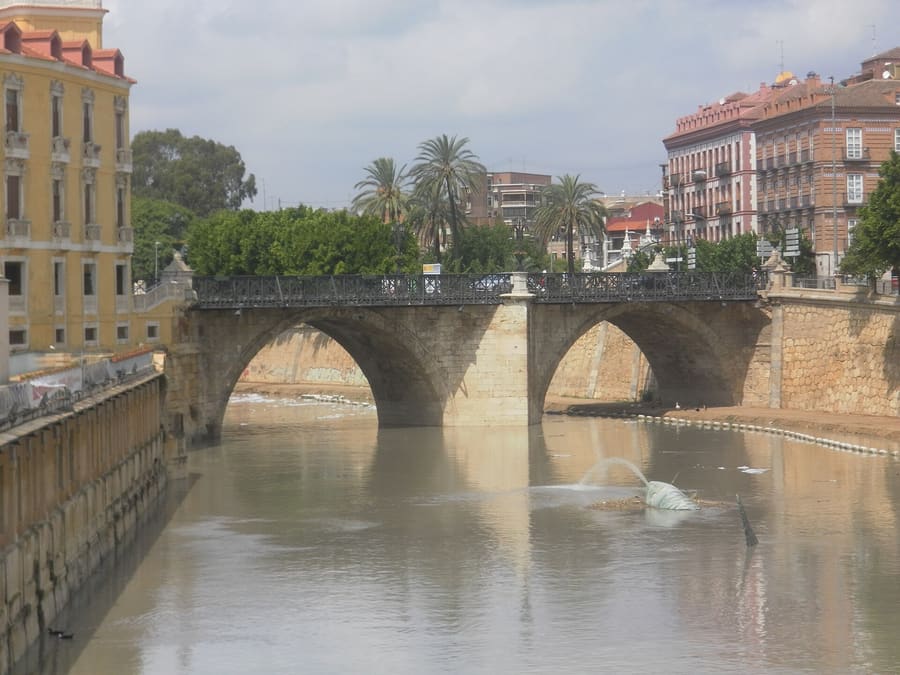
landmark
The 18th-century stone bridge linking the historic centre to El Carmen. Built after flooding destroyed earlier wooden spans.
Chiedi a Parleyattractions
areas
Pedestrian squares, flower stalls, and outdoor tapas terraces anchored by the cathedral.
Nei dintorniCathedral, Real Casino, Plaza de las Flores
Chiedi a ParleyTraditional residential district south of the river with local markets and quiet residential plazas.
Nei dintorniMurcia del Carmen station, Floridablanca garden
Chiedi a ParleyUniversity neighborhood filled with affordable tapas bars, bookshops, and lively evening squares.
Nei dintorniPlaza San Juan, University of Murcia, Santa Clara
Chiedi a ParleyModern northern residential suburb with wide avenues, modern hotel chains, and direct tram service.
Nei dintorniPlaza Circular, Tramway line L1
Chiedi a Parleyfood
Murcian cuisine relies on the surrounding agricultural plain, known locally as *La Huerta*. You eat fresh vegetables alongside spiced meat pastries and cold seafood spreads. The local aperitivo routine is a distinct daily ritual that fills square tables by late morning.
The traditional pastel de carne, encased in fine circular puff pastry.
Tamorlan · CC BY 3.0This signature tapas consists of russian salad heaped on a crisp breadstick, topped with a salted anchovy. A *Bicicleta* omits the anchovy.
This local meat pie pairs ground beef, chorizo, and hard-boiled egg inside flaky spiral puff pastry. Confitería Bonache near Plaza de las Flores bakes standard-setting versions.
Paparajotes are lemon leaves dipped in sweet batter, fried, and sprinkled with cinnamon sugar. You peel off and eat the fried coating, leaving the bitter leaf behind.
Select raw shellfish at fishmonger stalls inside Mercado de Verónicas, then hand them to adjacent market bars to grill on the spot.
history
Emir Abd ar-Rahman II founded Mursiya in 825 AD as a fortified regional capital along the Segura River. Moorish engineers constructed an intricate network of irrigation canals that turned the arid valley into fertile farmland. Following the Christian Reconquest in 1243, the city grew into a major silk producer and Baroque art hub.
Moorish foundation
Abd ar-Rahman II builds the walled city of Mursiya, developing the canal network that waters the valley today.
Castilian rule
Prince Alfonso of Castile takes Murcia under the Treaty of Alcaraz, beginning Christian rule.
Baroque golden age
Wealth from silk manufacturing funds major building projects, including the Cathedral's dramatic new façade.
The Santa Teresa flood
A catastrophic Segura overflow kills over 1,000 residents, prompting major river rerouting works.
Tram network launches
Modern light rail connects the northern suburbs and university campuses to the city perimeter.
where to stay
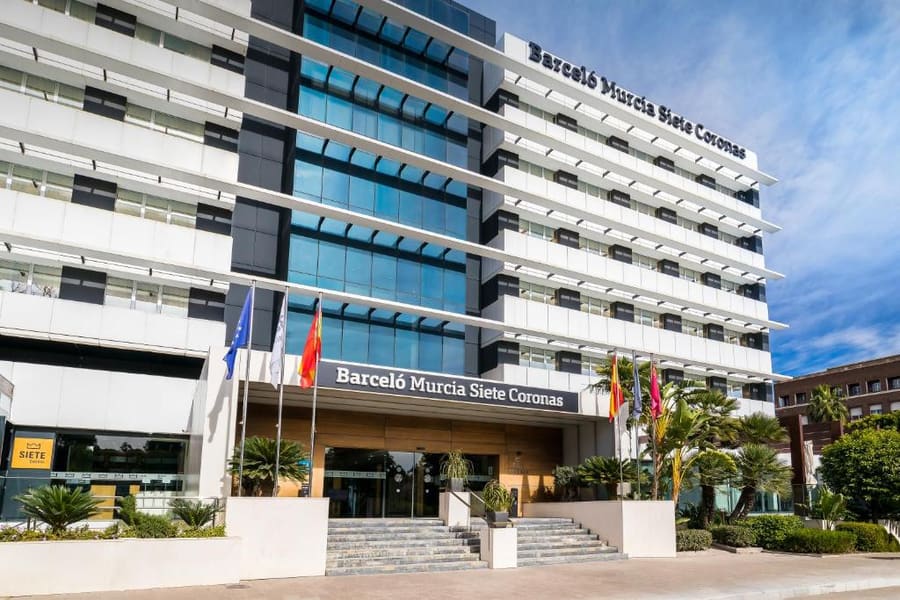
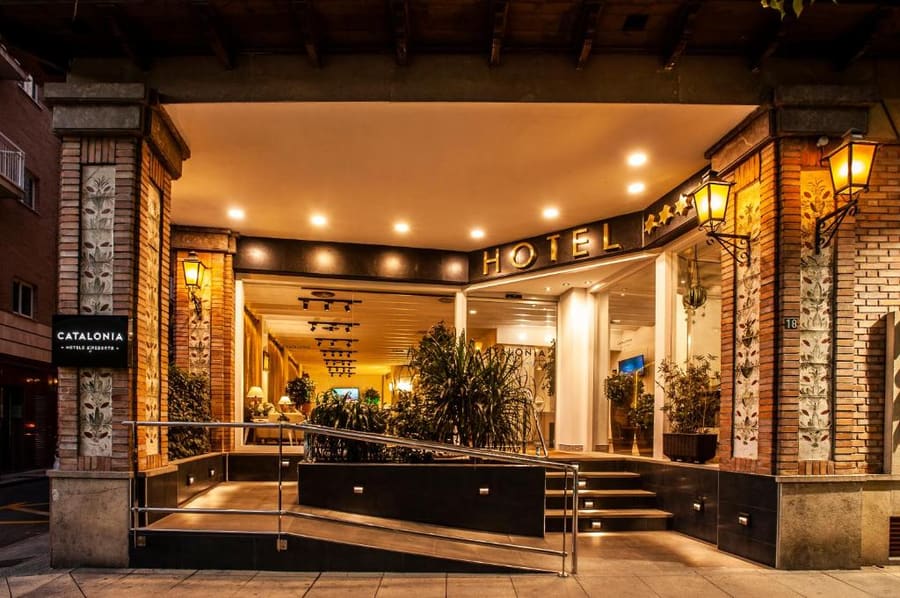
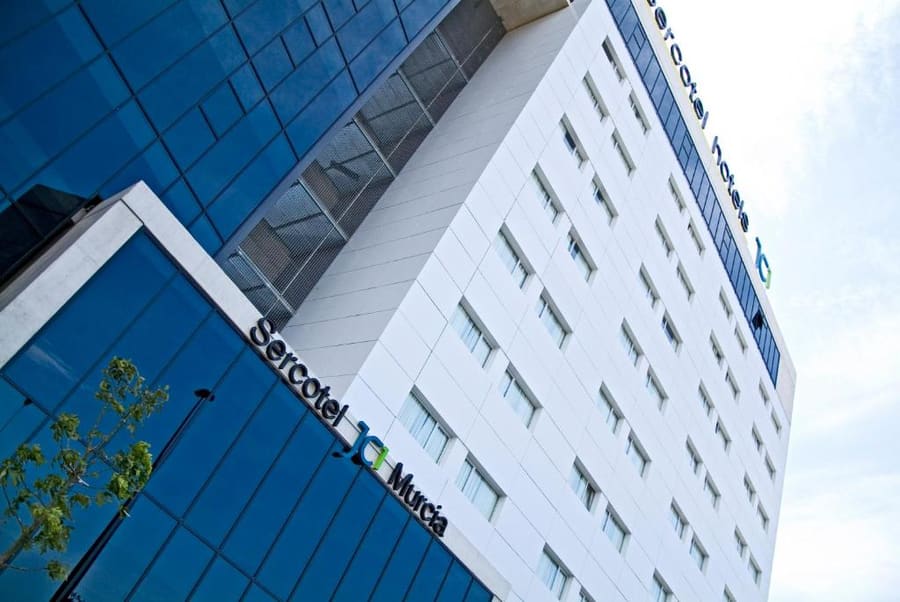
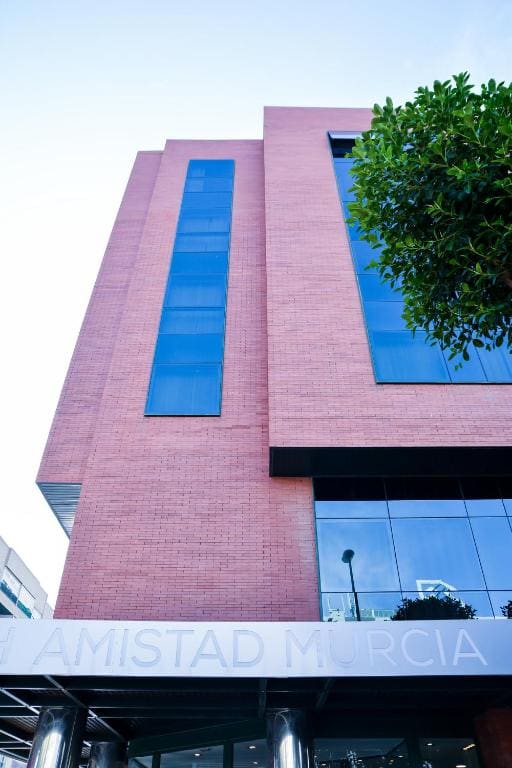
Select your neighbourhood based on walking distances and noise tolerance. Staying in the Old Town keeps you steps from cathedral views and tapas plazas, but evening chatter lingers late. El Carmen across the river provides quieter nights and proximity to the main train station at slightly lower rates.
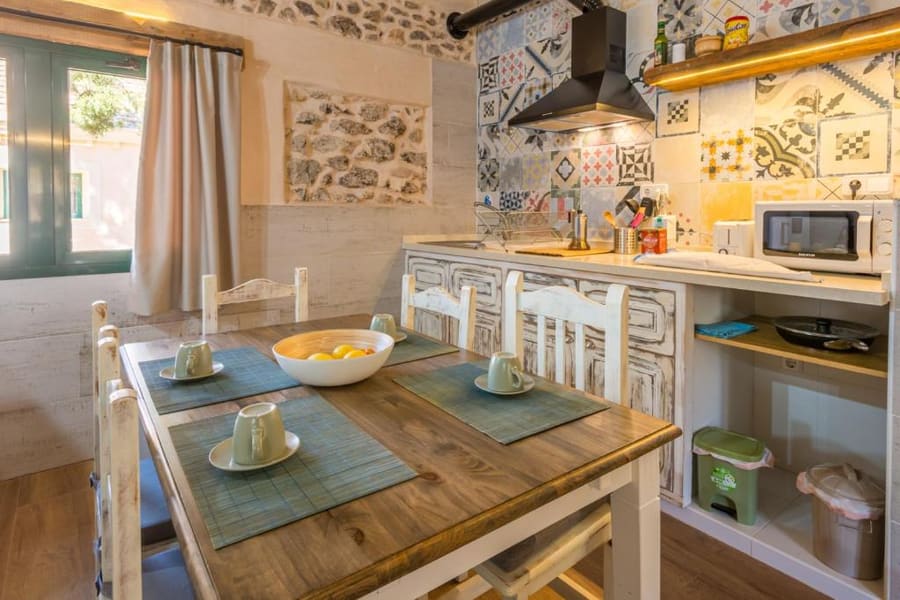
Live rates, matched to the areas above.
transport
Murcia's historic core is entirely flat and compact enough to cross on foot in twenty minutes. The single-line light rail system links the northern edge to outlying university campuses, while urban buses run through outer districts. Taxis are plentiful and operate on metered fares.
Da Región de Murcia Airport (RMU) / Murcia del Carmen Station
Interbus operates routes connecting RMU airport to Murcia San Esteban bus station.
Official airport taxis line up outside terminals with fixed tariff tiers for central drop-offs.
Validate your ticket before boarding. Trams run every 10 minutes on weekdays and every 15-20 minutes on weekends.
Cars are restricted in Old Town pedestrian zones. Walking between major sights rarely takes more than ten minutes.
City buses accept contactless bank cards directly on board. Single urban rides cost €1.05.
cost
Murcia offers noticeably lower prices than Barcelona or coastal resorts in Alicante. Daily dining expenses remain modest if you follow the local habit of eating tapas rather than sit-down three-course meals.
A cold draught beer (*caña*) accompanied by a salad and anchovy snack at Plaza de las Flores.
Freshly baked meat pie from a traditional bakery line.
Includes the guided walk up the ramps and steps of the campanile.
seasonality
MAR – MAY
Spring yields warm days around 22°C. Holy Week and the Bando de la Huerta festival fill streets with local celebrations.
JUN – AUG
Summer temperatures exceed 38°C routinely. Streets empty during the afternoon as locals flee to coastal beaches.
SEP – NOV
Autumn brings pleasant 24°C afternoons and harvest menus. Sudden heavy rainstorms can occur in October.
DEC – FEB
Winter days remain mild at 16°C with minimal rainfall. Evenings drop to 5°C, requiring a warm coat.
practicalities
Small shops and family businesses close between 14:00 and 17:00 daily. Restaurants stop food service by 16:00 until dinner at 20:30.
Murcia is one of Europe's hottest cities in July and August. Carry water and limit walking tours to early morning or late evening.
Outside major hotels, service staff speak primarily Spanish. Basic polite phrases go a long way in neighborhood bars.
While central restaurants take cards, small vendor stalls at Mercado de Verónicas prefer cash payments under €5.
Join the local *paseo* routine along the Segura riverbanks around sunset when temperatures cool.