landmark
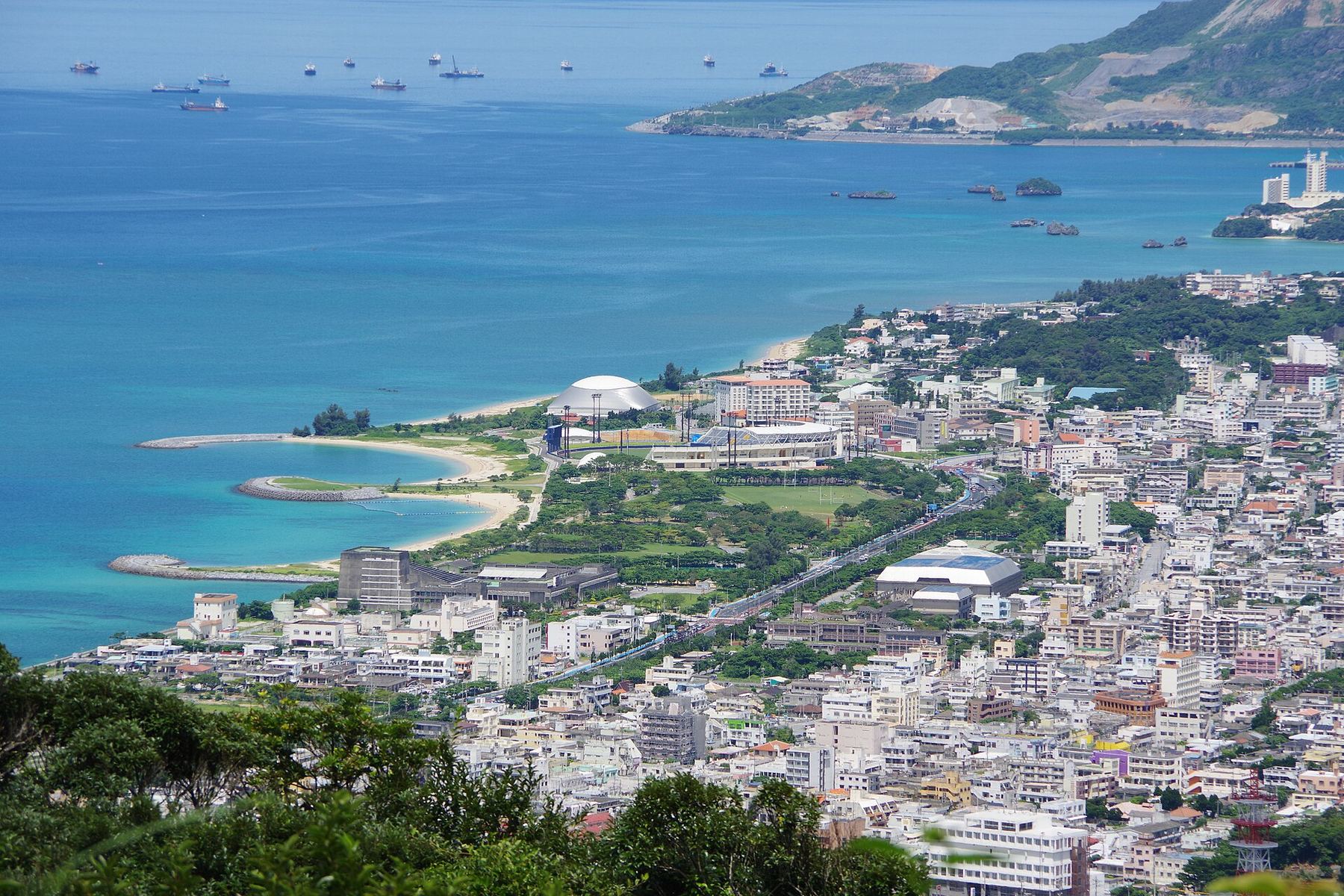
Nago Castle Park
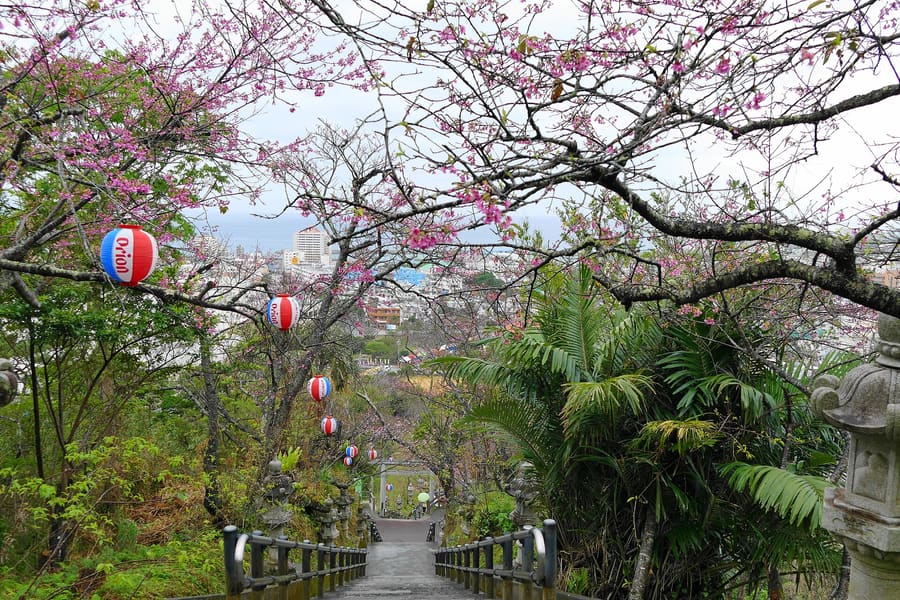
A hilltop park offering 360-degree views of Nago Bay. Visit in late January for dark pink cherry blossoms.
Chiedi a ParleyGiappone
Northern Okinawa's brewery hub and gateway to Yanbaru.
introduction
Nago anchors the northern third of Okinawa's main island, acting as the transition point between southern resort strips and northern rainforest. You move through it primarily by rental car, as public transit north of Nago Bus Terminal thins out rapidly. The city lacks a single walkable core, distributing its best noodle shops and markets across distinct coastal and hillside pockets.
Arrival shortcut
Express Bus 111 and 117 connect Naha Airport directly to Nago Bus Terminal in roughly 100 minutes for under ¥2,500.
Ecological status
Yanbaru National Park begins at Nago's northern boundary, protecting endemic species like the flightless Okinawa rail.
Planning trick
Picking up a rental car at Naha Airport avoids local agency shortages in Nago and gives you access to mountain trailheads.
highlights
landmark
A hilltop park offering 360-degree views of Nago Bay. Visit in late January for dark pink cherry blossoms.
Chiedi a Parley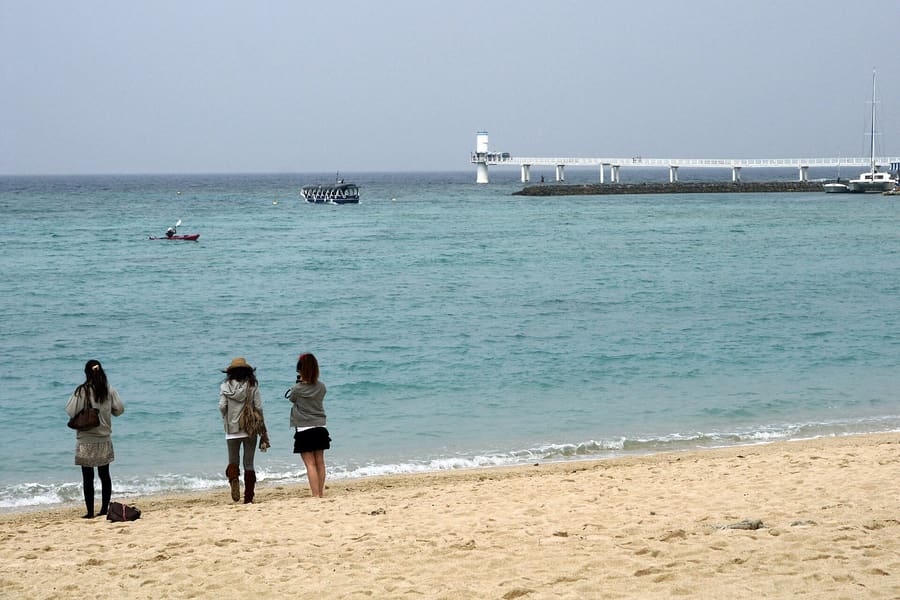
landmark
An underwater observatory tower anchored off the coast. Walk down spiral stairs to see marine life without diving.
Chiedi a Parley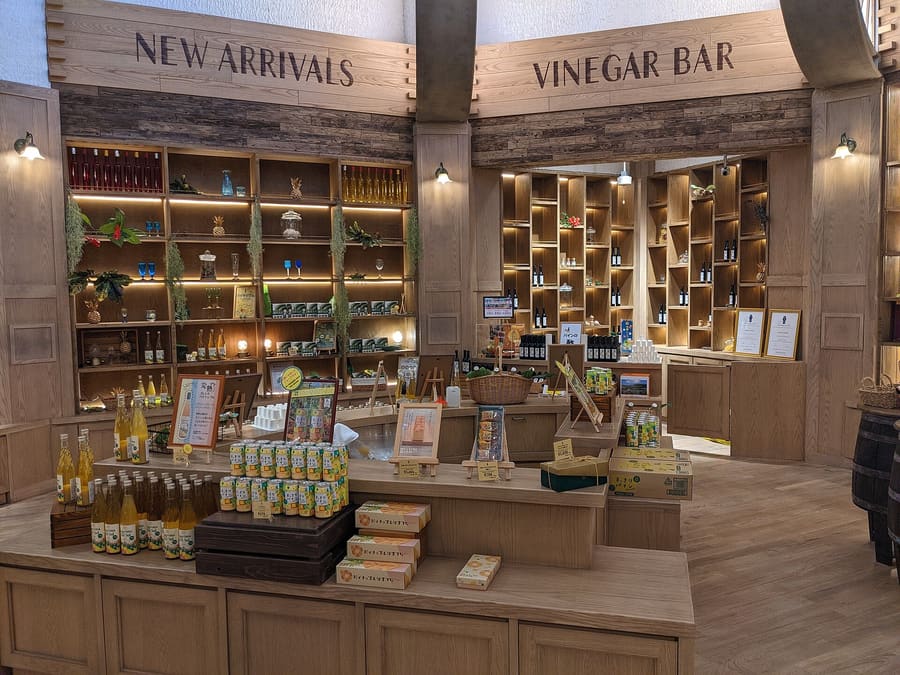
landmark
An agricultural theme park driven by automated carts. Pure tropical kitsch, featuring wine tastings and fresh fruit sampling.
Chiedi a Parley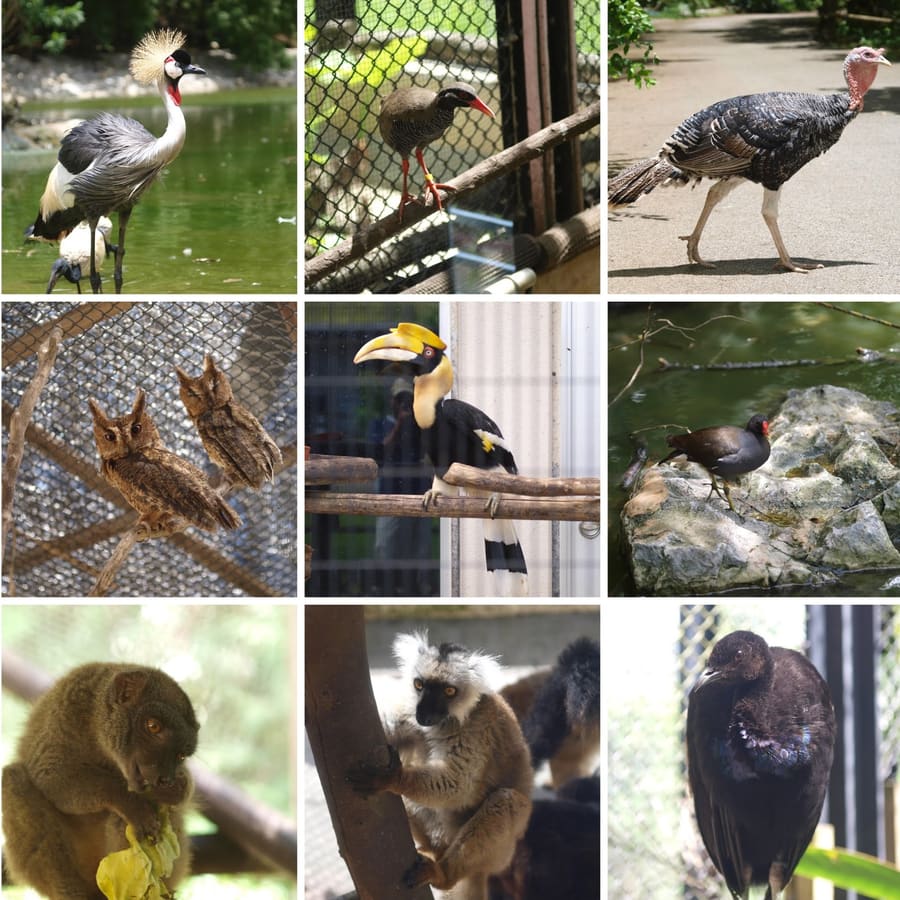
landmark
Enormous walk-through aviaries containing tropical birds. Buy bird seed at the entrance if you want direct interactions.
Chiedi a Parleyattractions
areas
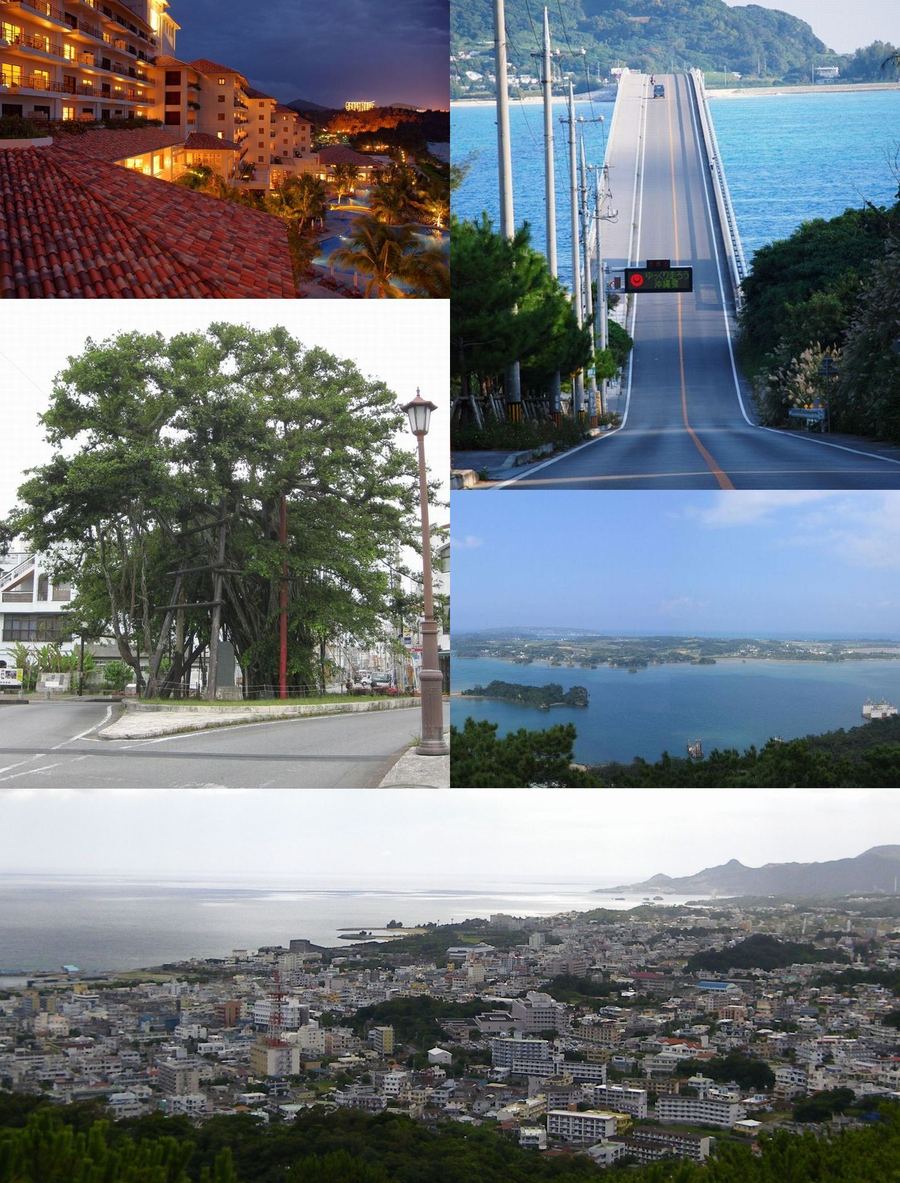
Low-rise streets anchored by retro izakayas, the city market, and local soba joints.
Nei dintorniOrion Happy Park and Nago Castle Park
Chiedi a Parley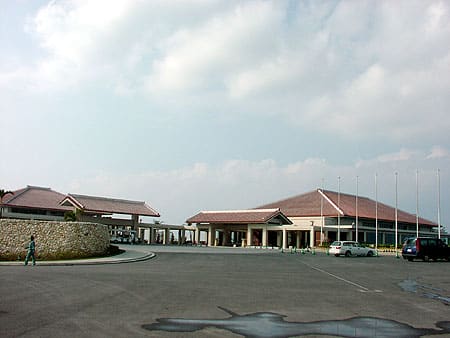
Manicured beach enclaves, international resorts, and calm turquoise water.
Nei dintorniBusena Marine Park and Kise Beach
Chiedi a Parley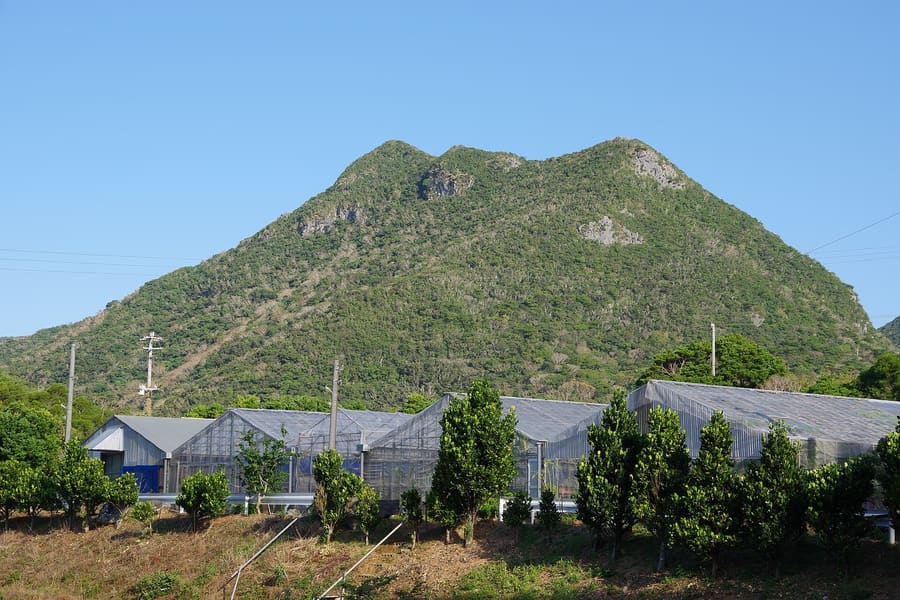
Quiet coastal road lined with small guesthouses and direct access to Motobu Peninsula.
Nei dintorniMount Katsuudake and Okinawa Churaumi Aquarium
Chiedi a Parley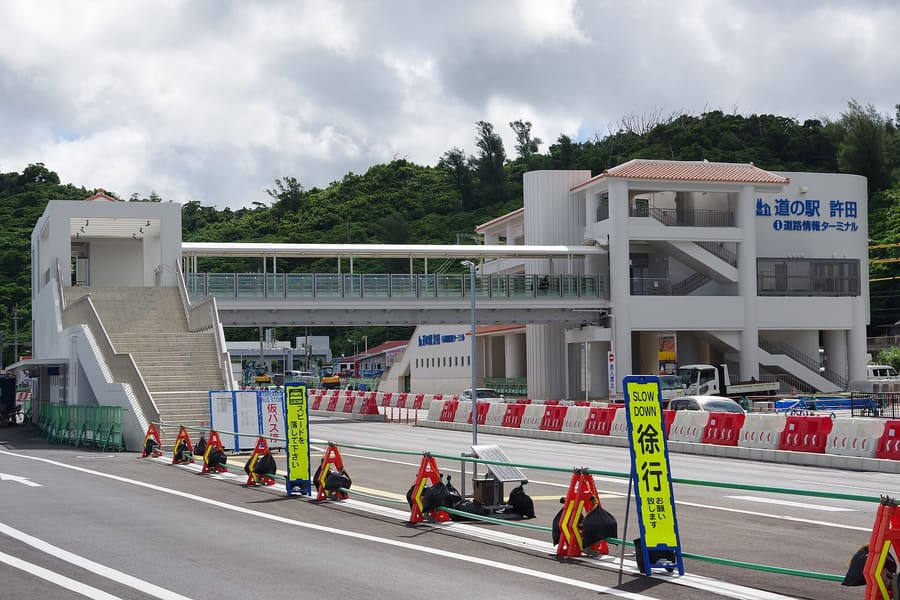
Southern entry strip defined by sea views, highway stops, and beachfront hotels.
Nei dintorniMichi-no-Eki Kyoda roadside market
Chiedi a Parleyfood
Nago noodle shops prepare Okinawa soba differently from southern mainland joints. The noodles here are noticeably wider and flatter, served in pork and dashi broths topped with slow-braised rib pork (soki) or pork belly (sanmainiku). Downtown Nago is the birthplace of Orion Beer, meaning local izakayas serve draught lager that was brewed only miles away.
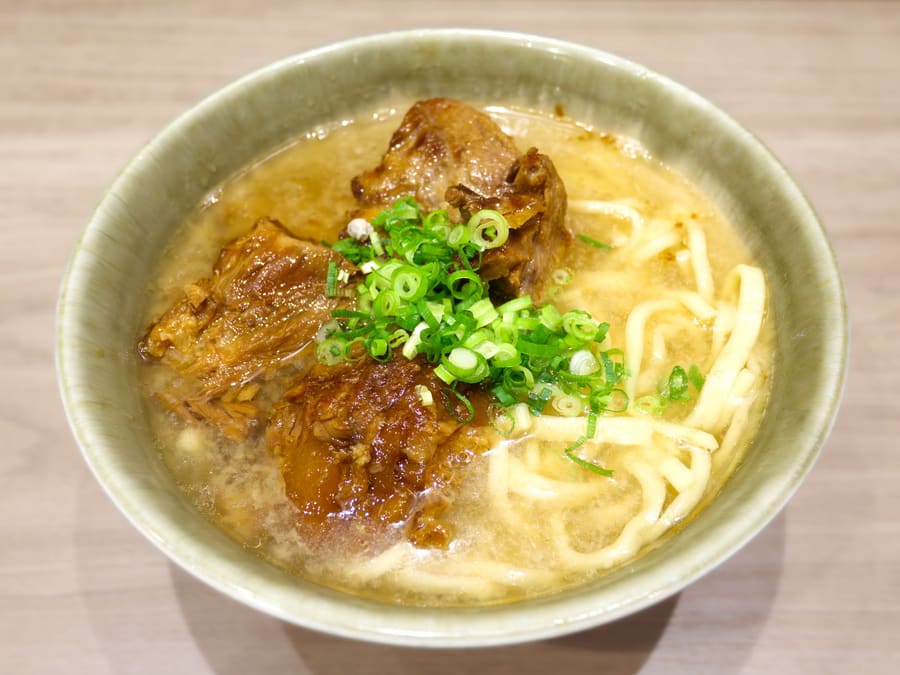
Nago-style Okinawa soba with wide, flat wheat noodles and tender soki pork rib.
くろふね · CC BY 4.0Establishments like Shimabu Soba use flat, wide noodle cuts unique to northern Okinawa rather than the rounded strands found in Naha.
Most traditional noodle houses operate from 11:00 until broth runs out, often by 15:00. Plan your meals around lunch.
The red liquid in clear bottles on every table is awamori liquor infused with fiery island chillies. A few drops go a long way.
history
Nago developed as a critical trade passage between the agricultural north and the Ryukyu Kingdom court in the south. During the 20th century, the city transitioned into northern Okinawa's commercial base, solidifying its identity when Orion Breweries opened its main plant here in 1957.
Nago Castle Construction
Local rulers established Nago Castle atop Nago-dake, securing control over northern mountain passes.
Orion Brewery Established
Orion Beer built its primary brewery in Nago, utilizing northern freshwater sources and driving local industrial growth.
City Amalgamation
Nago merged five surrounding towns and villages to form the primary city hub of northern Okinawa.
G8 Summit at Busena
The 26th G8 Summit took place at the Bankoku Shinryokan on Busena Peninsula, establishing Nago's global resort profile.
where to stay
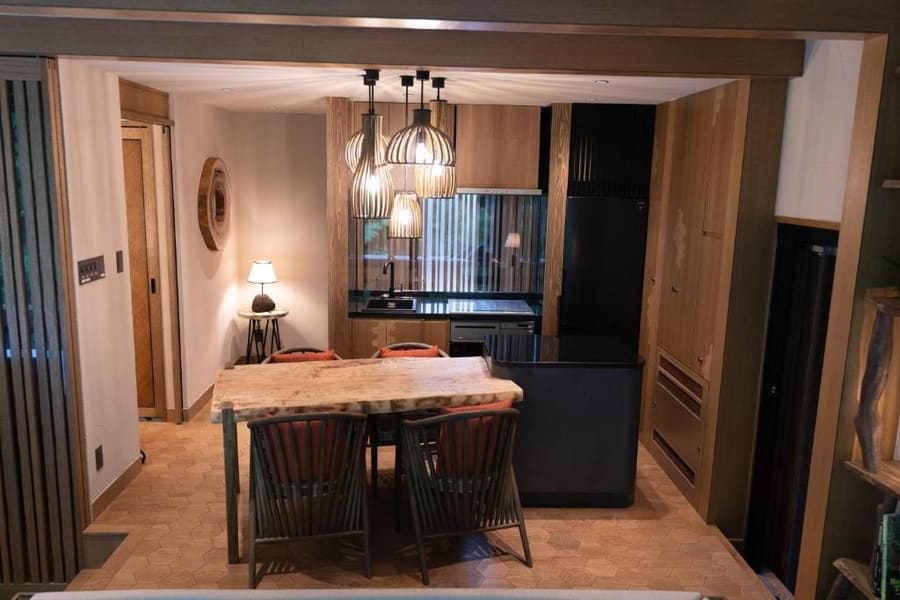
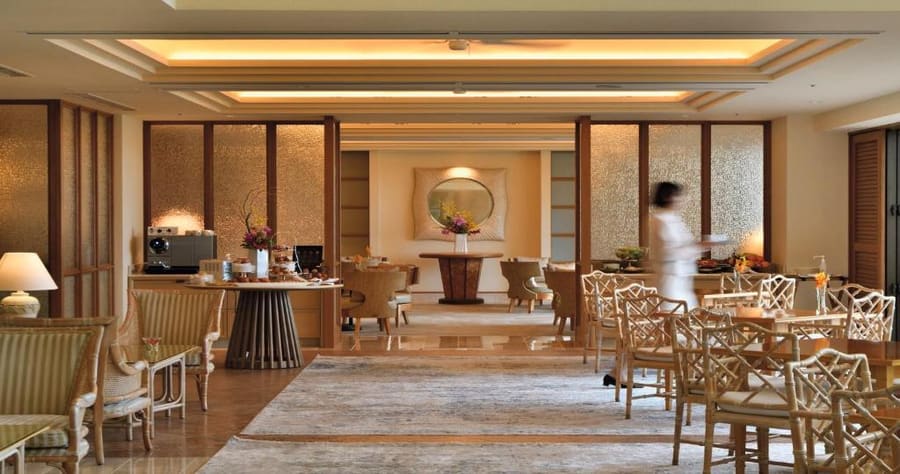
Base yourself in Downtown Nago if you want walkable access to local izakayas, cheap soba shops, and central bus routes. Select the Busena or Kise coastline if your priority is direct resort beach access, understanding that you will trade local neighbourhood feel for self-contained amenities.
Live rates, matched to the areas above.
transport
Nago has no train or monorail service. Public bus lines run through central corridors, but reaching hiking trails, isolated beaches, and northern forests requires private wheels. Renting a vehicle at Naha Airport before driving north is standard practice.
Da Naha Airport (OKA)
Express Line 111 or 117 via Okinawa Expressway directly to Nago Bus Terminal.
Yanbaru Express Bus connects Naha Airport to Nago and Motobu with several hotel stops.
Highway toll fees (approx. ¥1,040) are added to the meter total.
When renting a car, opt for an ETC toll card to use automated gates on the Okinawa Expressway.
Local routes within Nago operate limited evening schedules; rely on local taxis after 20:00.
All regional buses departing for the northern Yanbaru region or Motobu originate here.
cost
Nago is generally more affordable for food and daily expenses than southern resort areas like Chatan, though luxury coastal hotels command top-tier rates during peak Japanese holiday windows.
A standard lunch bowl loaded with soki ribs at a local eatery.
Includes factory floor access and two glasses of fresh draft beer.
Combined tickets with the glass-bottom boat cost around ¥2,100.
Standard cash or ETC charge one-way for standard cars.
seasonality
JAN – FEB
Cooler days (15-20°C). Taiwan cherry trees bloom early across Nago Castle Park.
MAR – MAY
Warm spring weather. Beaches open in late March; ideal conditions for hiking Mount Katsuudake.
JUN – AUG
Hot and humid coastal season. Maximum sea visibility, but peak resort room rates apply.
SEP – NOV
Typhoon risk lingers in September. October and November bring lower humidity and clear drives.
practicalities
Okinawa's dark pink kanhizakura blossoms bloom in mid-to-late January, two months ahead of mainland Japan.
When hiking Mount Katsuudake or forest trails, stay on cleared paths to avoid venomous habu snakes.
Smaller family-run dining places in Downtown Nago use ticket vending machines that accept cash only.
Typhoon season peaks July to September. Outdoor activities and ferry connections stop completely during warnings.
Swim at designated beaches with protective netting between May and October due to Habu box jellyfish.