landmark
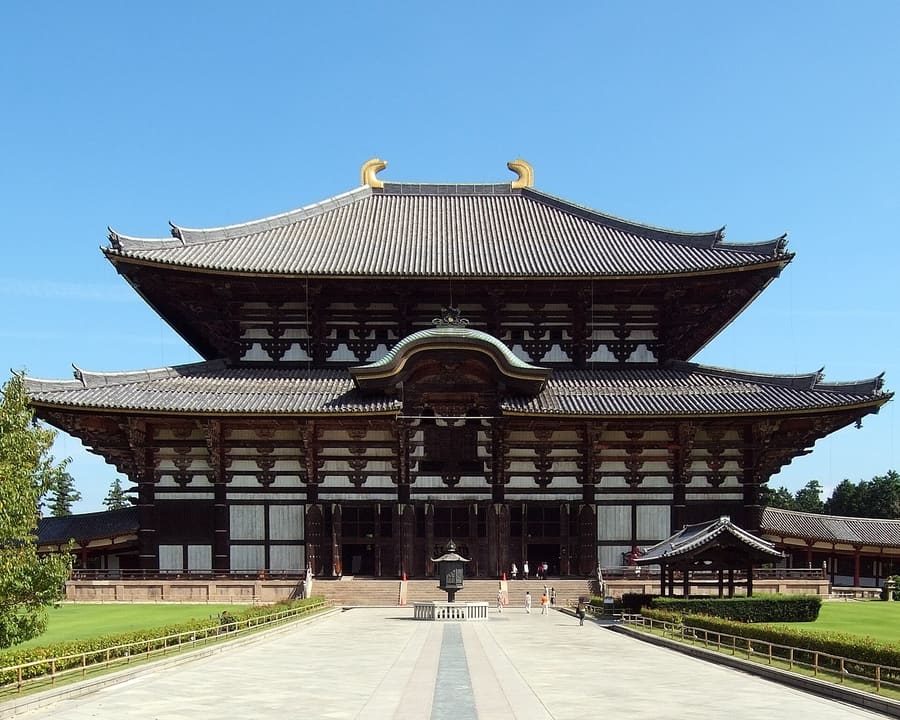
Todai-ji
Houses the world's largest bronze Buddha inside a massive timber hall. Buy your ticket before 08:30 to skip long group lines.
Chiedi a ParleyGiappone
Japan's eighth-century capital built on timber and stone.
introduction
Nara concentrates Japan's oldest wooden architecture into a compact city flat enough to walk entirely on foot. Kintetsu-Nara Station places you directly at the edge of the central park where major temples stand. JR Nara Station sits fifteen minutes further west, adding a straight urban walk to the historic core. Most day-trippers exit by nightfall, leaving empty lantern-lit lanes after dark.
Station choice matters
Kintetsu-Nara Station drops you five minutes from Nara Park. JR Nara Station sits a 15-minute walk west, adding extra foot transit to your morning.
World Heritage cluster
Historic Monuments of Ancient Nara covers eight distinct locations, including Todai-ji, Kasuga Taisha, and the Heijo Palace site.
Early morning advantage
Temple grounds open at sunrise, long before museum halls. Arrive by 08:00 to walk the park roads before tour buses unload.
Nara
663highland · CC BY-SA 4.0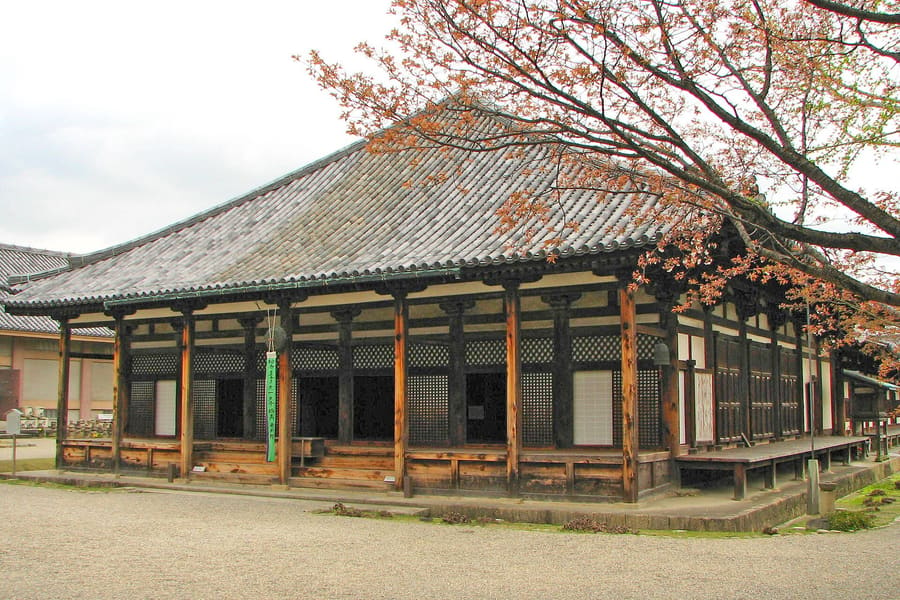
Naramachi — Preserved machiya alleyways, craft workshops, and quiet courtyard restaurants.
Bernard Gagnon · CC BY-SA 3.0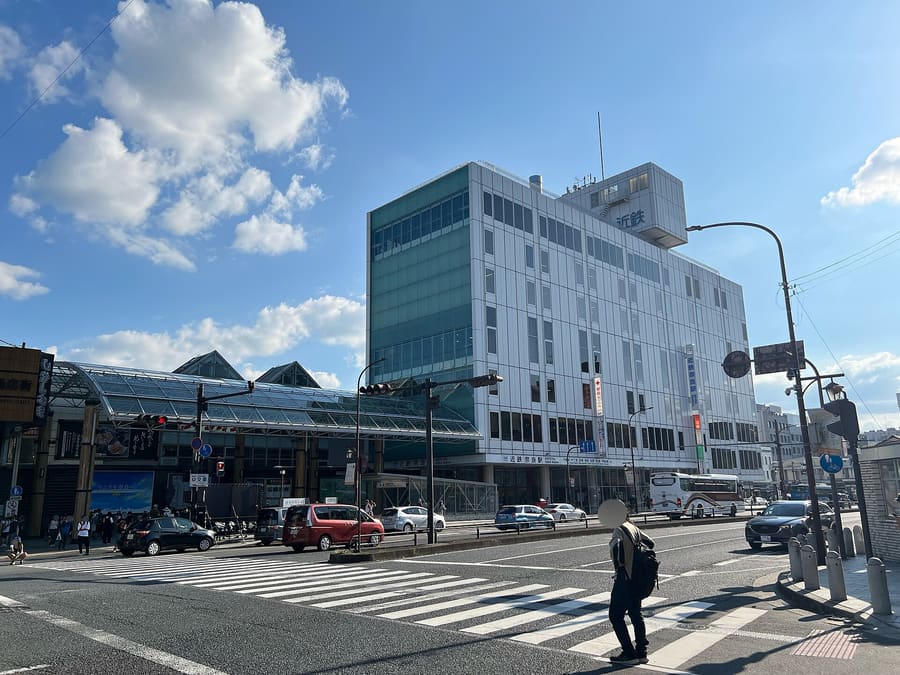
Kintetsu Station — Covered shopping arcades, practical commuter links, and immediate park access.
Mont Blank rich · CC0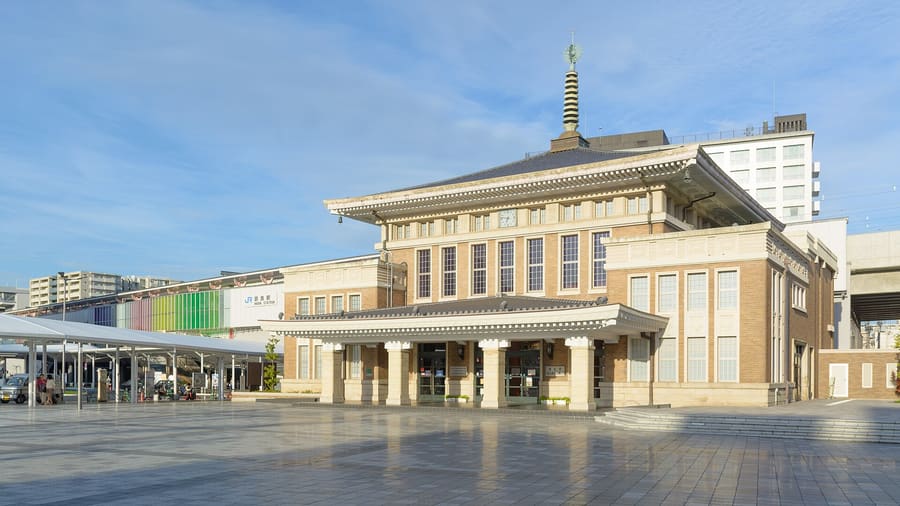
JR Station — Modern city hub with business hotels, supermarkets, and direct trains to Osaka.
Degueulasse · CC BY 3.0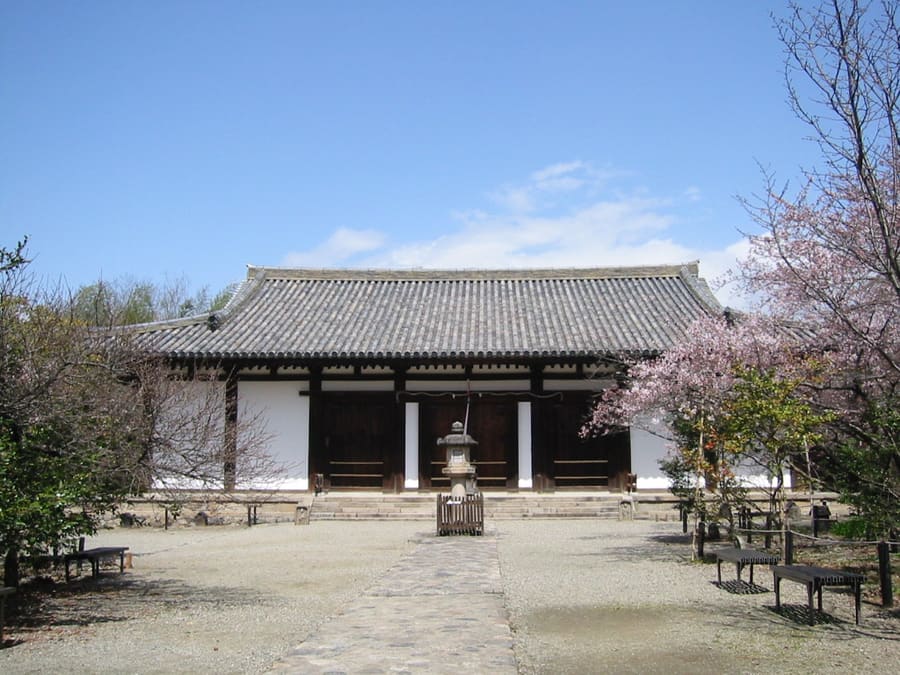
Takahata — Peaceful residential district bordered by forest paths and old earth walls.
Dddeco at Japanese Wikipedia · CC BY-SA 3.0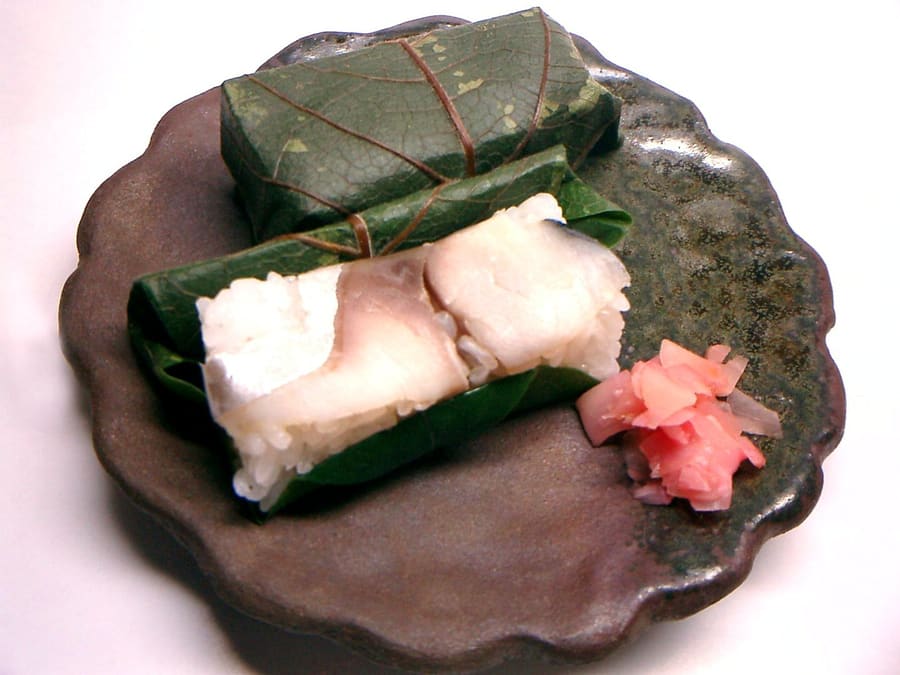
Kakinoha-zushi wrapped in persimmon leaves, sold across shops near Kintetsu-Nara Station.
Tomomarusan · CC BY-SA 3.0highlights
landmark
Houses the world's largest bronze Buddha inside a massive timber hall. Buy your ticket before 08:30 to skip long group lines.
Chiedi a Parley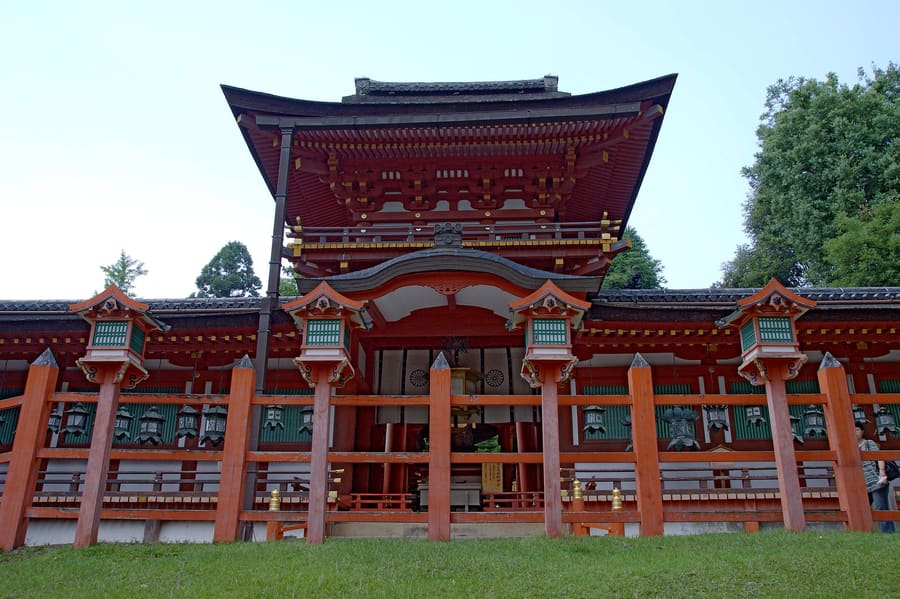
landmark
Shinto shrine defined by thousands of stone and bronze lanterns. Walk the forested approach paths during early morning light.
Chiedi a Parley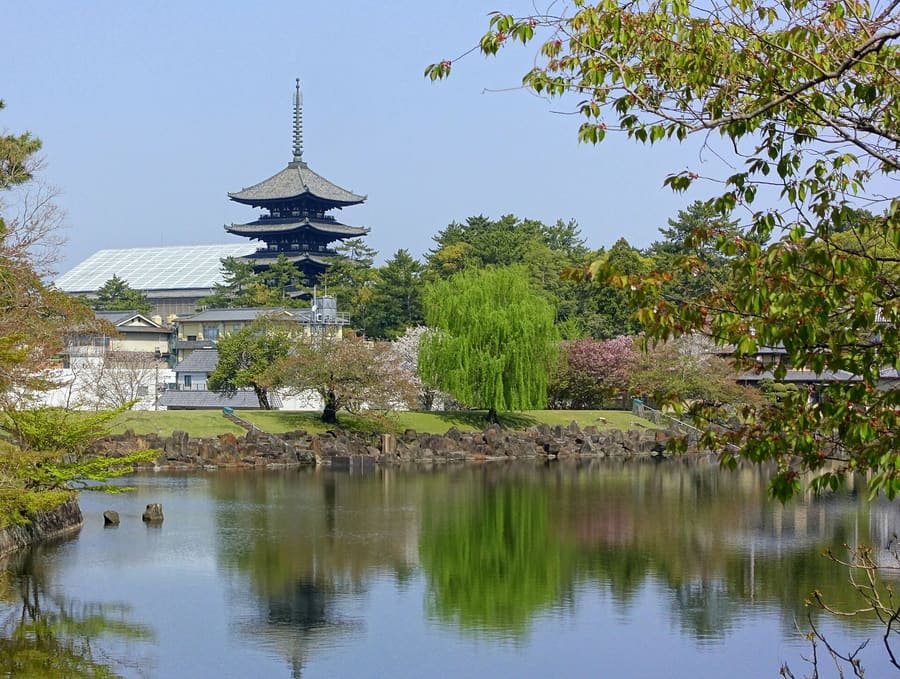
landmark
Broad public park housing hundreds of free-roaming sika deer. Keep paper maps tucked away to avoid nibbling animals.
Chiedi a Parley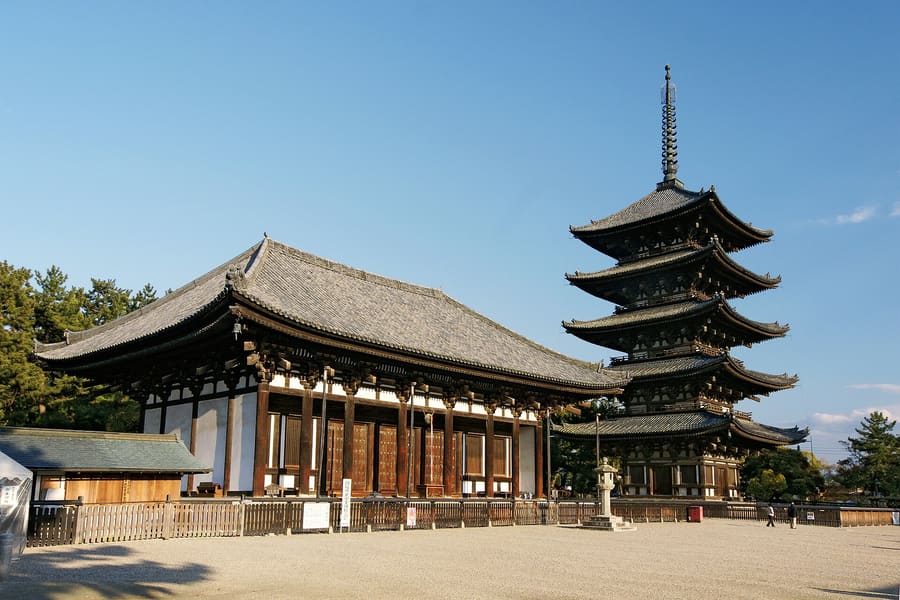
landmark
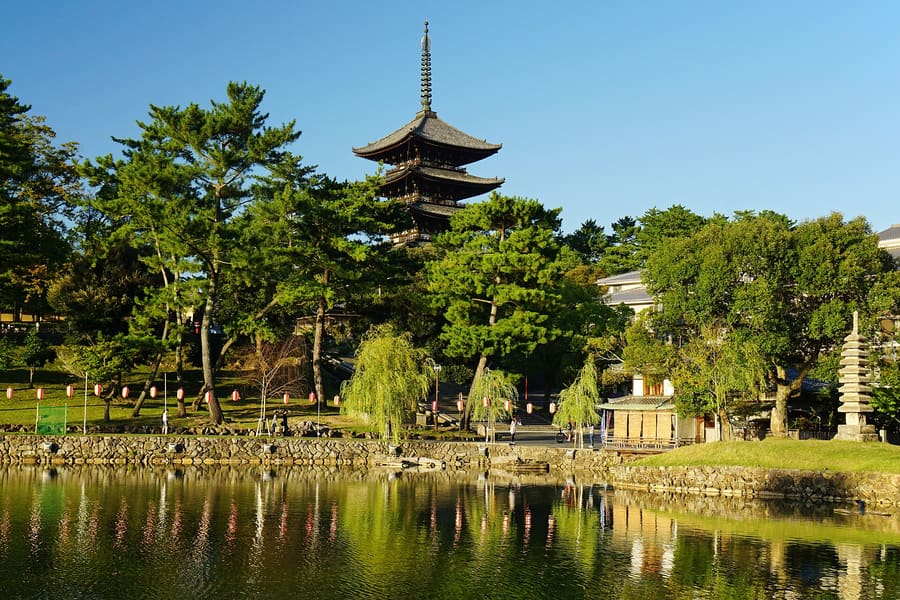
Five-story pagoda anchor near the station. The National Treasure Museum contains remarkable eighth-century Buddhist statuary.
Chiedi a Parley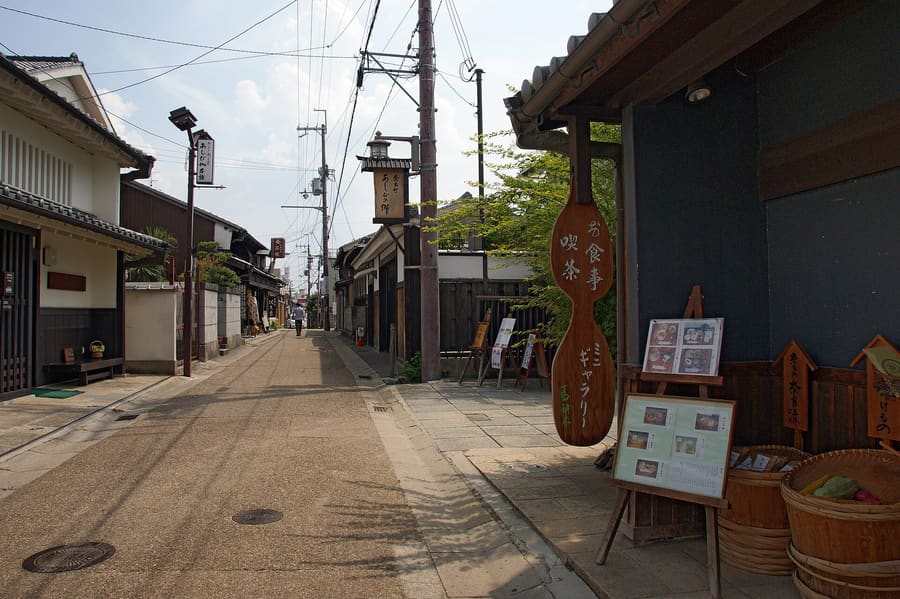
landmark
Former merchant quarter full of wooden lattice storefronts. Ideal for craft shops, small cafes, and quiet walking.
Chiedi a Parley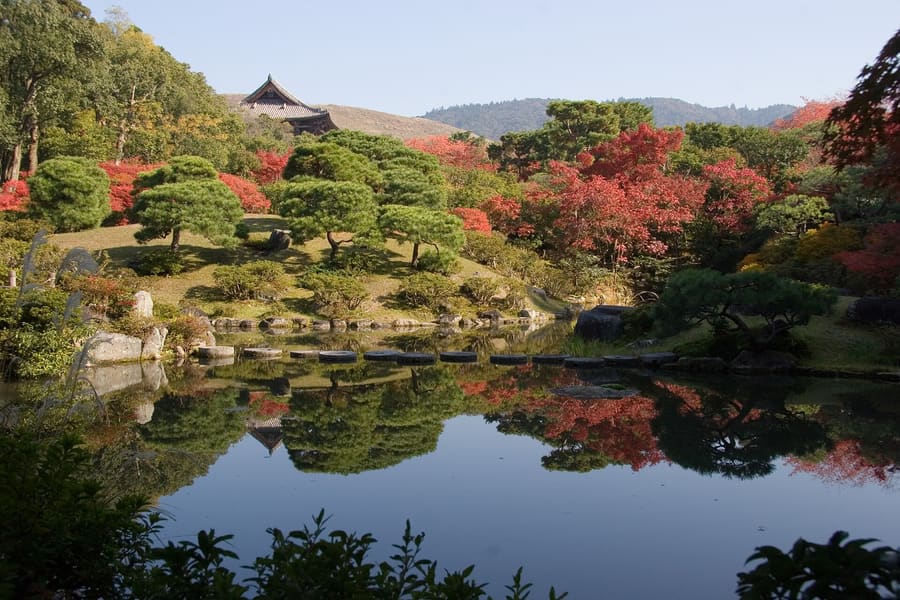
landmark
Meiji-era garden using Todai-ji's Nandaimon Gate as borrowed scenery. Ticket includes entry to the Neiraku Art Museum.
Chiedi a Parleyattractions
areas
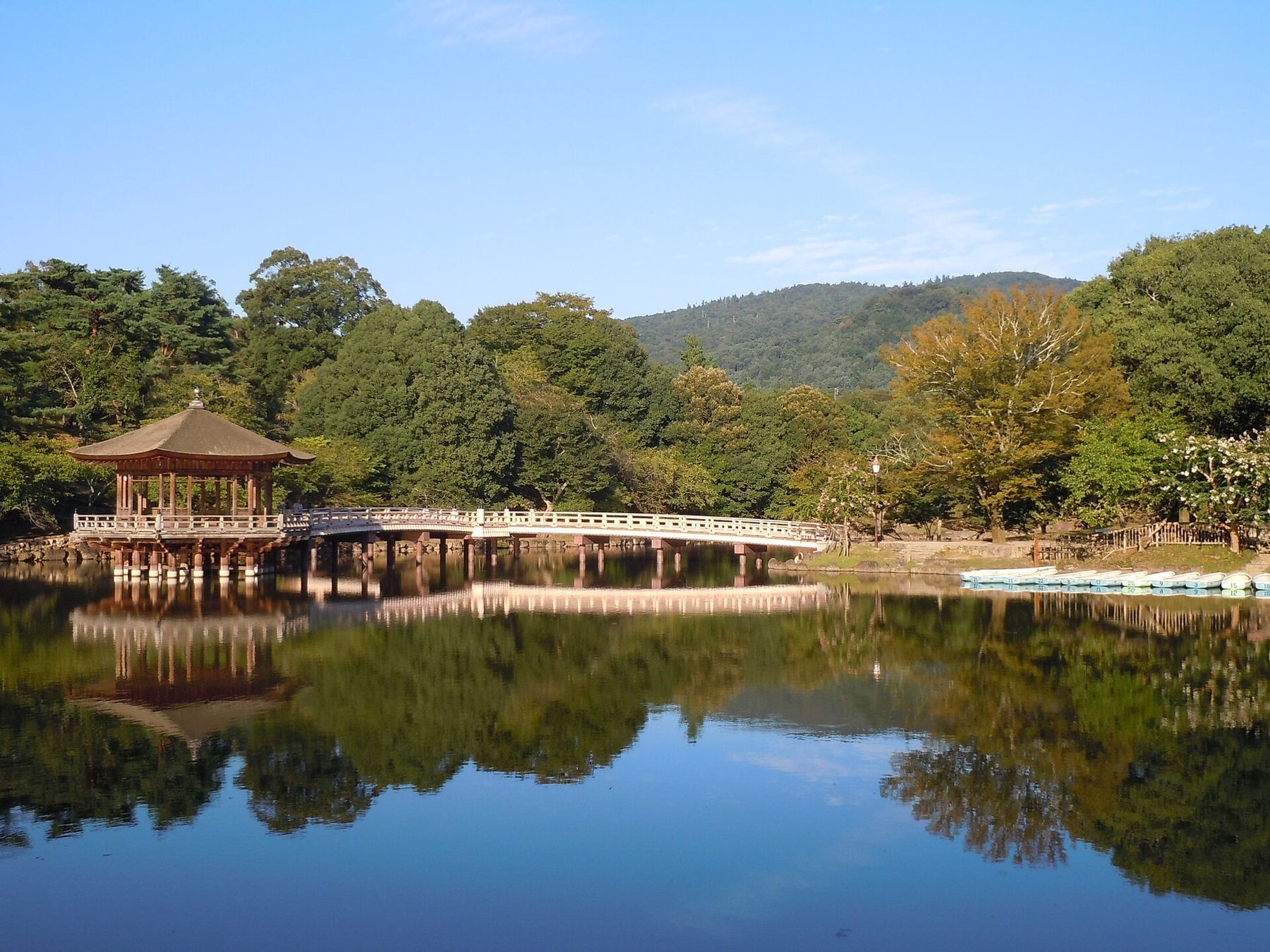
Preserved machiya alleyways, craft workshops, and quiet courtyard restaurants.
Nei dintorniSarusawa Pond and Kofuku-ji
Chiedi a ParleyCovered shopping arcades, practical commuter links, and immediate park access.
Nei dintorniNara Park entrance
Chiedi a ParleyModern city hub with business hotels, supermarkets, and direct trains to Osaka.
Nei dintorniSanjo-dori avenue
Chiedi a ParleyPeaceful residential district bordered by forest paths and old earth walls.
Nei dintorniKasuga Taisha grounds
Chiedi a Parleyfood
Nara culinary traditions focus heavily on preservation methods developed during its era as Japan's imperial capital. Kakinoha-zushi uses persimmon leaves to wrap salted mackerel or salmon over vinegared rice, a technique originally created to transport sea fish inland without spoilage. The tannic leaves infuse the rice while keeping it fresh for several days without refrigeration.Chagayu, a breakfast porridge cooked in roasted green tea, remains a daily staple rooted in monastic kitchens. Narazuke pickles use sake lees from local breweries to cure radish and melon for up to three years, producing a dark, pungent side dish that pairs with local rice dishes.
Kakinoha-zushi wrapped in persimmon leaves, sold across shops near Kintetsu-Nara Station.
Tomomarusan · CC BY-SA 3.0Most traditional eateries in Naramachi shut by 19:00. Book evening tables in advance or plan to eat near the main transit stations.
Unwrap the persimmon leaf before eating Kakinoha-zushi. The leaf adds aroma during storage but is too tough to consume.
Thin wheat somen noodles from nearby Miwa are served icy cold in high summer heat and in hot broth during winter months.
history
Established in 710 AD as Heijo-kyo, Nara succeeded Fujiwara-kyo (694–710 AD), which was Japan's first permanent grid-planned capital city where three successive emperors reigned prior to the relocation in 710 AD. Stabilizing the court in one location allowed Japanese bureaucracy, law, and Buddhist scholarship to consolidate rapidly.Powerful monastic institutions grew so dominant that Emperor Kammu shifted the capital north to Nagaoka-kyo in 784 AD to escape their political influence. Though power moved away, Nara's great temples retained vast land estates, preserving their monumental wooden structures and artistic treasures across twelve centuries.
Capital established
Empress Gemmei shifts the court to Heijo-kyo, marking the start of the Nara period.
Great Buddha consecrated
Todai-ji's massive bronze statue is completed, drawing monks from across East Asia.
Court moves north
Emperor Kammu departs Nara to curb the growing political sway of local Buddhist sects.
Siege of Nara
Taira clan forces burn Todai-ji and Kofuku-ji; massive rebuilding efforts follow.
UNESCO listing
Eight historic monuments receive collective designation as World Cultural Heritage.
where to stay
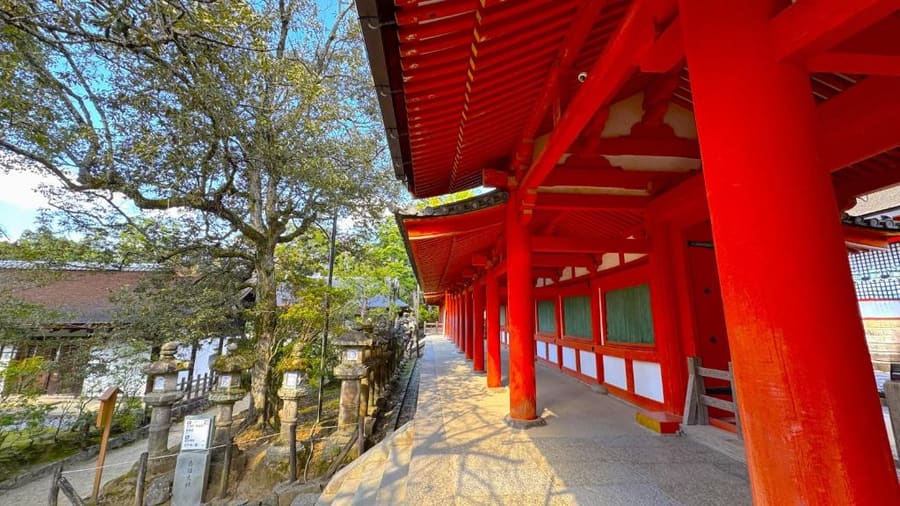
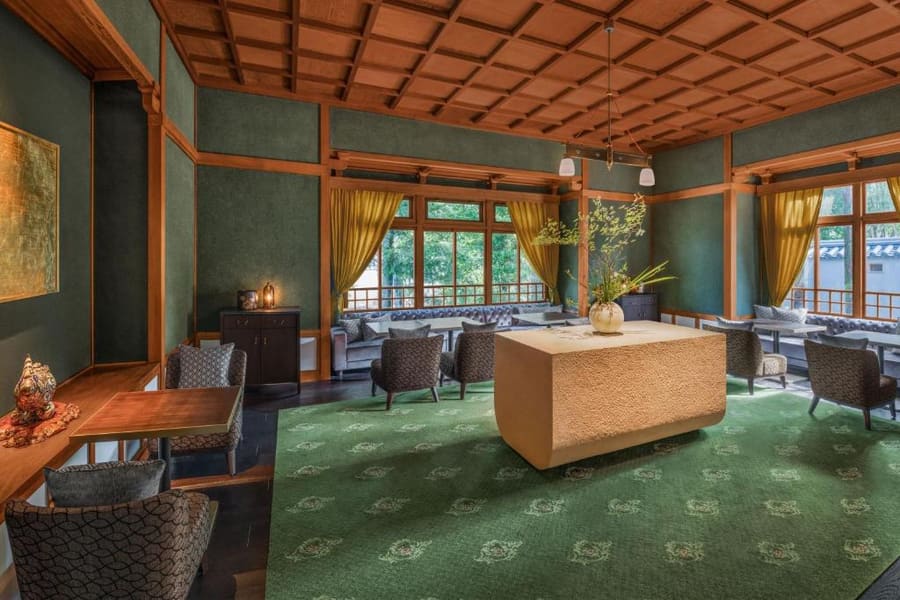
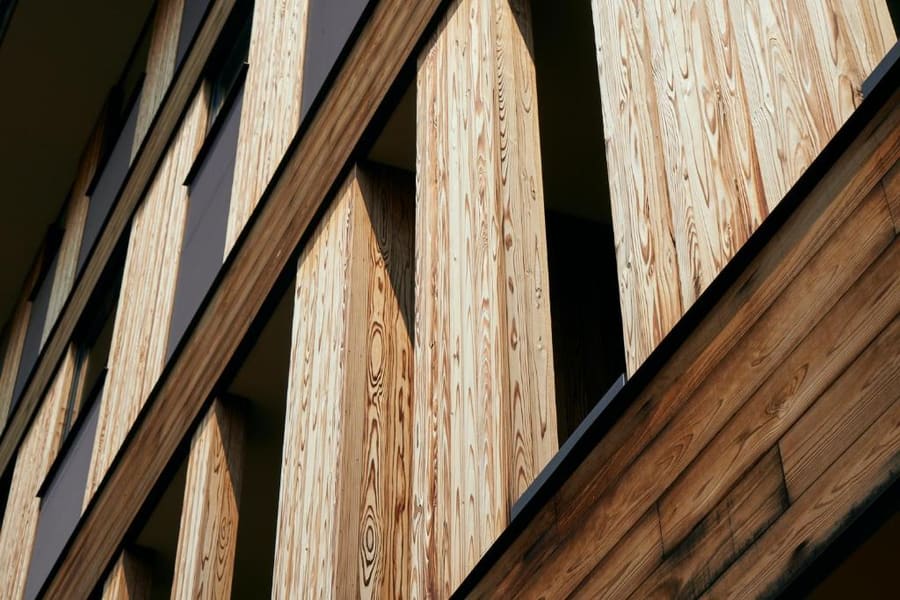
Choose your base based on your arrival rail line and luggage. Kintetsu-Nara puts you next to the park and Naramachi streets, ideal if arriving from Kyoto or Namba. JR Nara Station offers larger business chain hotels with easier access if you hold a rail pass or arrive directly from Kansai Airport. Staying overnight lets you experience the quiet park hours after day-trippers depart on late afternoon trains.
Live rates, matched to the areas above.
%20-%20Non-Smoking/843303aa4af9.jpg)
transport
Nara's central historic core requires no vehicles. The main sights line a flat three-kilometer east-west corridor stretching from the railway stations into the forest base. Nara Loop Bus route 2 services key stops if walking distance becomes an issue. For regional connections, Kintetsu lines run faster service to central Osaka and Kyoto than JR lines.
Da KIX
Direct Limousine Bus departs KIX Terminals 1 and 2 directly for Kintetsu and JR Nara stations.
JR Kansai Airport Rapid to Tennoji, transferring to the Yamatoji Line bound for JR Nara.
Kintetsu-Nara Station sits 10 minutes closer on foot to Nara Park than JR Nara Station.
ICOCA, Suica, and Pasmo cards work seamlessly on all local Nara buses and Kintetsu rail lines.
Walking from Kintetsu Station to Todai-ji takes under twenty minutes along wide paved footpaths.
cost
Nara is generally cheaper for food and lodging than neighboring Kyoto. Temple admission fees are standard across major sites, ranging between ¥600 and ¥1,000 per precinct. Cash remains necessary at smaller street stalls, traditional teahouses, and shrine fortune counters.
Official deer cracker packs sold at fixed-price kiosks throughout Nara Park.
A set box of six to eight persimmon-leaf wrapped sushi pieces with green tea.
seasonality
MAR – MAY
Cherry blossoms bloom across Nara Park in early April. Mild weather brings heavy weekend tourist traffic.
JUN – AUG
High humidity and temperatures above 30°C. Tokae Lantern Festival lights central park paths in early August.
SEP – NOV
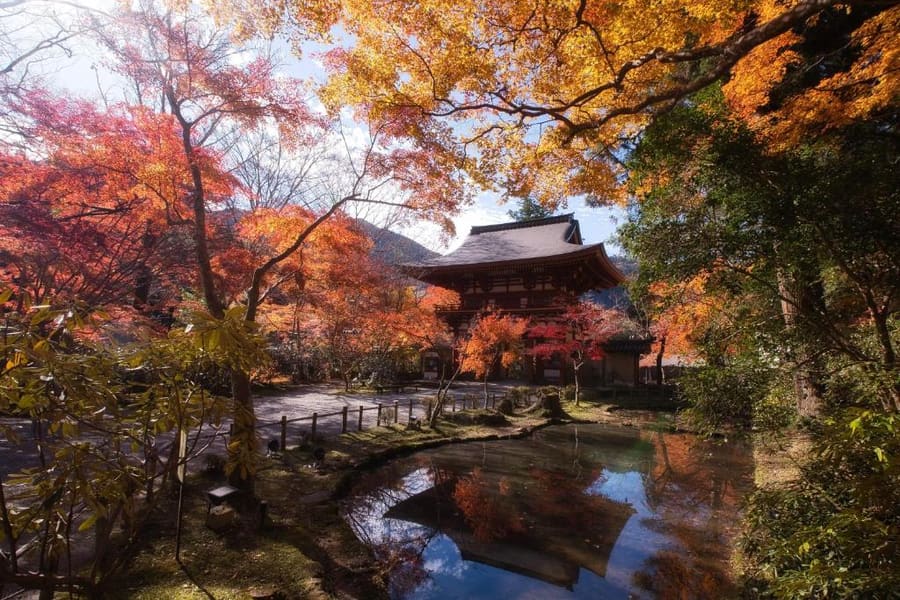
Clear fall air and maple foliage around Kasuga Taisha. The annual Shosoin Treasures exhibition runs in late autumn.
DEC – FEB
Cold, crisp days with minimal tour groups. The Wakakusa Yamayaki hill-burning event takes place on the fourth Saturday of January.
practicalities
Sika deer are wild animals. Bowing prompts them to bow back, but hold crackers at head height to avoid pushing.
Kasuga Taisha grounds remain open 24 hours. Todai-ji gates open at 07:30 from April through October.
Shrine luck charms, fortunes, and small wooden votive plaques require physical yen coins.
Both JR and Kintetsu stations feature extensive coin locker banks for storing bags during day visits.
Mount Wakakusa opens for climbing from mid-March to mid-December for a small ¥150 admission fee.
changing now
2025
Kofuku-ji Pagoda RestorationThe iconic five-story pagoda at Kofuku-ji is undergoing major conservation work behind protective scaffolding through 2031.