landmark
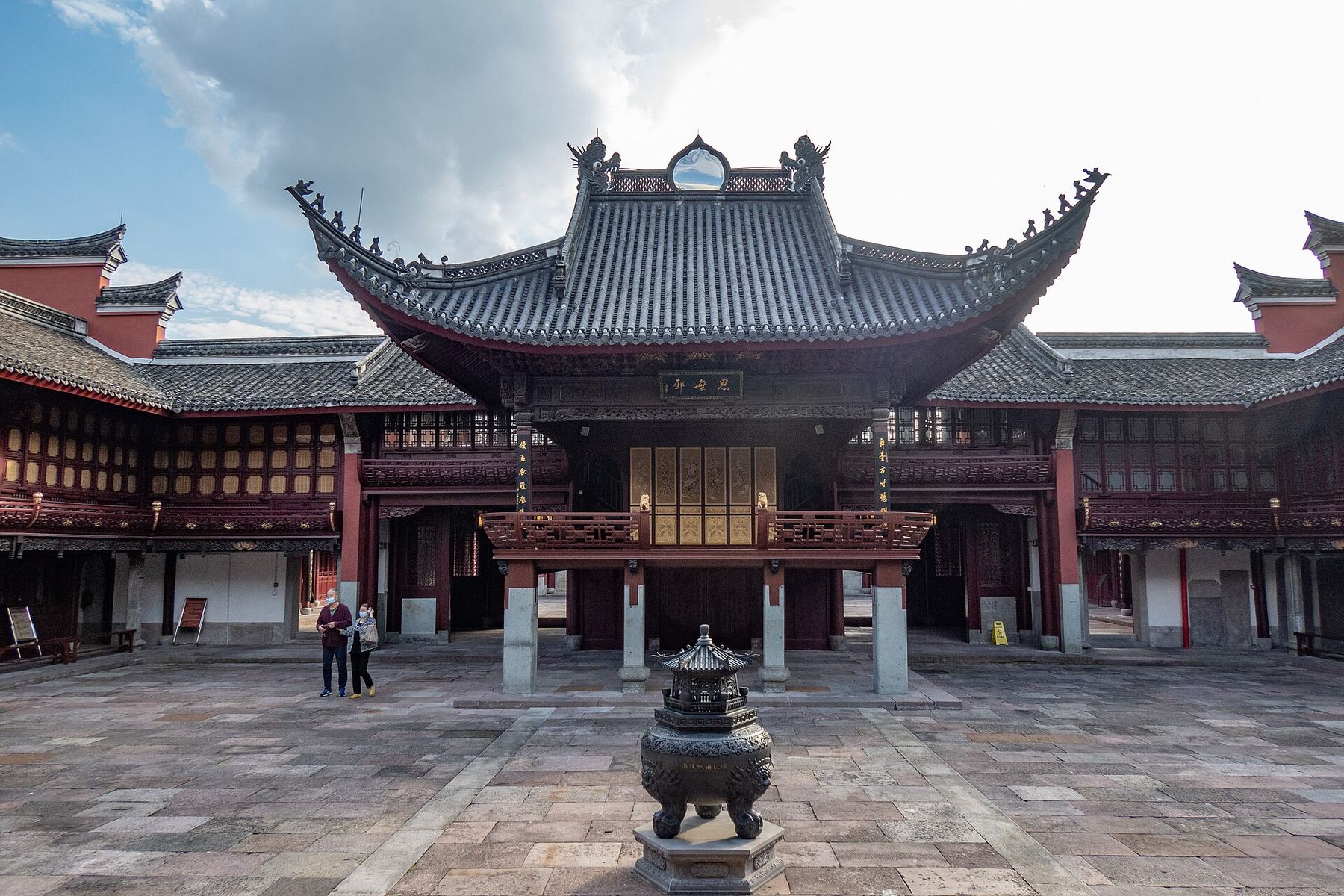
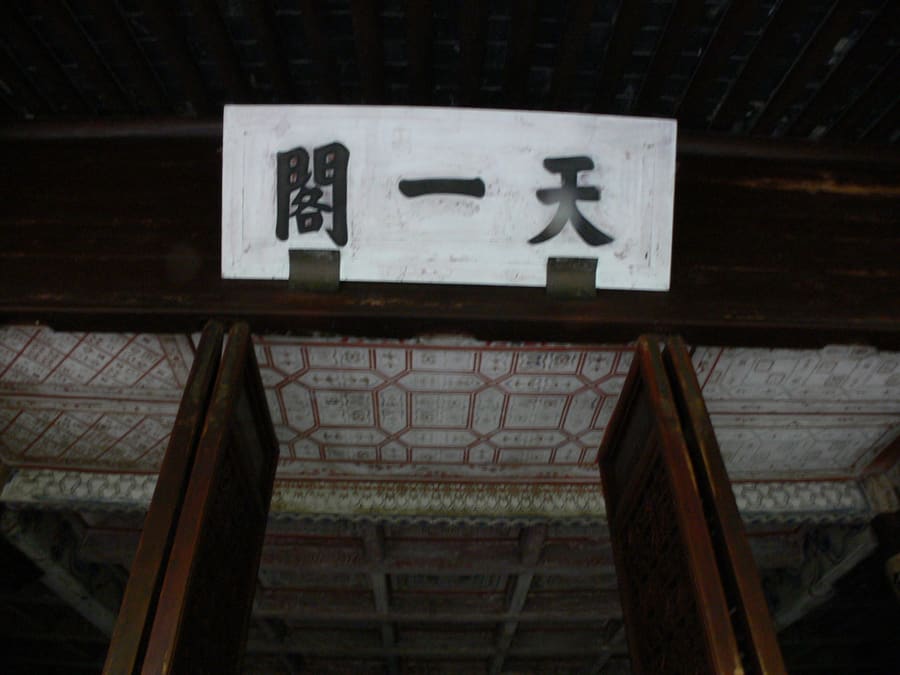
Tianyi Pavilion
China's oldest surviving private library, built in 1561. Visit at 08:30 opening to tour the bamboo gardens before tour groups arrive.
Chiedi a ParleyCina
Maritime trade, Song-era timber, and river-borne seafood.
introduction
Ningbo is a major port city in Zhejiang province where modern shipping docks alongside preserved Ming Dynasty structures. You navigate the core using a metro network of more than five lines that follow the Yong, Yao, and Fenghua rivers. Expect salty fermented seafood, heavy humidity in summer, and a quieter pace than neighbouring Hangzhou.
Airport connection
Metro Line 2 links Ningbo Lishe Airport directly to the city centre. The trip takes 30 minutes and costs ¥5.
World Heritage Status
Ningbo marks the southern terminus of the Grand Canal. The Ningbo Section contains three protected canal watergate structures.
Museum entry strategy
Ningbo Museum requires advance real-name registration via WeChat. Weekend walk-ins get turned away when daily capacity caps are reached.
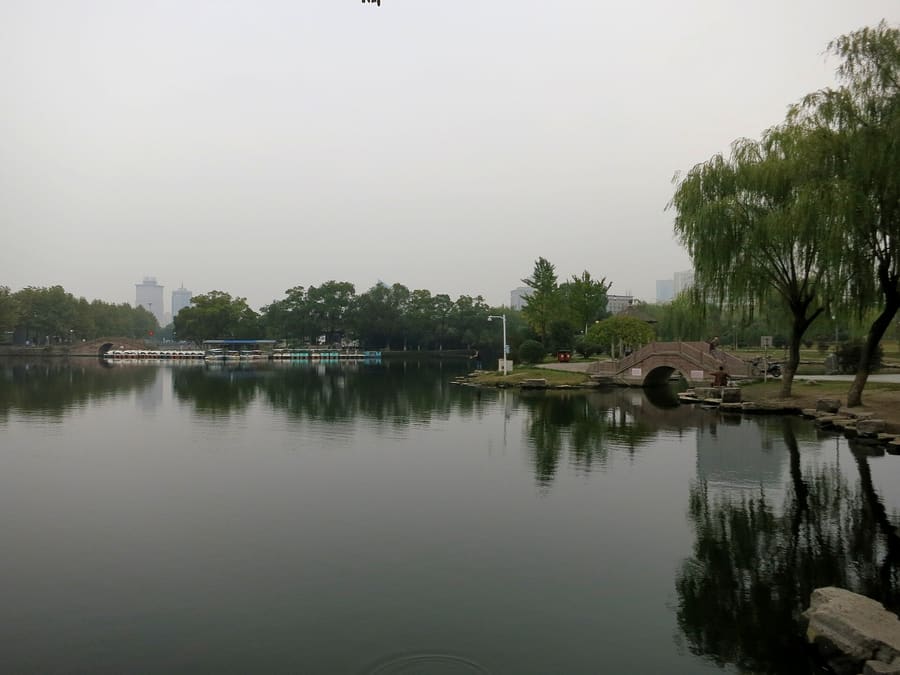
Ningbo
rheins · CC BY 3.0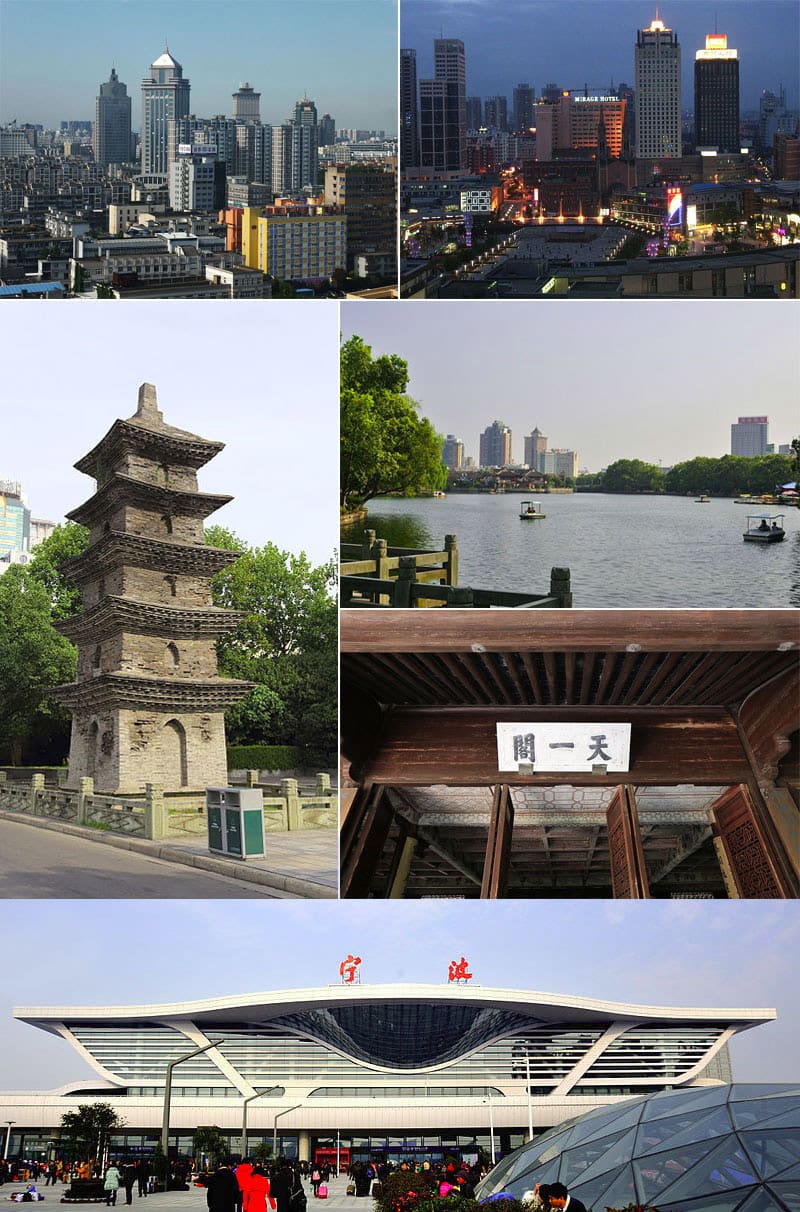
Haishu District — Historic city centre filled with traditional markets, canals, and high-density shopping malls.
Northern_part_of_Crescent_Lake,_Ningbo.jpg: Siyuwj Ningbo_Tianyige_2013.07.28_09-18-36.jpg: Zhangzhugang Urban_View_of_H · CC BY-SA 3.0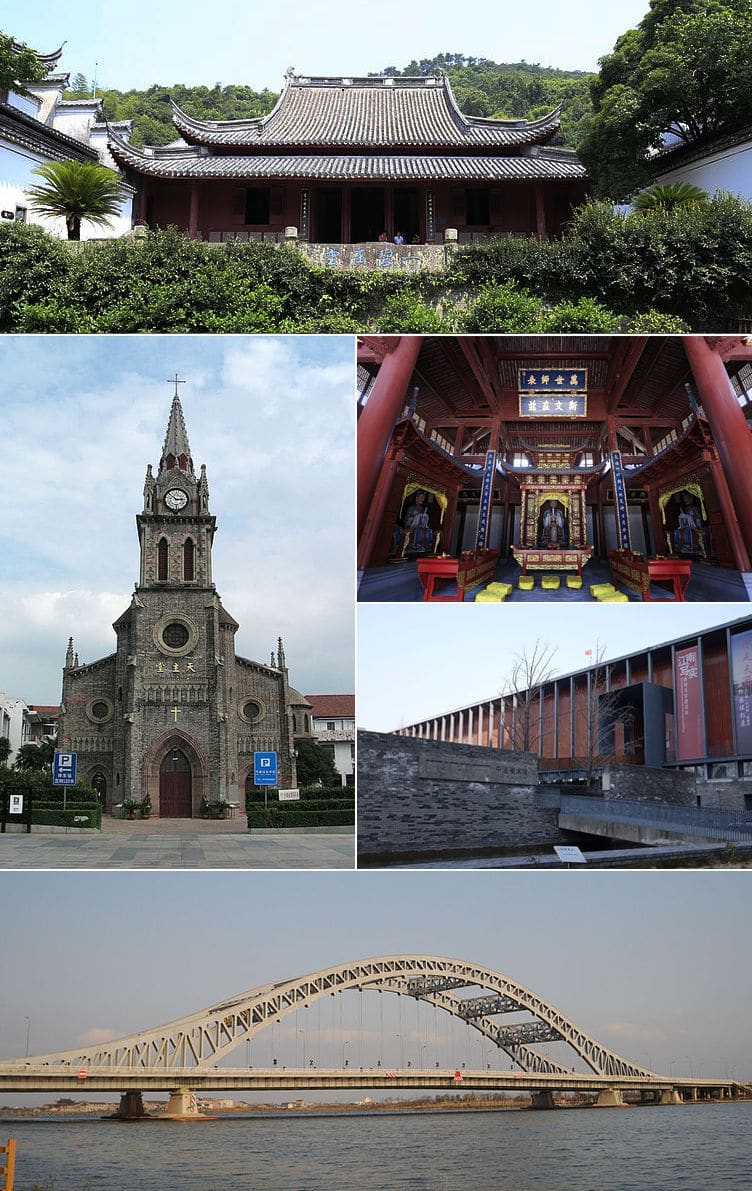
Jiangbei District — Riverside corridor blending 19th-century brick architecture with late-night bars and dining.
Siyuwj, building designed by Wang Shu · CC BY-SA 4.0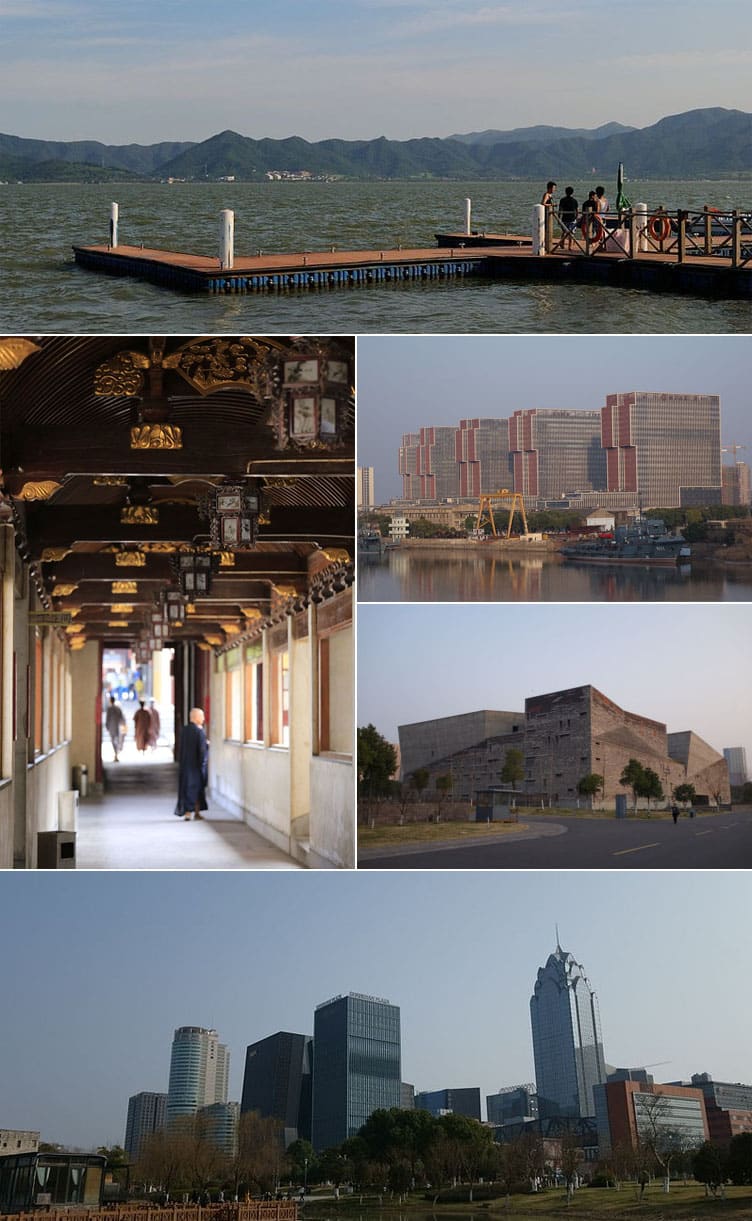
Yinzhou District — Wide avenues, glass towers, civic buildings, and modern high-end hotels south of the river.
Siyuwj, building designed by Wang Shu · CC BY-SA 3.0
Zhenhai District — Industrial port district with coastal fortresses and historic coastal defense sites.
Downtown_Zhenhai,_2010.jpg: Jim Bowen Anyuan_Fort_in_Zhenhai_01.jpg: user:Smartneddy Ningbobang_Museum.jpg: Siyuwj Zhaob · CC BY-SA 3.0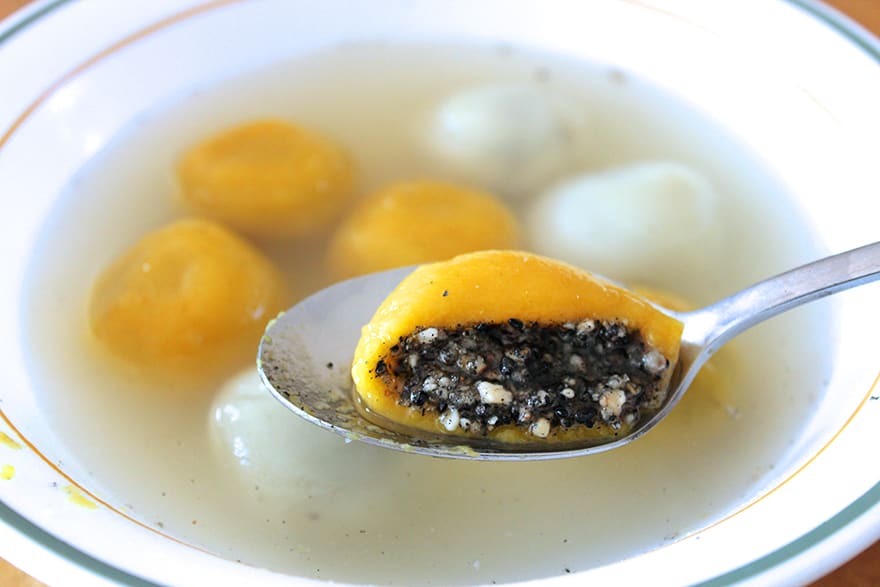
Handmade Ningbo tangyuan served in sweet water with lard-rich black sesame fillings.
cherrylet · CC BY 2.0highlights
landmark
China's oldest surviving private library, built in 1561. Visit at 08:30 opening to tour the bamboo gardens before tour groups arrive.
Chiedi a Parley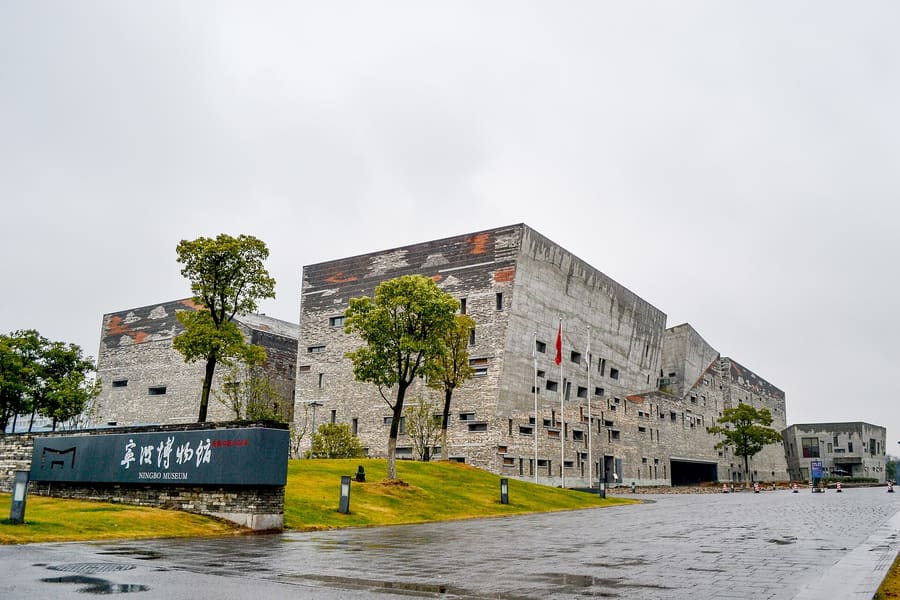
landmark
Designed by Pritzker winner Wang Shu using 2 million recycled tiles. Entry is free with a passport.
Chiedi a Parley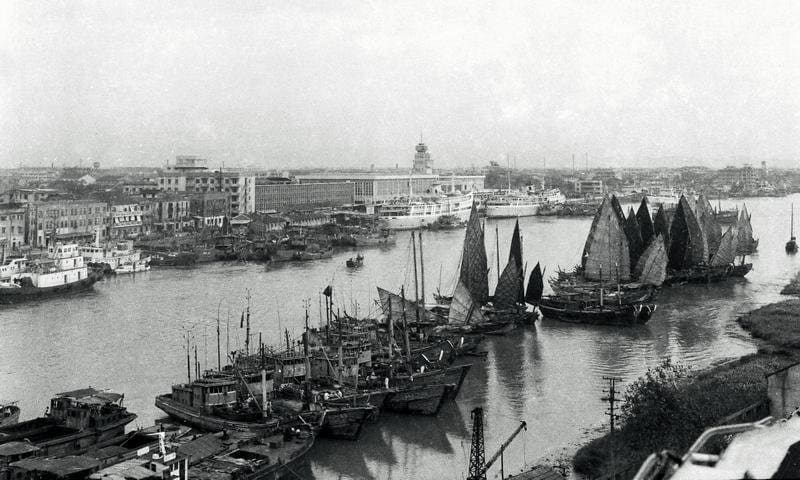
landmark
Foreign treaty port established in 1844 along the Yong River. Walk the waterfront stone alleys after dusk for open-air riverfront dining.
Chiedi a Parley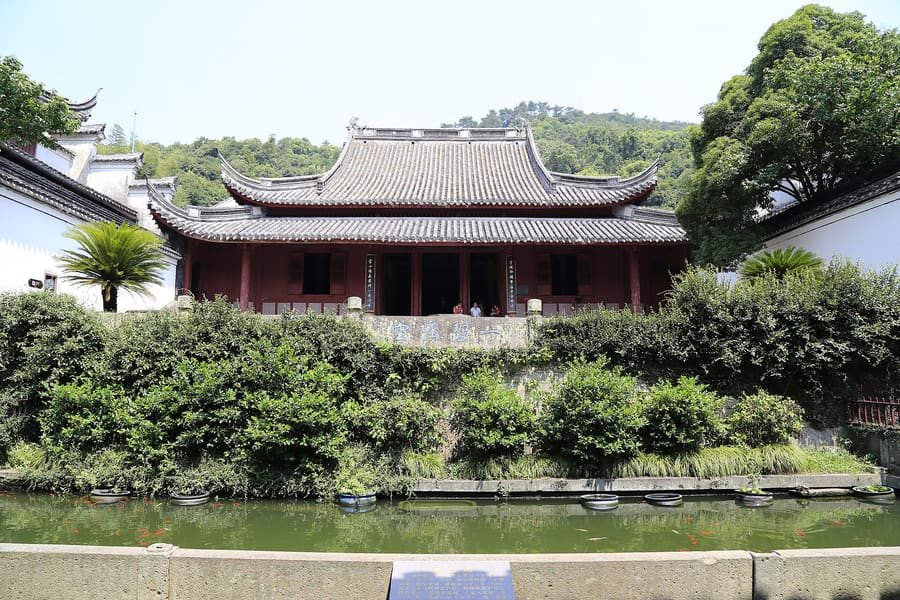
landmark
Contains the oldest intact wooden hall in southern China, dating to 1013 AD. Reachable via Bus 337 from northern metro terminals.
Chiedi a Parley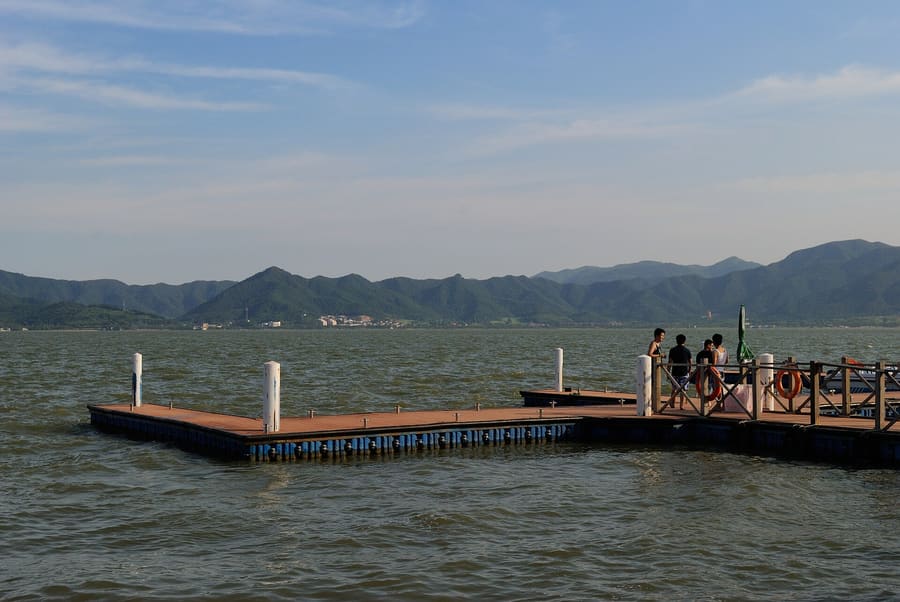
landmark
A freshwater lake four times larger than Hangzhou's West Lake. Rent a shared bike on the Little West Lake causeway.
Chiedi a Parley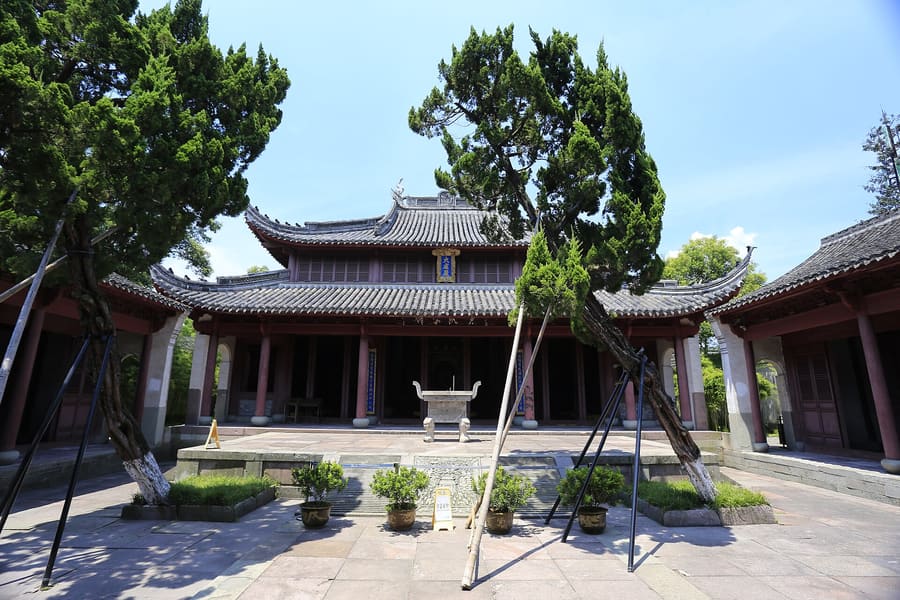
landmark
Preserved Ming and Qing county seat at the end of Metro Line 4. Pay individual entrance fees only for specific historical halls.
Chiedi a Parleyattractions
areas
Historic city centre filled with traditional markets, canals, and high-density shopping malls.
Nei dintorniTianyi Pavilion and Moon Lake
Chiedi a ParleyRiverside corridor blending 19th-century brick architecture with late-night bars and dining.
Nei dintorniLaowaitan and Ningbo Railway Station North
Chiedi a ParleyWide avenues, glass towers, civic buildings, and modern high-end hotels south of the river.
Nei dintorniNingbo Museum and Southern CBD
Chiedi a ParleyIndustrial port district with coastal fortresses and historic coastal defense sites.
Nei dintorniZhenhai Coastal Defense Site and Yong River mouth
Chiedi a Parleyfood
Ningbo cuisine relies on fresh seafood, salt, and fermentation. Local cooks do not mask ingredients with heavy spice or sweet thick sauces. You encounter raw mud crabs preserved in wine, steamed yellow croaker, and fermented amaranth stalks. Sweet dishes rely heavily on pork lard for texture.
Handmade Ningbo tangyuan served in sweet water with lard-rich black sesame fillings.
cherrylet · CC BY 2.0Head to Gangyagou on Xianqian Street. A bowl of black sesame tangyuan costs ¥12 and uses pork lard for fluidity.
Visit Road Jingjia Market before 09:00 for local catches. Select fresh yellow croaker or swimming crabs to take to nearby cookshops.
Stinky tofu in Ningbo uses fermented amaranth brine rather than Hunan black brine. The scent is sharp, but the flavour is clean and salty.
history
Ningbo grew as a maritime trading port due to its position where three rivers meet the East China Sea. It served as the starting point for maritime Silk Road expeditions to Japan and Southeast Asia. Foreign concessions arrived in the 19th century after the Treaty of Nanking.
Mingzhou Founded
Tang Dynasty establishes Mingzhou city wall, forming the foundation of modern Ningbo.
Tianyi Pavilion Built
Fan Qin constructs China's oldest surviving private library to house 70,000 classics.
Hangzhou Bay Bridge Opens
A 36km sea-crossing bridge cuts drive time to Shanghai to two hours.
where to stay
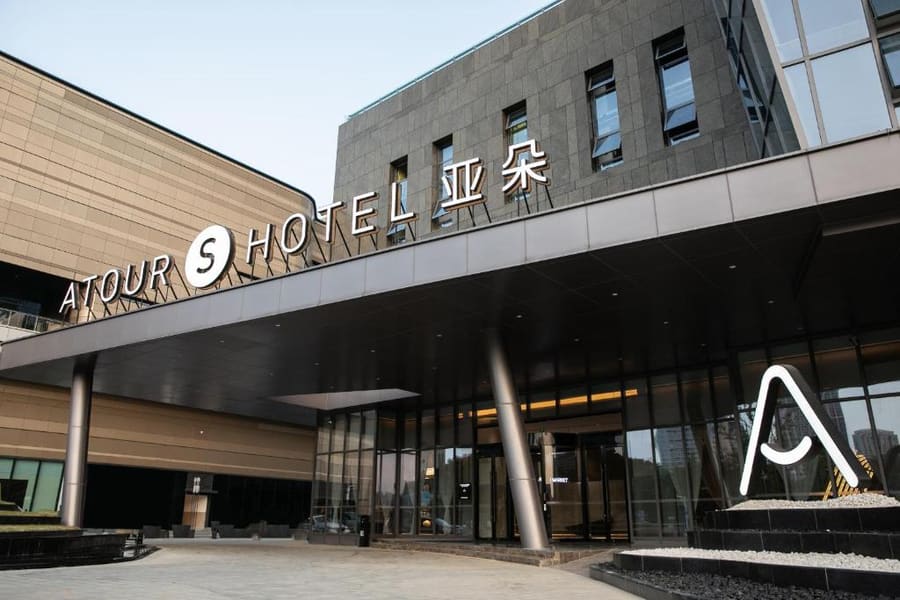
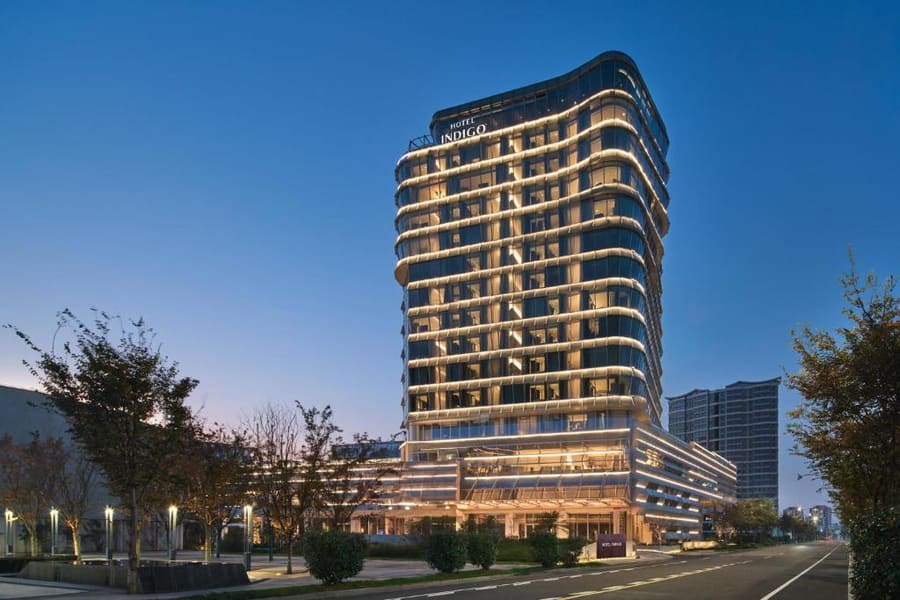
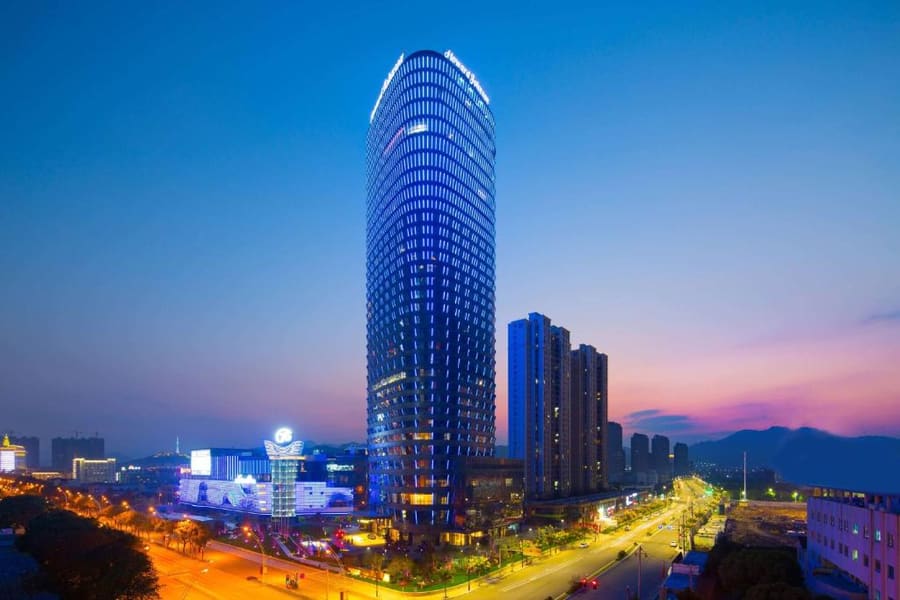
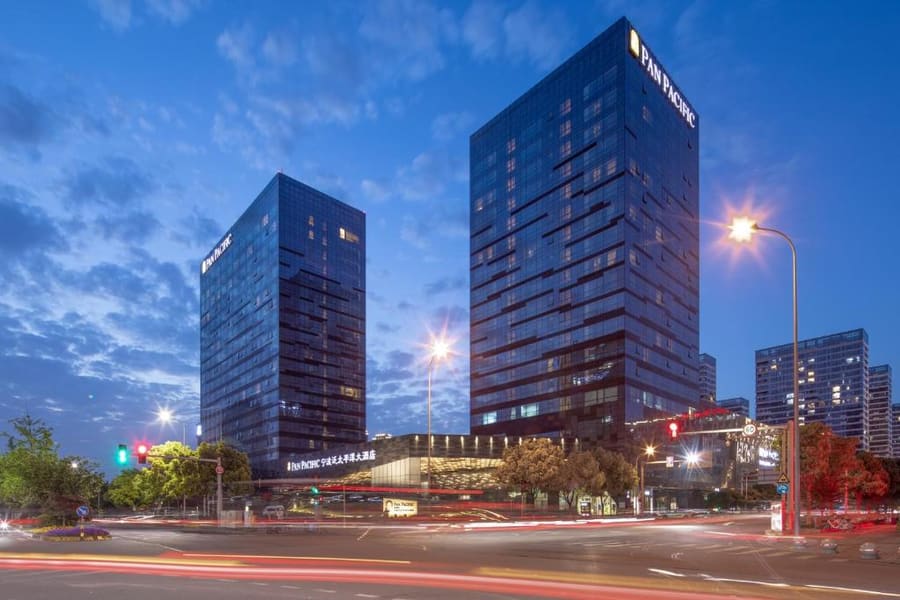
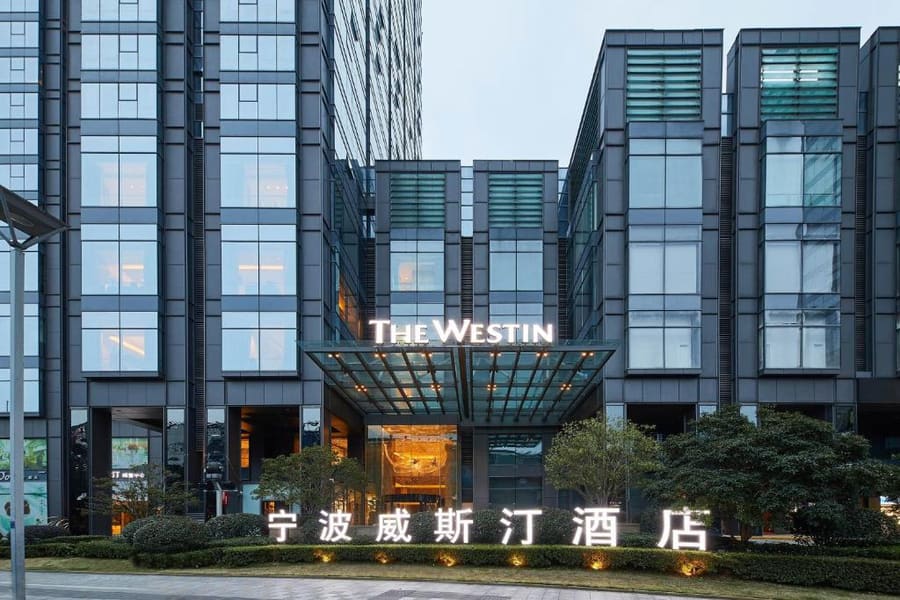
Choose your accommodation based on how you want to move. Haishu places you within walking distance of historic monuments and central metro transfer hubs. Yinzhou offers modern hotel rooms with larger layouts at lower rates.
Live rates, matched to the areas above.
transport
Ningbo operates a clean, expanded metro network with more than five lines. Fares depend on distance, and maximum fares for long trips across the network exceed ¥10. You pay via Alipay, WeChat, or contactless transit cards at turnstiles.
Da NGB
Line 2 runs directly from Lishe Airport to central stations.
Official taxis wait at Line 2 terminal lower level.
Runs directly to Ningbo Railway Station every 30 minutes.
Use the Alipay app's Ningbo Metro QR code at turnstile gates. You do not need physical plastic tickets.
Set pickup spots to marked rideshare bays at Ningbo Station to avoid driver confusion.
Metro lines stop running between 22:30 and 23:00. Plan night returns from Laowaitan accordingly.
Hellobike and Meituan bikes cover central Haishu. Unlock them using their native apps.
cost
Ningbo costs less than Shanghai or Hangzhou. Dining at traditional noodle shops costs under ¥25 per person. High-end seafood feasts vary based on daily weight pricing.
A bowl of beef rice noodles or 8 tangyuan at local shops.
Seafood noodle bowls or cooked river fish in district restaurants.
Covers almost all central transit routes across the city.
seasonality
MAR – MAY
Mild temperatures and green spring foliage. Ideal for walking around Moon Lake and Dongqian Lake.
JUN – AUG
Hot and humid with afternoon rainstorm risks. Typhoon season peaks in late July and August.
SEP – NOV
Dry air and pleasant sunshine. Peak season for fresh East China Sea seafood catches.
DEC – FEB
Damp cold with temps dropping near freezing. Minimal crowds at main historical sites.
practicalities
Most public cultural sites close on Mondays. Tianyi Pavilion closes admissions at 16:30.
Cash is rarely accepted. Link an international credit card to Alipay or WeChat Pay before arrival.
Winter months occasionally bring regional haze. Check AQI apps before planning outdoor lake days.
English signage exists on the metro, but staff speak mostly Mandarin and Ningbo dialect.
Check coastal warnings during summer months. Coastal ferry routes suspend during high winds.