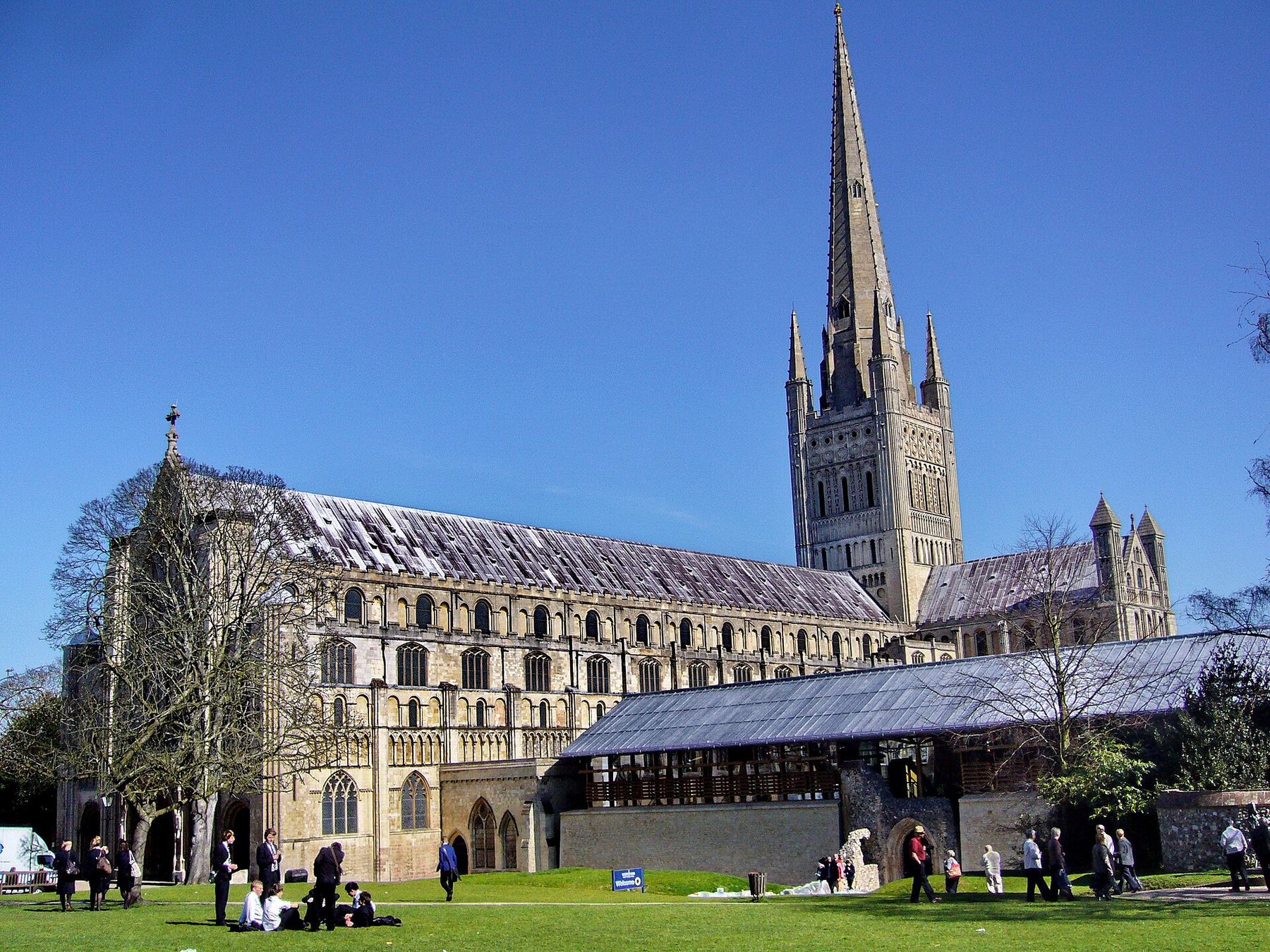
landmark
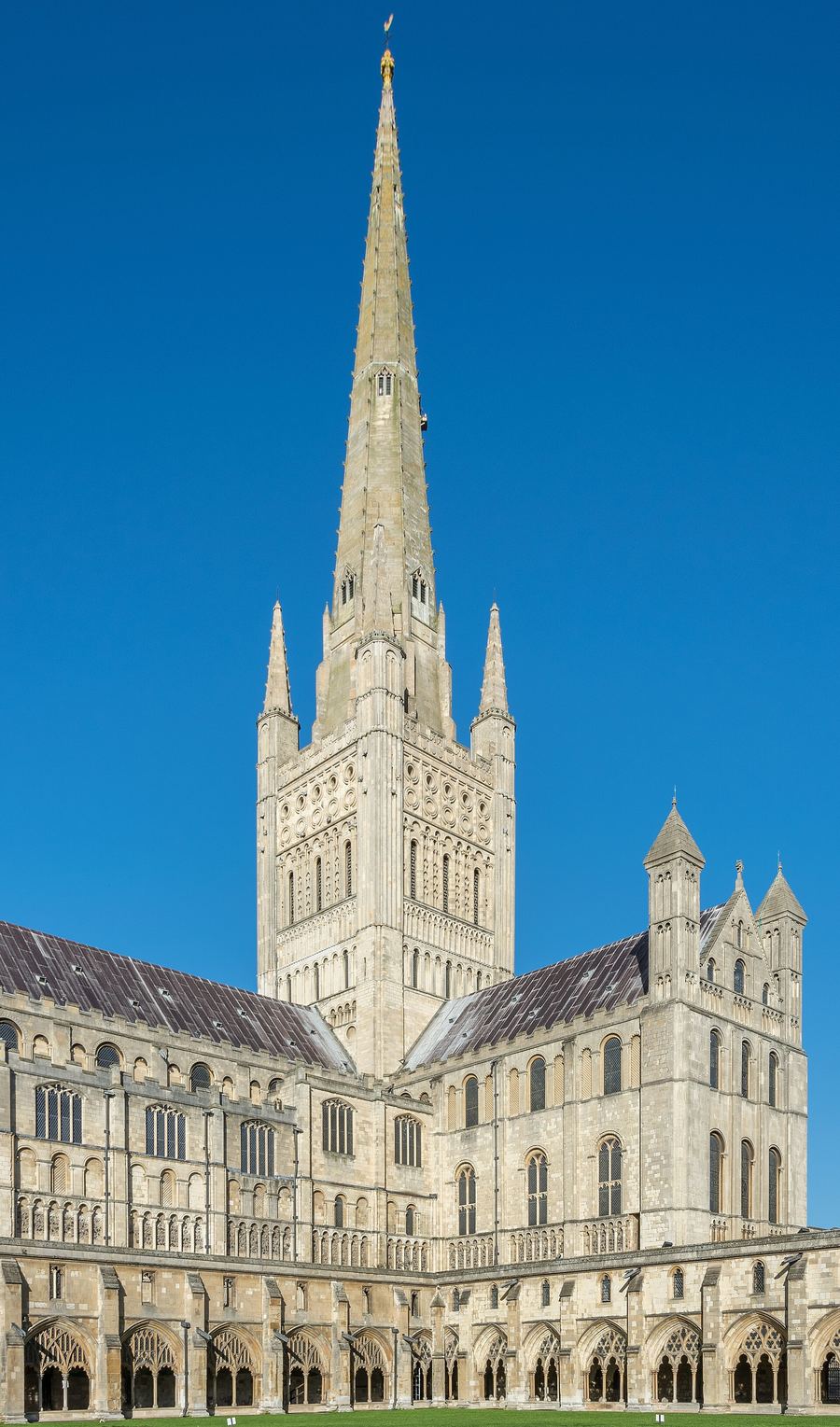
Norwich Cathedral
This 11th-century Norman cathedral features a 96-metre spire and extensive cloisters. Admission is free, with recommended donations.
Chiedi a ParleyRegno Unito
Medieval streets, twin cathedrals, and independent trade.
introduction
Norwich sits inside a tight loop of the River Wensum in Norfolk. You navigate its core on foot along pedestrianised Saxon and Norman street networks. Expect a dense concentration of independent retailers, two cathedrals, and a six-day open-air market.
Arrival on foot
Norwich railway station sits ten minutes on foot from the market. Skip taxis unless you carry heavy luggage.
City of Literature
UNESCO named Norwich England's first City of Literature in 2012. The National Centre for Writing operates from historic Dragon Hall.
Museum opening days
Many central museums and independent shops close on Mondays. Schedule your cultural visits between Tuesday and Saturday.
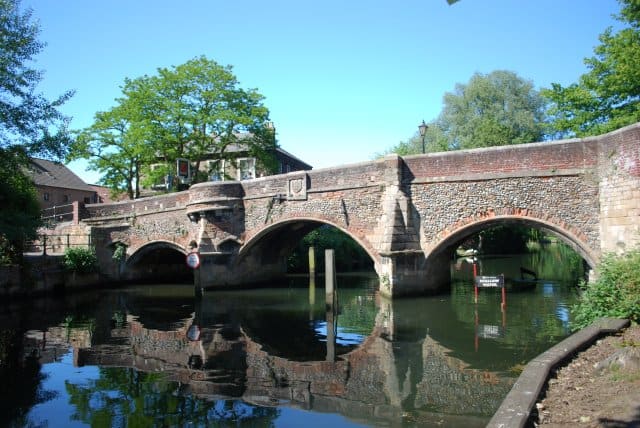
Norwich
Craig Tuck · CC BY-SA 2.0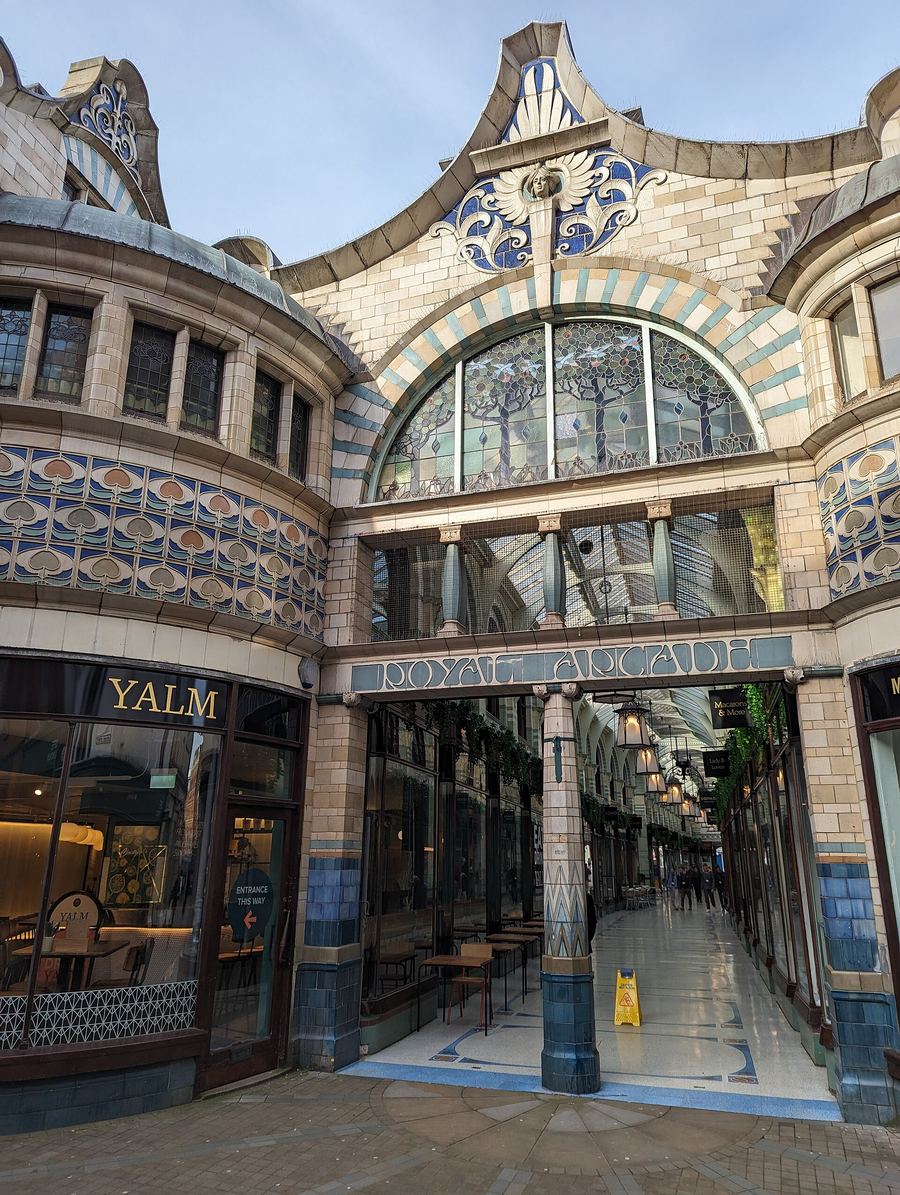
City Centre & Market — High-density retail, open-air food stalls, and active pedestrian routes.
JamJamSvn · CC BY-SA 4.0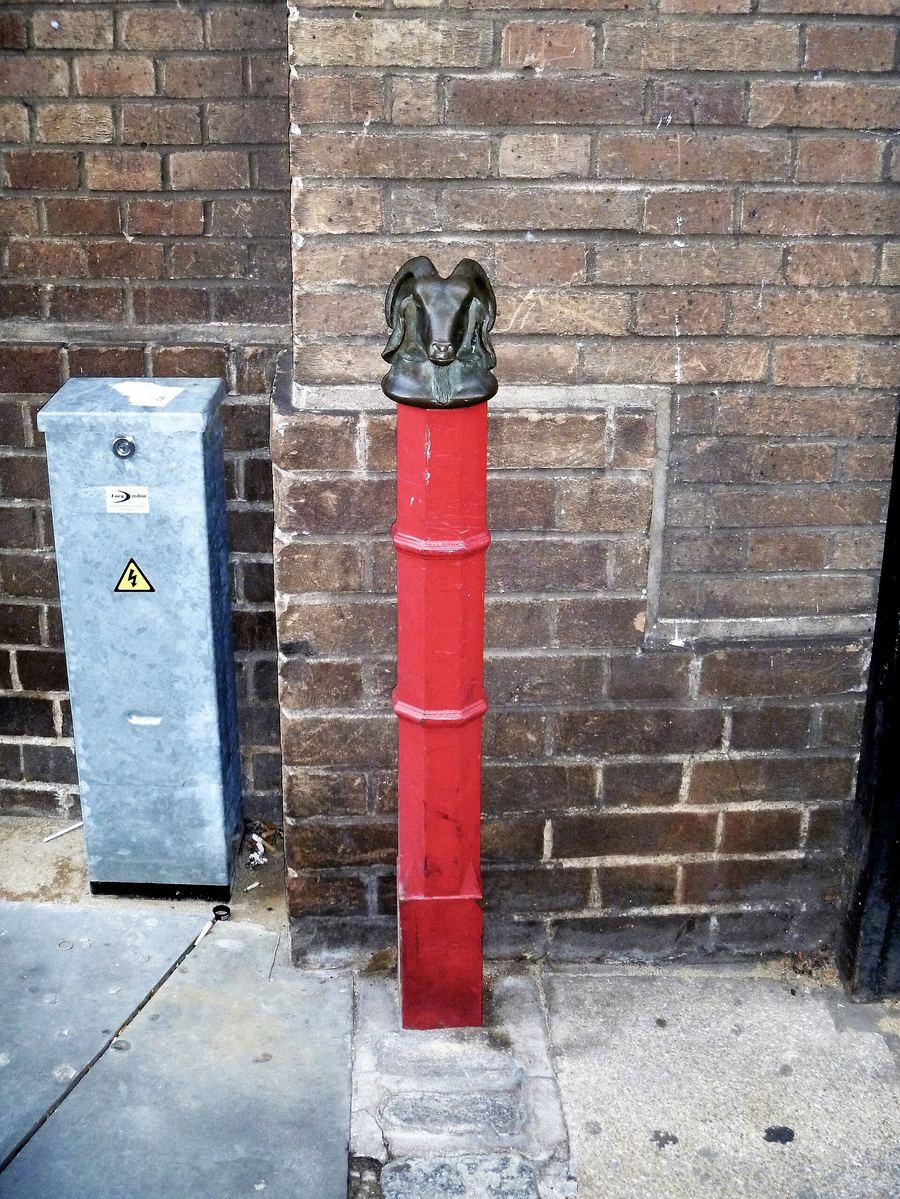
Norwich Lanes — Narrow alleyways filled with independent boutiques, coffee shops, and pubs.
Michael Dibb · CC BY-SA 2.0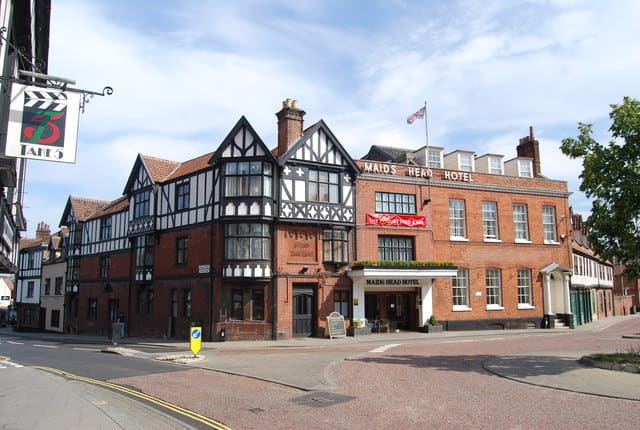
Tombland & Cathedral Quarter — Quiet cobbled streets, historic timber structures, and upscale dining.
Nigel Chadwick · CC BY-SA 2.0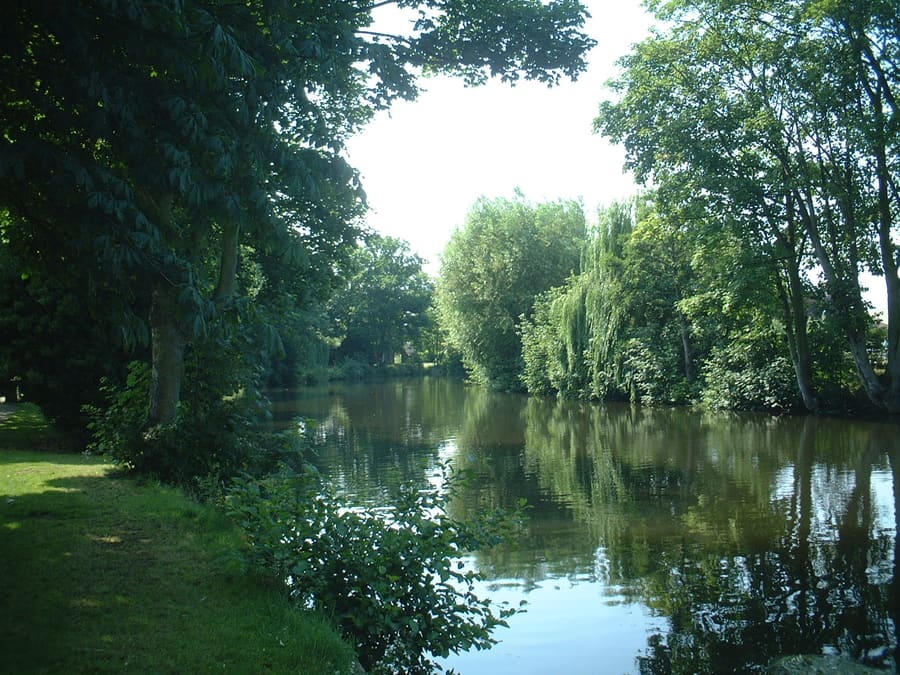
Riverside & Railway Quarter — Modern residential blocks, chain restaurants, and quick transit links.
No machine-readable author provided. Angmering assumed (based on copyright claims). · Public domainhighlights
landmark
This 11th-century Norman cathedral features a 96-metre spire and extensive cloisters. Admission is free, with recommended donations.
Chiedi a Parley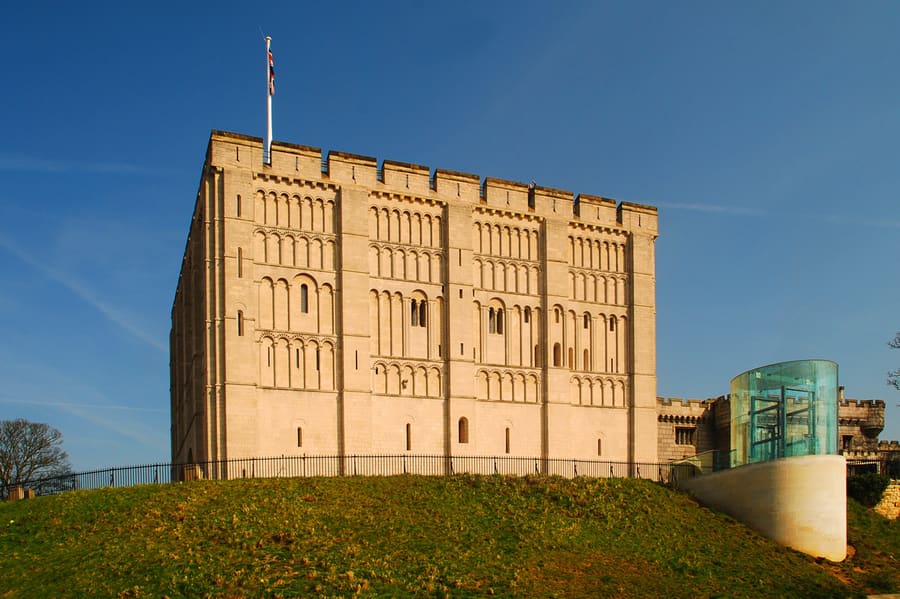
landmark
Built by the Normans as a royal palace, this castle now holds Iceni gold and fine art collections. Buy tickets online to avoid queues.
Chiedi a Parley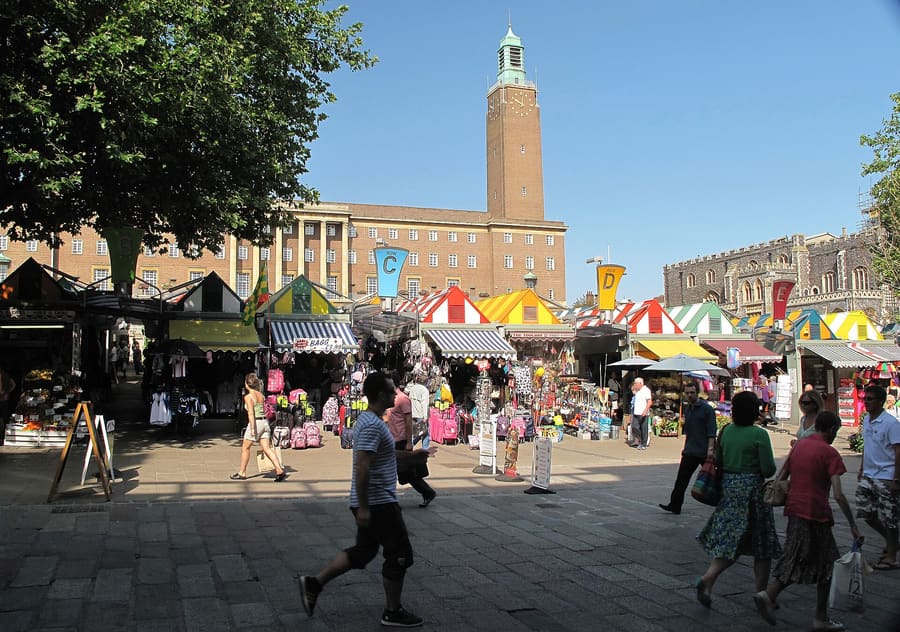
landmark
One of England's oldest open-air markets, active since Norman times under brightly coloured roofs. Most stalls operate Monday to Saturday.
Chiedi a Parley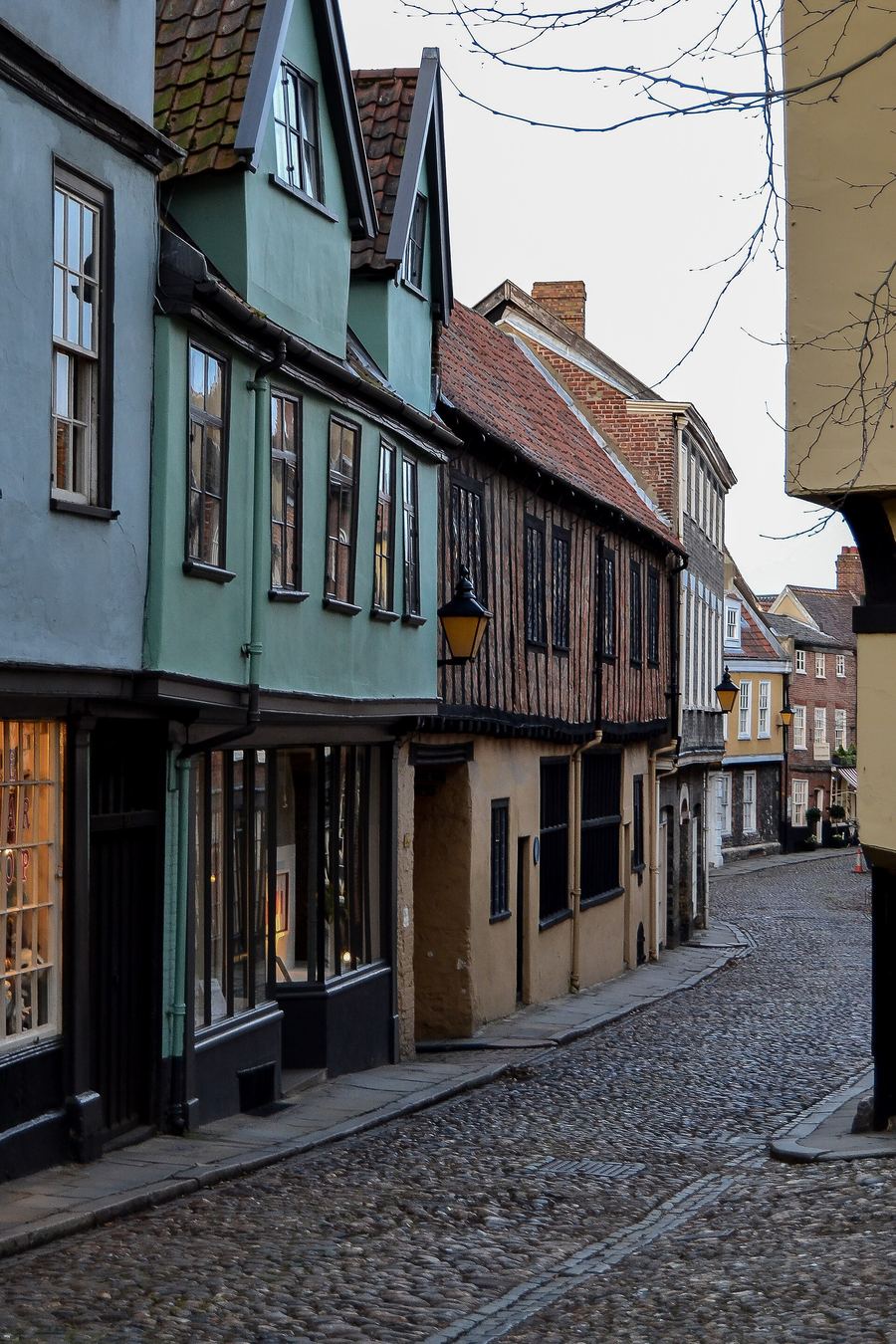
landmark
A complete cobbled street of Tudor and timber-framed buildings. Walk early in the morning to photograph the architecture without crowds.
Chiedi a Parleyattractions
areas
High-density retail, open-air food stalls, and active pedestrian routes.
Nei dintorniNorwich Market, Jarrolds department store, Norwich Castle.
Chiedi a ParleyNarrow alleyways filled with independent boutiques, coffee shops, and pubs.
Nei dintorniSt Giles Street, Maddermarket Theatre, Strangers' Hall.
Chiedi a ParleyQuiet cobbled streets, historic timber structures, and upscale dining.
Nei dintorniNorwich Cathedral, River Wensum, Elm Hill.
Chiedi a ParleyModern residential blocks, chain restaurants, and quick transit links.
Nei dintorniNorwich Railway Station, Carrow Road, River Wensum path.
Chiedi a Parleyfood
Dining in Norwich revolves around Norwich Market and the independent streets of the Lanes. The central market contains over 180 stalls, where hot food vendors serve everything from Spanish churros to local fish and chips.Norfolk agriculture supplies the city directly. Local menus frequently feature Cromer crab, Norfolk black turkey, regional venison, and cheeses such as Walsingham and Binham Blue.Pubs serve as primary dining locations rather than drinking dens. Many traditional houses pour cask ales from Norfolk breweries like Woodforde's and Lacons alongside seasonal food menus.
Norwich had a pub for every day of the year in the 19th century. Local breweries still supply city taps at pubs like The Murderers and The Bell Hotel.
Hot food stalls on Norwich Market peak between 12:00 and 14:30. Popular vendors run out of daily specials and close by 15:00.
Colman's left its historic factory site in 2020, but regional mustard remains a staple condiment in butcher shops and eateries across town.
history
Norwich developed as an Anglo-Scandinavian trading hub along the River Wensum. Following the Norman Conquest, the construction of the cathedral and stone castle established the town as a regional capital.By the 14th century, Norwich was England's second city, enriched by the wool trade. Waves of Protestant refugees from the Low Countries—known as 'The Strangers'—settled here in the 16th century, introducing textile innovation and canary breeding.Geographic isolation kept East Anglia distant from major industrial expansion in the 19th century. This economic lag preserved its medieval street grid and timber buildings intact.
Cathedral construction begins
Construction begins on Norwich Cathedral using Caen stone shipped from Normandy up the River Yare.
Royal castle completed
King Henry I stays at Norwich Castle, establishing the royal keep's administrative authority over East Anglia.
Arrival of The Strangers
Protestant refugees from the Low Countries arrive in Norwich. Known as The Strangers, they revitalise the city's textile industry.
UEA founded
The University of East Anglia opens, establishing a hub for modern architecture and literary studies.
where to stay
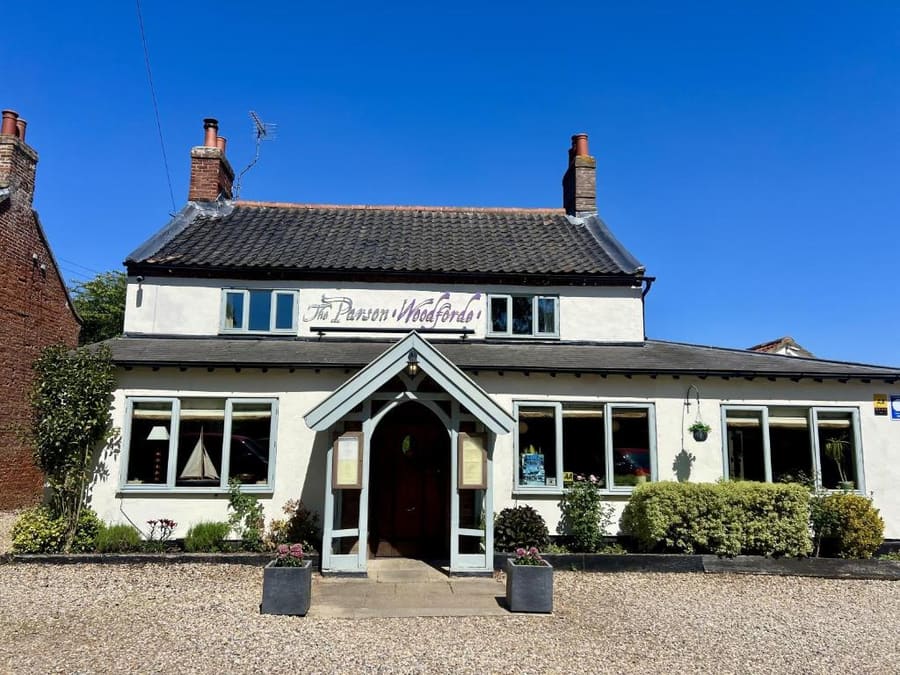
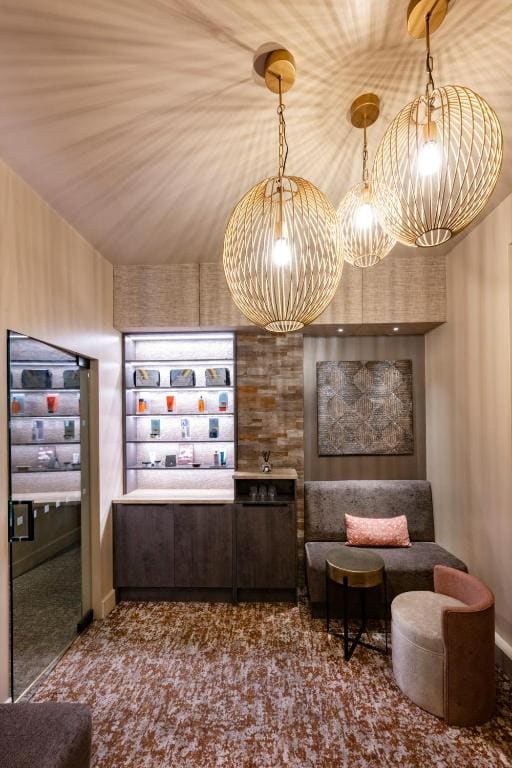
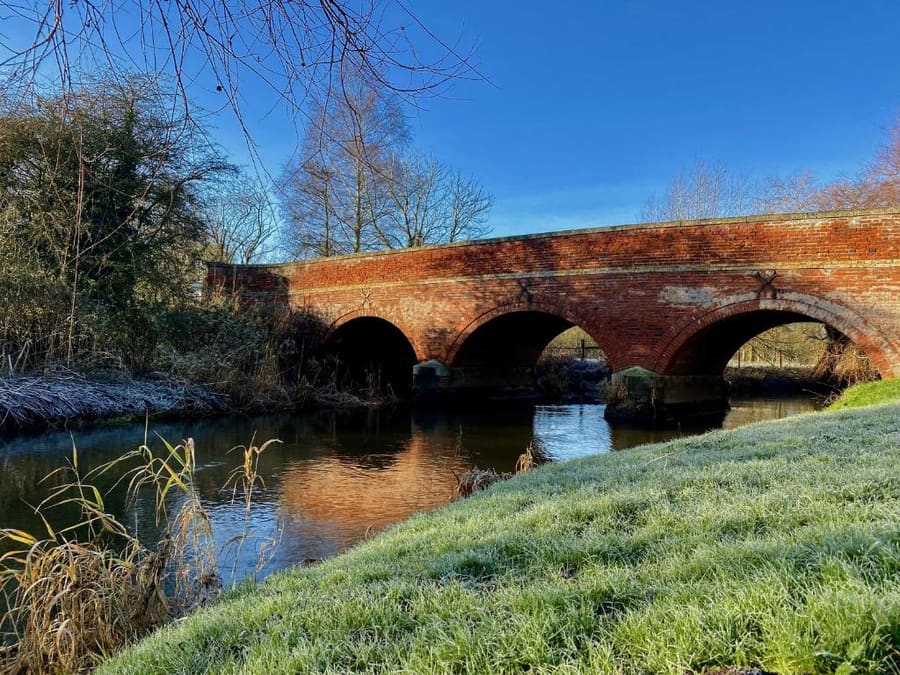
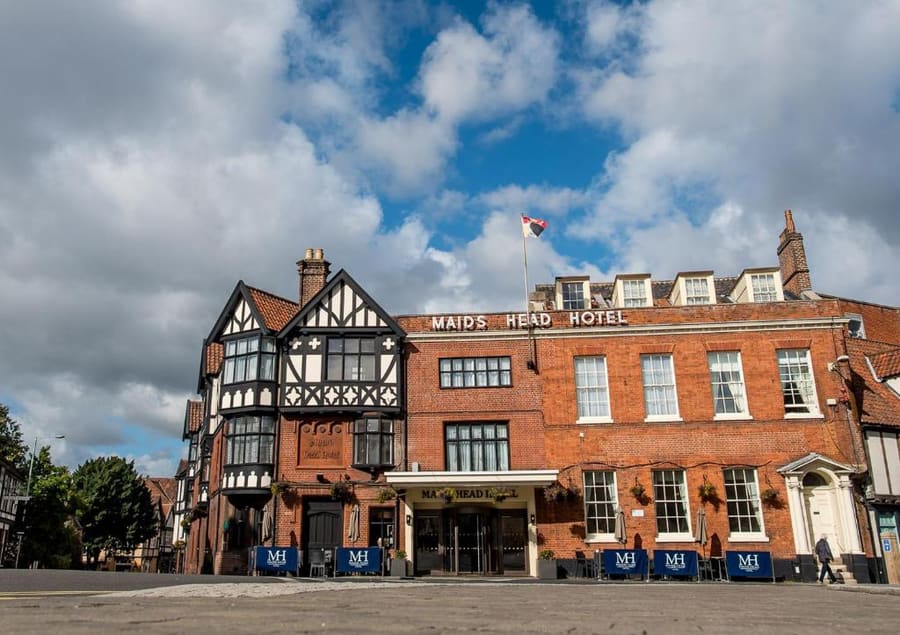
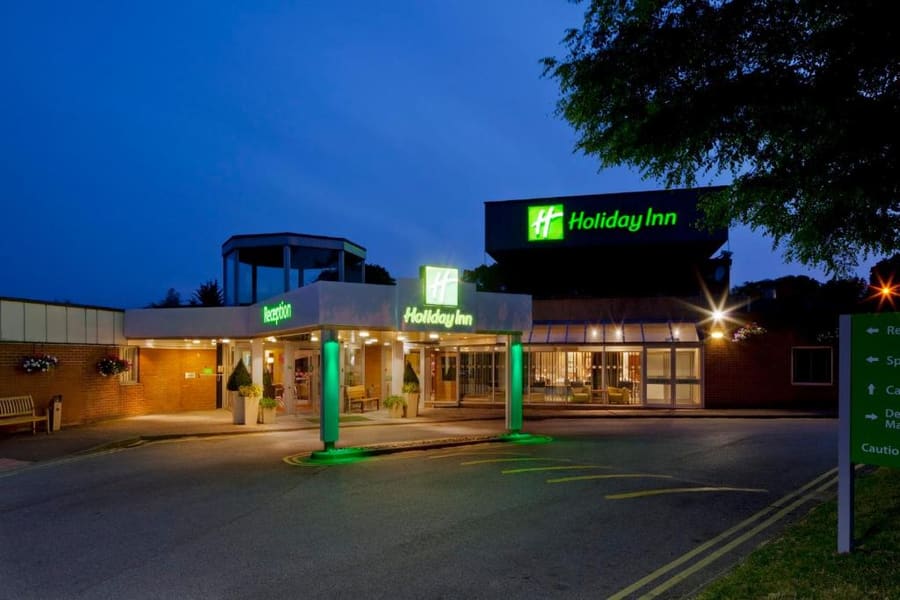
Choose your base depending on whether you value train station access or historic architecture. Tombland places you on cobbles near high-end dining, while the Riverside district offers predictable chains right by the platforms.
Live rates, matched to the areas above.
transport
Norwich is compact and easily covered on foot. Driving in the central ring road is restricted, so public transit or walking is recommended inside the city centre.
Da Norwich Railway Station (NR1 1EF)
The station sits east of the river; walk across Foundry Bridge to reach the city centre.
Single local bus fares across Norwich are capped flat rate by council schemes.
Taxis sit directly outside the main station concourse.
The city centre is heavily pedestrianised. Walking is faster than taking a bus or taxi across the central zone.
The Bittern Line links Norwich station directly to coastal towns like Cromer and Sheringham in under an hour.
Contactless card payment is accepted on all Network Norwich buses operated by First Eastern Counties.
Driving into the center can be slow; five Park and Ride sites operate along the outer ring road.
cost
Norwich offers lower costs than London or Cambridge. Food on Norwich Market provides high-quality dining at reasonable prices.
Cask ale in traditional pubs remains noticeably cheaper than in London.
Entry to the main cathedral and cloisters costs nothing, though donations are suggested.
Tickets cover entry to the keep, museum collections, and temporary exhibitions.
Freshly cooked street food on Norwich Market offers the city's best value lunch options.
seasonality
MAR – MAY
Cool spring days with light rainfall. Good for walking historic streets before summer crowds arrive.
JUN – AUG
Warm weather brings outdoor dining in Tombland. Hotel prices peak during summer school holidays.
SEP – NOV
Fewer visitors and crisp autumn weather along the River Wensum. Cultural venues run full schedules.
DEC – FEB
Short, cold days with quiet streets. Museums stay warm, and winter hotel rates drop significantly.
practicalities
Large city centre stores operate restricted hours from 10:30 to 16:30 on Sundays.
Elm Hill and Tombland feature uneven cobbles. Wear flat shoes for city walking.
Most market traders take cards, but carrying small cash bills helps with minor purchases.
A continuous walking path runs along the River Wensum from Cow Tower to the train station.
The University of East Anglia campus features notable brutalist architecture designed by Denys Lasdun.