landmark
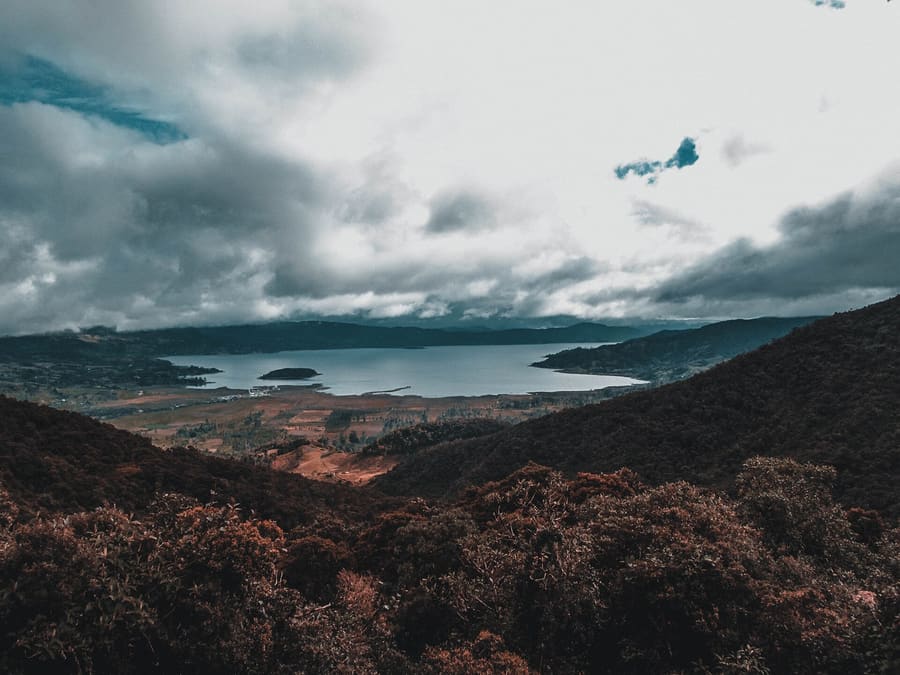
Laguna de la Cocha
High-altitude glacial lake framed by totora reeds. Catch a shared boat to Isla de La Corota island for short cloud forest hikes.
Chiedi a ParleyColombia
Volcanic high-altitude crafts, roast guinea pig, and carnival.
introduction
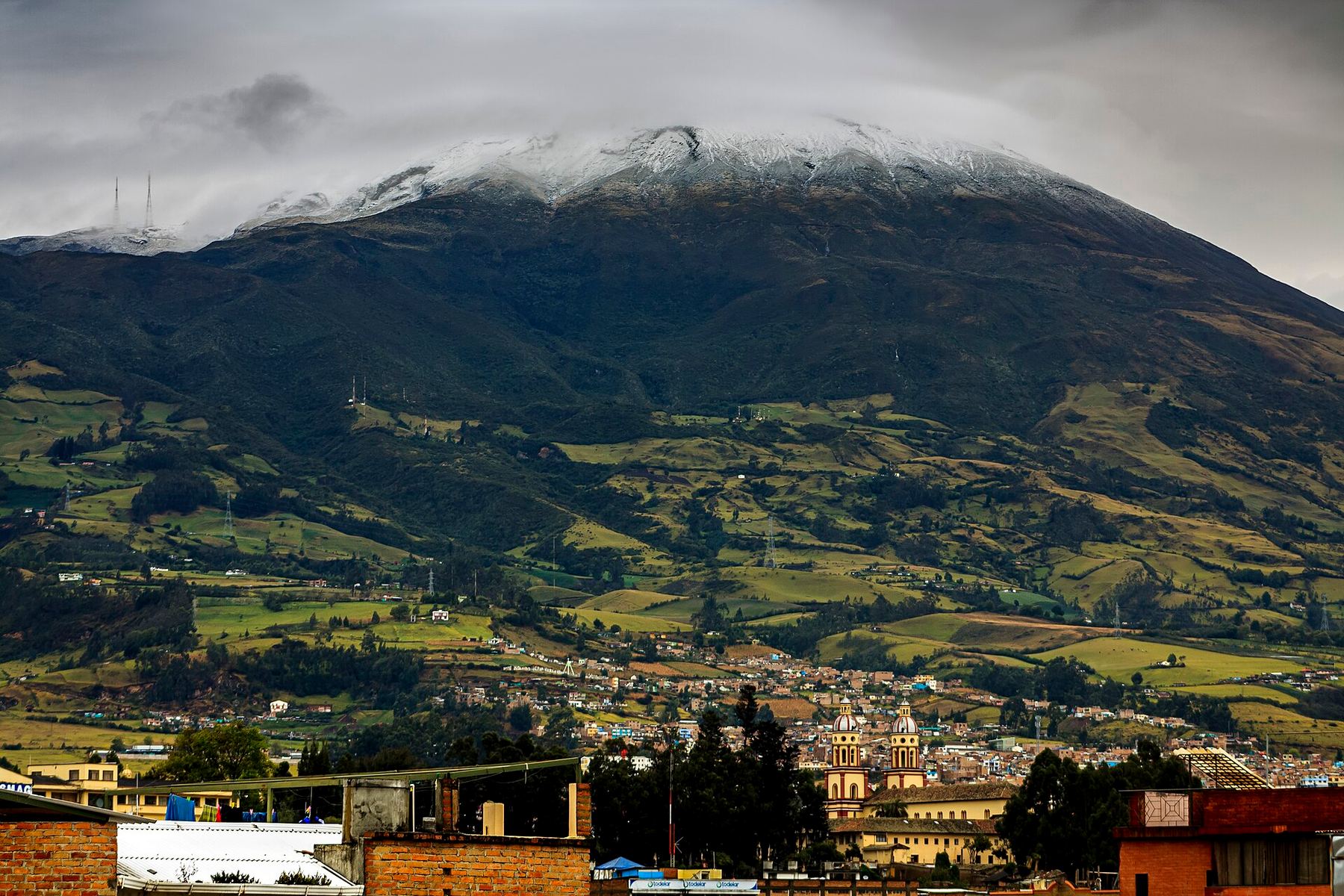
Pasto sits in the Atriz Valley under the shadow of active Volcán Galeras at 2,527 metres above sea level. Cold Andean winds keep daily temperatures around 13°C, so pack layers before exploring the stone churches and artisan workshops. The city revolves around street markets, Indigenous southern Nariño flavours, and the wood-carving craft of mopa-mopa resin.
Arrival trick
Antonio Nariño Airport sits on an exposed plateau in Chachagüí. Wind delays cancel afternoon flights regularly, so always book morning arrivals.
UNESCO recognition
UNESCO inscribed Pasto's Carnaval de Negros y Blancos as Intangible Cultural Heritage in 2009. It celebrates regional racial harmony every January.
Carnival planning trick
During the January carnival, city businesses close and taxi fares double. Reserve hotel rooms six months early to secure central locations.
highlights
landmark
High-altitude glacial lake framed by totora reeds. Catch a shared boat to Isla de La Corota island for short cloud forest hikes.
Chiedi a Parley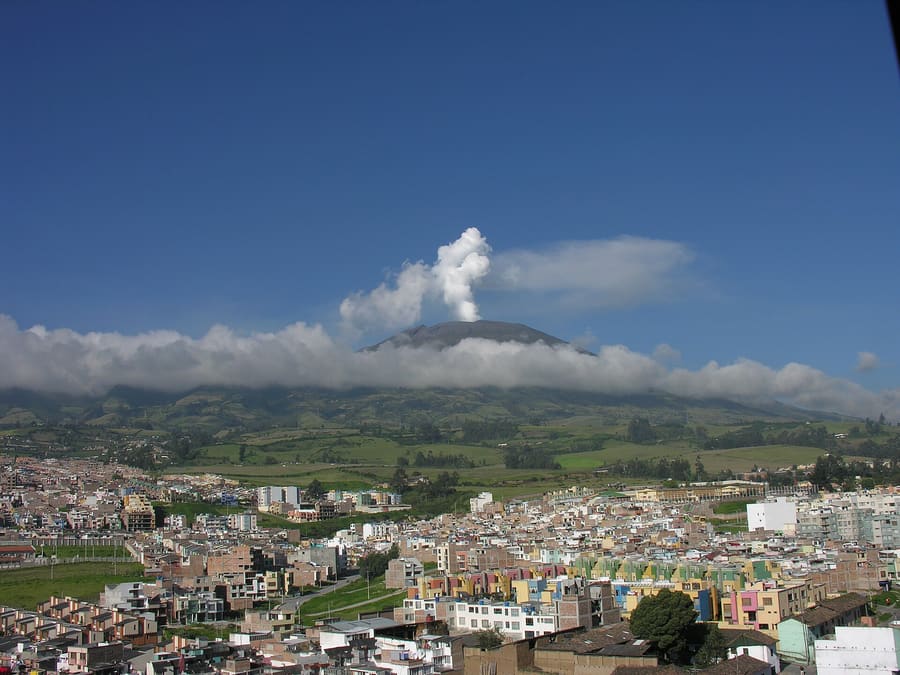
landmark
Active volcano overlooking Pasto. Trekking access depends on current volcanic alert levels set by Colombia's geological service.
Chiedi a Parley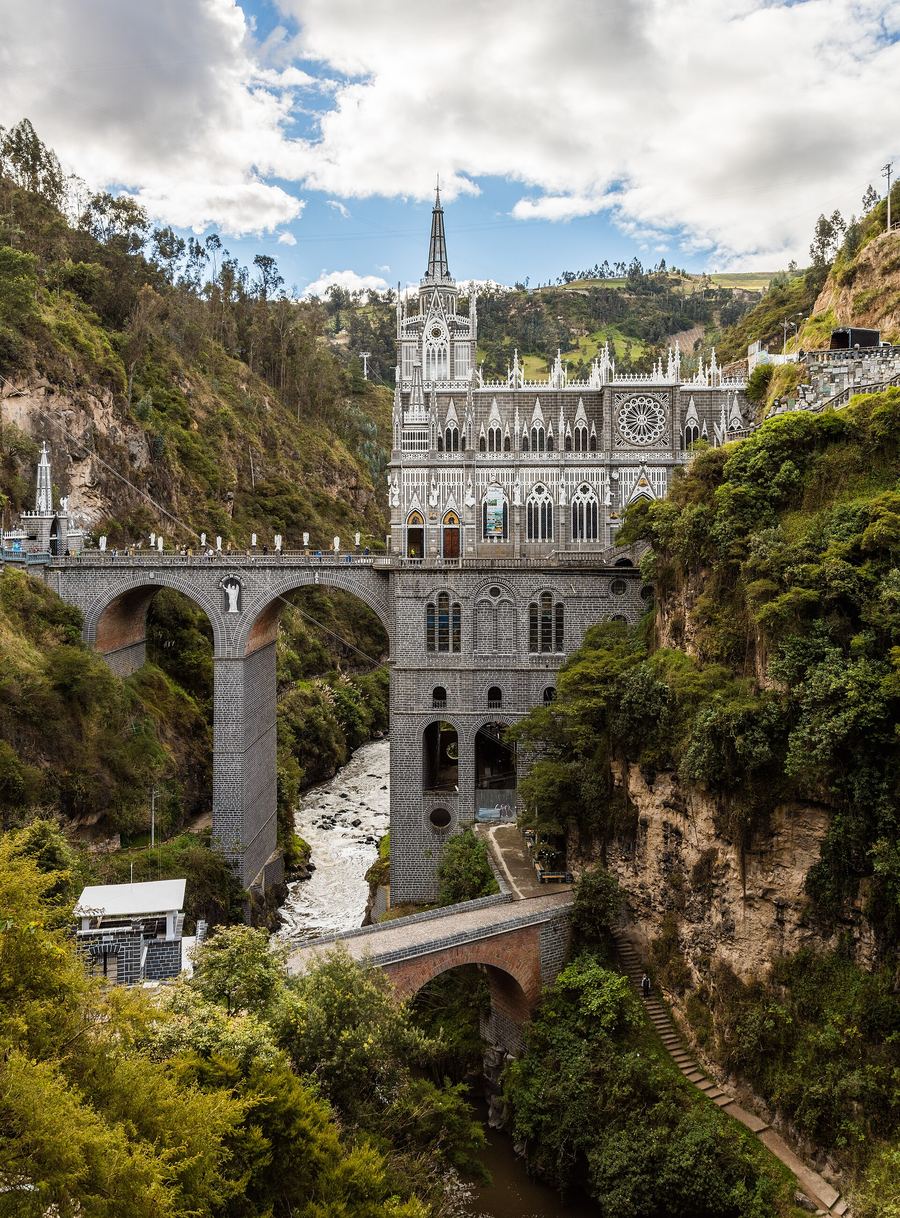
landmark
Gothic basilica spanning a steep river gorge near Ipiales. Arrive by 16:00 to see daylight switch to the evening floodlights.
Chiedi a Parleyattractions
areas
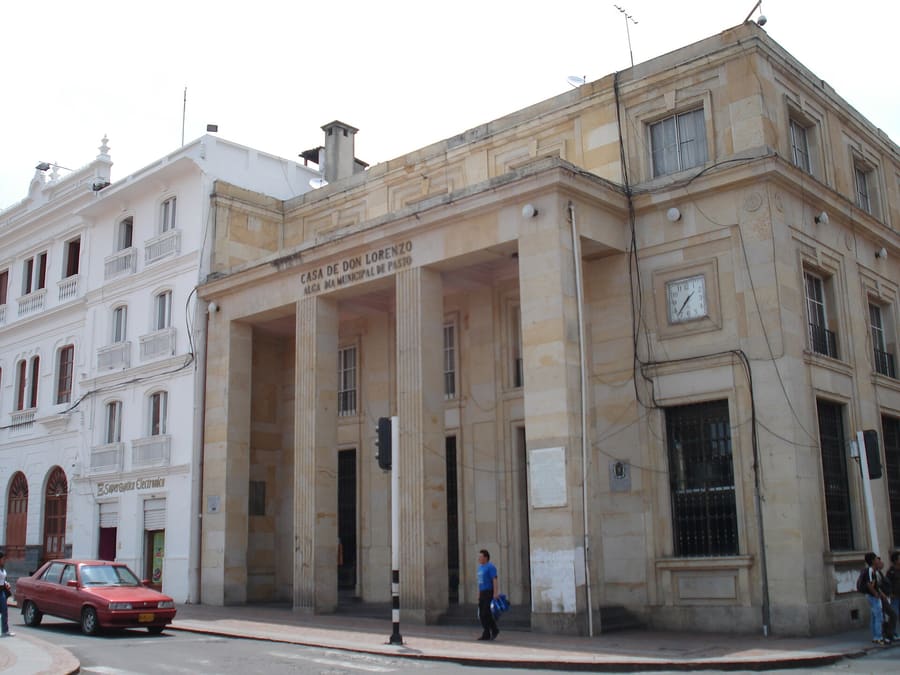
Colonial churches, official buildings, busy street markets, and high pedestrian traffic.
Nei dintorniPlaza de Nariño and Templo de San Juan
Chiedi a ParleyUptown residential sector with modern dining, cocktail bars, and quiet night streets.
Nei dintorniMuseo del Carnaval and Unicentro
Chiedi a ParleyTraditional neighbourhood famous for cuy eateries and quiet neighborhood squares.
Nei dintorniParque Infantil and Iglesia de San Felipe
Chiedi a ParleyMiddle-ground district blending medical centres, university life, and coffee shops.
Nei dintorniUniversidad de Nariño and Avenida de los Estudiantes
Chiedi a Parleyfood
Pasto's high Andean altitude shapes a warm, starch-heavy food culture built around native corn and guinea pig. Cuy asado is the defining regional dish, spit-roasted over wood coals for over an hour until skin turns crisp. You eat it by hand with boiled potatoes and a spicy peanut-and-tree-tomato ají sauce. For dessert, street vendors churn fresh blackberry or mora pulp with ice and salt inside heavy copper pans to make helado de paila.
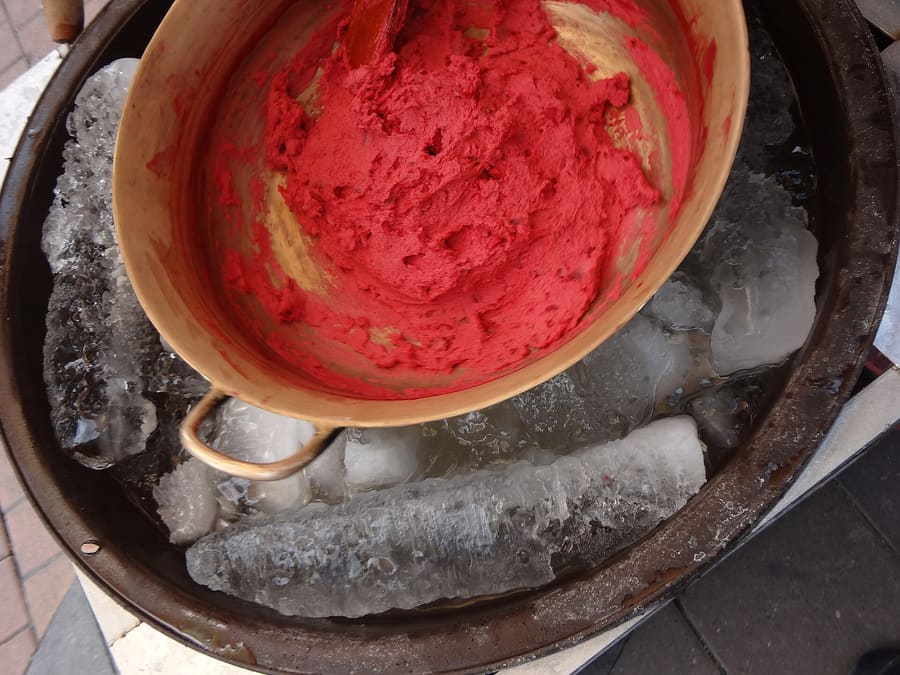
Helado de paila churned by hand in a copper bowl resting on salted ice.
David Adam Kess · CC BY-SA 4.0Cuy takes over an hour to roast properly over coals. Order whole or quarter portions at specialized restaurants in Pandiaco before 12:30.
Potato cakes stuffed with cheese and seared on a flat grill. Eat them at Mercado El Potrerillo alongside pork hornado and hominy corn.
A thick beverage made from fermented corn, lulo fruit, pineapple, and cinnamon. Buy it fresh from street carts near Plaza de Nariño.
history
Founded in 1537 by Sebastián de Belalcázar, Pasto served as a critical Royalist stronghold during South America's wars of independence. Its isolation behind volcanic mountain passes forged a resistant local identity that opposed Simón Bolívar's armies. Modern Pasto remains Colombia's southern artisan capital, preserved through generations of lacquer craft and mountain agriculture.
Spanish foundation
Conquistador Sebastián de Belalcázar establishes San Juan de Pasto in the Atriz Valley.
Christmas Massacre
Bolívar's general Antonio José de Sucre sacks the city on 'Navidad Negra' after fierce local resistance.
Department capital
Pasto becomes the official administrative seat of the newly created Nariño department.
UNESCO designation
The Carnaval de Negros y Blancos joins UNESCO's list of Intangible Cultural Heritage.
where to stay
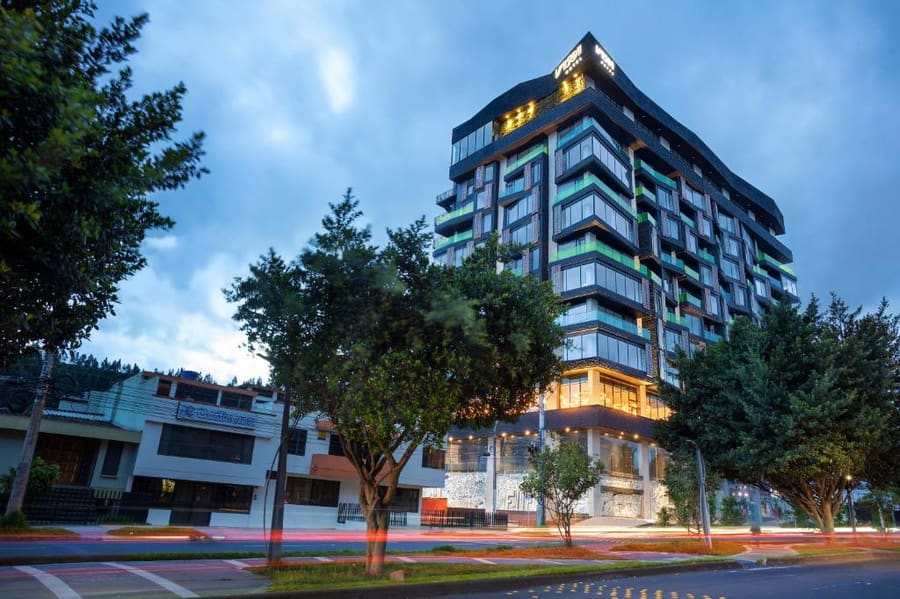
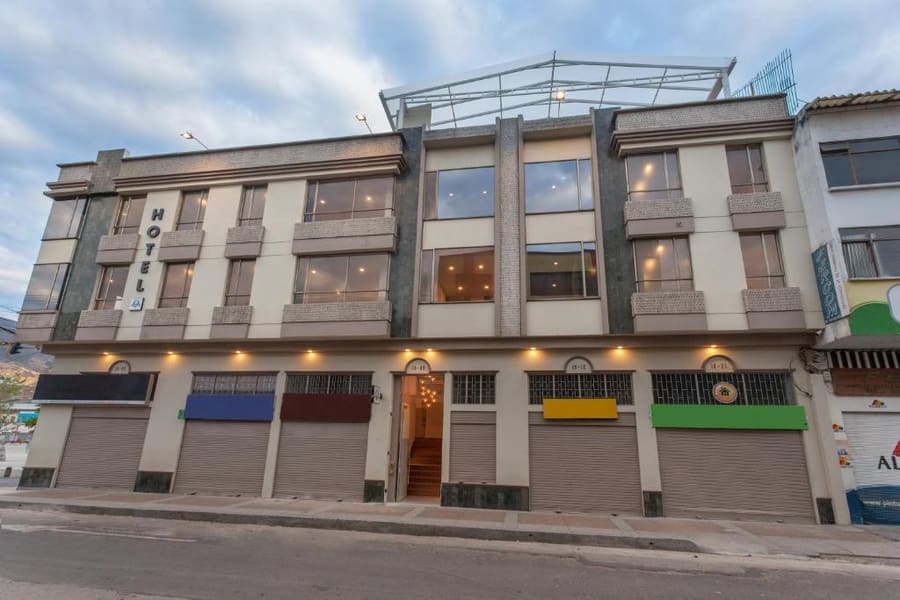
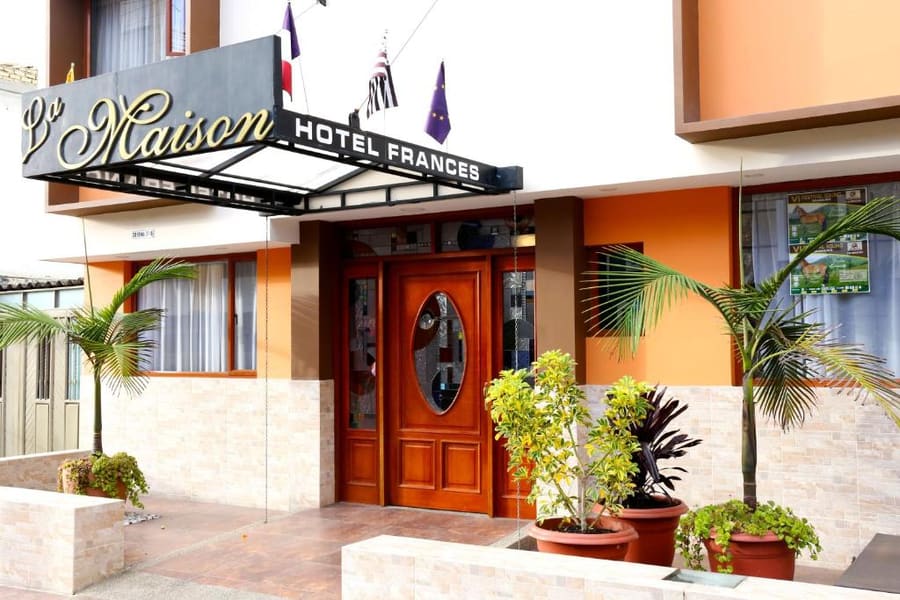
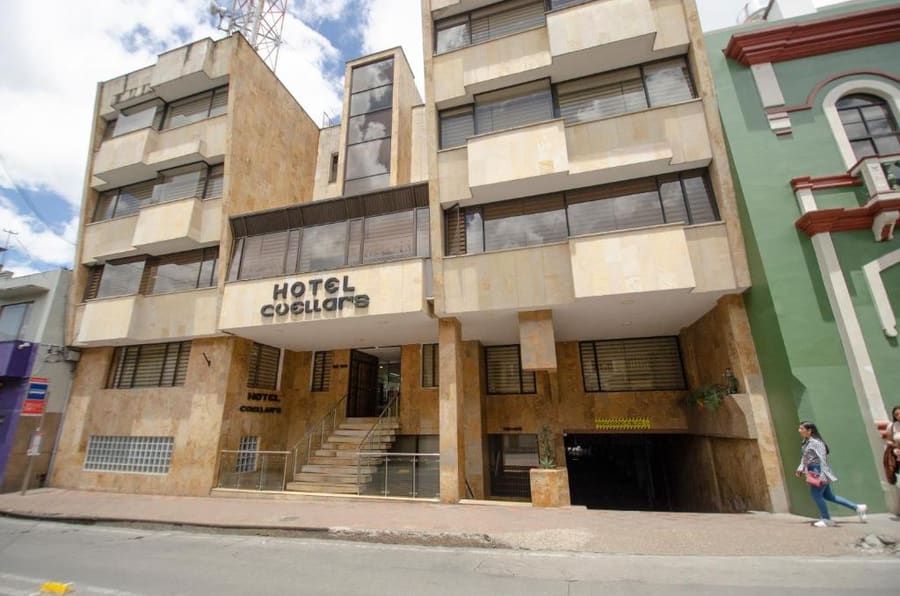
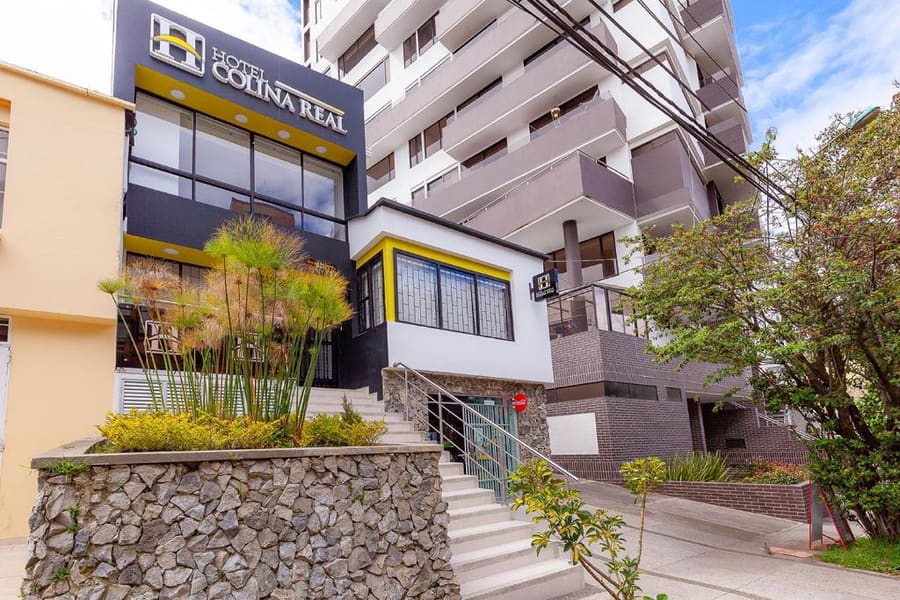
Choose your base by safety preferences and transit priorities. Centro Histórico puts you steps from churches and craft shops but gets noisy at dawn. Palermo offers modern international standards and quiet nightlife, though requires taxis for downtown sight-seeing.
Live rates, matched to the areas above.
transport
Central Pasto is compact enough to navigate on foot, though steep street inclines test your stamina. Taxis do not have meters and instead operate on fixed official flat rates set by the city within municipal limits, while blue Avante city buses connect northern residential sectors to southern transit terminals.
Da Antonio Nariño Airport (PSO)
Flat rates apply between Chachagüí airport and central Pasto hotels.
Colectivo minibuses wait outside arrivals and drop off at Terminal de Transportes.
Pay 2,400 COP cash directly to the bus driver when boarding blue municipal buses.
Avoid hail cabs between 12:00 and 14:00 when local school and lunch runs congest narrow downtown lanes.
Buses to Ipiales and Las Lajas depart every 15 minutes from the main terminal in the south.
cost
Pasto remains significantly cheaper than Bogotá or Medellín. Cash is mandatory at street food stalls, markets, and inside taxis. Mid-range restaurants accept credit cards, but small craft shops prefer physical currency.
Served with boiled potatoes, hominy corn, and ají sauce at local restaurants.
Fresh fruit ice cream served in a cup from street carts around main plazas.
Single transit fare on blue Avante buses across urban routes.
Hand-decorated wooden craft pieces using native mopa-mopa resin.
seasonality
JAN
Carnaval de Negros y Blancos transforms the city. Book accommodation six months early.
FEB – MAY
Frequent highland rains. Bring waterproof jackets and expect overcast afternoon skies.
JUN – SEP
Driest season with clearer skies. Best window for hiking near Volcán Galeras.
OCT – DEC
Moderate rainfall returns. Clear morning conditions give way to cold afternoon drizzles.
practicalities
Pasto sits at 2,527 metres above sea level. Drink extra water and walk slowly on your first afternoon.
Highland night temperatures drop to 8°C. Pack warm wool layers or thermal clothing.
Visit Mercado El Potrerillo before 10:00 for fresh fruit and local food stalls.
Master artisans in artisan workshops rarely take foreign credit cards.
Most downtown businesses and pharmacies shut down early on Sunday afternoons.