landmark
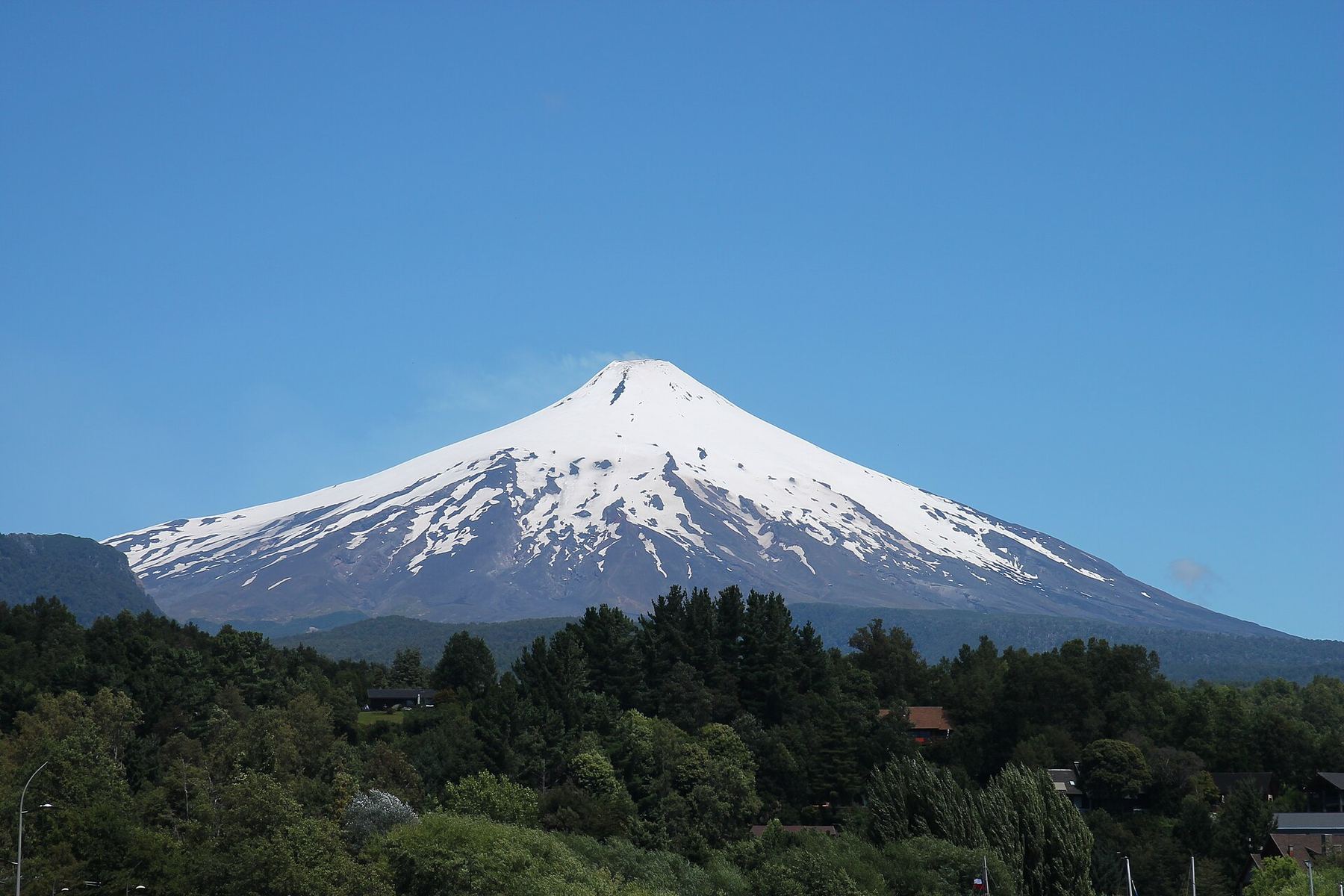
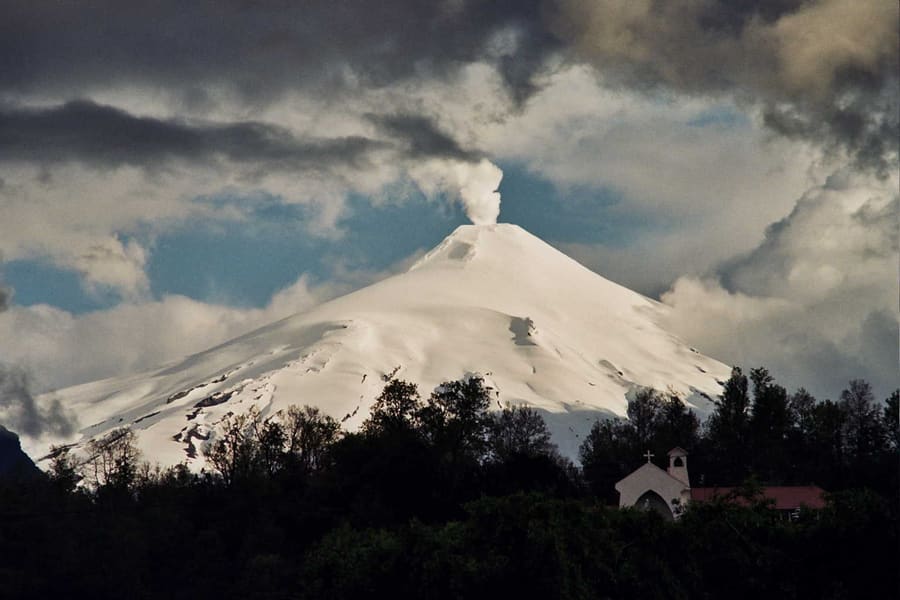
Villarrica Volcano
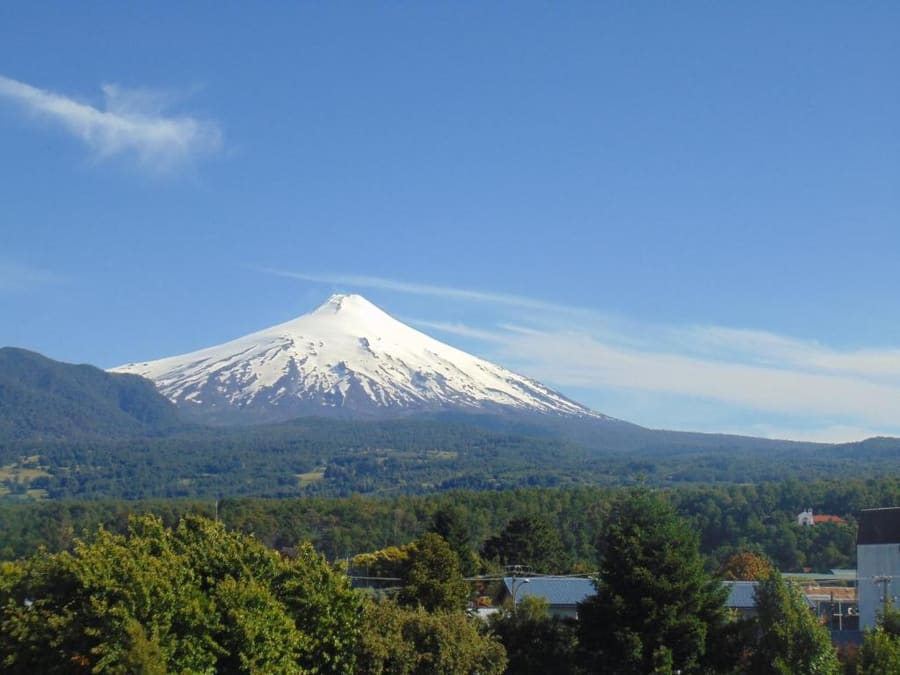
Climb Chile's active volcano for views of crater smoke. Book guided treks two days ahead.
Chiedi a ParleyCile
Chile's adventure hub under an active volcano.
introduction
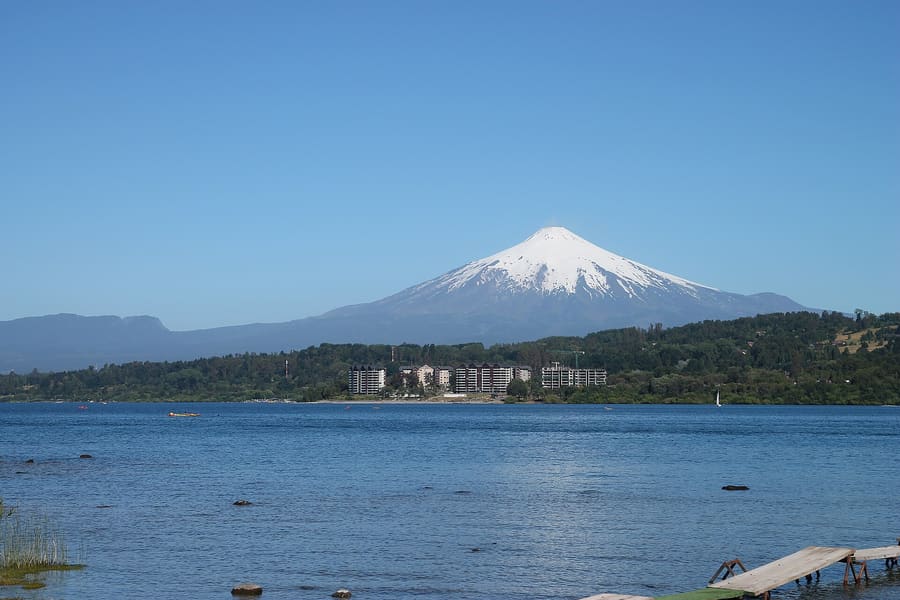
Pucón sits between Lake Villarrica and an active volcano that shapes every itinerary here. You move through a grid town of wooden houses on foot, but reaching trailheads requires local buses or car rentals. Summer brings heavy traffic and full beaches, while winter shifts the focus to skiing and hot springs. Outdoor adventure dictates your daily expenses and schedule.
Arrival route
Fly into Temuco Airport (ZCO) and catch a direct transfer bus. The 100-kilometer road drive takes about 90 minutes.
UNESCO Biosphere Reserve
Pucón sits inside the Araucarias UNESCO Biosphere Reserve, protecting ancient monkey puzzle forests.
Volcano permits
Summiting Villarrica requires a certified guide and mandatory safety gear. Book your ascent at least two days in advance.
Pucón
Draceane · CC BY-SA 4.0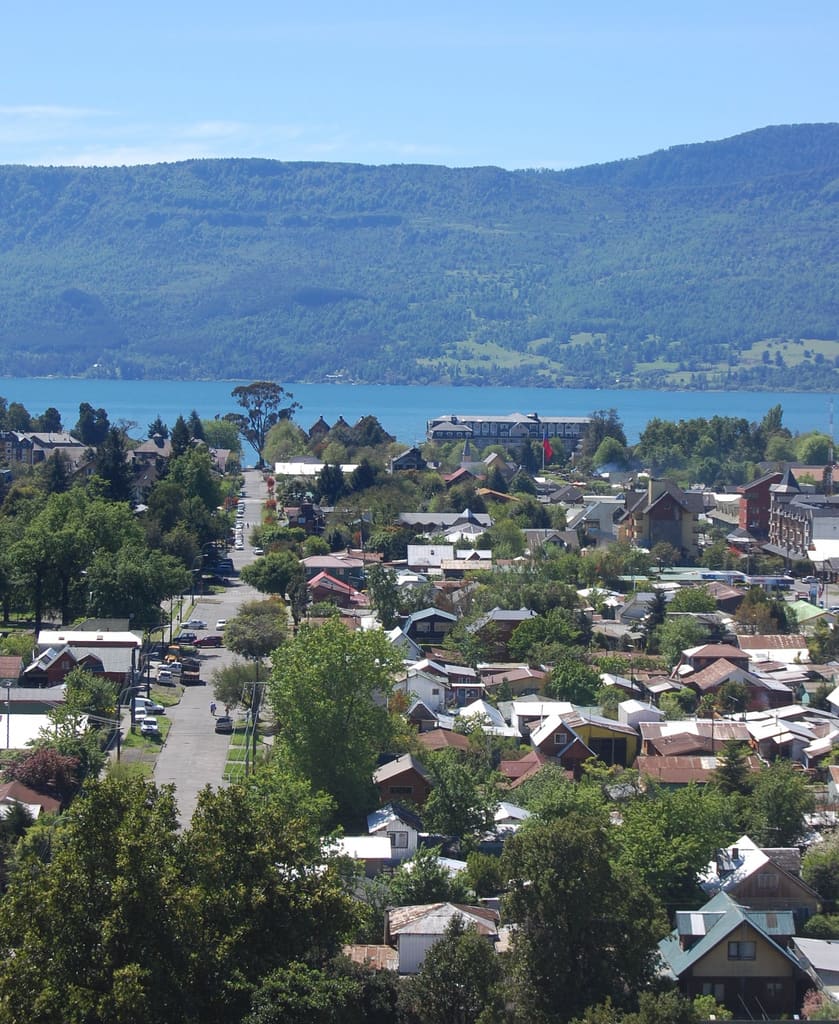
Centro (Downtown Grid) — Walkable grid with wooden cabins, tour agencies, and crowded craft markets.
Puconino · CC BY-SA 4.0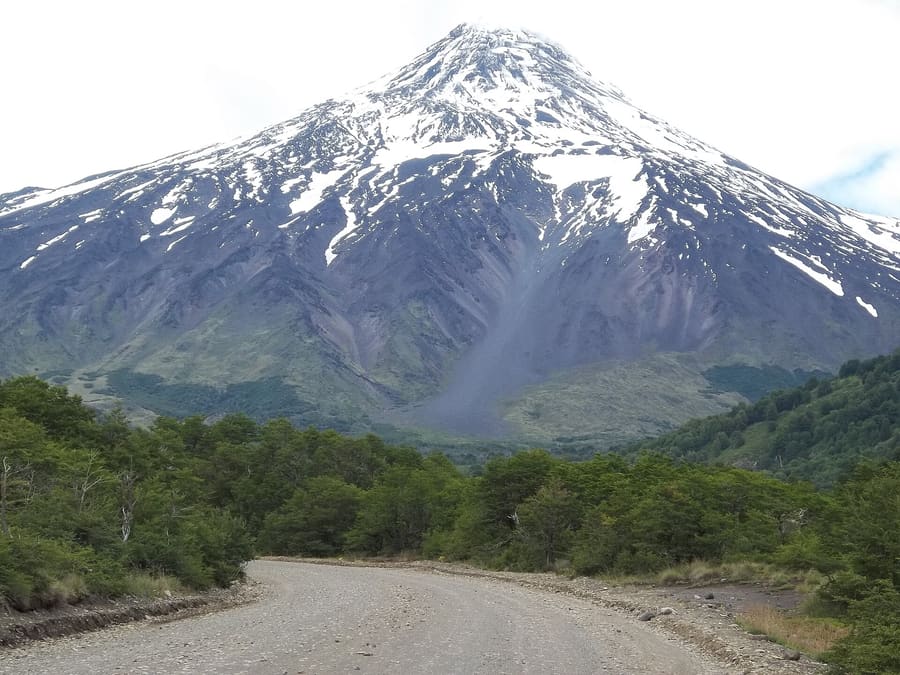
Camino Internacional — Commercial strip lined with eco-lodges, craft breweries, and timber showrooms.
Dario Alpern · CC BY-SA 4.0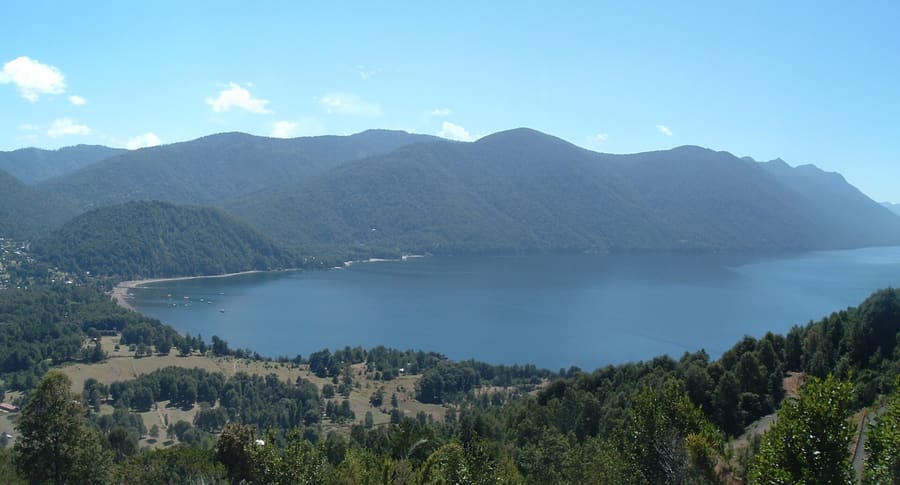
Caburgua Sector — Rural forested valley with thermal baths, river cabins, and quiet trailheads.
JotaLillo · CC BY-SA 3.0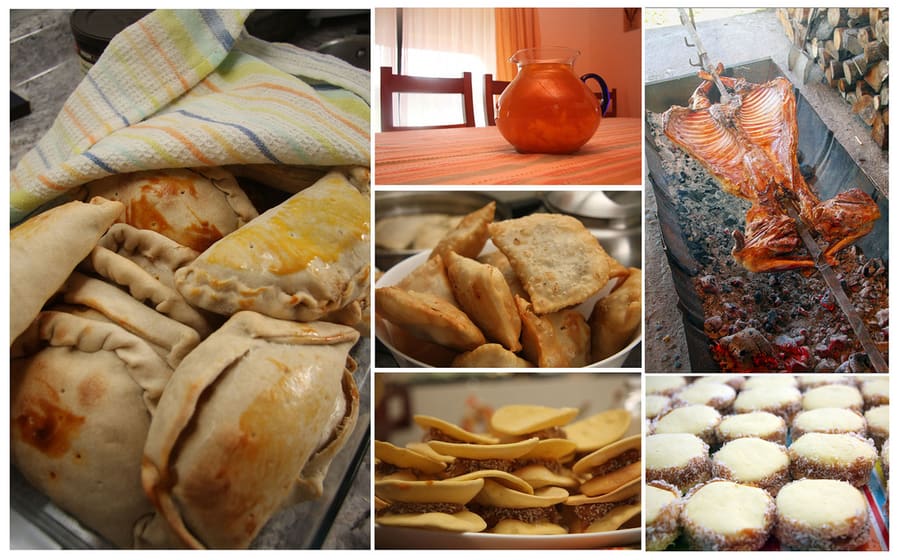
Freshly smoked lake trout and Mapuche merkén seasoning.
Claudio Núñez from Santiago, Chile · CC BY-SA 2.0highlights
landmark
Climb Chile's active volcano for views of crater smoke. Book guided treks two days ahead.
Chiedi a Parley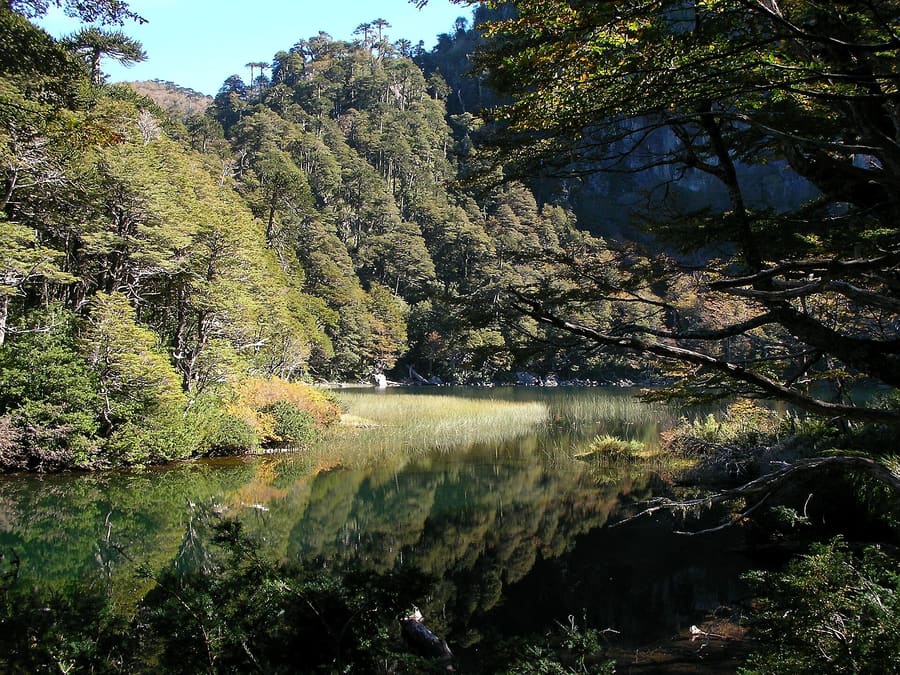
landmark
Hike past ancient monkey puzzle trees and alpine lakes. Reserve entry online via CONAF.
Chiedi a Parley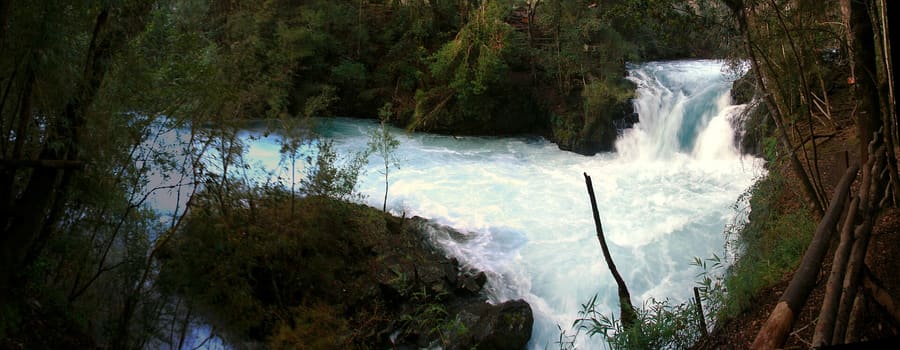
landmark
Clear blue waterfalls pouring into deep forest basins. Take the local Caburgua bus directly to the gate.
Chiedi a Parley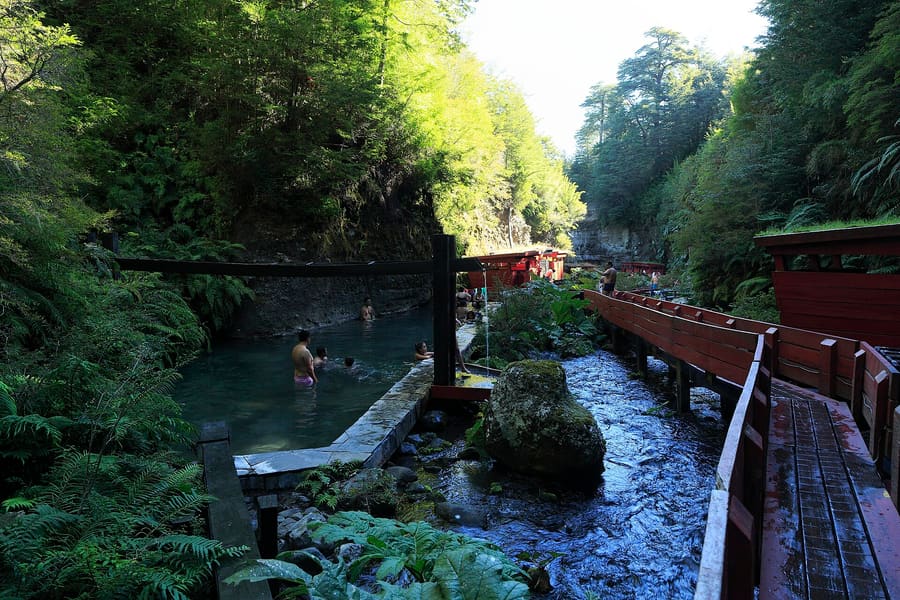
landmark
Hot thermal pools set along a red wooden boardwalk in a stream canyon. Reserve afternoon slots early.
Chiedi a Parleyattractions
areas
Walkable grid with wooden cabins, tour agencies, and crowded craft markets.
Nei dintorniPlaya Grande and JAC bus terminal.
Chiedi a ParleyCommercial strip lined with eco-lodges, craft breweries, and timber showrooms.
Nei dintorniTermas de Huife route and airport bypass.
Chiedi a ParleyRural forested valley with thermal baths, river cabins, and quiet trailheads.
Nei dintorniOjos del Caburgua and Lake Caburgua.
Chiedi a ParleyQuiet lakeside stretch with views of the bay, boat docks, and sunset spots.
Nei dintorniPlaya Grande and La Poza harbor.
Chiedi a Parleyfood
Pucón sits at the culinary intersection of Mapuche tradition and German settler influences. Merkén—a smoky chili powder with toasted coriander—flavors local trout, wild boar, and lamb. You will find Mapuche spots along Avenida Fresia serving pastel de choclo, sopaipillas, and catuto (wheat cakes). German-style pastries like küchen dominate afternoon tea tables across town.
Freshly smoked lake trout and Mapuche merkén seasoning.
Claudio Núñez from Santiago, Chile · CC BY-SA 2.0Order charquicán or wild boar stewed with merkén at specialized indigenous restaurants near Plaza de Armas.
Lake trout is served pan-fried with wood-harvested mushrooms along Avenida Bernardo O'Higgins.
Between 17:00 and 19:00, cafes serve traditional Chilean 'onces' featuring artisanal küchen and local honey.
history
Pucón began as a Mapuche settlement on the shores of Lake Villarrica before becoming a Chilean military fort in 1883. German immigrants arrived soon after, introducing timber milling and agriculture. By the 1930s, the state railway built the Grand Hotel Pucón, turning the remote outpost into Chile's premier lake resort.
Military Outpost Founded
Chilean forces founded Pucón as a fort during the pacification of La Araucanía.
Tourism Takes Root
The State Railways built Hotel Pucón, introducing luxury lakeside vacations.
Volcano Eruption
Villarrica erupted dramatically, destroying local farmlands and defining safety zoning.
Recent Lava Eruption
A major eruption caused temporary evacuations and reshaped local tourism safety protocols.
where to stay
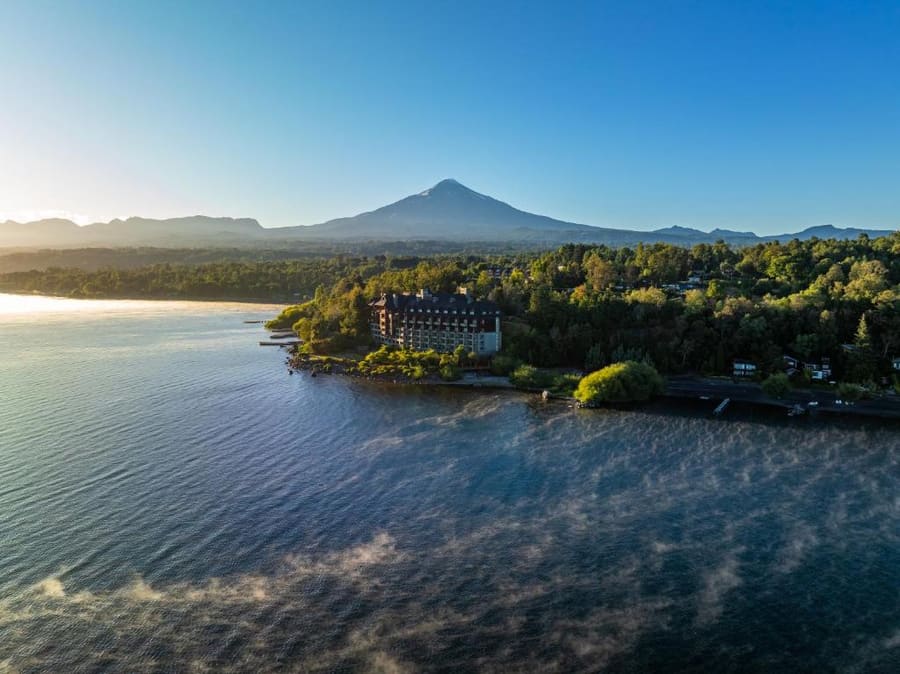
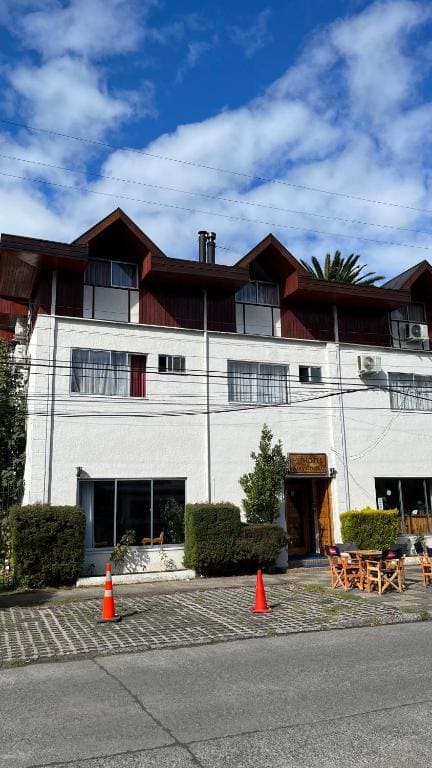
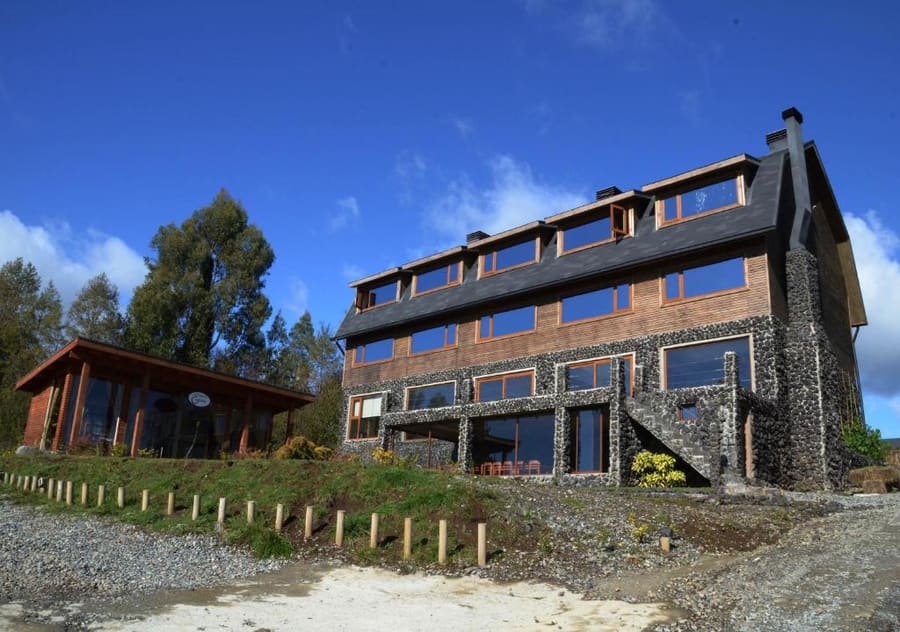
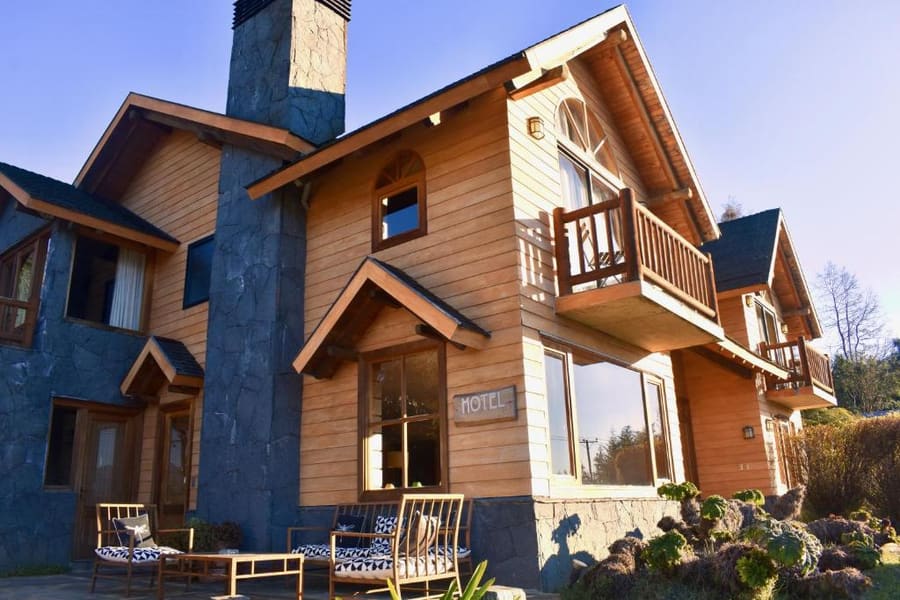
Choose by your access to transport. Staying in Centro lets you walk to bus terminals, agencies, and beaches without a car. Renting a cabin along Camino Internacional suits families with cars, while Caburgua offers isolation near hot springs.
Live rates, matched to the areas above.
transport
Pucón's compact grid is easy to walk, but regional adventures require wheels. Regional buses depart from terminals along streets like Calle Palguín for nearby national parks.
Da Temuco Freire Airport (ZCO)
Buses Jac and Turbus run hourly from Temuco center directly to Pucón bus terminals.
Shared vans pick up directly outside Temuco ZCO arrivals gate.
Private taxi drivers offer flat rates to Pucón from Temuco Airport.
Uber availability from Temuco airport depends on driver schedules.
Shared taxis (colectivos) run fixed routes between Pucón and Villarrica for around CLP 1,500.
Buses Caburgua departs every 30 minutes from Calle Palguín for Ojos del Caburgua and Huerquehue.
Buy JAC or Turbus tickets online or at Palguín Street offices at least one day ahead in summer.
Downtown Pucón is small enough to walk completely across in under 20 minutes.
cost
Pucón operates on Chilean Pesos (CLP). Prices spike sharply in January and February. Excursions like volcano climbs or hot spring entries form the largest share of an active traveller's budget.
Includes guide service, helmet, ice axe, crampons, and transportation to base.
Rates vary depending on arrival time slot; afternoon entry costs more.
Covers a main dish of local trout or wild boar with a beer at local pubs.
Entry ticket for Huerquehue National Park, payable online via CONAF website.
seasonality
DEC – FEB
Peak summer with warm lake temperatures, heavy traffic, and fully booked volcano tours.
MAR – MAY
Crisp autumn weather, golden foliage in Huerquehue, and quiet thermal pools.
JUN – AUG
Winter ski season on Villarrica slopes with rainy town conditions and cold days.
SEP – NOV
Spring snowmelt inflates waterfalls; ideal for rafting, with chilly mountain air.
practicalities
Check SERNAGEOMIN alert levels. Green allows full summit hikes, yellow limits access to lower slopes.
High altitude and lake reflections make UV strong; carry SPF 50 sunscreen even on cloudy days.
Cards are accepted almost everywhere, but regional buses to trailheads require cash in Chilean Pesos.
Lake Villarrica water stays cold year-round; summer lake swimming requires caution.
Reserve Huerquehue National Park entry tickets online via the CONAF portal before heading to the trailhead.