landmark
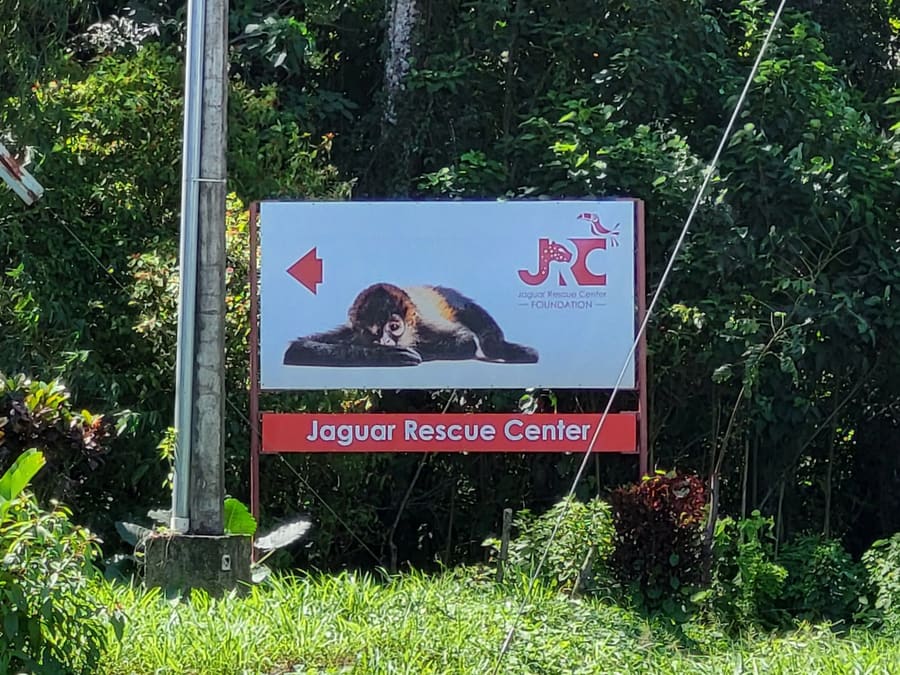
Jaguar Rescue Center
Rehabilitates injured wild animals in Playa Chiquita. Pre-book morning educational tours online to see sloths, toucans, and snakes up close.
Chiedi a ParleyCosta Rica
Afro-Caribbean rhythms, rainforest surf, and bike trails.
introduction
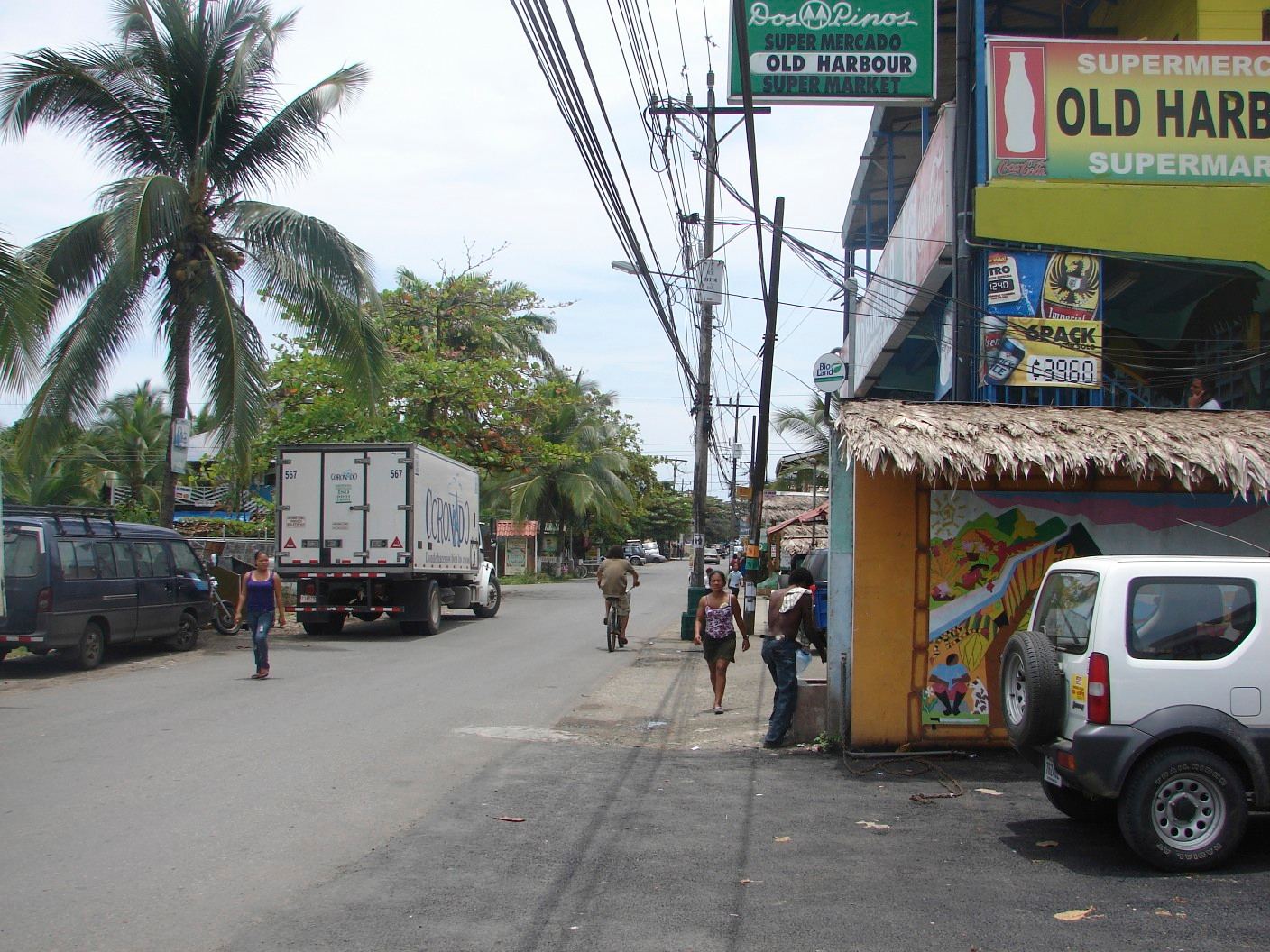
Puerto Viejo de Talamanca sits on Costa Rica's southeastern Caribbean coast, 50 kilometers north of the Panamanian border. Life here unfolds along Route 256, a coastal corridor where rainforest canopy overhangs black and gold sand beaches. You move through town on single-speed cruiser bicycles alongside local sloths and howler monkeys. Expect humid weather, slow service, and distinct Afro-Caribbean traditions that set this coast apart from the Pacific side.
The MEPE direct bus strategy
Board the direct MEPE bus from Terminal Atlántico Norte in San José. Buy tickets in person at the station at least one day prior during high season.
Protected Talamanca biodiversity
The Talamanca region holds over 20% of Costa Rica's total plant diversity. Primary lowland rainforest meets wild coral reefs inside Cahuita National Park.
Bicycle transit standard
Single-speed cruiser bikes are the main transport along Route 256. Rent one with a front basket and frame lock to reach beaches past Cocles.
highlights
landmark
Rehabilitates injured wild animals in Playa Chiquita. Pre-book morning educational tours online to see sloths, toucans, and snakes up close.
Chiedi a Parley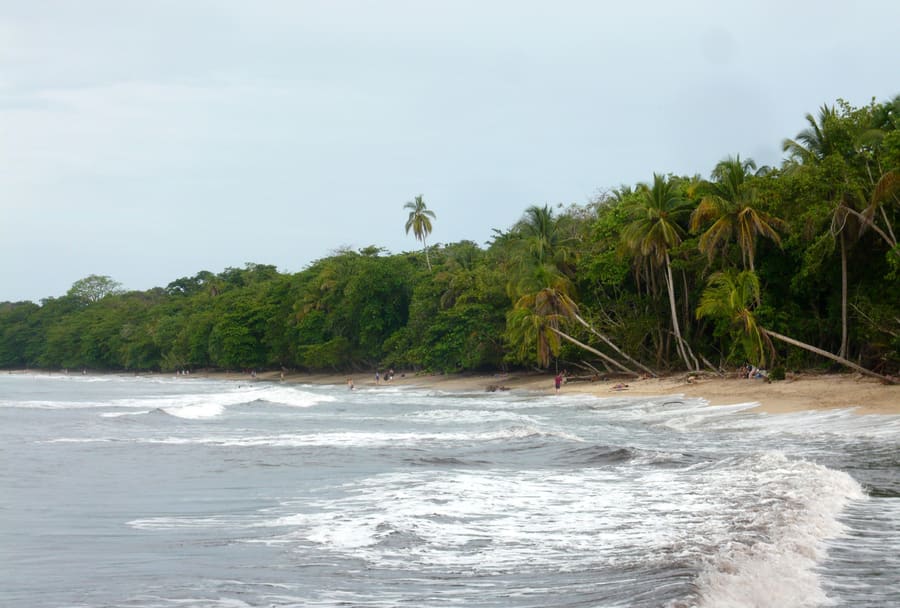
landmark
Coastal rainforest trail running along white sand beaches and living reefs. Entry at Cahuita village operates on a voluntary donation system.
Chiedi a Parley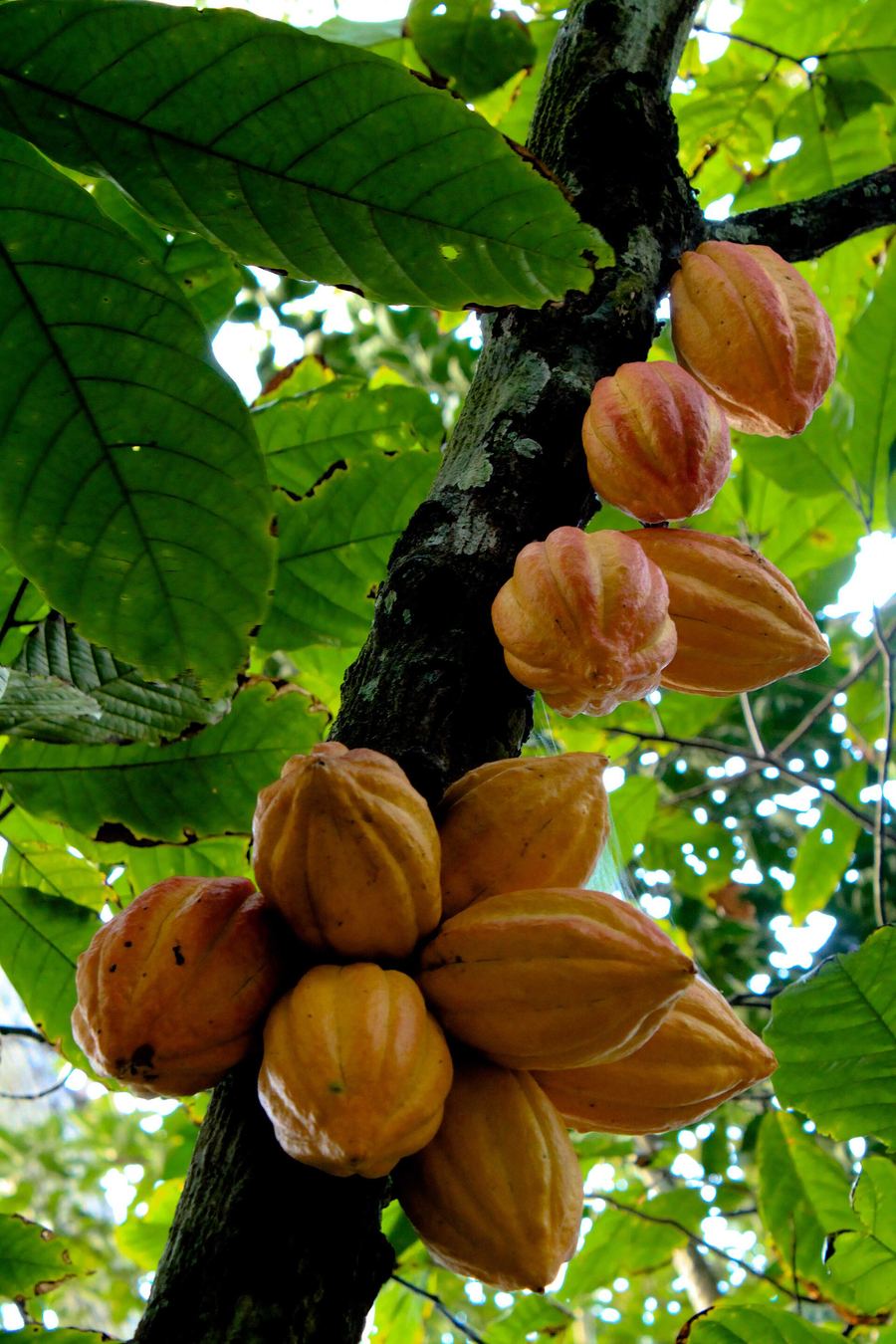
landmark
Indigenous-led cacao tours in the Talamanca foothills. Learn traditional chocolate preparation and visit the pristine Volio waterfall nearby.
Chiedi a Parleyattractions
areas
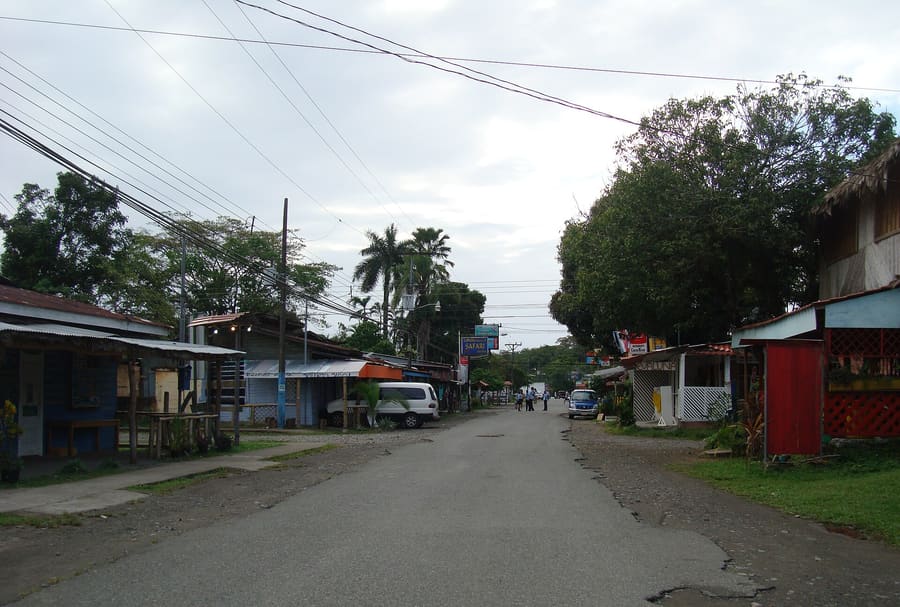
Walkable grid filled with soda diners, Reggae bars, dive shops, and bicycle rentals.
Nei dintorniSalsa Brava break and MEPE bus station
Chiedi a ParleySurfer beach strip with beach volleyball, surf schools, and jungle eco-lodges.
Nei dintorniJaguar Rescue Center and town center
Chiedi a ParleySecluded coral coves tucked behind thick coastal jungle along the main road.
Nei dintorniPlaya Cocles and Punta Uva
Chiedi a ParleyTranquil Caribbean village standard with calm swimming water and rainforest trails.
Nei dintorniGandoca-Manzanillo Wildlife Refuge
Chiedi a Parleyfood
Puerto Viejo's food scene reflects its Afro-Caribbean heritage and Limón province customs. Coconut milk, habanero peppers (chile panameño), and fresh thyme form the flavor base of local cookery. Sodas along Route 256 serve daily Caribbean rice and beans alongside stewed chicken or red snapper.
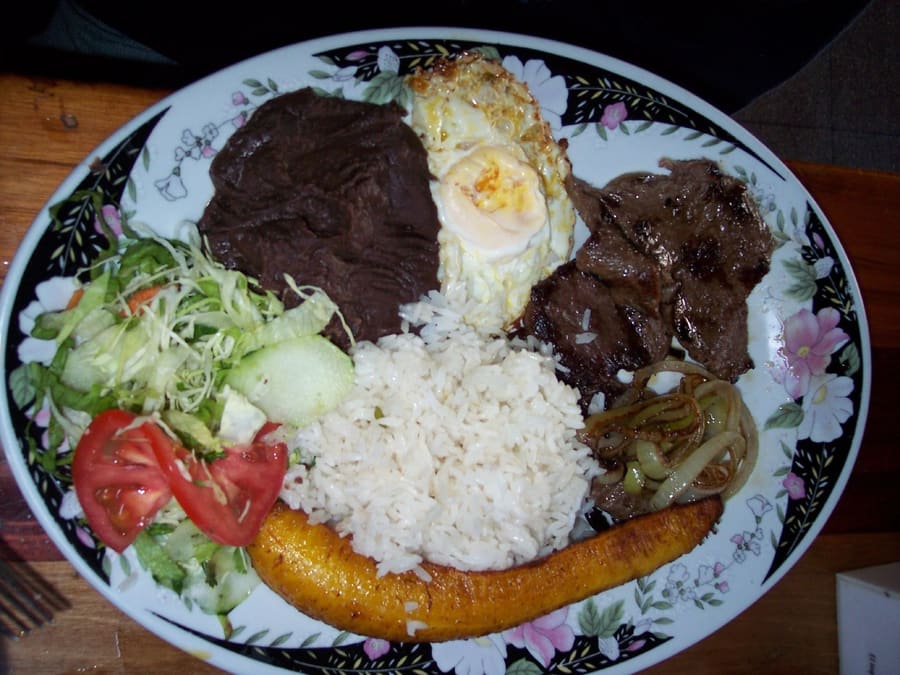
Freshly prepared Caribbean rice and beans served at a coastal soda.
Richie Diesterheft from Chicago, IL, USA · CC BY 2.0Sodas open around 11:30 for lunch. Popular dishes like rondón seafood soup sell out by 13:30 on weekends.
Rondón is a traditional coconut milk fish soup slow-cooked over wood fire. Order it in advance on Saturdays at native spots in town.
Smaller family-run sodas accept CRC or USD cash. Credit card terminals often lose signal during afternoon thunderstorms.
history
Puerto Viejo grew from an isolated fishing village populated by Afro-Caribbean migrants from Jamaica and indigenous Bribri communities. The region remained physically disconnected from San José until the highway through Braulio Carrillo opened in the late 20th century. Cocoa farming sustained the local economy until monilia fungus devastated crops in the 1970s, paving the way for low-impact eco-tourism and surfing culture.
Afro-Caribbean settlement
Jamaican fishermen and laborers settle along the Talamanca coast, introducing English Creole and coconut cookery.
Cacao expansion
Commercial cocoa farming becomes the primary economic driver for local Afro-descendant families across Limón.
Monilia blight
Fungal disease destroys local cacao plantations, forcing farmers to diversify into fishing and small-scale hosteling.
Surf and eco-tourism rise
Surfers discover the Salsa Brava reef break, transforming the quiet village into an international backpacker hub.
where to stay
Choose your base along the 13-kilometer coastal corridor stretching from Puerto Viejo town southeast to Manzanillo. Town center offers walkability to nightlife and transport, while Cocles, Chiquita, and Punta Uva provide secluded eco-lodges surrounded by lowland jungle.
Live rates, matched to the areas above.
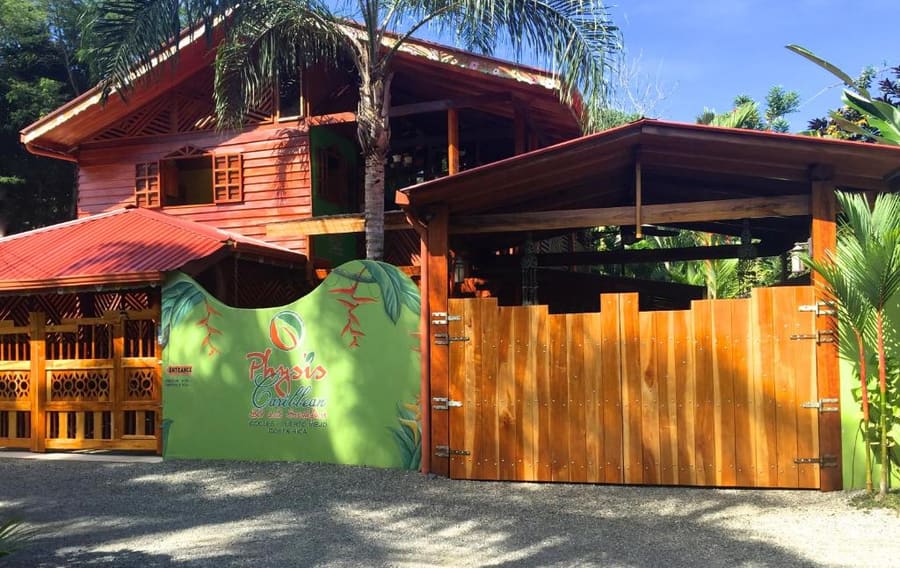
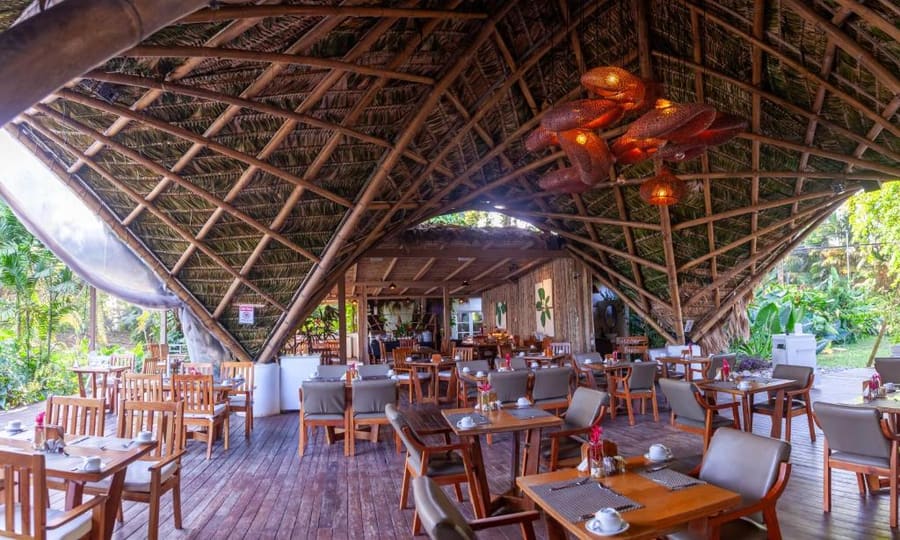
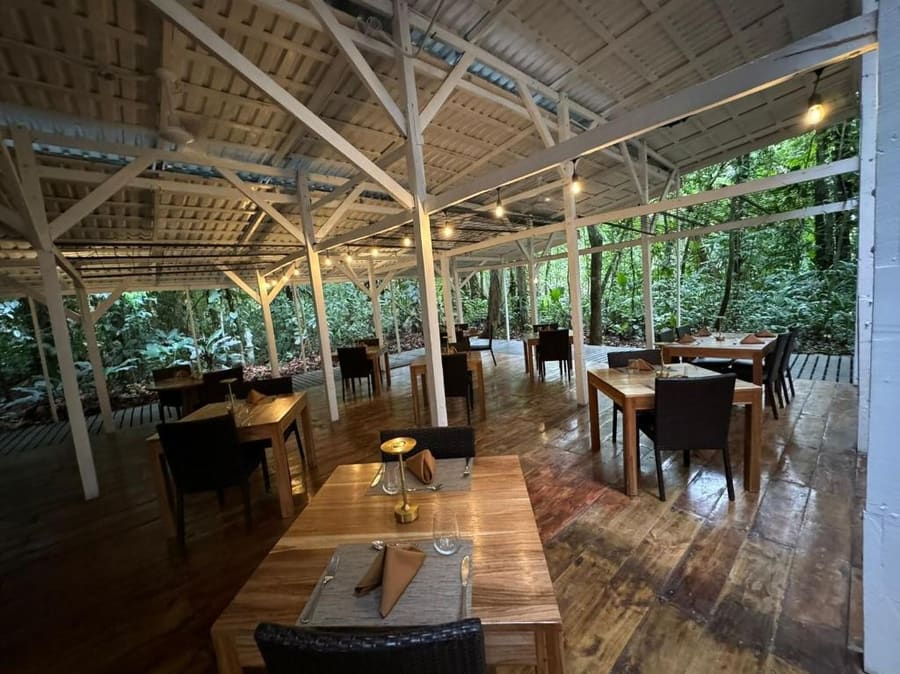
transport
Route 256 is the single asphalt spine connecting town to all southern beaches. Bicycles are the primary method of local movement, while long-distance arrivals rely on MEPE buses or private shuttles from San José.
Da San José Juan Santamaría Airport (SJO) or Terminal Atlántico Norte
Door-to-door shuttle van suitable for groups with heavy luggage or surfboards.
Shared tourist shuttle vans pick up directly from San José hotel lobbies.
Rent a beach cruiser bicycle for roughly ₡5,000 CRC per day. It is the fastest way to move between Cocles, Chiquita, and Punta Uva.
Local MEPE buses run hourly between Puerto Viejo and Manzanillo until 18:00. Expect minor schedule delays during rain.
Red official taxis and local tuk-tuks park near the town plaza. Agree on fixed CRC fares before getting inside.
Route 256 lacks street lights between beaches. Rent a bike with a headlamp or carry a flashlight after sunset.
cost
Puerto Viejo prices sit higher than rural mainland Costa Rica but remain lower than Manuel Antonio or Papagayo. Paying in Costa Rican Colón (CRC) avoids poor vendor exchange rates applied to US dollars.
Standard lunch platter with rice, beans, plantains, salad, and chicken or fish.
Includes single-speed beach cruiser, cable lock, and front basket.
Includes official guided tour in English or Spanish. Pre-booking required.
Available along Playa Cocles with foam and shortboard options.
seasonality
FEB – MAR
First dry window of the year. Calmer seas make Punta Uva and Cahuita ideal for snorkelling.
APR – JUL
Rainfall increases, bringing lush greenery and higher river levels for kayaking.
SEP – OCT
The Caribbean's canonical dry summer. Flat calm seas, sunny skies, and lower accommodation rates.
NOV – JAN
Heavy rain mixed with peak swell season for Salsa Brava. High accommodation demand over holidays.
practicalities
Lowland humidity brings active mosquitoes at dawn and dusk. Apply repellent containing DEET or picaridin when near jungle paths.
Banco Nacional and Banco de Costa Rica ATMs are in Puerto Viejo town center. No ATMs exist south of Cocles.
Sun sets consistently around 18:00 year-round. Plan outdoor beach walks and jungle hikes for early morning hours.
Playa Cocles has active lifeguards, but open beach breaks carry strong undertows. Swim inside protected bays like Punta Uva.
Locals speak Spanish, English, and Limón Creole (Patois). A simple 'buenas' works for everyday greetings.