landmark
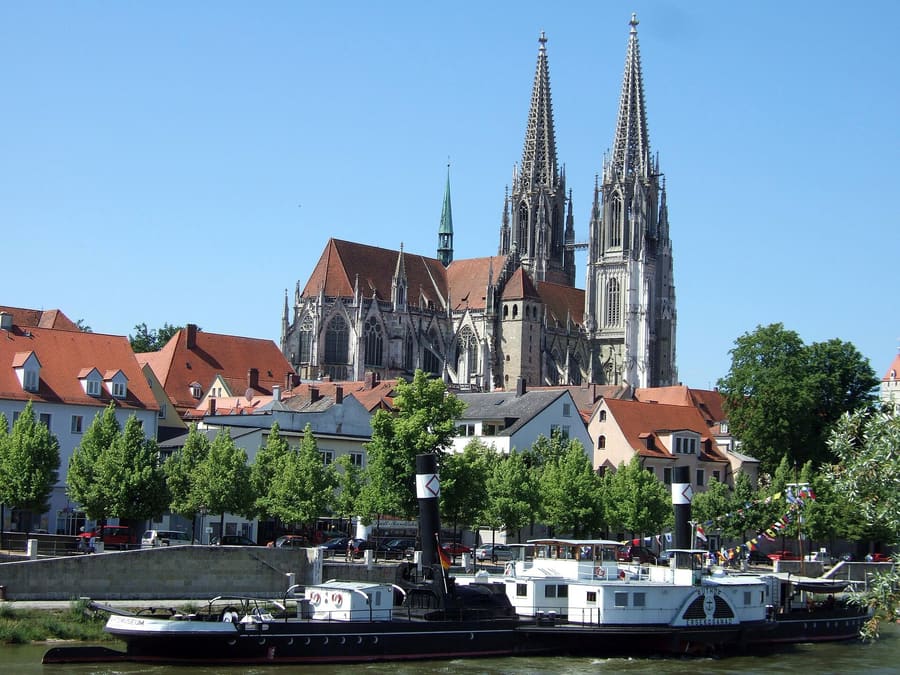
Regensburg Cathedral
Bavaria's primary Gothic cathedral. Step inside to see 14th-century stained glass windows.
Chiedi a ParleyGermania
A preserved medieval Free Imperial City on the Danube, Regensburg was independent rather than Bavaria's capital.
introduction
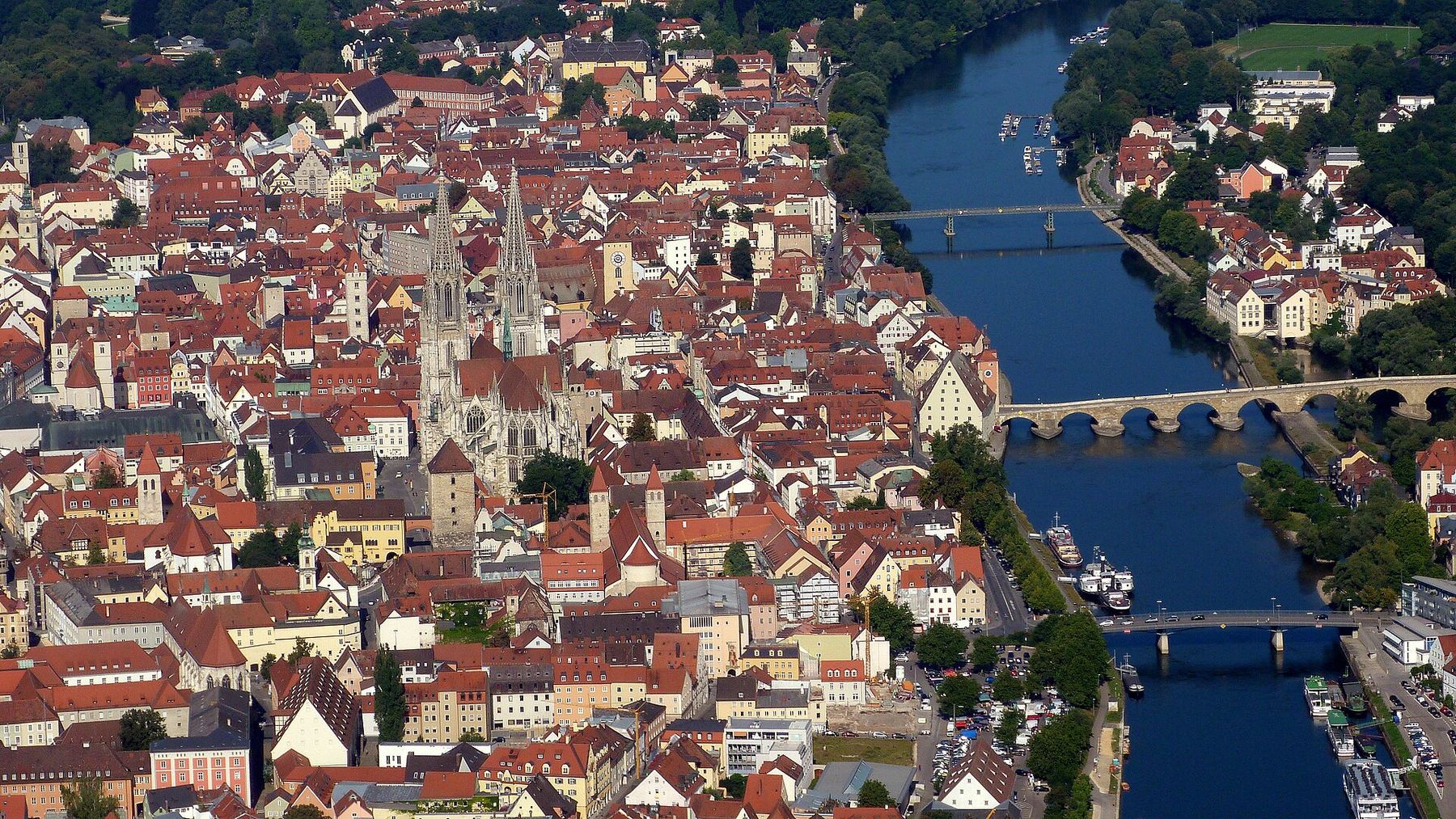
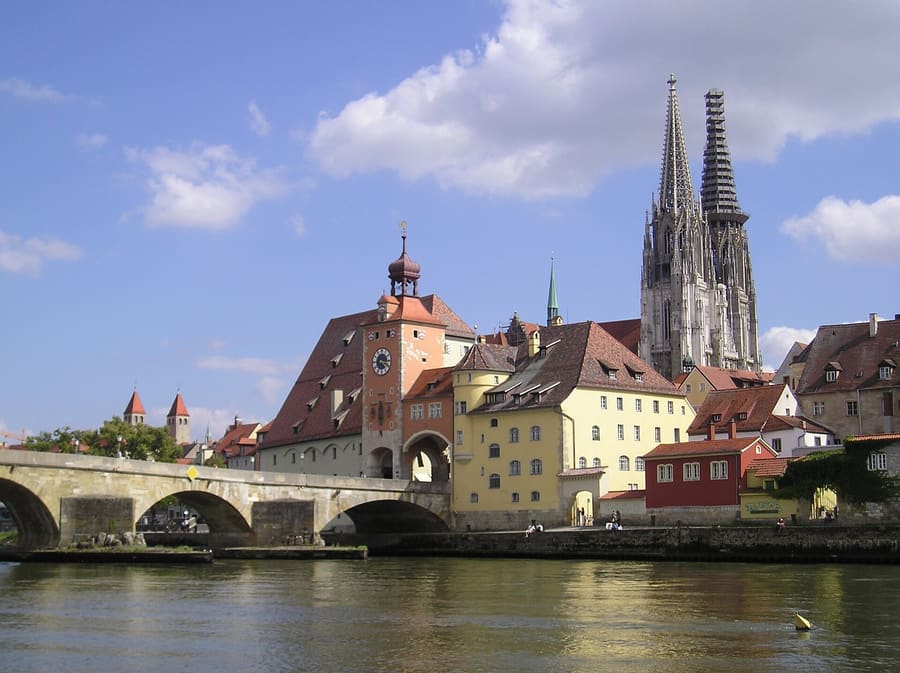
Regensburg sits at the northernmost point of the Danube River, largely untouched by wartime destruction. Its medieval core functions as a living university city rather than a quiet museum piece. You navigate the narrow Roman and Gothic lanes entirely on foot, crossing the 12th-century Stone Bridge to access northern neighborhoods.
Direct train from Munich Airport
The RE 22 train connects Munich Airport directly to Regensburg Hauptbahnhof in 75 minutes.
UNESCO Old Town
The Old Town with Stadtamhof became a UNESCO World Heritage site in 2006.
Sunday retail closures
Bavarian state law enforces strict Sunday retail closures. Bakeries and museums remain open.
Regensburg
HH58 · CC BY-SA 3.0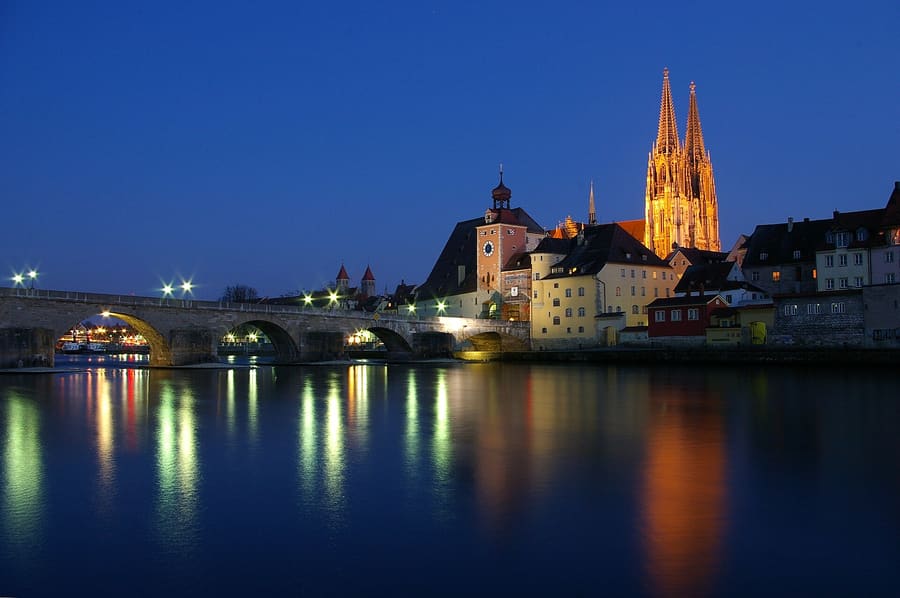
Altstadt — High medieval towers, cobble alleys, and main sightseeing hubs.
Sharhues · Public domain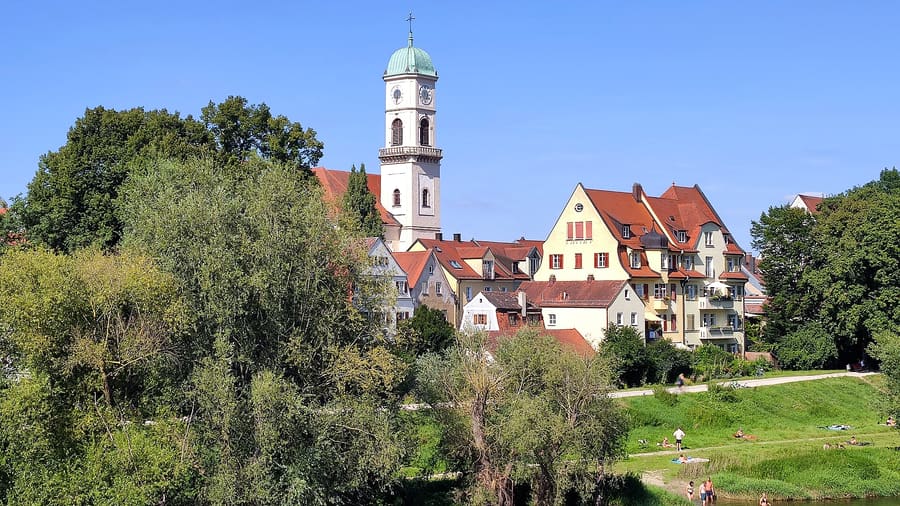
Stadtamhof — Village atmosphere with beer gardens directly across the river.
Helmlechner · CC0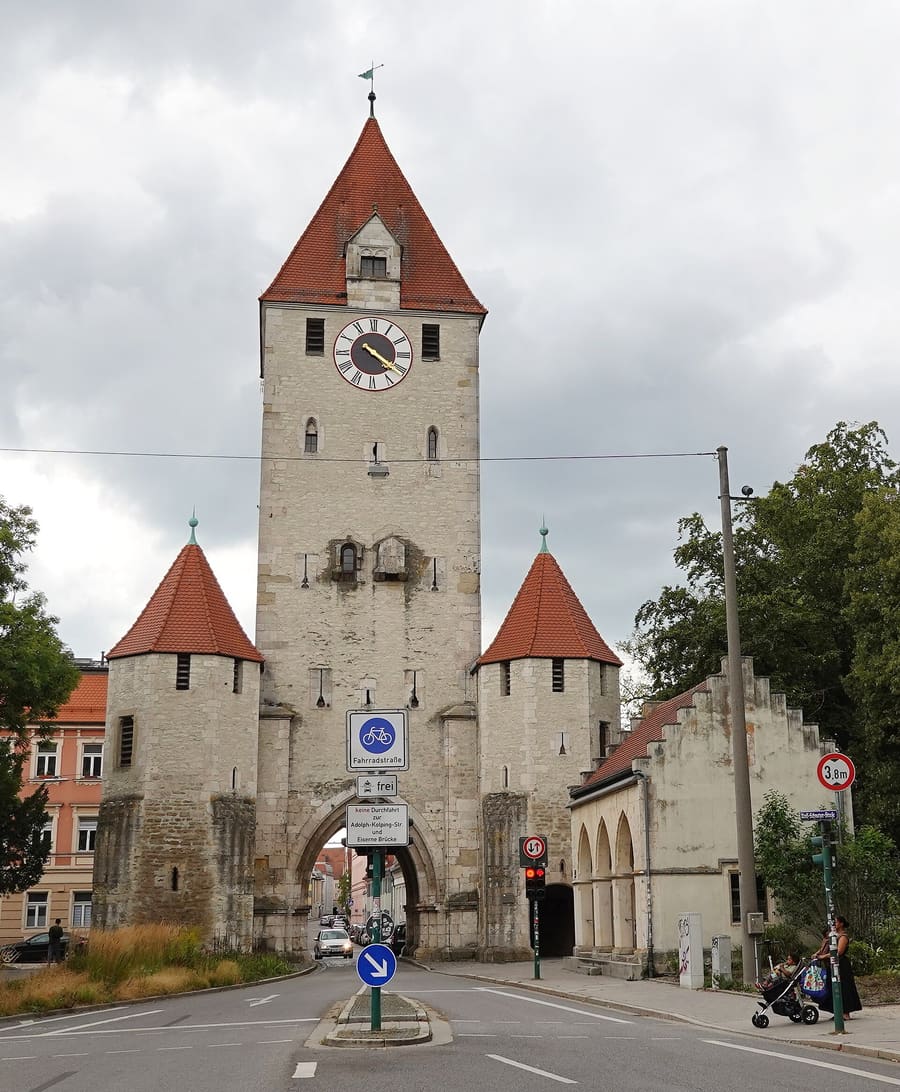
Ostenviertel — Mixed residential district home to students and local bars.
Asio otus · CC BY-SA 3.0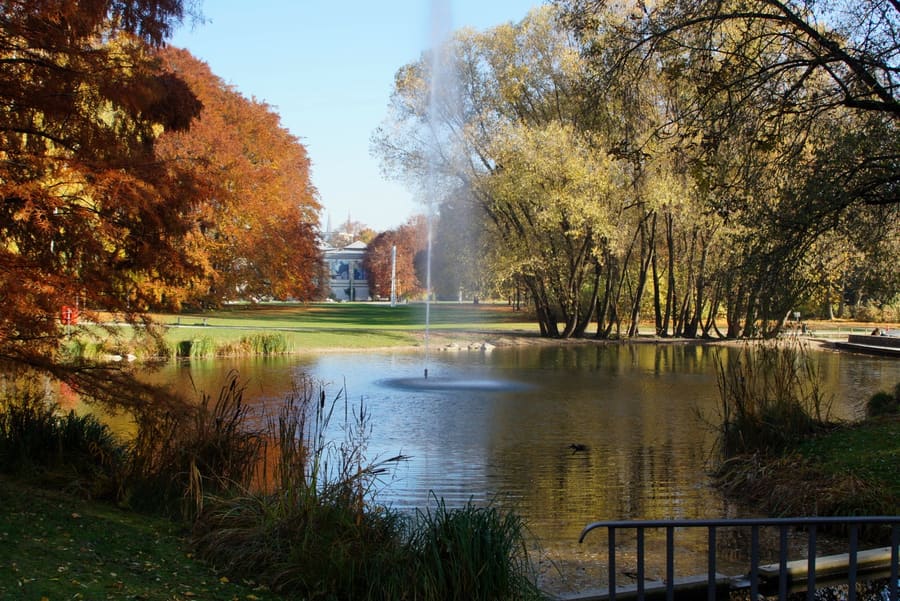
Westenviertel — Green spaces, XIX-century villas, and quiet walking paths.
Hans100 · CC BY 3.0
Six charcoal-grilled sausages served on sauerkraut at Historische Wurstkuchl.
No machine-readable author provided. Rainer Zenz assumed (based on copyright claims). · CC BY-SA 3.0highlights
landmark
Bavaria's primary Gothic cathedral. Step inside to see 14th-century stained glass windows.
Chiedi a Parley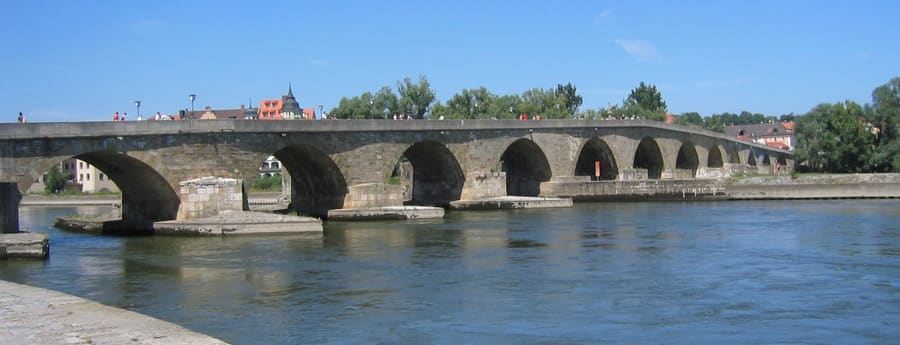
landmark
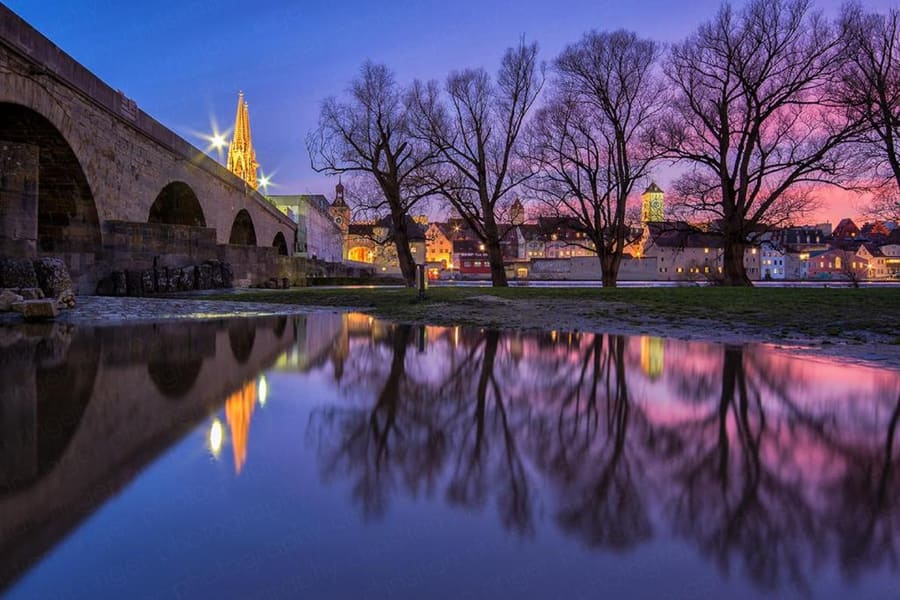
Built in the 12th century to span the Danube. Walk across for views of the medieval skyline.
Chiedi a Parley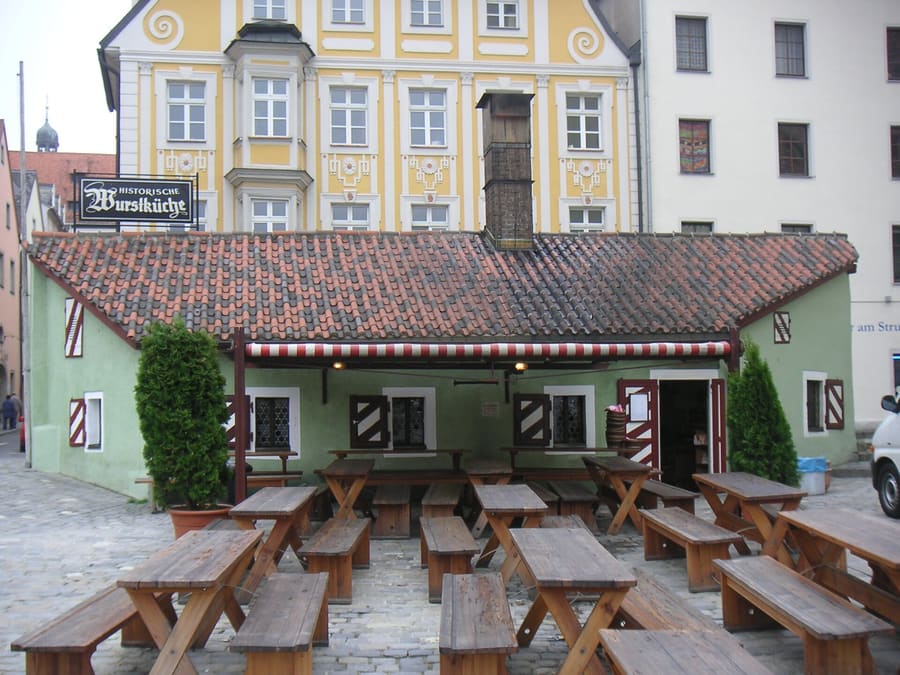
landmark
Continuous sausage kitchen operating since the 1100s. Order six sausages with sweet mustard.
Chiedi a Parley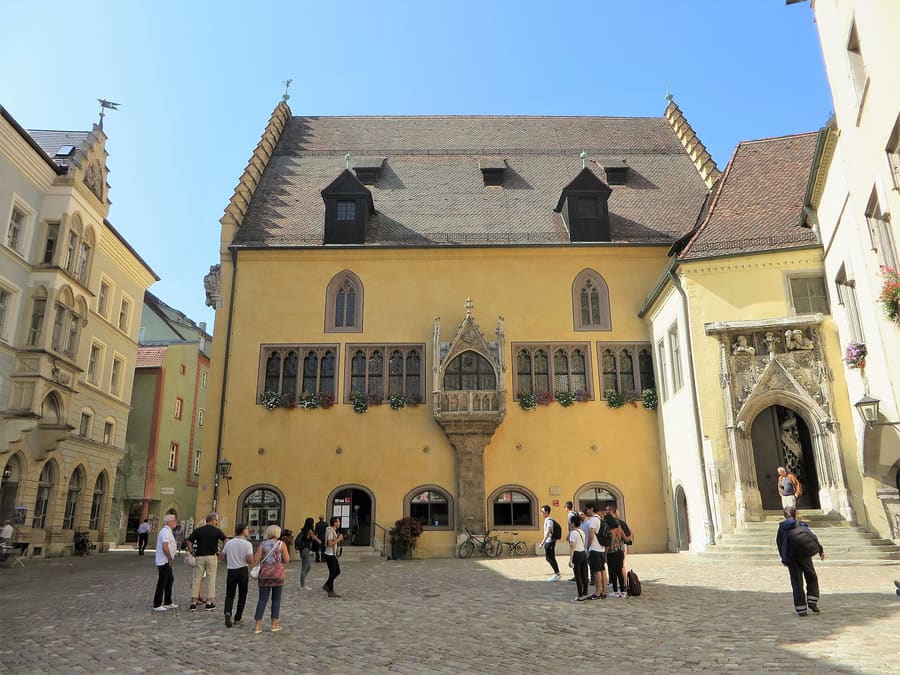
landmark
Seat of the Imperial Diet from 1663 to 1806. Join a guided tour to access the torture chamber.
Chiedi a Parley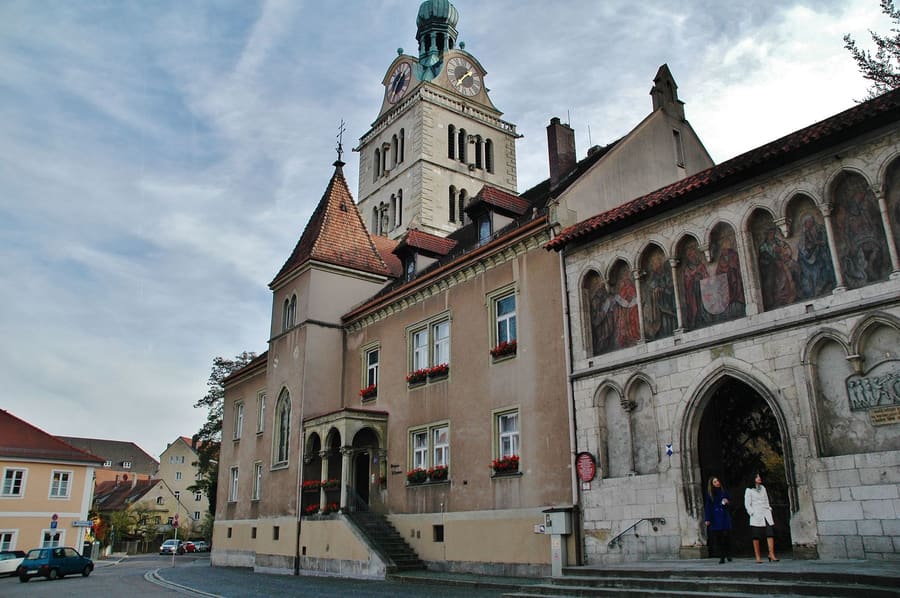
landmark
Former Benedictine monastery turned palace of the Thurn und Taxis family. Book timed entry tickets.
Chiedi a Parley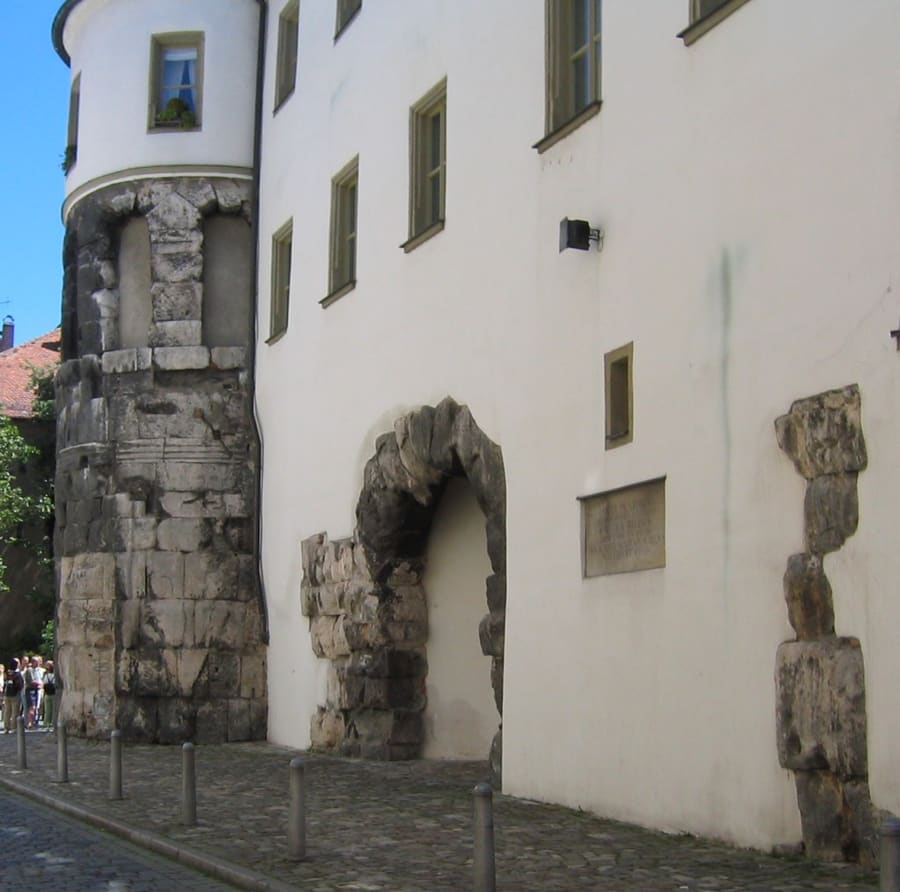
landmark
Original northern gate of the Roman fortress Castra Regina built in 179 AD.
Chiedi a Parleyattractions
areas
High medieval towers, cobble alleys, and main sightseeing hubs.
Nei dintorniStone Bridge and Cathedral
Chiedi a ParleyVillage atmosphere with beer gardens directly across the river.
Nei dintorniDanube northern bank
Chiedi a ParleyMixed residential district home to students and local bars.
Nei dintorniAlte Kapelle and Ostentor
Chiedi a ParleyGreen spaces, XIX-century villas, and quiet walking paths.
Nei dintorniStadtpark and Herzogspark
Chiedi a Parleyfood
Regensburg dining centers on traditional tavern culture and snack stalls. Local culinary identity revolves around small charcoal-grilled pork sausages served on pewter plates or rolled into bread rolls. Sweet home-made mustard and fermented sauerkraut accompany every traditional sausage order.
Six charcoal-grilled sausages served on sauerkraut at Historische Wurstkuchl.
No machine-readable author provided. Rainer Zenz assumed (based on copyright claims). · CC BY-SA 3.0Order a Knackersemmel mit allem from food stalls on Neupfarrplatz. The vendor cuts a local sausage and adds sweet mustard, horseradish, and a pickle slice.
Cross the Stone Bridge to Spitalgarten for river views. Order a Spital brewery wheat beer directly at the counter.
history
Regensburg started as a Roman fort named Castra Regina on the Danube border. During the Middle Ages, the city built its wealth through trade routes connecting Venice and Northern Europe. That prosperity financed tall Italianate tower houses that still define the skyline.
Roman Fort
Emperor Marcus Aurelius orders the construction of Castra Regina as a military base.
Stone Bridge
Workers complete the Stone Bridge, opening major trade access across the Danube.
Perpetual Diet
The Imperial Diet of the Holy Roman Empire establishes its permanent seat in the Rathaus.
World Heritage
UNESCO designates the Old Town and Stadtamhof as a protected World Heritage site.
where to stay
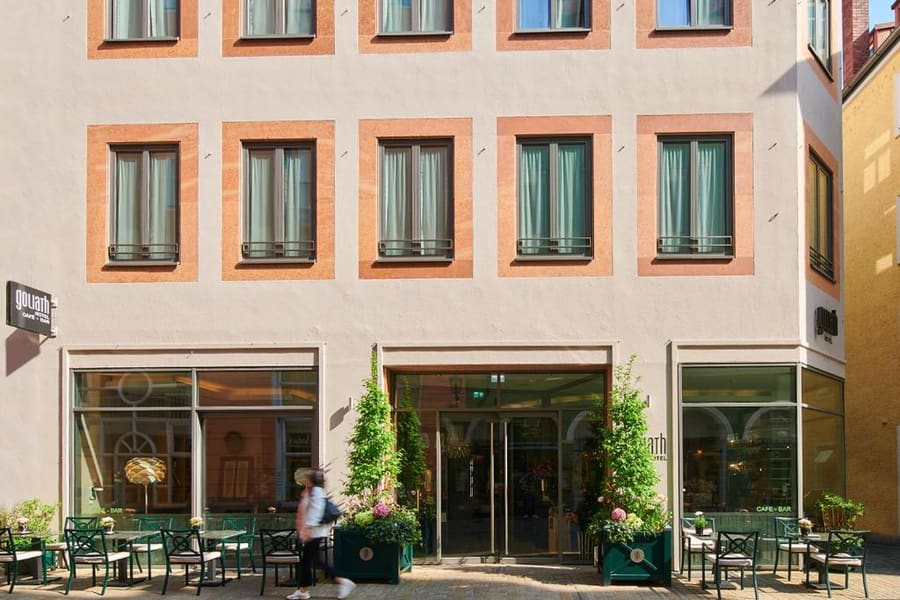
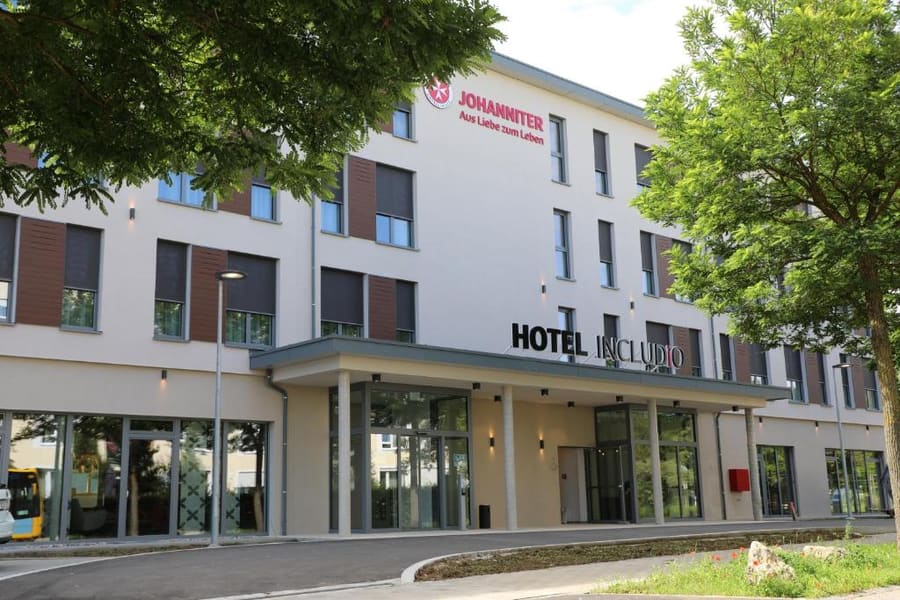
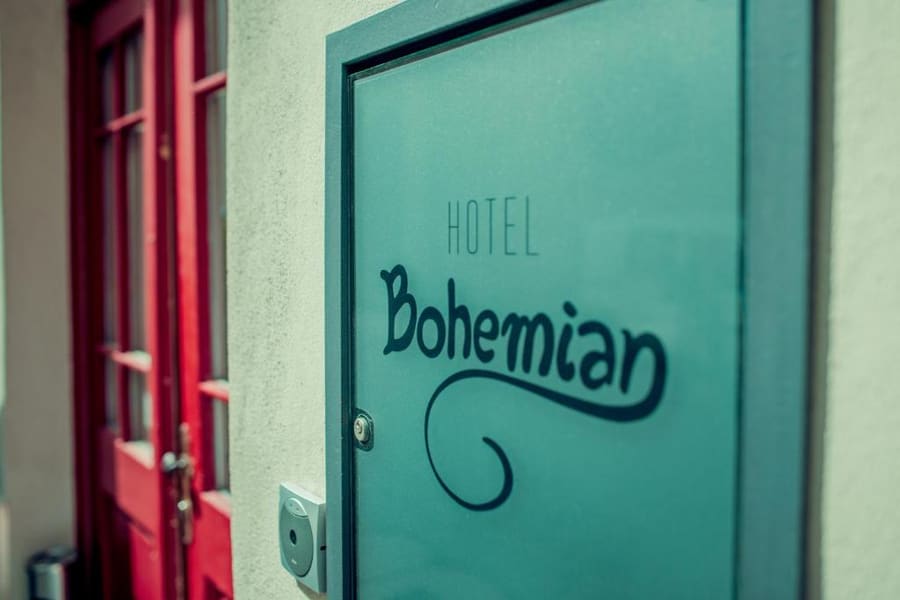
Choose your base based on transit priorities and walking distances. The Altstadt puts sights outside your door but requires navigating cobbles with luggage. Staying near the train station trade quiet alleys for direct rail connections.
Live rates, matched to the areas above.
transport
Regensburg is best navigated on foot inside the historic center. Streets in the old core are pedestrianized. Local buses operated by RVV serve outlying residential areas and nearby regional sites.
Da Munich Airport (MUC)
Direct RE 22 regional express departs hourly from the airport station.
Private taxi rides take A93 highway directly north.
Buy an RVV Einzel-Tageskarte for local bus rides across central zone 1.
Crossing the historic core from east to west takes twenty minutes on foot.
cost
Regensburg prices reflect its status as a medium Bavarian city and university hub. Expenses remain lower than Munich while exceeding small rural towns in eastern Bavaria.
Standard plate at Historische Wurstkuchl.
Main nave access carries no fee. Treasury museum requires a ticket.
Draft half-liter in traditional Old Town taverns.
Single ride valid within city zone 1.
seasonality
MAR – MAY
Cool temperatures and outdoor beer gardens open by late April.
JUN – AUG
Warmest weather brings riverfront crowds and outdoor summer events.
SEP – NOV
Autumn light on the Danube and lower visitor numbers in October.
DEC – FEB
Cold conditions with Christmas markets drawing winter crowds in December.
practicalities
The Regensburger Domspatzen boy choir sings Sunday morning mass at the cathedral.
Sausage stands on Neupfarrplatz take cash payment.
Historic center streets use rough cobblestone paving. Wear sturdy flat shoes.
Municipal restrooms operate near the Rathaus and Stone Bridge entrance for 50 cents.
Cyclists use shared paths along the Danube riverbanks. Watch for fast bike traffic.