landmark
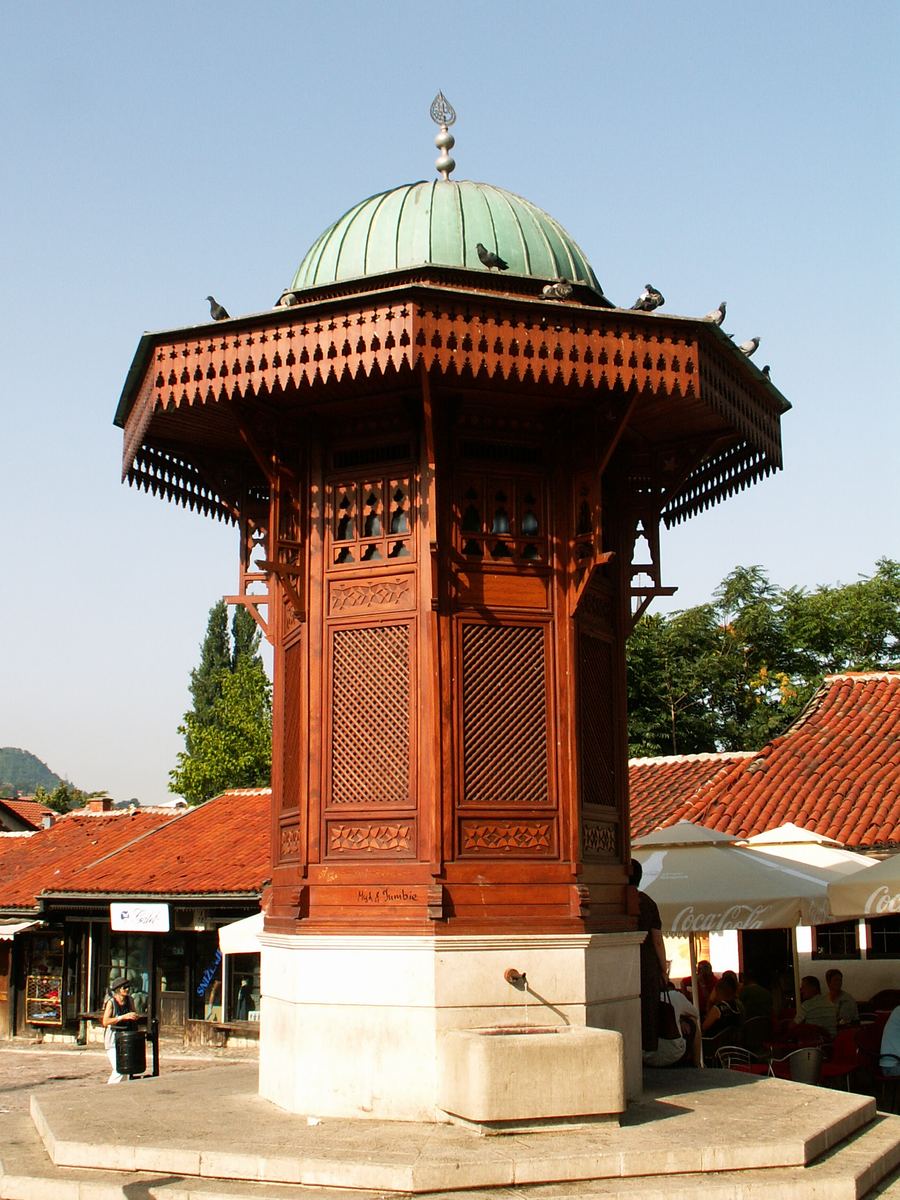
Baščaršija & Sebilj
The 15th-century Ottoman bazaar square. Visit before 09:00 to see coppersmiths open shop without tourist crowds.
Chiedi a ParleyBosnia ed Erzegovina
Ottoman alleyways, Austro-Hungarian blocks, and mountain views.
introduction
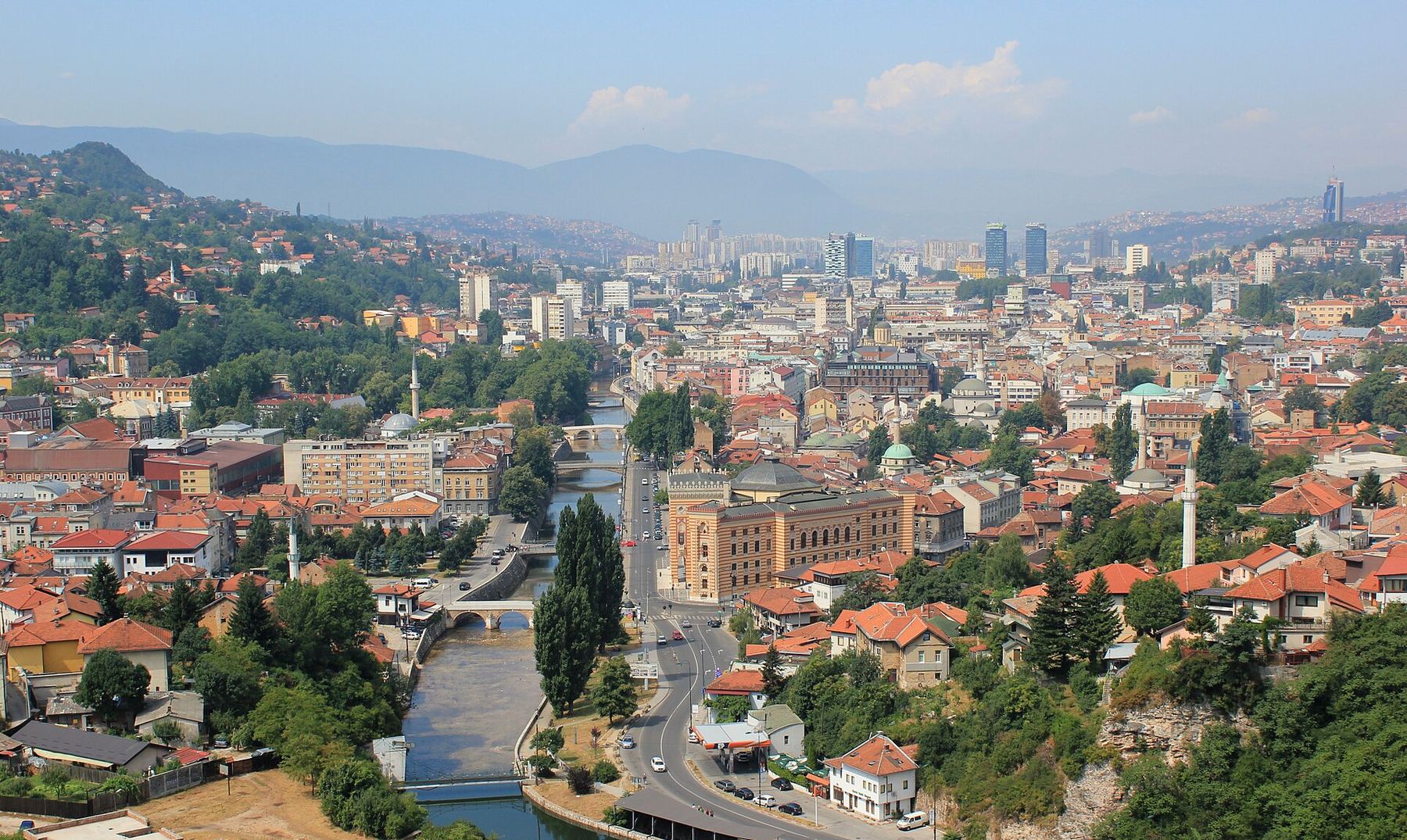
Sarajevo sits in a narrow river valley surrounded by steep Dinaric Alps. You walk from 15th-century Ottoman bazaars into 19th-century Austro-Hungarian avenues within a single block. The layout forces you to move east to west along the Miljacka River. High-altitude viewpoints frame every street corner, making orientation simple.
Airport transport option
Trolleybus line 103 departs short walk from airport gates to central Austria Square. It costs 1.80 KM versus 30 KM for airport taxis.
UNESCO designation
Sarajevo joined the UNESCO Creative Cities Network in 2019 as a City of Film, reflecting its cinematic history and major annual film festival.
Payment practicalities
Cash remains essential in Baščaršija. Small bakeries, ćevabdžinice, and public trams rarely accept credit cards, so carry Convertible Marks.
Sarajevo
Julian Nyča · CC BY-SA 3.0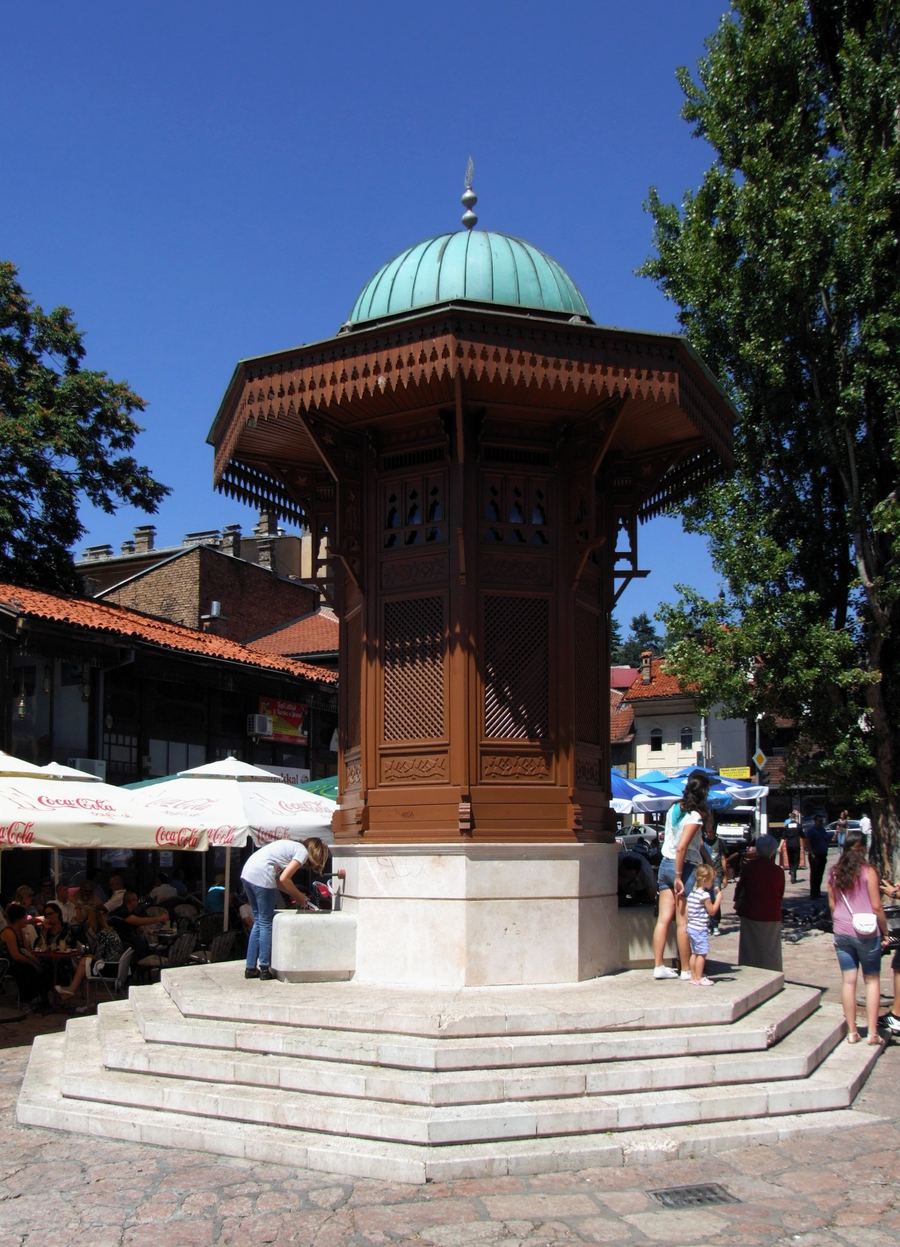
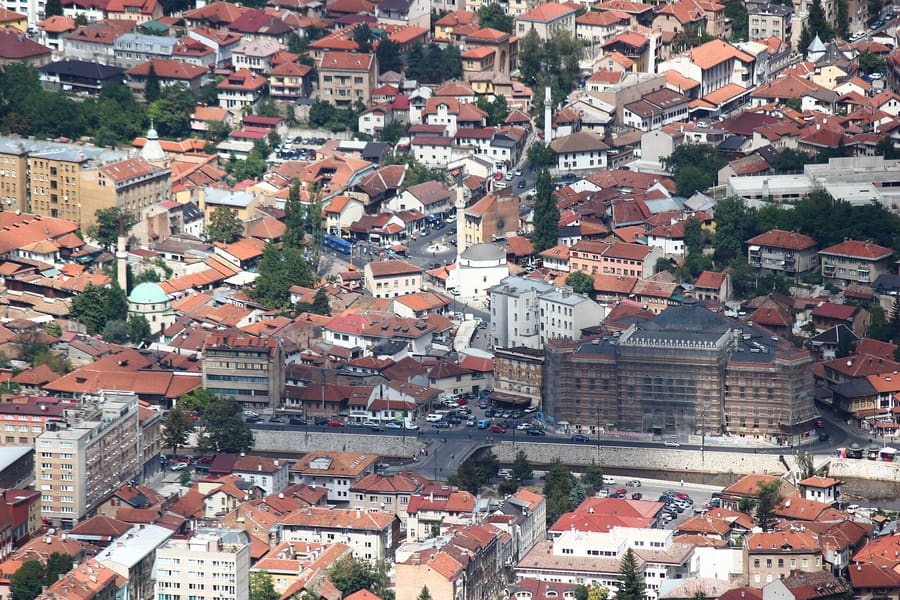
Baščaršija — Pedestrian Ottoman core with coppersmith alleys, tea houses, and historic mosques.
Pudelek (Marcin Szala) · CC BY-SA 3.0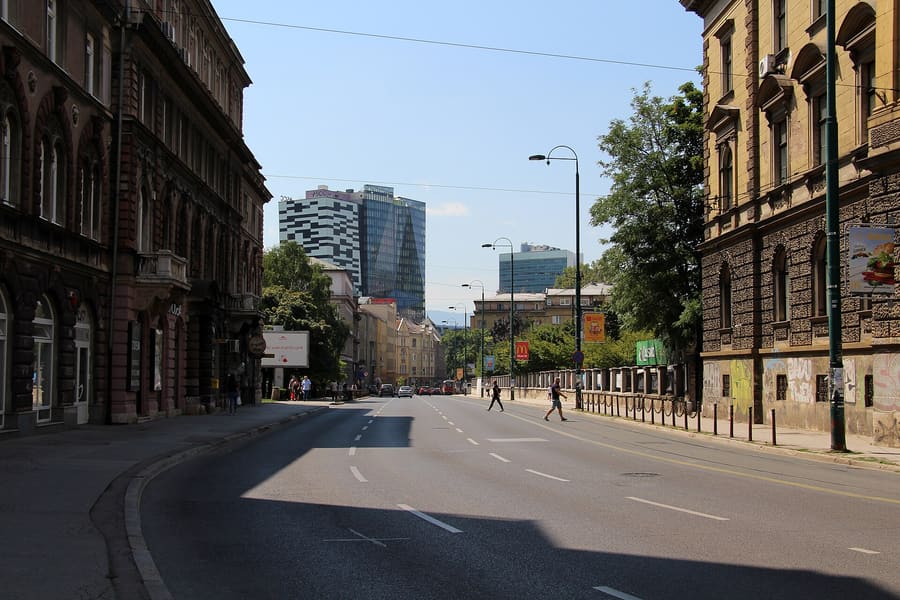
Marijin Dvor — Wide 19th-century Austro-Hungarian boulevards mixed with modern shopping centers.
Fred Romero from Paris, France · CC BY 2.0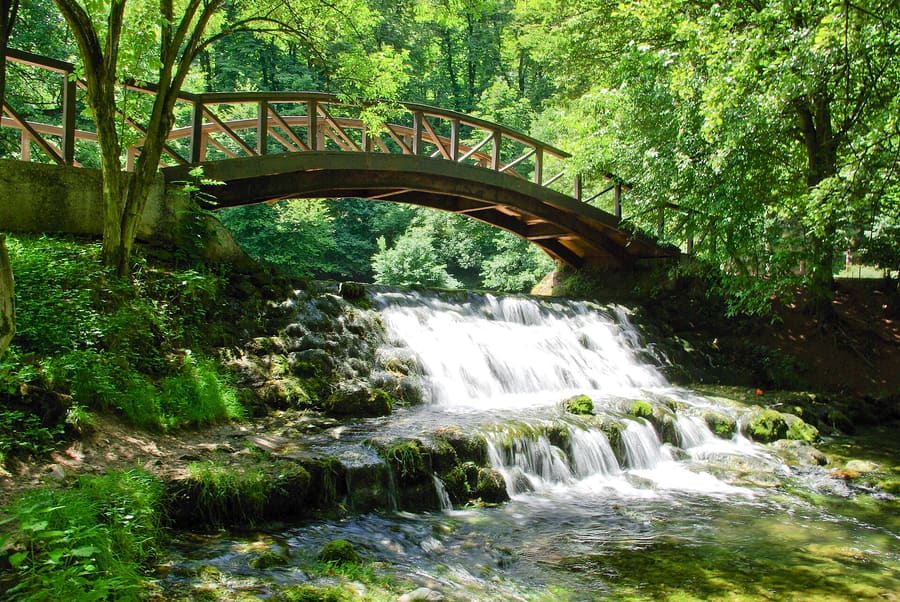
Ilidža — Suburban green district at the base of Mount Igman, famous for thermal springs.
rejflinger from Vienna, Austria · CC BY 2.0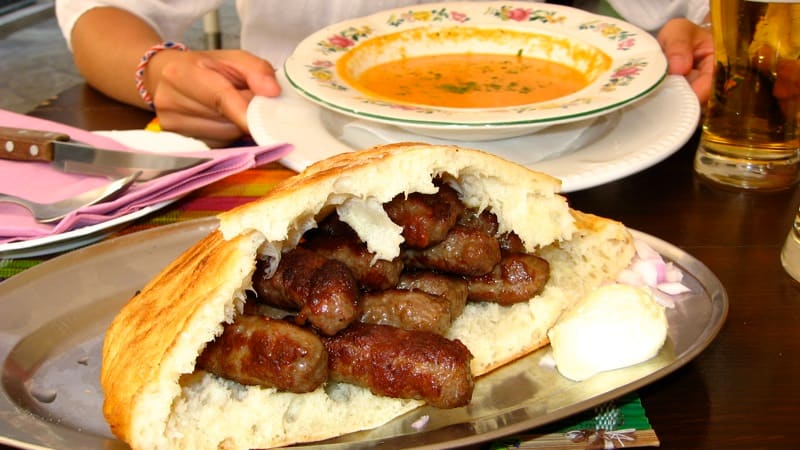
Fresh ćevapi served in somun flatbread with onions and kaymak.
Christian Paul from Vancouver, Canada · CC BY-SA 2.0highlights
landmark
The 15th-century Ottoman bazaar square. Visit before 09:00 to see coppersmiths open shop without tourist crowds.
Chiedi a Parley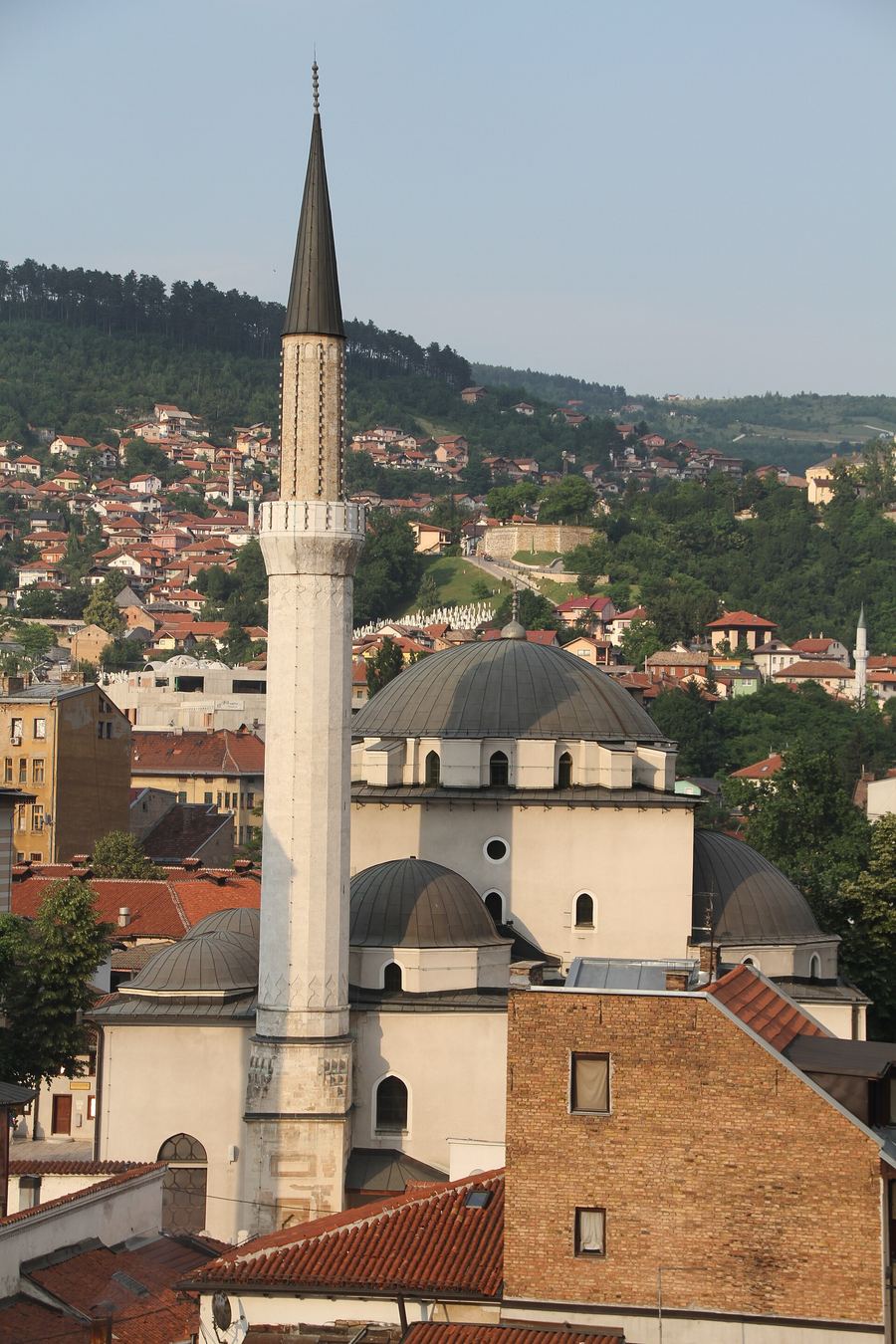
landmark
Principal Ottoman mosque built in 1532. Non-Muslims enter outside prayer hours for a 3 KM entry fee.
Chiedi a Parley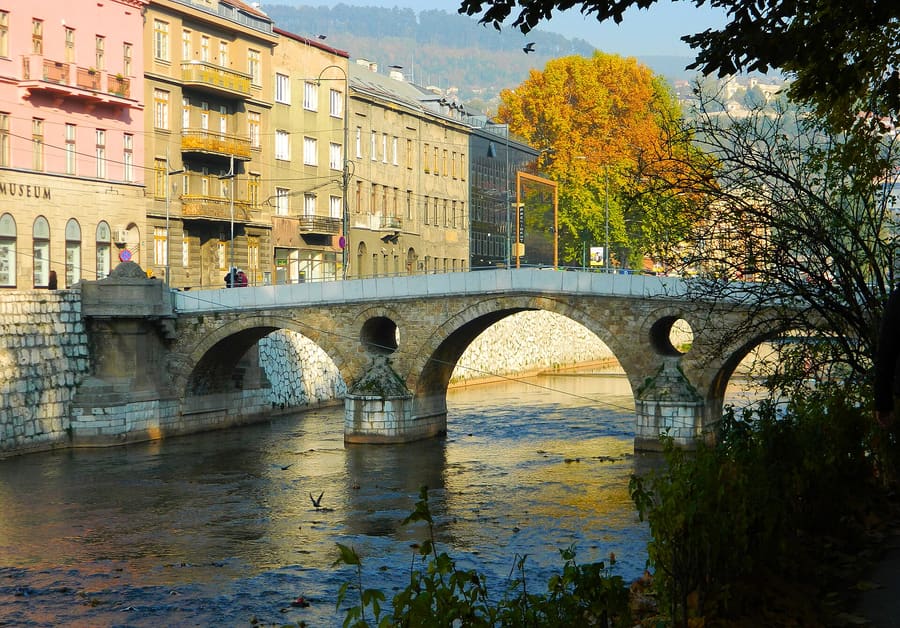
landmark
Site of Archduke Franz Ferdinand's assassination in 1914. The corner museum costs 10 KM and takes 20 minutes.
Chiedi a Parley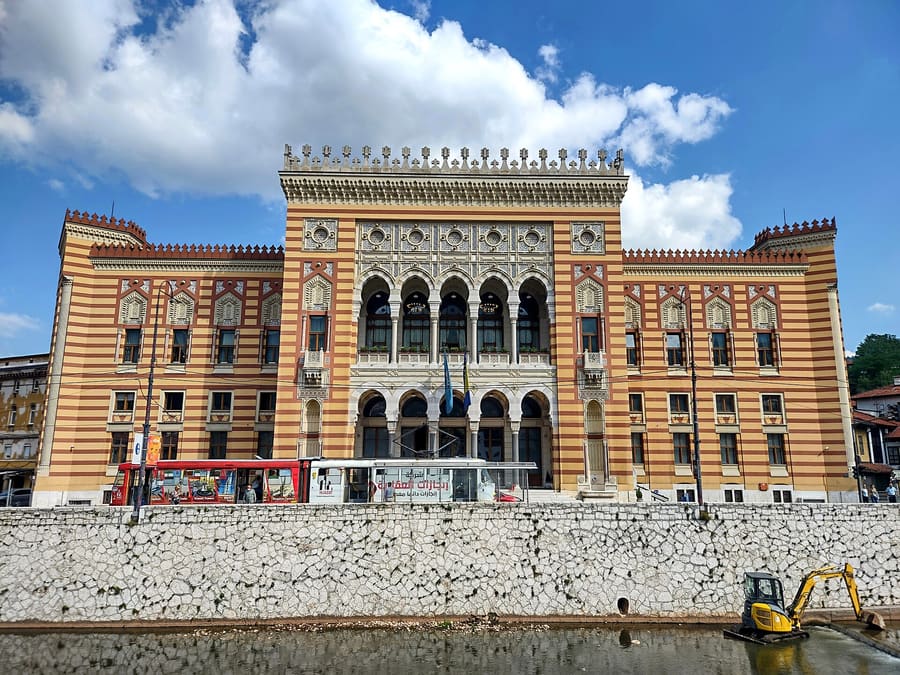
landmark
Restored Neo-Moorish landmark housing municipal archives. Entry costs 12 KM and includes the central stained-glass atrium.
Chiedi a Parley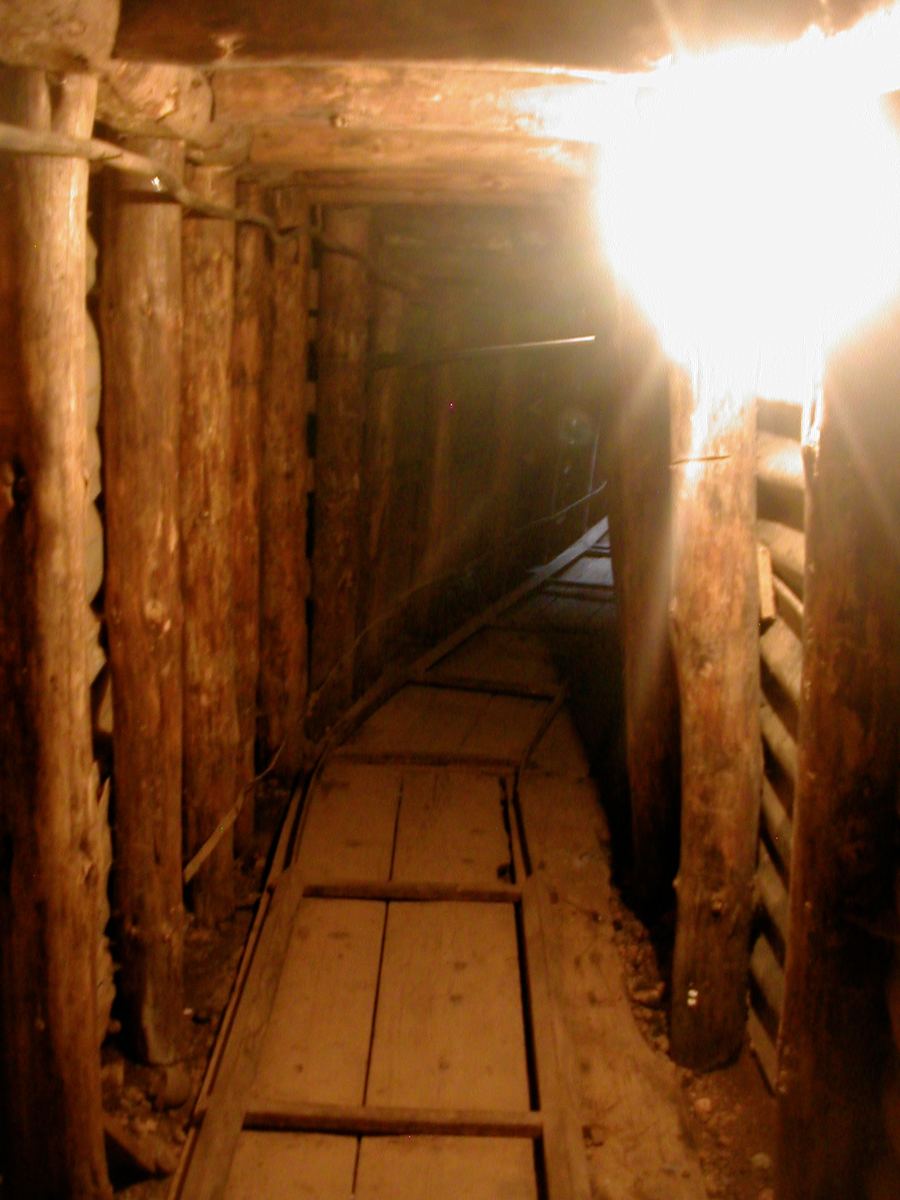
landmark
Hand-dug wartime lifeline under the airport runway. Take bus 32a from Ilidža or book a direct cab to skip transfers.
Chiedi a Parleyattractions
areas
Pedestrian Ottoman core with coppersmith alleys, tea houses, and historic mosques.
Nei dintorniGazi Husrev-beg Mosque, Sebilj, and Vijećnica.
Chiedi a ParleyWide 19th-century Austro-Hungarian boulevards mixed with modern shopping centers.
Nei dintorniNational Museum, Parliament, and SCC Mall.
Chiedi a ParleySuburban green district at the base of Mount Igman, famous for thermal springs.
Nei dintorniVrelo Bosne springs and Tunnel Museum.
Chiedi a ParleyQuiet hillside residential zone offering city views and residential local taverns.
Nei dintorniYellow Fortress and Bjelave Observatory.
Chiedi a Parleyfood
Sarajevo food relies on high-quality meat, slow baking, and Ottoman tradition. You order ćevapi by count—five or ten pieces—served in pillowy somun flatbread with raw diced onions and kaymak cream. Local aščinice offer pre-made stews like sahan and bosanski lonac served from copper dishes display counters.Bosnian coffee is brewed in a copper džezva and served on a tin tray with Turkish delight. It is not Turkish coffee; the water boils before coffee grounds are added, creating a distinct foam profile. You pour it yourself after letting sediment settle.
Fresh ćevapi served in somun flatbread with onions and kaymak.
Christian Paul from Vancouver, Canada · CC BY-SA 2.0Order ćevapi at dedicated ćevabdžinice like Ćevabdžinica Željo or Petica. They do not serve alcohol or espresso.
Pekaras sell sirnica (cheese) and krompiruša (potato) burek by weight starting at 06:00. Burek with meat is only called burek.
Drink coffee slowly at traditional cafes along Kovači street. Take a bite of sugar cube before sipping black coffee.
Traditional aščinice and small pie shops operate cash-only. Check for credit card stickers before taking a seat.
history
Founded in 1461 by Ottoman governor Isa-beg Ishaković, Sarajevo grew into a major trade hub connecting Istanbul to Western Europe. Austro-Hungarian rule from 1878 modernized municipal infrastructure, installing a horse-drawn tram line in 1885 and introducing electric trams in 1895.Twentieth-century events reshaped the city repeatedly. The 1914 assassination of Archduke Franz Ferdinand triggered World War I. Decades later, the 1984 Winter Olympics showcased a modern Yugoslav city, before the 1,425-day siege from 1992 to 1996 damaged infrastructure and left enduring historical marks across the urban landscape.
Ottoman foundation
Isa-beg Ishaković establishes Sarajevo, constructing a mosque, market, public bath, and governor's palace.
Austro-Hungarian control
Austria-Hungary takes administrative control, introducing Western architecture and modern electric public transit.
Assassination at Latin Bridge
Gavrilo Princip shoots Archduke Franz Ferdinand, triggering European alliances into World War I.
XIV Winter Olympics
Sarajevo hosts the Winter Olympic Games, constructing mountain venues on Bjelašnica, Jahorina, and Trebević.
Siege of Sarajevo
The city endures the longest siege in modern warfare history, relying on the hand-dug airport tunnel for supplies.
where to stay
Choose your location based on walkability and terrain preference. Staying in Baščaršija puts you steps from dining and historic sights on flat stone streets. Marijin Dvor offers modern hotel towers with underground parking and tram access. Hillside quarters like Bjelave offer residential quiet but require climbing steep steps back to your hotel.
transport
Sarajevo transit operates east-west along the valley floor. Trams run along the main thoroughfare between Baščaršija and Ilidža. Trolleybuses cover southern riverbank routes, while minibuses climb steep northern hillside residential streets from the Baščaršija terminal.
Da Sarajevo International Airport (SJJ)
Confirm price with driver before luggage loading or insist on meter.
Centrotrans airport shuttle runs directly to Baščaršija matching flight arrivals.
Buy single transit tickets for 1.80 KM at news kiosks before boarding. Validate immediately in orange punch machines inside.
Use dispatched radio cabs like Sarajevo Taxi or Crveni Taxi. Avoid unmarked street drivers waiting directly outside tourist spots.
Hillside minibuses depart from terminals near Vijećnica. Service drops off sharply after 21:00 on weeknights.
Public transit drivers and kiosks accept cash only. Keep small coin denominations for buying bus tickets.
cost
Bosnia uses the Convertible Mark (BAM / KM), pegged to the Euro at approximately 1.95 KM per 1 EUR. Cash remains dominant for daily expenses outside major international hotel chains. Standard ATMs charge transaction fees for foreign card withdrawals.
Ten-piece ćevapi serving in somun flatbread at traditional old town restaurants.
Served in copper džezva set in Baščaršija cafes.
Valid for single trip on tram, bus, or trolleybus networks.
Round-trip tourist fare for adult cable car transit to mountain summit.
seasonality
MAR – MAY
Mild temperatures and blooming hillsides. Mountain hiking trails open by late April.
JUN – AUG
Hot summer days with outdoor cafe seating. Sarajevo Film Festival in August brings heavy accommodation bookings.
SEP – NOV
Cool clear days ideal for city walking. Winter smog begins settling in valley basin by late November.
DEC – FEB
Cold winters with nearby ski seasons at Jahorina. Smog concentrates in valley floor; mountain cable car gets you above inversion.
practicalities
Thermal inversion traps wood smoke and vehicle emissions in winter valley basin. Check AQI app before outdoor activities.
Remove shoes at entry. Women cover shoulders and hair with provided headscarves inside active prayer halls.
Exchange bureaus offer fixed peg rates for Euros without high spreads. ATMs charge local bank service fees.
Supermarkets and major pharmacy chains close early or remain shut on Sundays outside tourist quarters.
Stick to paved paths and marked hiking trails on former frontlines around Mount Trebević and Igman.