landmark
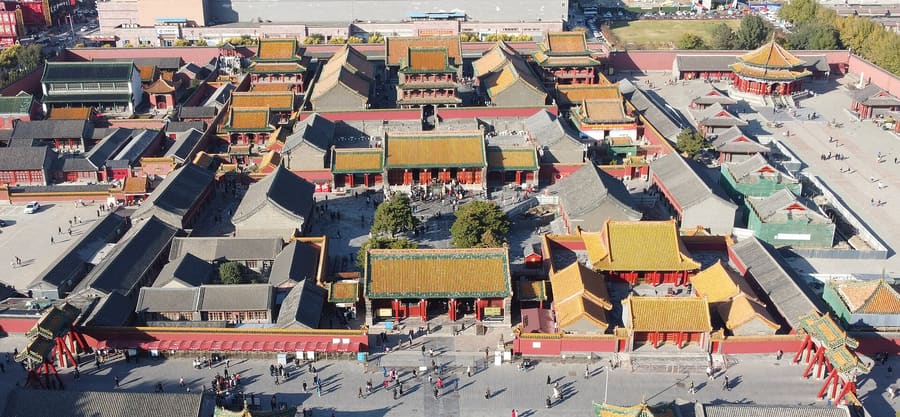
Mukden Palace
The early imperial palace of the Qing dynasty. Purchase entry online to bypass main ticket gate queues.
Chiedi a ParleyCina
The Qing dynasty's first capital and industrial heartland.
introduction
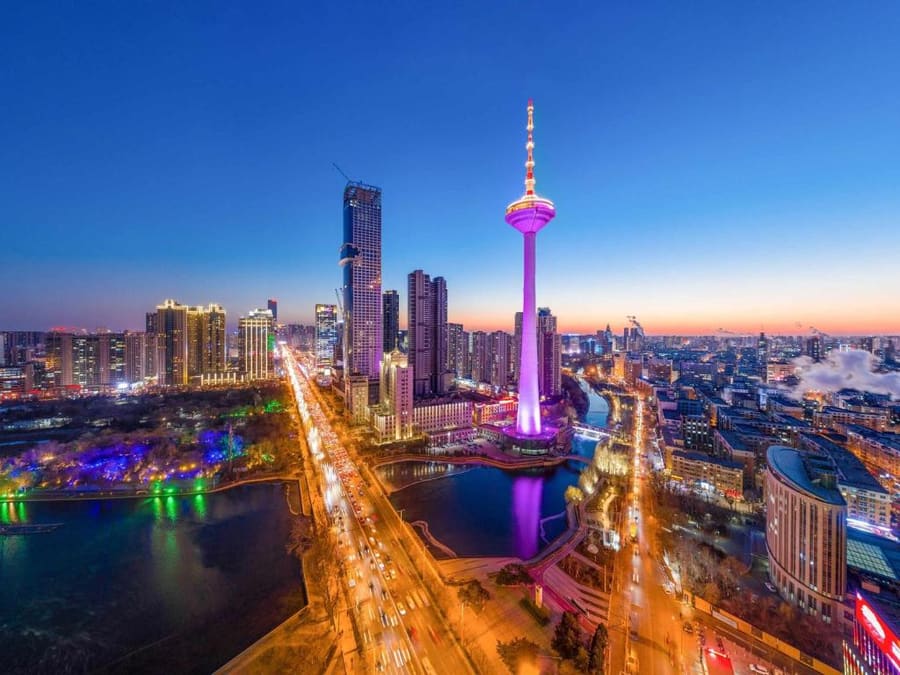
Shenyang sits as Northeast China's historic capital and industrial crossroads. You navigate the city primarily along Metro Lines 1 and 2, which cross at Qingnian Dajie (Youth Avenue) station. Expect heavily preserved early-Qing imperial monuments alongside post-industrial urban districts. Temperature swings run extreme, requiring warm layers in winter and light cotton in summer.
UNESCO World Heritage Site
Mukden Palace and the Imperial Tombs hold UNESCO World Heritage status. They showcase early Qing dynasty architecture before the capital moved to Beijing.
Museum reservations
The Liaoning Provincial Museum requires advance booking via its WeChat mini-program. Book three days ahead to secure morning entry.
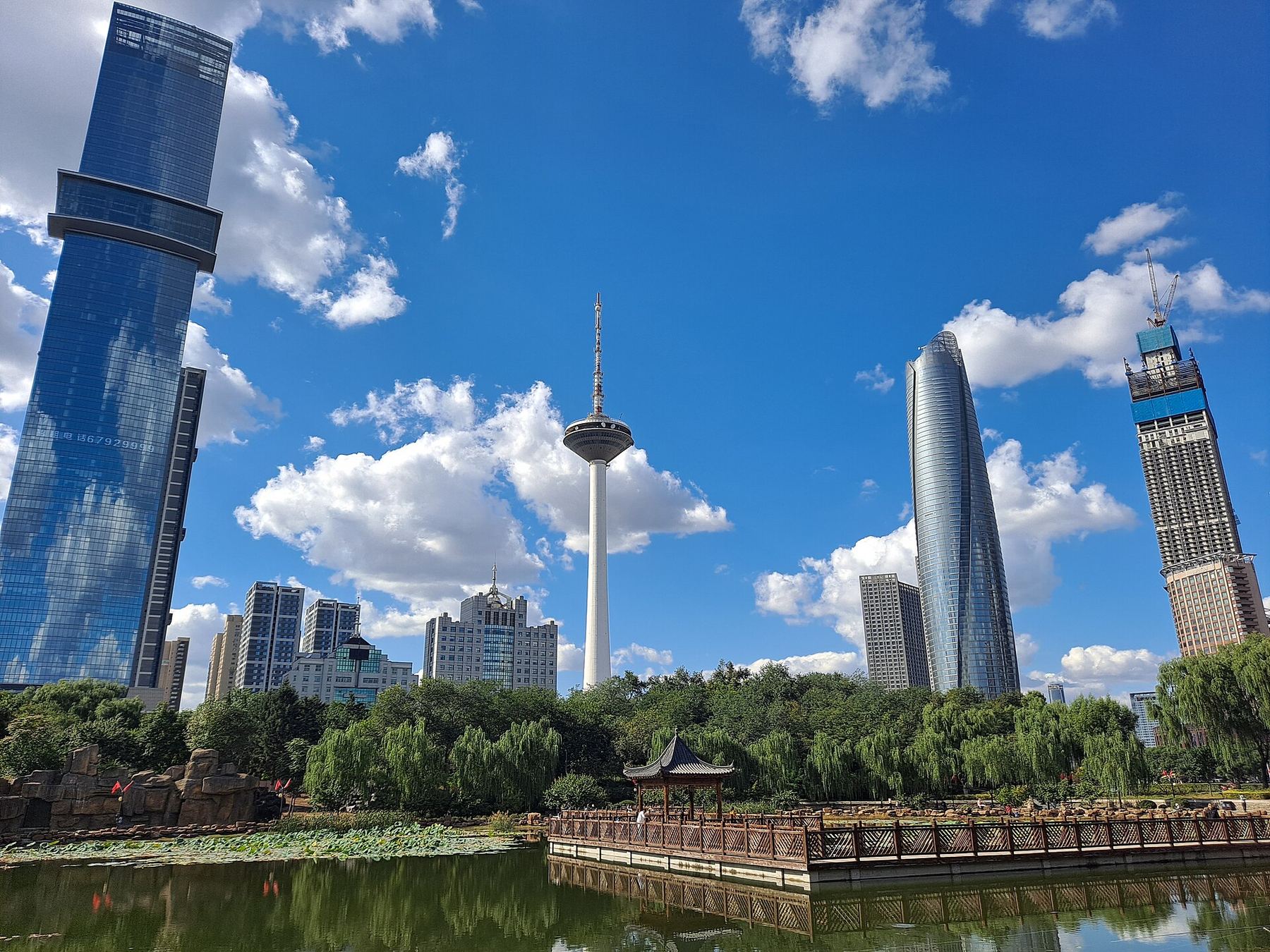
Shenyang
Techyan · CC BY-SA 4.0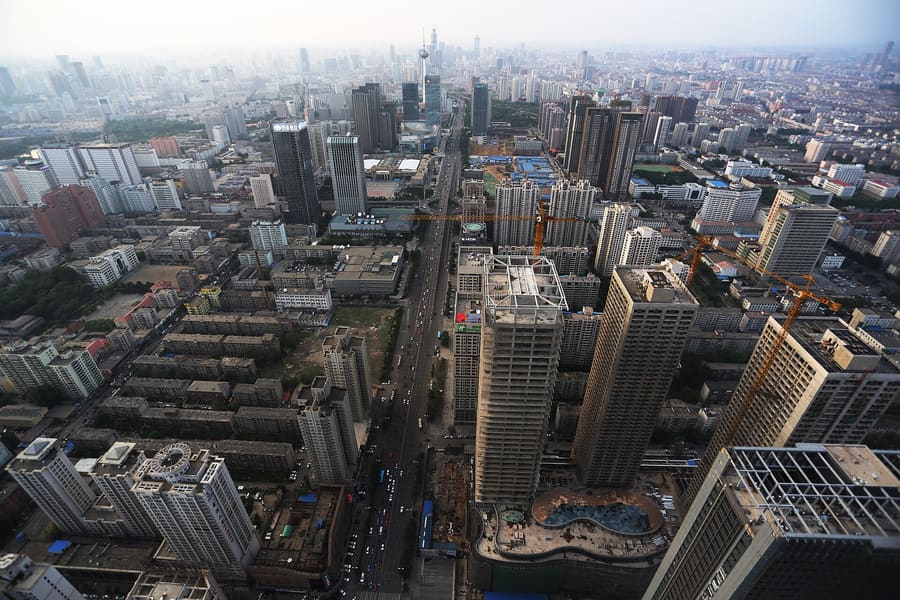
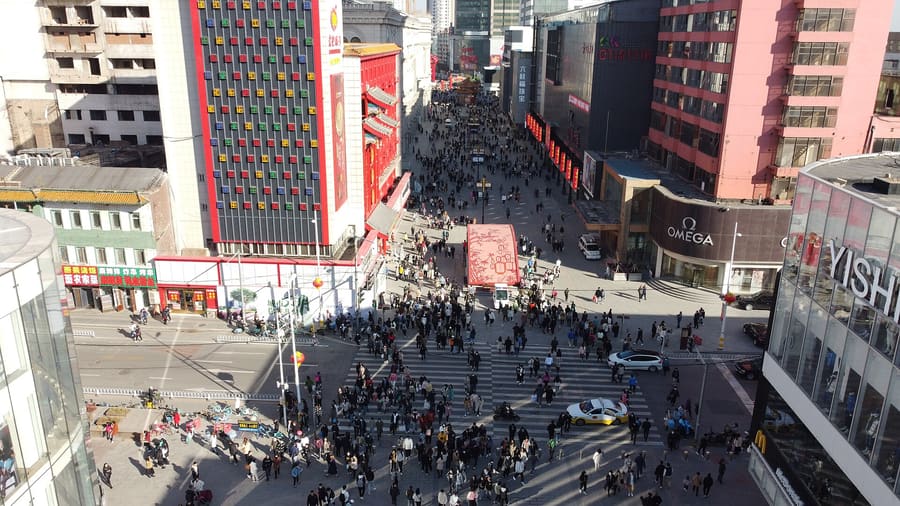
Shenhe — Imperial landmarks and pedestrian shopping avenues form the historic heart of the city.
ecabal · CC BY-SA 3.0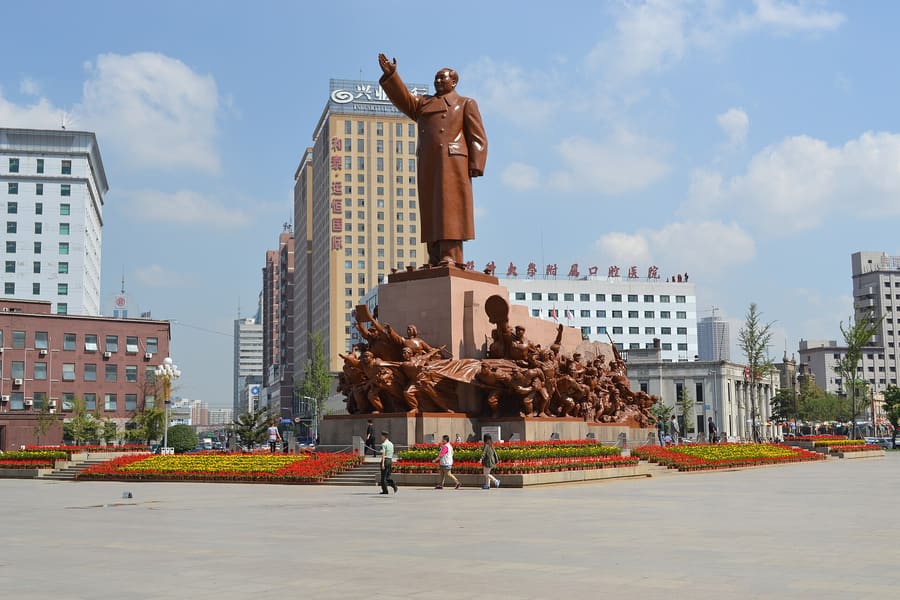
Heping — A commercial district featuring a major Korean food enclave and busy department stores.
もんじゃ · CC BY-SA 4.0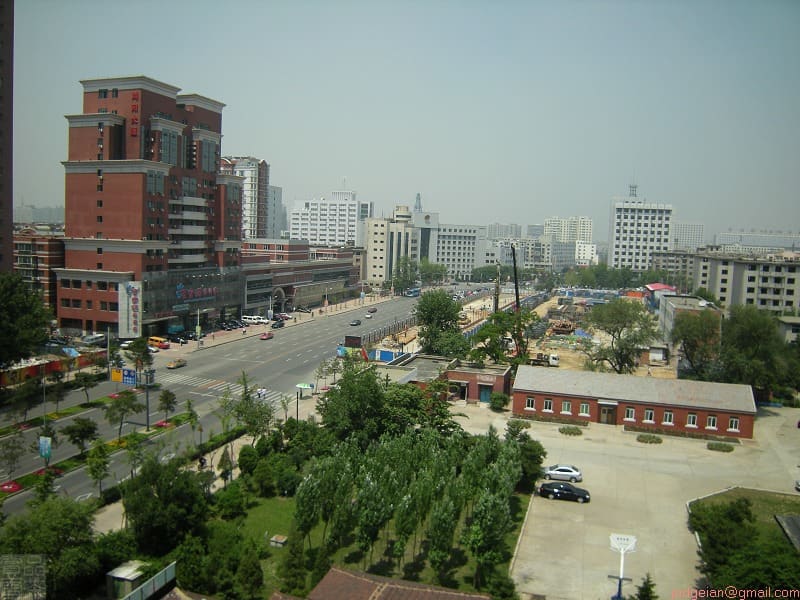
Huanggu — A quiet residential zone anchored by extensive green space surrounding the Northern Tomb.
George Wenn · CC BY-SA 3.0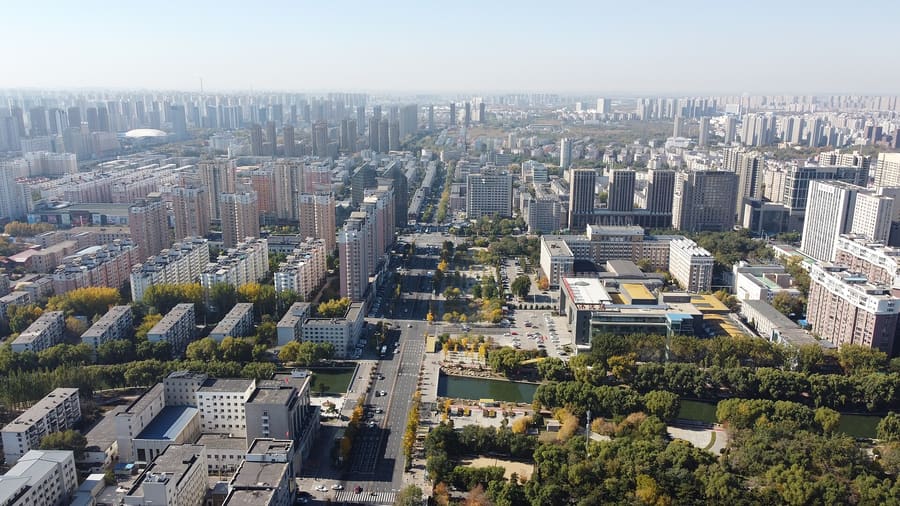
Hunnan — A spacious modern area south of the river housing major museums and modern high-rises.
Techyan · CC BY-SA 4.0highlights
landmark
The early imperial palace of the Qing dynasty. Purchase entry online to bypass main ticket gate queues.
Chiedi a Parley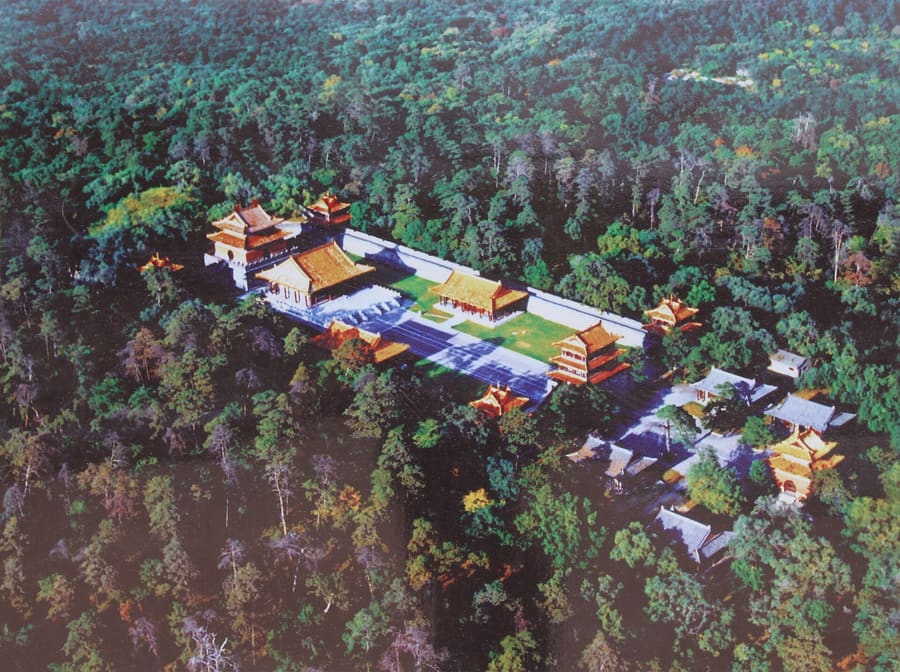
landmark
The burial site of Qing founder Nurhaci. Climb the 108 stone steps for views over the east park forested ridge.
Chiedi a Parley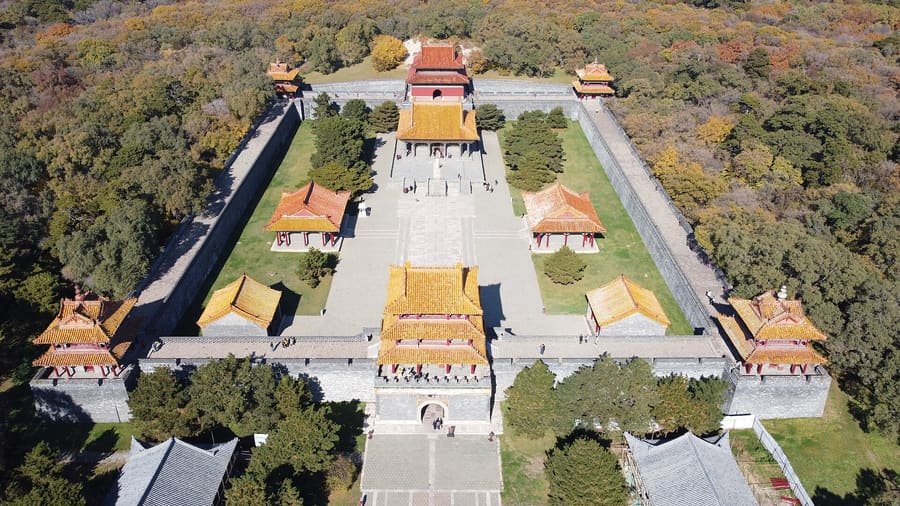
landmark
Set within Beiling Park, this tomb holds Huang Taiji. Enter through the south gate to access the historic inner sacristy.
Chiedi a Parley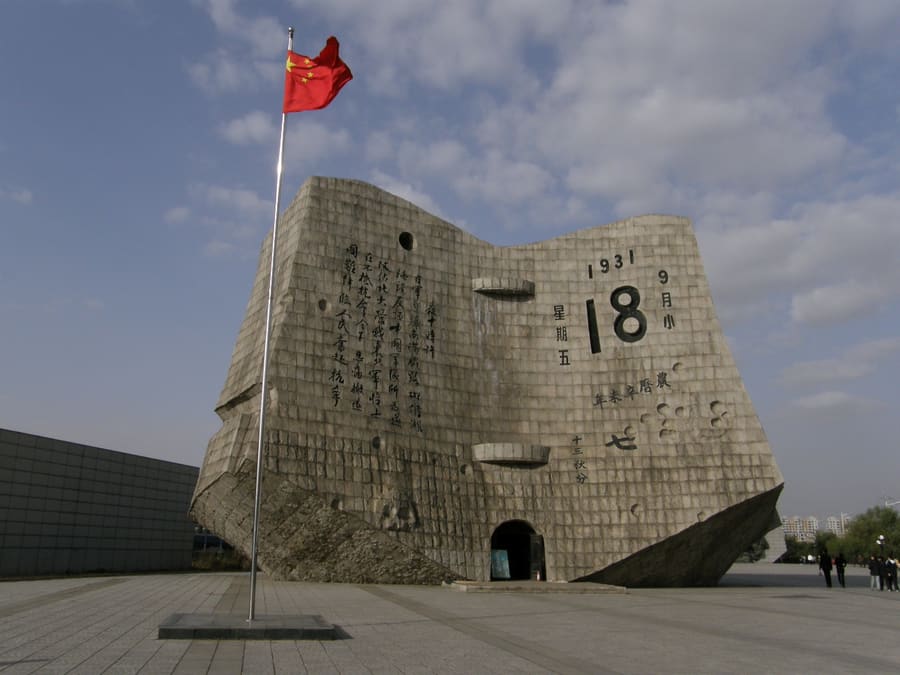
landmark
Exhibits detailing the 1931 Mukden Incident. Entry is free but requires presenting a passport at the gate.
Chiedi a Parley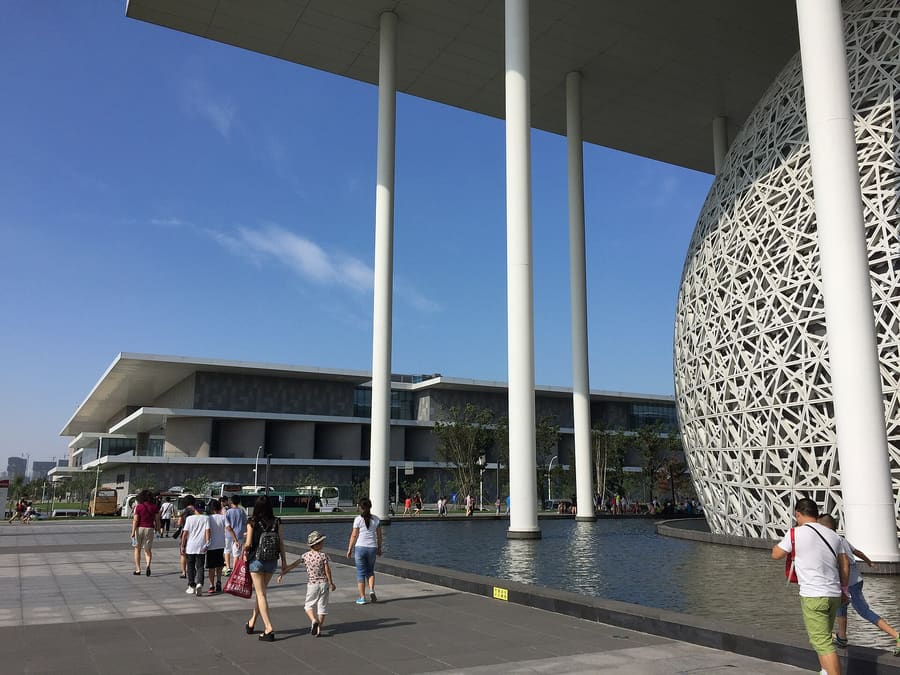
landmark
One of China's largest regional museums, featuring ancient calligraphy and bronzes. Take Metro Line 2 directly to Provincial Museum.
Chiedi a Parley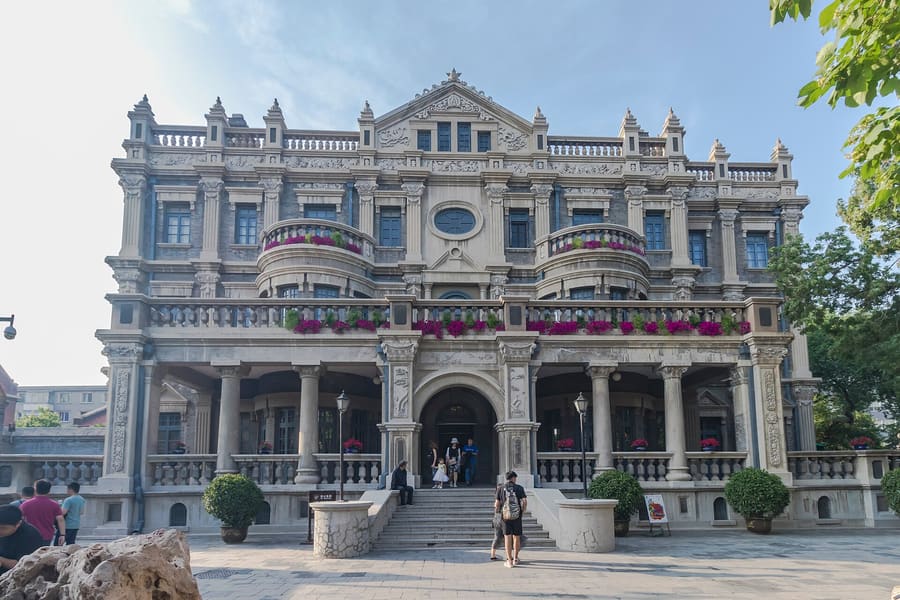
landmark
Home of warlord Zhang Zuolin, mixing traditional courtyard style with European stone architecture. Located south of Zhongjie.
Chiedi a Parleyattractions
areas
Imperial landmarks and pedestrian shopping avenues form the historic heart of the city.
Nei dintorniMukden Palace, Zhongjie Street, Marshal Zhang's Mansion
Chiedi a ParleyA commercial district featuring a major Korean food enclave and busy department stores.
Nei dintorniXitaye Market, Shenyang Railway Station, Zhongshan Park
Chiedi a ParleyA quiet residential zone anchored by extensive green space surrounding the Northern Tomb.
Nei dintorniBeiling Park, Zhaoling Tomb, Liaoning University
Chiedi a ParleyA spacious modern area south of the river housing major museums and modern high-rises.
Nei dintorniLiaoning Provincial Museum, Shenyang Science Center, Taoxian Airport
Chiedi a Parleyfood
Visit at 11:00 or 17:00 to avoid long queues at the historic Zhongjie location.
Order Suan Cai Bai Rou in winter; fermented Chinese cabbage cuts through rich pork belly.
history
Shenyang transformed from a border fort into the political center of the Jurchen people under Nurhaci. The Qing dynasty maintained the city as a secondary capital after shifting its court to Beijing in 1644. In the twentieth century, industrialization and rail expansion turned the city into a strategic battleground and manufacturing base.
Manchu Capital
Nurhaci moves the Manchu capital to Shenyang, initiating construction on Mukden Palace.
Secondary Capital
The Qing dynasty moves its primary capital to Beijing. Shenyang remains a preserved imperial site.
Russo-Japanese War
The Battle of Mukden ends Russian military presence, transferring railway control to Japan.
Mukden Incident
A railway explosion triggers Japanese occupation across Manchuria.
Industrial Expansion
Shenyang becomes a primary state heavy-manufacturing hub under China's industrial plans.
where to stay
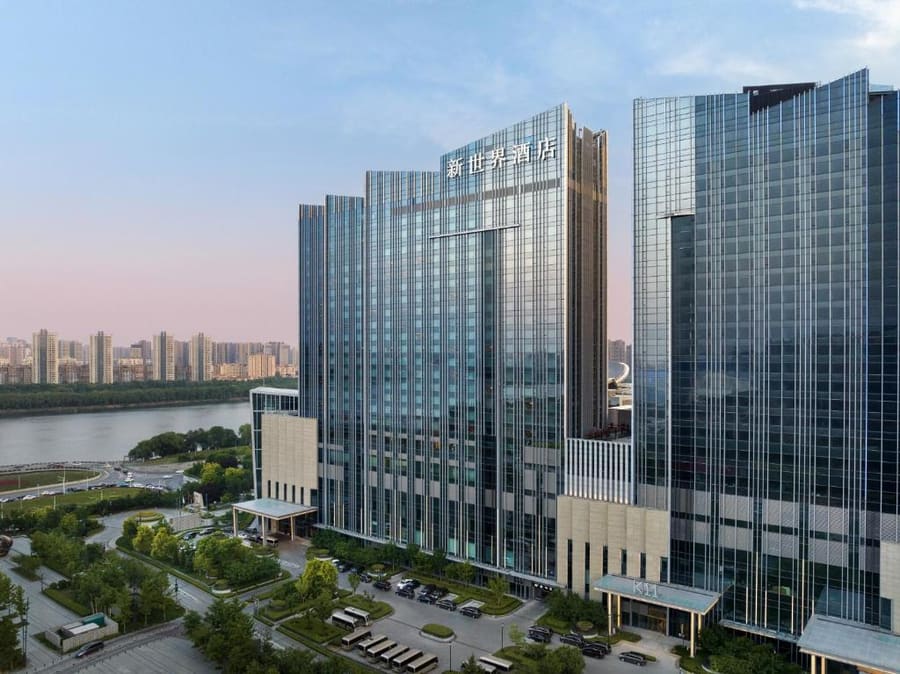
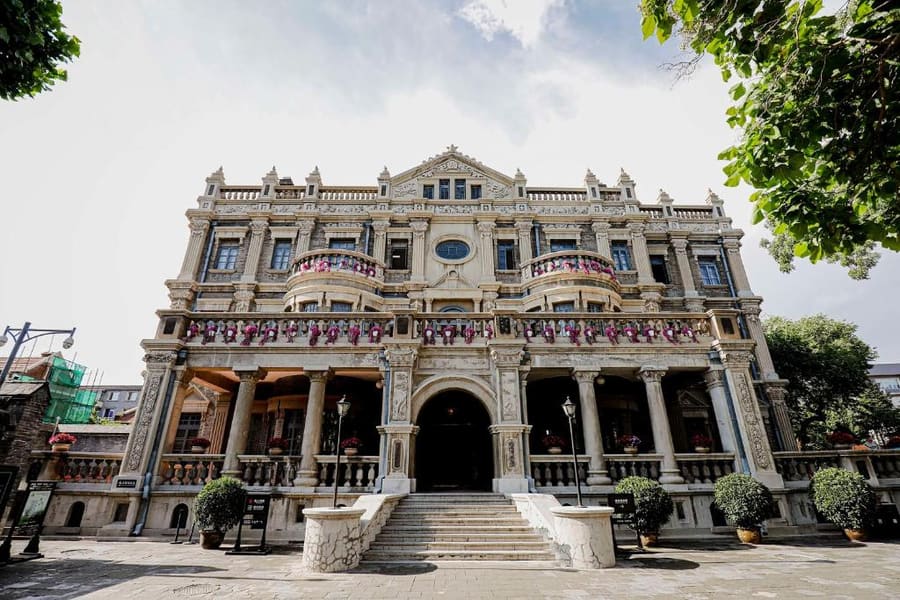
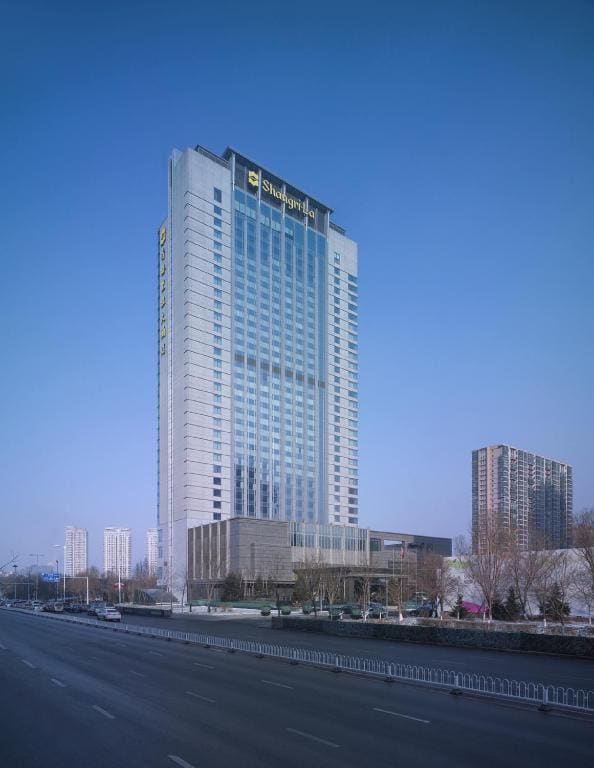
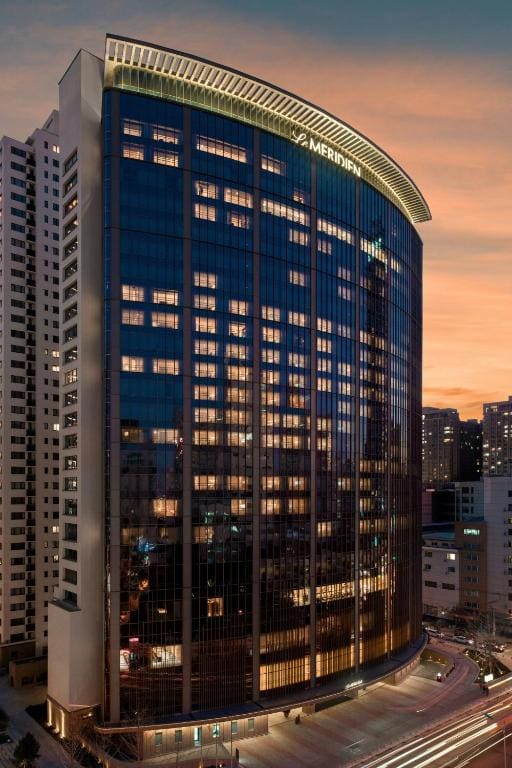
Choose your hotel based on rail connectivity and daily priorities. Staying in Shenhe places you within walking distance of Qing sites. Heping gives you immediate access to late-night dining, while Hunnan suits travelers prioritizing modern space and direct airport train lines.
Live rates, matched to the areas above.
transport
Shenyang's transit grid uses clean underground metro lines and high-speed rail connections. The subway covers all central districts efficiently. Taxis and rideshare services run constantly, though subway travel avoids surface road congestion during winter rush hours.
Da Shenyang Taoxian International Airport (SHE)
Use official queues outside arrivals; highway toll fees are added to the meter total.
Buses run to Shenyang North Station following scheduled domestic flight arrivals.
Scan the Alipay Metro QR code directly at turnstiles without purchasing paper tokens.
Tram Lines 1 and 2 operate in the southern district with flat 2 RMB fares.
Sub-zero ice conditions slow surface roads from December to February; rely on underground rail.
cost
Shenyang offers significantly lower travel costs than Beijing or Shanghai. Daily spending goes mostly toward attraction tickets and specialized dining, while public transport remains inexpensive.
Liaoning Provincial Museum requires advance digital reservation but no ticket fee.
Adult admission rate; book online using a passport number.
seasonality
MAR – MAY
Cool temperatures and spring winds; bring a windbreaker for park walking.
JUN – AUG
Warm summer weather with short rain showers; peak domestic tourism period.
SEP – NOV
Crisp autumn air and clear skies; ideal conditions for exploring tomb grounds.
DEC – FEB
Sub-zero temperatures and ice festivals; heavy thermal outerwear is mandatory.
practicalities
Shenyang runs on China Standard Time (UTC+8) year-round without daylight saving changes.
Mandarin is universal; subway signs show English, but English is rare in local restaurants.
WeChat Pay and Alipay manage almost all transactions; carry your passport for identity checks.
Sunlight drops before 16:30 in midwinter; complete outdoor sightseeing before early afternoon.
Winter heating season raises particulate counts; check real-time AQI indexes during winter visits.