landmark
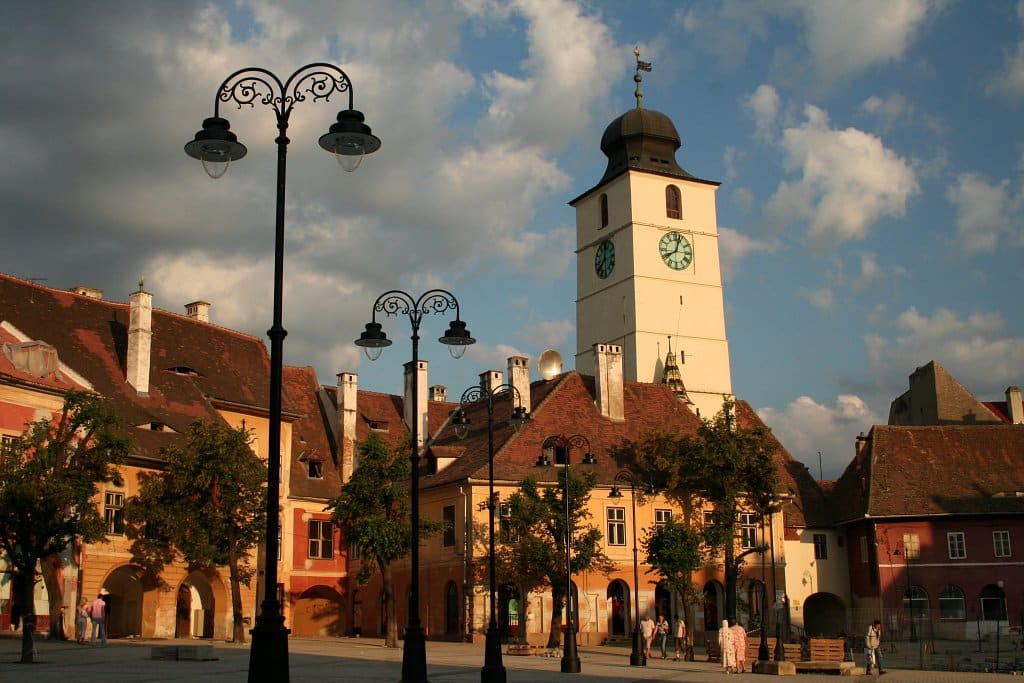
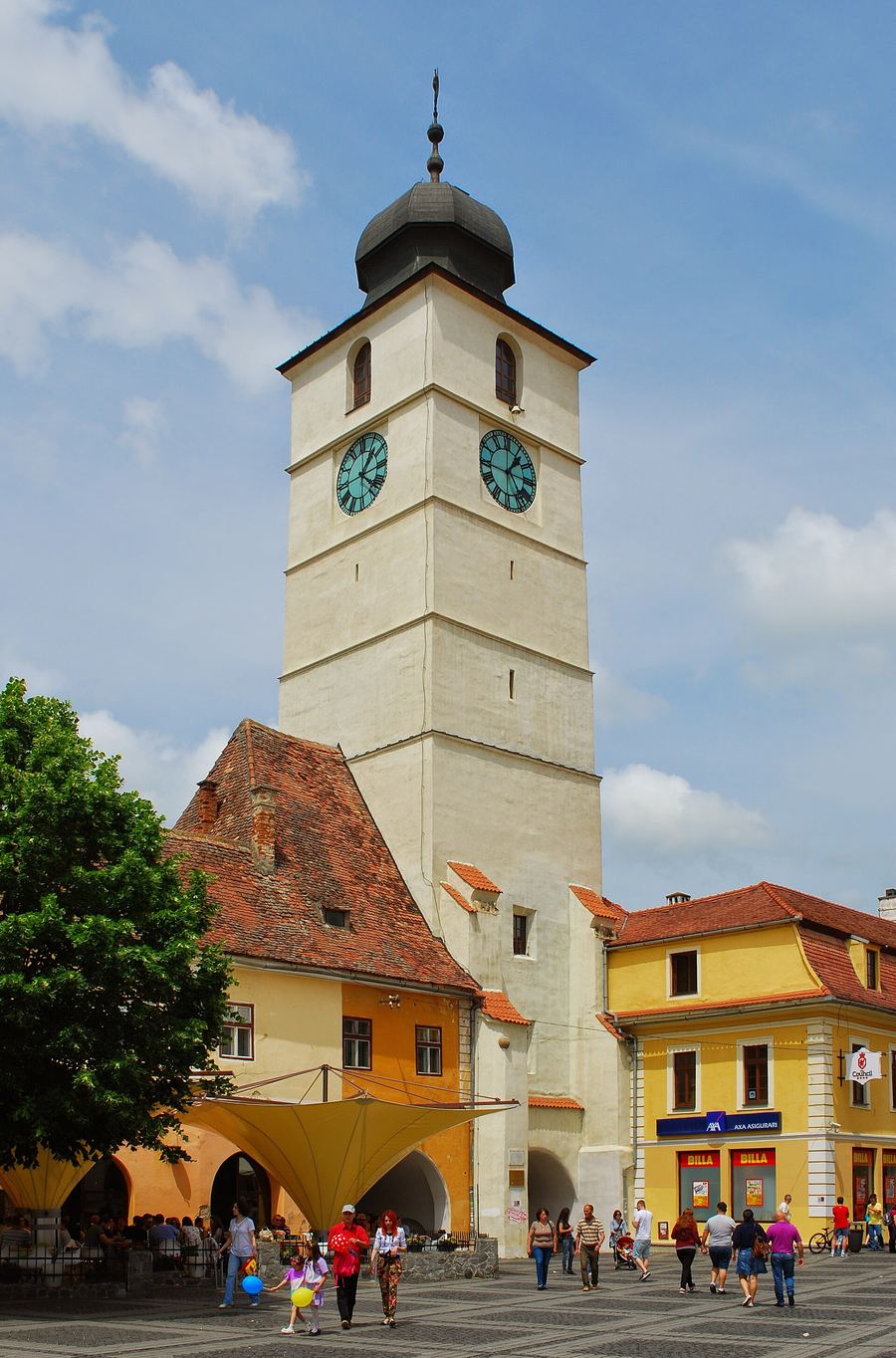
Council Tower
Connects Grand Square and Small Square. Climb 141 steps through historic exhibits for a panorama over red-tiled roofs.
Chiedi a ParleyRomania
Eyed attic roofs, Saxon squares, and Transylvanian tables.
introduction
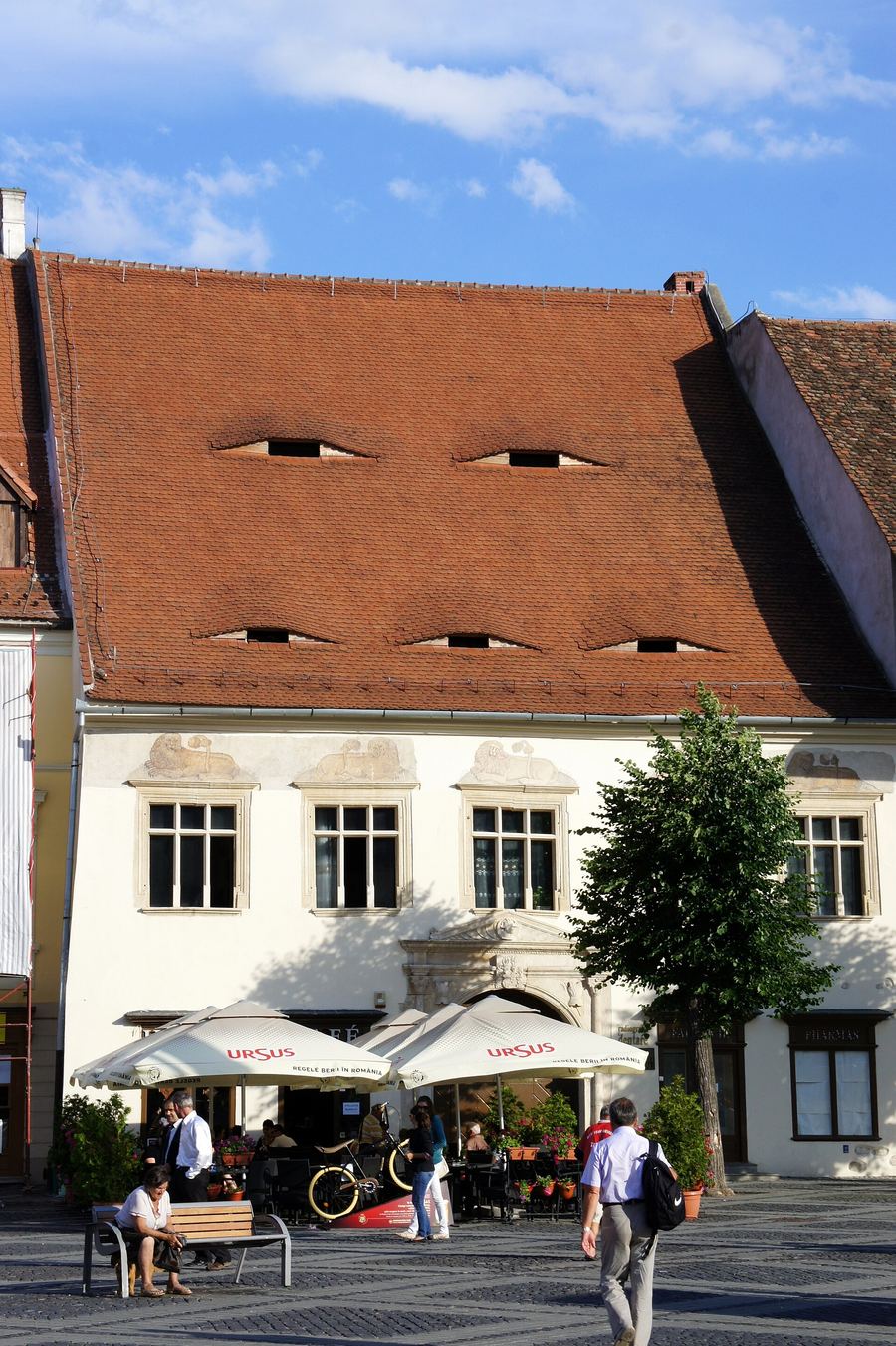
Sibiu is a compact Saxon city built on two distinct levels. Upper Town contains the grand cobblestone squares and historic towers, while Lower Town trades monuments for steep alleyways and residential homes. You move between them using stone staircases and vaulted passages. Expect an easily walkable center where attic dormers styled like human eyes watch your step.
Airport connection
Sibiu Airport sits 5km west of downtown. Tursib bus line 11 connects the terminal directly to the central train station for 3 RON.
European Capital of Culture
Sibiu served as European Capital of Culture in 2007. The designation spurred major restorations across both Upper and Lower Town.
Theatre festival booking
Book accommodations months ahead for June. The Sibiu International Theatre Festival fills almost every bed in town.
Sibiu
Martin Greslou · CC0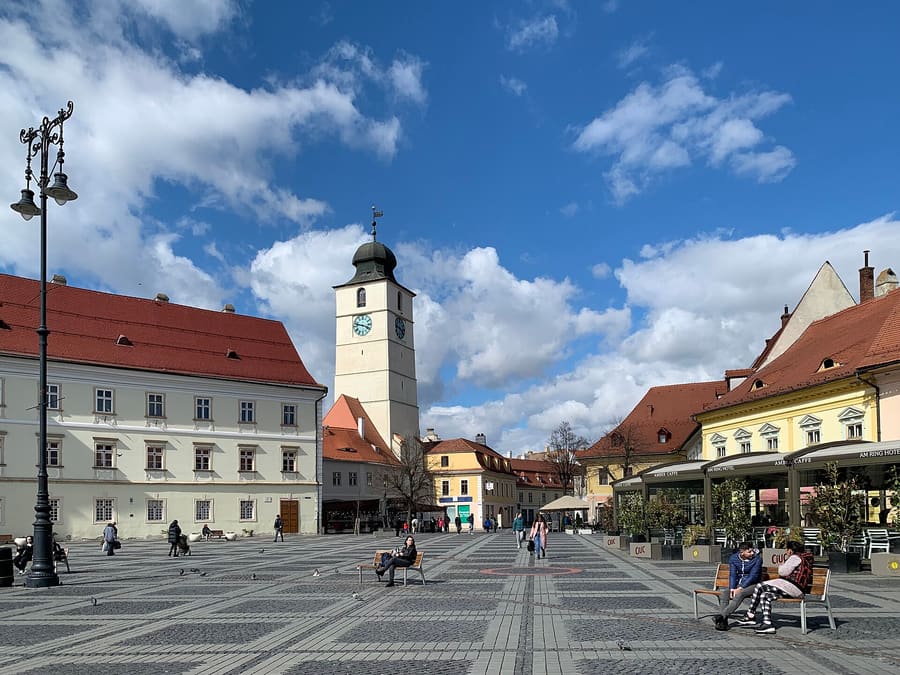
Upper Town — Grand pedestrian squares, historic towers, and outdoor cafe terraces lined along old brick fortifications.
Chainwit. · CC BY 4.0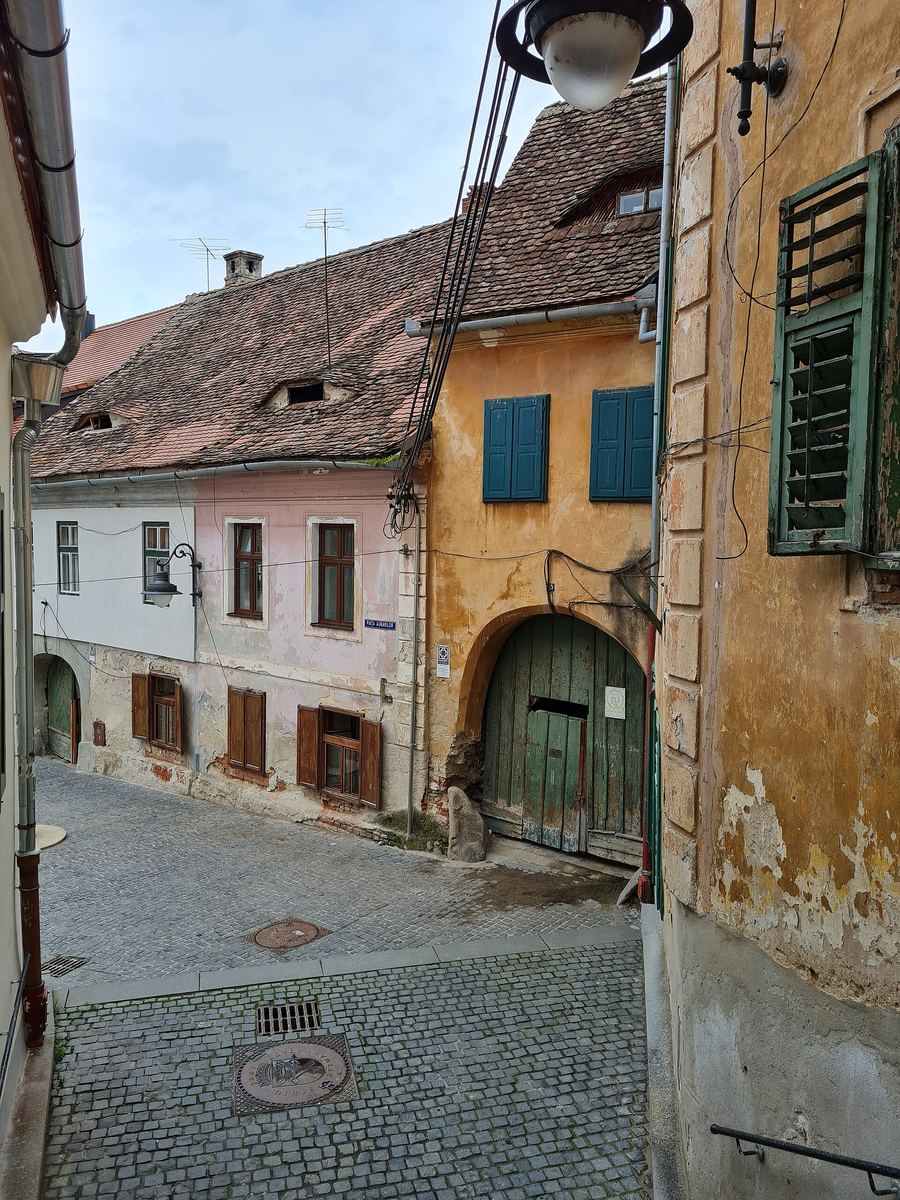
Lower Town — Cobblestone alleys, artisan workshops, and pastel residential houses sitting below the historic ramparts.
Leontin l · CC BY-SA 4.0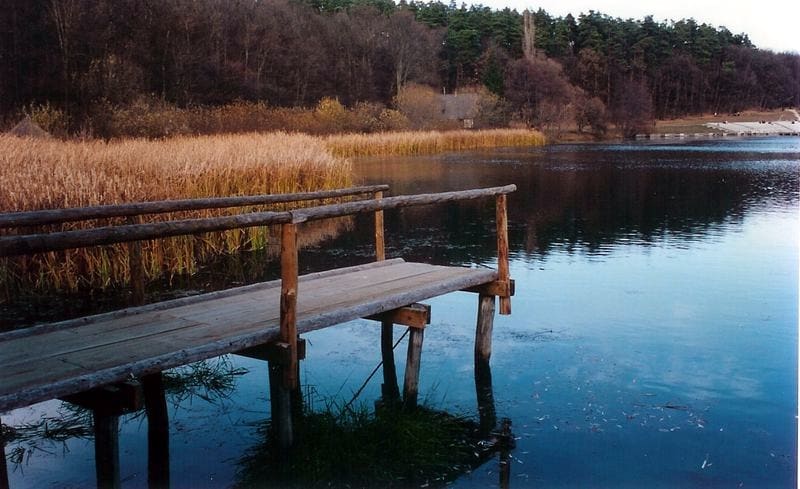
Dumbrava Sibiului — Sprawling oak forest around a lake, home to the open-air ASTRA Museum and quiet walking trails.
No machine-readable author provided. Qyd assumed (based on copyright claims). · CC BY-SA 3.0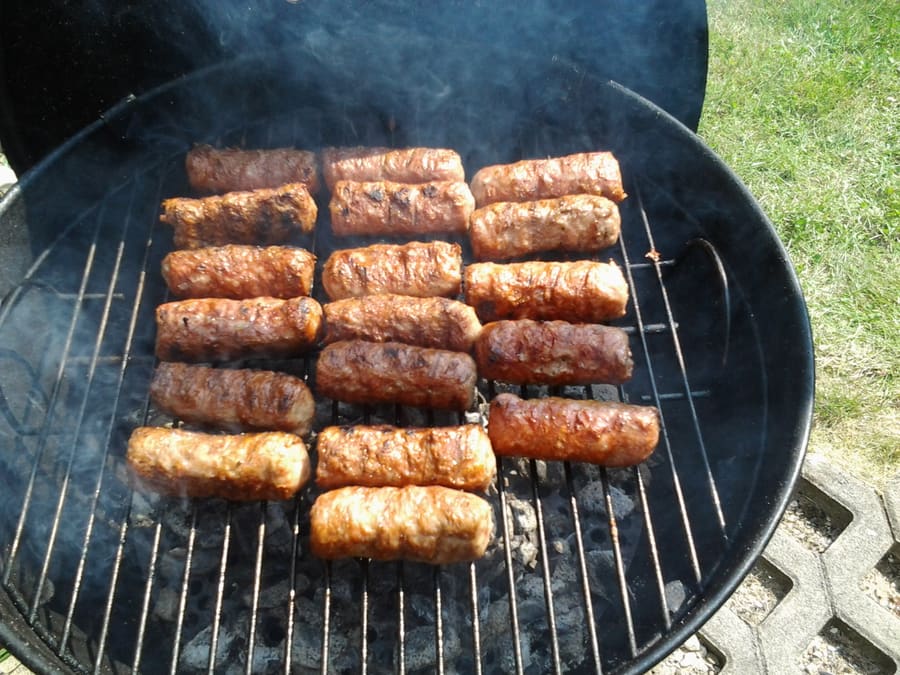
Ciorbă rădăuțeană served with garlic, sour cream, and hot peppers.
Stoschmidt · CC BY 3.0highlights
landmark
Connects Grand Square and Small Square. Climb 141 steps through historic exhibits for a panorama over red-tiled roofs.
Chiedi a Parley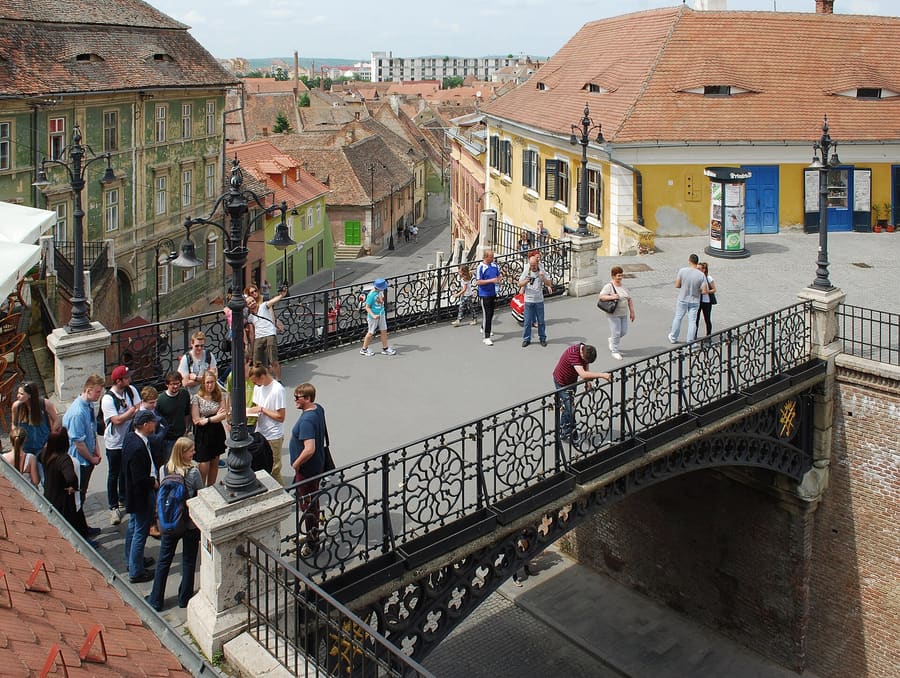
landmark
Cast-iron pedestrian bridge built in 1859. Local legend claims it creaks whenever someone tells a lie while standing on it.
Chiedi a Parley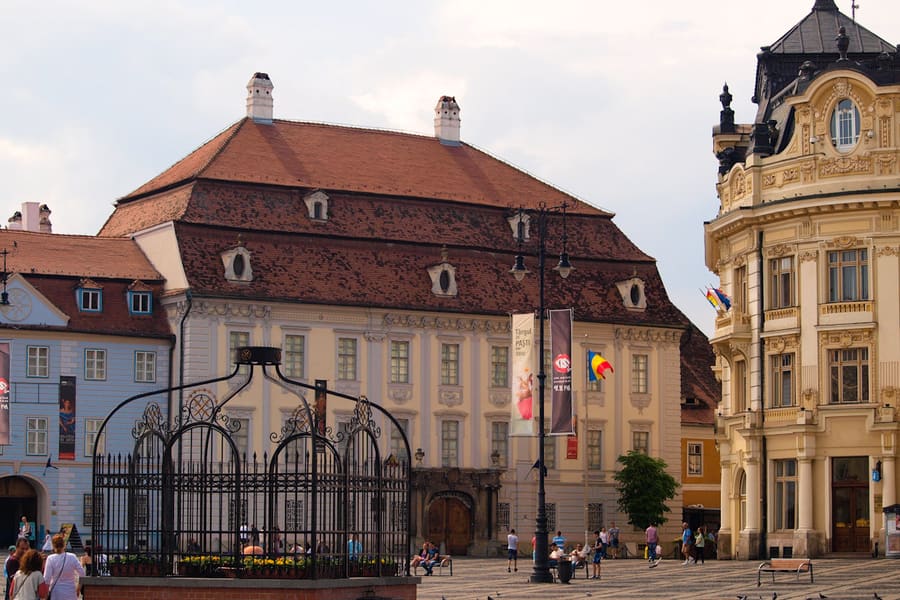
landmark
Baroque palace housing Baron Samuel von Brukenthal's art collection. Visit the European art galleries on the first floor.
Chiedi a Parley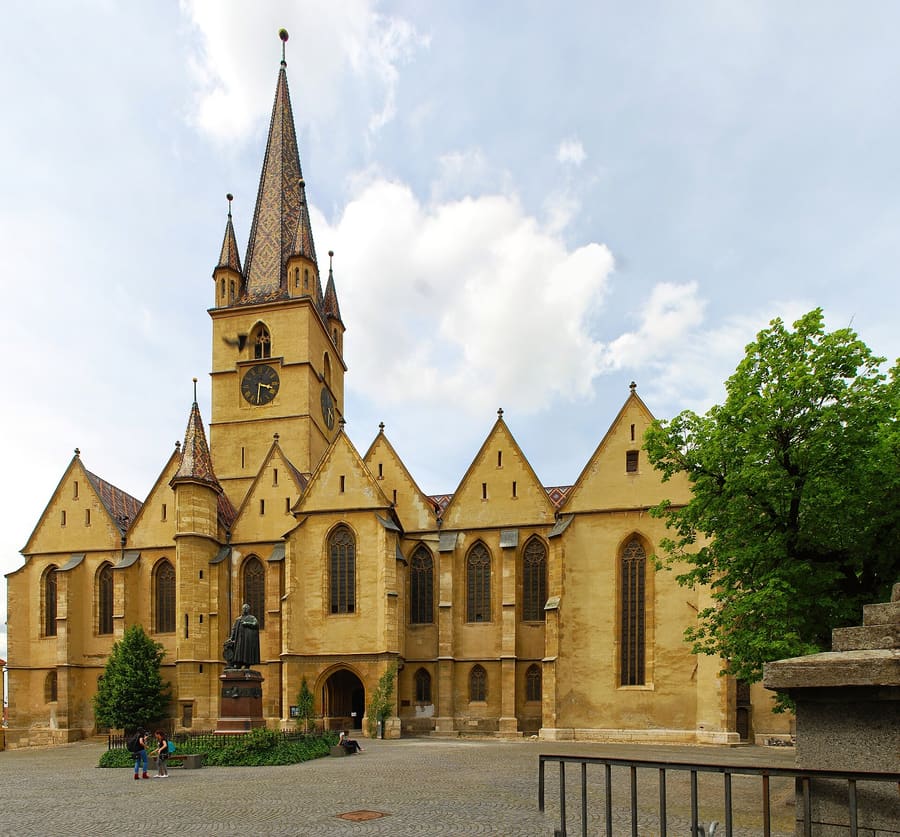
landmark
Gothic church featuring a 73-meter spire. Climb the tower for views across Upper Town toward the Făgăraș Mountains.
Chiedi a Parley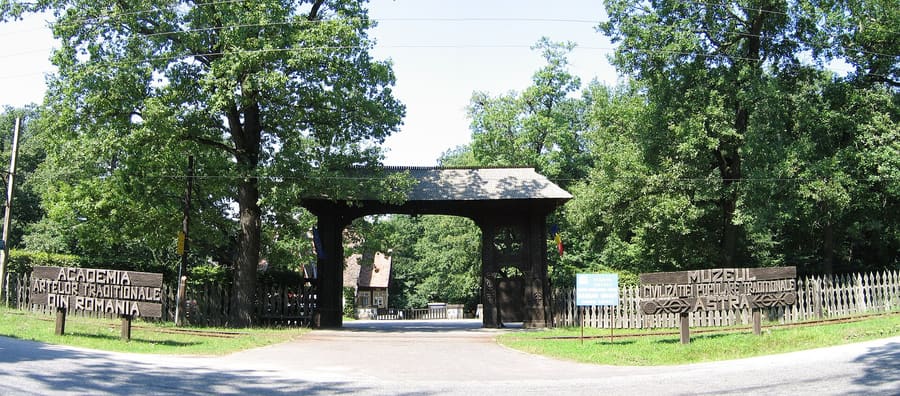
landmark
Open-air museum in Dumbrava Forest showing traditional Romanian rural life. Rent a bicycle at the main gate to cover the site.
Chiedi a Parley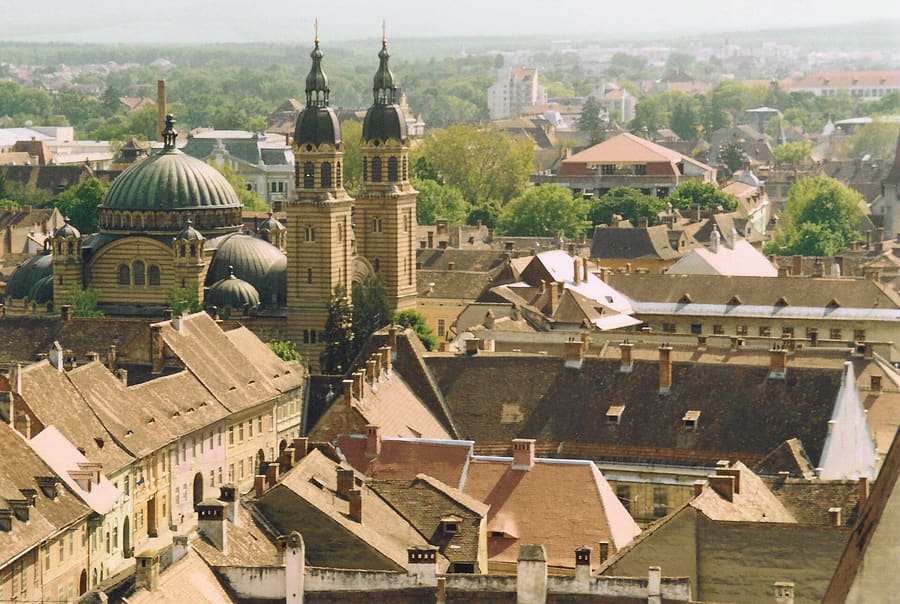
landmark
Orthodox cathedral built between 1902 and 1906, modeled on Hagia Sophia. Step inside to see Byzantine interior frescoes.
Chiedi a Parleyattractions
areas
Grand pedestrian squares, historic towers, and outdoor cafe terraces lined along old brick fortifications.
Nei dintorniBrukenthal Museum, Council Tower, Bridge of Lies
Chiedi a ParleyCobblestone alleys, artisan workshops, and pastel residential houses sitting below the historic ramparts.
Nei dintorniStairs Passage, Cibin Market, Bridge of Lies
Chiedi a ParleySprawling oak forest around a lake, home to the open-air ASTRA Museum and quiet walking trails.
Nei dintorniASTRA Museum, Sibiu Zoo
Chiedi a ParleyA 19th-century residential zone with tree-lined streets, Art Nouveau villas, and low-rise apartments.
Nei dintorniHoly Trinity Cathedral, Sub Arini Park
Chiedi a Parleyfood
Dining in Sibiu reflects its Saxon and Transylvanian origins. Local menus feature rich pork dishes, smoked meats, and sour soups sharpened with garlic and fermented bran. Restaurants around Piața Mică serve traditional meals alongside local craft beer and wines from the nearby Târnava valley.For an authentic meal, order ciorbă rădăuțeană or slow-cooked pork shank served with polenta and pickled vegetables or sauerkraut. cibin Market provides raw sheep cheese, called brânză de burduf, packed inside sheep skin or stomach pouches. Try traditional bakery items like covrigi pretzels directly from small street-side windows throughout Upper Town.
Ciorbă rădăuțeană served with garlic, sour cream, and hot peppers.
Stoschmidt · CC BY 3.0This vaulted cellar restaurant near Upper Town serves classic Transylvanian pork dishes and sour soups.
Many central restaurants offer fixed midday menus at lower prices than dinner service.
Bring lei coins and small bills when buying local sheep cheeses and fresh fruit from regional farmers.
history
German settlers, known as Transylvanian Saxons, founded Sibiu in the 12th century under the invitation of Hungarian kings. The city grew into a fortified trading stronghold defended by 19 medieval guilds. Each guild built and maintained a portion of the brick defense walls and watchtowers that still ring Upper Town today.
First written record
Pope Celestine III confirms the Saxon settlement under the Latin name Prepositura Cibiniensis.
Guild fortification
Craft guilds formalize defense duties and expand the multi-ring system of brick walls and towers.
European Capital of Culture
Sibiu completes urban restorations and gains European recognition, boosting regional tourism.
where to stay
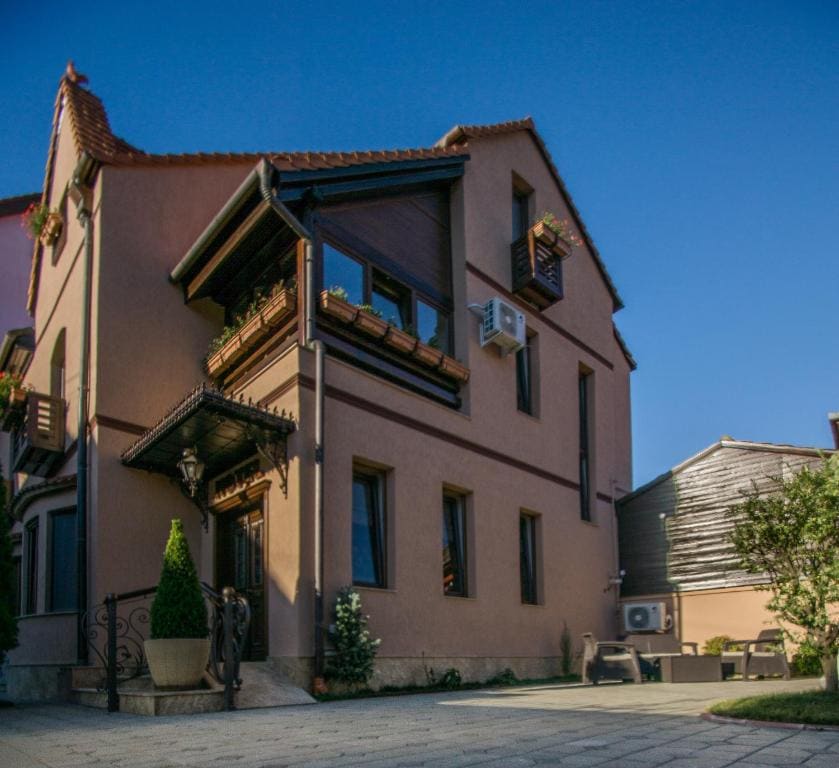
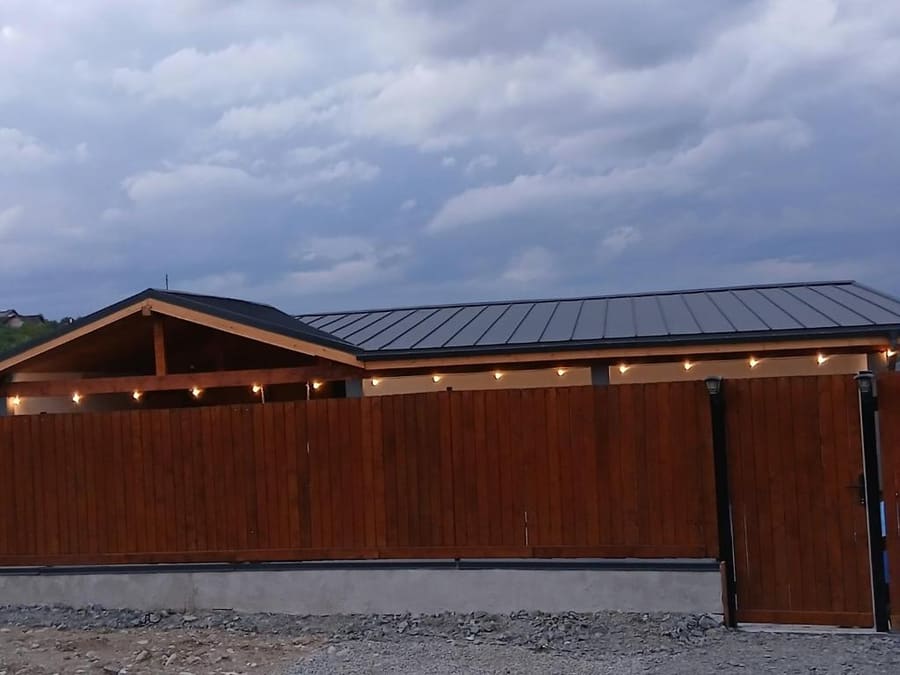
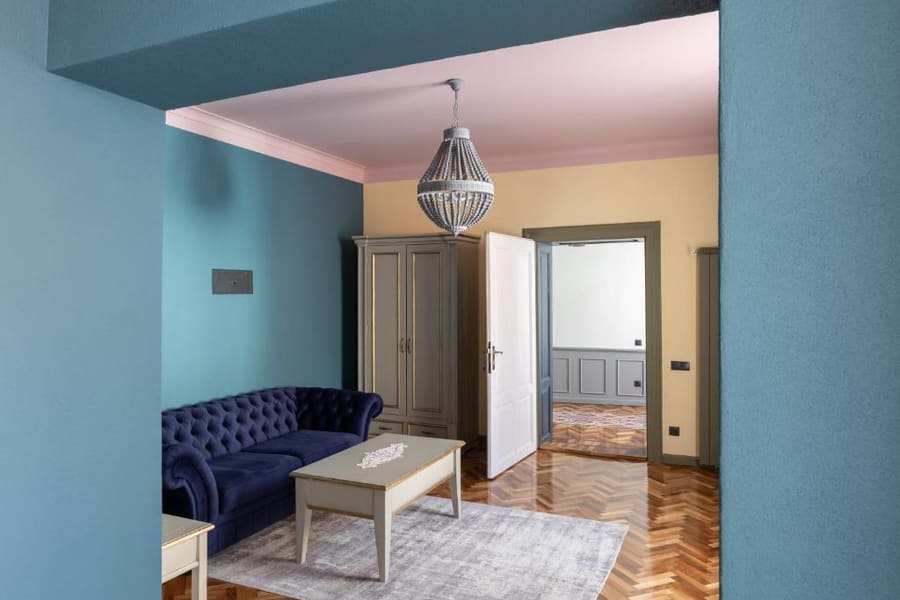
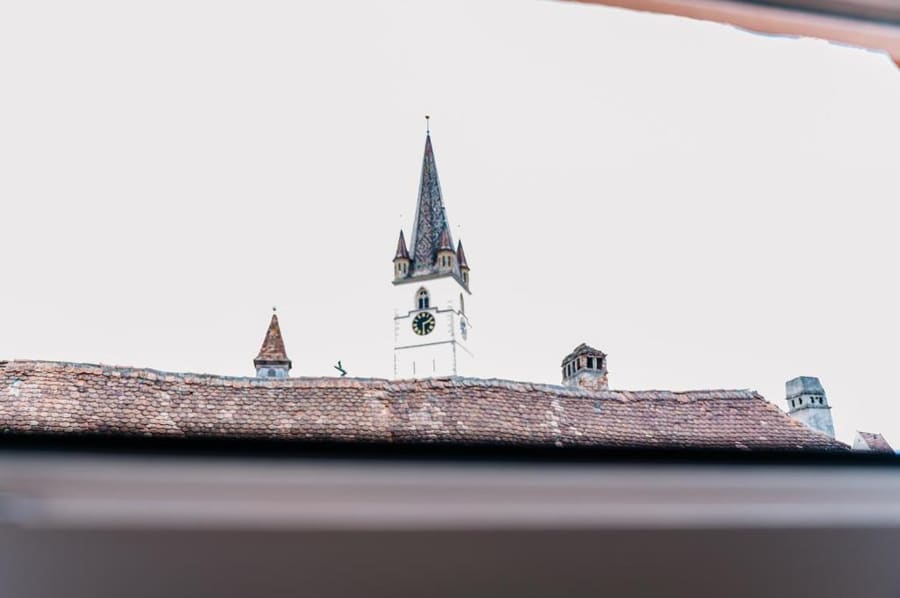
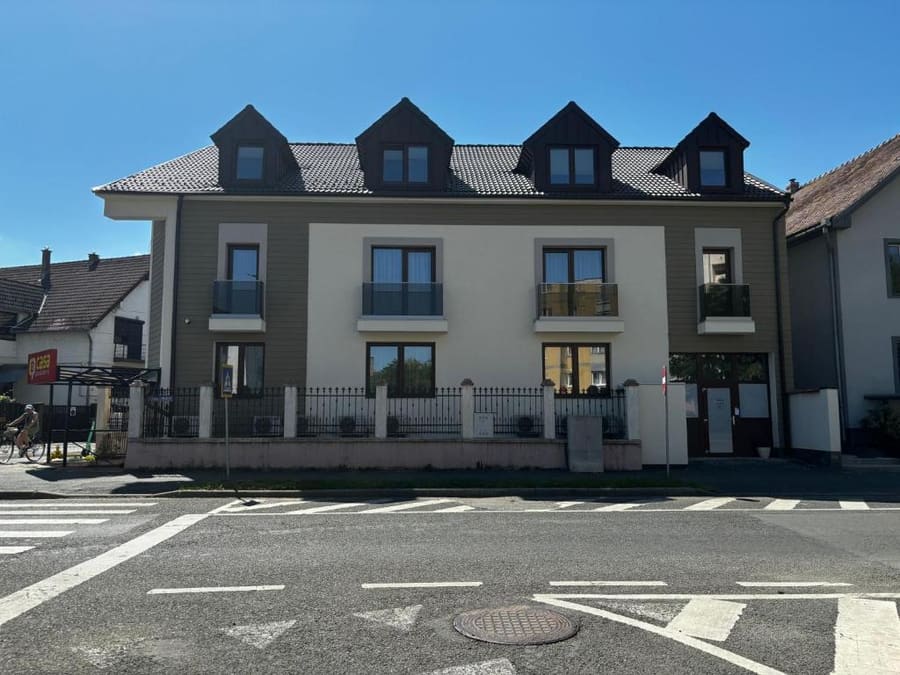
Choose your location based on elevation and activity level. Upper Town keeps you steps from main museums and dinner terraces, but hotel rates are higher. Lower Town offers quieter nights in renovated historic houses, though you will walk up stone stairs every time you head to Piața Mare.
Live rates, matched to the areas above.
transport
Sibiu is easily explored on foot inside the historic center. Vehicles are restricted in Piața Mare and Piața Mică. Tursib operates efficient local city buses connecting the railway station and outskirts to the old town perimeter.
Da Sibiu International Airport (SBZ) / Central Railway Station
Tursib Line 11 runs every 20-30 minutes from SBZ airport straight to the main train station.
Use official marked taxis at the airport queue or order via phone app.
Uber and Bolt operate reliably across the city and airport pick-up zones.
You can pay for bus fares onboard using a contactless Visa or Mastercard at the blue validation devices.
Narrow streets and one-way traffic systems make driving through the central district inefficient.
Direct CFR Călători trains run daily to Brașov, Cluj-Napoca, and Bucharest from the central station.
cost
Sibiu is affordable compared to Western European destinations, though prices rise during June festival weeks. Romania uses the Romanian Leu (RON), and card payments are accepted in almost all restaurants and brick-and-mortar shops.
Specialty coffee shops on Strada Nicolae Bălcescu charge around 12 RON for a flat white.
Expect to pay around 50 RON for traditional meat dishes or pork shank in Upper Town.
Valid for 60 minutes on any Tursib urban route inside the city limits.
Grants full day access to the 96-hectare outdoor museum complex.
seasonality
MAR – MAY
Mild temperatures and small crowds. Ideal time for walking outdoor sight lines before summer tourist arrivals.
JUN – AUG
Warm outdoor dining weather and high hotel demand. Book well ahead for the June international theatre festival.
SEP – NOV
Crisp autumn weather and colorful foliage in nearby Dumbrava Forest. Harvest produce fills Cibin Market.
DEC – FEB
Cold weather with frequent snow. Piața Mare hosts a major Christmas market that draws visitors throughout December.
practicalities
Brukenthal Museum and most municipal exhibition spaces close every Monday for weekly maintenance.
Upper and Lower Town streets feature uneven medieval paving stones that damage thin soles.
Fruit stalls at Cibin Market and small bakeries require cash in Romanian Leu.
The eye-shaped roof windows were built in the 15th to 19th centuries to ventilate timber attics.
Tursib bus line 22 runs directly from Sibiu train station to the Păltiniș mountain resort in 1 hour.