landmark
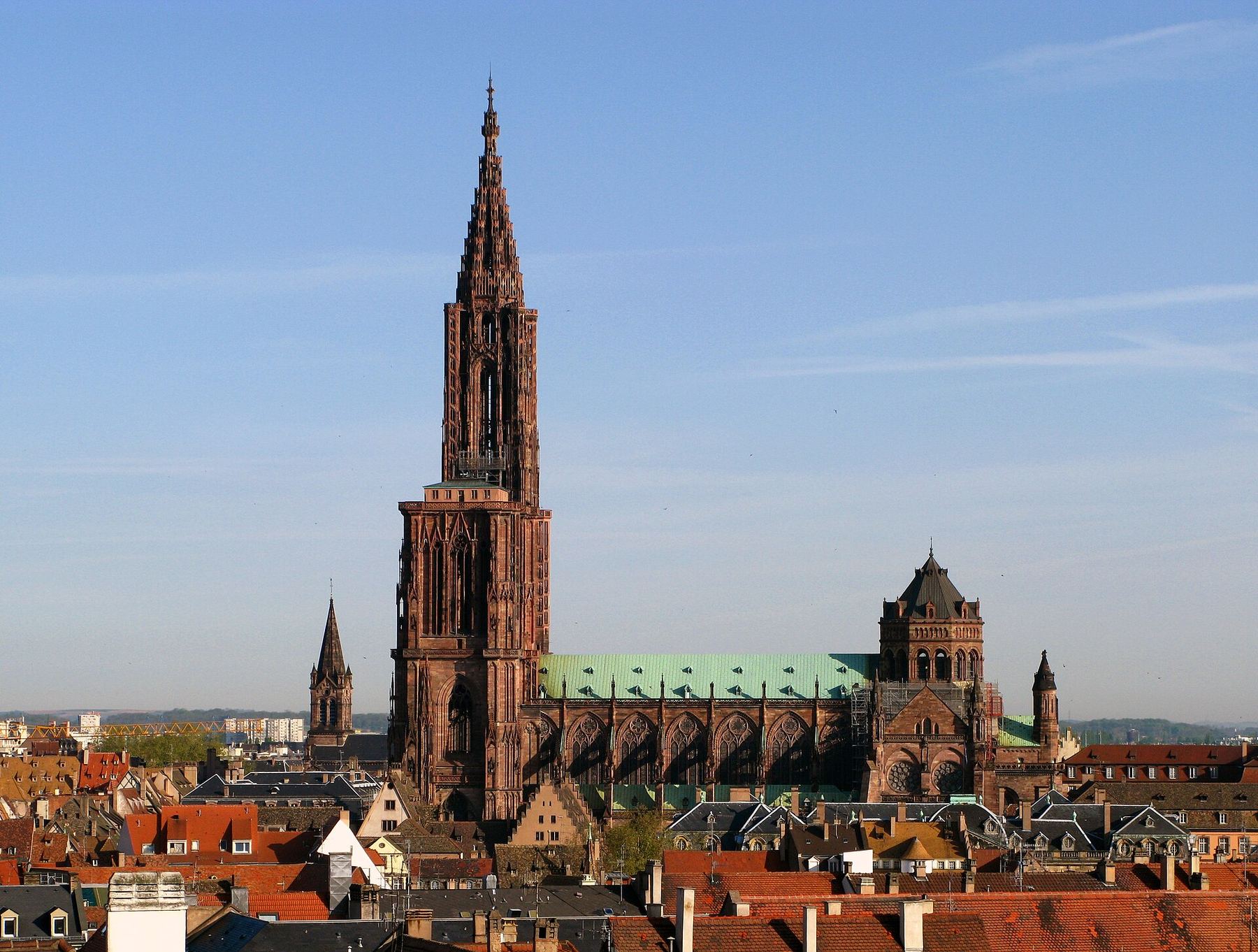
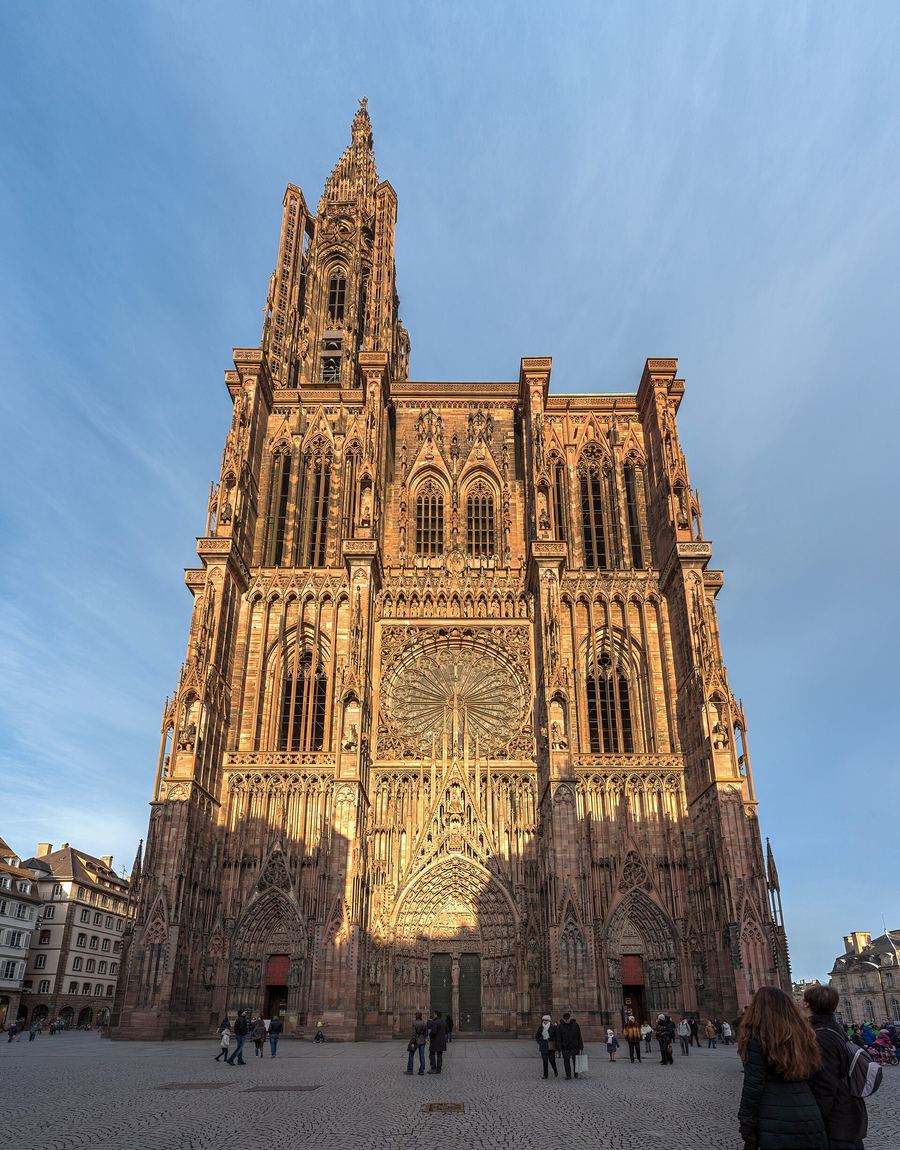
Cathédrale Notre-Dame
The 142-metre spire dominated Western Christendom until 1874. Climb the 332 steps to the platform for clear views over the Ill.
Chiedi a ParleyFrancia
Gothic sandstone, river grids, and Franco-German history.
introduction
Strasbourg sits on the Ill River, divided between a historic island core and a modern diplomatic sector. You navigate the centre on foot, by bike, or via a six-line tram network. Alsatian tradition alternates with French municipal routine. Expect timber-framed architecture, pork-heavy dining, and clear German urban influences.
Airport transit connection
TER train tickets from Entzheim airport cost €3.10 and reach Gare Centrale in 9 minutes. Trains run up to four times every hour.
UNESCO architectural footprint
Grande Île earned UNESCO status in 1988 for its medieval layout. The site was expanded in 2017 to include the Prussian Neustadt quarter.
Parliamentary rate surges
European Parliament plenary sessions run four days a month. Hotel prices triple across the city during these parliamentary weeks.
Strasbourg
Claude TRUONG-NGOC · CC BY-SA 3.0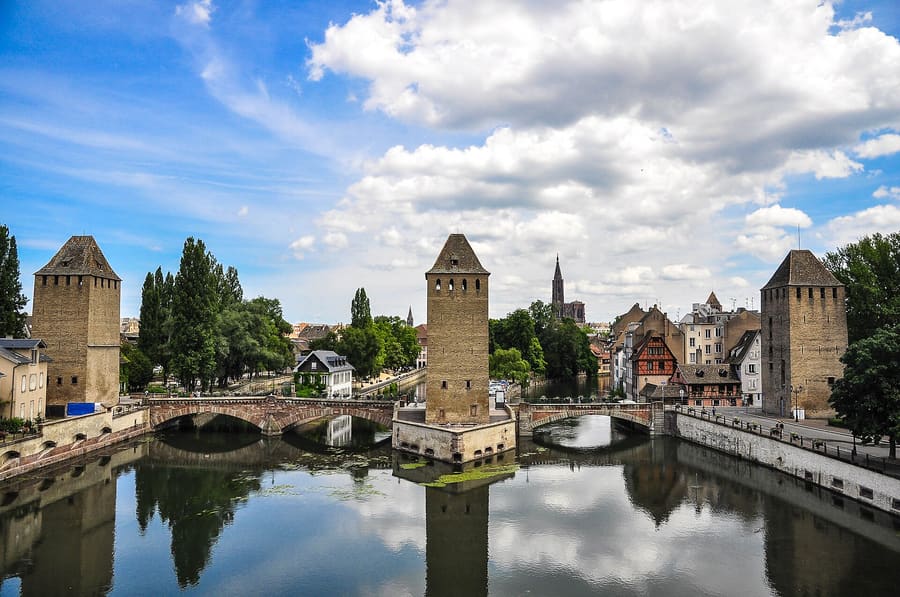
Grande Île — Historic river island with medieval stone lanes and heavy foot traffic.
Elizaveta Butryn · CC BY-SA 4.0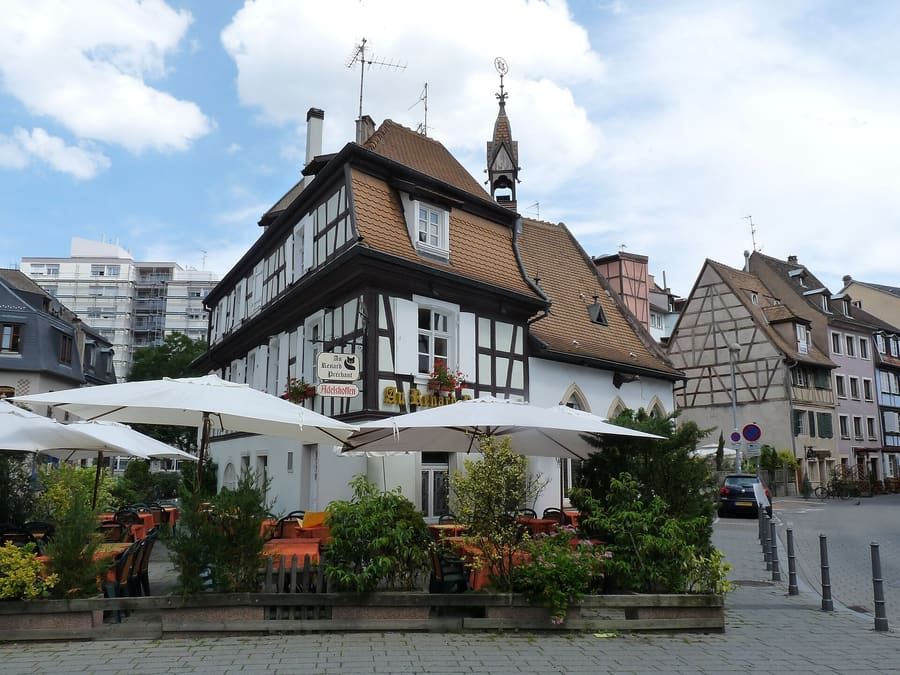
Krutenau — Former marshland now filled with university bars, local bistros, and canals.
Ji-Elle · CC BY-SA 3.0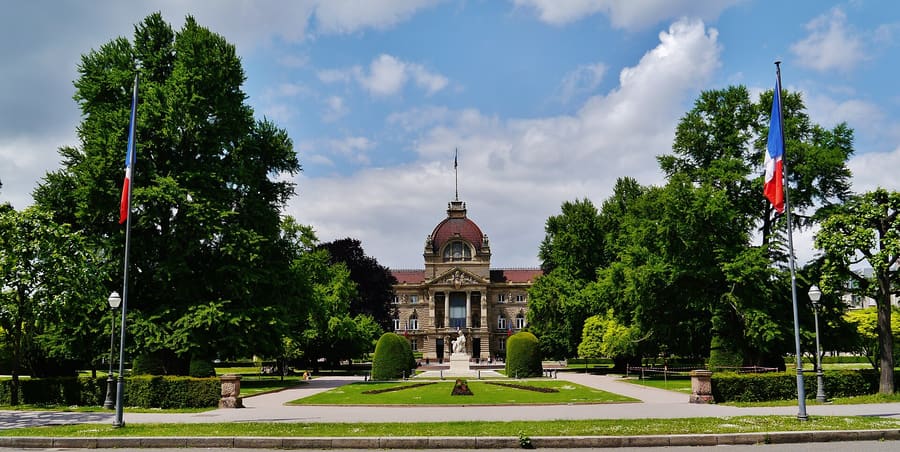
Neustadt — Monumental Prussian architecture with quiet, tree-lined residential avenues.
Zairon · CC BY-SA 4.0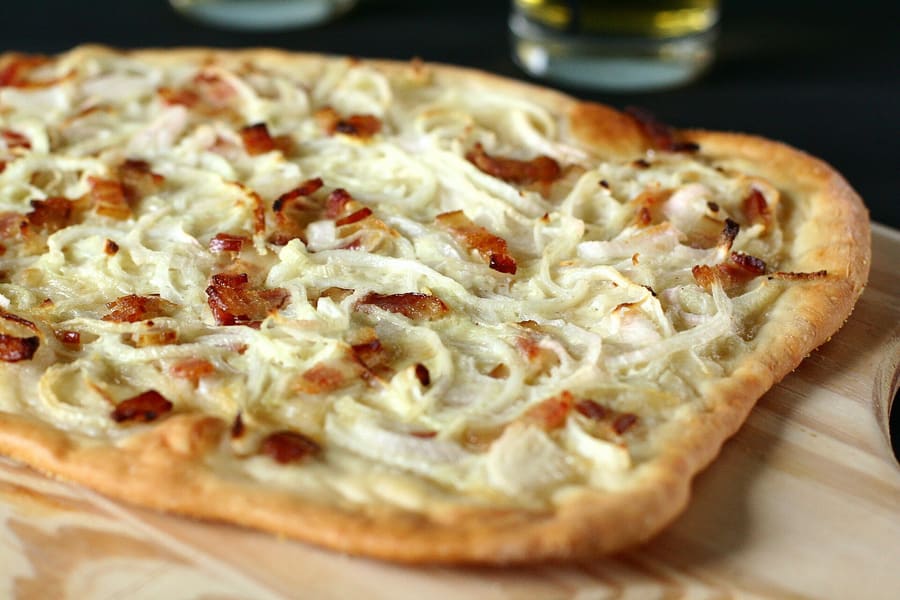
Tarte flambée (flammekueche) served on a wooden board straight from a wood-fired oven.
Lulu Durand · CC BY 2.0highlights
landmark
The 142-metre spire dominated Western Christendom until 1874. Climb the 332 steps to the platform for clear views over the Ill.
Chiedi a Parley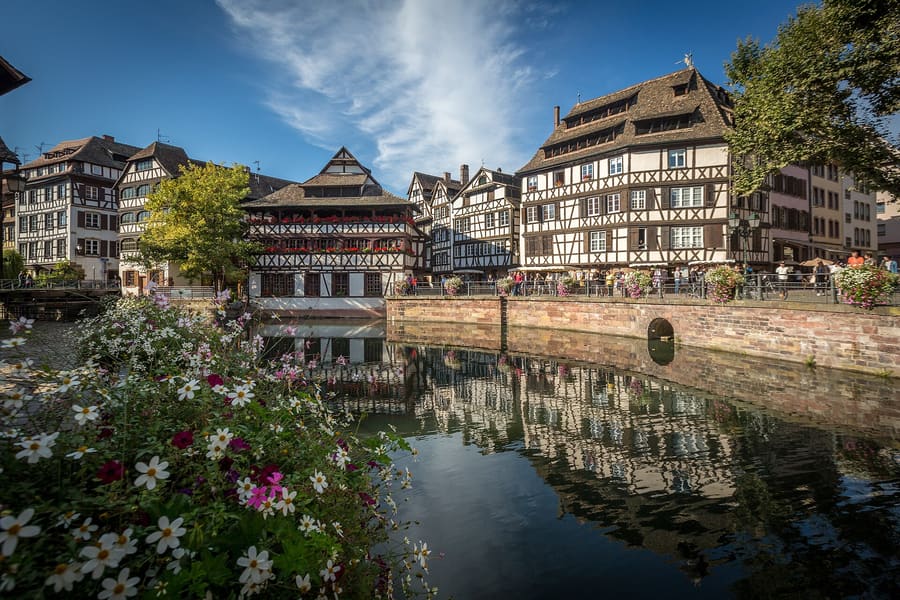
landmark
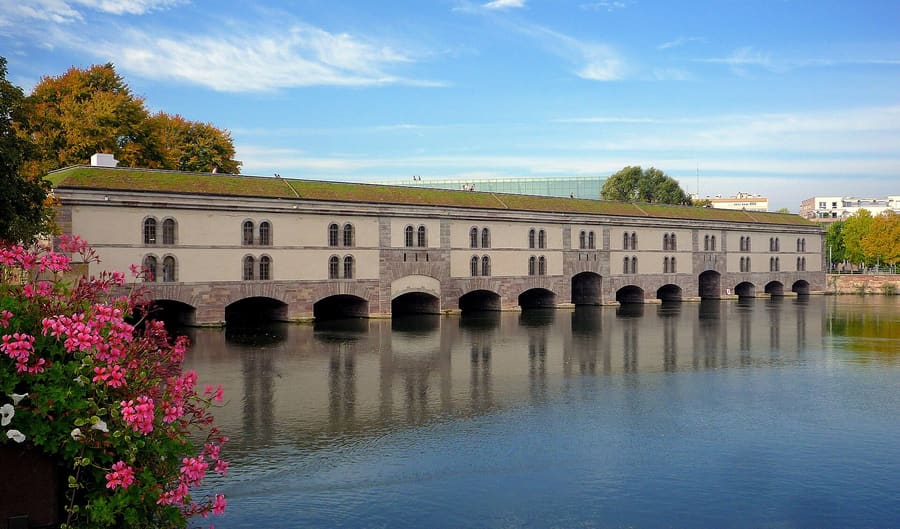
Former tanners and millers worked along these canal locks. Walk before 09:00 to avoid heavy tour groups on narrow Rue des Moulins.
Chiedi a Parley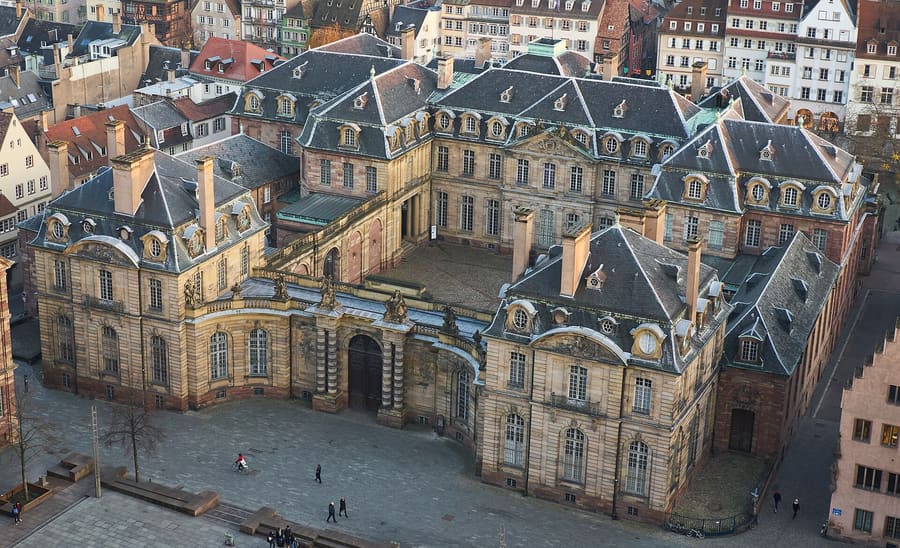
landmark
An 18th-century episcopal palace holding three municipal museums. The basement archaeology collection requires a separate entry ticket.
Chiedi a Parley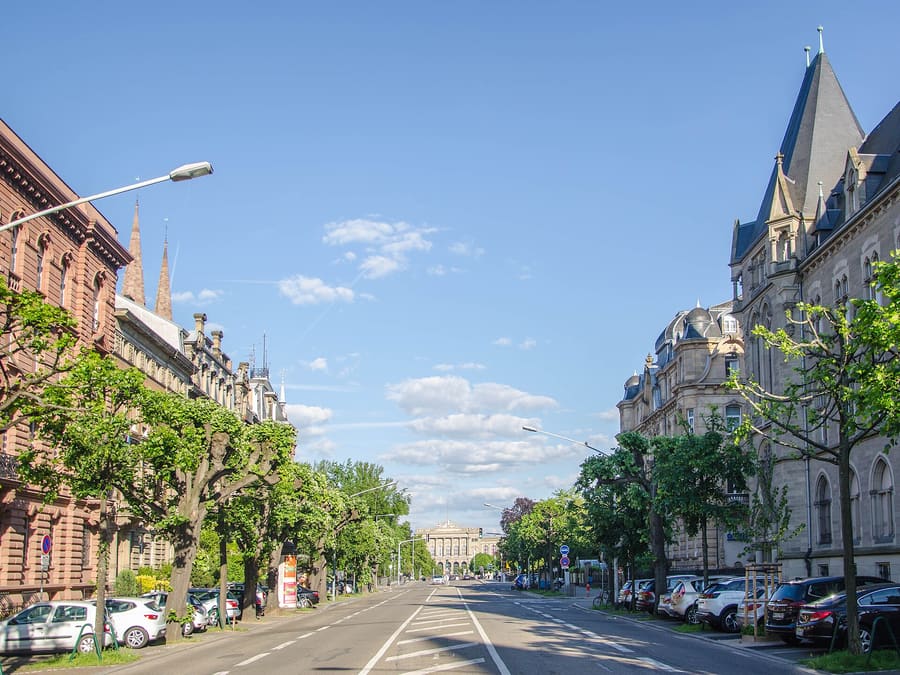
landmark
German imperial urban planning built between 1871 and 1914. Wide boulevards radiate out from the circular Place de la République.
Chiedi a Parley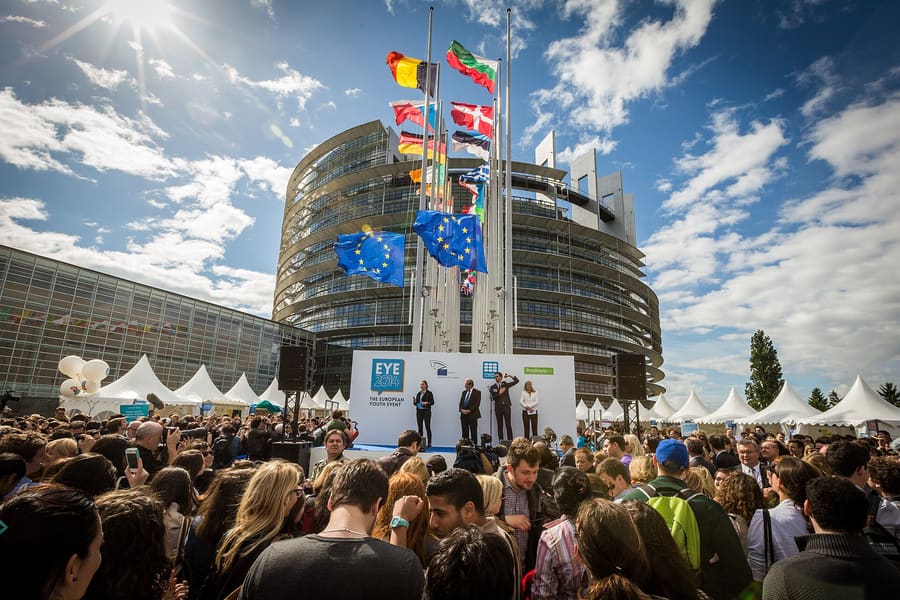
landmark
The Louise Weiss building houses the 750-seat plenary chamber. Free guided visits operate on non-session weekdays with valid photo ID.
Chiedi a Parley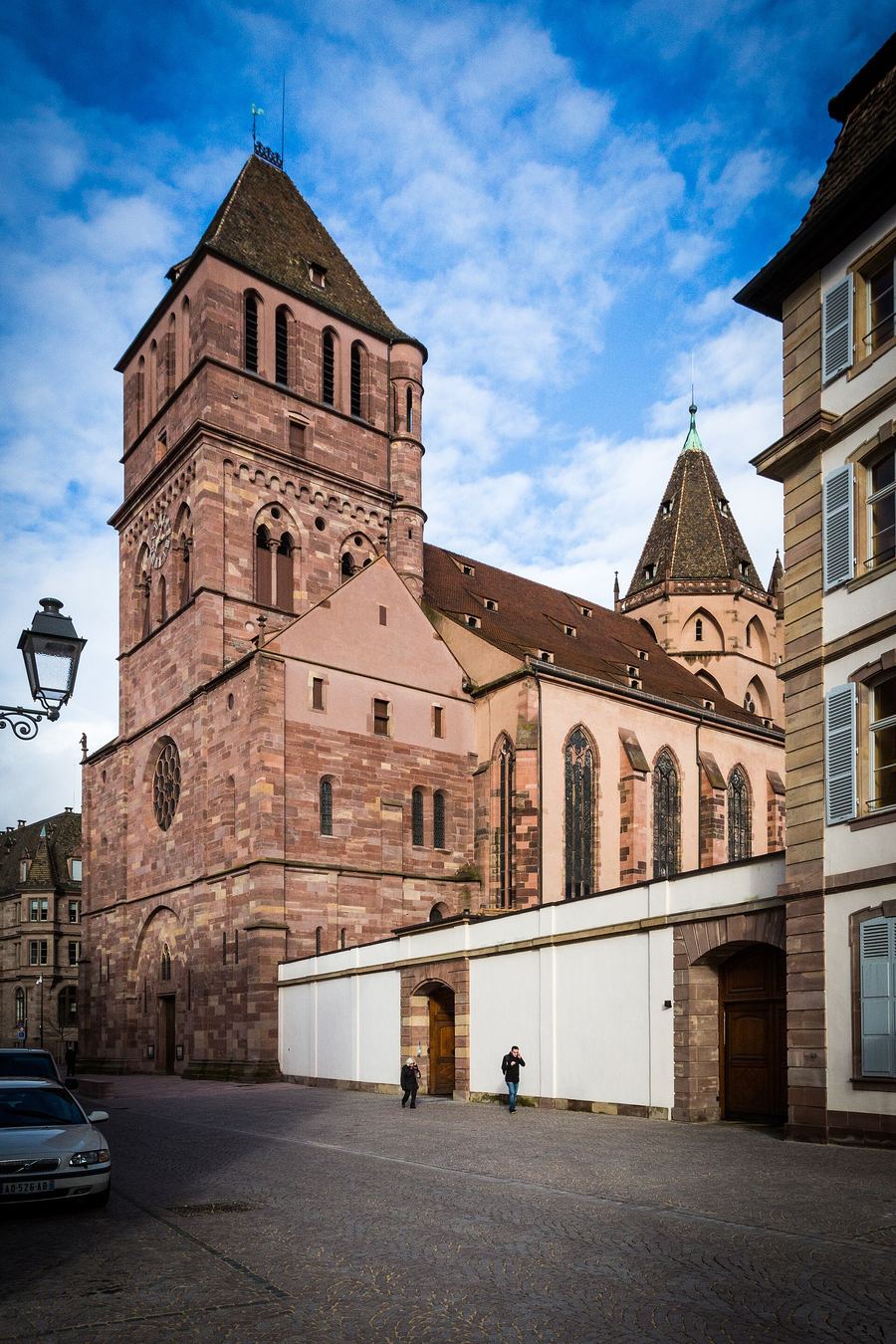
landmark
Main Protestant church with a restored 1741 Silbermann organ. Wolfgang Amadeus Mozart played this specific instrument in 1778.
Chiedi a Parleyattractions
areas
Historic river island with medieval stone lanes and heavy foot traffic.
Nei dintorniPalais Rohan and Place Kléber
Chiedi a ParleyFormer marshland now filled with university bars, local bistros, and canals.
Nei dintorniMusée Zoologique and Place Austerlitz
Chiedi a ParleyMonumental Prussian architecture with quiet, tree-lined residential avenues.
Nei dintorniParc de l'Orangerie and Place de la République
Chiedi a ParleyTimber-framed houses surrounding canal locks and quiet stone footbridges.
Nei dintorniBarrage Vauban and Ponts Couverts
Chiedi a Parleyfood
Alsatian food reflects centuries of political shifts between France and Germany. You eat at shared wooden tables inside winstubs—traditional local taverns that originally served excess wine. Dinner revolves around cured pork, cabbage fermented with lard, and thin dough baked in wood ovens.
Tarte flambée (flammekueche) served on a wooden board straight from a wood-fired oven.
Lulu Durand · CC BY 2.0Order tarte flambée (flammekueche) for the table to share in evening services. Locals eat it with their hands, rolled up from the edge.
Traditional winstubs serve lunch strictly between 12:00 and 14:00. Dinner seatings fill completely by 19:30; reserve days ahead for weekend nights.
Order dry Riesling or Pinot Blanc by the 25cl or 50cl ceramic pitcher (carafon) rather than buying individual glasses.
history
Strasbourg's position on the west bank of the Rhine made it a strategic border point for two millennia. The city changed sovereignty four times between 1870 and 1945 alone. This dual heritage dictates its street names, dialect, legal system, and architectural scale.
French Annexation
Louis XIV annexes the free imperial city of Strasbourg, integrating Alsatian lands into the Kingdom of France.
German Imperial Era
Following the Franco-Prussian War, Germany annexes Alsace-Lorraine. Imperial architects build the Neustadt quarter.
European Institutions
The Council of Europe establishes its seat in Strasbourg, cementing the city's role in post-war European diplomacy.
UNESCO Designation
UNESCO designates Grande Île as a World Heritage site, later expanding the footprint to include Neustadt in 2017.
where to stay
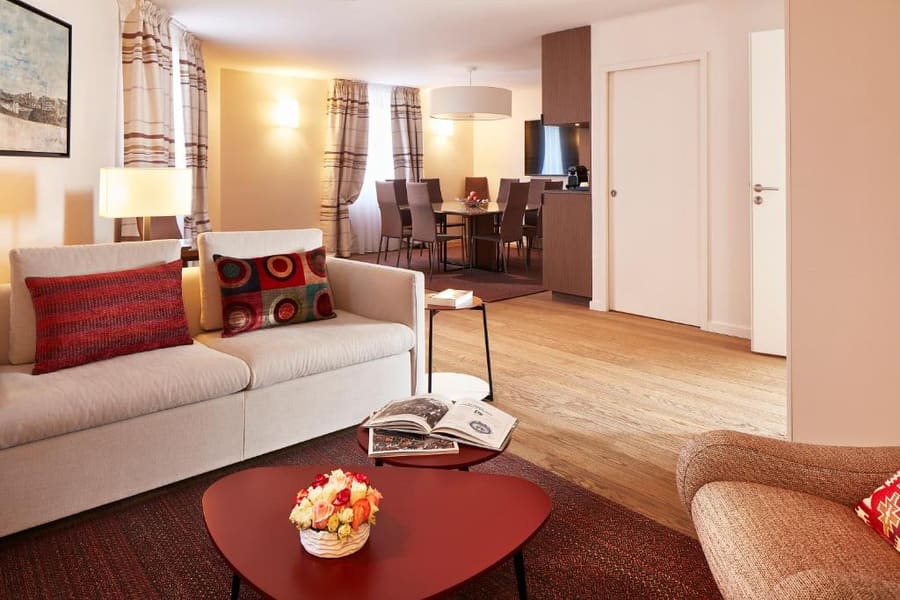
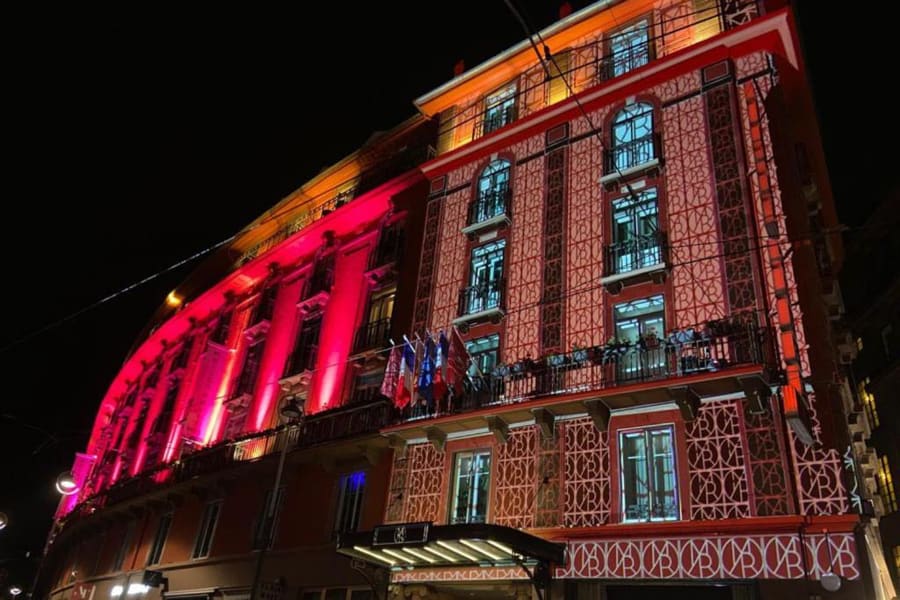
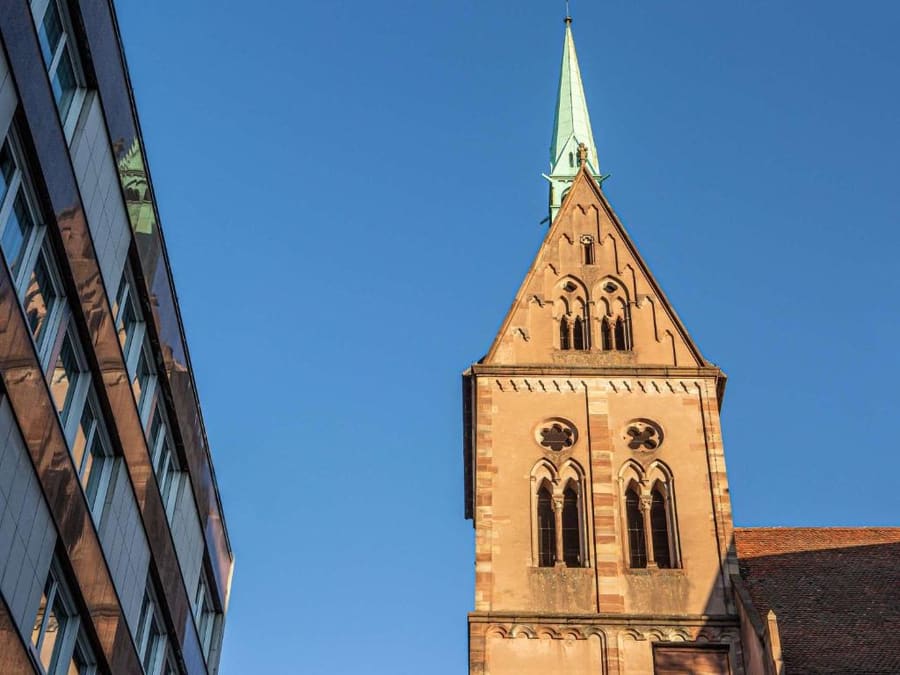
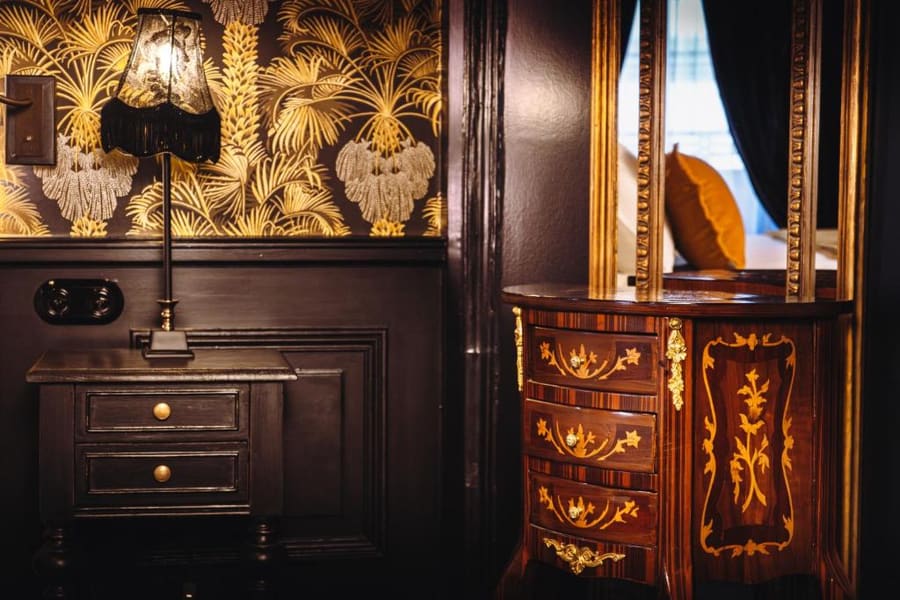
Choose your location based on proximity to the river loops and key tram lines. Grande Île puts you inside the pedestrian footprint but requires carrying luggage from tram drop-offs. Neustadt offers modern hotel layouts and taxi access, while Krutenau suits travellers seeking evening dining away from tourist crowds.
Live rates, matched to the areas above.
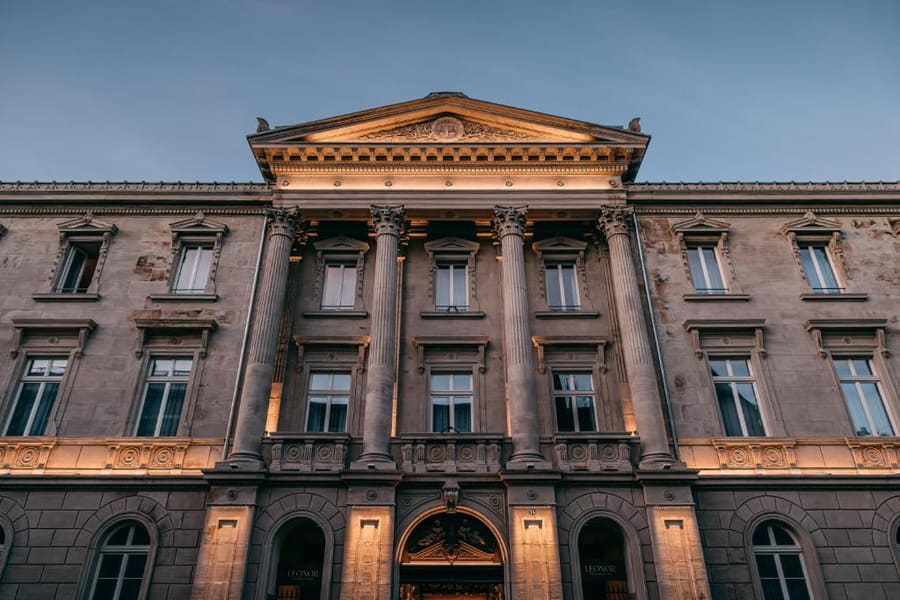
transport
Strasbourg runs an efficient transit system operated by CTS. The pedestrianised centre makes walking the practical choice within Grande Île, while trams connect outer districts and cross the border into Germany.
Da Strasbourg Airport (SXB) / Gare Centrale
Buy ticket at station kiosks before boarding; includes connecting CTS tram fare.
Ranks stand outside Gare Centrale main entrance and airport arrival hall.
You must scan tram tickets on yellow platforms before stepping into the carriage. Inspectors check frequently onboard.
Tram Line D takes you from Place de l'Homme de Fer across the Rhine to Kehl, Germany on standard single CTS tickets.
Pick up city bikes from automated Vélhop stations at Gare Centrale or Place de l'Homme de Fer using a credit card.
cost
Prices reflect Strasbourg's double status as a regional capital and European diplomatic seat. Dining and hotel costs rise significantly during parliamentary sessions and December markets.
Standard plain (gratinée or cooked with bacon and onions) in central winstubs.
Generous single portion served with mixed cured meats and potatoes.
Unlimited tram and bus transit across the entire urban network.
Ticket entry for the staircase access to the panoramic viewing deck.
seasonality
MAR – MAY
Mild temperatures and low rainfall. Ideal for walking tours and outdoor canal dining before summer congestion starts.
JUN – AUG
Hot days with occasional thunderstorms. River locks fill with sightseeing boats and outdoor terraces stay crowded until late.
SEP – NOV
Grape harvest season in nearby wine villages. Crisp days and manageable visitor numbers until late November.
DEC – FEB
December brings massive Christmas market crowds and maximum hotel surcharges. January and February are quiet and cold.
practicalities
Check the European Parliament calendar online before booking. Session weeks double hotel prices and clog transit lines.
The 1842 astronomical clock inside the Cathedral performs its full automated figure parade daily at precisely 12:30.
Parc de l'Orangerie sits opposite the Council of Europe, providing green lawns and a boating lake free of charge.