landmark
Tissa Wewa
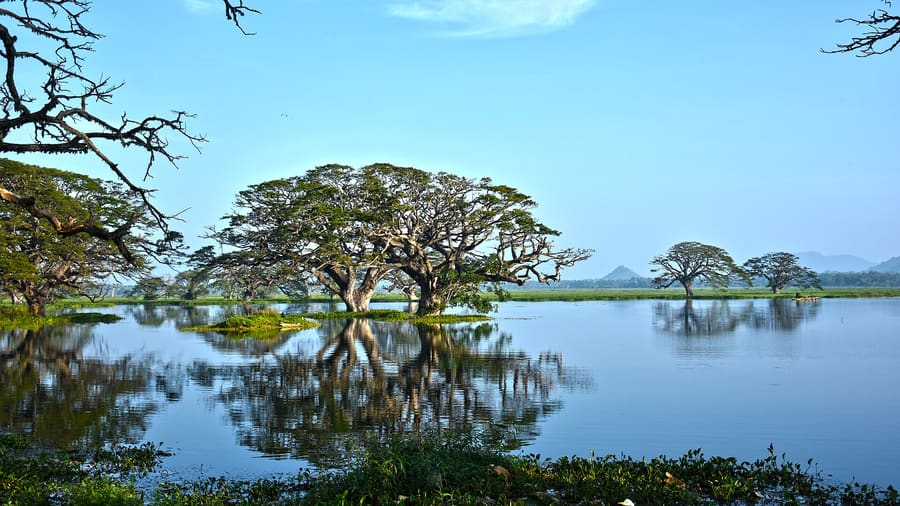
A 3rd-century BC lake built for irrigation. Walk the shaded dam at dusk when thousands of flying foxes leave the trees.
Chiedi a ParleySri Lanka
Ancient irrigation lakes, safari gateways, and southern stupas.
introduction
Tissamaharama operates primarily as the staging post for Yala and Bundala national parks. The town centers on massive 3rd-century BC artificial lakes built by the Ruhuna kingdom. Life moves to an early rhythm dictating sunrise safari departures and quiet evenings along the water. Expect heat, tuk-tuk negotiations, and bat swarms over Tissa Wewa at sunset.
Arrival trick
Buses from Matara drop you at the central stand. Hire a local tuk-tuk for hotel transfers to avoid overcharging at the main bus bay.
Ancient Ruhuna capital
Tissamaharama served as the seat of the southern Ruhuna kingdom in the 3rd century BC. Its massive stupas predated many northern monuments.
Safari booking timing
Book your safari jeep directly with your guesthouse or a independent driver in town the afternoon before. Hotel rates run 20% higher than direct deals.
Tissamaharama
Ghostface Buddha · CC BY-SA 2.0highlights
landmark
A 3rd-century BC lake built for irrigation. Walk the shaded dam at dusk when thousands of flying foxes leave the trees.
Chiedi a Parley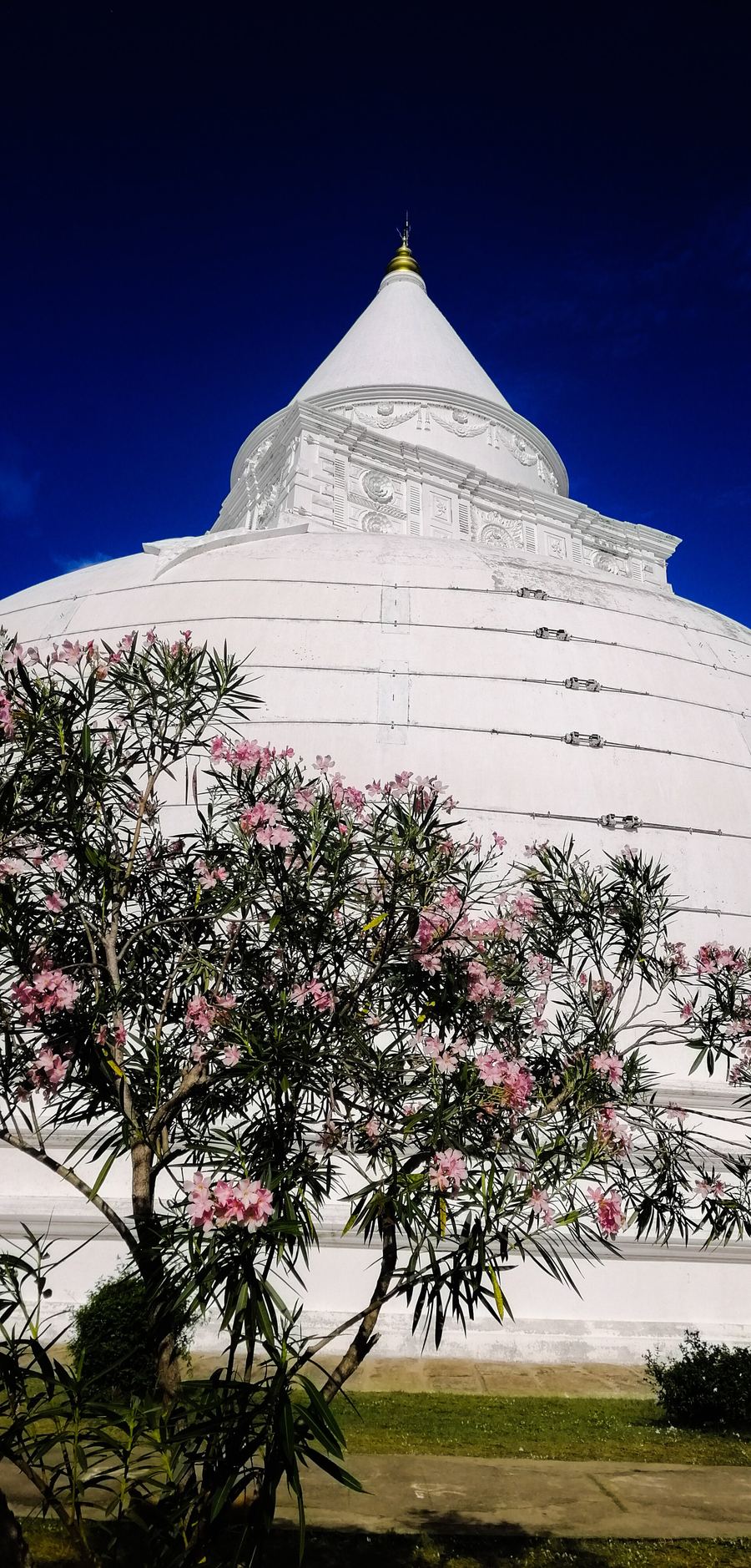
landmark
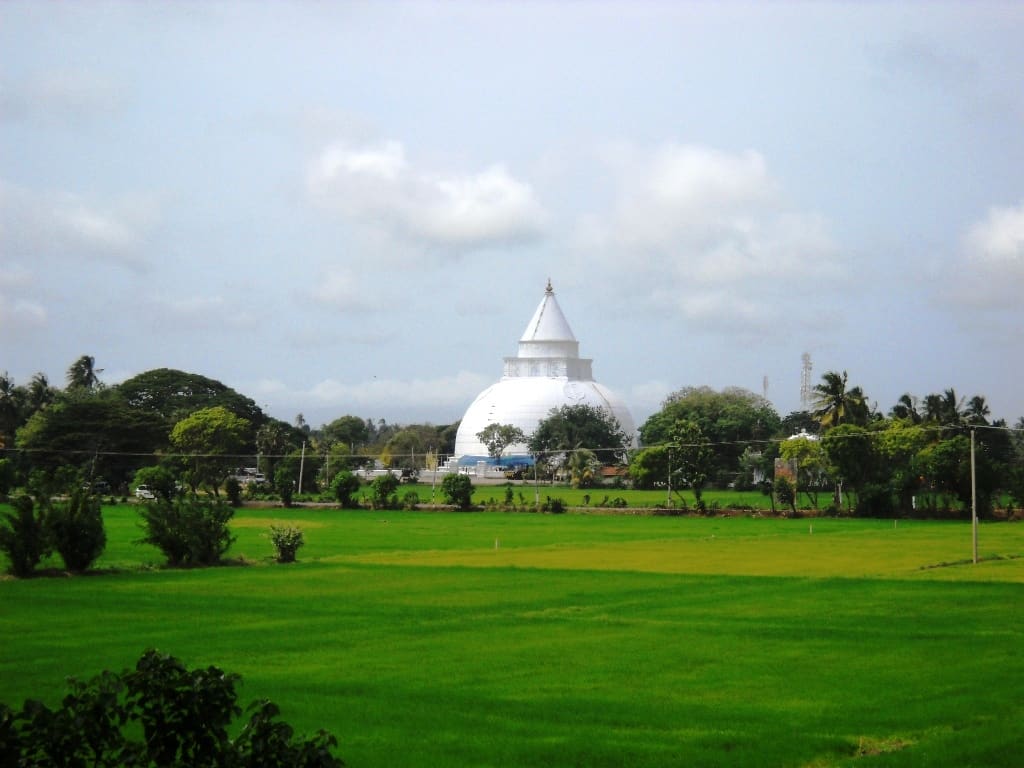
A massive white stupa built by King Kavantissa. Wear clothing covering shoulders and knees; remove shoes at the sand perimeter.
Chiedi a Parley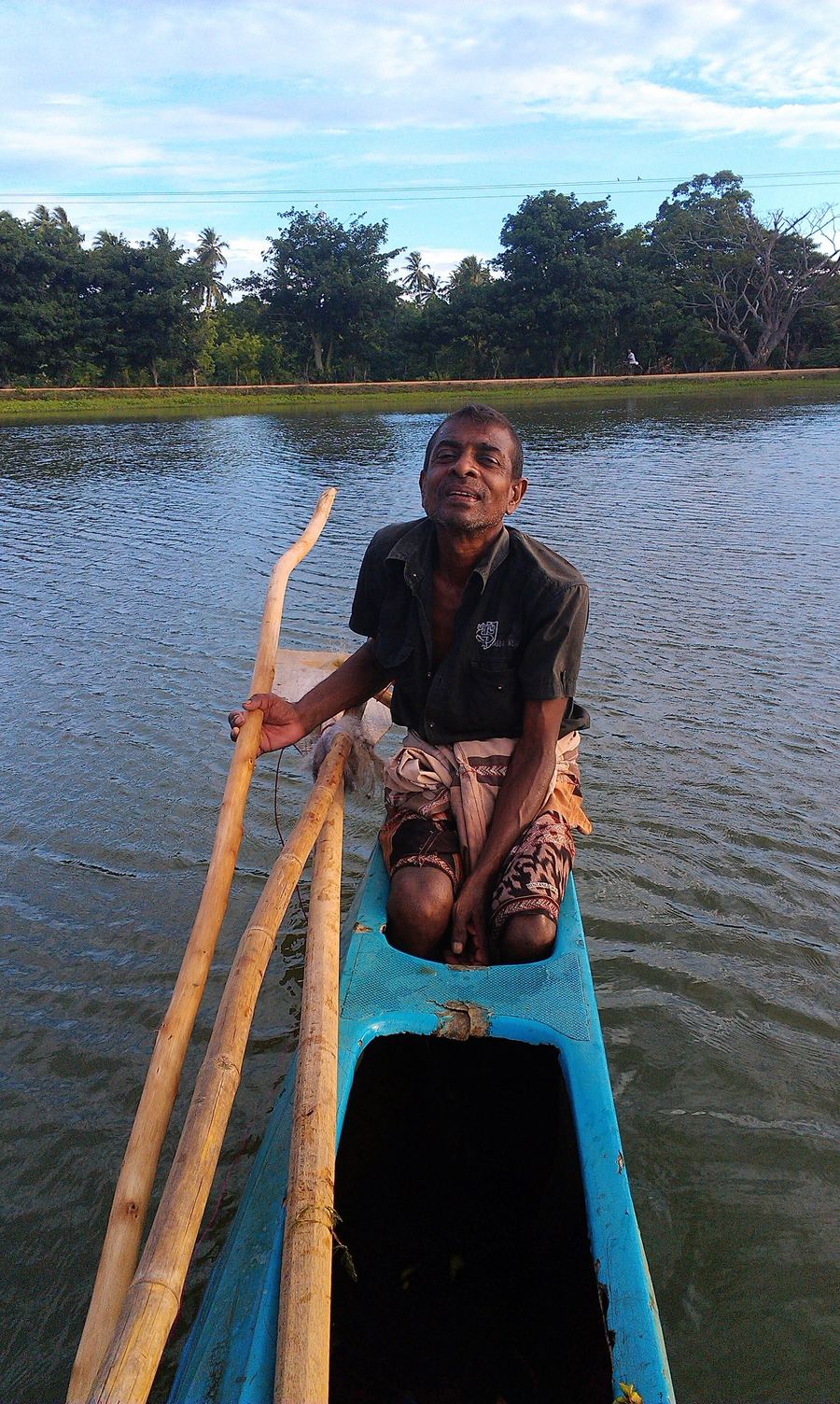
landmark
A lotus-covered reservoir quieter than Tissa Wewa. Excellent early morning birdwatching without tour group crowds.
Chiedi a Parley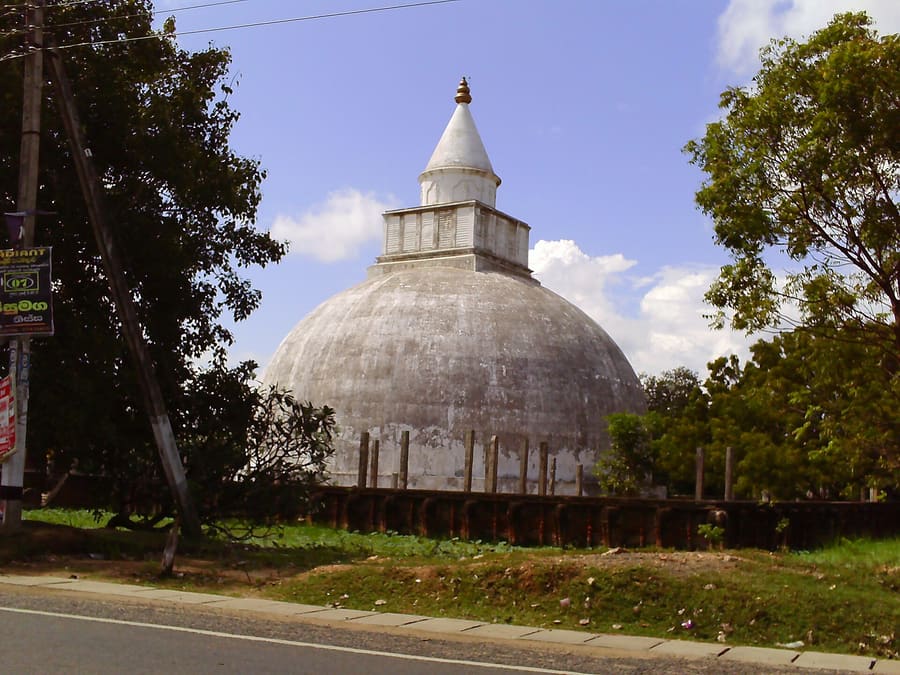
landmark
An excavated stupa encircled by sculpted elephant heads. Holds a small site museum displaying recovered moonstones and coins.
Chiedi a Parleyattractions
areas
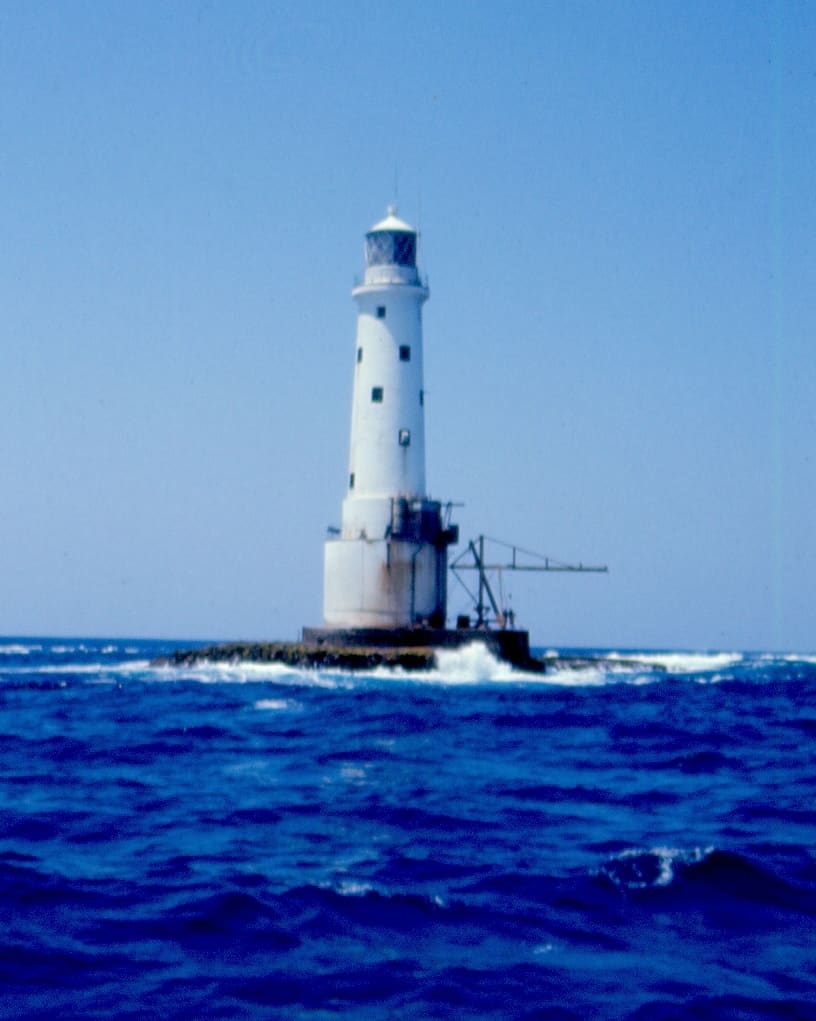
Windy fishing village with granite outcrops and views of the Southern Ocean.
Nei dintorniKirinda Temple and fishing port
Chiedi a ParleyShaded water-edge road lined with mid-range safari lodges and ancient trees.
Nei dintorniTissa Wewa and main stupa
Chiedi a ParleyFunctional hub around the bus station with bakeries, banks, and grocery stores.
Nei dintorniBus terminal and banks
Chiedi a ParleySemi-rural agricultural fringe dominated by paddy fields and lotus ponds.
Nei dintorniDebarawewa tank and Yatala Vehera
Chiedi a Parleyfood
Tissamaharama's cuisine relies on southern Sri Lankan staples: dry-zone rice, fresh river fish, and buffalo curd. Meals revolve around midday rice and curry buffets served in small roadside eateries near the main clocktower. Dinner options narrow significantly after 20:00 because town shuts down early for morning safaris.Fresh buffalo curd served in terracotta pots with kithul treacle is sold along the main roads toward Hambantota. The curd produced around Tissa is famous island-wide for its thickness and tartness.
Curry spreads in local eateries are set out at 11:30 and run dry by 13:30. Dinner options drop off sharply after 19:30.
Buy buffalo curd from roadside stands along the A2 highway. Check that the clay pot seal is intact before paying.
Order packed breakfast or lunch boxes from your hotel by 18:00 the previous evening for 05:00 pickup.
history
Tissamaharama was founded in the 3rd century BC as Mahagama, the capital of the southern Ruhuna kingdom. Prince Mahanaga established the settlement after fleeing the royal court in Anuradhapura. The kingdom served as a stronghold of southern independence and Buddhist patronage during northern foreign invasions.King Kavantissa and his son Dutugemunu expanded the city, constructing massive irrigation tanks to sustain agriculture in the arid dry zone. These reservoirs still supply water to local paddy fields today.
Founding of Mahagama
Prince Mahanaga establishes Mahagama as the capital of the Ruhuna kingdom.
Tissa Wewa construction
King Kavantissa orders the damming of the lake to secure food production for his armies.
Yala National Park established
Nearby wildlife reserves are designated, converting Tissamaharama into a safari hub.
where to stay
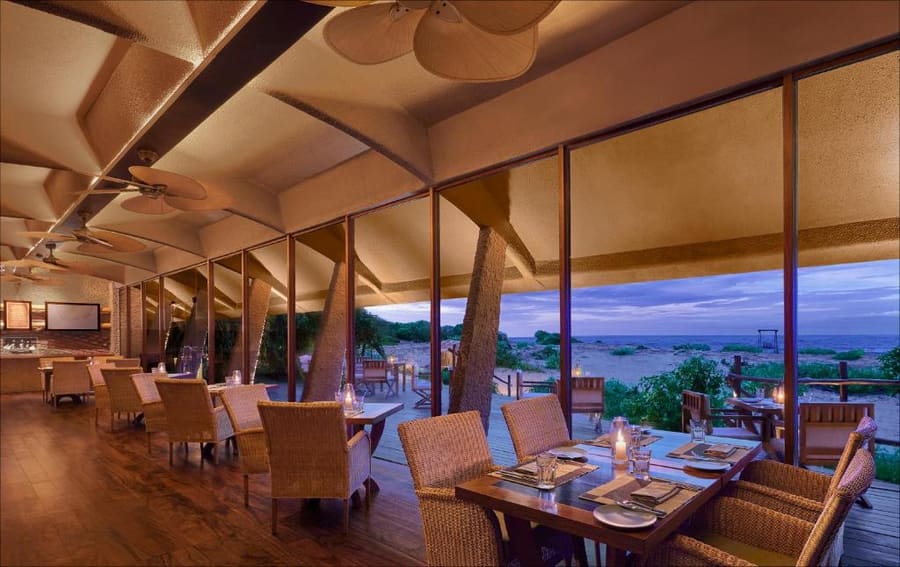
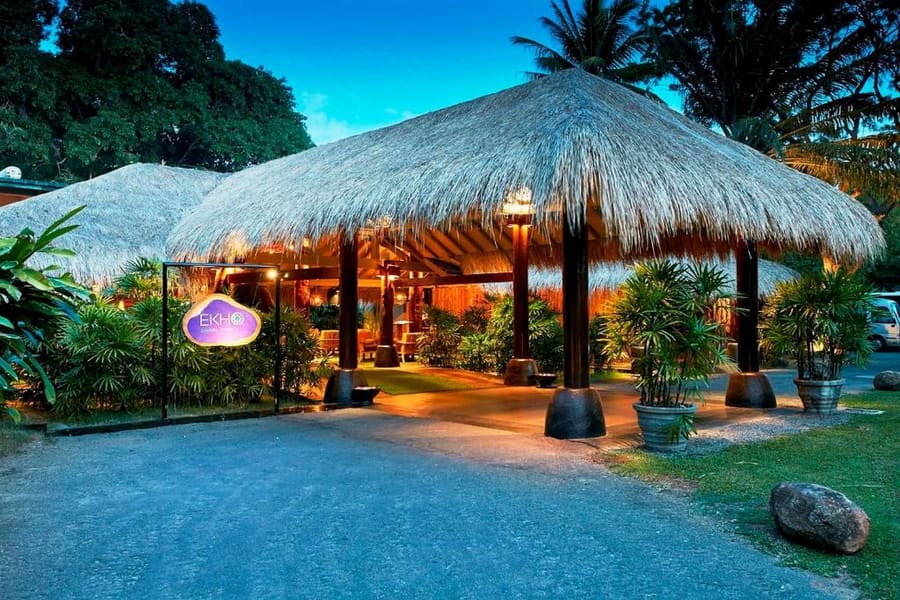
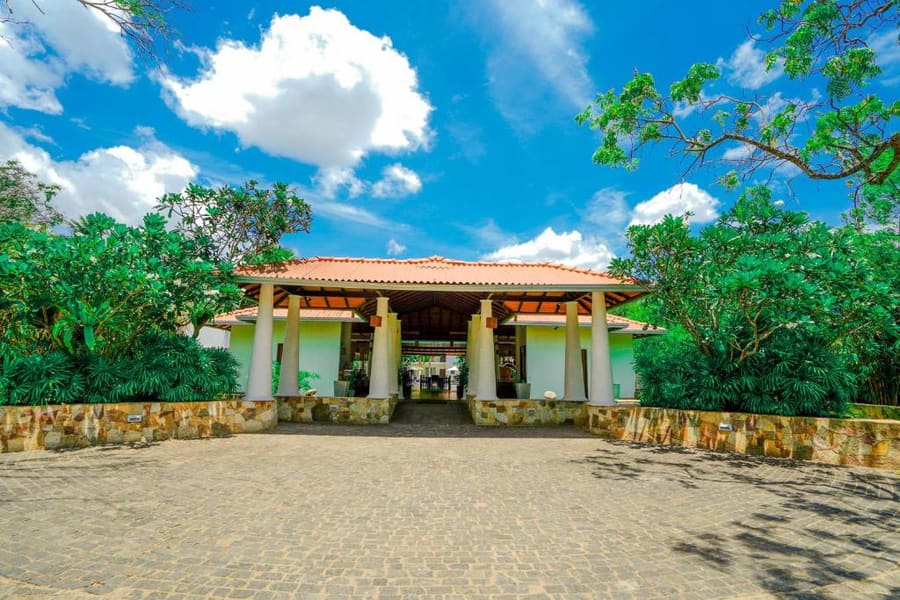
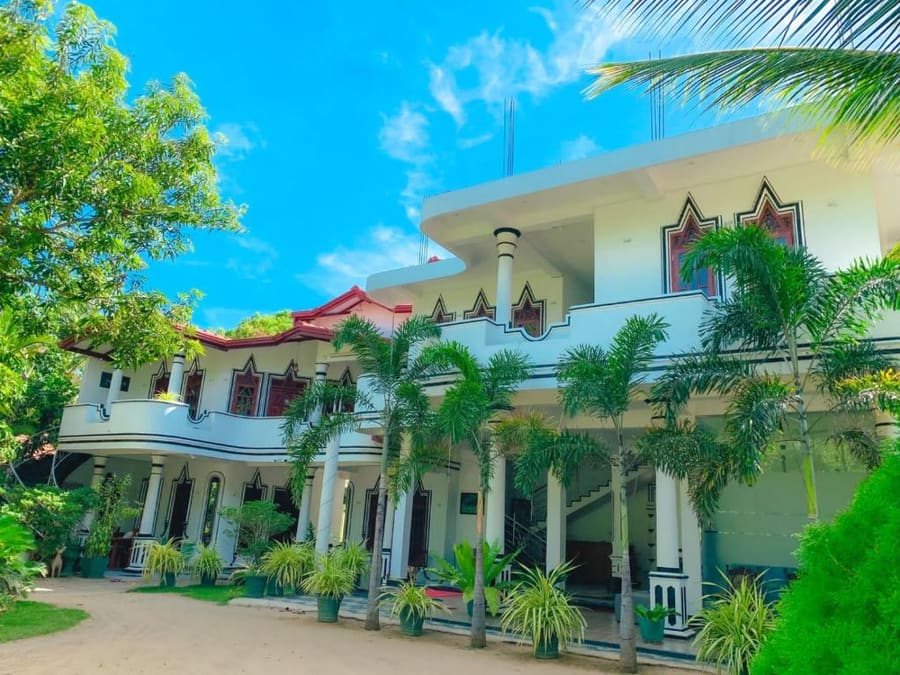
Choose your location based on your wake-up time and noise tolerance. Lakefront hotels offer sunset walks and quiet nights but cost significantly more. Guesthouses in Debarawewa provide paddy views and lower room rates, while main town hotels are noisy but put you steps from local bus connections.
Live rates, matched to the areas above.

transport
Tissamaharama has no urban rail or public city bus network. Navigating town relies on local three-wheeler tuk-tuks or walking along the lake embankment. For safari excursions into Yala or Bundala, four-wheel-drive safari jeeps with drivers are mandatory inside the national parks.
Da Mattala Rajapaksa International Airport (HRI)
Pre-arrange with hotel driver or hire at arrival terminal.
Requires changing buses at Hambantota main stand.
Short rides within town cost LKR 300 to LKR 500. Negotiate and confirm the fare before sitting down.
Jeep hire costs LKR 18,000 to LKR 25,000 per vehicle per half-day shift, split among passenger seats.
The nearest train terminus is Beliatta, 75 km west. Express buses connect Beliatta station to Tissa in 2 hours.
Intercity buses from Galle or Colombo accept cash only. Pay the conductor after taking your seat.
cost
Tissamaharama is budget-friendly for food and local transit, but safari park fees carry government foreign-national surcharges. Carry cash; smaller guesthouses and tuk-tuks do not accept card payments.
Official government entry charge per foreign adult, excluding jeep hire costs.
Standard price at local town eateries for a plate with three vegetable sides and fish.
Sold by roadside vendors along the main highway outside town.
Standard fare for rides between the bus stand and lakefront hotels.
seasonality
FEB – JUN
Dry weather lowers park water levels, drawing wildlife to open waterholes in Yala.
JUL – SEP
High heat. Yala Block 1 often closes for maintenance in September and October.
OCT – NOV
Inter-monsoon rains bring heavy afternoon downpours and muddy tracks in safari parks.
DEC – JAN
Migratory bird season at Bundala. Peak domestic and international tourist crowds.
practicalities
Safari jeeps pick up at hotels between 04:30 and 05:00 to reach park gates before 06:00 opening.
Midday temperatures regularly exceed 32°C. Schedule stupa visits for early morning or late afternoon.
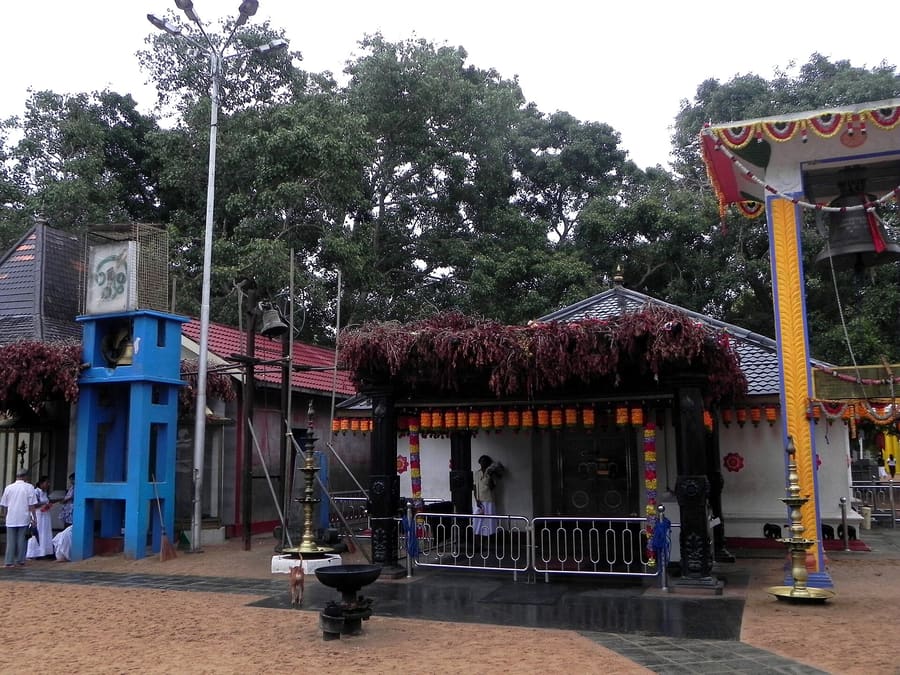
Remove footwear and hats before walking onto stupa sand terraces. Keep shoulders and knees covered.
ATMs in town center frequently run out of cash during long weekend holidays. Keep reserve notes.
Do not swim in Tissa Wewa or local lakes. Mugger crocodiles inhabit all regional fresh water.