landmark
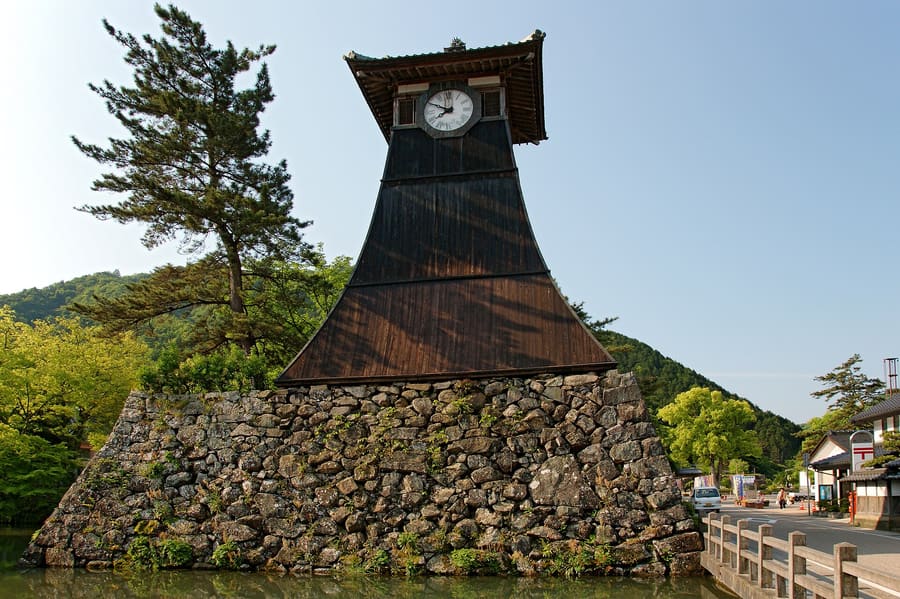
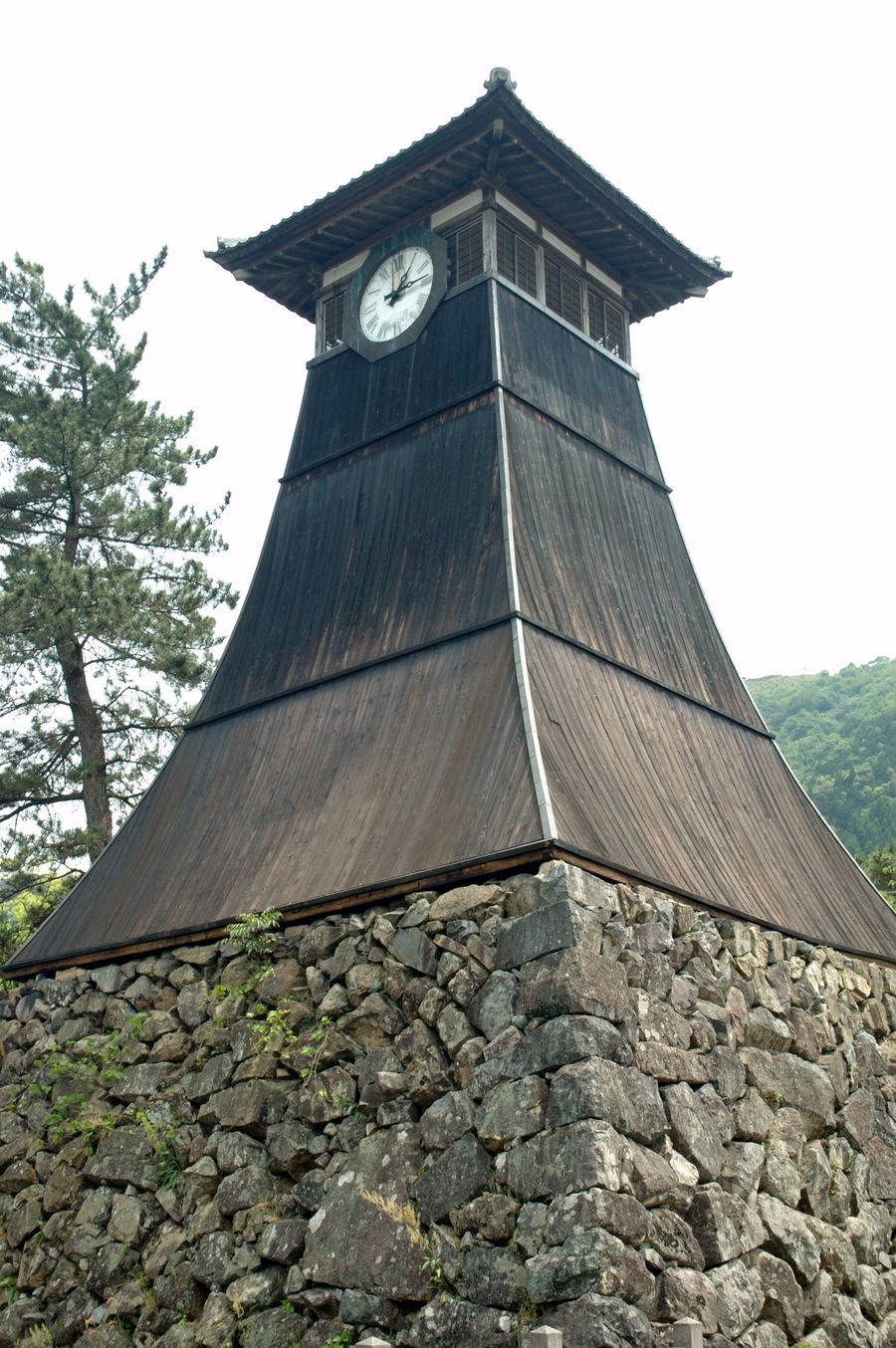
Izushi Shinkorou Clock Tower
Built in 1871, this wooden clock tower marks the center of the castle district. Visit early before tour buses arrive at 10:00.
Chiedi a ParleyGiappone
Hot spring canals, artisan luggage, and coastal basalt
introduction
Toyooka anchors the northern edge of Hyogo Prefecture along the Sea of Japan. The city spans hot spring villages, coastal volcanic parks, and historic castle towns. You travel between districts using the JR San'in Main Line rail network and Zentan buses. Expect traditional ryokan hospitality in Kinosaki alongside local bag craftsmanship in the city center.
Arrival trick
Fly into Kounotori Tajima Airport from Osaka Itami for a 35-minute flight. Local Zentan buses meet arriving flights to shuttle passengers directly into town.
Global recognition
The San'in Kaigan UNESCO Global Geopark protects the coastal basalt caves. The region also saved Japan's wild Oriental white stork population from extinction.
Planning trick
Overnight guests at Kinosaki ryokan receive a digital barcode pass. It grants free, unlimited access to all seven public bathhouses until 15:30 on checkout day.
Toyooka
by Reggaeman · CC BY-SA 3.0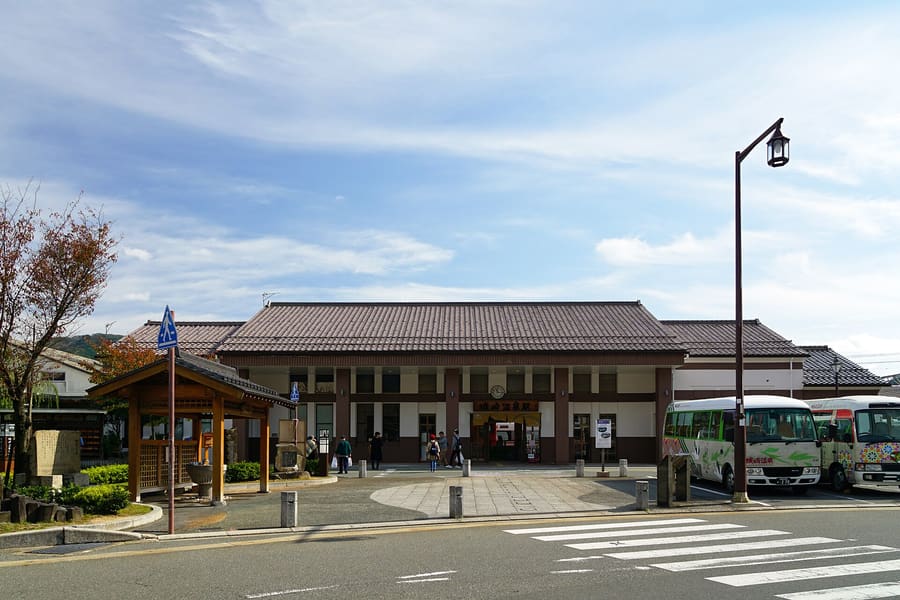
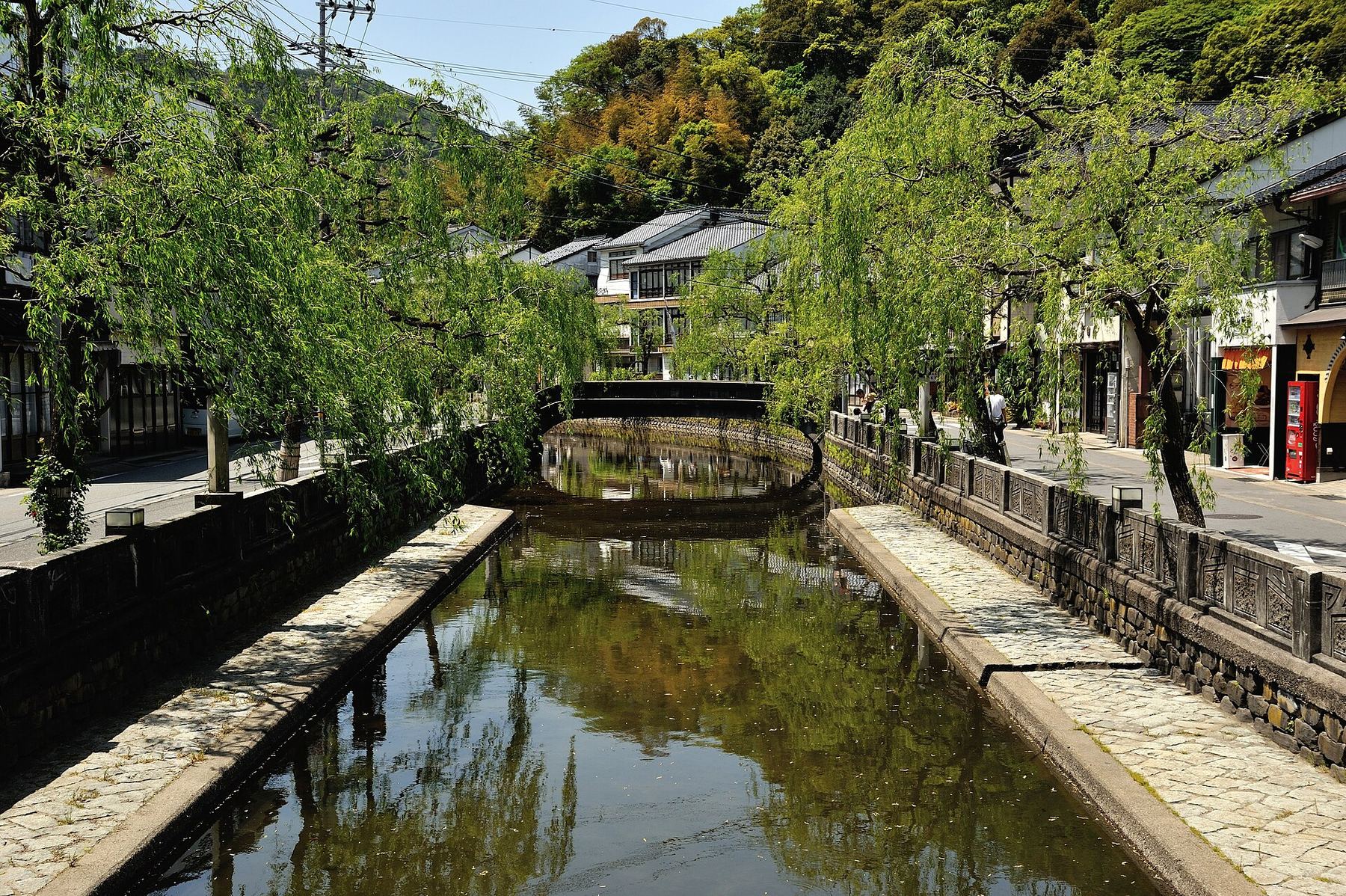
Kinosaki Onsen — Willow-lined canals, wooden ryokan, and bathers walking in yukata robes.
663highland · CC BY 2.5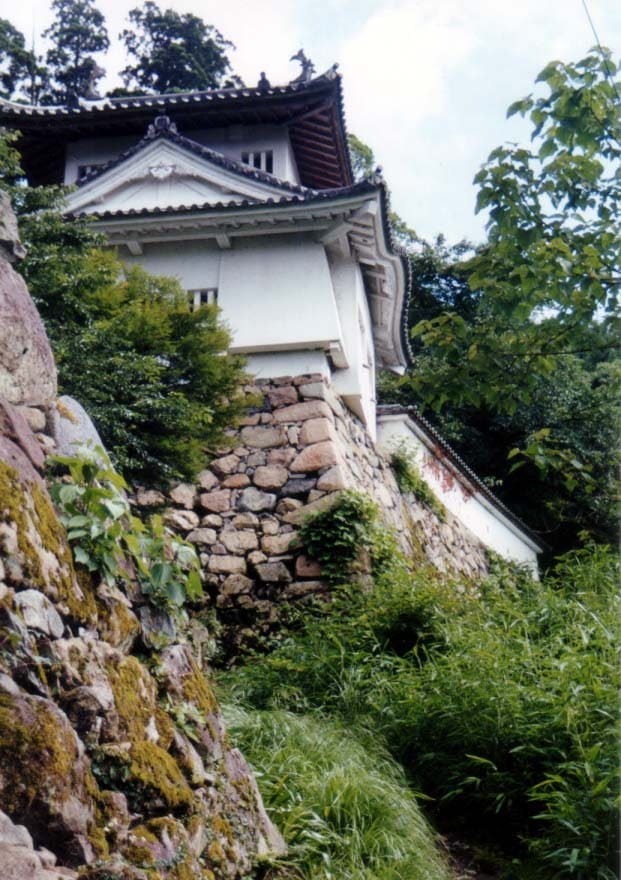
Izushi Castle Town — Quiet Edo-period streets, white plaster walls, and small soba shops.
by Reggaeman · CC BY-SA 3.0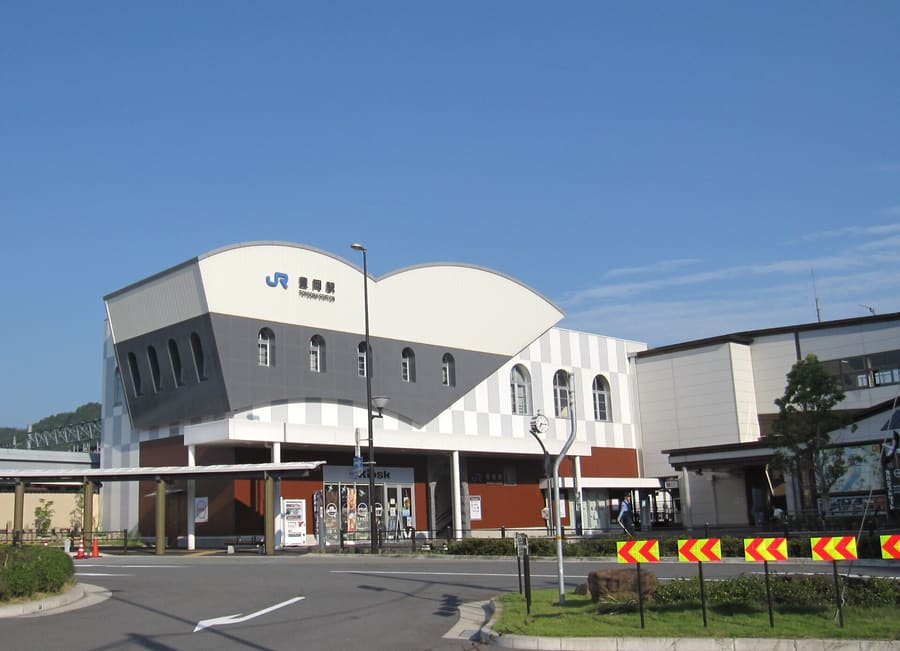
Toyooka Station District — A functional transit hub anchored by artisan bag workshops and local shopping streets.
KishujiRapid · CC BY-SA 3.0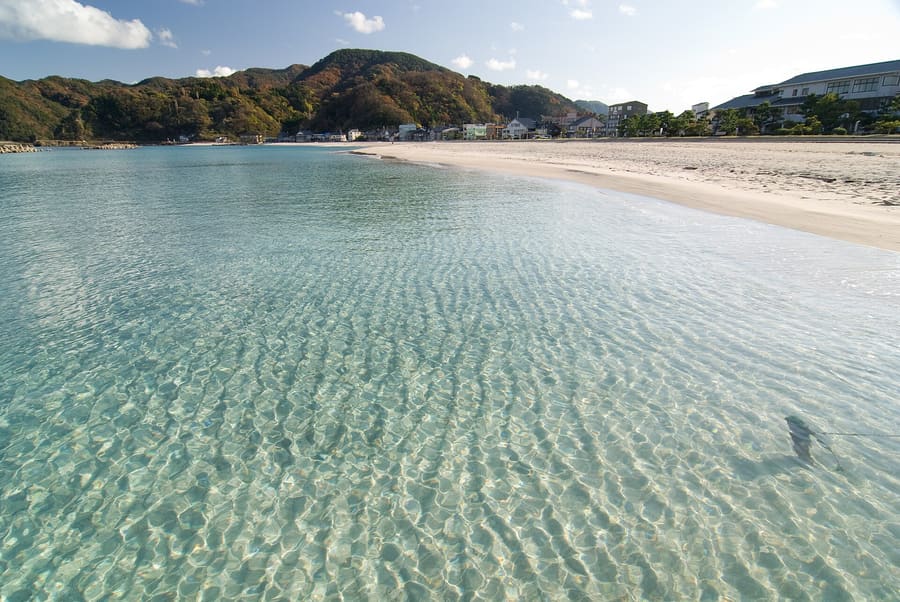
Takeno Coast — A quiet fishing village with clear sea waters and granite coastal cliffs.
Hashi photo · CC BY 3.0highlights
landmark
Built in 1871, this wooden clock tower marks the center of the castle district. Visit early before tour buses arrive at 10:00.
Chiedi a Parley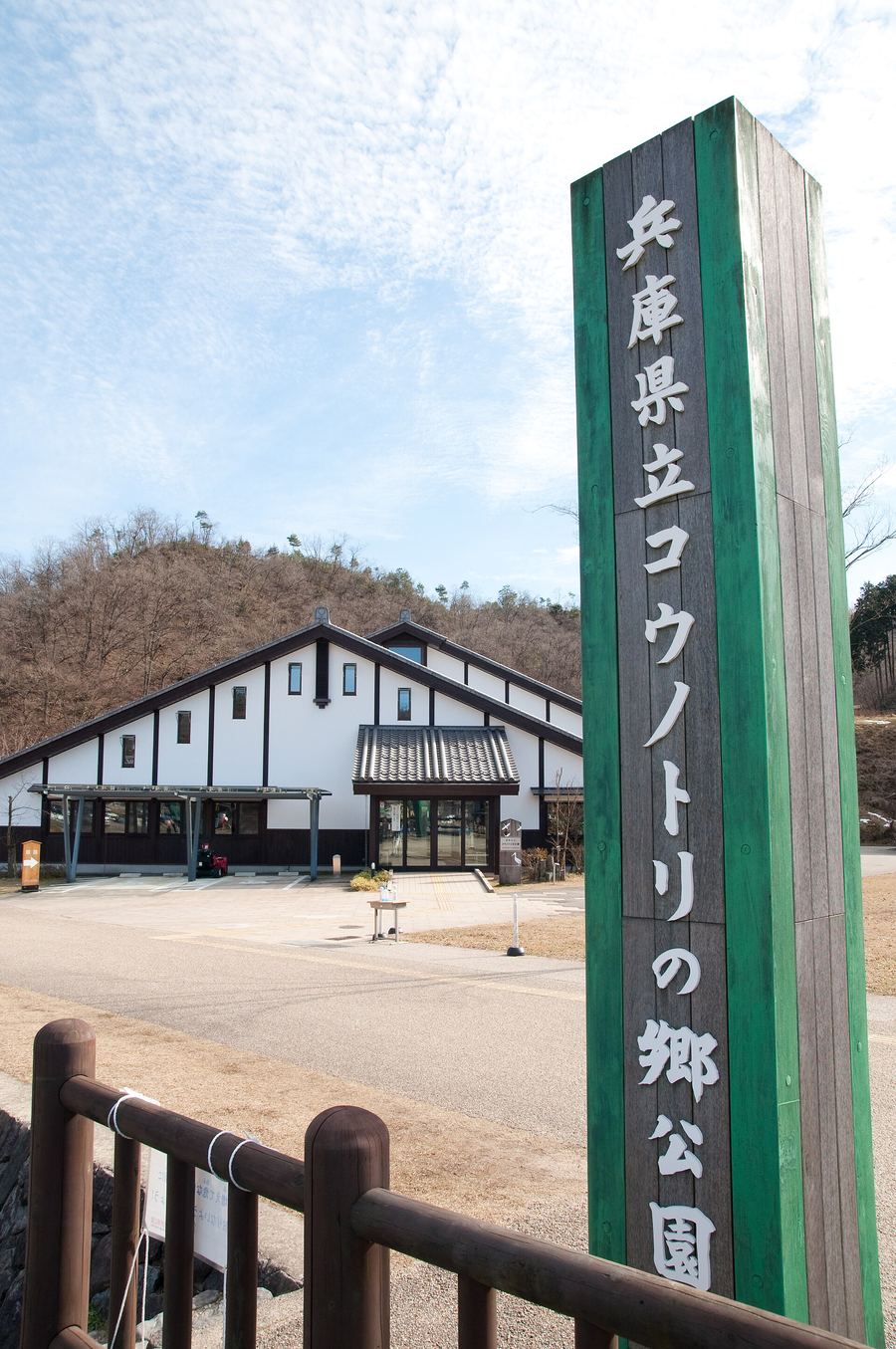
landmark
This conservation center re-introduced the Oriental white stork to Japan. Entry costs ¥100 and wild storks nest in open fields outside.
Chiedi a Parley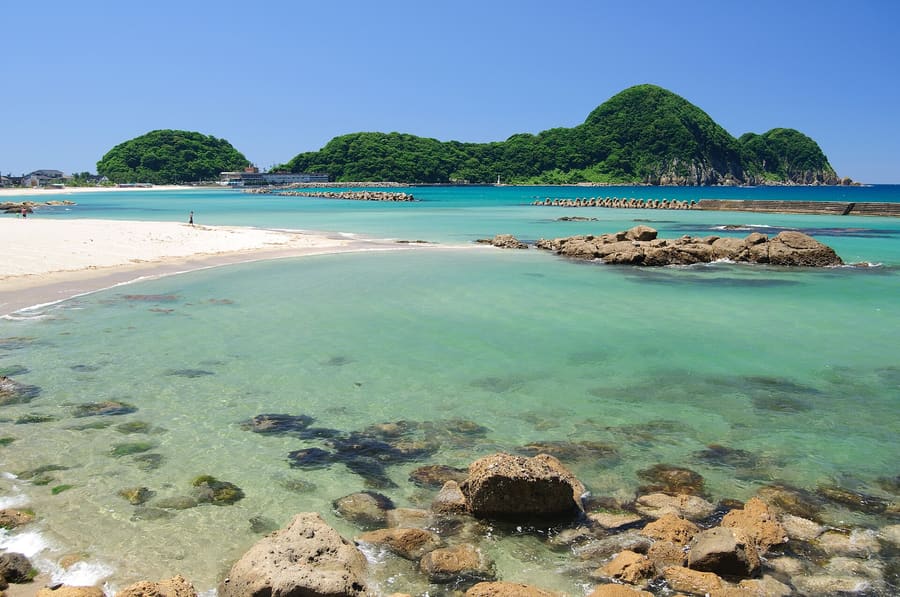
landmark
A clear sand bay on the Sea of Japan one train stop west of Kinosaki. Summer brings clear water and beach huts selling local seafood.
Chiedi a Parley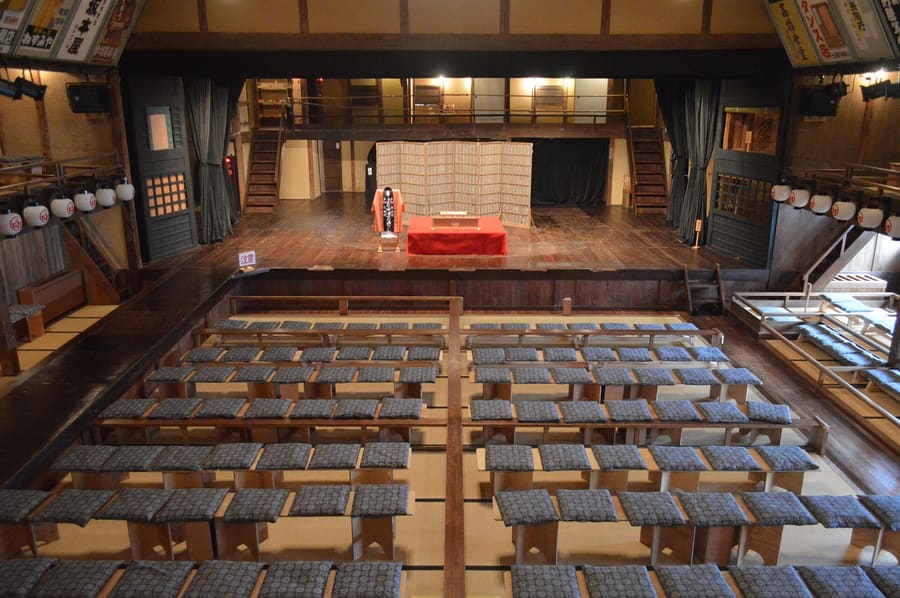
landmark
The oldest operating kabuki theatre in the Kansai region opened in 1901. Self-guided tours allow access under the rotating stage.
Chiedi a Parleyattractions
areas
Willow-lined canals, wooden ryokan, and bathers walking in yukata robes.
Nei dintorniJR Kinosaki Onsen Station and Mount Daishi Ropeway
Chiedi a ParleyQuiet Edo-period streets, white plaster walls, and small soba shops.
Nei dintorniIzushi Castle Ruins and Eirakukan Theatre
Chiedi a ParleyA functional transit hub anchored by artisan bag workshops and local shopping streets.
Nei dintorniJR Toyooka Station and Caban Street
Chiedi a ParleyA quiet fishing village with clear sea waters and granite coastal cliffs.
Nei dintorniTakeno Beach and Yodoiro sea cave
Chiedi a Parleyfood
Dining in Toyooka revolves around two local specialties: Izushi sara soba and Tajima beef. Izushi soba arrives as five small ceramic plates of cold buckwheat noodles served with raw egg, grated yam, and dashi broth. Local restaurants give you a commemorative wooden token if you finish 20 or more plates in one sitting.Tajima cattle are the purebred ancestor stock for Kobe beef. Local steak houses in Toyooka city center serve Tajima beef grilled on iron plates at lower prices than Kobe or Tokyo restaurants. Coastal winter menus highlight local Matsuba snow crab caught in the Sea of Japan between November and March.
A standard order includes five small plates. You order additional plates in units of five as you eat.
Fresh snow crab lands at Tsuiyama Port from November to March. Ryokan dinner menus feature boiled, grilled, and sashimi crab.
Soba shops in Izushi peak between 12:00 and 14:00 on weekends. Arrive at 11:00 to avoid lines.
history
Toyooka developed as a river port along the Maruyama River. Willow trees planted along the water provided raw materials for woven wicker baskets, establishing the city's leather and luggage craft industries.In 1925, the Great Tajima Earthquake destroyed much of Kinosaki and Toyooka. The city rebuilt Kinosaki using stone embankments and strict building codes that preserved three-story wooden architecture. In 1971, the wild Oriental white stork died out in Japan, prompting Toyooka to establish a breeding program that successfully reintroduced the birds to local wetlands.
Izushi Castle built
The Koide clan established Izushi Castle, establishing the surrounding district as a regional administrative center.
Shinkorou Clock Tower erected
Local residents built a wooden clock tower on the castle grounds. It switched from drum signals to a mechanical clock in 1881.
Great Tajima Earthquake
A magnitude 6.8 earthquake struck the valley. Reconstruction established the stone canal walls visible in Kinosaki today.
Stork reintroduction into wild
Toyooka released hand-reared Oriental white storks into local rice paddies after decades of pesticide-free farming initiatives.
where to stay
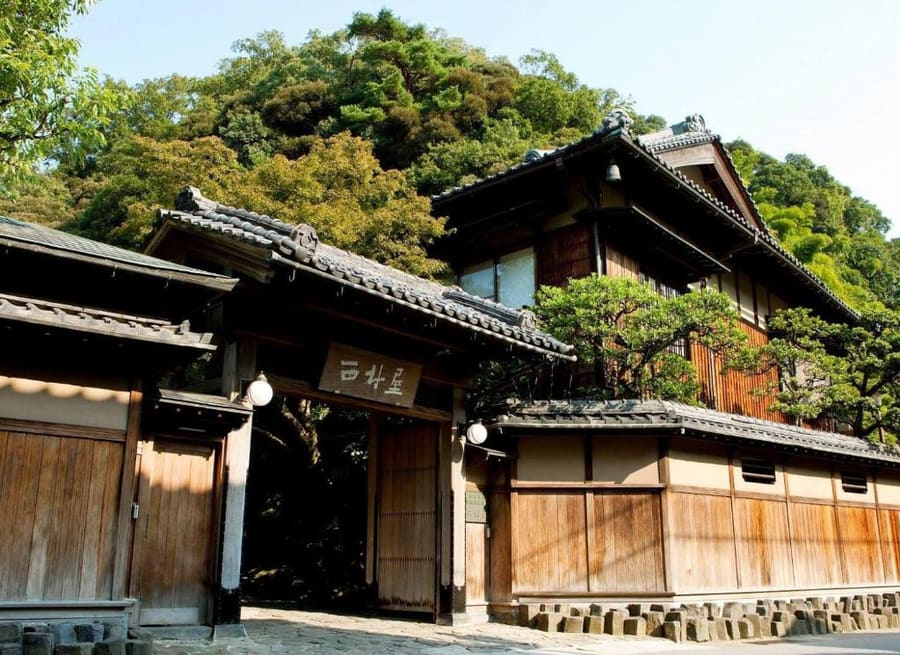
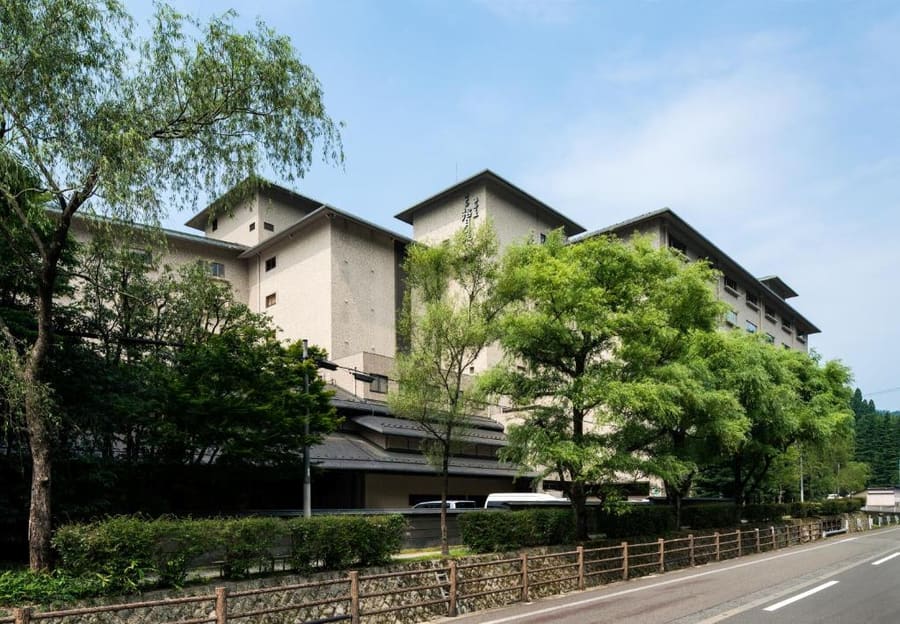
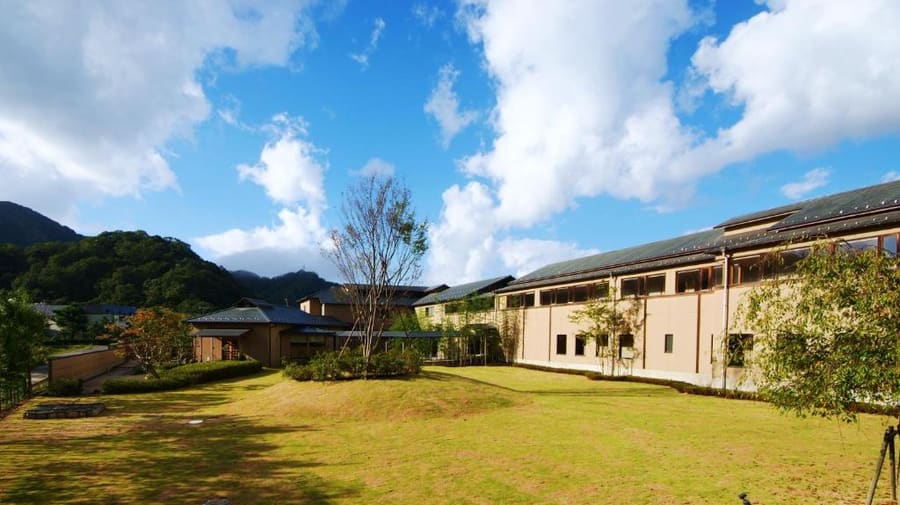
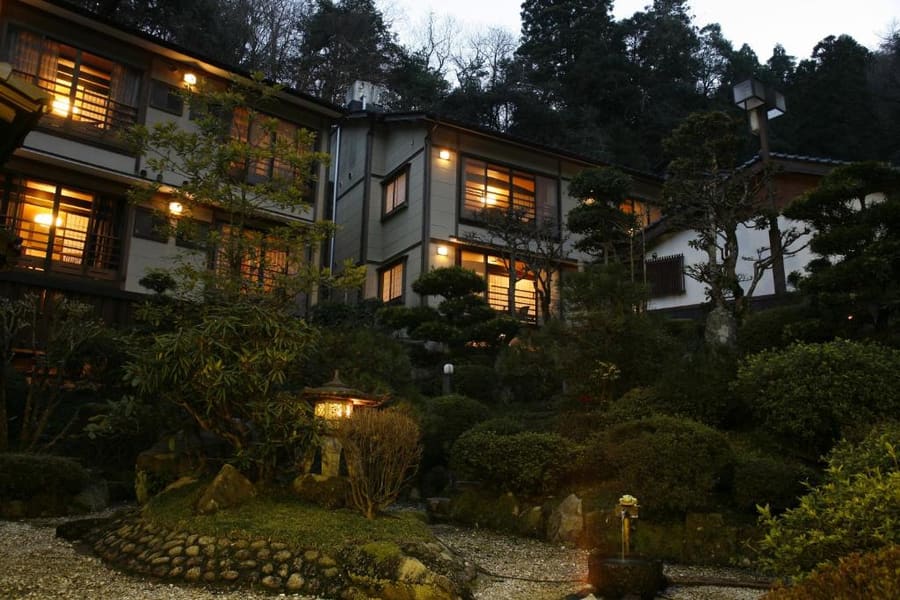
Choose your base based on your evening plans. Kinosaki Onsen suits travellers seeking traditional ryokan meals, hot spring bathing, and night walks in yukata. Toyooka Station offers western business hotels with lower nightly rates and direct access to regional rail lines.
Live rates, matched to the areas above.
transport
JR San'in Main Line trains link Toyooka Station, Genbudo Station, Kinosaki Onsen Station, and Takeno Station. Zentan Bus operates local routes connecting Toyooka Station to Izushi castle town and Kounotori Tajima Airport.
Direct JR Limited Express Kounotori trains run from Osaka to Kinosaki Onsen in 2 hours and 40 minutes.
The private Kyoto Tango Railway line terminates at Toyooka Station, linking the city to Amanohashidate.
cost
Hot spring bath passes and local attractions keep day costs manageable. Meal prices vary depending on whether you choose local soba or seasonal Tajima beef and Matsuba crab.
Standard lunch portion at traditional soba houses across Izushi castle town.
Includes steak or yakiniku cuts with rice, soup, and small sides near Toyooka Station.
Connects Kinosaki Onsen village to the summit of Mount Daishi.
seasonality
MAR – MAY
Mild temperatures and cherry blossoms along the Otani River in April. Moderate visitor numbers.
JUN – AUG
Hot summer days suited for swimming at Takeno Beach. Kinosaki hosts night fireworks throughout August.
SEP – NOV
Autumn foliage around Izushi Castle. Matsuba crab season opens in early November.
DEC – FEB
Snow falls on wooden ryokan roofs. Peak season for winter hot springs and fresh snow crab dinners.
practicalities
All seven public bathhouses in Kinosaki Onsen welcome guests with tattoos of any size.
The Kinosaki Onsen Information Center across from the station delivers luggage to your ryokan for ¥500 per bag.
You may walk the streets of Kinosaki wearing yukata robes and wooden geta clogs provided by your ryokan.
Leave your shoes or geta in wooden lockers at the entrance of each public bath before entering.