landmark
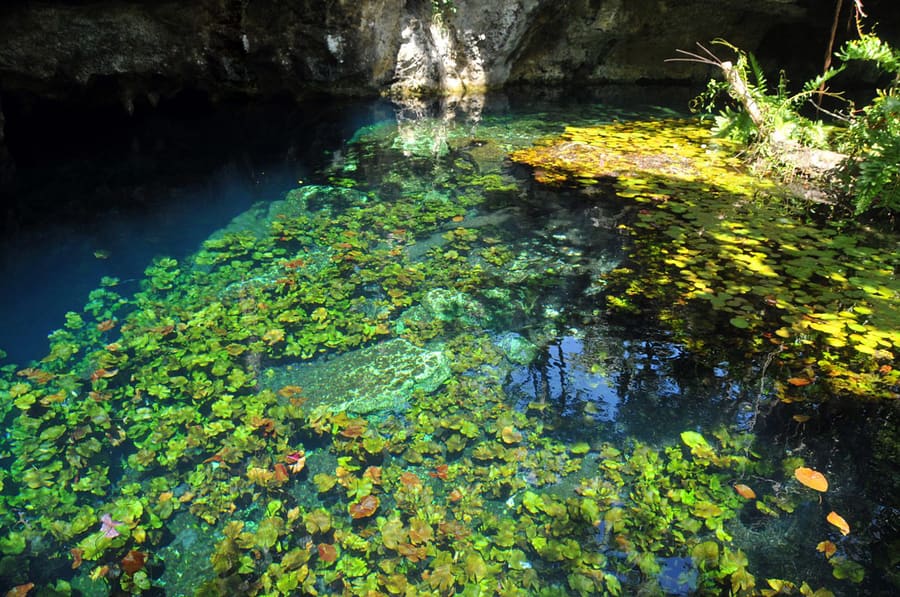
Gran Cenote
Partially open cavern system filled with freshwater turtles. Shower thoroughly before entry to protect the delicate ecosystem.
Chiedi a ParleyMessico
Mayan coastal ruins meets a split-personality beach corridor.
introduction
Tulum is two distinct towns linked by a single road. Inland sits the Pueblo, where locals live and tacos cost normal prices. Along the coast stretches the beach strip, where high-end eco-resorts charge Miami prices for off-grid cabanas. Moving between the two requires patience, a bicycle, or a high budget for taxis.
Tulum International Airport (TQO)
TQO airport opened south of town in late 2023. Shared shuttles or pre-booked transfers are much cheaper than taking official airport taxis.
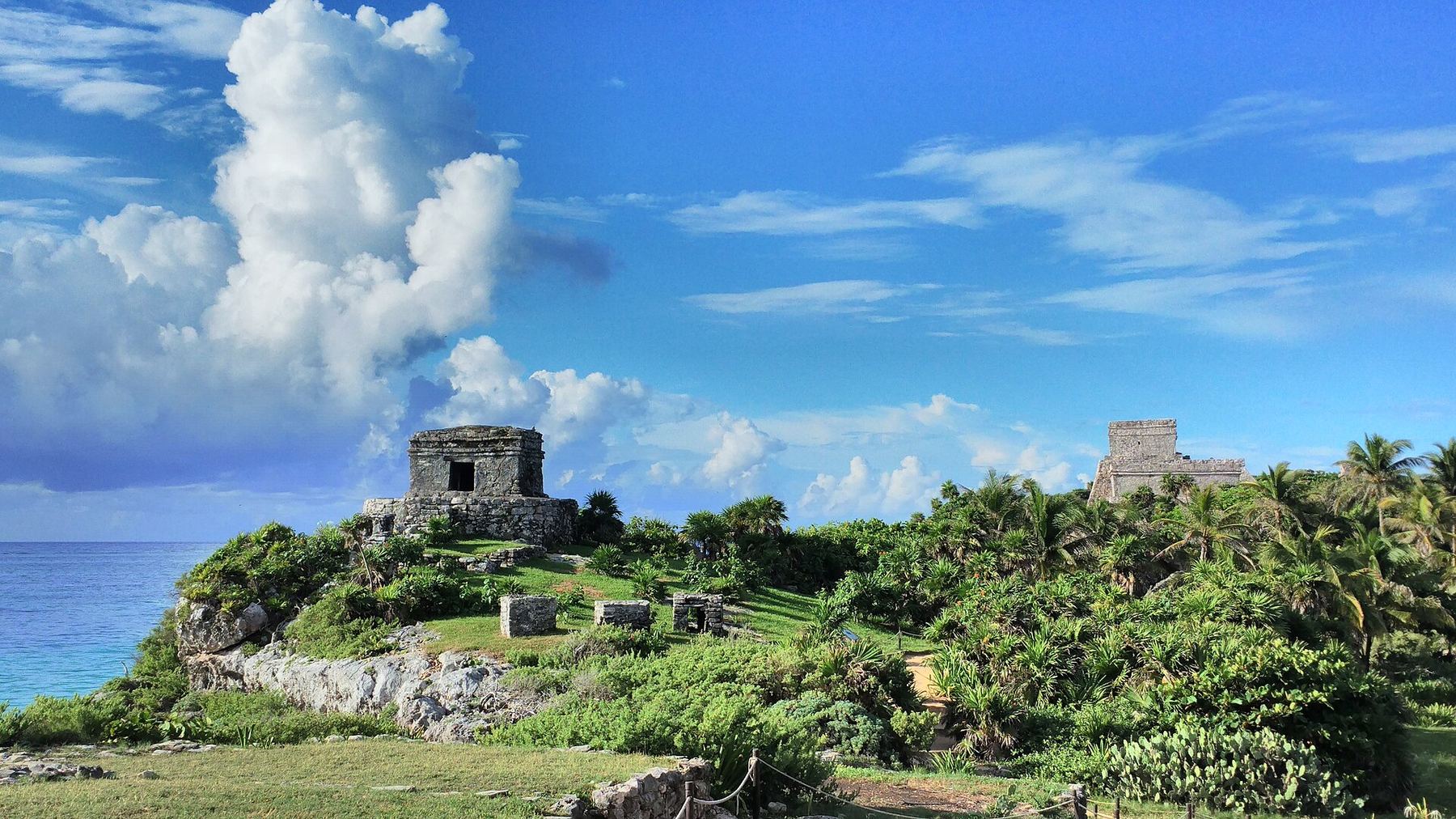
Mayan Port Fortress
Tulum is one of the few walled cities built by the Maya directly on the Caribbean coast. It operated as a key sea-trading port until the late 16th century.
Transport Reality
Taxis in Tulum do not use meters. Agree on your exact fare in Mexican pesos before setting foot inside the vehicle.
Tulum
Son of Groucho · CC BY 2.0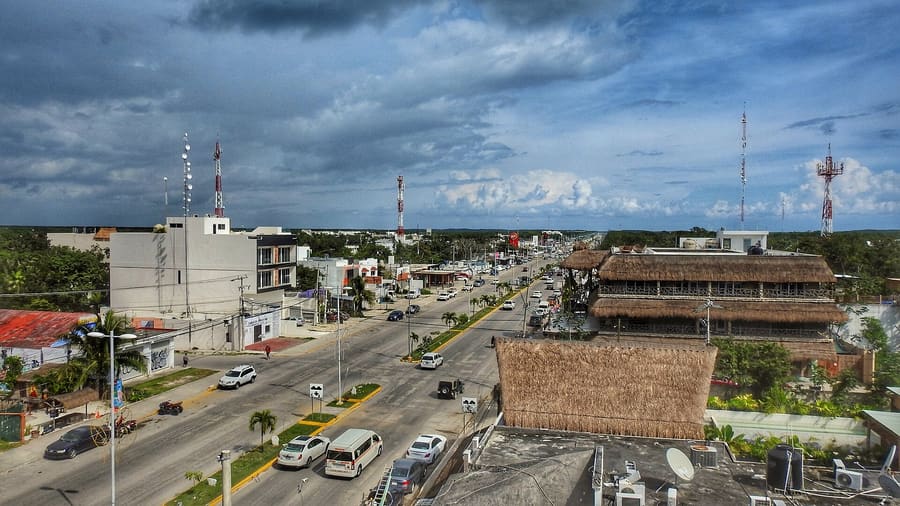
Tulum Pueblo — Walkable town center filled with taquerias, grocery stores, and local bus terminals.
Dennis Sylvester Hurd · CC BY 2.0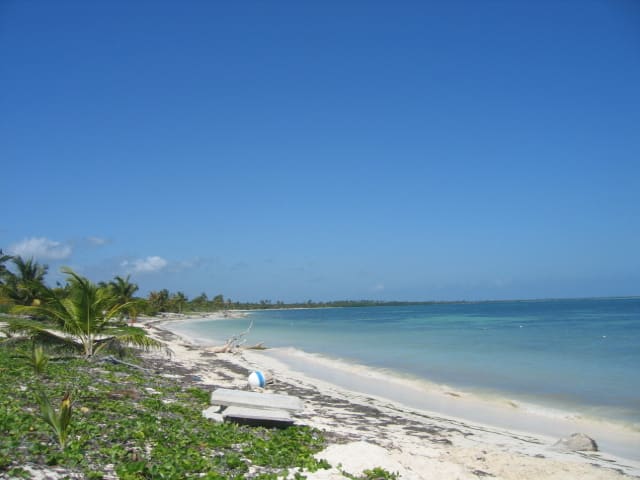
Zona Hotelera Sur — Boho-chic strip along the sand lined with candlelit restaurants and beach clubs.
Dudley Miles · Public domain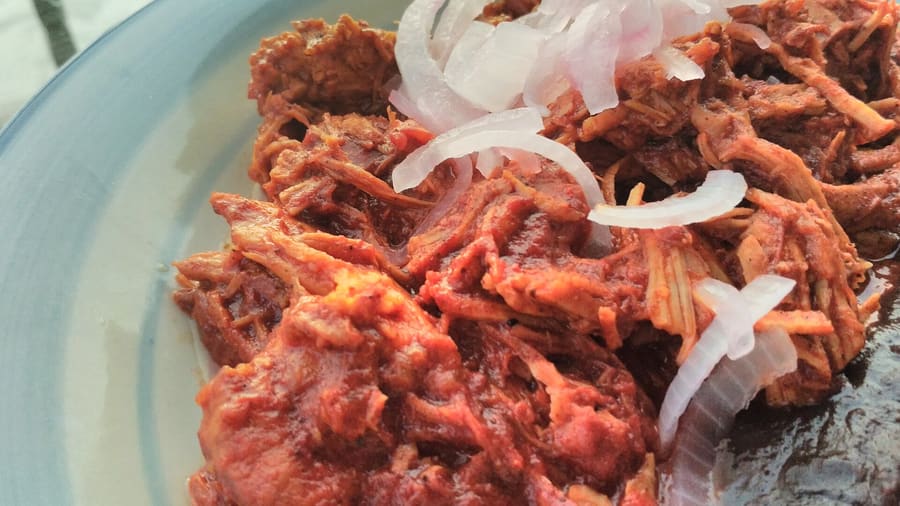
Cochinita pibil tacos served on handmade corn tortillas with pickled red onions.
Popo le Chien · CC BY-SA 3.0highlights
landmark
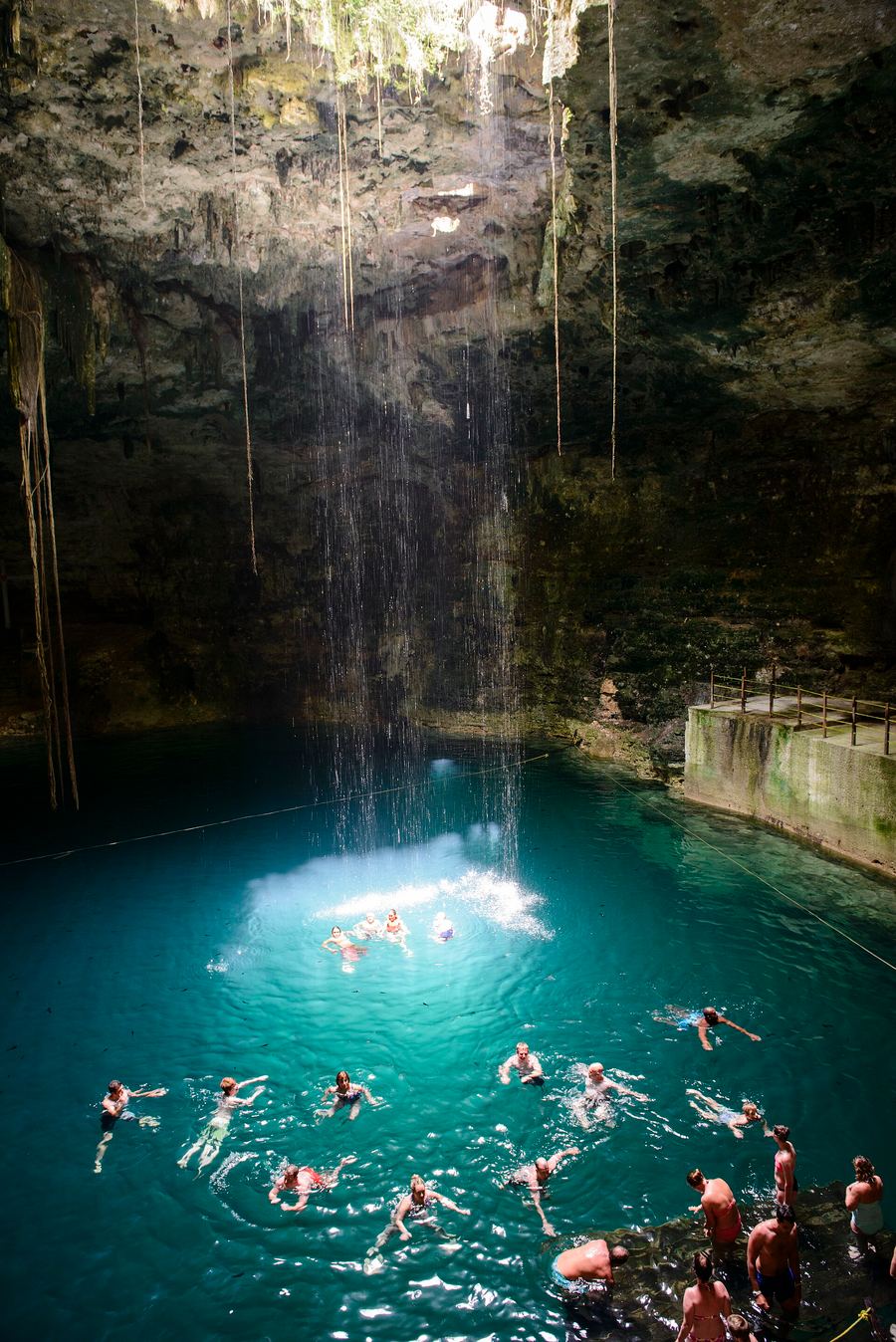
Partially open cavern system filled with freshwater turtles. Shower thoroughly before entry to protect the delicate ecosystem.
Chiedi a Parley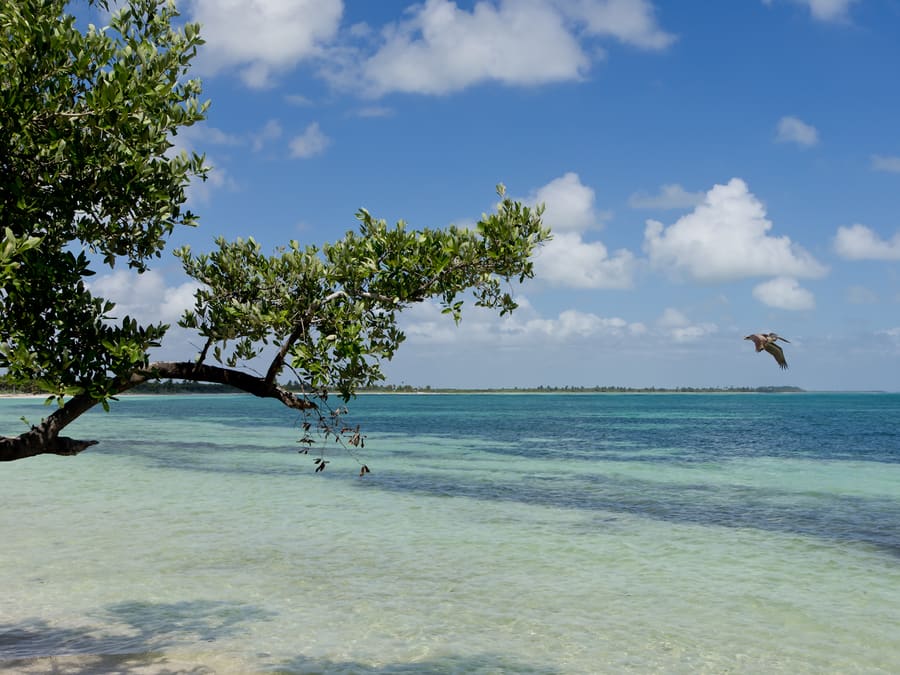
landmark
UNESCO-protected wetland reserve spanning marine and jungle zones. Boat tours launch from Muyil ruins to float mangrove canals.
Chiedi a Parley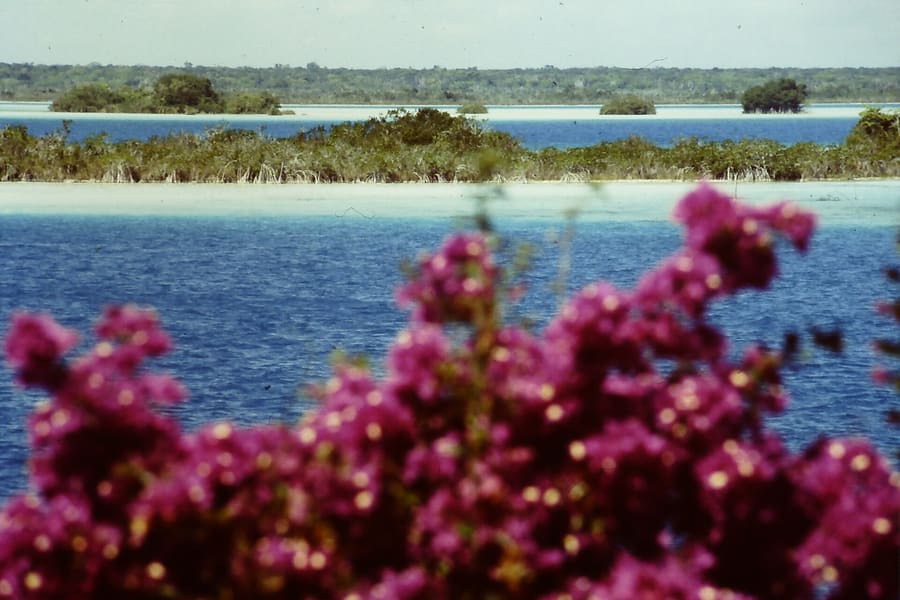
landmark
Shallow emerald lagoon featuring an 82-meter deep cenote hole in the center. Swimmers stick to the clear outer ring.
Chiedi a Parleyattractions
areas
Walkable town center filled with taquerias, grocery stores, and local bus terminals.
Nei dintorniGran Cenote, ADO station, Avenida Tulum
Chiedi a ParleyBoho-chic strip along the sand lined with candlelit restaurants and beach clubs.
Nei dintorniSian Ka'an border, south beach access, high-end shops
Chiedi a Parleyfood
Tulum's food scene splits along geographic lines. In the Pueblo, traditional Yucatecan dishes like cochinita pibil and poc chuc cost under 40 MXN per taco at small local spots. Along the Zona Hotelera, wood-fired seafood and upscale dining dominate, where a single dish often starts at 500 MXN.Yucatecan cuisine relies heavily on citrus marinade, sour orange, and habanero chillies. Look for marquesitas sold from street carts along Avenida Tulum in the evening. These thin, crispy rolled crepes come filled with melted Edam cheese and sweet spreads like Nutella.
Cochinita pibil tacos served on handmade corn tortillas with pickled red onions.
Popo le Chien · CC BY-SA 3.0Street carts selling traditional cochinita pibil open by 07:00 and often sell out completely before noon.
Taquerias in town rarely accept credit cards. Keep small Mexican peso notes available for casual dining.
Most beach restaurants require a minimum consumption spend of 1,000 to 2,500 MXN per person to use daylight loungers.
history
Tulum was originally named Zama, meaning dawn in the Mayan language. Built during the Late Postclassic period between 1200 and 1500 CE, the settlement served as a fortified port for the inland Mayan city of Coba. Its position along sea trade routes made it a major hub for obsidian, jade, and turquoise exchanges across Mesoamerica.Unlike many other Mayan cities, Tulum remained occupied for several decades after Spanish conquest attempts began. Disease brought by European ships eventually decimated the population, causing the site to be abandoned by the late 16th century.
Walled Fortress Construction
Mayan architects build the stone seawalls and major temples atop the coastal limestone cliffs.
Spanish Sighting
Juan de Grijalva's expedition sights the walled city towers from their ships while sailing along the coast.
Caste War Significance
The surrounding jungle area becomes a refuge during the Caste War of Yucatan rebel uprisings.
Federal Highway Link
Construction of Highway 307 connects the quiet fishing village to Cancun and the rest of Quintana Roo.
where to stay
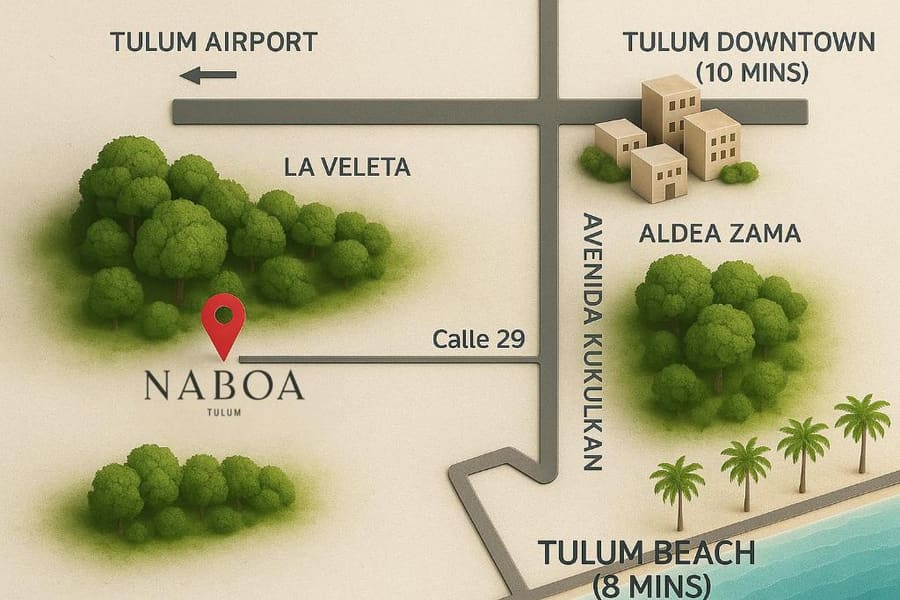
Choose your base by answering one question: do you prioritize immediate beach access or sane daily costs? Staying on the beach strip means steps to the ocean, but you trade away reliable electricity, noise insulation, and affordable meals. Staying in the Pueblo or Aldea Zama delivers air conditioning, strong Wi-Fi, and reasonable prices, but requires a 25-minute commute to the water.
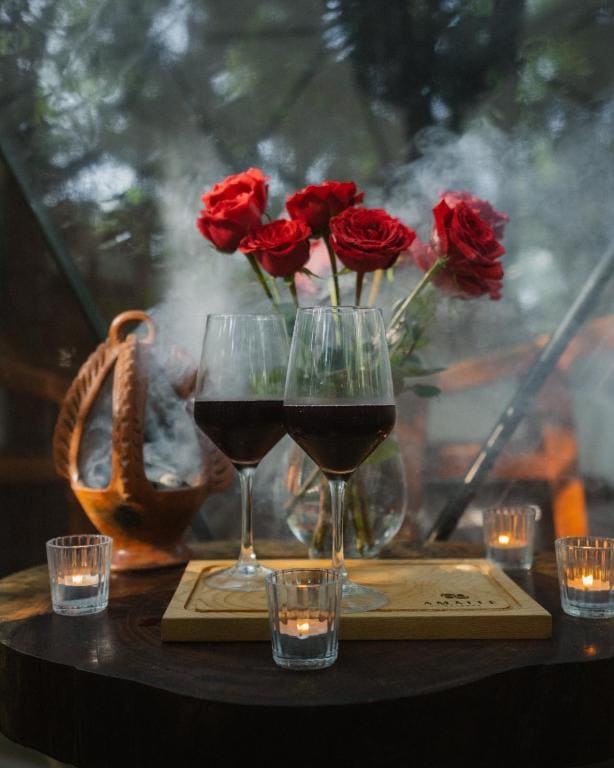
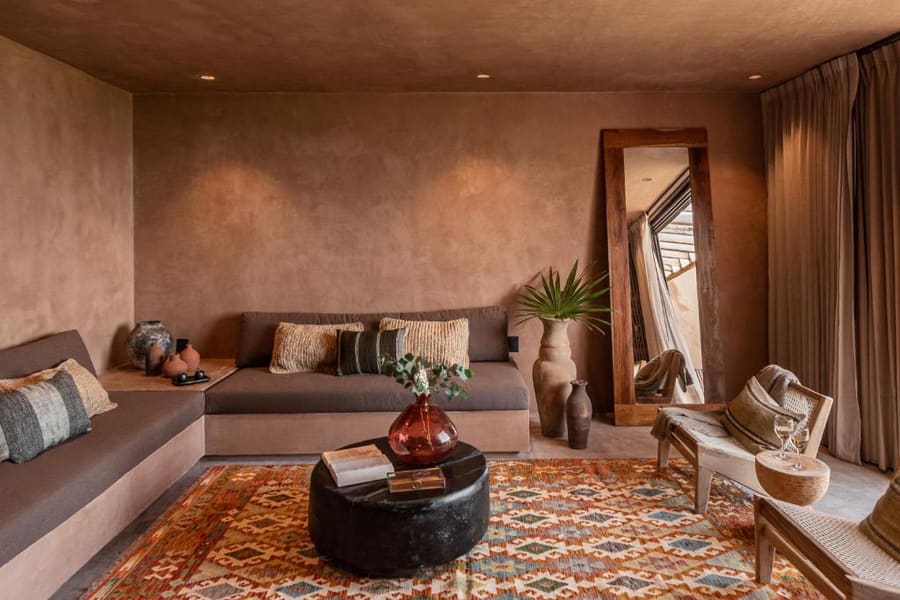
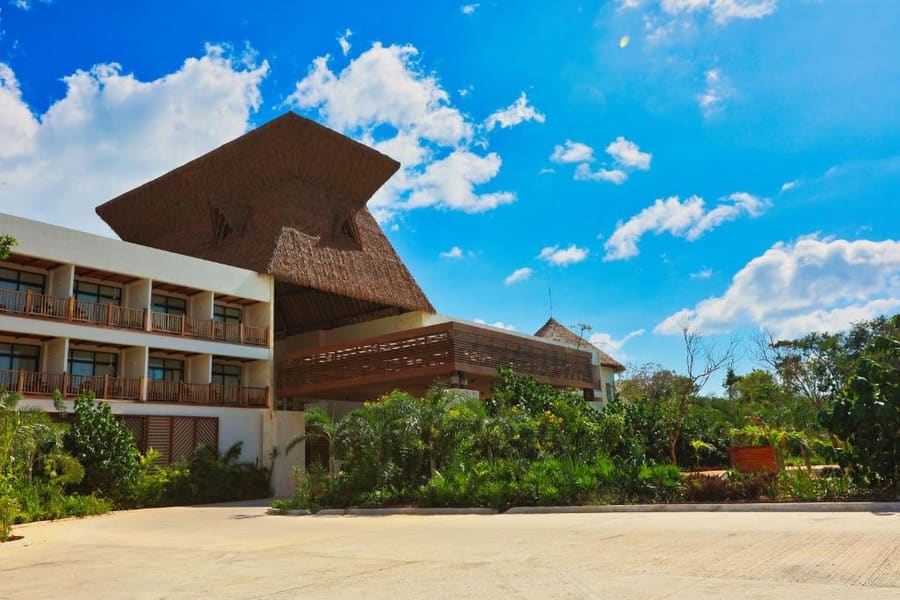
Live rates, matched to the areas above.

transport
Tulum has no public metro system or municipal city buses. Local transport consists of regional ADO long-distance buses, white collectivo vans running along Highway 307, bikes, and private taxis. Riding a bicycle is the standard way to cover the flat distance between Pueblo and the beach, using the dedicated path along Avenida Coba.
Da TQO (Felipe Carrillo Puerto International Airport)
Direct service from arrivals terminal to ADO Pueblo station. Coincides with flight arrivals.
Airport union taxis charge steep flat rates. Confirm total price before boarding.
Pre-booking required online or at official airport arrival desks.
Arrives at Tulum station outside centre; requires short local taxi connection into Pueblo.
White colectivos run constantly along Highway 307 between Pueblo, Cenote Cristalino, and Playa del Carmen. Wave them down from the road.
Daily bike rentals run between 150 and 250 MXN. Check tyre pressure and demand a heavy chain lock before leaving the shop.
Taxis lack meters. Rides within Pueblo cost around 100-150 MXN, while trips between Pueblo and the beach run 300-600 MXN.
The Tren Maya connects Tulum station to Cancun International Airport and Merida.
cost
Tulum is one of the most expensive destinations in Mexico if you stay along the beach strip, but remains affordable if you eat and sleep inland. ATMs along the beach road often run out of cash or charge exorbitant exchange rates; withdraw pesos from official bank ATMs inside Pueblo banks instead.
Local price for pork, chicken, or vegetarian tacos at Pueblo carts.
Standard federal INAH entry fee for the Tulum archaeological site.
Private entrance fees vary widely based on individual cenote infrastructure.
Typical drink prices charged at Zona Hotelera establishments.
seasonality
DEC – FEB
Peak dry season with clear blue water and cool sea breezes. High room rates and heavy crowds everywhere.
MAR – MAY
Rising heat and humidity with moderate crowds. Sea conditions stay clear before summer sargassum algae blooms.
JUN – AUG
Hot, humid conditions with frequent afternoon downpours. High chance of sargassum seaweed collecting on beaches.
SEP – NOV
Peak hurricane and rain season. Hotel rates drop sharply, but some seasonal beach businesses close for maintenance.
practicalities
Check daily marine forecasts for sargassum levels before booking beach clubs; cenotes remain clean year-round.
Standard chemical sunscreens are banned in cenotes and reserves. Wear UV protective rashguards instead.
Only use standalone bank ATMs (like Santander or Banorte) inside town to avoid high fees and card skimming.
Quintana Roo stays on EST year-round and does not observe daylight saving time adjustments.
Jungle areas around cenotes and La Veleta get heavy mosquito activity at dusk. Bring natural insect repellent.