landmark
Fischerviertel
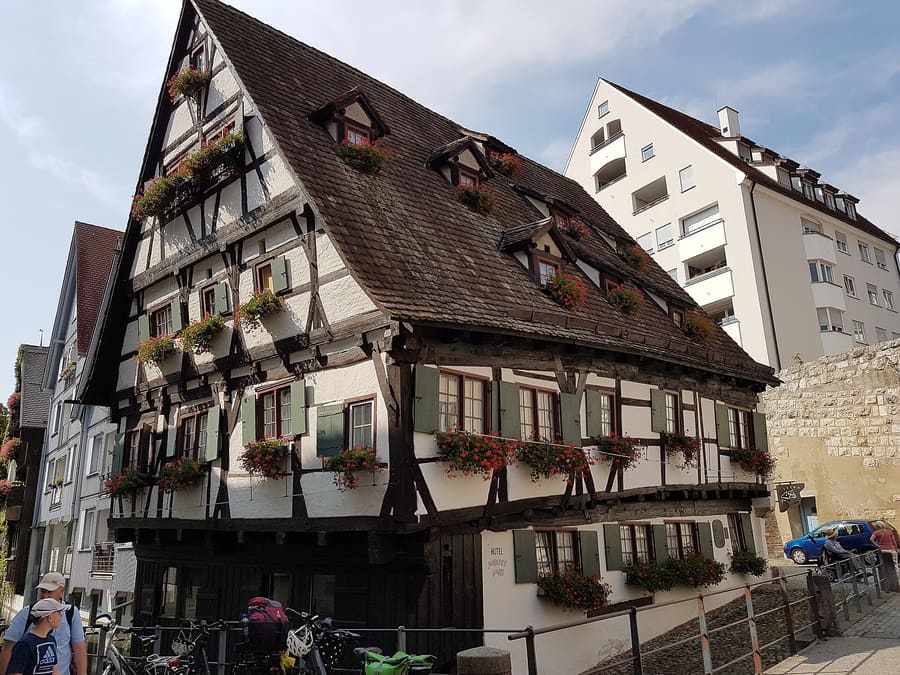
Restored medieval quarters where the Blau river splits around timber houses. Visit early in the morning to skip tour crowds.
Chiedi a ParleyGermania
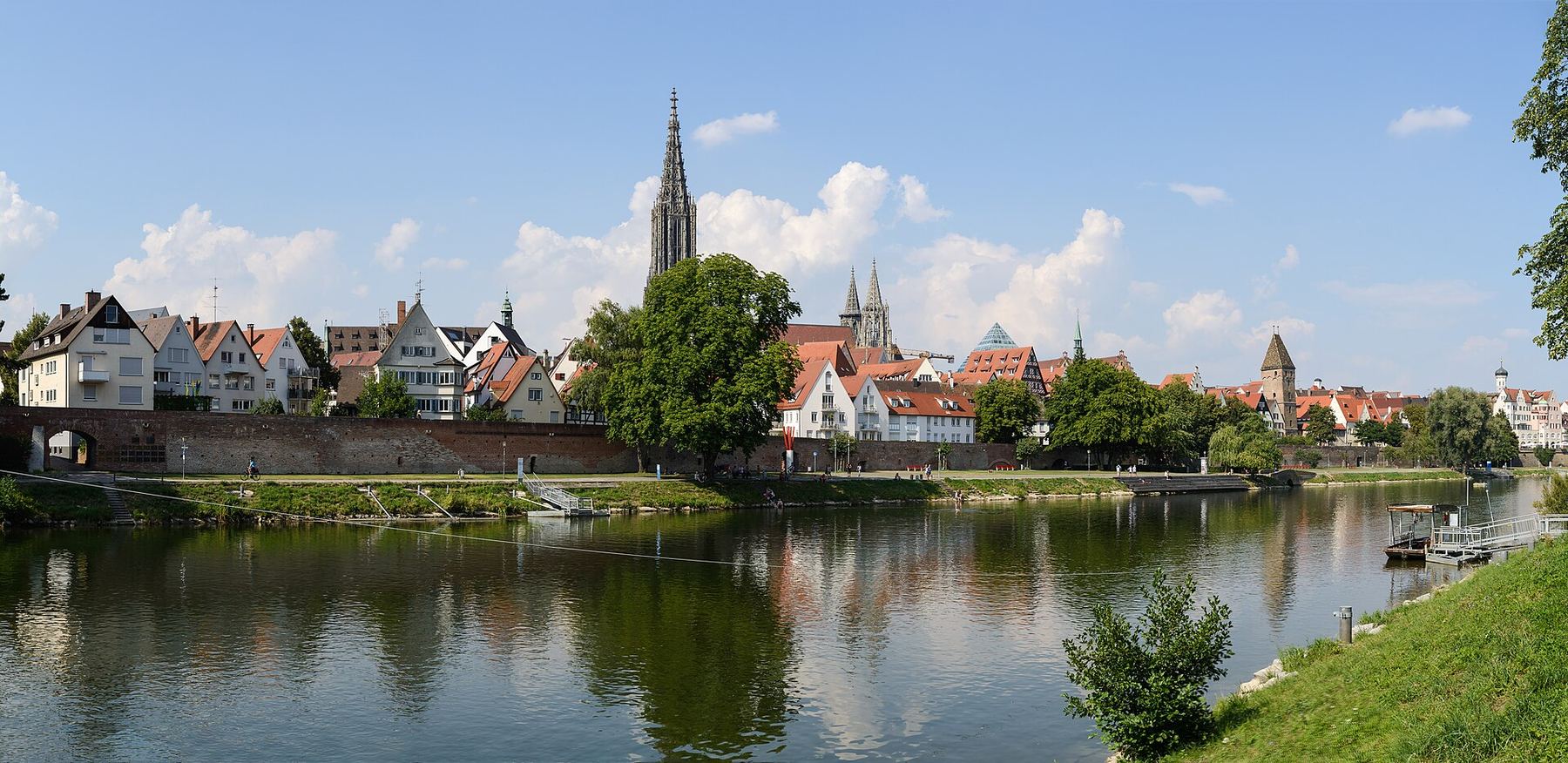
The world's highest steeple above a divided Danube.
introduction
Ulm sits on the Danube River along the rail line between Stuttgart and Munich. The city split in 1810, leaving the historic centre in Baden-Württemberg and the south bank in Bavarian Neu-Ulm. You navigate the core entirely on foot within twenty minutes from the central train station. Expect steep Gothic stonework, strict post-war concrete, and rapid Swabian service.
Arrival speed
ICE trains reach Ulm Hauptbahnhof from Stuttgart in 30 minutes via the high-speed line. The station sits five minutes on foot from the pedestrian district.
River border crossing
Walking across the Herdbrücke bridge takes you from Baden-Württemberg into Bavaria within two minutes. Local bus fares remain unified across both states.
Ulm
Ricardalovesmonuments · CC BY-SA 4.0
Stadtmitte — Pedestrian streets dominated by retail chains, bakery stalls, and the towering silhouette of the Minster.
Flo Sorg · CC0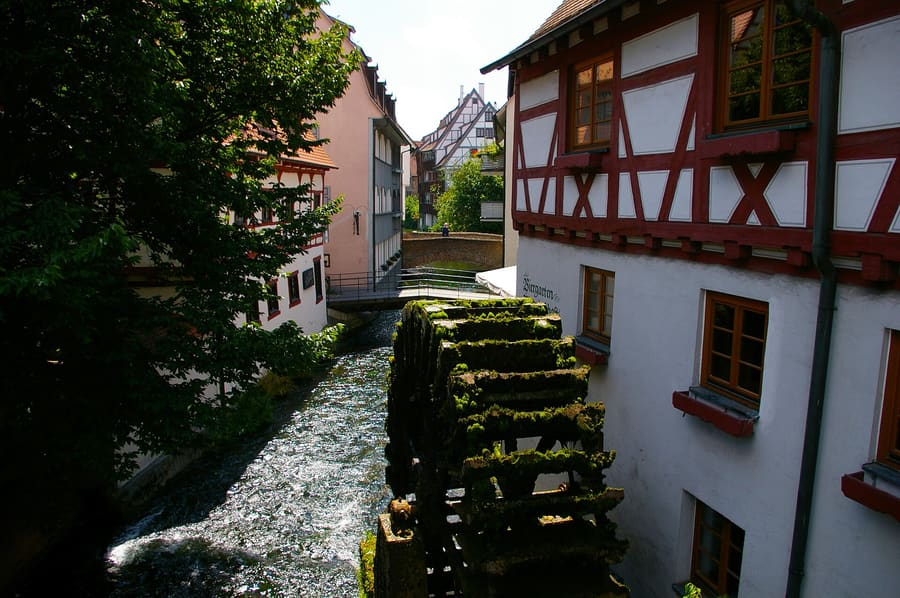
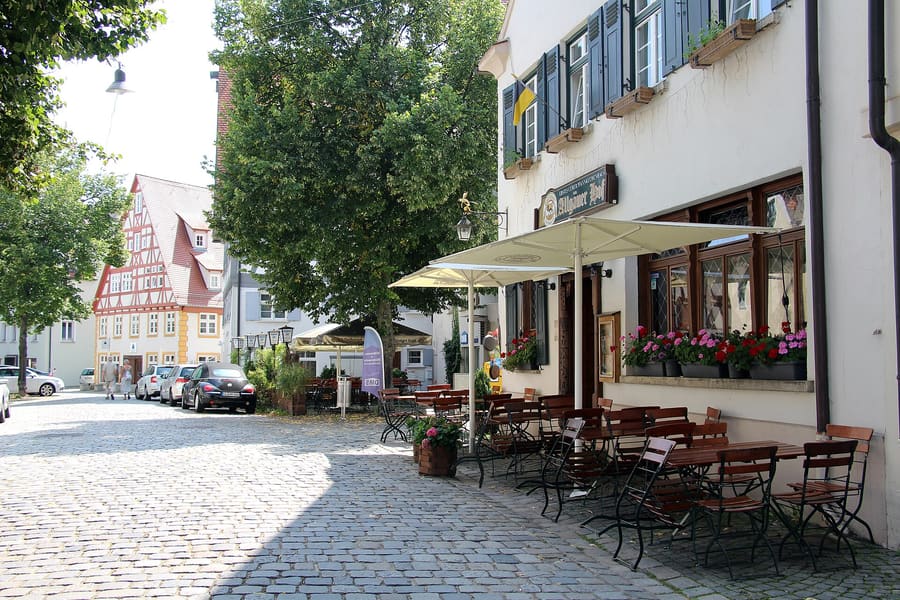
Fischerviertel — Cobblestone alleys alongside narrow water canals, old guild houses, and traditional Swabian taverns.
MikeAtari · CC BY-SA 3.0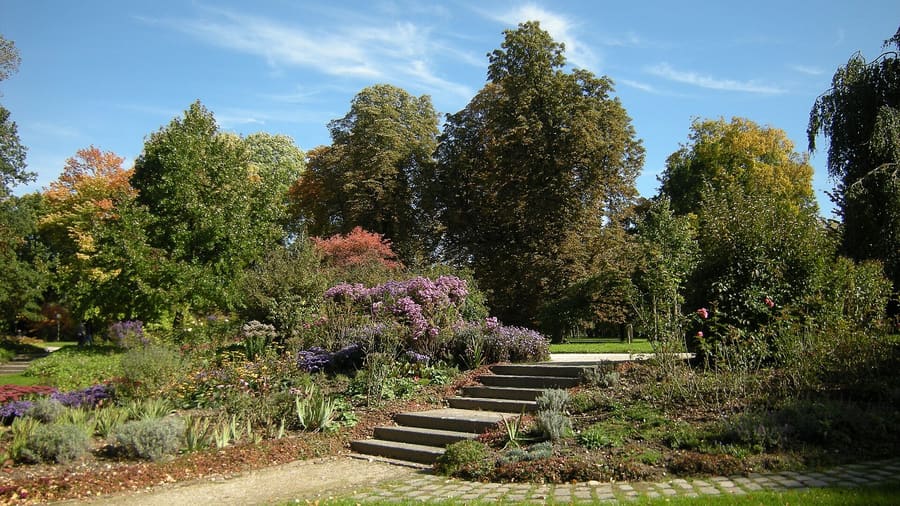
Oststadt — Leafy 19th-century residential avenues running east towards the beer gardens of Friedrichsau park.
Franzfoto · CC BY-SA 3.0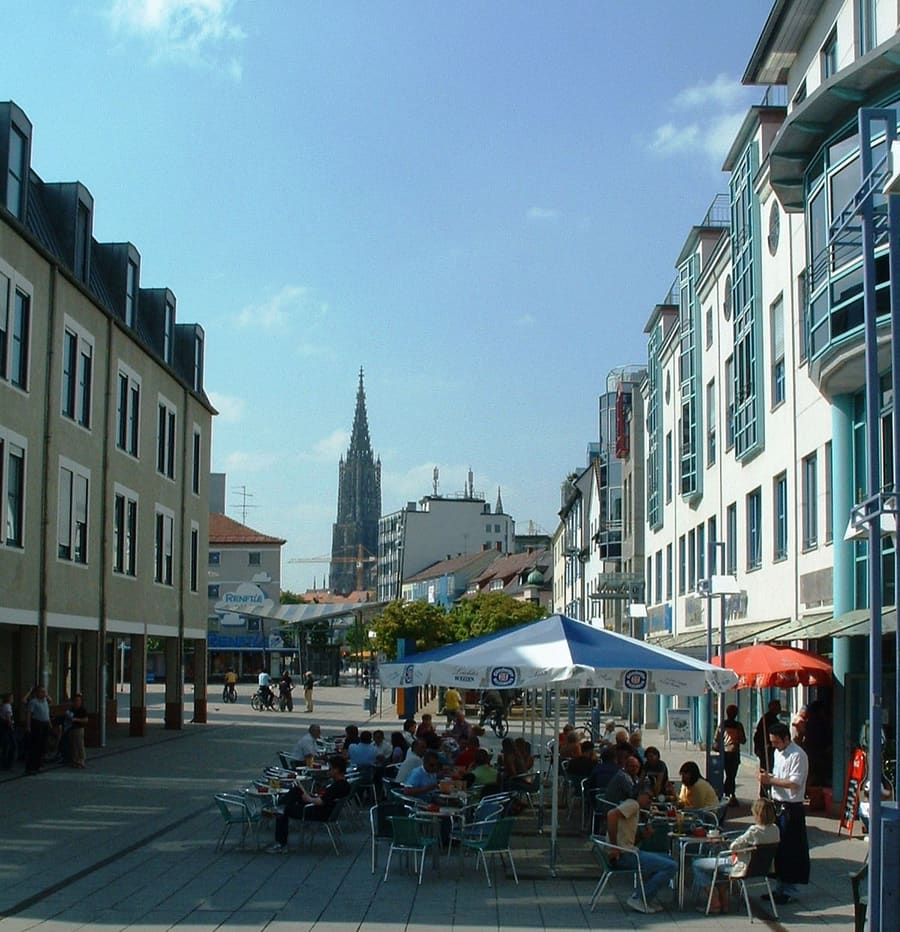
Neu-Ulm Center — Modern Bavarian town center built around post-war grids with lower hotel prices than Ulm.
Original uploader was Heinzkoch at de.wikipedia · CC BY-SA 3.0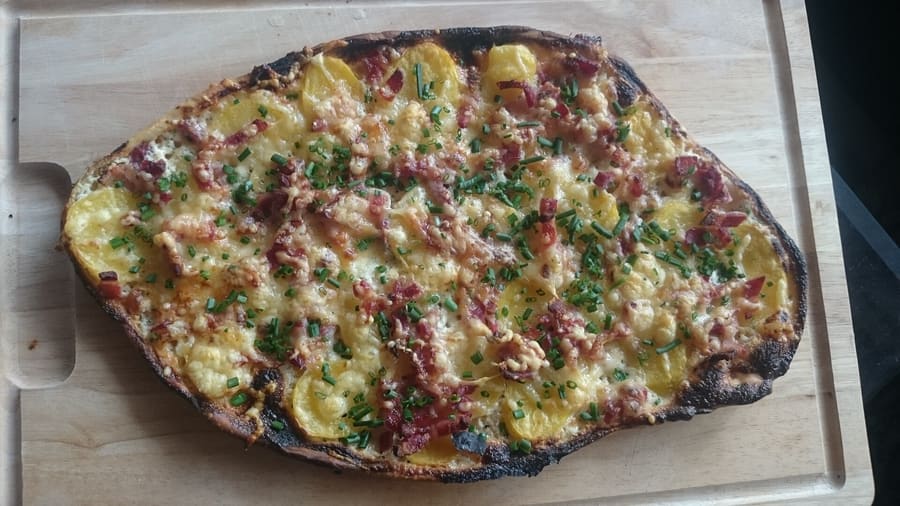
Freshly baked Dinnete flatbread sold at market stalls on Münsterplatz.
Morbo82 · CC BY-SA 4.0highlights
landmark
Restored medieval quarters where the Blau river splits around timber houses. Visit early in the morning to skip tour crowds.
Chiedi a Parley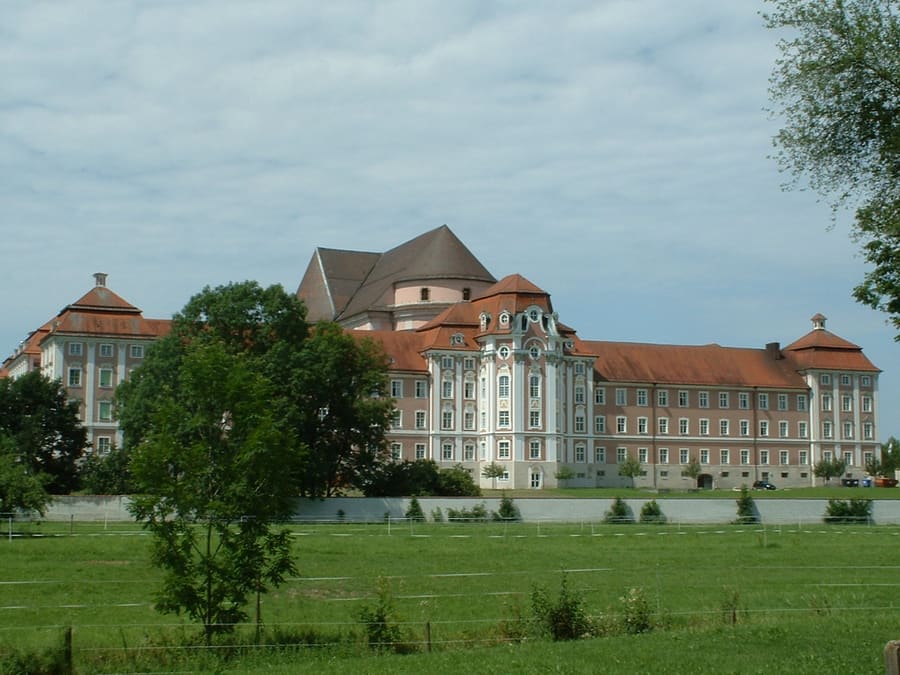
landmark
Late Baroque abbey library with painted ceiling frescoes. Take SWU bus line 4 directly from Hauptbahnhof to the main gates.
Chiedi a Parley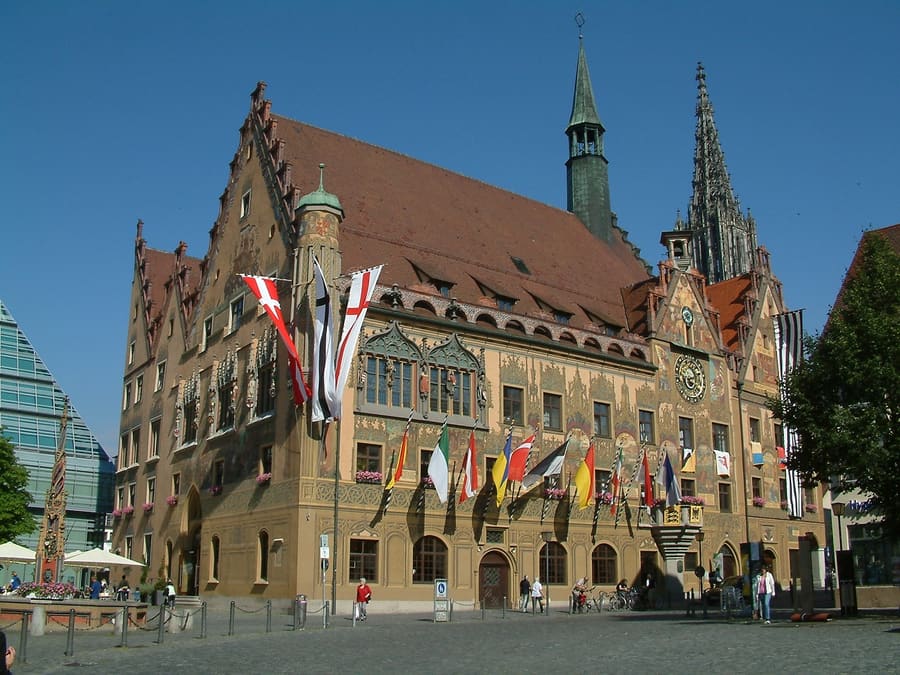
landmark
Early 16th-century painted facade featuring an astronomical clock. The exterior details tell civic moral tales best seen from the east side.
Chiedi a Parley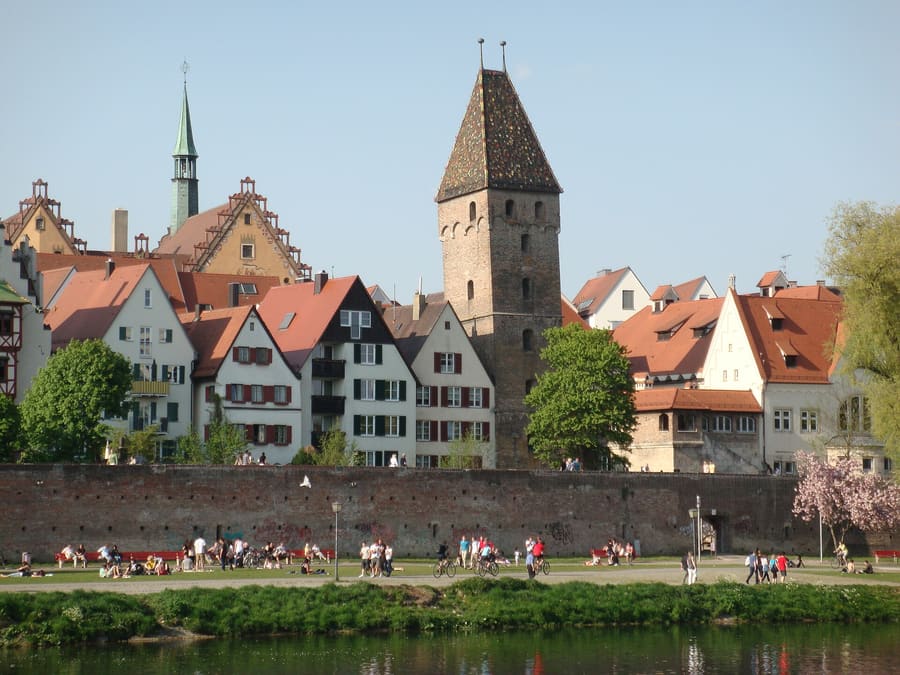
landmark
A 14th-century gate tower leaning 3.3 degrees off perpendicular. Walk along the raised city wall path directly above the river.
Chiedi a Parleyattractions
areas
Pedestrian streets dominated by retail chains, bakery stalls, and the towering silhouette of the Minster.
Nei dintorniUlmer Münster and Hauptbahnhof
Chiedi a ParleyCobblestone alleys alongside narrow water canals, old guild houses, and traditional Swabian taverns.
Nei dintorniDanube promenade and Stadtmitte
Chiedi a ParleyLeafy 19th-century residential avenues running east towards the beer gardens of Friedrichsau park.
Nei dintorniFriedrichsau park and Danube riverbanks
Chiedi a ParleyModern Bavarian town center built around post-war grids with lower hotel prices than Ulm.
Nei dintorniPetrusplatz and Danube footbridges
Chiedi a Parleyfood
Ulm kitchen tradition relies heavily on Swabian starches and Danube freshwater fish. Traditional taverns serve Linsen mit Spätzle, combining lentils with handmade egg noodles and Wiener sausages in a vinegar broth. Look for Dinnete, a regional sourdough flatbread baked at high heat with sour cream, spring onions, and bacon. Local drinking centers on Gold Ochsen, a brewery operating inside city limits since 1597.
Freshly baked Dinnete flatbread sold at market stalls on Münsterplatz.
Morbo82 · CC BY-SA 4.0Wednesdays and Saturdays host the regional farmers market. Stalls serve hot Dinnete straight from wood-fired transport ovens.
Order Gold Ochsen Ulmer Hell on tap at Gasthof Brauerei zum Schatten or Krone. Expect main dishes to run €14–22.
Kitchens in traditional places like Gaststätte Zunfthaus der Schiffleute close strictly at 21:30. Book ahead for weekend seating.
history
Ulm grew rich in the Middle Ages through textile trading and river shipping along the Danube. Granted Free Imperial City status in 1181, its merchants funded the Minster entirely without church taxation. In 1810, Napoleon redrew regional borders, handing Ulm to the Kingdom of Württemberg and transferring its south bank to Bavaria. Heavy bombing in December 1944 destroyed 81 percent of the central city, leading to sharp post-war reconstruction contrasts.
The Great Juramentum
The city charter established equal political power between merchant guilds and patrician families, commemorated annually on Schwörmontag.
Einstein's Birthplace
Albert Einstein was born at Bahnhofstraße 20. The original house was destroyed in 1944, marked today by a stone monument.
Minster Completion
Workers set the final spire stone 513 years after foundation, establishing the highest church steeple in world history.
HfG Ulm Founded
The Ulm School of Design opened under Max Bill, defining modern German industrial design principles until its closure in 1968.
where to stay
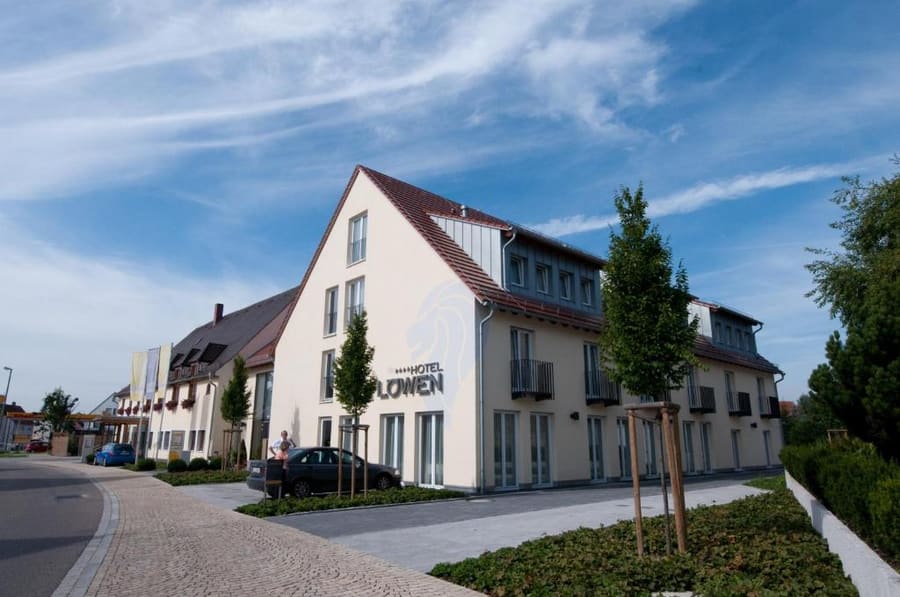
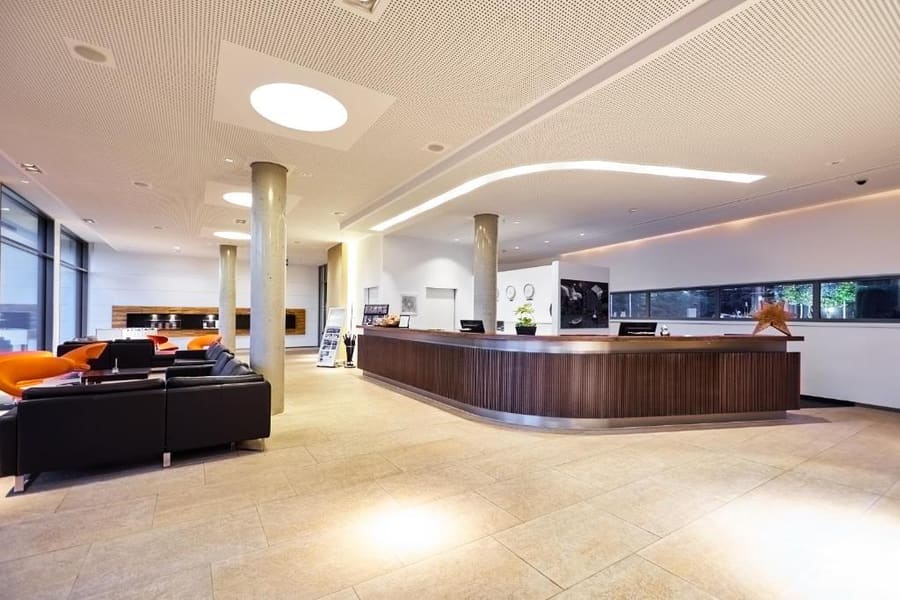
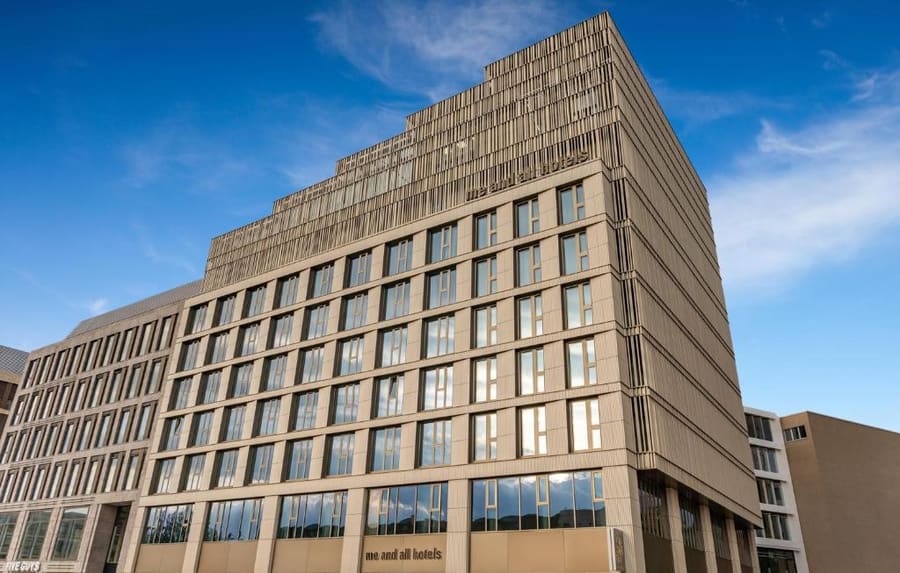
Choose your stay based on transit priorities versus atmosphere. Staying inside the central ring puts you within walking distance of all historic sites, but hotel rooms trend smaller and pricier. Crossing the Danube to Neu-Ulm cuts room rates by 15–20% while adding only a ten-minute walk over the bridge.
Live rates, matched to the areas above.
transport
Ulm is a major rail hub connecting southern Germany. Local travel relies on SWU trams and buses, though the central historic district is best navigated on foot.
Da Stuttgart Airport (STR) / Ulm Hauptbahnhof
FlixBus services run from Stuttgart Airport Terminal to Ulm Eberhard-Finckh-Straße.
Fixed long-distance rates apply from Stuttgart Airport to central Ulm hotels.
SWU operates tram lines 1 and 2 alongside local buses. A single ticket across zone 10 (Ulm/Neu-Ulm) costs €3.10.
A single day ticket costs €6.80 and covers unlimited rides on all buses and trams in Ulm and Neu-Ulm until 05:00 next day.
The entire historic centre spans 1.2 kilometres. Walking is faster than tram transit for cross-old-town journeys.
cost
Ulm pricing aligns with southern German averages. It is noticeably cheaper than Munich but pricier than eastern states. Cash remains required at smaller bakery counters and market stalls.
Fresh snack from street bakeries or Saturday market vendors.
Cost of Zwiebelrostbraten or Linsen mit Spätzle in a traditional Gasthaus.
Covers all city buses and trams across Ulm and Neu-Ulm.
seasonality
MAR – MAY
Mild temperatures around 12–18°C. Spring markets open on Münsterplatz with moderate tourist traffic.
JUN – AUG
Warmest weather (22–28°C). Schwörmontag in July brings massive outdoor river parties; hotel prices spike heavily.
SEP – NOV
Cooler autumn air and changing foliage along the Danube. Crisp clear days ideal for climbing the Minster.
DEC – FEB
Cold temperatures down to -2°C. The Ulm Christmas Market fills Münsterplatz throughout December.
practicalities
Crossing the Danube puts you in Neu-Ulm, Bavaria. Bavarian public holidays apply there, not in Ulm.
German law forces retail shops and supermarkets to close on Sundays. Train station bakeries remain open.
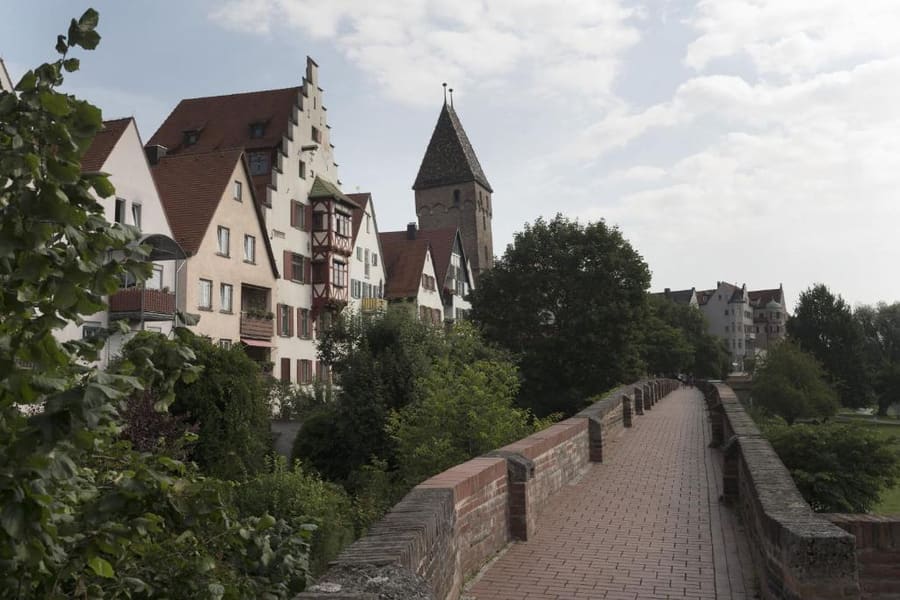
The elevated medieval city wall path runs along the river edge from Fischerviertel to the Friedrichsau park boundary.
The top spiral staircases inside the Minster spire are narrow and unheated. Wear solid footwear and avoid bulky backpacks.
changing now
2025–2026
Museum Ulm Major RenovationThe central Museum Ulm building is closed for structural modernization. Key collections including Palæolithic artifacts are displayed nearby at Kunsthalle Weishaupt.