landmark
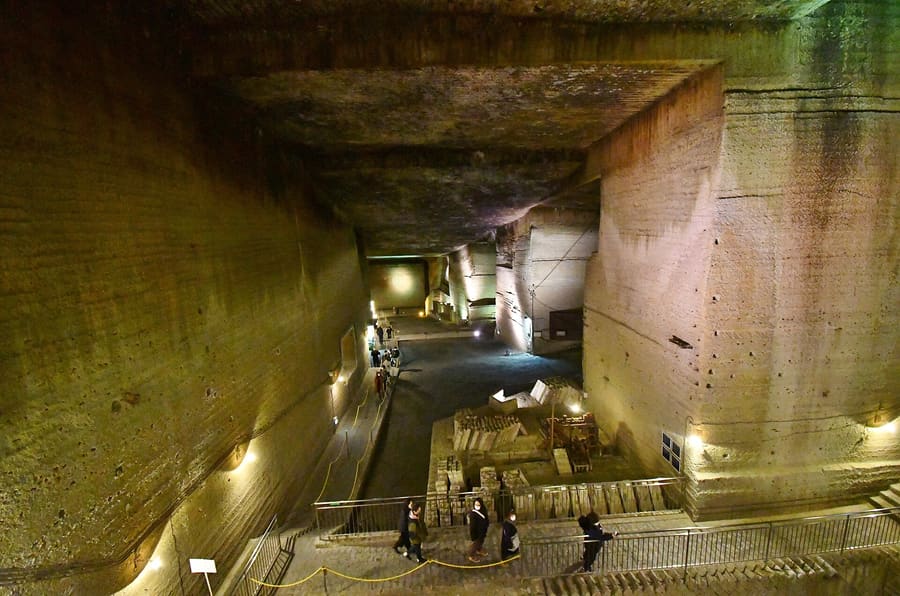
Oya History Museum
A massive subterranean quarry spanning 20,000 square metres. Temperatures inside stay around 8°C year-round so bring a jacket.
Chiedi a ParleyGiappone
Japan's gyoza hub defined by subterranean stone quarries.
introduction
Utsunomiya sits 100 kilometres north of Tokyo along the Tohoku Shinkansen line. The city centers on two distinct hubs: the JR train station to the east and the Tobu station commercial district to the west. Transit between these two centers relies on buses or walking, while Japan's newest light rail line serves eastern suburban areas from JR Utsunomiya Station. Visitors come primarily to eat pan-fried gyoza and explore subterranean stone quarries in Oya.
Shinkansen transit trick
Take the Tohoku Shinkansen from Tokyo Station to JR Utsunomiya Station in 48 minutes. Local JR Utsunomiya Line trains take 110 minutes for half the price.
Light rail innovation
Japan's first completely new tramway line in 75 years opened here in August 2023. The Haga Utsunomiya LRT connects the station east exit to eastern industrial parks.
Gyoza queue strategy
Popular gyoza venues near the station draw hour-long queues at lunch. Visit mid-afternoon on weekdays or buy take-out portions from side windows to bypass lines.
Utsunomiya
Asanagi · CC0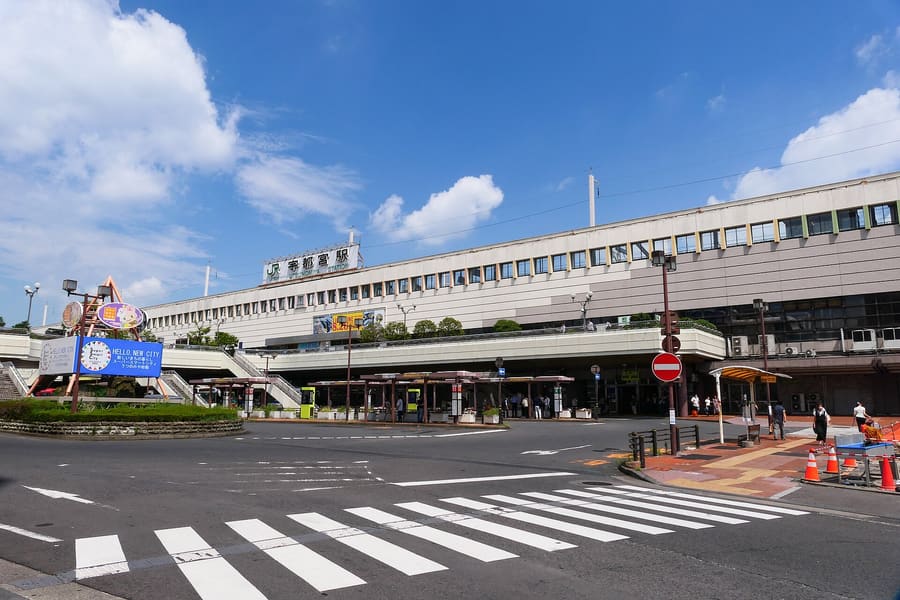
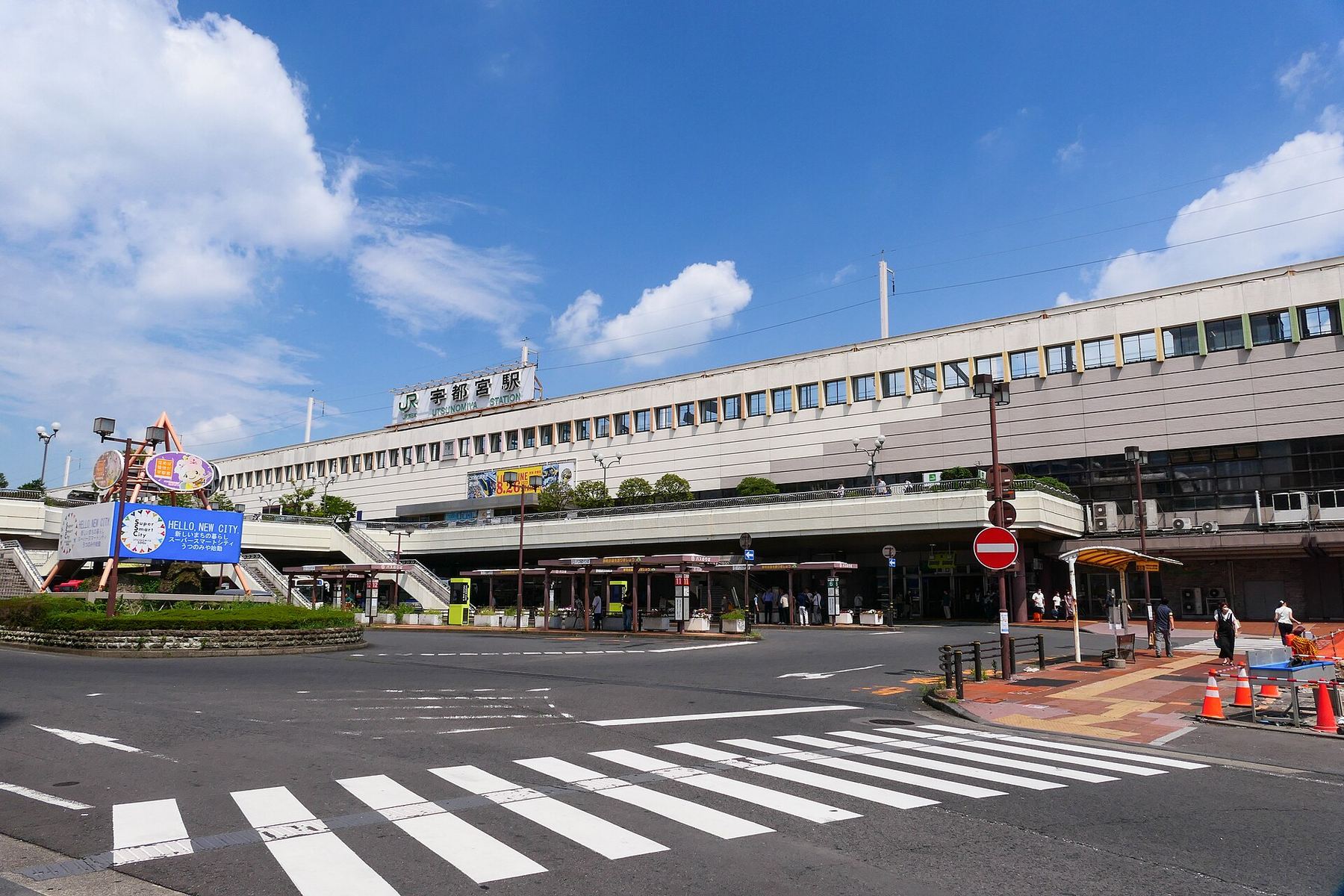
JR Station District — High-density transit hub filled with commuter hotels and competing gyoza outlets.
MaedaAkihiko · CC BY-SA 4.0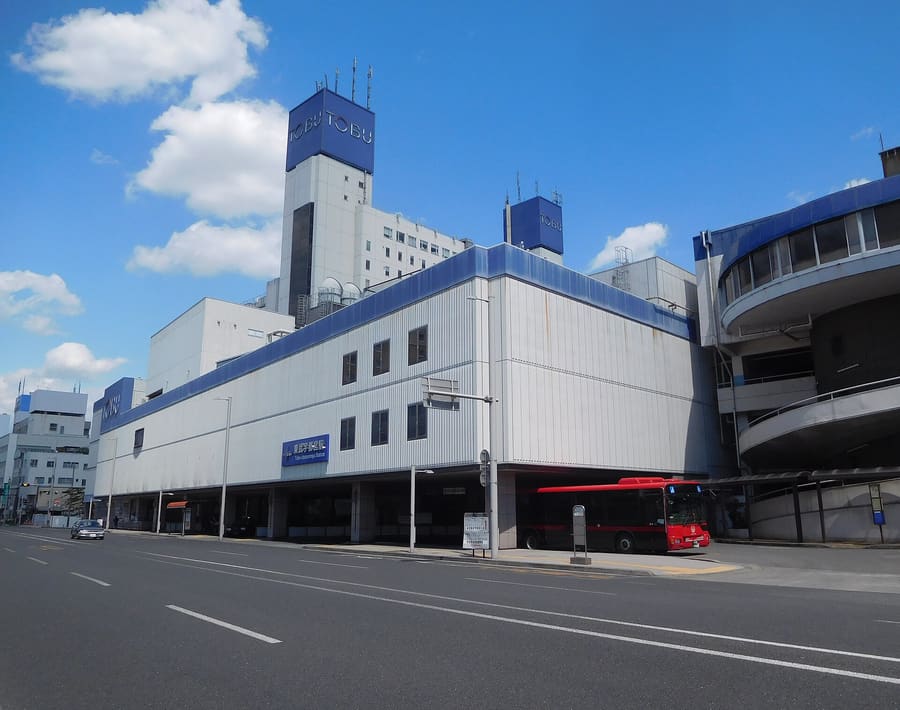
Tobu & Orion-dori — Pedestrian arcade district lined with izakayas, independent shops, and department stores.
Miyuki Meinaka · CC BY-SA 4.0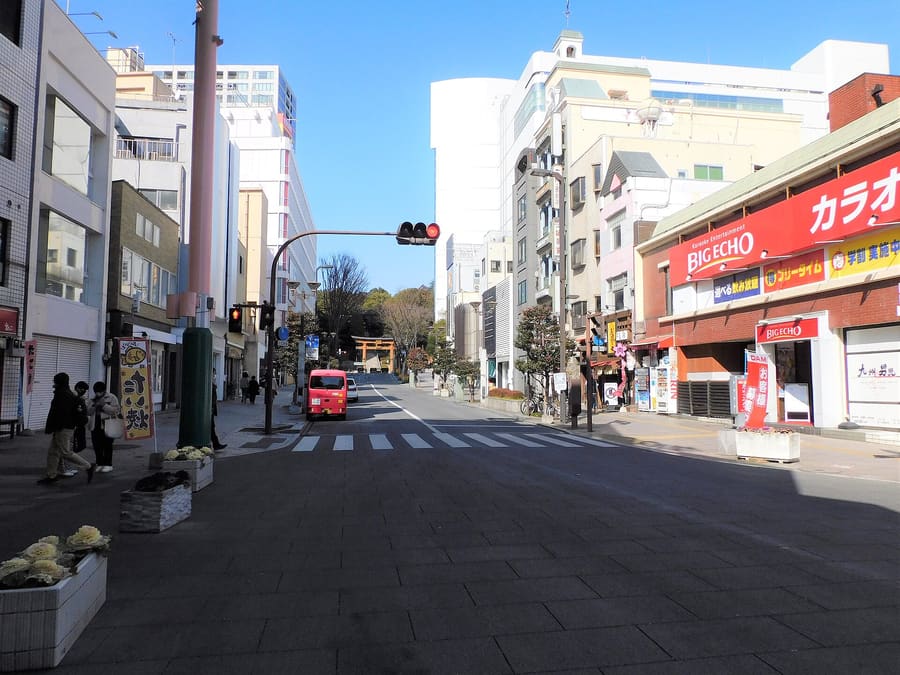
Banba-dori & Shrine District — The historic city core surrounding Futarayama Shrine with traditional food vendors.
Miyuki Meinaka · CC BY-SA 4.0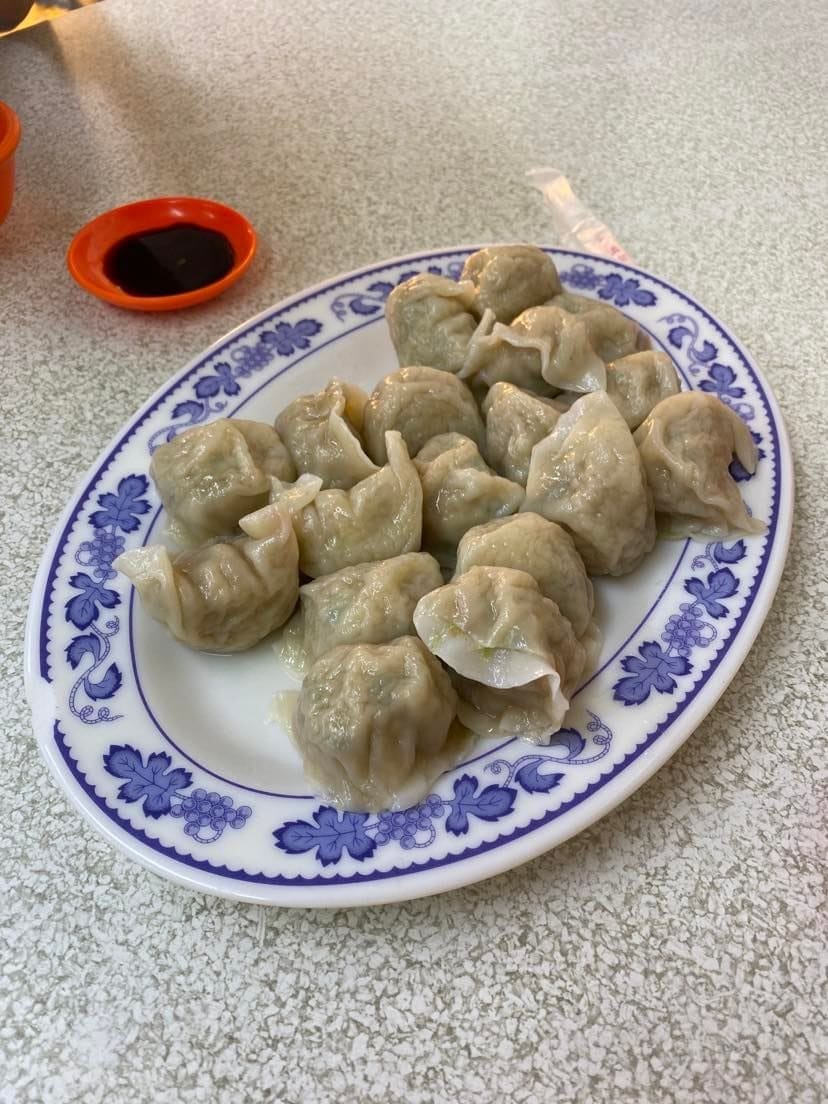
Pan-fried gyoza served crisp on the bottom at Kirasse.
Yeepunchmen · CC BY-SA 4.0highlights
landmark
A massive subterranean quarry spanning 20,000 square metres. Temperatures inside stay around 8°C year-round so bring a jacket.
Chiedi a Parley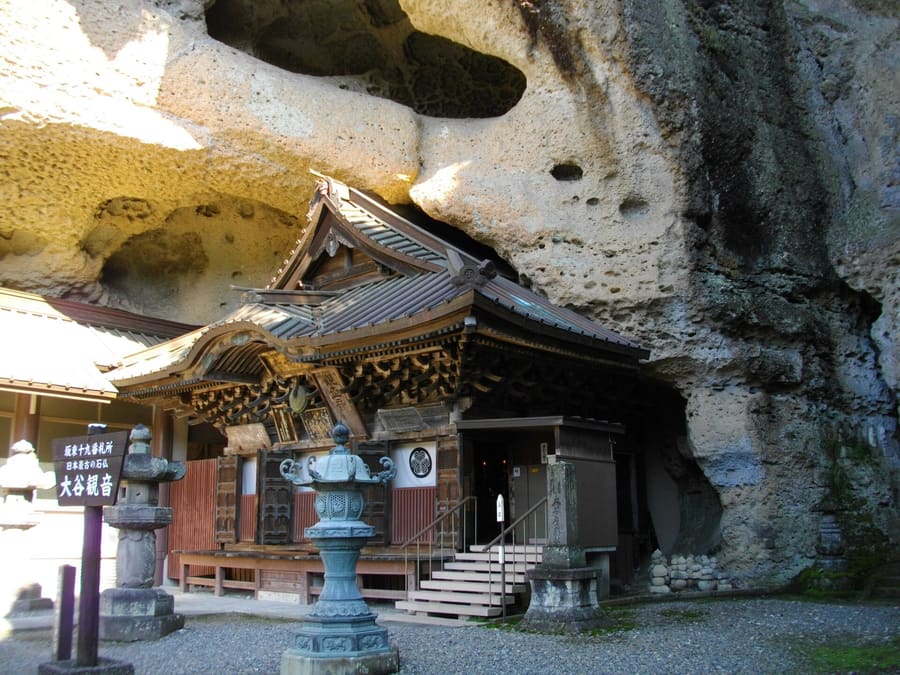
landmark
A Buddhist temple built inside a cliff face housing an 8th-century relief carved directly into the rock wall.
Chiedi a Parleylandmark
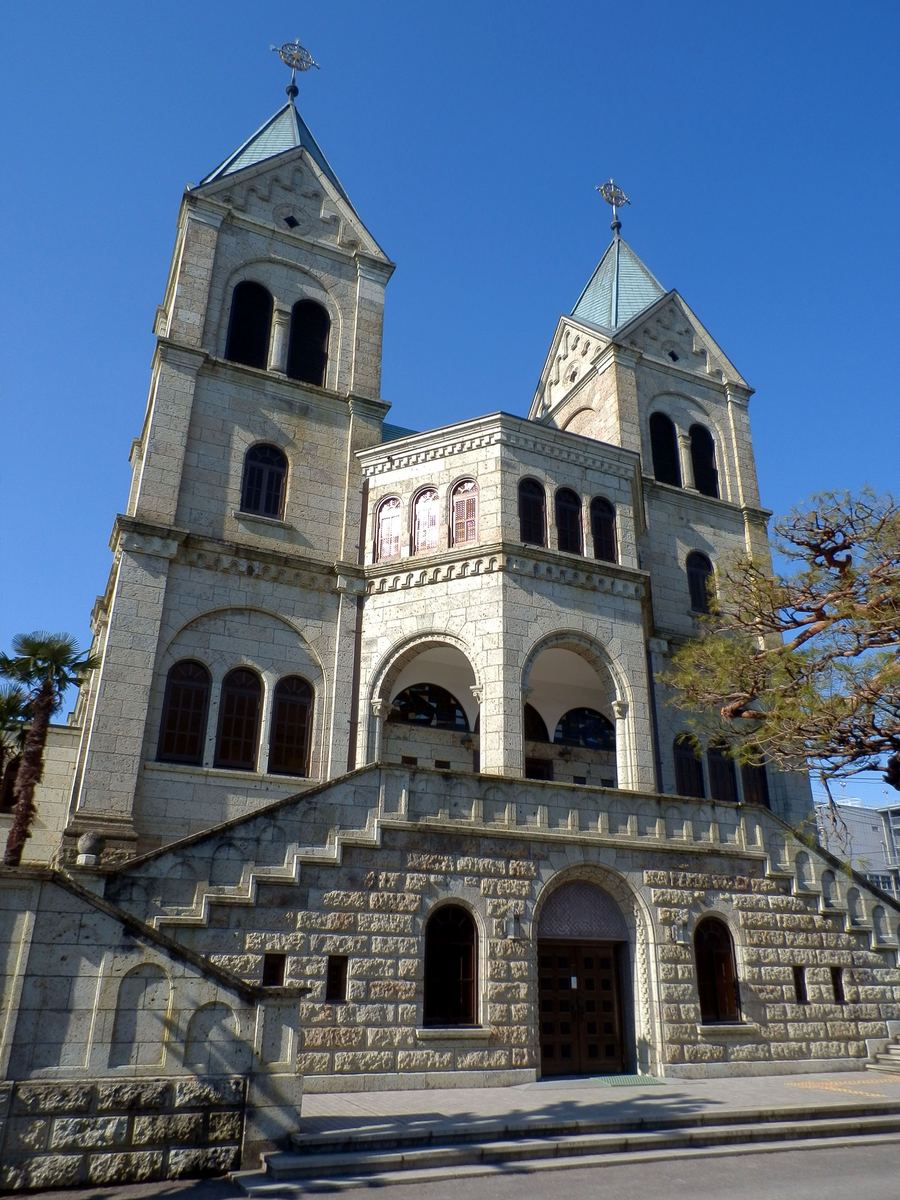
Constructed in 1932 almost entirely from local grey Oya stone. It is one of the largest stone churches in Japan.
Chiedi a Parley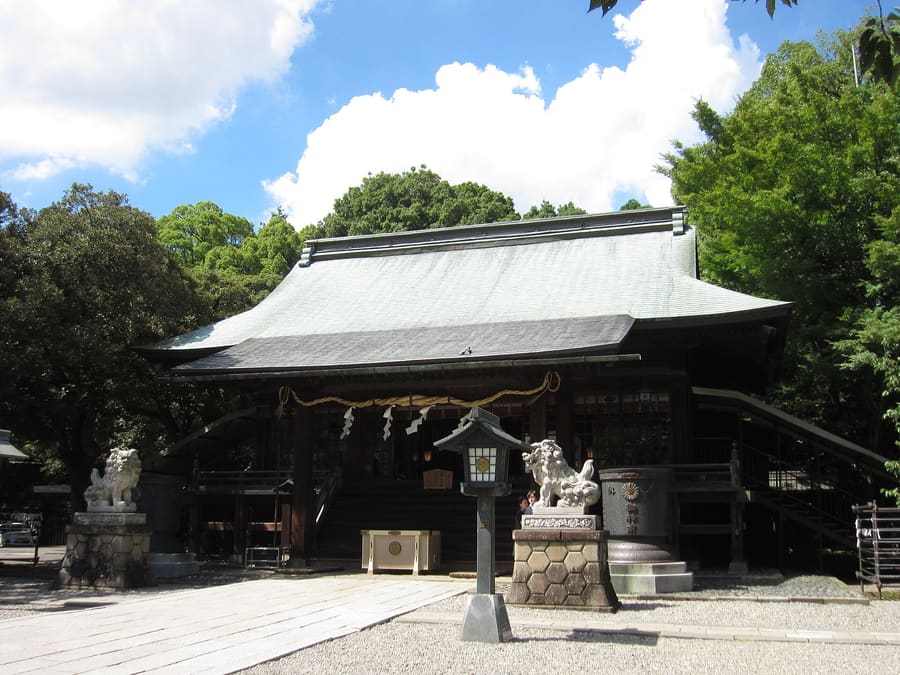
landmark
The historical center of the city sitting atop a steep flight of stone stairs. Local market streets extend directly from its base.
Chiedi a Parley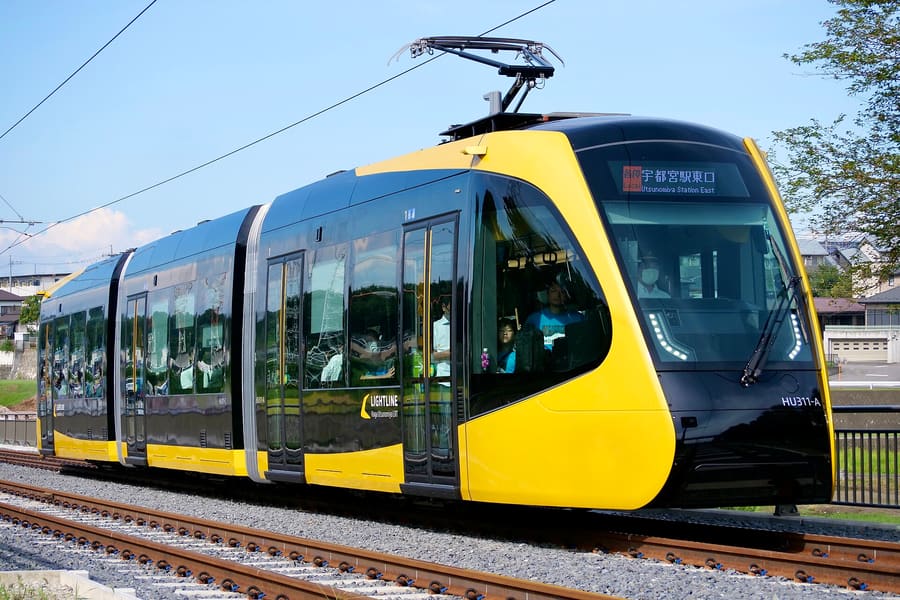
landmark
A modern light rail system running from JR Utsunomiya Station. Tap an IC card on yellow door readers to ride.
Chiedi a Parley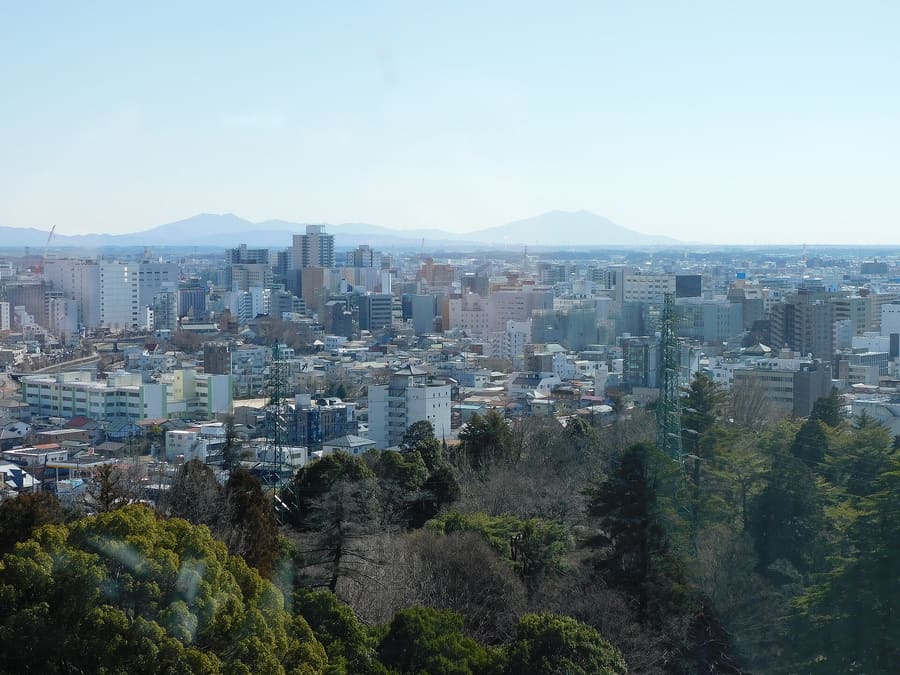
landmark
Features an 89-metre observation tower offering clear views of Mount Nantai and the Tochigi mountain range.
Chiedi a Parleyattractions
areas
High-density transit hub filled with commuter hotels and competing gyoza outlets.
Nei dintorniEast exit LRT terminal and Kirasse gyoza court.
Chiedi a ParleyPedestrian arcade district lined with izakayas, independent shops, and department stores.
Nei dintorniMatsugamine Church and Orion Square.
Chiedi a ParleyThe historic city core surrounding Futarayama Shrine with traditional food vendors.
Nei dintorniFutarayama Shrine and Megadonki building.
Chiedi a ParleyRural western suburb carved out of volcanic tuff cliffs and underground caverns.
Nei dintorniOya History Museum and Oya-ji Temple.
Chiedi a Parleyfood
Utsunomiya consumes more gyoza per capita than almost any other Japanese city. Local dumplings feature thin wrappers, generous cabbage fillings, and minimal garlic compared to Beijing originals. Restaurants specialize strictly in three preparation styles: pan-fried (yaki), boiled (sui), and deep-fried (age). Ordering a plate of six dumplings costs between 250 and 400 yen, making multi-shop tastings practical.
Pan-fried gyoza served crisp on the bottom at Kirasse.
Yeepunchmen · CC BY-SA 4.0Located in the Megadonki basement in Banba-dori, this venue serves dumplings from five major local producers under one roof.
Popular spots like Minmin and Masashi close their queues early when dough runs out. Arrive by 11:15 or after 14:30.
Older specialty shops accept only cash at counter registers. Modern station outlets take Suica and transit IC cards.
history
Utsunomiya developed as a major post town on the Nikko Kaido highway during the Edo period. The city's economic foundation shifted when quarrying of Oya volcanic tuff expanded in the late 19th century. Heavy allied bombing destroyed much of the downtown core in 1945, forcing post-war reconstruction along grid lines.
Oya Stone Carvings
Buddhist monks carve the Oya Kannon relief into volcanic cliff faces, marking the earliest spiritual site in the valley.
Nikko Kaido Post Town
Shogun Tokugawa Hidetada formalizes Utsunomiya Castle as a key staging post for pilgrimages to Nikko.
Matsugamine Construction
Architect Max Hinder designs Matsugamine Catholic Church using locally quarried Oya stone, showing its structural versatility.
Light Rail Launch
The Haga Utsunomiya LRT opens service, establishing Japan's first brand-new light rail line in over seven decades.
where to stay
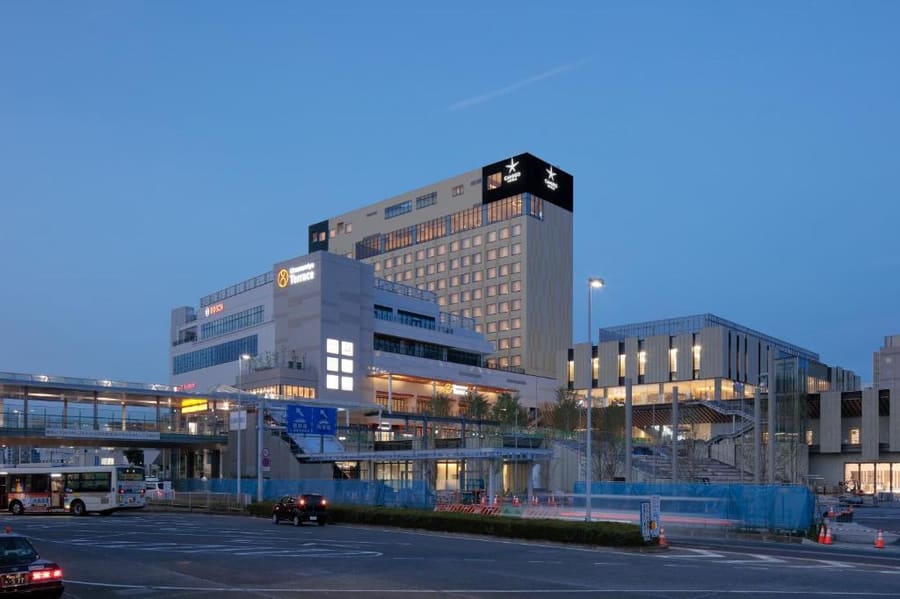
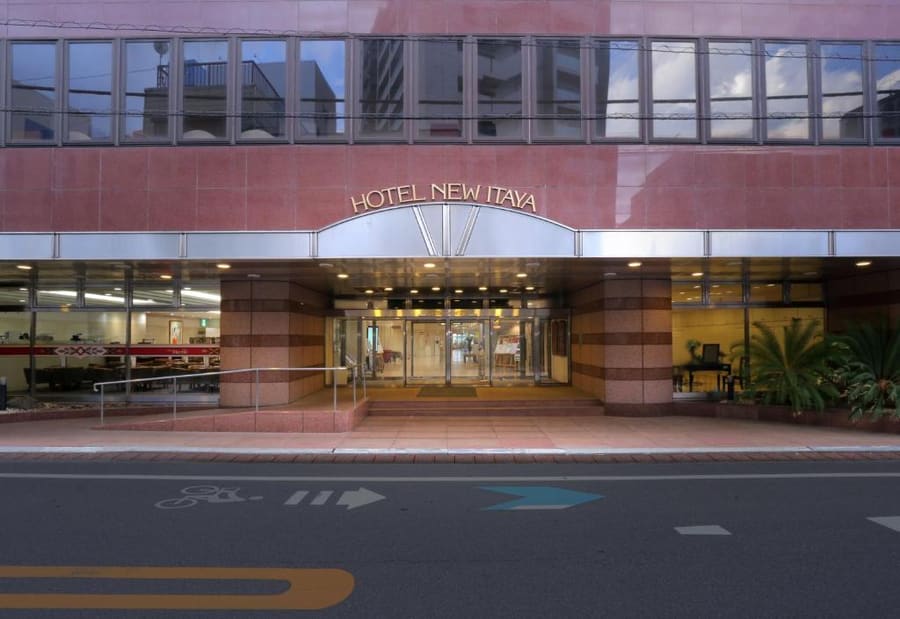
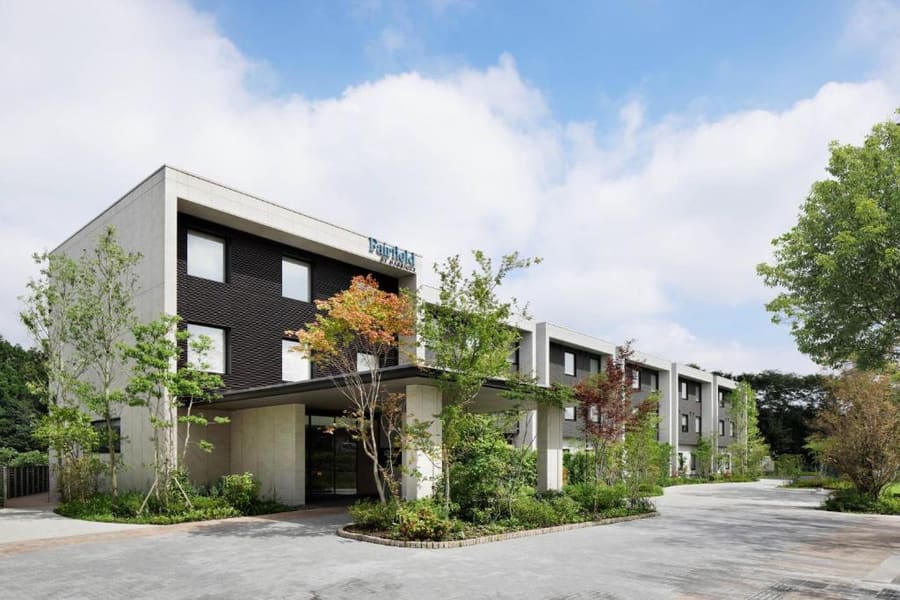
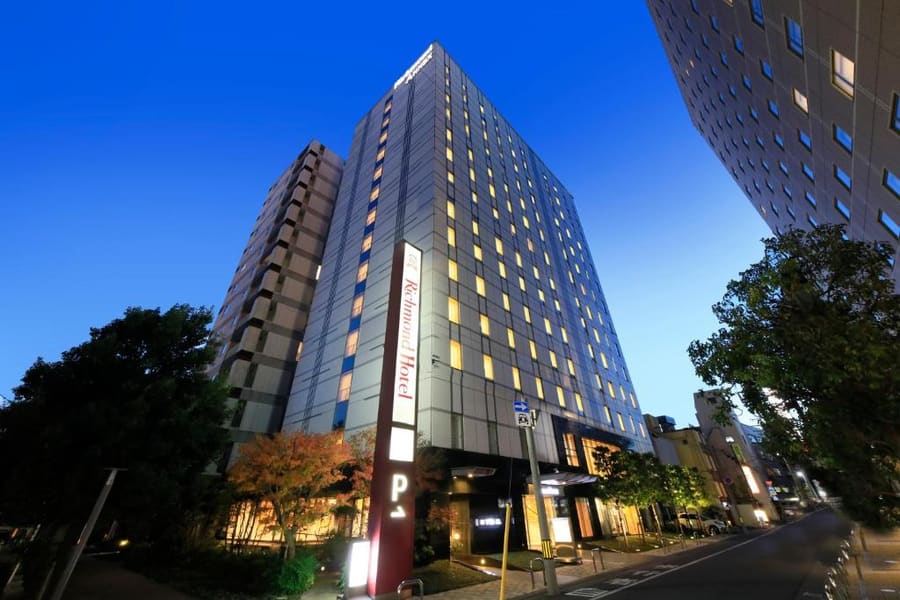
Choose your accommodation based on transit priorities. Stay near JR Utsunomiya Station for easy Shinkansen connections and early morning trips to Nikko. Choose Tobu Utsunomiya or Orion-dori if you prefer stepping out directly into evening dining arcades.
Live rates, matched to the areas above.
transport
Navigating Utsunomiya is straightforward once you understand the separation between the JR and Tobu stations. Frequent local buses link both hubs, while the yellow LRT trams serve eastern suburban corridors.
Da Tokyo Haneda Airport (HND)
Keikyu line to Shinagawa, then Tohoku Shinkansen direct to JR Utsunomiya.
Highway limousines run directly from Haneda terminals to JR Utsunomiya Station.
Tap on at any door using Suica or Pasmo. Tap off at the exit door or tap off at conductor stations.
Kanto Bus line 43 runs from JR Utsunomiya West Exit bay 6 to Oya Museum every 30 to 60 minutes.
Purchase the Oya Sightseeing Pass at the station bus terminal to cover round-trip bus fare and entry fees.
Walking from JR Utsunomiya to Tobu-Utsunomiya Station takes 20 minutes along Banba-dori.
cost
Utsunomiya offers lower daily costs than Tokyo. Food expenditures remain modest because gyoza functions as the primary quick meal.
Standard six-piece serving at local counters like Minmin or Masashi.
One-way fare from JR Utsunomiya Station West Exit to Oya-ji.
Ticket price for entry to the subterranean quarry cavern.
One-way unreserved seat fare on the Yamabiko or Nasuno trains.
seasonality
MAR – MAY
Mild weather with cherry blossoms at Hachimanyama Park. Comfortable for walking between stone sites.
JUN – AUG
Hot and humid with evening thunderstorms. The subterranean Oya quarry offers cool 8°C relief.
SEP – NOV
Clear autumn days with red foliage around Oya-ji temple. Peak season for weekend travellers.
DEC – FEB
Cold and dry with crisp blue skies. Short daylight hours but minimal queues at gyoza restaurants.
practicalities
The underground cavern at Oya History Museum remains at 8°C even in midsummer. Pack a fleece or light down jacket.
Standalone gyoza shops often close by 19:00 or as soon as dough runs out. Plan dinner before 18:00.
While LRT and convenience stores accept contactless cards, traditional gyoza bars require physical cash.
JR Utsunomiya Station provides extensive coin lockers on the second-floor concourse before exiting.
The JR station and Tobu station are distinct stops 1.5 km apart. Double-check ticket destinations before navigating.