landmark
Vellore Fort
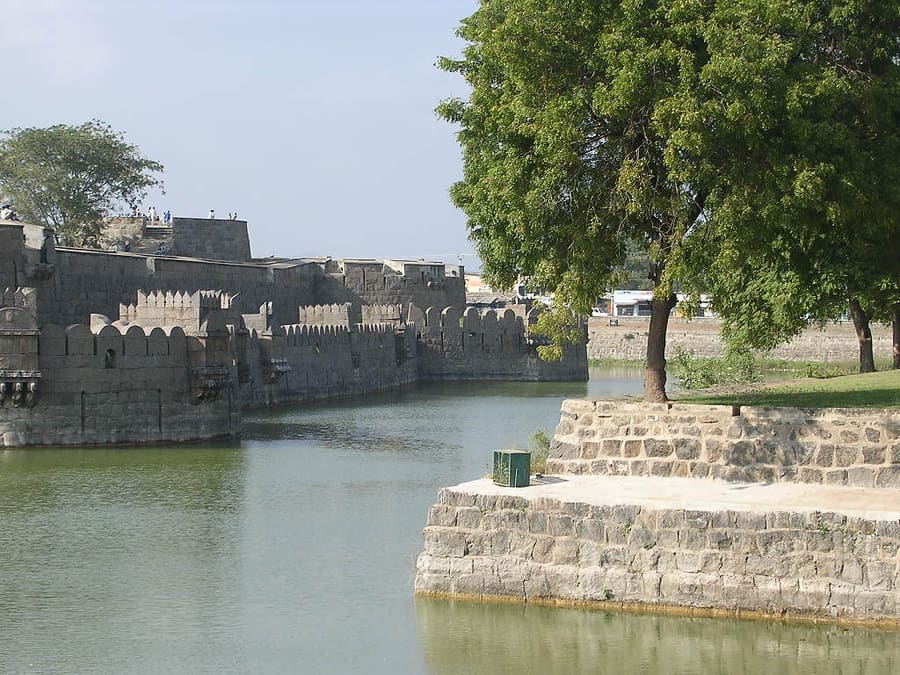
Massive 16th-century granite ramparts surrounded by a deep moat. Walk the high walls early in the morning before heat peaks.
Chiedi a ParleyIndia
Granite fortifications, Arcot biryani, and medical transit.
introduction
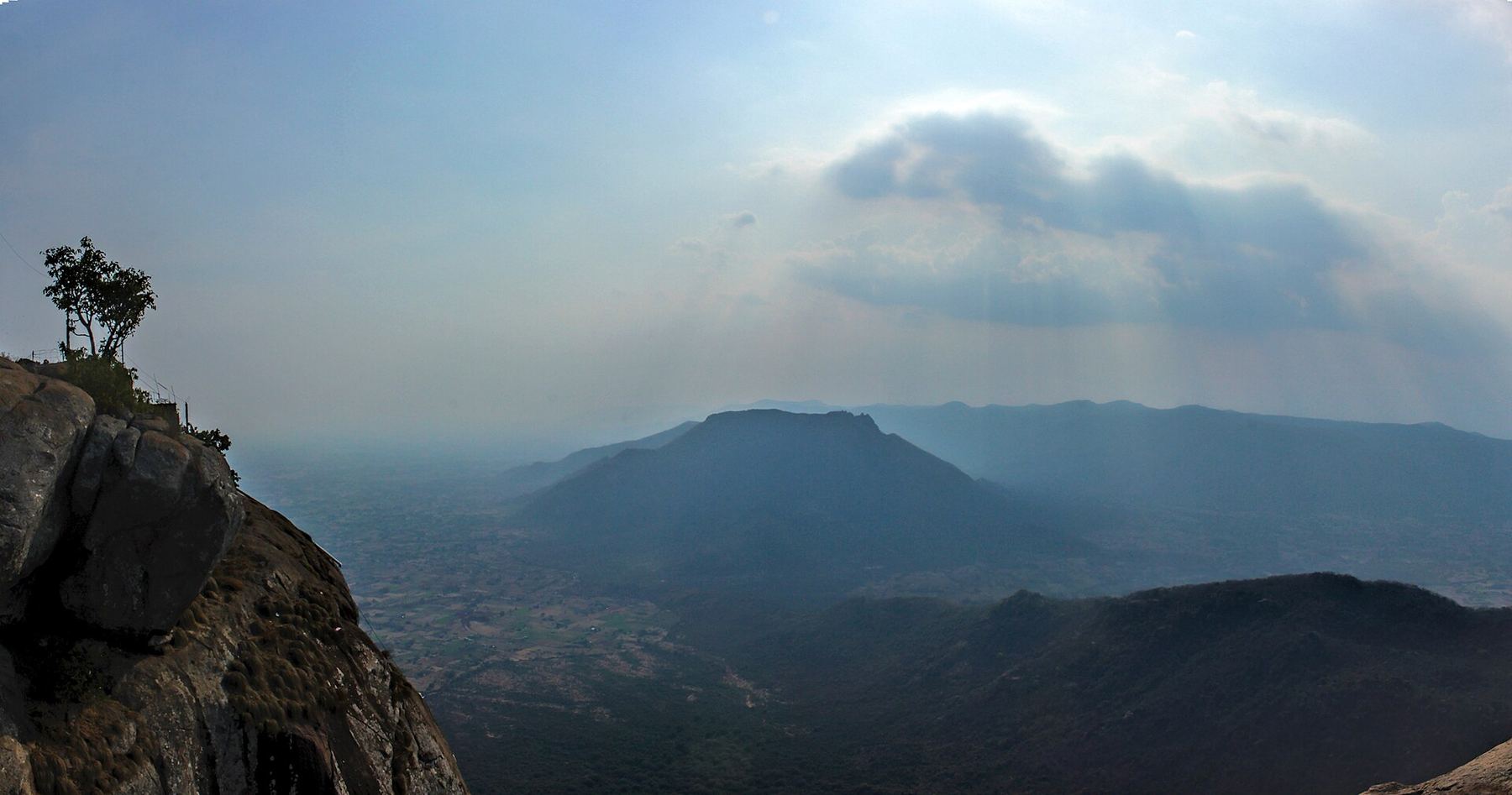
Vellore functions as a pragmatic transit hub defined by military architecture and medical travel. Most visitors arrive via Katpadi station for treatment at CMC or pilgrimage to Sripuram. The 16th-century stone fort dominates the geographic centre, offering relief from the surrounding urban traffic. Moving through town requires auto-rickshaws and a tolerance for dry, intense heat.
Arrival shortcut
Katpadi Junction is six kilometres north of central Vellore. Auto-rickshaws wait outside the station; fix the fare before getting in.
Historical recognition
Vellore Fort contains a rare 16th-century Vijayanagara moat that remains fully intact today.
Dress code rule
Sripuram Golden Temple strictly bans shorts, sleeveless tops, electronic devices, and mobile phones at security checkpoints.
Vellore
Wikindinator · CC BY-SA 3.0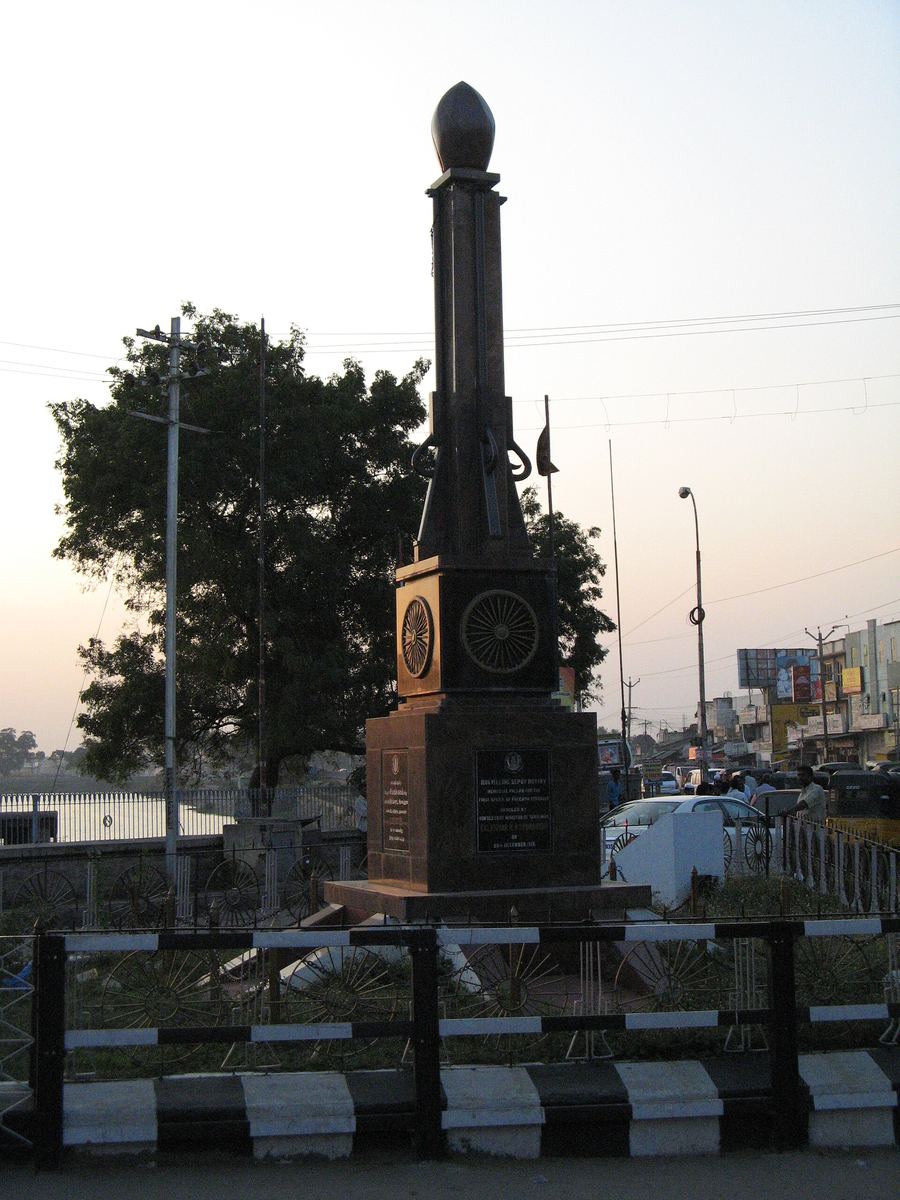
Fort Area — Wide roads around green ramparts, government offices, and quiet morning walking routes.
User:Eliduwiki · CC BY-SA 3.0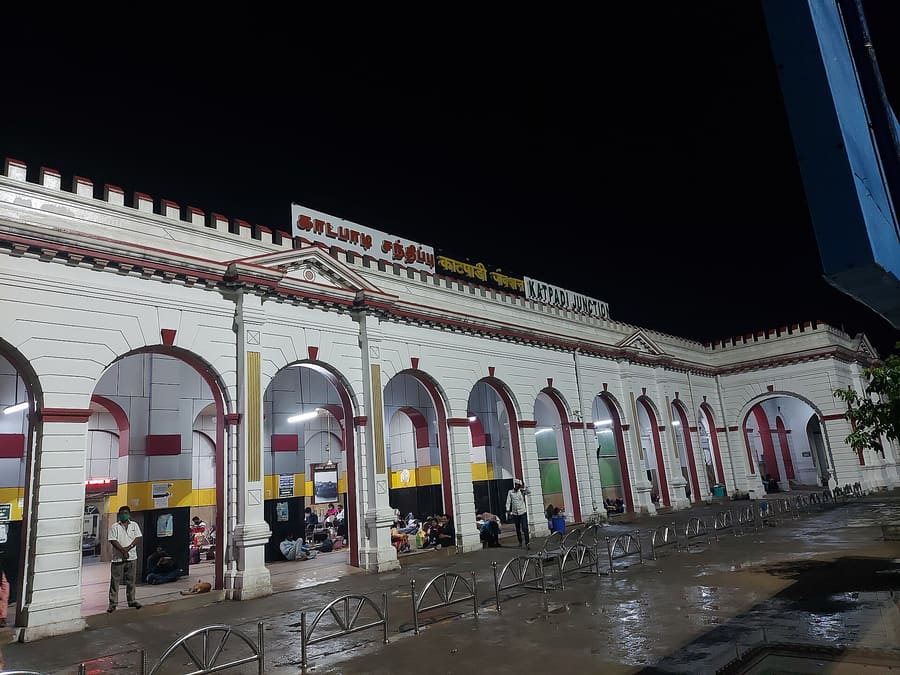
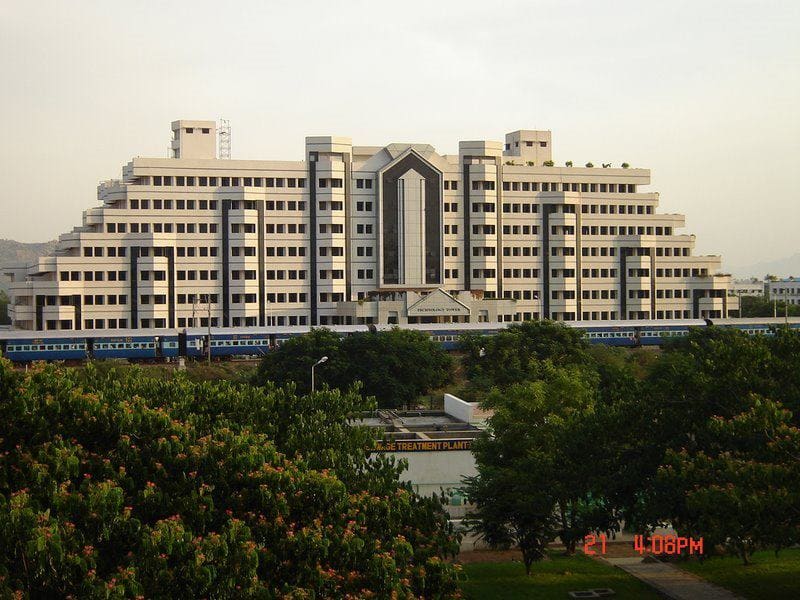
Katpadi — Transit-oriented neighbourhood anchored by the major railway junction and VIT campus.
Santosh4118 · CC BY-SA 4.0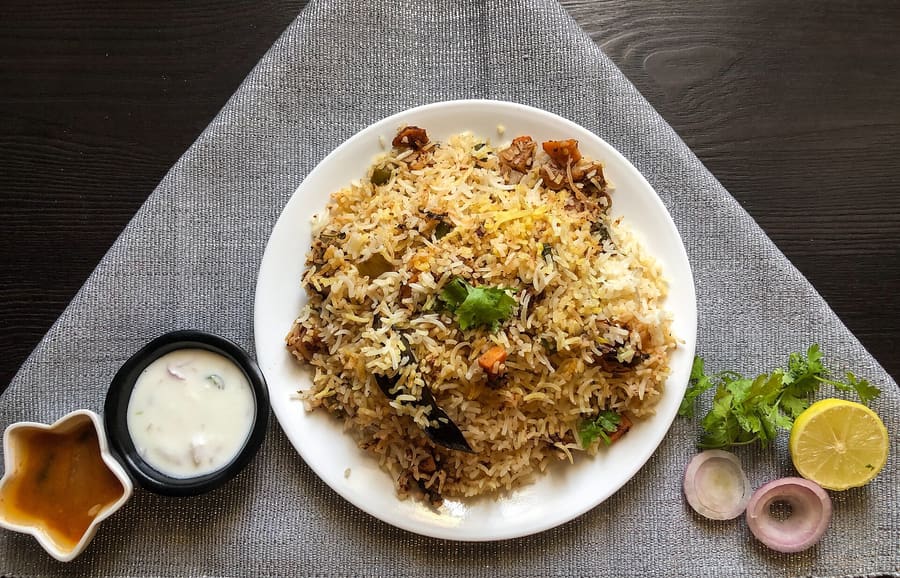
Arcot-style mutton biryani served on a banana leaf.
Mahi Tatavarty · CC BY-SA 4.0highlights
landmark
Massive 16th-century granite ramparts surrounded by a deep moat. Walk the high walls early in the morning before heat peaks.
Chiedi a Parley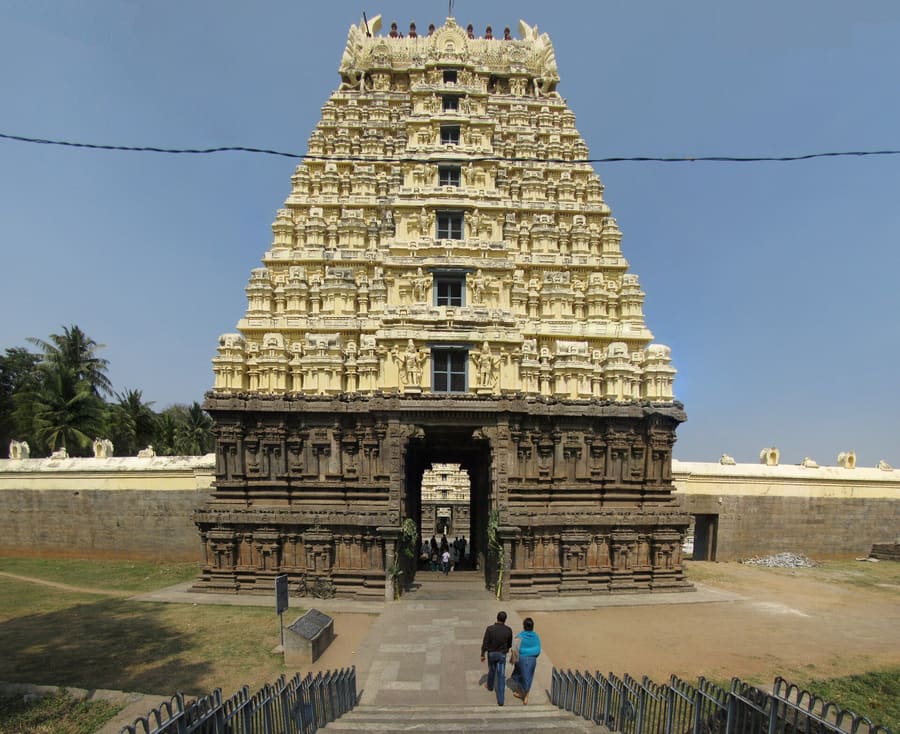
landmark
Intricately carved Vijayanagara temple sitting inside the fort precinct. Footwear must be deposited at the outer gate entrance.
Chiedi a Parley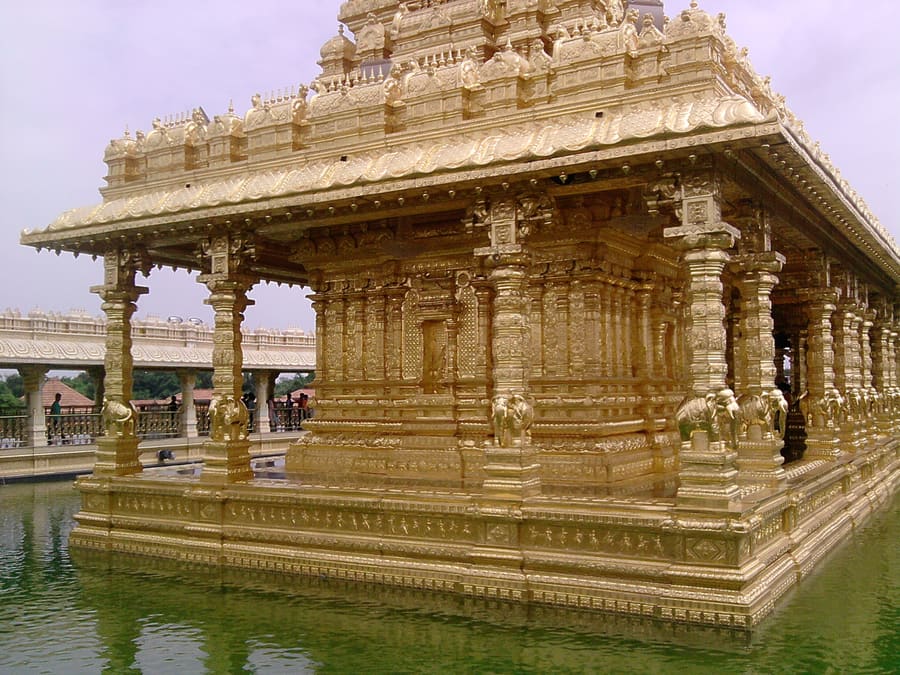
landmark
Modern Mahalakshmi temple wrapped in real gold leaf in Thirumalaikodi. Expect long queues and strict bag checks.
Chiedi a Parley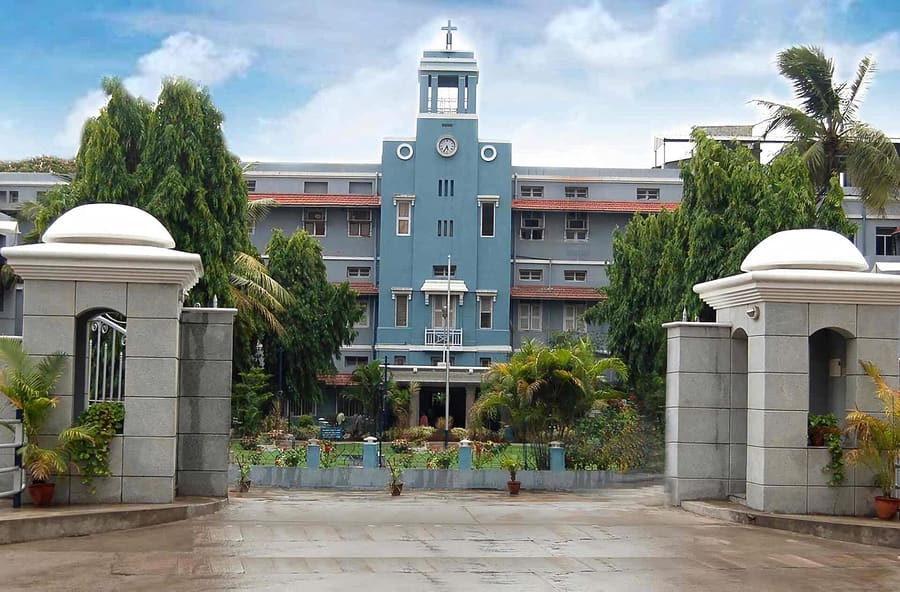
landmark
Historic medical institution founded in 1900, drawing patients across Asia. Central campus features colonial brick buildings.
Chiedi a Parley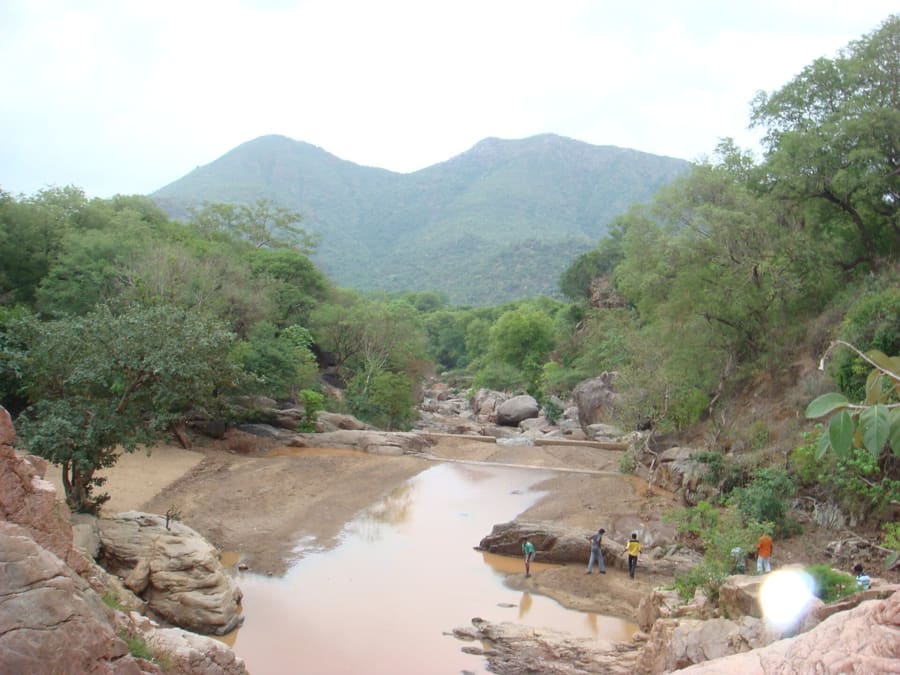
landmark
Shaded reserve in the Javadi Hills 25 km south of the town. Visit on weekdays to avoid family weekend crowds.
Chiedi a Parleyattractions
areas
Wide roads around green ramparts, government offices, and quiet morning walking routes.
Nei dintorniVellore Fort and Jalakanteswarar Temple
Chiedi a ParleyTransit-oriented neighbourhood anchored by the major railway junction and VIT campus.
Nei dintorniKatpadi Junction and VIT University
Chiedi a ParleyDense lanes, wholesale textile markets, and local Arcot biryani kitchens.
Nei dintorniCMC Hospital and Gandhi Road markets
Chiedi a ParleySemi-rural pilgrimage node eight kilometres south, built around the Golden Temple.
Nei dintorniSripuram Golden Temple
Chiedi a Parleyfood
Arcot-style biryani sets Vellore apart from neighbouring regions. Local cooks use short-grain Seeraga Samba rice rather than long Basmati, simmering mutton with green chillies, garlic, and curd. The resulting dish is less spicy than Andhra biryani but far richer in ghee and marrow fat.
Arcot-style mutton biryani served on a banana leaf.
Mahi Tatavarty · CC BY-SA 4.0Head to Saidapet for traditional mutton biryani served from large brass cauldrons between 12:00 and 15:00.
Street stalls near Old Bus Stand serve flaky Tamil parottas with spicy salna gravy after 19:00.
Try local Makkan Peda, a fried pastry stuffed with khoya and nuts, at sweet shops along Gandhi Road.
history
Vellore grew around its stone fort, constructed in the 16th century under the Vijayanagara Empire. Control of the fort passed to the Bijapur Sultanate (Adil Shahi dynasty) in 1656 before being seized by the Marathas in 1677, and eventually the British East India Company. In 1806, Indian sepoys revolted inside the fort walls, marking one of the earliest armed mutinies against British rule in India.
Fort Construction
Vijayanagara chieftains Chinna Bommi Nayak and Thimma Reddy Nayak build the granite fort on the Palar river basin.
Vellore Mutiny
Indian sepoys revolt against British commanders inside the fort, pre-dating the 1857 uprising.
CMC Founded
Dr. Ida Scudder opens a tiny clinic that grows into one of India's premier medical research centers.
where to stay
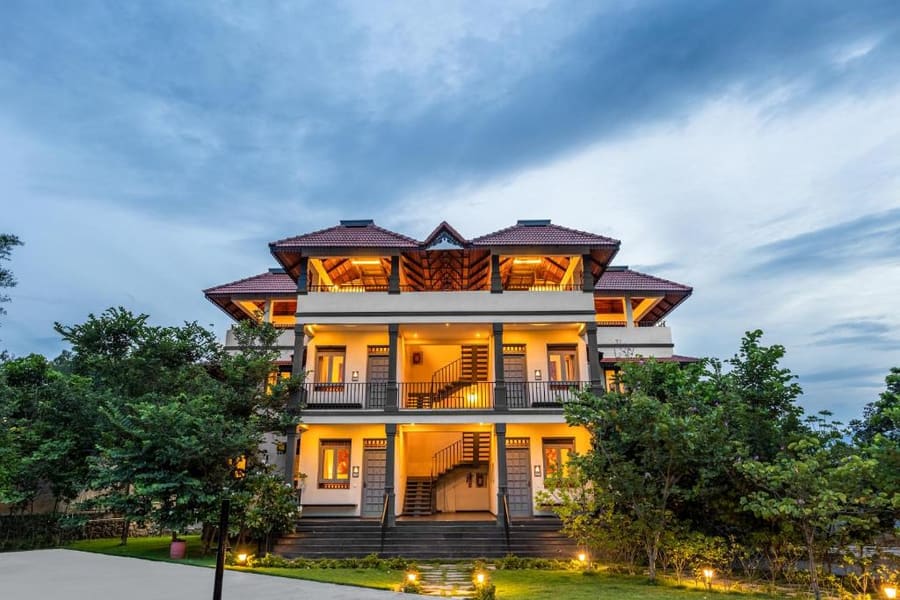
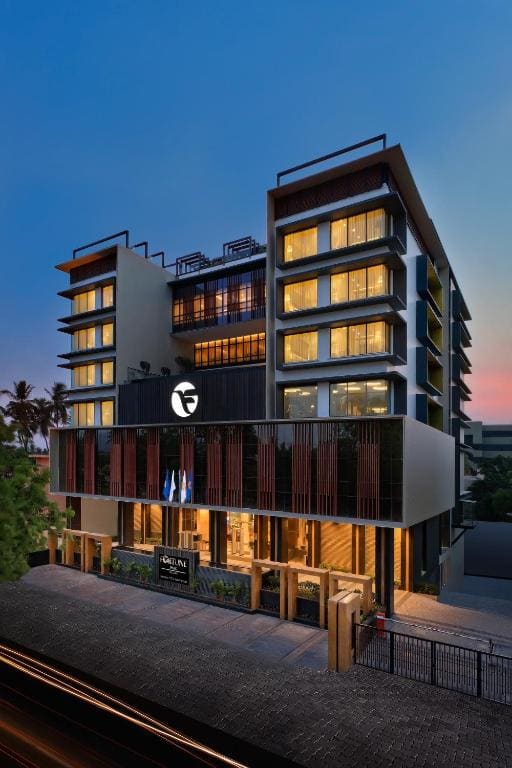
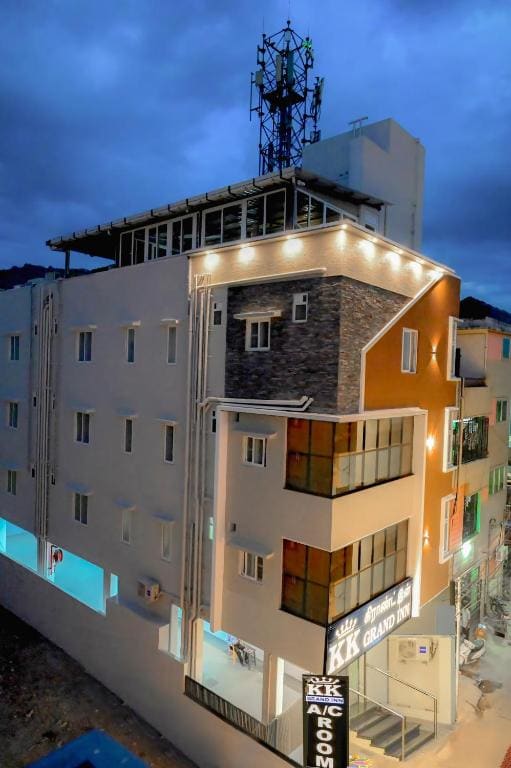
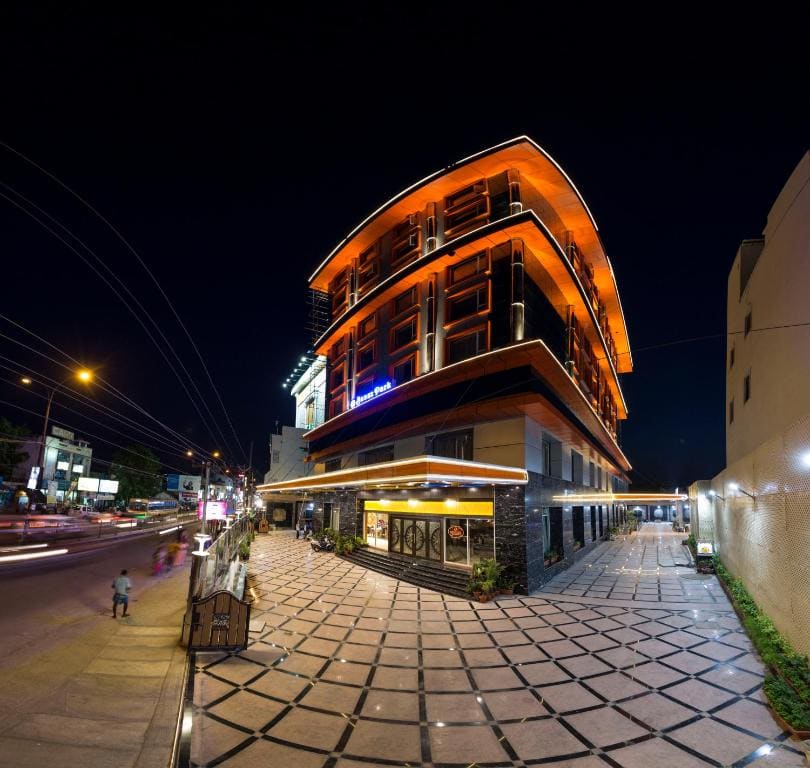
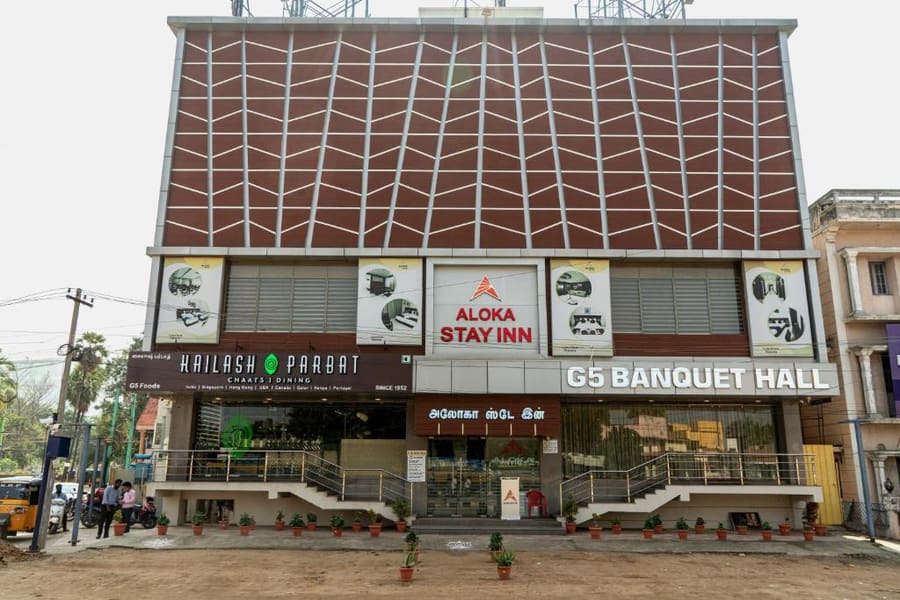
Select your location based on transit priorities. Staying near CMC keeps hospital visits simple, while Katpadi works for early train connections.
Live rates, matched to the areas above.
transport
Katpadi Junction is the primary rail gateway connecting Vellore to Chennai and Bengaluru. Local buses and auto-rickshaws handle inner-city travel.
Da Katpadi Junction (KPD)
Pre-negotiate price or use prepaid counter at station exit.
Town buses run constantly from Katpadi to Old Bus Stand.
App pickups can be slow outside peak train arrival times.
Autos rarely use meters; agree on the exact fare before putting your luggage inside.
Buses between Katpadi and Central Bus Stand run every five minutes throughout the day.
Distances between CMC and the Fort are walkable, but afternoon heat makes autos preferable.
Drivers and bus conductors accept cash or local UPI QR codes; standard cards are rarely taken.
cost
Vellore remains affordable for regional standards. Food, local transit, and municipal sight admissions cost very little.
A full plate of mutton biryani at a local kitchen includes raita and brinjal curry.
Standard rate for a 2–3 km ride within central town limits.
Walking around Vellore Fort grounds and ramparts costs nothing.
Comfortable double room with air conditioning near CMC or Fort.
seasonality
NOV – FEB
Temperatures stay around 28°C. This is the most comfortable period for exploring fort walls on foot.
MAR – MAY
Extreme heat with temperatures exceeding 40°C. Outdoor sightseeing is unadvisable after 10:00.
JUN – SEP
Monsoon brings humidity and sporadic heavy rains. Outdoor paths in the fort become slippery.
OCT – NOV
Post-monsoon showers cool the air, though sudden downpours can pause afternoon plans.
practicalities
Temperatures remain high year-round; carry bottled water during midday walking.
Wear clothing covering shoulders and knees when entering active places of worship.
Carry cash or active UPI payments for auto fares and small tea stalls.
Roads near CMC get severely congested around 08:00 and 16:00 during patient shifts.
Slip-on shoes make visiting Jalakanteswarar Temple easier as footwear is removed outside.