landmark
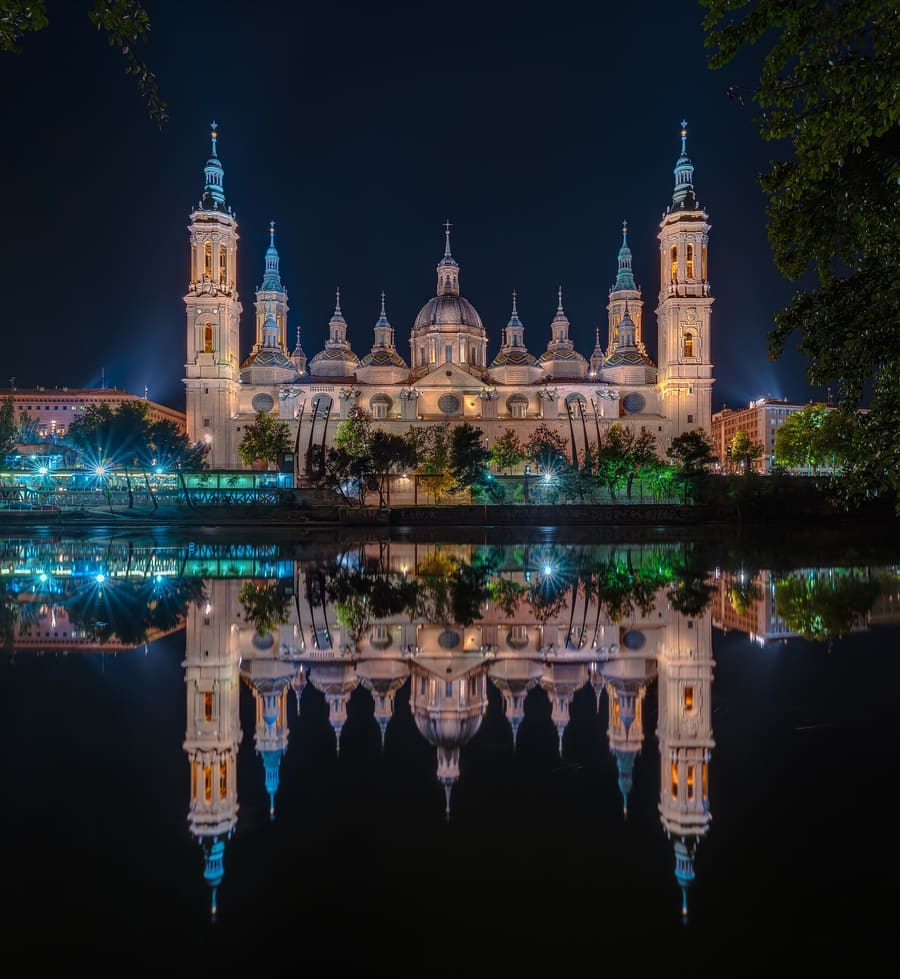
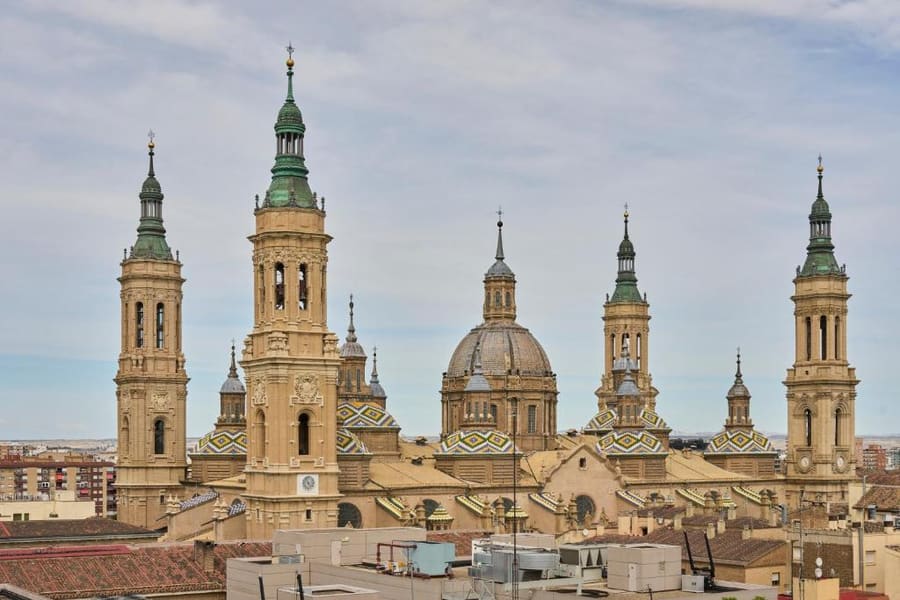
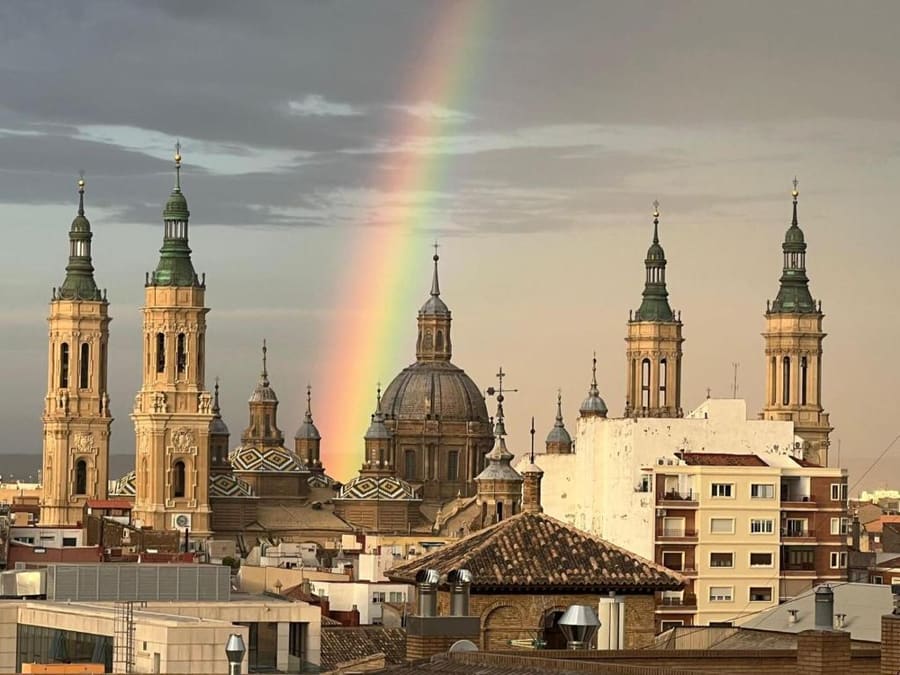
Basílica del Pilar
This Baroque riverside shrine houses Goya frescoes. Take the elevator up the northwest tower for views over the Ebro.
Chiedi a Parley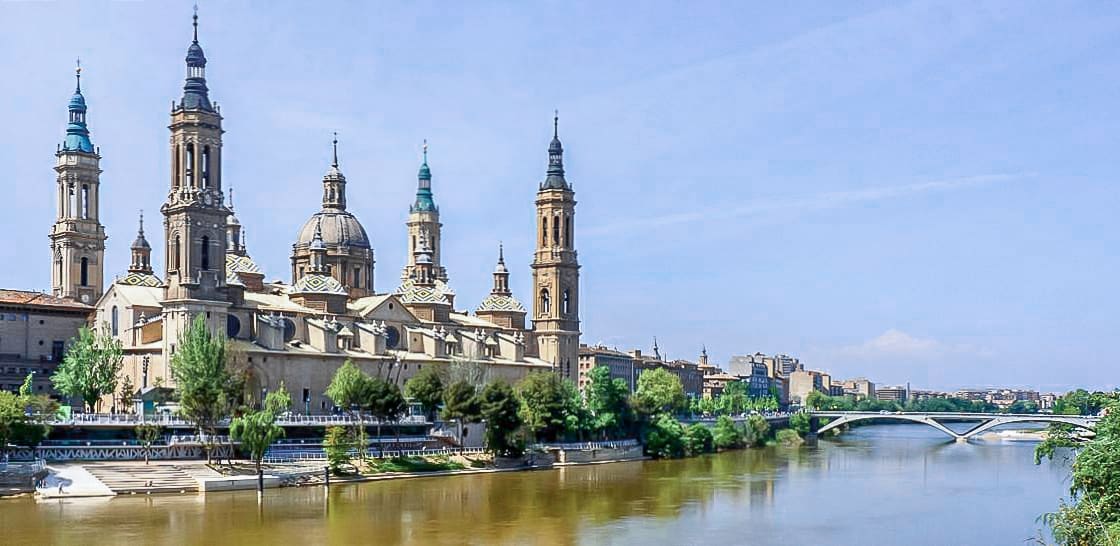
Spagna
Aragon's riverfront capital of Mudéjar towers and tapas bars.
introduction
Zaragoza sits halfway between Madrid and Barcelona on the Ebro River. You experience a city shaped by Roman foundations, Moorish palaces, and Goya paintings without tourist gridlock. The compact centre allows you to walk between centuries-old landmarks within minutes. Cierzo winds clear the air, giving you crisp views of massive basilicas.
Arrival transit
The AVE high-speed train connects Zaragoza-Delicias station to Madrid in 75 minutes. Cercanías line C1 takes you directly to the central Portillo stop.
Mudéjar UNESCO site
The Palacio de la Aljafería and La Seo Cathedral form part of Aragon's UNESCO-listed Mudéjar architecture. Both feature fine Islamic craft.
Zaragoza
Escarlati · CC BY 2.5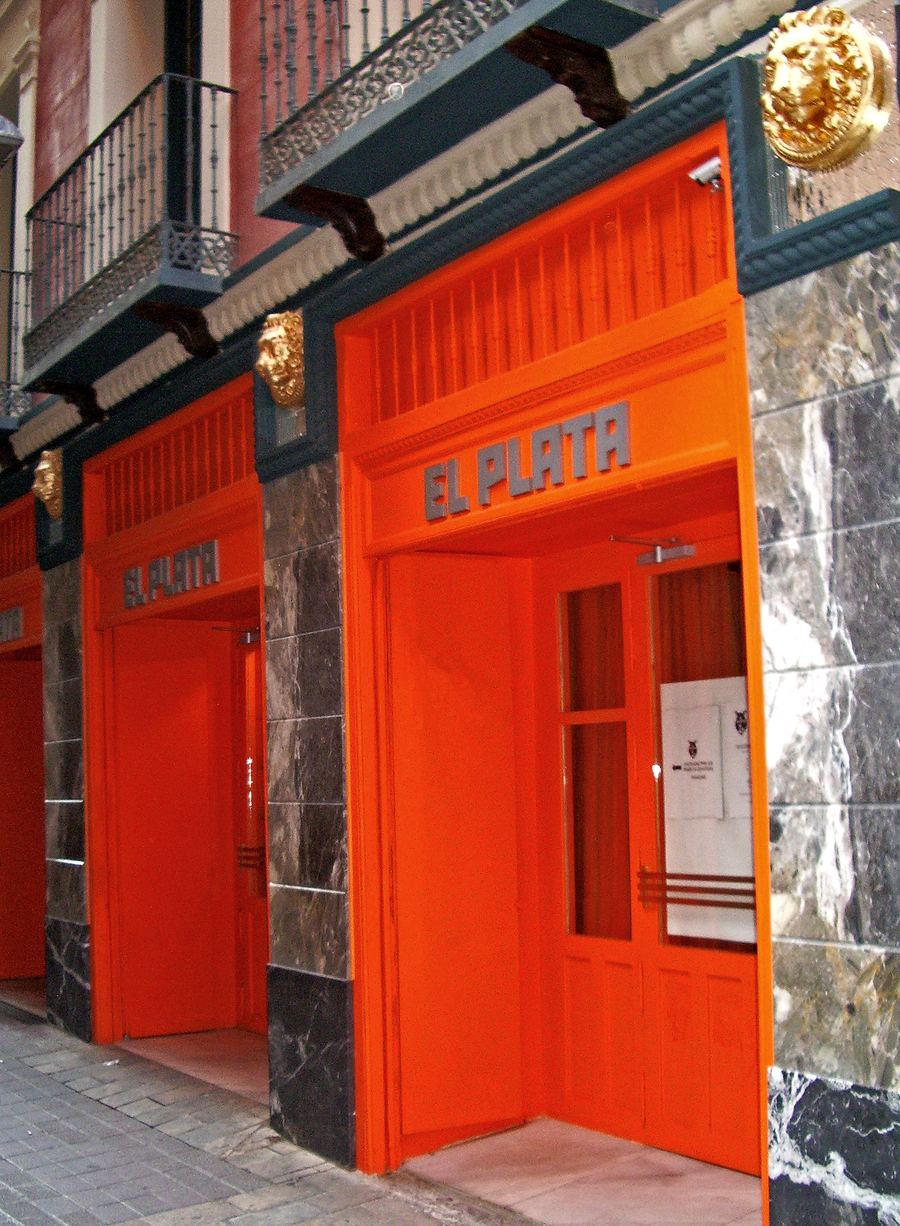
El Tubo — Narrow alleyways packed with traditional tapas bars and lively evening drink stands.
Escarlati · CC BY-SA 3.0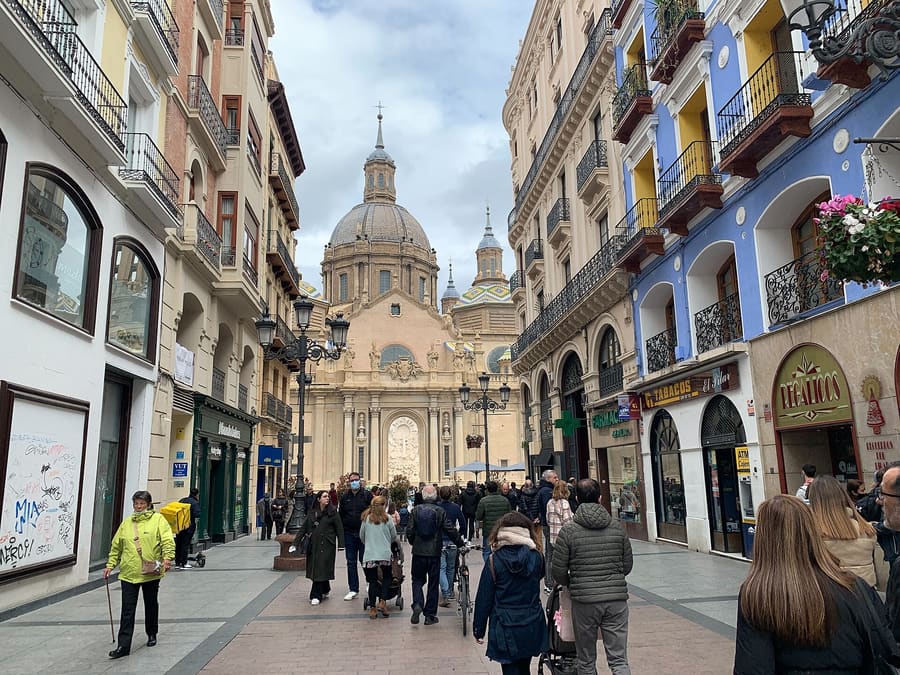
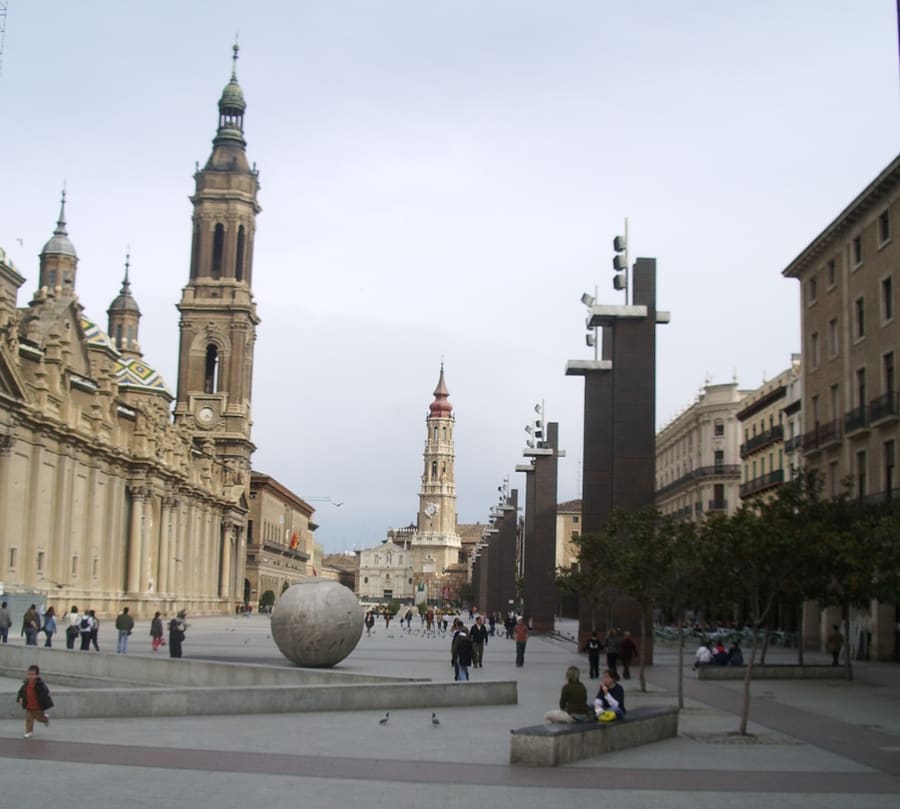
Casco Histórico — The historic heart anchored by grand pedestrian plazas and centuries of monuments.
Robot8A · CC BY-SA 4.0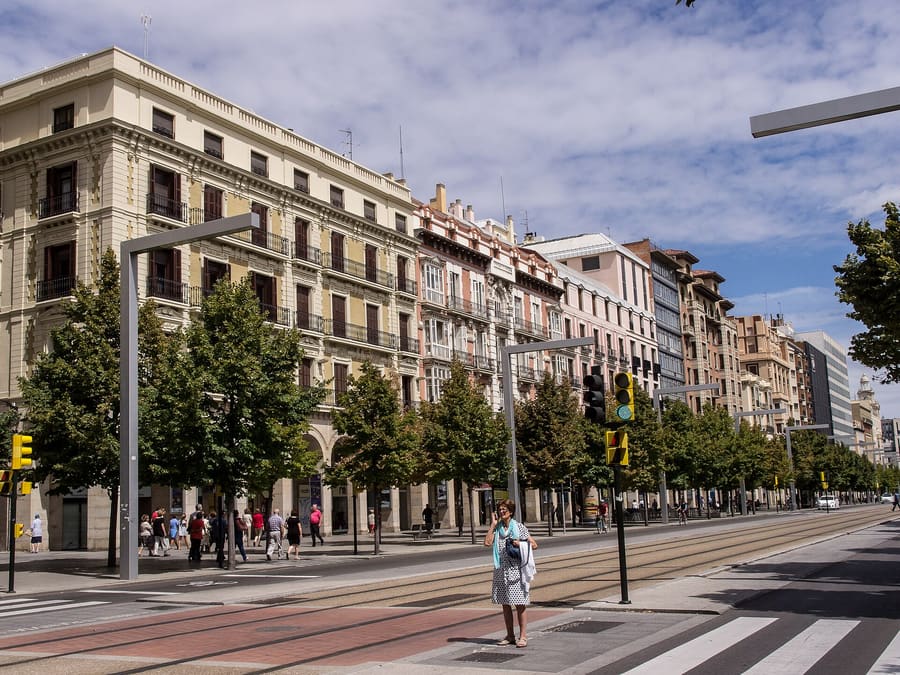
El Centro — Broad avenues, grid streets, commercial shopping corridors, and elegant mid-century apartments.
FRANCIS RAHER · CC BY 2.0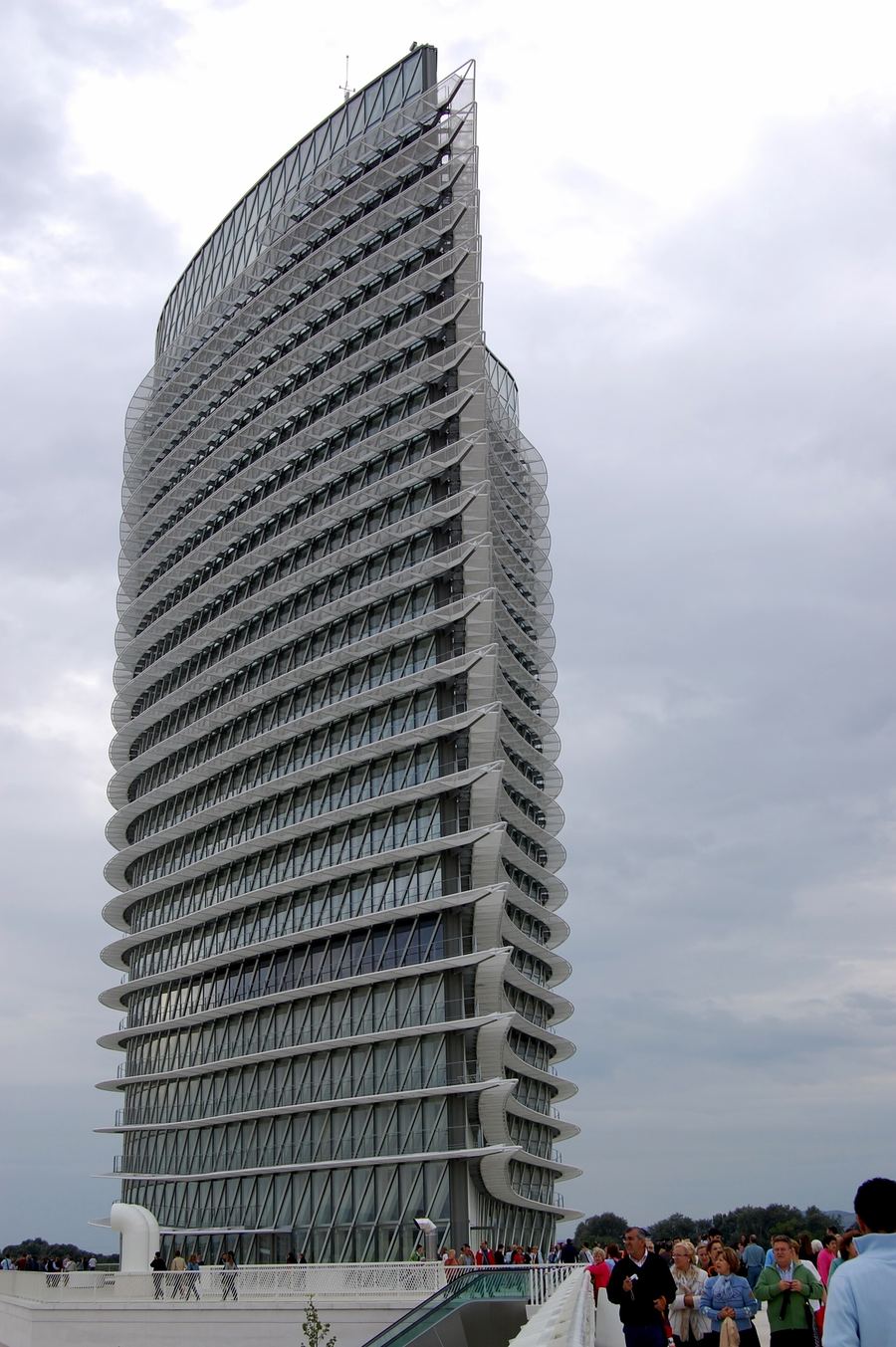
Actur & Parque del Agua — Modern wide-avenue district housing the 2008 Expo park grounds and Ebro river paths.
Sergio · CC BY 2.0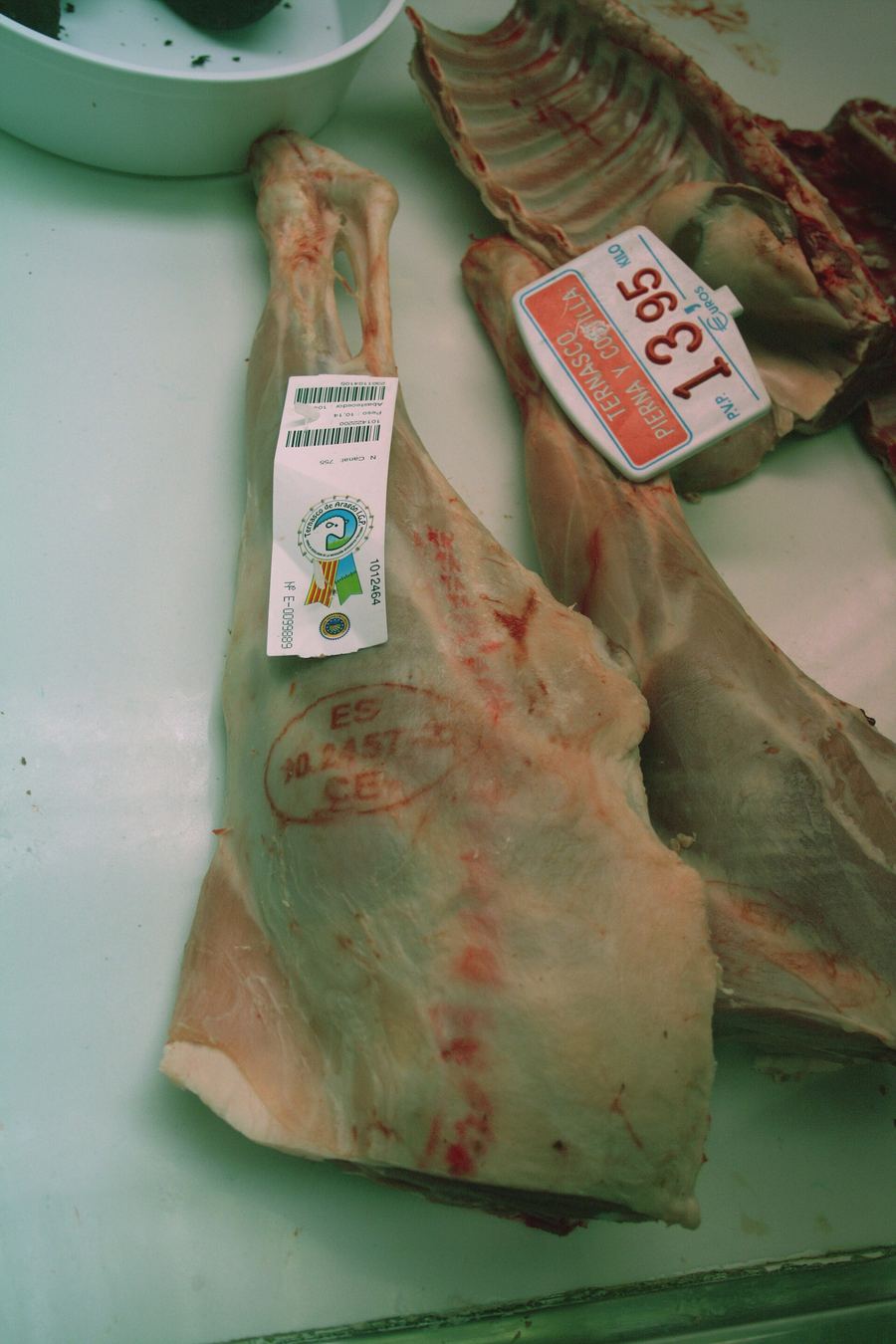
Ternasco de Aragón served roasted with soft potatoes.
Tamorlan · Public domainhighlights
landmark
This Baroque riverside shrine houses Goya frescoes. Take the elevator up the northwest tower for views over the Ebro.
Chiedi a Parley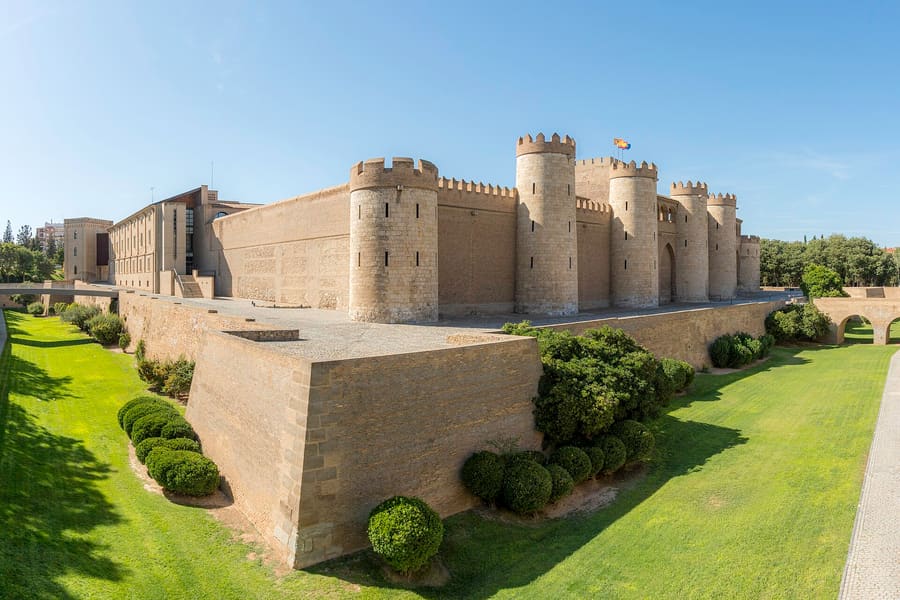
landmark
An 11th-century Islamic fortress housing Aragon's parliament. Book online in advance to secure a timed entry ticket.
Chiedi a Parley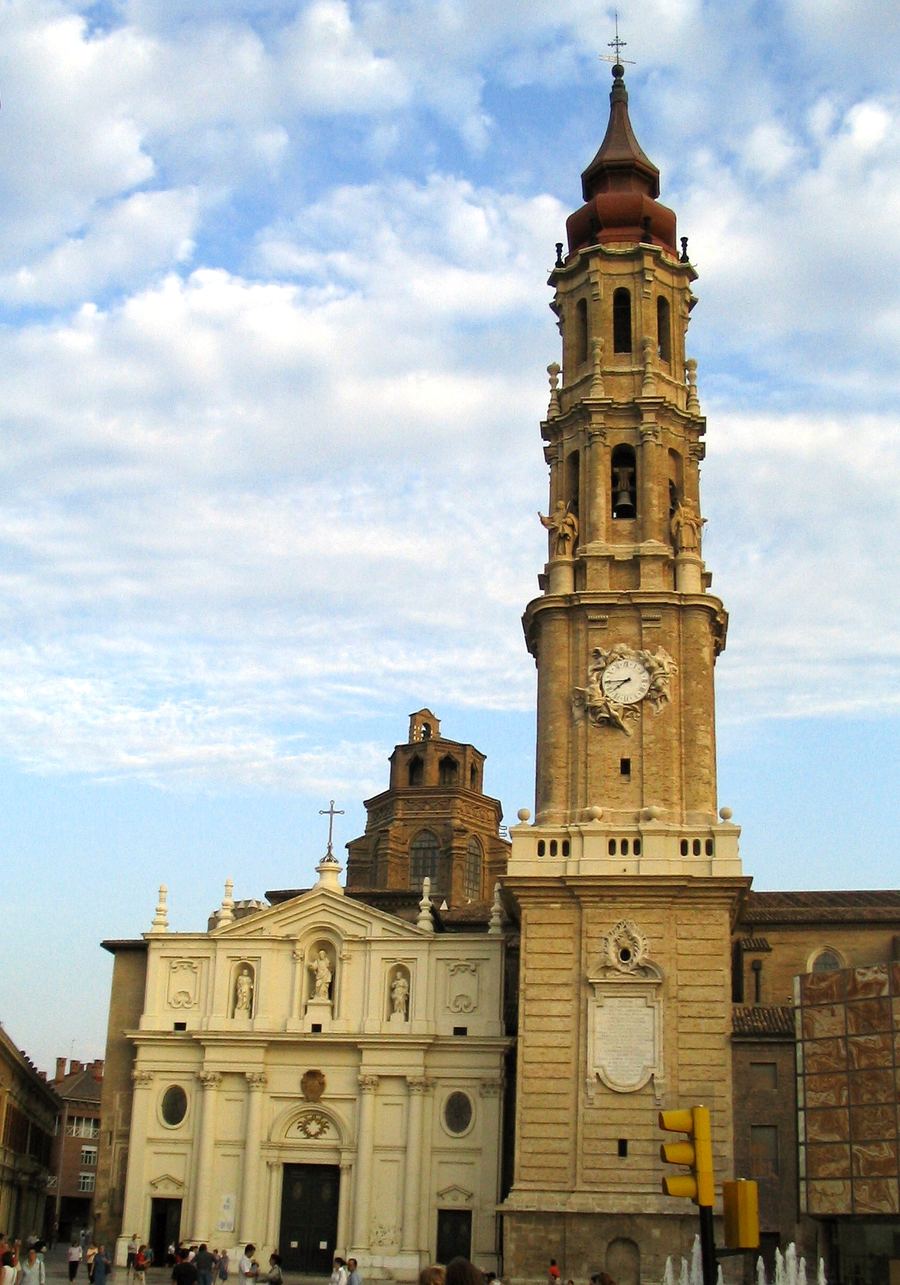
landmark
A cathedral blending Romanesque, Gothic, and Mudéjar styles. Do not miss the brick tile tapestry wall on the exterior.
Chiedi a Parley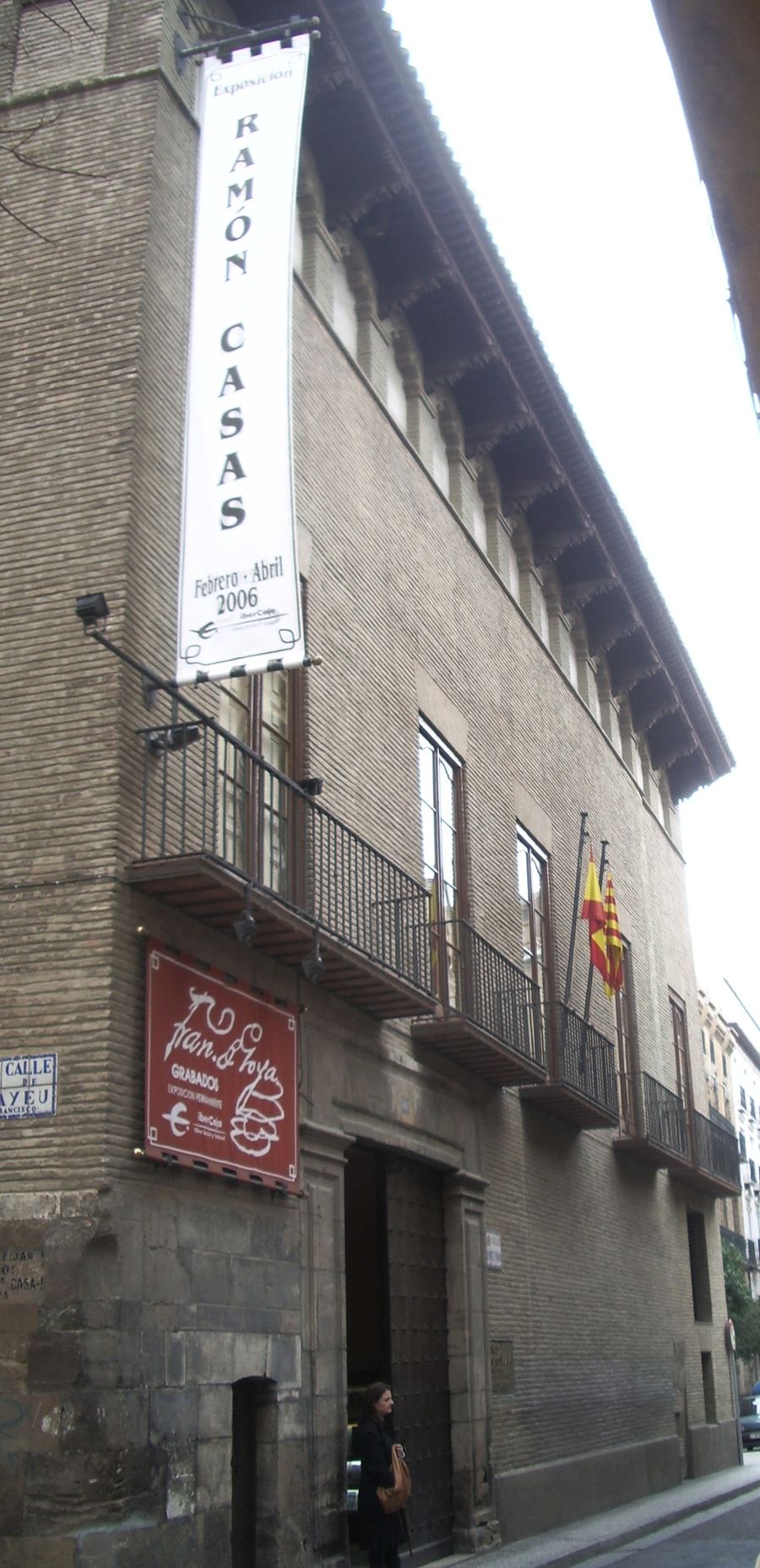
landmark
A Renaissance mansion holding Goya's complete print series. Visit on weekday mornings to avoid school group tours.
Chiedi a Parley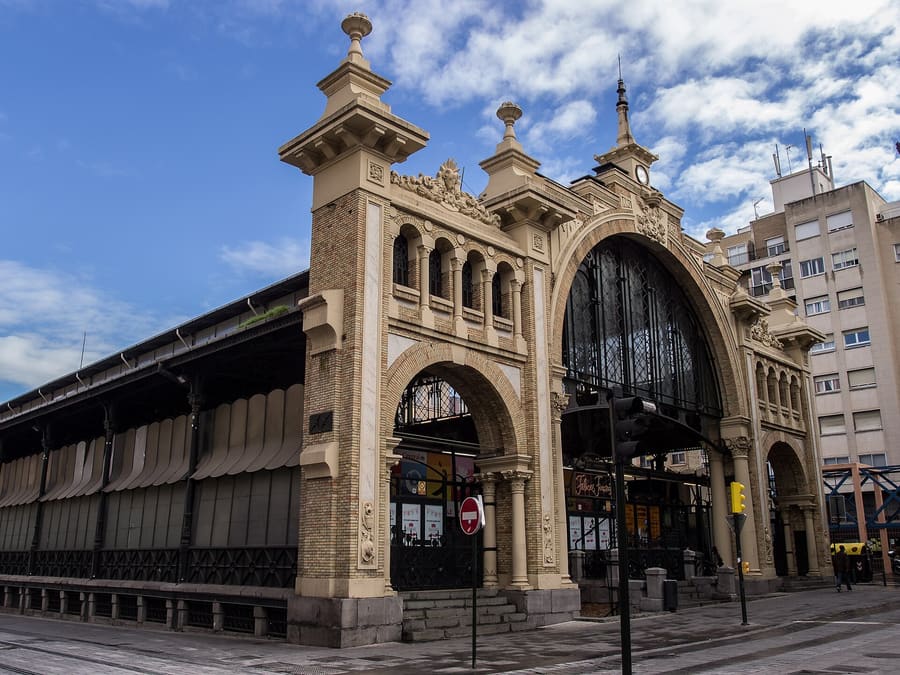
landmark
An iron-and-glass market hall restored in 2020. Head to the central stalls for fresh Aragonese cheeses and cured ham.
Chiedi a Parleyattractions
areas
Narrow alleyways packed with traditional tapas bars and lively evening drink stands.
Nei dintorniPlaza del Pilar and Calle Alfonso I
Chiedi a ParleyThe historic heart anchored by grand pedestrian plazas and centuries of monuments.
Nei dintorniEbro River and La Seo Cathedral
Chiedi a ParleyBroad avenues, grid streets, commercial shopping corridors, and elegant mid-century apartments.
Nei dintorniPaseo de la Independencia and Plaza de España
Chiedi a ParleyModern wide-avenue district housing the 2008 Expo park grounds and Ebro river paths.
Nei dintorniPalacio de la Aljafería and Ebro banks
Chiedi a Parleyfood
Ternasco de Aragón served roasted with soft potatoes.
Tamorlan · Public domainLunch tapas start around 13:30, while dinner service kicks off after 20:30. Most historic taverns close between 16:00 and 20:00.
At busy El Tubo counter bars, order one drink and one tapas portion per stop, then move to the next tavern.
Small tapas counters accept contact card payments, but keeping small euro coins speeds up quick counter turns.
history
Zaragoza's location on the Ebro River made it a critical stronghold for over two millennia. Founded as a Roman colony, it evolved through centuries of Islamic rule before becoming the royal capital of the Kingdom of Aragon. Its history reflects rapid architectural shifts, from Moorish arches to Mudéjar tile towers and modern urban riverfront developments.
Saraqusta era
Islamic forces control the city, renaming it Saraqusta and later building the Aljafería Palace.
Christian reconquest
Alfonso I of Aragon captures the city, establishing Zaragoza as the capital of the Kingdom of Aragon.
Sieges of Saragossa
Local citizens resist French Napoleonic sieges, making the city a symbol of national resilience.
International Expo
Zaragoza hosts Expo 2008 focused on water and sustainable development, reshaping the riverfront.
where to stay
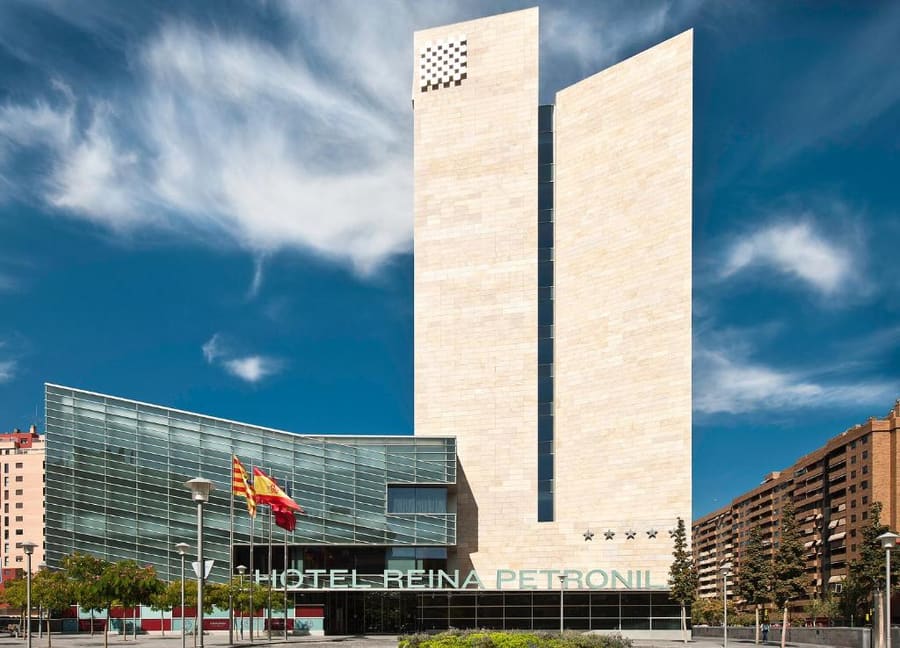
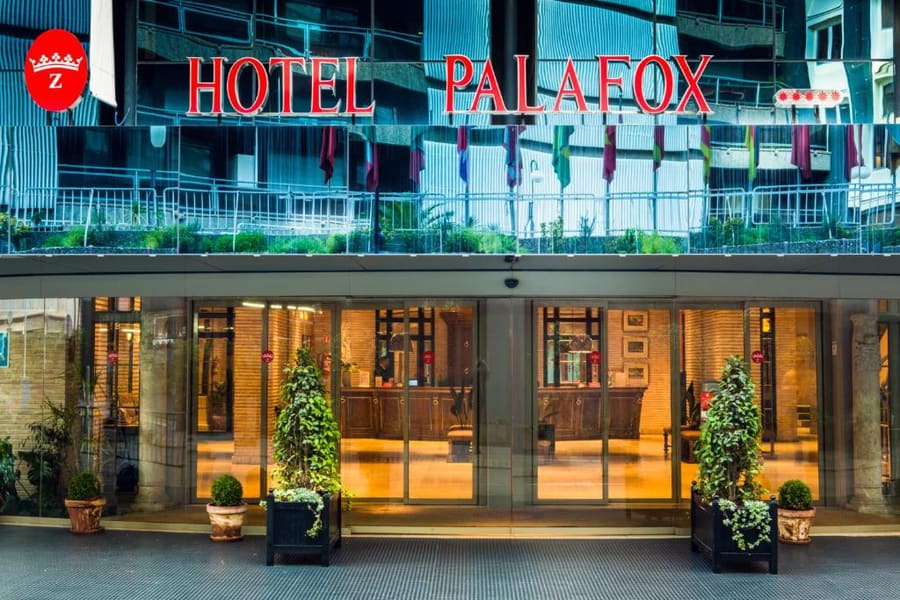
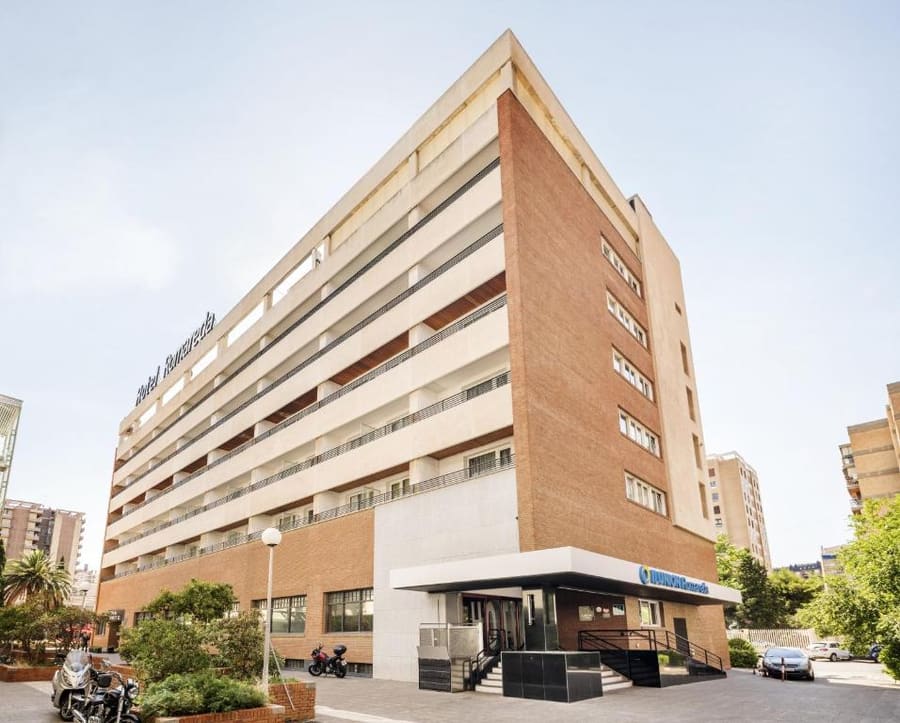
Choose your hotel based on your transit style and tolerance for late-night noise. Staying inside El Tubo puts you steps from taverns but subjects you to evening street crowds. The quiet broad avenues of El Centro offer larger rooms and municipal bus or Cercanías train connections to the train station.
Live rates, matched to the areas above.
transport
Zaragoza is compact and flat. Walking is the most efficient way to navigate the historic centre. For longer trips across the Ebro River or to the high-speed train terminal, the single-line tram network and municipal bus fleet run reliably.
Da Zaragoza-Delicias railway station
Bus line 34 connects Delicias station directly to Plaza de España in the city center.
Official white taxis queue outside Delicias arrivals. Surcharges apply for luggage.
Bus 501 connects Zaragoza Airport (ZAZ) to Delicias station and Paseo María Agustín.
Buy a reusable Lazo or Bus card at newsstands for discounted fares on urban buses and the tram network.
The entire historic core between the Aljafería and La Seo takes under 25 minutes to cross on foot.
Búhobús night buses operate on weekends after midnight when regular tram and bus lines shut down.
cost
Zaragoza is noticeably more affordable than Madrid or Barcelona. Dining and cultural attraction fees remain reasonable, making weekend trips high-value for visitors.
Midday three-course lunch meals including wine and bread are widely served on weekdays across the city.
Individual bus or tram tickets bought onboard or at stops cost €1.50 per ride.
A glass of Somontano or Cariñena wine paired with a freshly cooked tapas portion.
General entry ticket for the Moorish palace, with free admission for children under 12.
seasonality
MAR – MAY
Mild spring temperatures and clear skies. Ideal for walking around outdoor plazas before summer heat arrives.
JUN – AUG
Hot afternoon temperatures often exceed 35°C. City life shifts entirely to late evening tavern terraces.
SEP – OCT
Warm autumn weather. The Fiesta del Pilar in mid-October fills the city with flower offerings and huge crowds.
NOV – FEB
Cold winter months with strong Cierto winds blowing off the Ebro. Room prices drop significantly.
practicalities
Independent shops and smaller monuments close between 14:00 and 17:00 before reopening late afternoon.
English is spoken at major hotels and tourist offices, but basic Spanish phrases are expected in neighborhood bars.
Most municipal museum sites and the Aljafería Palace close on Mondays for routine maintenance.
The Ebro riverbanks feature paved walking and cycling trails stretching from the Expo park to Macanaz park.