landmark
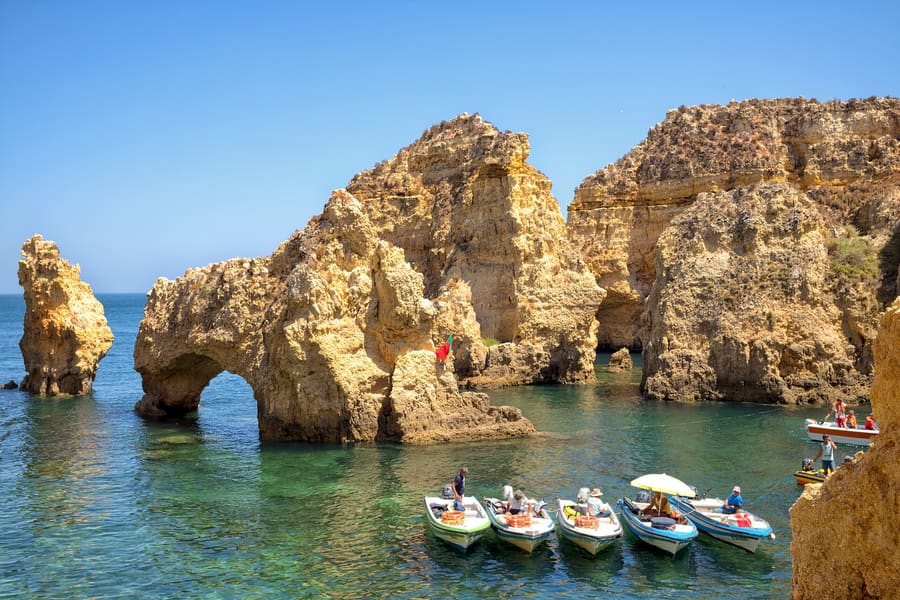
Ponta da Piedade
Yellow limestone arches and sea caves south of Lagos. Take the 182-step staircase down to water level early to avoid kayak tour traffic.
Parleyに聞くポルトガル
Moorish towns, limestone cliffs, and wild Atlantic coast.
introduction
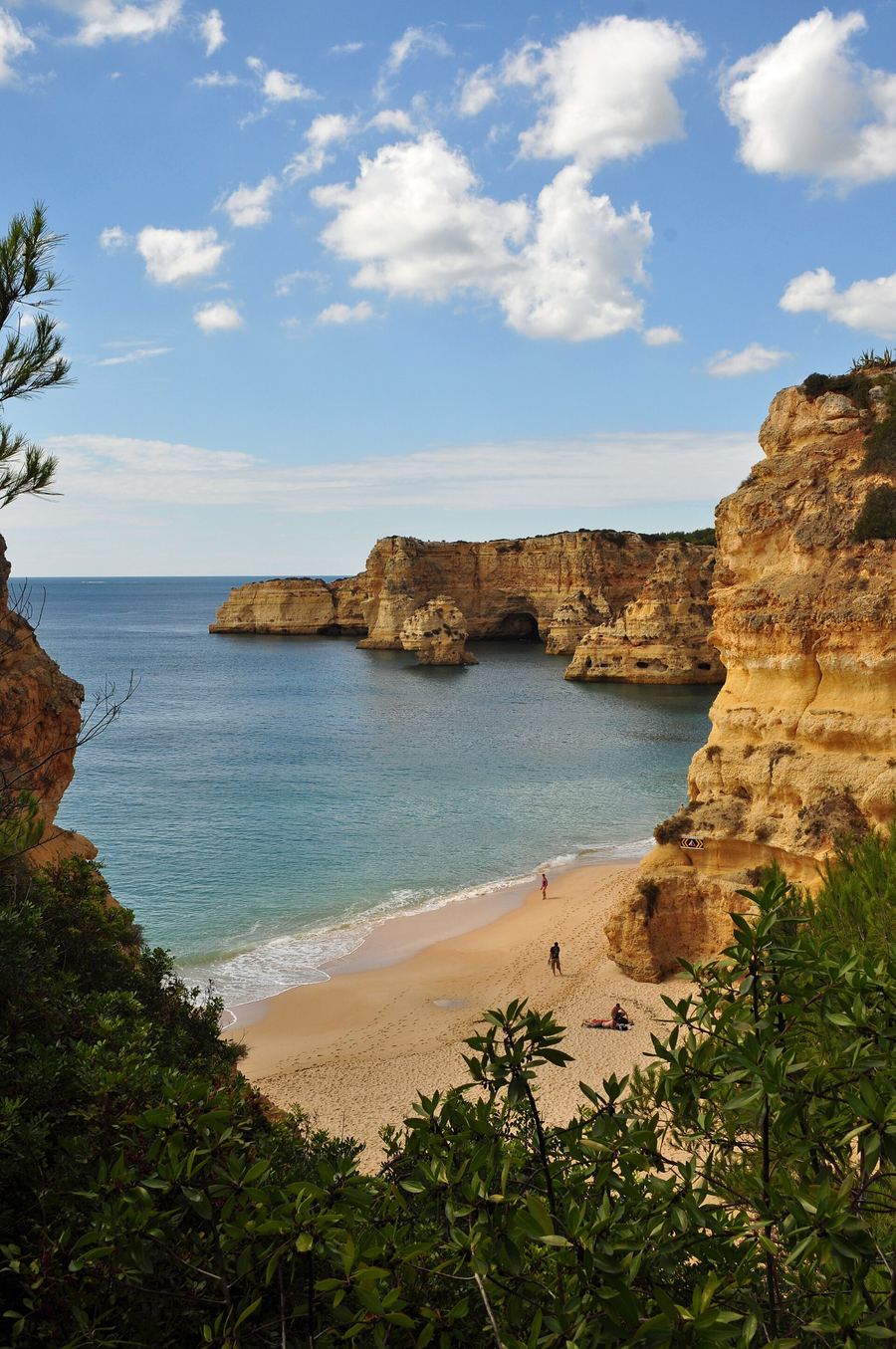
The Algarve spans 155 kilometres of Portugal's southern coast, split between calm eastern lagoon islands and exposed western Atlantic surf breaks. You move west to east along the A22 highway or the regional Linha do Algarve railway line. Expect distinct coastal towns rather than one single metropolis, where red sandstone castles sit 20 minutes inland from limestone sea stacks.
Ria Formosa Natural Park
Ria Formosa covers 18,000 hectares of protected coastal lagoon, barrier islands, and marshland stretching across five municipalities from Quinta do Lago to Cacela Velha.
Navigating toll roads
The A22 highway uses electronic tolls with no cash booths. Register your foreign licence plate online via EasyToll before driving past the border or rental agency.
Algarve
Klugschnacker · CC BY-SA 3.0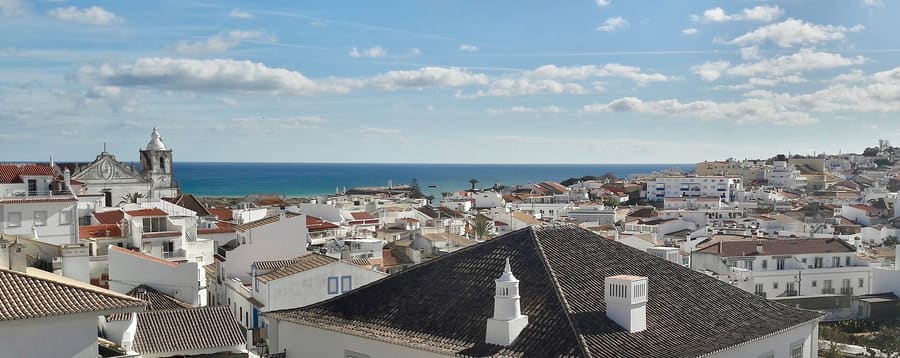
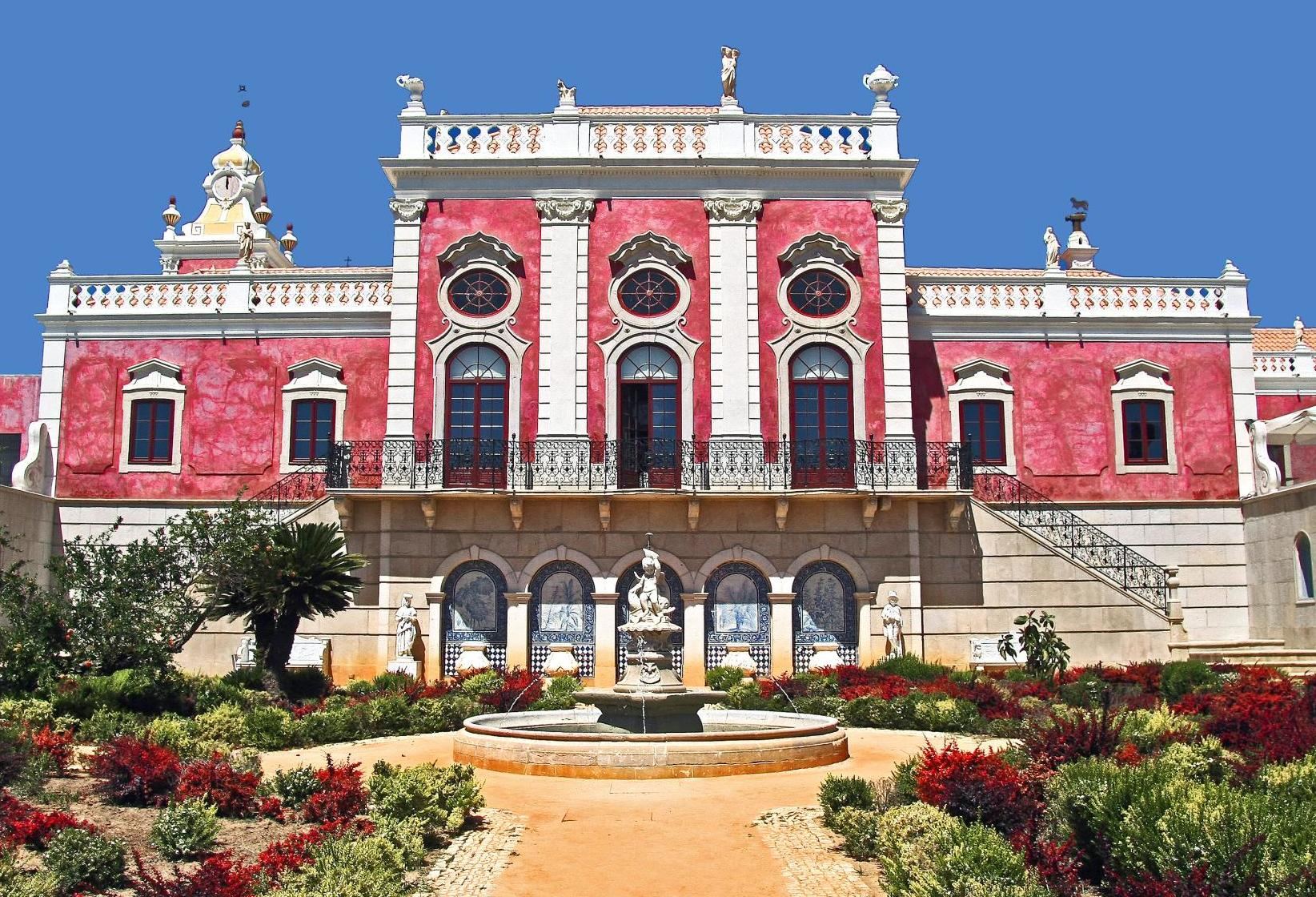
Lagos — Walled historic core with active marina, cliff trails, and energetic evening pedestrian lanes.
Bextrel · CC BY-SA 4.0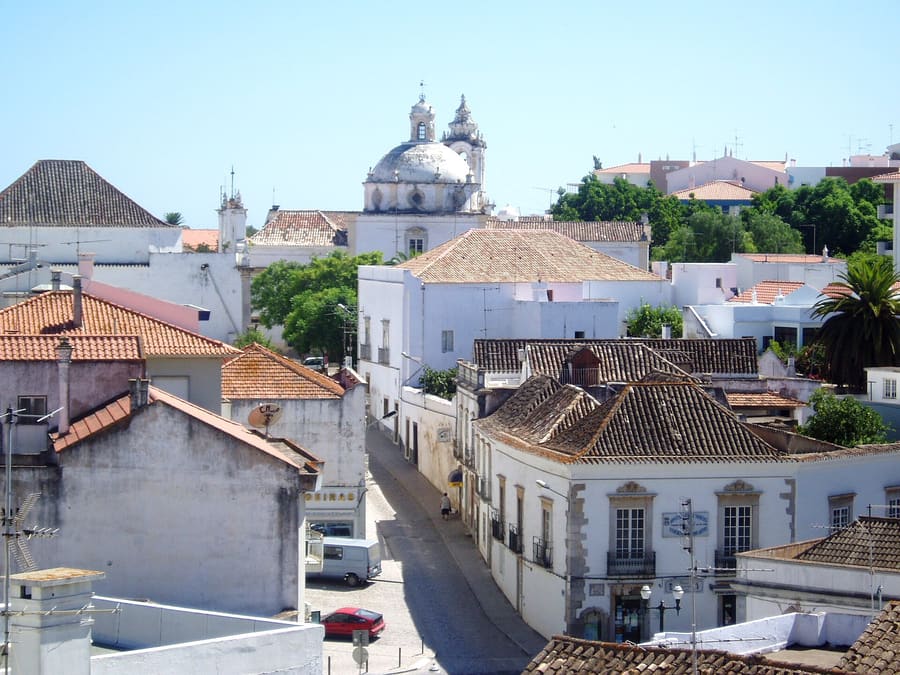
Tavira — Tranquil eastern town split by the Gilão River, lined with tiled manors and 37 churches.
Panarria · CC BY-SA 3.0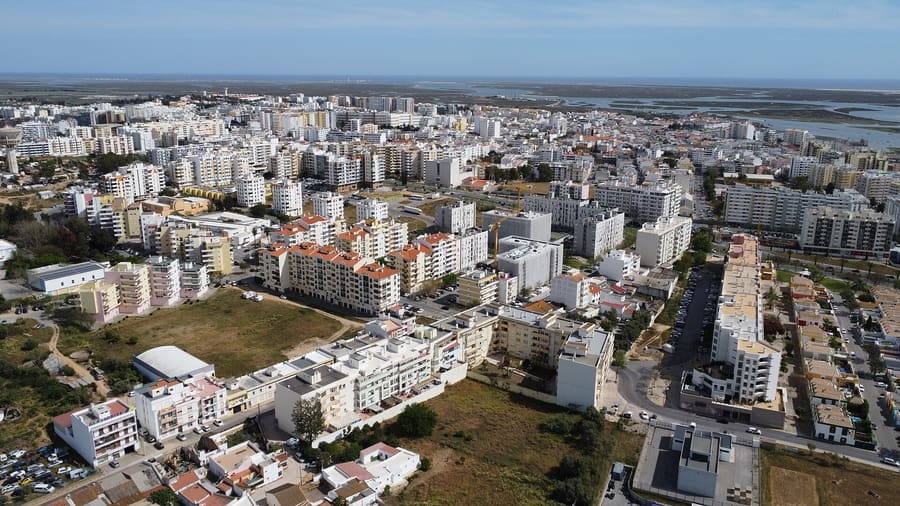
Faro — Regional administrative capital with quiet cobblestone old town inside 9th-century Moorish walls.
Bextrel · CC BY-SA 4.0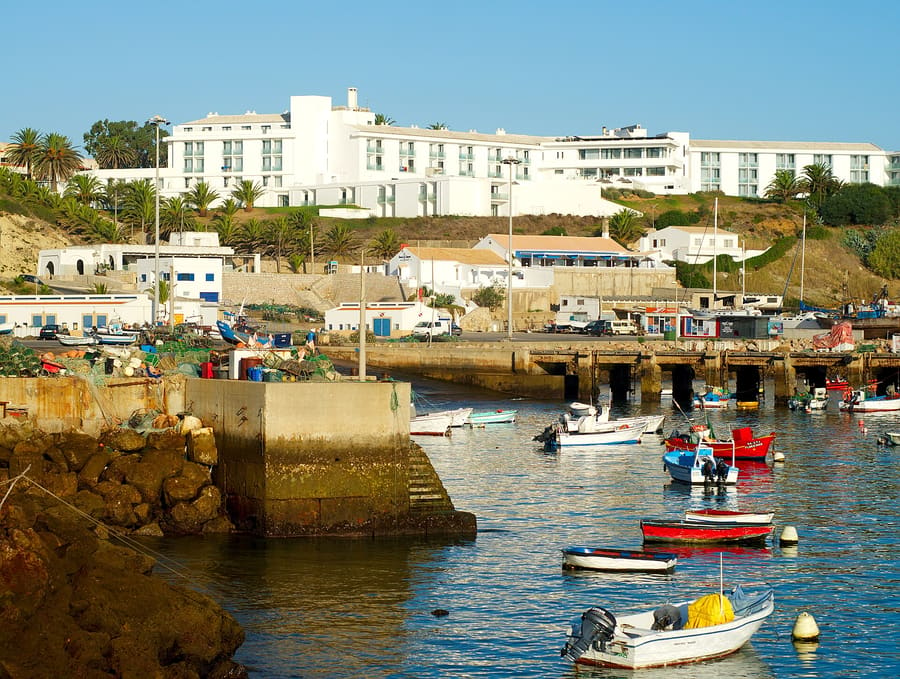
Sagres — Wind-whipped surf village on flat headlands at the continent's southwestern edge.
cingularite · CC BY-SA 2.0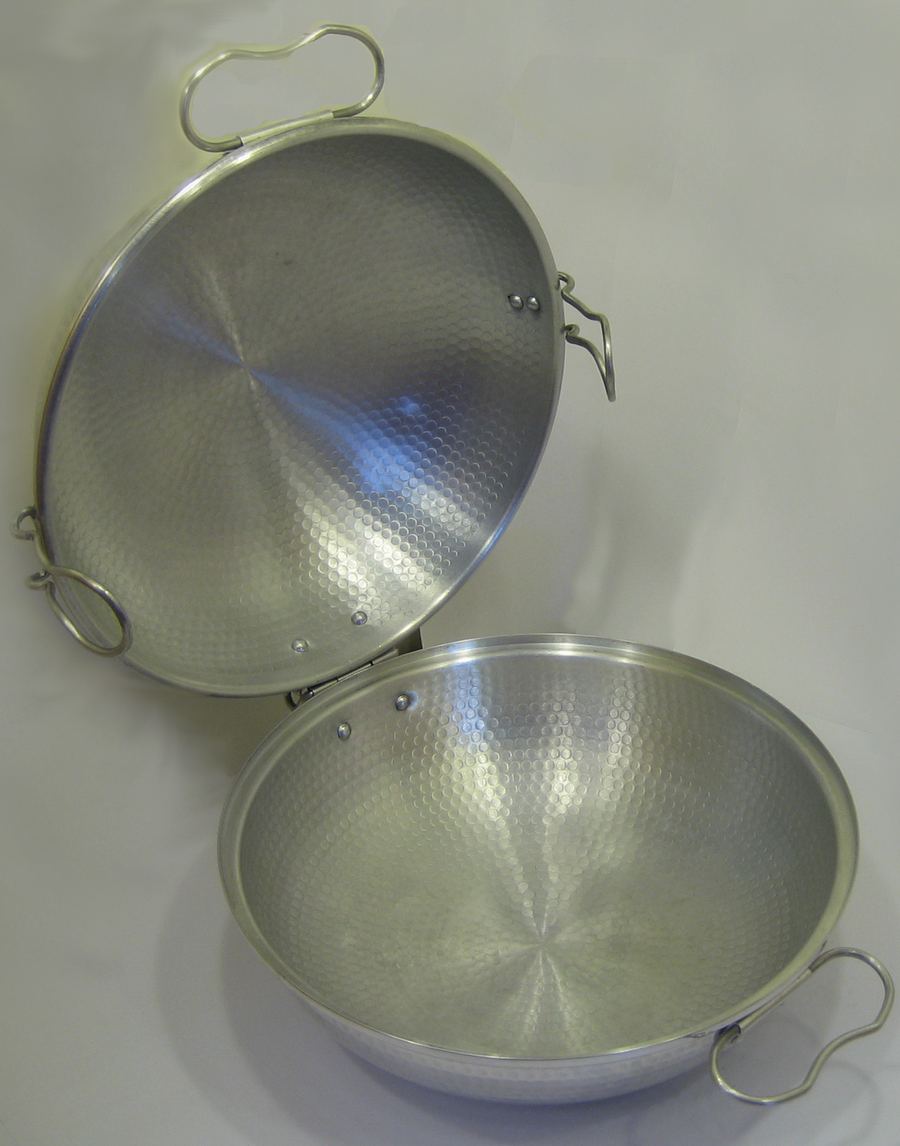
A traditional copper cataplana opened to release aromatic seafood steam.
Sevinha · Public domainhighlights
landmark
Yellow limestone arches and sea caves south of Lagos. Take the 182-step staircase down to water level early to avoid kayak tour traffic.
Parleyに聞く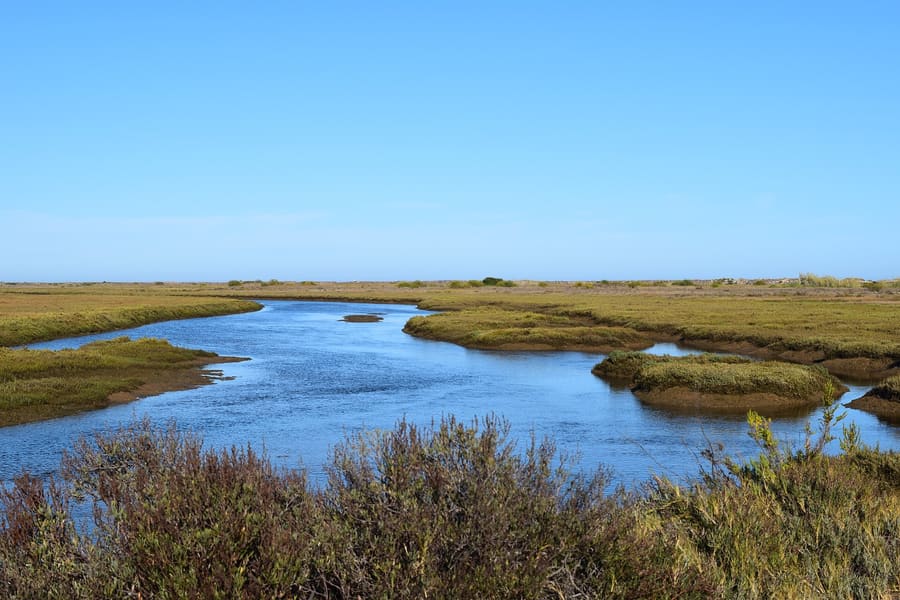
landmark
Barrier islands protecting wildlife lagoons. Board the municipal ferry from Olhão pier to Ilha da Armona for quiet sandbanks.
Parleyに聞く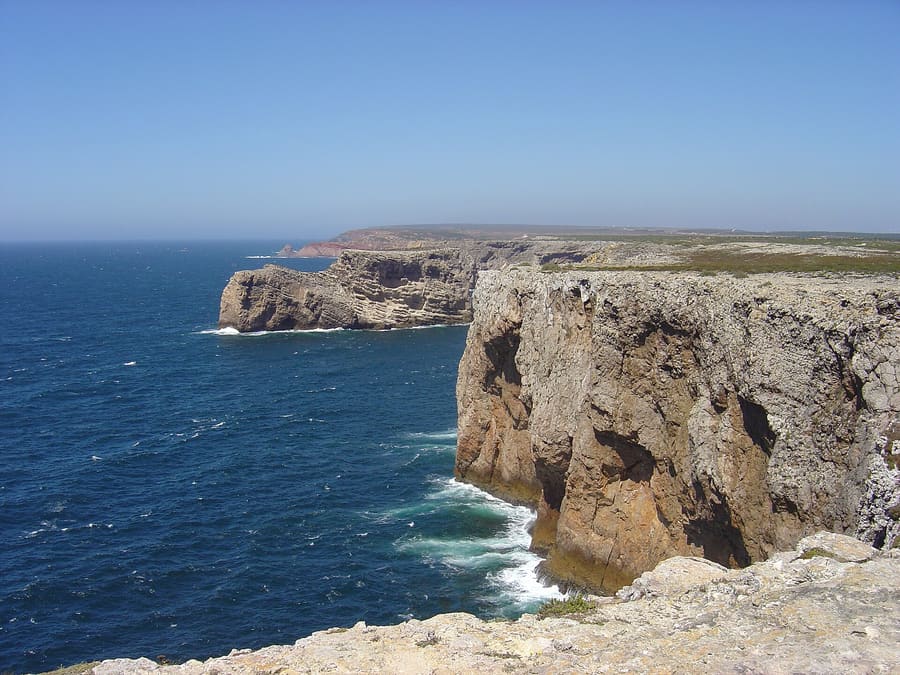
landmark
The southwestern tip of mainland Europe with 75-metre cliffs. Bring a jacket even in August due to perpetual gale-force Atlantic winds.
Parleyに聞く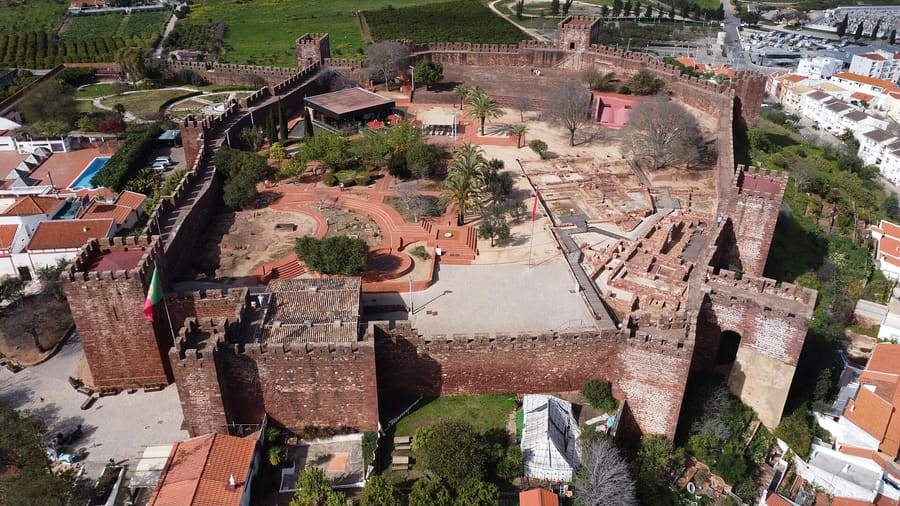
landmark
Eighth-century Moorish red sandstone fortress above the Arade river. Walk the curtain walls before 11:00 to dodge noon heat.
Parleyに聞くattractions
areas
Walled historic core with active marina, cliff trails, and energetic evening pedestrian lanes.
近くPonta da Piedade and Praia do Camilo
Parleyに聞くTranquil eastern town split by the Gilão River, lined with tiled manors and 37 churches.
近くIlha de Tavira and Ria Formosa
Parleyに聞くRegional administrative capital with quiet cobblestone old town inside 9th-century Moorish walls.
近くFaro Airport and Ria Formosa piers
Parleyに聞くWind-whipped surf village on flat headlands at the continent's southwestern edge.
近くCabo de São Vicente and Praia do Beliche
Parleyに聞くfood
Algarvian cuisine relies on clam-shaped copper pots called cataplanas, which steam clams, monkfish, and pork in white wine and smoked paprika. Along the coast, seaside grills roast sardines whole over charcoal embers, served on thick slices of sourdough bread to catch the oils. Inland bakeries preserve Moorish confectionery roots, mixing local almonds, carob flour, and sweetened egg yolks into dense regional pastries.
A traditional copper cataplana opened to release aromatic seafood steam.
Sevinha · Public domainA single cataplana dish on a menu is priced per couple. Ordering one for a single diner requires asking if individual pots are available.
Fat sardines peak between June and August. Visit the docks at Portimão near the bridge for charcoal-grilled fish served direct from fishing boats.
Sample Dom Rodrigos at Taquelim de Lagoa in Lagos, where candied egg threads and almonds are wrapped in bright metallic foil.
history
The Algarve's name derives from the Arabic Al-Gharb, meaning 'The West'. Five centuries of Moorish rule shaped its agricultural terrace walls, whitewashed houses, and chimney architecture. Reconquered by Portuguese forces in 1249, the region became Prince Henry the Navigator's staging ground for maritime exploration in the 15th century. The catastrophic 1755 earthquake destroyed most coastal settlements, leaving Silves and Tavira as key windows into pre-modern architecture.
Moorish Conquest
North African Moors conquer southern Iberia, establishing Xelb (Silves) as an intellectual capital.
Portuguese Reconquest
King Afonso III captures Faro, incorporating Al-Gharb into the Portuguese Crown.
Age of Discovery
Prince Henry establishes a maritime navigation center at Sagres, launching Atlantic voyages.
Great Earthquake
A massive earthquake and tsunami destroy coastal towns, reshaping urban street plans across the region.
where to stay
Choose your base based on transport plans and coastline preference. Lagos offers walkable dining alongside immediate access to western rock formations. Tavira provides quiet eastern riverfront living near barrier island beaches. Sagres suits surfers seeking remote Atlantic swells, while Faro offers transit convenience for car-free travel.
transport
A rental car provides complete freedom for western headlands and inland villages. For travel between main coastal hubs, the regional Linha do Algarve train connects Lagos to Vila Real de Santo António via Faro. Vamus Algarve operates regional buses that serve smaller coastal towns and beaches not reached by rail.
Faro Airport (FAO)から
Buy ticket onboard with cash. Drops off at Faro central bus station.
20% surcharge applies 21:00-06:00 and on weekends. Extra fee for luggage in trunk.
Board at designated P2 parking / Kiss & Fly area outside the terminal.
Must book online prior to arrival. Direct service to major regional resort towns.
Trains run roughly every two hours between Lagos and Faro. Tickets are purchased at station counters or onboard if no window is open.
Driving the A22 requires registering your payment card via the Portugal Tolls portal to settle automated overhead camera tolls.
Tavira, Olhão, and Faro require short municipal ferry rides to reach their barrier island ocean beaches.
cost
The Algarve is generally less expensive than Lisbon, though prices surge in peak summer along the central coast. Inland villages and eastern lagoon towns maintain lower dining and lodging costs year-round.
Includes fresh seafood cataplana, house wine, and dessert at a traditional marisqueira.
Standard price at local pastelarias away from waterfront tourist strips.
90-minute small-boat trip from Portimão or Benagil beach.
One-way ticket on the regional Linha do Algarve service.
seasonality
MAR – MAY
Wildflowers bloom along cliff trails. Water is crisp at 16°C, but walking weather is ideal and crowds are sparse.
JUN – AUG
Temperatures exceed 30°C and sea temperatures hit 21°C. Coastal roads jam and lodging prices reach seasonal peaks.
SEP – OCT
Warm Atlantic waters and air temperatures around 25°C. Summer crowds clear out by mid-September.
NOV – FEB
Mild sunny days around 16°C with cool nights. Many beach resort shops close, but coastal towns remain peaceful.
practicalities
Ocean water temperatures peak around 21°C in late summer. Water on the western Sagres coast stays colder due to upwelling.
Bread, olives, and tuna pate placed on your restaurant table are charged individually if consumed. Send them back untouched if not wanted.
Lunch runs 12:30 to 15:00 and dinner begins at 19:30. Kitchens in smaller inland towns close between 15:00 and 19:00.
West coast beaches like Praia do Amado have severe undertows. Swim only between marked green flags.
While cards are widely accepted, small inland cafes and municipal ferry kiosks often require cash for orders under €5.