landmark
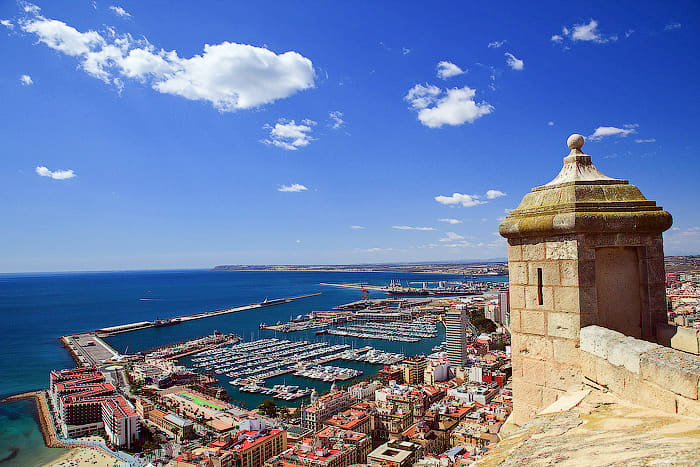
Santa Bárbara Castle
A hilltop fortress 166 meters above the shore. Walk the back trail or take the mountain elevator from Postiguet beach.
Parleyに聞くスペイン
Rice culture, coastal light, and a fortress above the bay.
introduction
Alicante is a compact port city built around Mount Benacantil and the Mediterranean Sea. You can walk across the historic core in twenty minutes. Tram line 1 connects the urban center directly to wild northern coves in under an hour. Expect late afternoon social drinks, precise thin-layer rice dishes, and steep climbs up historic stone paths.
Arrival shortcut
The C-6 airport bus reaches central Luceros square in 20 minutes for €3.85. Taxis cost €21 to €25.
Fortress geography
Mount Benacantil holds the 9th-century Santa Bárbara Castle, one of Europe's largest medieval fortresses.
Rice order rule
Most traditional rice spots require at least two people per order. Solo diners can sample rice at market bars during lunch.
Alicante
Fernando · CC BY-SA 4.0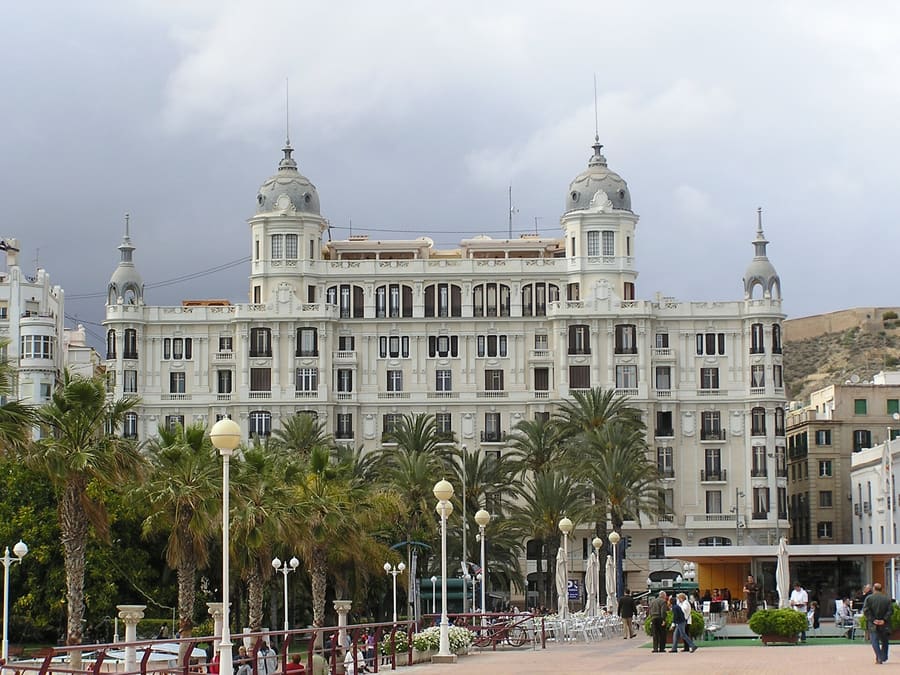
Centro Tradicional — Shaded shopping streets, early evening wine bars, and the central city transit hubs.
User:Etnacila · Public domain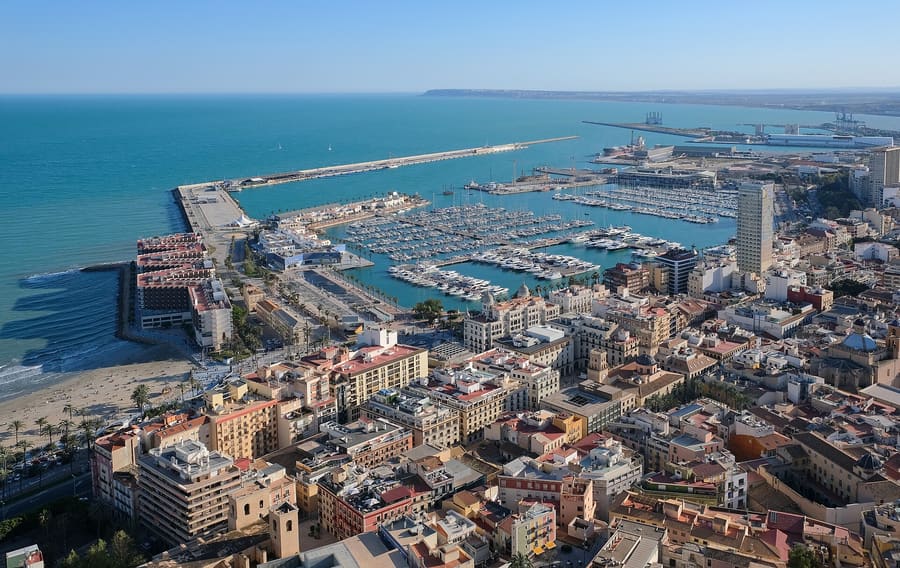
El Puerto — Wide maritime avenues, dockside seafood places, and flat walking paths along the marina.
kallerna · CC BY-SA 4.0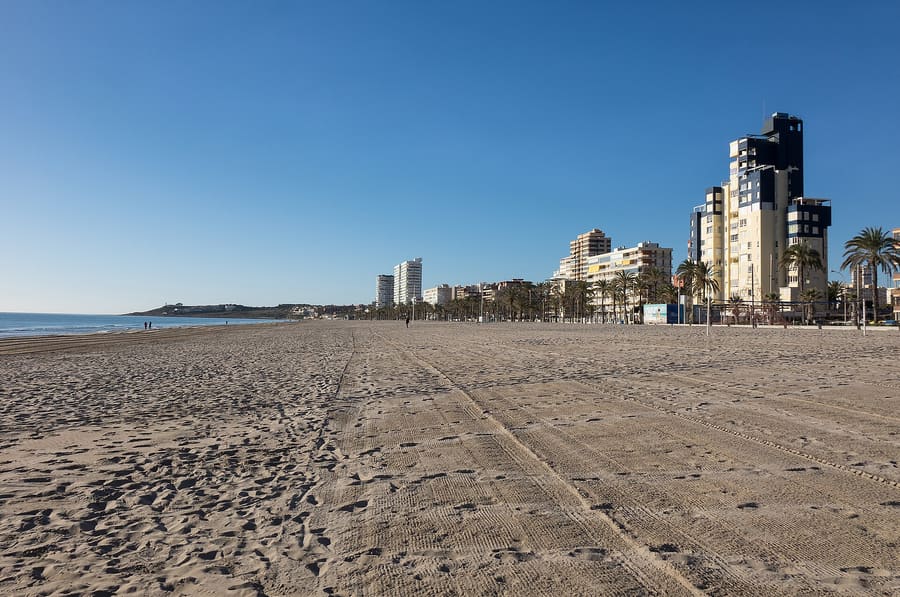
San Juan Beach — Seven kilometers of open sand with high-rise apartments and seafront rice venues.
RayRMC · CC BY-SA 4.0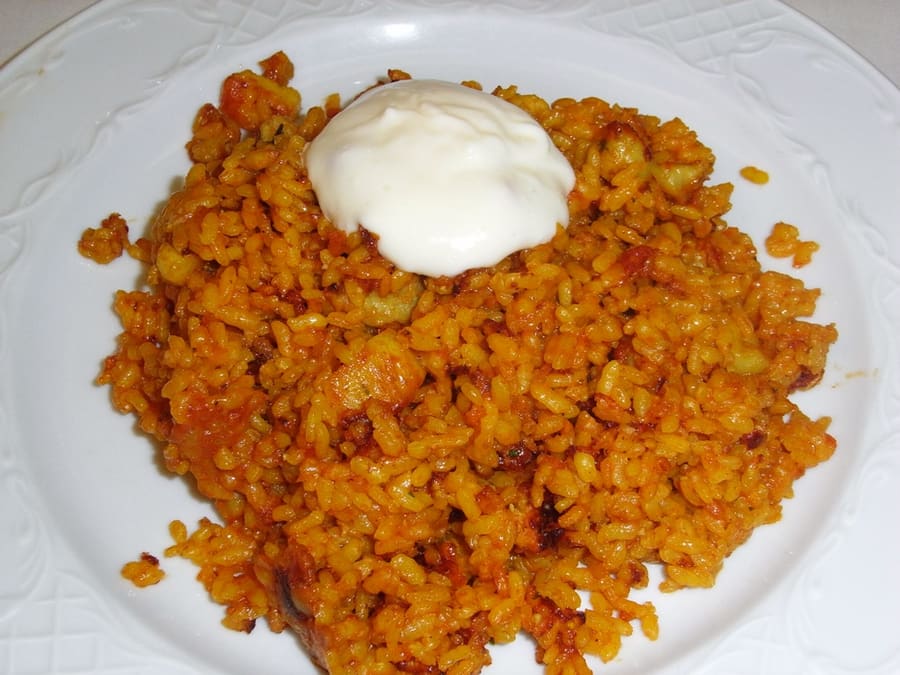
Arroz a banda served with homemade aioli in an Alicante rice venue.
Javier Lastras · CC BY 2.0highlights
landmark
A hilltop fortress 166 meters above the shore. Walk the back trail or take the mountain elevator from Postiguet beach.
Parleyに聞く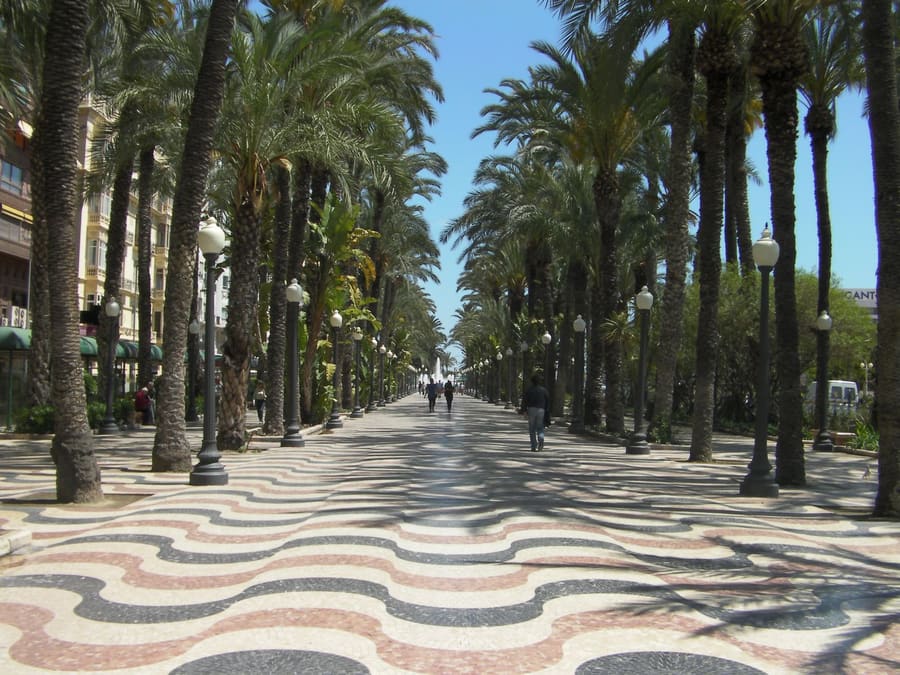
landmark
A waterfront walkway tiled with 6.6 million mosaic marble tesserae. Palm trees shade the path from port to beach.
Parleyに聞く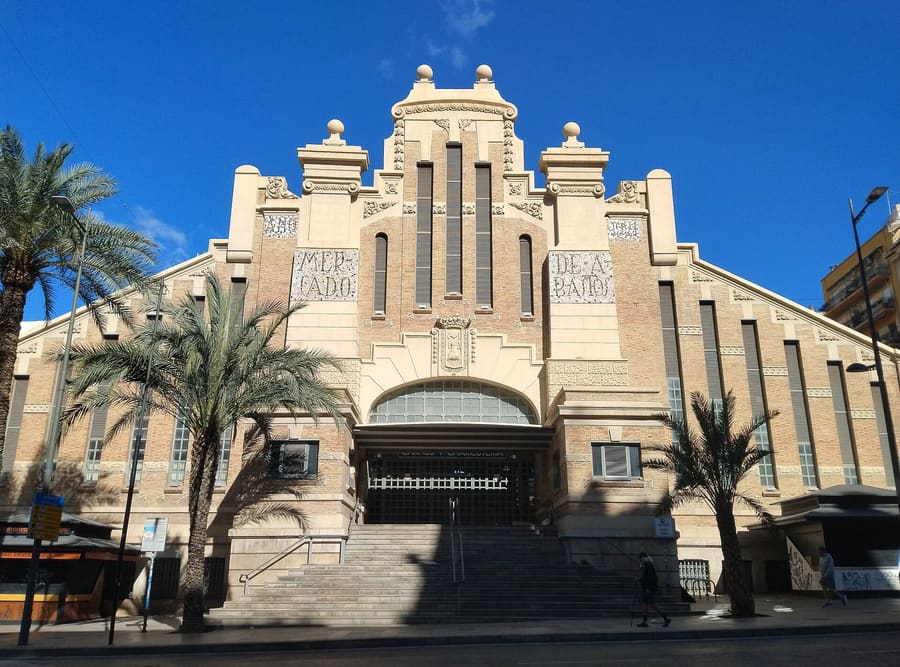
landmark
A two-story 1920s food hall. Fresh fish fills the lower floor, while upper stalls host the local Friday afternoon drinking ritual.
Parleyに聞く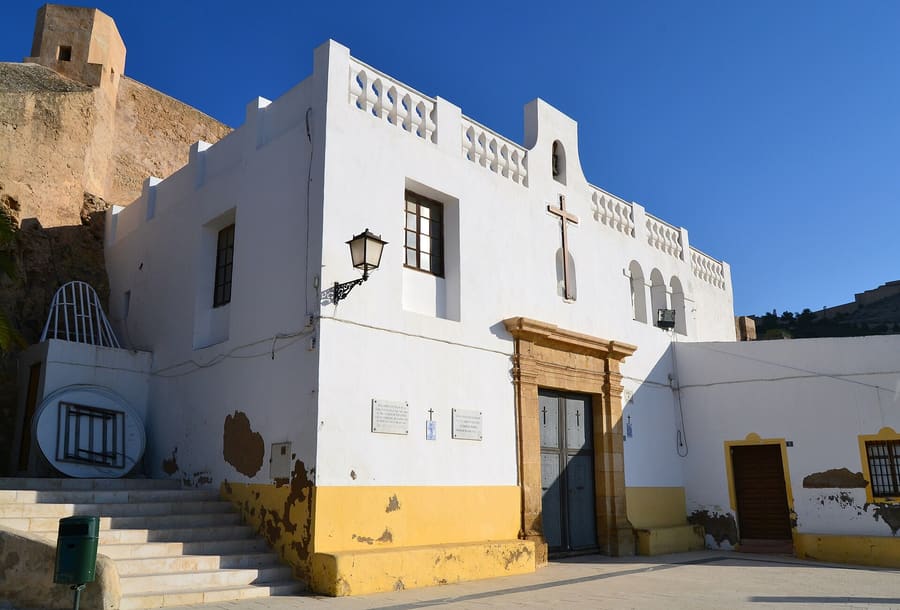
landmark
A village-like enclave of steep staircases and painted tiles on the slope of Mount Benacantil. Vehicles cannot enter.
Parleyに聞く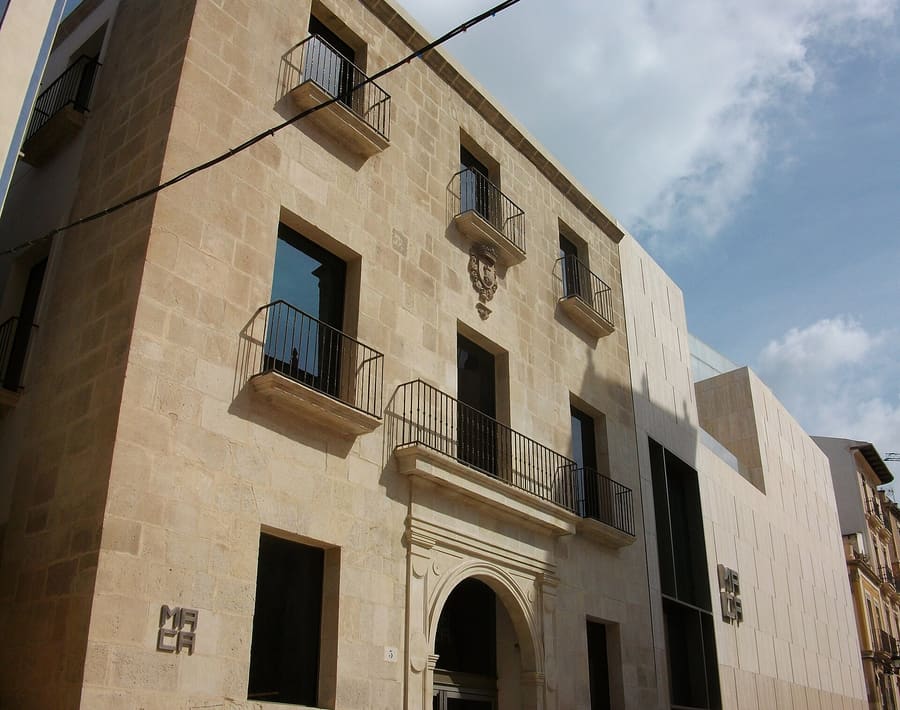
landmark
A modern art collection inside the city's oldest civil building. Works include Miró, Picasso, and Eusebio Sempere.
Parleyに聞く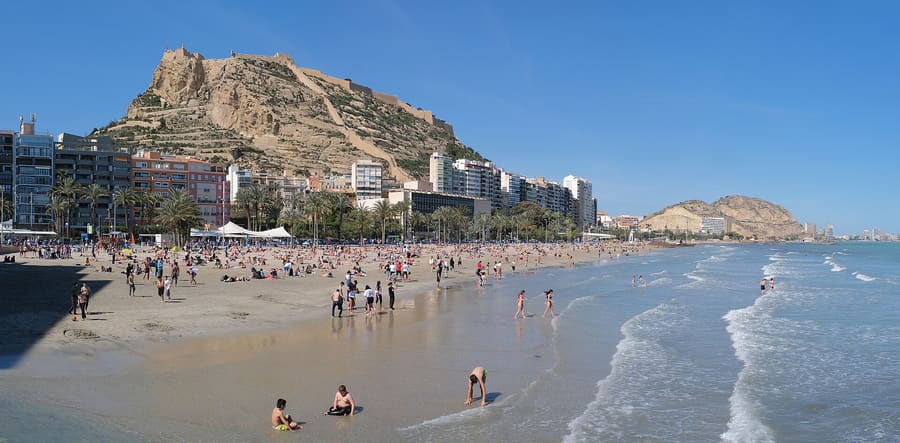
landmark
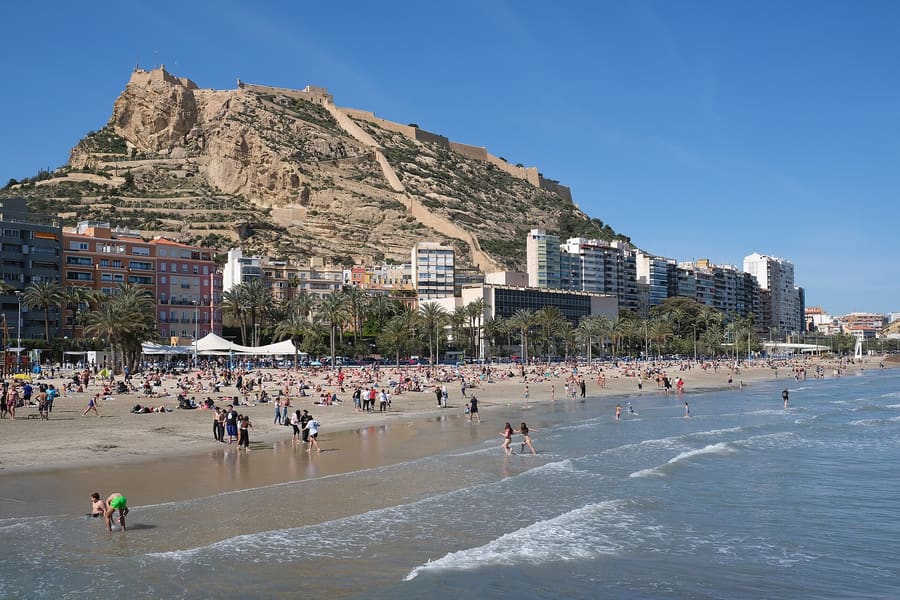
The main city beach located directly at the foot of the castle hill. Calm waters make it convenient for quick morning swims.
Parleyに聞くattractions
areas
Historic stone alleys below the castle wall, transforming into late-night bar quarters after dinner.
近くSanta Bárbara Castle, MACA, Postiguet Beach
Parleyに聞くShaded shopping streets, early evening wine bars, and the central city transit hubs.
近くMercado Central, Luceros square, Railway station
Parleyに聞くWide maritime avenues, dockside seafood places, and flat walking paths along the marina.
近くExplanada de España, Postiguet Beach, Tabarca ferry
Parleyに聞くSeven kilometers of open sand with high-rise apartments and seafront rice venues.
近くGolf courses, coastal tram line 1 and 3
Parleyに聞くfood
In Alicante, rice is cooked thin. Local cooks spread grains thinly across large metal pans so every morsel absorbs intense fish broth made from rockfish and crustacean stocks. The classic dish is arroz a banda, where the fish cooked in the broth is served first as an initial course with garlic aioli, followed by the rice.Another local staple is arroz del senyoret, where all shellfish is peeled prior to cooking. You eat this dish entirely with a spoon. Do not expect paella valenciana with chicken and green beans here; the coast demands intense marine broths.Around 13:00 on Fridays and Saturdays, locals gather behind Mercado Central for tardeo. People buy cured meats, salted cod, and olives, then drink cold draft beer on small plaza terraces until late afternoon.
Arroz a banda served with homemade aioli in an Alicante rice venue.
Javier Lastras · CC BY 2.0Rice kitchens close around 16:00 and rarely prepare full rice dishes at dinner. Book your main meal for 14:00 to 15:30.
Standard sit-down venues require a minimum order of two portions per rice type. Single diners can order daily set rice menus at market counters.
Order salazones (cured tuna, dried roe) alongside sliced tomatoes and toasted almonds as a traditional starter.
history
Alicante grew beneath Mount Benacantil because the mountain provided natural defense over a sheltered bay. Greeks and Romans established trading points here before Muslim rulers fortified the heights in the 9th century. Crown of Castile forces captured the citadel on St. Barbara's Day in 1248, giving the landmark its current name.
Roman Lucentum
The Roman settlement of Lucentum flourishes at Tossal de Manises, establishing the region's early maritime trade network.
Castilian Conquest
Prince Alfonso of Castile takes the fortress atop Mount Benacantil from Moorish control on December 4.
French Naval Bombardment
A French fleet shells the port city for seven days, destroying over a thousand historic buildings.
Civil War Ending
Alicante serves as the final Republican stronghold to fall at the conclusion of the Spanish Civil War.
where to stay
Select your neighborhood based on your tolerance for hill climbs and late-night noise. The historic quarter puts sights outside your door but requires navigating steps and evening crowds. The central commercial grid offers quiet street blocks, quick access to the rail hub, and flat walking paths.
transport
Alicante is manageable entirely on foot within its central district. To travel along the Costa Blanca coastline, use the modern TRAM network starting at Underground Luceros station. Buses cover residential sectors, while local taxis operate on clear meter rates across the municipality.
Alicante–Elche Miguel Hernández Airport (ALC)から
C-6 line runs every 20 minutes directly to Luceros, Mercado, and Puerto.
Official ranks wait directly outside the departures level terminal.
Uber and Cabify pick up in designated zones on the parking deck structure.
Line 1 runs fast express service north to Benidorm. Line 3 stops at all beaches along San Juan.
Buy a 10-trip rechargeable card (Bono 10) at station machines to cut single-ride prices significantly.
Access the Santa Bárbara elevator opposite Postiguet beach. It costs €2.70 to ride up, but descending is free.
The C-6 airport bus operates 24 hours a day, running every hour throughout the late night.
cost
Prices in Alicante remain lower than in Barcelona or Madrid. Food costs center around fresh regional produce and seafood, while public transit offers affordable regional ticket passes.
Three courses including bread, drink, and coffee at neighbourhood lunch spots.
Price per portion for traditional seafood or meat rice in specialized restaurants.
Covers all urban travel within city limits including San Juan Beach.
Small glass of cold draft beer served with a basic snack tapita.
seasonality
MAR – MAY
Mild sunny days averaging 20°C. Perfect for walking up castle paths without extreme heat.
JUN – AUG
High summer with sea temp at 25°C. High humidity makes afternoon sightseeing slow.
SEP – OCT
Warm sea water remains while summer crowds leave. Excellent months for dining outdoors.
NOV – FEB
Crisp clear coastal winter. Daytime sun hits 16°C while evening chill requires jackets.
practicalities
Small independent shops close between 14:00 and 17:00. Major department stores remain open.
June 20-24 sees massive paper-mâché monuments erected across streets, ending with midnight bonfires.
Contactless card payment works almost everywhere, including market fish stalls and transit tickets.
Street signs often use Valencian names (e.g., Plaça dels Luceros alongside Spanish).
Postiguet beach features public foot-washes, life guards, and flat boardwalk access.