landmark
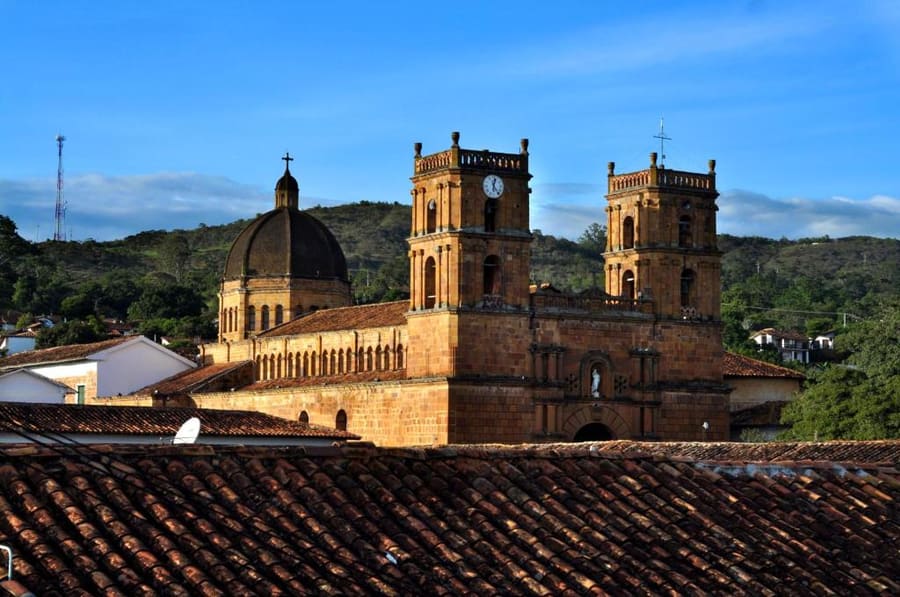
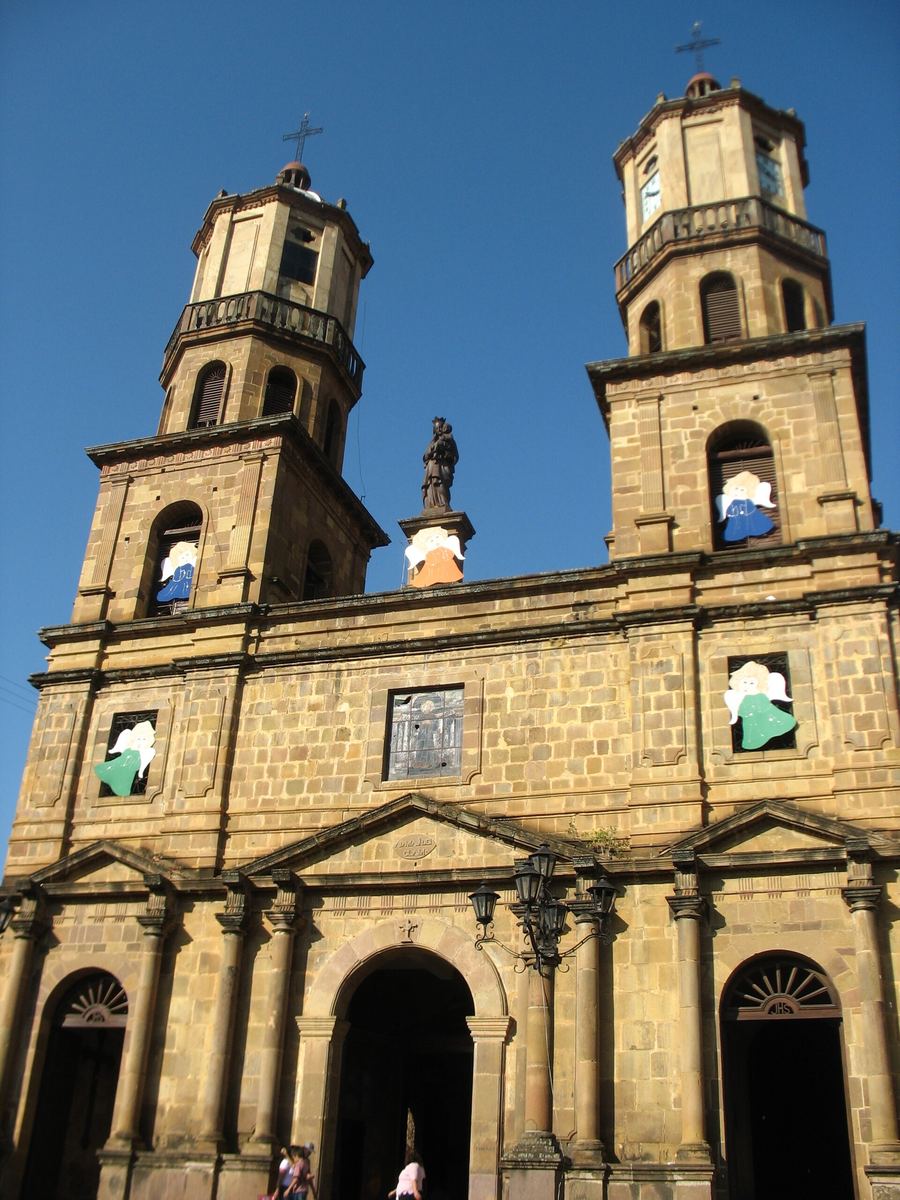
Catedral de la Inmaculada Concepción
Carved from yellow sandstone, this 18th-century church anchors the main plaza. Step inside late afternoon when western light warms the nave.
Parleyに聞くコロンビア
Yellow sandstone, quiet cobbles, and the Suárez canyon.
introduction
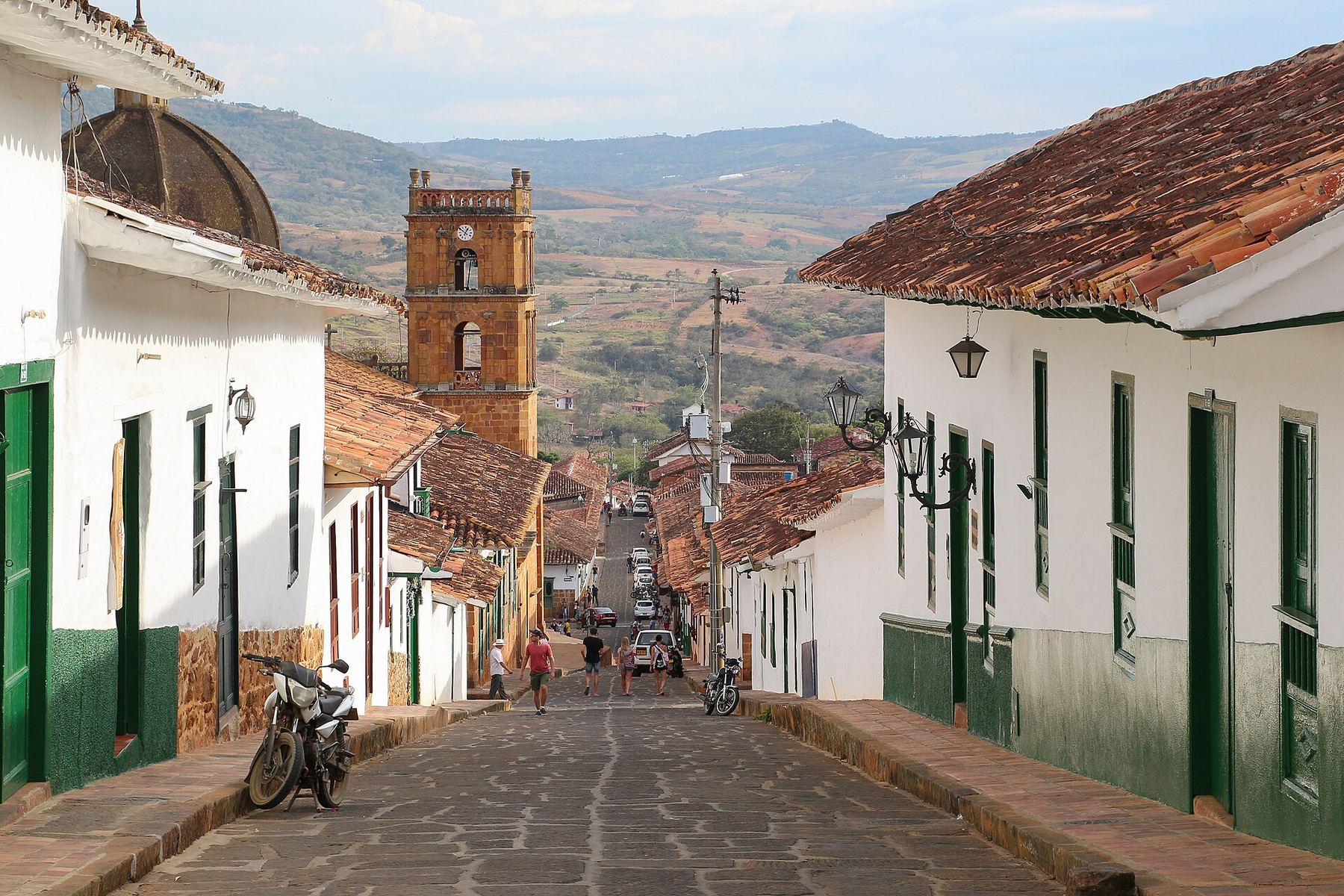
Barichara is a grid of ochre sandstone houses and clay-tiled roofs resting above the Suárez River canyon. You navigate its quiet streets on foot or by three-wheeled tuc-tuc, moving between craft workshops and quiet plazas. Days here run on heat and slow conversations before afternoon breezes cool the stone.
Arrival transit trick
San Gil is the local transit hub. Catch the Cootraguanenta bus at San Gil local terminal for a 45-minute ride up to Barichara.
National heritage status
Colombia designated Barichara a National Monument in 1978 to protect its original rammed-earth buildings and hand-carved stone streets.
Weekend booking trick
Book rooms weeks ahead for weekends. Bucaramanga travelers fill the town every Friday evening, driving up hotel prices and filling restaurants.
highlights
landmark
Carved from yellow sandstone, this 18th-century church anchors the main plaza. Step inside late afternoon when western light warms the nave.
Parleyに聞く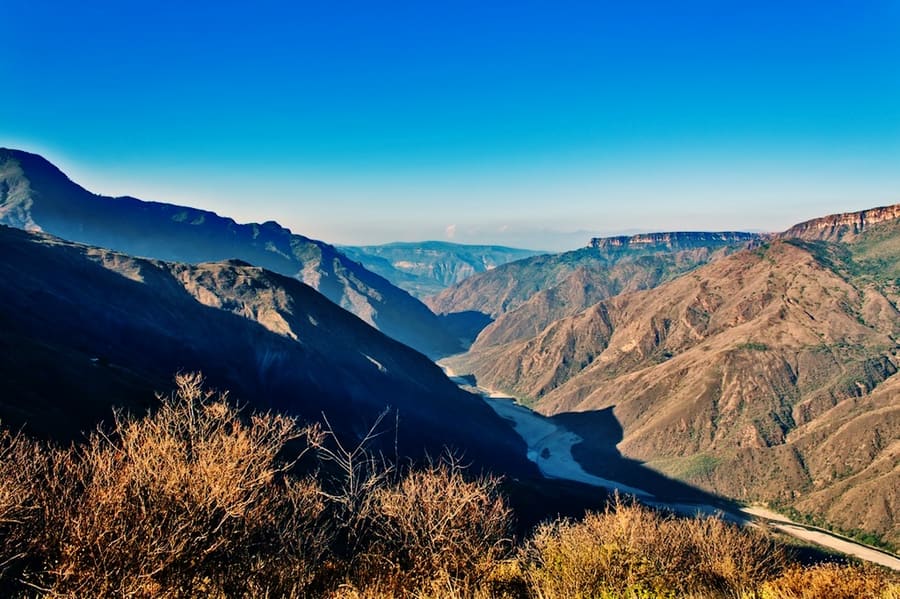
landmark
The western edge of town drops straight into the canyon. Watch turkey vultures ride thermals while sunset turns the opposite ridge red.
Parleyに聞く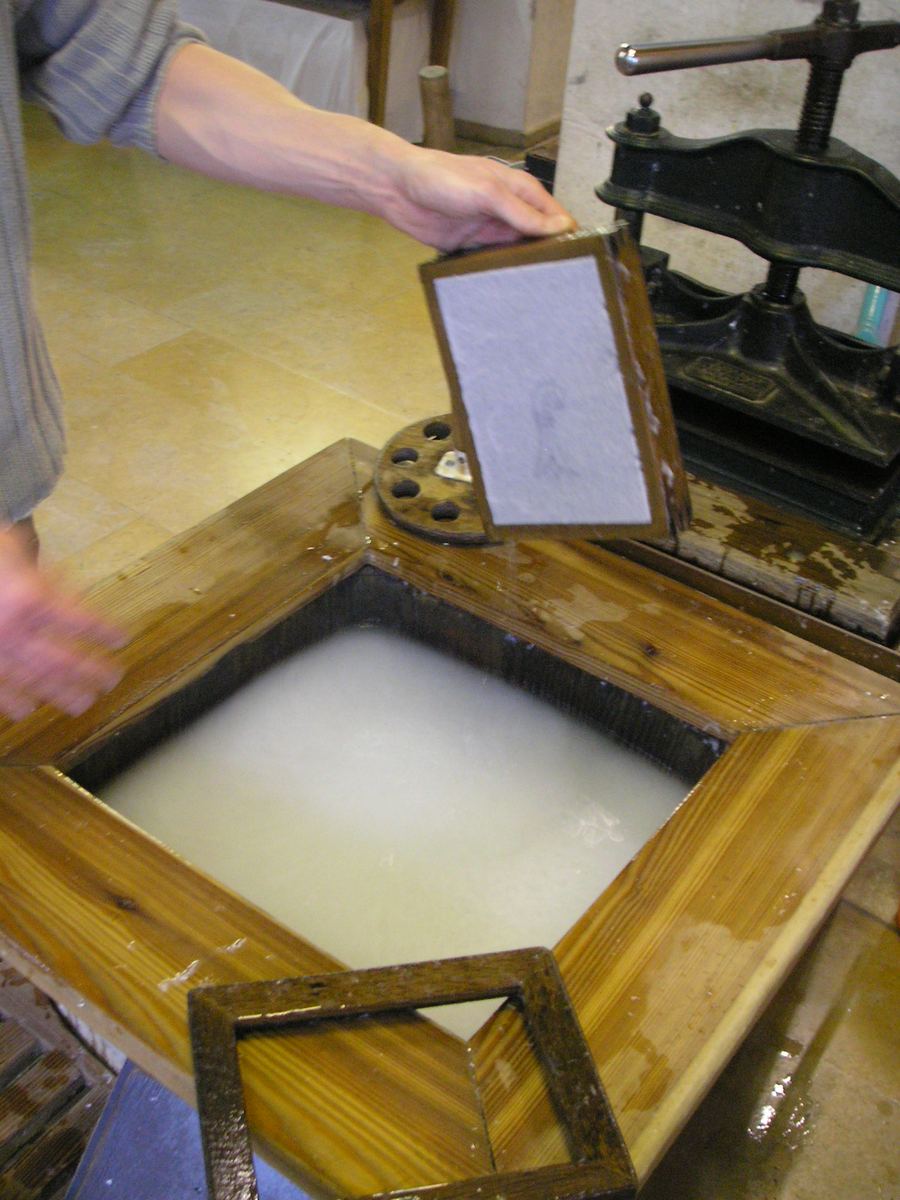
landmark
Artisans extract fibers from agave plants to make thick paper sheets by hand. You can buy notebooks or watch the pulping process.
Parleyに聞くattractions
areas
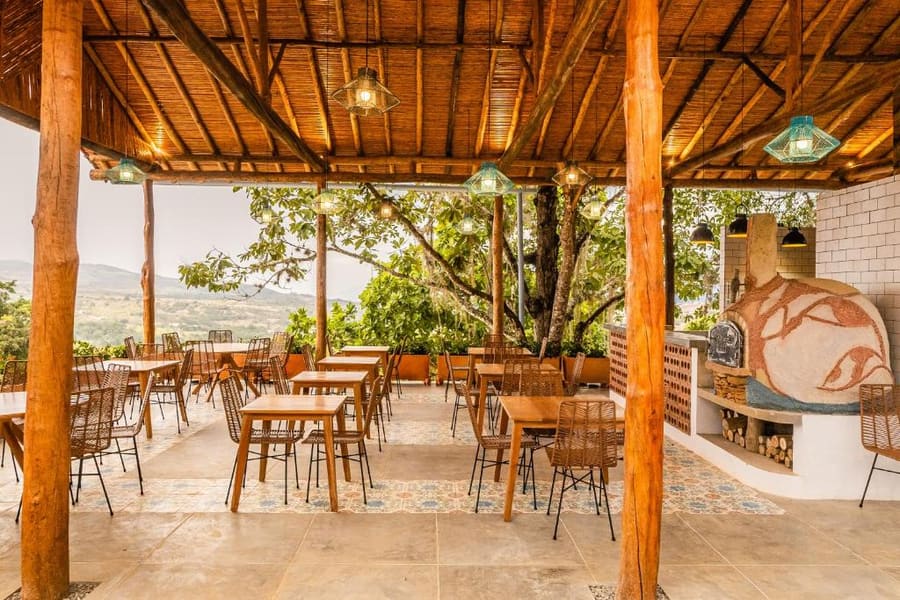
Central plaza life, stone cathedrals, and high-ceilinged dining spaces.
近くCatedral de la Inmaculada Concepción and main bus drops
Parleyに聞くSteep cobblestone streets, hilltop views, and artisan workshops.
近くCamino Real trailhead and Mirador del Río Suárez
Parleyに聞くResidential stone houses, local corner stores, and minimal foot traffic.
近くCapilla de San Antonio and town cemetery
Parleyに聞くCountry fincas, dry forest terrain, and wide open valley vistas.
近くSuárez canyon rim and country walking tracks
Parleyに聞くfood
Barichara sits in Santander, a department defined by dry-climate cooking techniques. Meats are salted, sun-dried, or slow-roasted. Goat meat (cabrito) and pepitoria—a dish made from rice, goat offal, blood, and herbs—anchor traditional lunches along Calle 5.Hormigas culonas (giant leafcutter ants) are harvested during the rainy months of April and May. Vendors toast them with salt, selling them in paper bags near the main plaza. Modern restaurants in town mix regional ingredients like goat cheese and native corn into contemporary menus.
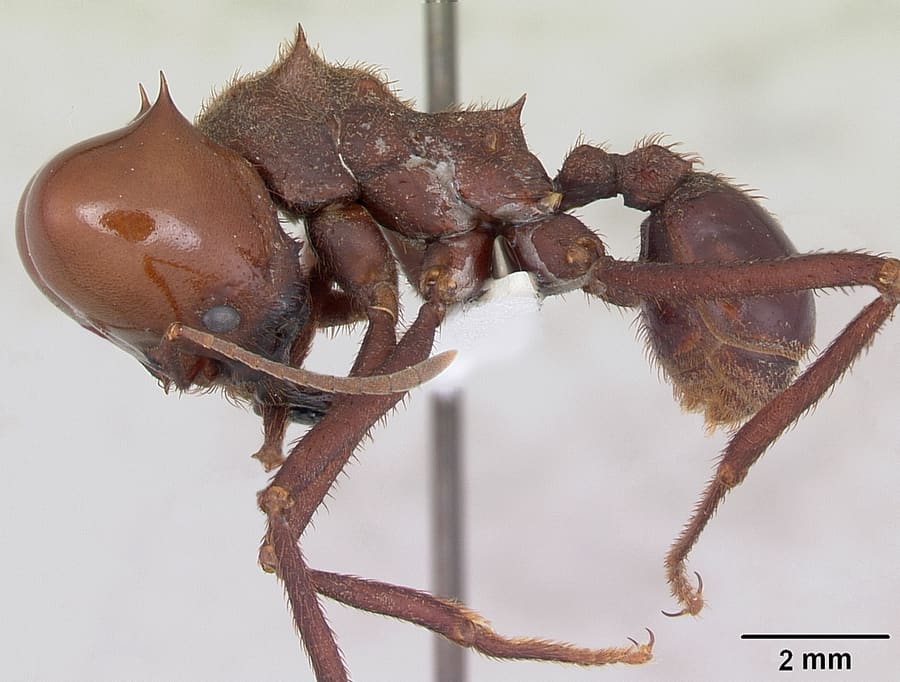
Toasted hormigas culonas, a Santander specialty harvested during spring rains.
April Nobile · CC BY 4.0Order cabrito with pepitoria at mid-day when kitchen pots are fresh. traditional lunch venues along Carrera 6 serve it with yucca and arepa santandereana.
Kitchens close early during weeknights. Plan to order dinner before 20:00 outside peak holiday weekends.
Unlike soft corn arepas elsewhere, the local version uses yellow corn mixed with chicharrón and yucca, toasted over dry heat until crisp.
history
Guane Indigenous groups lived on this high plateau before Spanish colonization. In 1705, local legends recorded a vision of the Virgin Mary on a stone, leading to the construction of a chapel and the establishment of Vara-Echara, later named Barichara.Craftsmen carved yellow stone from nearby quarries to construct houses, churches, and streets. The isolation of Santander kept Barichara preserved while other regional towns modernized their architecture during the 20th century.
First Settlement
A stone chapel marks the founding site of the settlement after reported religious sightings.
Camino Real Built
German engineer Geo von Lengerke restores stone trade paths connecting Barichara to Guane and the Magdalena River.
National Monument
Colombia grants national monument status to preserve the entire town's earth-and-stone architecture.
Artisan Revival
Paper workshops and stone carving ateliers re-establish Barichara as Santander's craft center.
where to stay
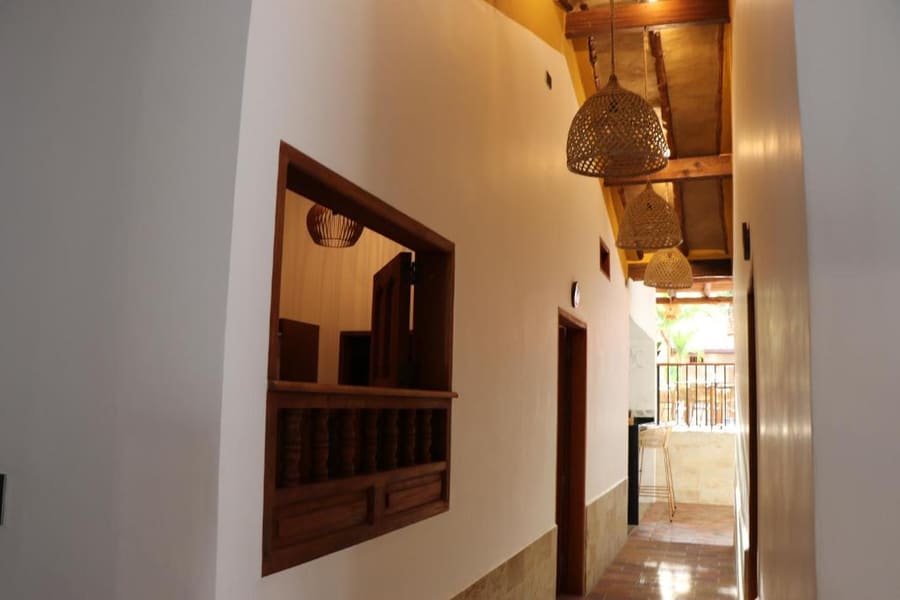
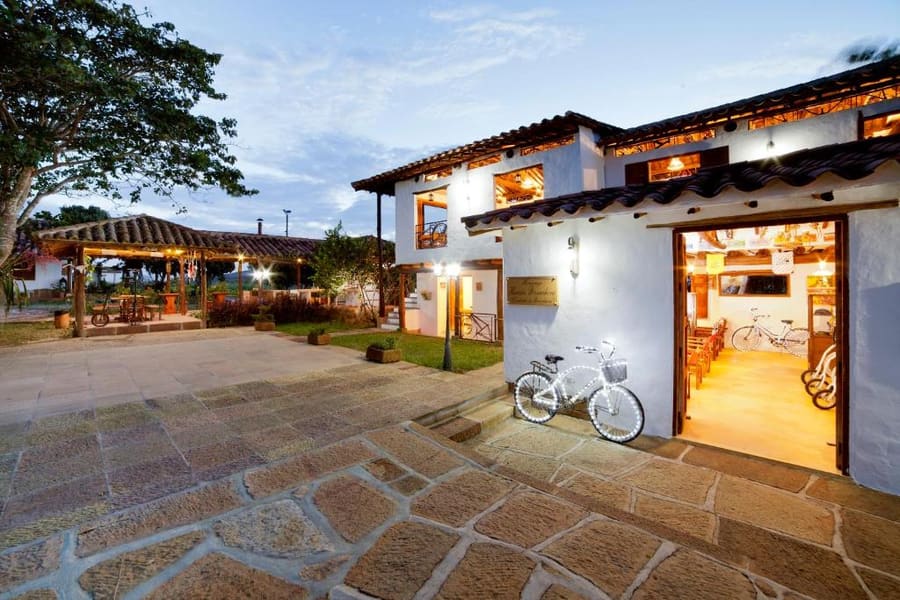
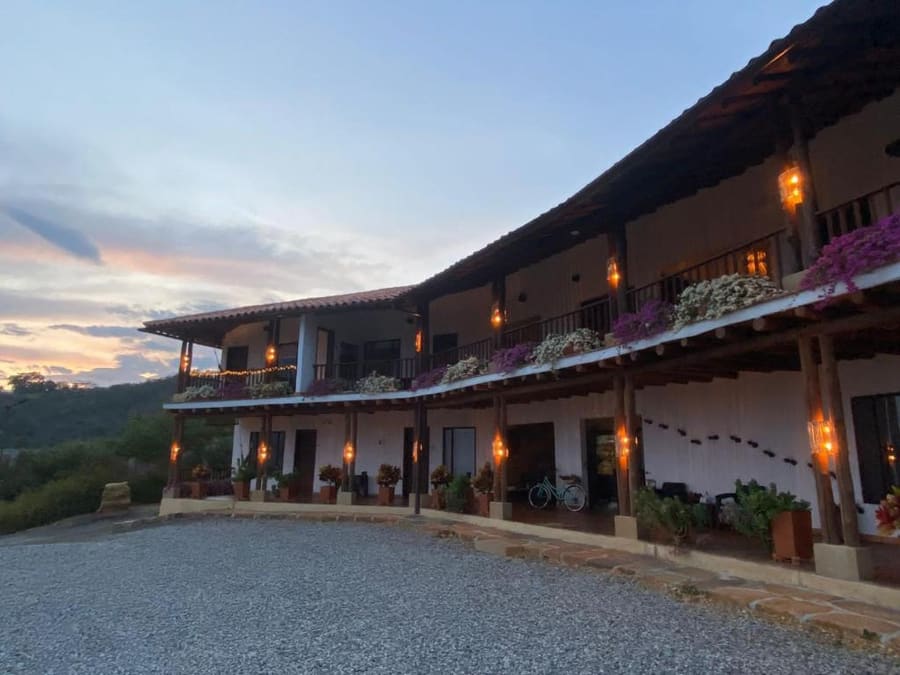
Choose your location based on elevation and hill climbing. Centro Histórico keeps you steps from restaurants, but weeknight truck deliveries on stone streets create early noise. Barrio Santa Bárbara offers higher canyon views and direct trail access, but demands uphill walking from the square. Rural fincas outside town offer swimming pools and night silence in exchange for tuc-tuc rides.
transport
Barichara is entirely navigable on foot inside the urban grid, though streets are paved with uneven stone slabs and incline sharply toward the west and north. Three-wheeled motor rickshaws, locally called tuc-tucs, handle internal trips and transport to nearby fincas.
Tuc-tucs wait at Parque Principal. Standard rides anywhere within town cost a fixed flat fare around COP 6,000.
Buses return from Guane to Barichara every hour until 17:00. If you miss the last bus, hire a local tuc-tuc in Guane plaza.
Wear rubber-soled shoes with solid grip. Rain or worn sandstone turns tilted street stones slippery.
Pay the Cootraguanenta bus driver in cash when boarding at San Gil or Barichara drops.
cost
Barichara carries higher accommodation prices than neighbouring San Gil due to heritage boutique hotels. Eating local food remains inexpensive, while upscale dining matches Bucaramanga prices. Bring cash; small craft shops and tuc-tuc drivers do not take cards.
Includes roasted cabrito, pepitoria rice, yucca, and a cold drink at local restaurants.
Flat rate for up to three passengers anywhere within the town limits.
Crafted from natural fibers at local workshops near Santa Bárbara.
Sold by street vendors in paper bags near the main plaza during harvest season.
seasonality
DEC – FEB
Dry and hot with clear blue skies. High season crowds during Christmas and January holidays.
MAR – MAY
Intermittent afternoon rain showers. Hormigas culonas harvest begins in April.
JUN – AUG
Breezy dry spells and moderate daytime heat. Good condition for morning canyon hikes.
SEP – NOV
Wettest window of the year. Green landscapes but muddy sections on the Camino Real.
practicalities
There are only two ATMs near the main plaza. They regularly run out of cash on long holiday weekends.
The dry altitude and white plaster walls intensify UV rays. Wear a hat and sunscreen before midday walks.
Barichara faces seasonal water scarcity. Use tap water sparingly, especially during the dry months from December to February.
Sitting at 1,300 meters, Barichara gets hot between 11:00 and 15:00. Schedule trail hikes for early morning hours.
Gnats and midges appear along the Suárez canyon rim at sunset. Carry repellent when visiting afternoon viewpoints.