landmark
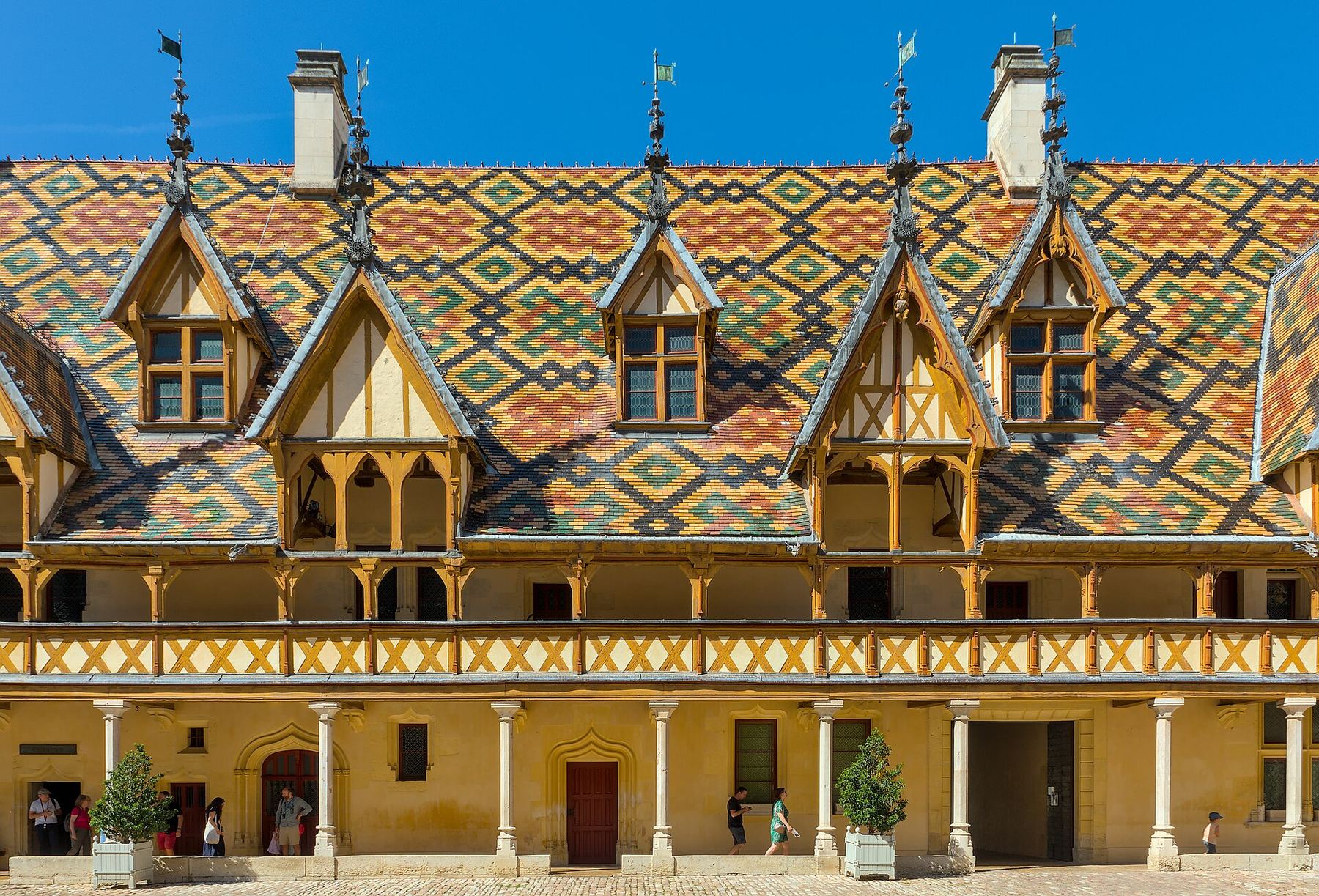
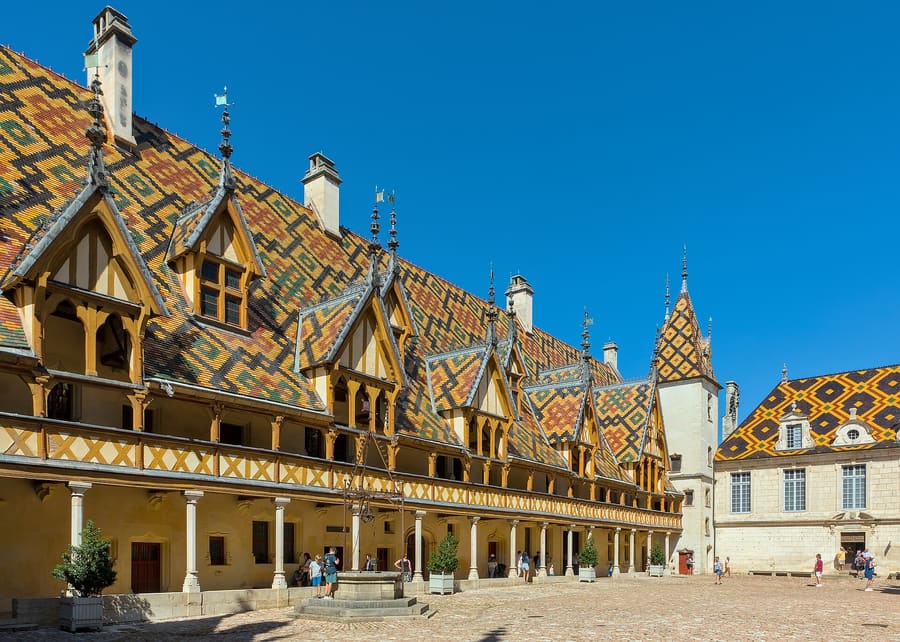
Hôtel-Dieu de Beaune
The 15th-century hospital features polychrome roof tiles. Book online to bypass afternoon queues for the Last Judgment altarpiece.
Parleyに聞くフランス
Burgundy's wine capital enclosed by 15th-century ramparts.
introduction
Beaune functions as the commercial heart of the Côte d'Or wine trade. Circular ramparts contain the medieval core, which you can easily cross on foot in fifteen minutes. Heavy stone cellars sit directly beneath cobblestone streets where merchant houses still trade Grand Cru vintages. Expect early restaurant closures, compact distances, and menus built around regional pinot noir.
Arrival by rail
Gare de Beaune sits an eight-minute walk east of the historic ramparts. Regional TER trains run direct from Dijon in 20 minutes.
UNESCO Climats
The surrounding vineyard parcels were designated UNESCO World Heritage sites in 2015. Beaune serves as the administrative base for the region.
Cellar tasting reservations
Historic wine houses require advance booking for cellar tours. Walk-in tastings are rare outside high season between September and November.
highlights
landmark
The 15th-century hospital features polychrome roof tiles. Book online to bypass afternoon queues for the Last Judgment altarpiece.
Parleyに聞く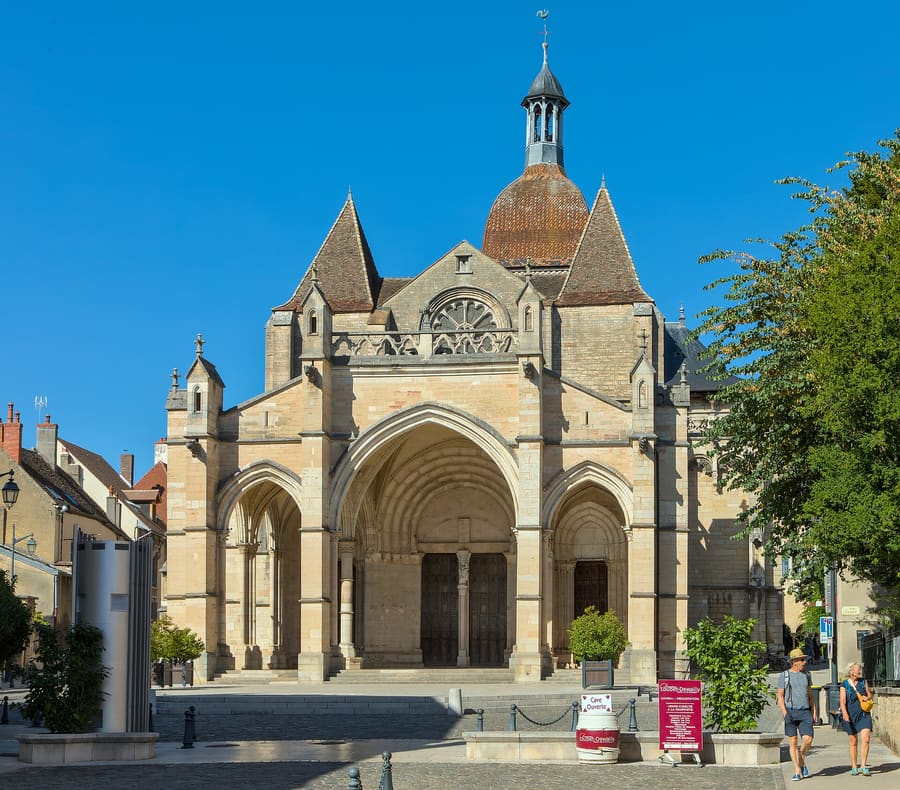
landmark
A 12th-century basilica housing rare 15th-century choir tapestries. Admission is free, and morning light reveals the choir detail best.
Parleyに聞く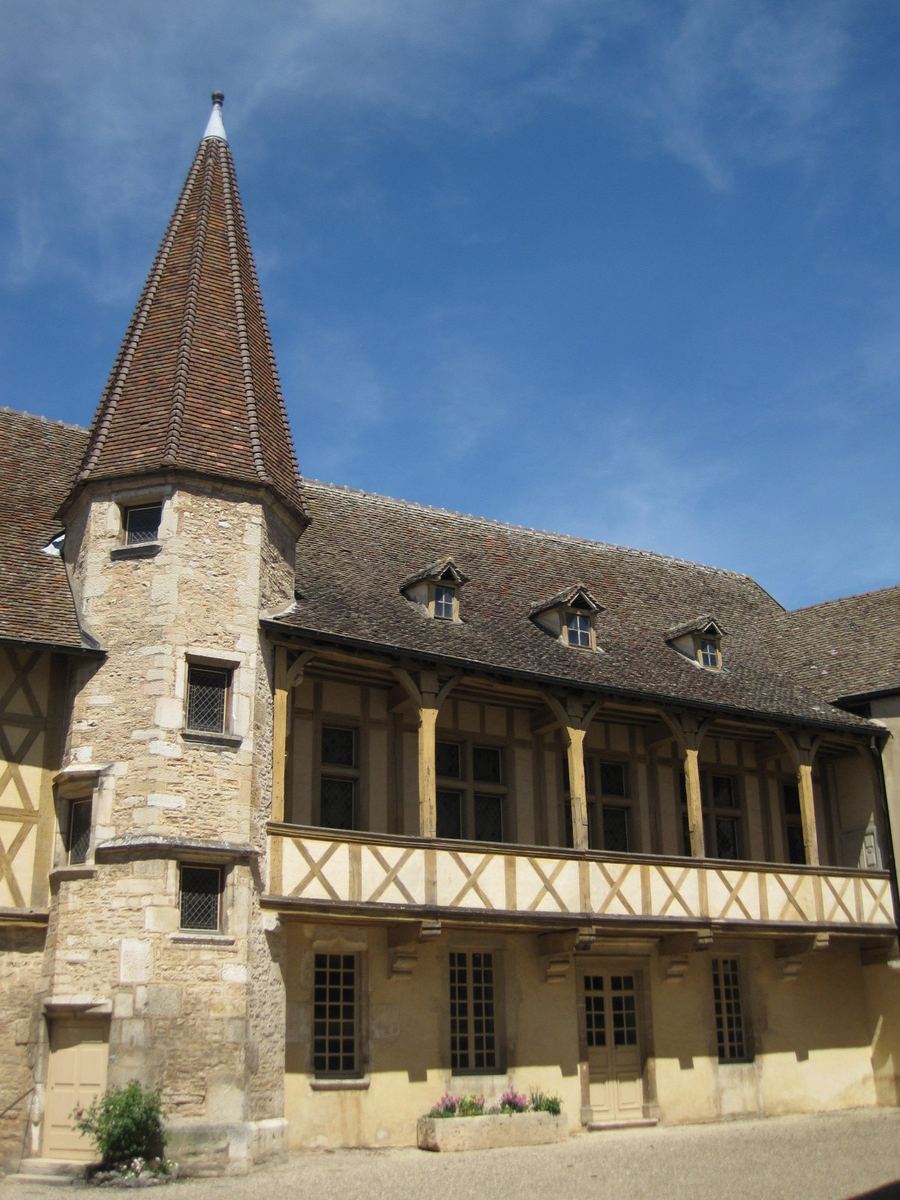
landmark
Housed in the former palace of the Dukes of Burgundy. Displays medieval winepresses and detail on local viticultural tools.
Parleyに聞くattractions
areas
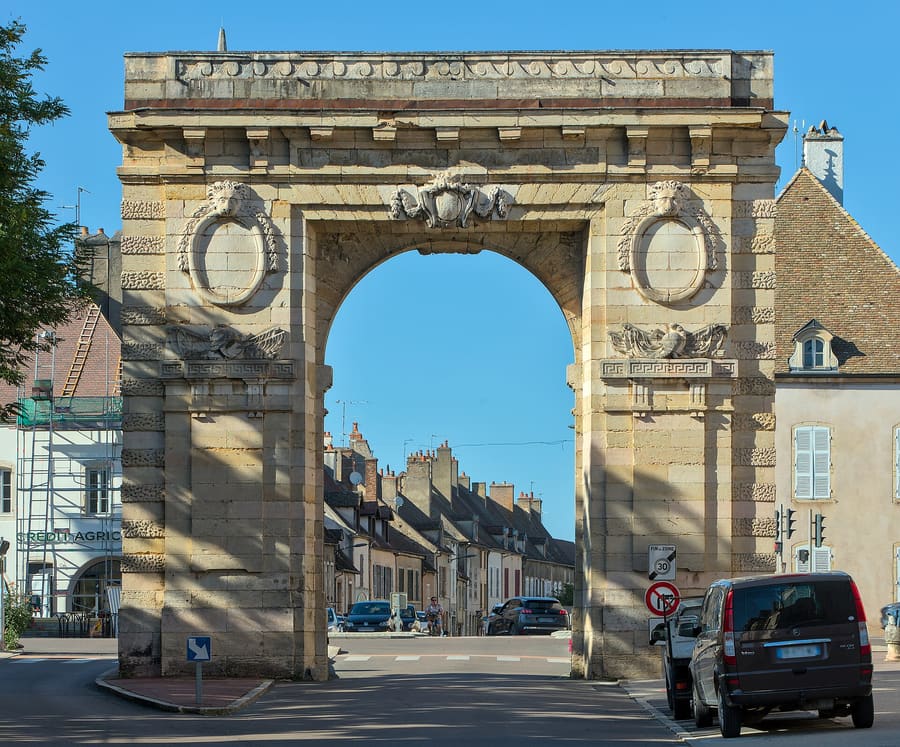
Quiet northern sector along Rue Faubourg Saint-Nicolas with local bakeries and stone houses.
近くPorte Saint-Nicolas and northern ramparts
Parleyに聞くDense cobblestone streets wrapped in stone ramparts, packed with wine shops and cellars.
近くHôtel-Dieu and Notre-Dame
Parleyに聞くLeafy western edge around Parc de la Bouzaize offering green space and modern wine centers.
近くParc de la Bouzaize and Cité des Vins
Parleyに聞くfood
Beaune cuisine relies on red wine reductions and regional charcuterie. Oeufs en meurette—poached eggs in a rich pinot noir reduction with bacon and mushrooms—originated as a vineyard worker's lunch. Local winemakers traditionally pair jambon persillé, a jellied ham and parsley terrine, with young Aligoté white wine.
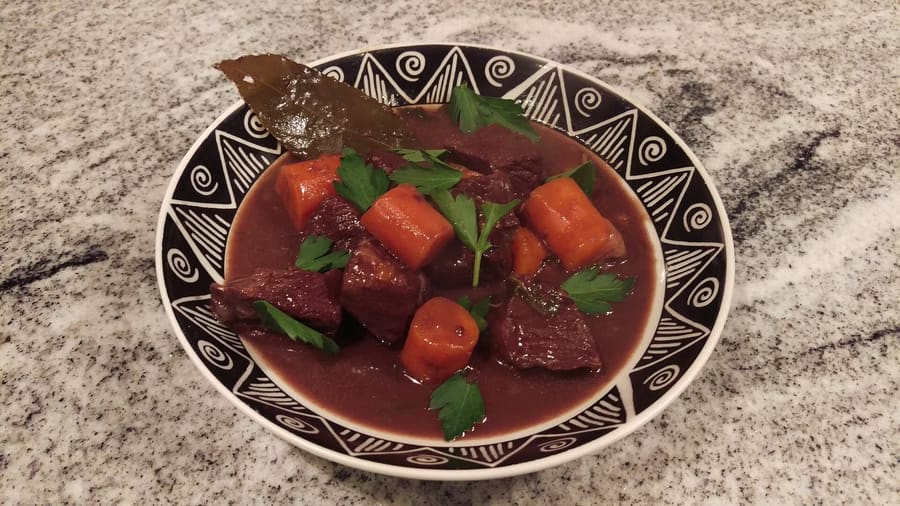
Boeuf bourguignon served in a traditional cast-iron pot in central Beaune.
Slayschips · CC BY-SA 4.0Beaune kitchens open early and close sharply. Most traditional bistros on Rue Monge stop taking dinner orders by 21:00.
Many local cellars allow you to bring purchased bottles into partner bistros for a flat €15 to €20 corkage fee.
On Saturday mornings, queue at Place La Halle stalls for fresh Époisses cheese and warm gougères pastries.
history
Beaune grew from a Roman camp into the financial capital of the Dukes of Burgundy during the 14th century. The town's wealth expanded when Chancellor Nicolas Rolin founded the Hôtel-Dieu in 1443, securing vineyard donations that still fund the municipal hospital today through annual wine auctions.
Hôtel-Dieu Founded
Nicolas Rolin establishes the hospital and endows it with premier vineyard parcels across the Côte d'Or.
French Crown Takeover
Following the death of Charles the Bold, Beaune transitions from ducal independence to French royal control.
First Hospices Auction
The Hospices de Beaune formalises its annual public wine auction, establishing global wine benchmark pricing.
UNESCO Designation
The vineyard parcels surrounding Beaune receive UNESCO World Heritage status as historical 'Climats'.
where to stay
Choose your staying spot by mobility and cellar access. Staying inside the circular ring road puts every central wine bar within five minutes on foot. Staying in outer faubourgs provides private parking for wine collectors driving off with regional crates.
transport
Beaune is completely walkable intra-muros. You can cross the historic center within 15 minutes. Vehicles inside the ramparts face narrow one-way streets and tight parking garages.
Dijon-Bourgogne / Gare de Beauneから
TER train from Gare de Dijon-Ville direct to Gare de Beaune.
Standard fare from Dijon station or local regional hubs.
MobiGo regional bus line 113 connects Dijon to Beaune.
Walking remains the fastest method inside the ramparts. The cobblestones require flat footwear.
Underground parking at Parking Saint-Jean or Parking Boulevard Perpreuil costs around €1.50 per hour.
The 'Côte&Bus' network operates line 1 through town, but runs on reduced schedules on Sundays.
Rent bicycles near Gare de Beaune to ride the 'Voie des Vignes' bike trail through Pommard and Meursault.
cost
Beaune pricing reflects its international wine trade audience. Wine by the glass in central bars ranges widely based on vineyard classification.
Expect standard village-level pours to sit under €12 at local wine bars.
Fixed lunch menus offer substantial value compared to dinner service.
Standard adult admission includes a digital audio guide.
Basic cellar tours cover 3 to 5 regional wines with expert commentary.
seasonality
MAR – MAY
Mild weather and blooming vineyards. Cellar owners have time for detailed tastings before high summer traffic arrives.
JUN – AUG
Warm summer days bring evening terrace dining. Expect packed streets and higher room rates in town.
SEP – NOV
Harvest season and the Hospices wine auction in November. Book lodging six months early for this peak window.
DEC – FEB
Quiet winter months with reduced shop hours. Many historic cellars close for maintenance in January.
practicalities
Most independent wine merchants and bakeries in Beaune close on Sundays and Mondays.
Underground wine cellars hover around 12°C year-round. Bring a jacket even in July.
The main outdoor market operates on Saturday mornings around Halles de Beaune and Place Carnot.
The Voie des Vignes cycle path is fully paved and signed from Beaune south toward Santenay.
Grape harvesting takes place in late August or September, filling narrow roads with farm tractors.