landmark
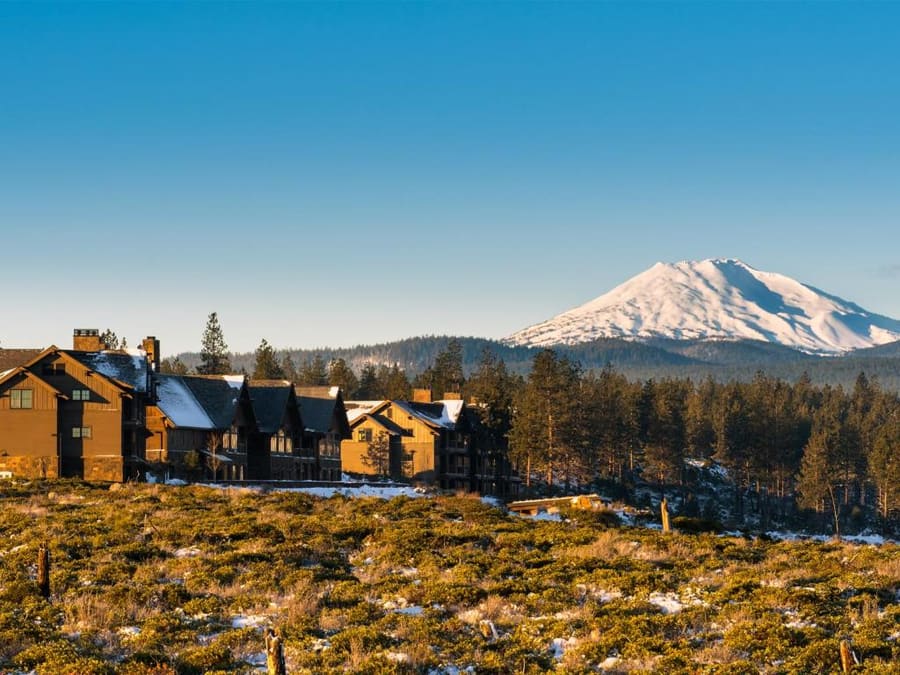
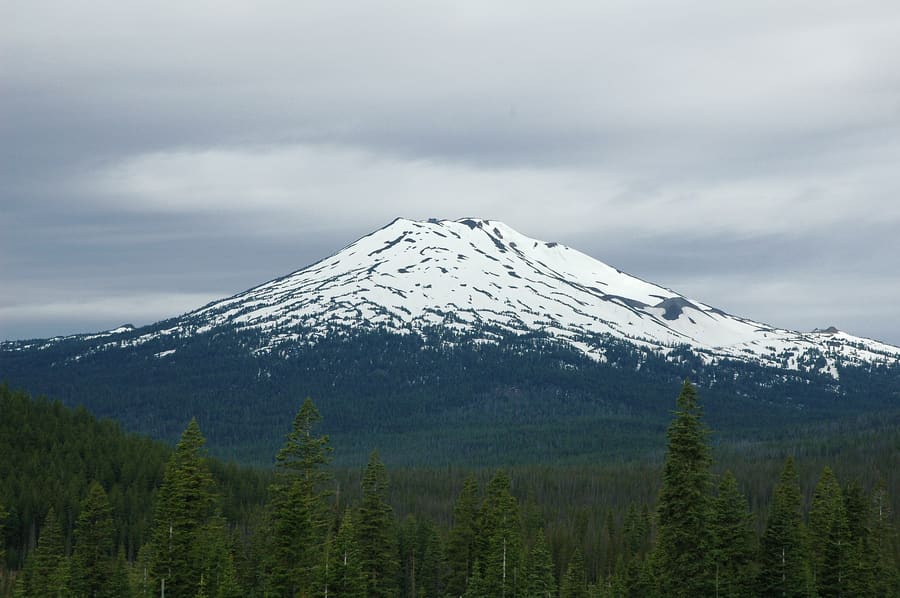
Mount Bachelor
A dormant volcano offering 4,300 skiable acres. Buy lift tickets weeks early online to avoid window surcharges.
Parleyに聞くアメリカ合衆国
High-desert trail town turned craft brewery capital.
introduction
Bend sits between the volcanic Cascade Range and the central Oregon high desert. You come here to move outdoors by day and drink local IPA by evening. The city spreads wide along the Deschutes River, requiring a car or bike for most trips. Expect cool desert nights even after summer days above ninety degrees.
Airport transfer shortcut
Fly into Redmond Airport (RDM) instead of Portland. Ride-share cars reach downtown Bend in twenty minutes.
High desert climate rule
Temperatures drop thirty degrees after sunset. Pack a warm jacket even in July.
Bend
Robert Ashworth · CC BY 2.0
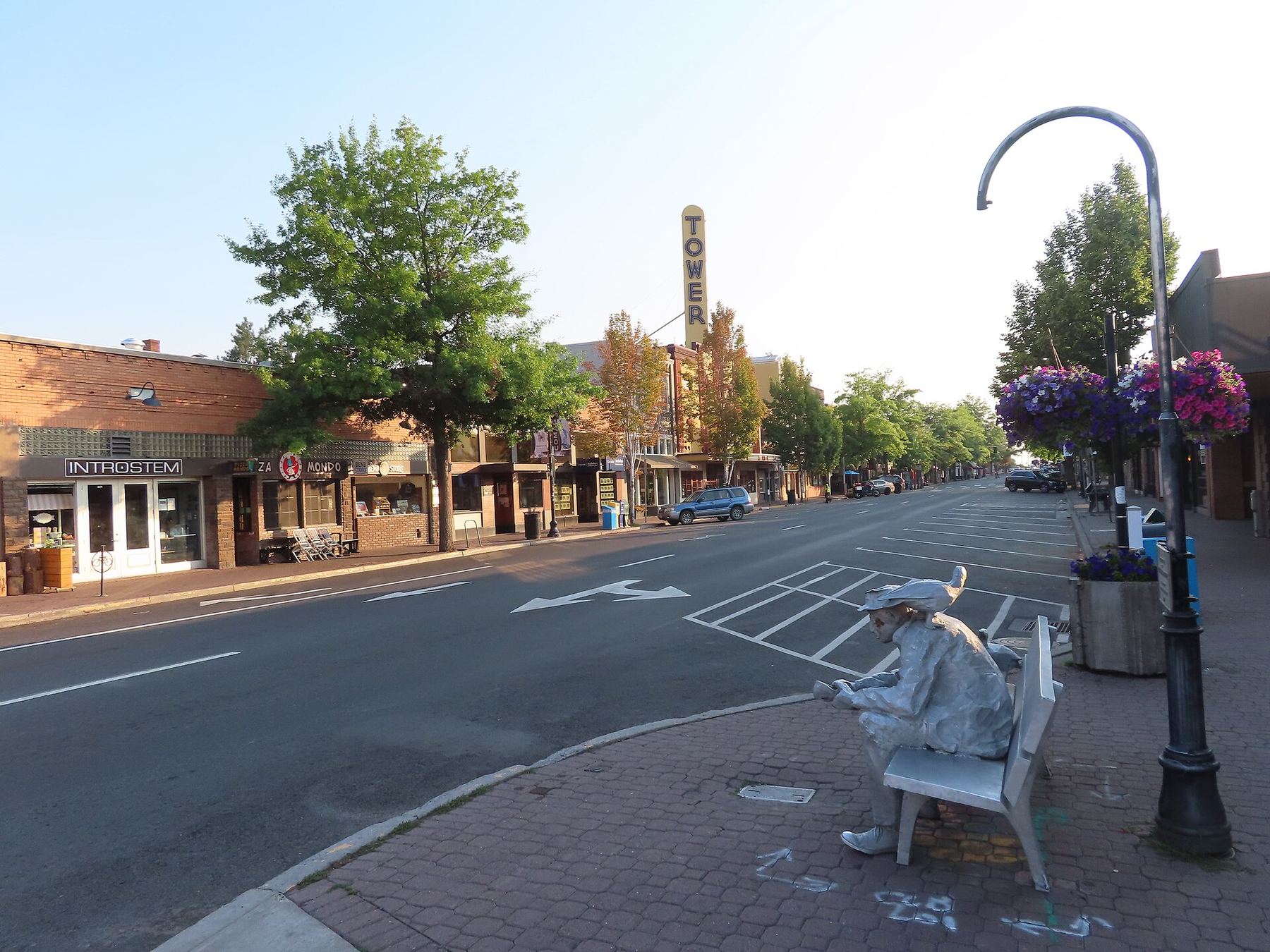
Downtown Bend — Walkable grid packed with boutiques, brewpubs, and independent coffee shops along Mirror Pond.
Matthew Hickey · CC BY 2.0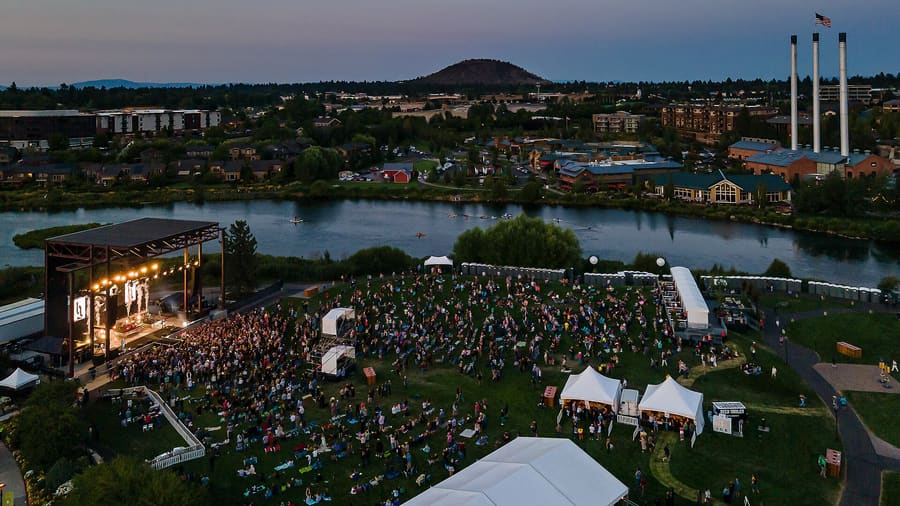
Old Mill District — Sprawling open-air shopping area along the river with converted industrial timber stack landmarks.
Beastes35 · CC BY-SA 4.0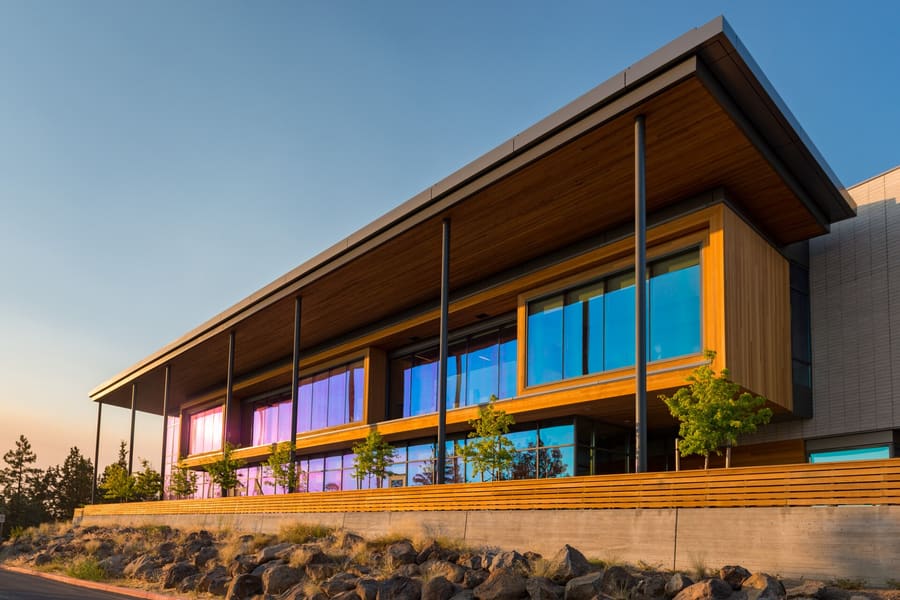
Northwest Crossing — Master-planned westside neighborhood featuring modern craftsman homes and a compact neighborhood hub.
Gary Halvorson, Oregon State Archives · CC BY 4.0highlights
landmark
A dormant volcano offering 4,300 skiable acres. Buy lift tickets weeks early online to avoid window surcharges.
Parleyに聞く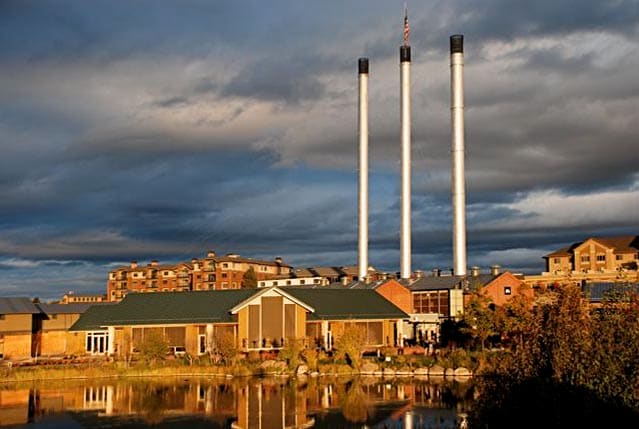
landmark
Former pine sawmills converted into riverside shops and an amphitheater. Float past during summer concert soundchecks.
Parleyに聞く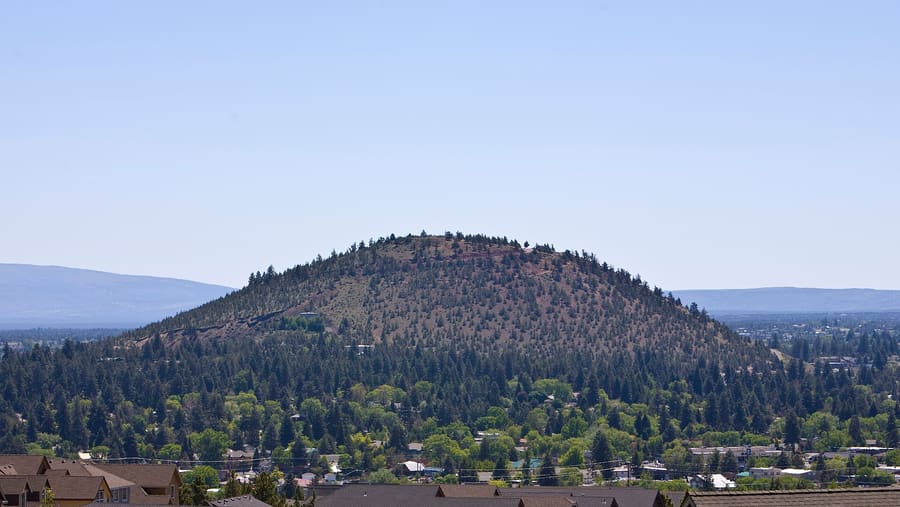
landmark
An extinct cinder cone inside city limits. Hike the dirt trail or drive the paved spiral road for 360-degree mountain views.
Parleyに聞く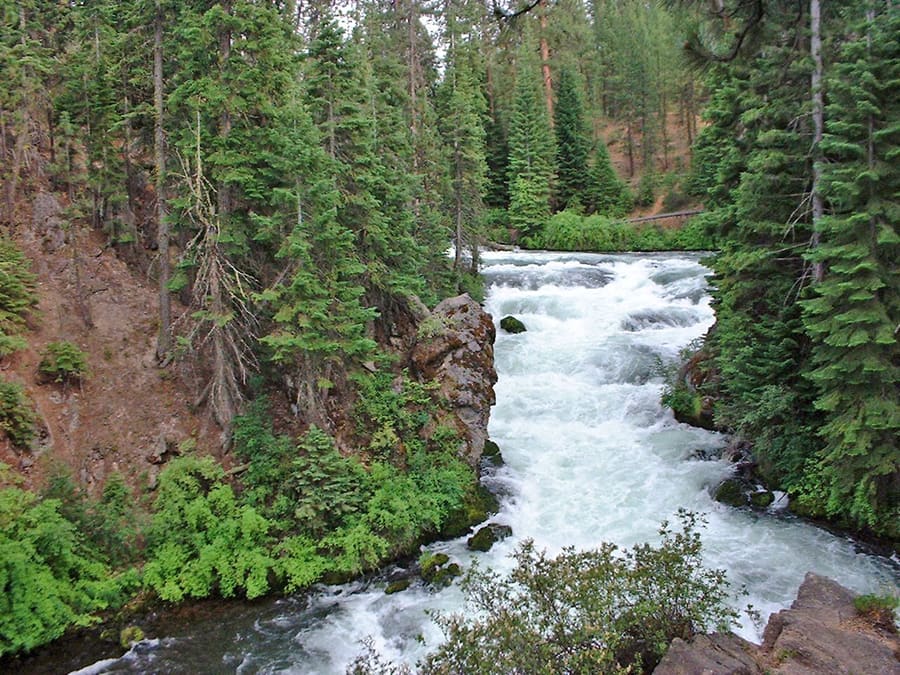
landmark
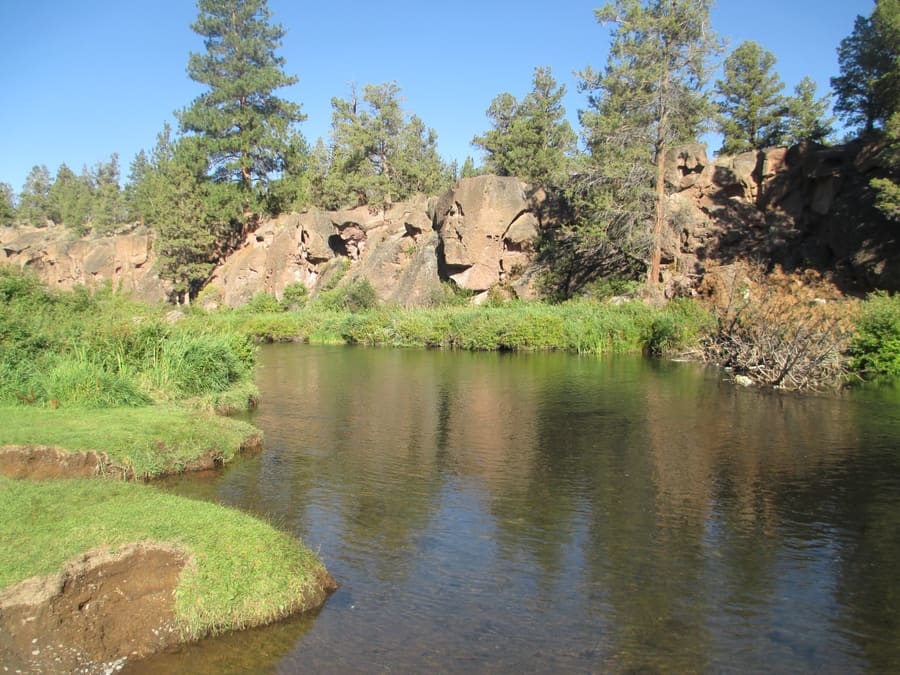
Miles of dirt trails trace the canyon south of town. Access the Meadow Camp trailhead for quieter morning runs.
Parleyに聞く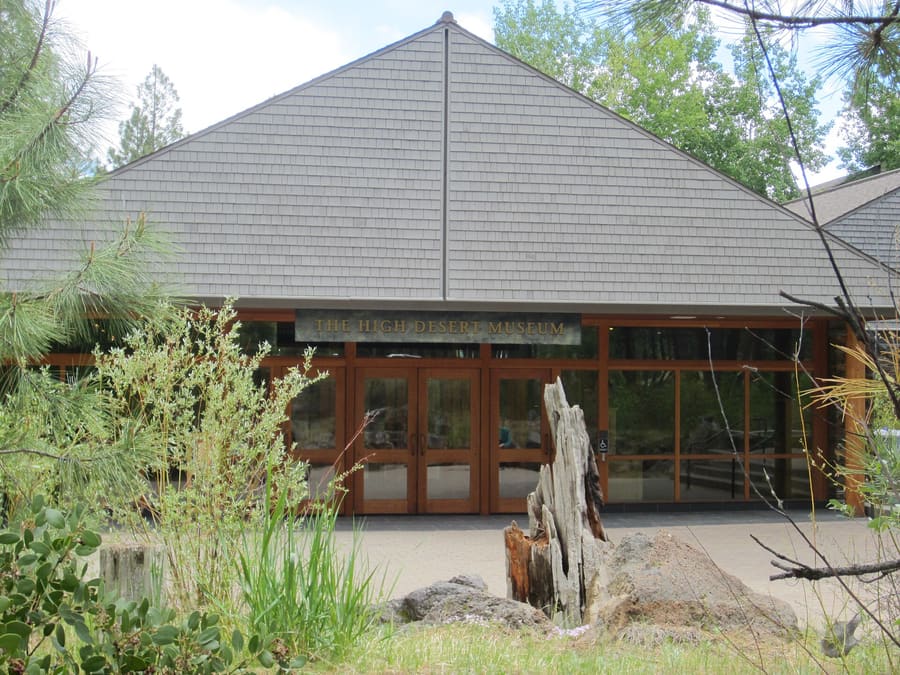
landmark
Living history exhibits showcase desert wildlife and regional history. Arrive at opening to see the raptors during morning feedings.
Parleyに聞くattractions
areas
Walkable grid packed with boutiques, brewpubs, and independent coffee shops along Mirror Pond.
近くDrake Park and the Deschutes River.
Parleyに聞くSprawling open-air shopping area along the river with converted industrial timber stack landmarks.
近くHayden Homes Amphitheater and river float exit.
Parleyに聞くMaster-planned westside neighborhood featuring modern craftsman homes and a compact neighborhood hub.
近くPhil's Trail mountain bike network.
Parleyに聞くfood
Bend consumes more craft beer per capita than almost any American city. The local dining scene revolves around brewery taprooms and food cart pods where diners order from separate trucks and share communal fire pits. Expect hop-heavy IPAs, grass-fed burgers, and Pacific Northwest salmon tacos.
Pods like The Lot and On Tap require card or contactless payment at almost all vendor windows.
Outdoor dining stays popular year-round. Taprooms ignite gas fire tables as soon as the sun dips behind the Cascades.
Bring a sixty-four ounce glass growler to local taprooms for discounted fresh draught beer to take camping.
history
Bend began as a timber logging town along a shallow crossing on the Deschutes River. Two giant sawmills powered the local economy for decades until pine timber reserves dwindled. The city reinvented itself as an outdoor sport destination and craft beer hub.
City incorporation
Bend incorporates with 500 residents at a natural river ford previously called Farewell Bend.
The timber boom
Two massive lumber mills open along the Deschutes River, driving rapid industrial growth.
Mount Bachelor opens
Ski area operations begin on Mount Bachelor, starting Bend's shift toward outdoor tourism.
First craft brewery
Deschutes Brewery opens on Bond Street, launching Oregon's central craft beer movement.
where to stay
Choose your hotel location based on your main activity. Downtown puts you within walking distance of restaurants and Mirror Pond paths. The Westside offers proximity to mountain bike trails and food cart pods. Stay near Century Drive if early morning powder runs at Mount Bachelor are your priority.
transport
Bend is a driving city spread across high desert terrain. Public transit operates on limited routes, so rent a car at the airport if you plan to explore mountain passes or trailheads. Summer visitors can easily navigate the downtown core and Westside on a rental bicycle.
Redmond Municipal Airport (RDM)から
Pick-up area is directly outside the main passenger terminal exit.
Taxis wait at curb side during peak flight arrival times.
Requires advance reservation with regional shuttle operators.
Route 11 connects downtown to the Westside, but service stops early in the evening.
Dedicated bike lanes connect Downtown to Northwest Crossing along Newport Avenue.
Buy your river shuttle pass at the Simpson Avenue terminal before boarding.
Oregon law mandates traction tires on Century Drive during mountain winter storms.
cost
Bend costs reflect its status as a popular mountain resort town. Oregon charges zero state sales tax, so the price on the tag is the price you pay at the register.
Standard price for a pint of local IPA or pale ale across city breweries.
Expect high quality ingredients from local cart vendors.
Includes basic tube and safety gear for floating the Deschutes.
Prices vary sharply by season and day of the week; advance booking lowers rates.
seasonality
DEC – MAR
Peak ski season at Mount Bachelor. Expect heavy mountain snowfall and brisk high desert weather.
APR – MAY
Spring transition period. High trails remain snowbound while valley floor trails open for hiking.
JUN – AUG
Warm sunny days above 80 degrees. River floating and mountain biking are at their peak.
SEP – NOV
Crisp fall weather with yellow aspen foliage. Clear hiking trails and quiet taprooms.
practicalities
Check air quality indexes in August and September before committing to outdoor itineraries.
Day hikes on popular Cascade trails require reserved permits from June through September.
The scenic highway beyond Mount Bachelor closes due to snow from November to late May.
Retail purchases and restaurant bills carry no added state or local sales tax.
Deschutes River water comes from mountain snowmelt and rarely exceeds 60 degrees.