landmark
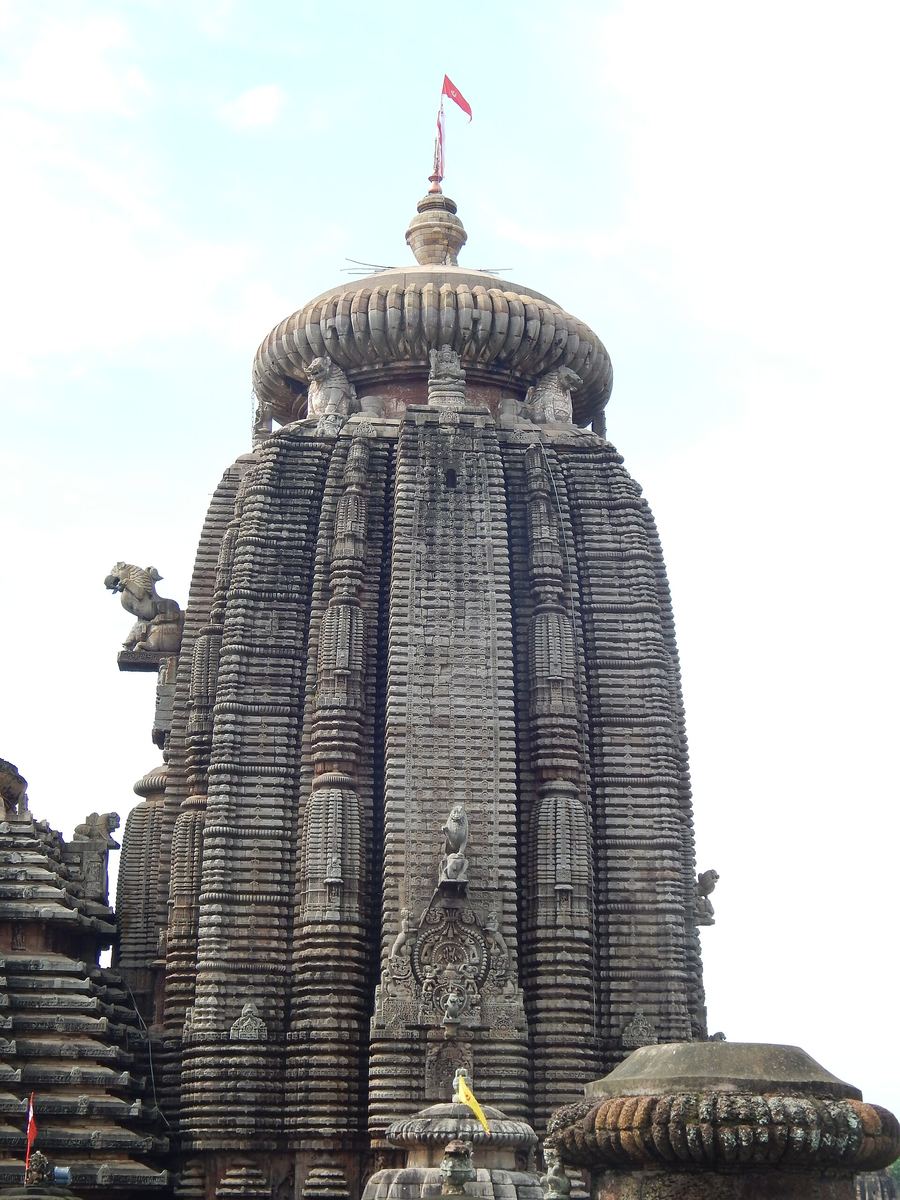
Lingaraj Temple
The 11th-century focal point of Kalinga architecture. Non-Hindus must view the complex from the exterior western platform.
Parleyに聞くインド
Kalinga sandstone temples beside an expanding tech grid.
introduction
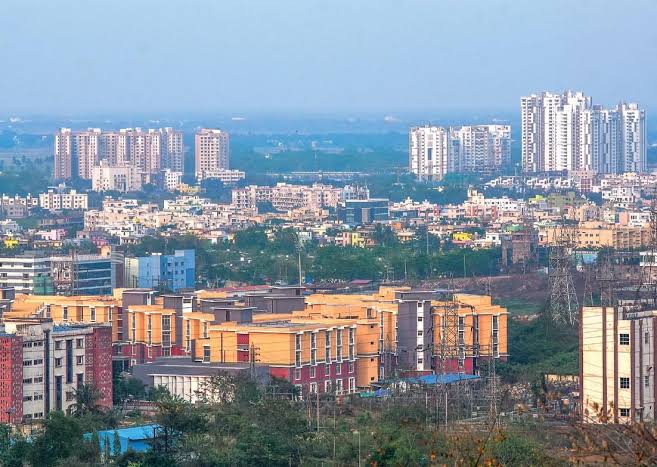
Bhubaneswar functions as a dual city. The southern half holds medieval sandstone temples around ancient tanks, while the northern half runs on wide avenues planned by Otto Königsberger in 1948. You move between 10th-century carvings and modern tech parks in a fifteen-minute auto-rickshaw ride. High humidity defines most of the year, so early morning exploration is essential.
Airport proximity
Biju Patnaik Airport sits just four kilometres from the Old Town. A ride to the central temples takes under fifteen minutes.
Non-Hindu temple access
Active shrines like Lingaraj restrict entry strictly to Hindus. A raised viewing platform outside the west wall allows full view of the compound.
Morning temple hours
Major temple grounds open by 6:00 AM. Visiting before 9:00 AM avoids extreme stone heat and heavy crowds.
Bhubaneswar
J.prasad2012 · CC BY-SA 3.0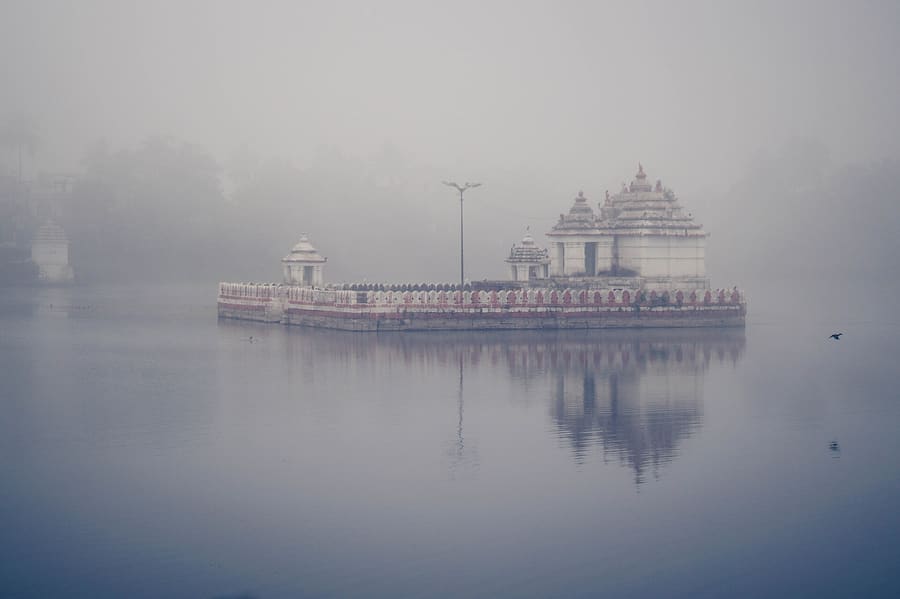
Old Town — Narrow lanes around Bindusagar lake, thick with flower vendors and stone temples.
Krishna Jenamoni · CC BY-SA 4.0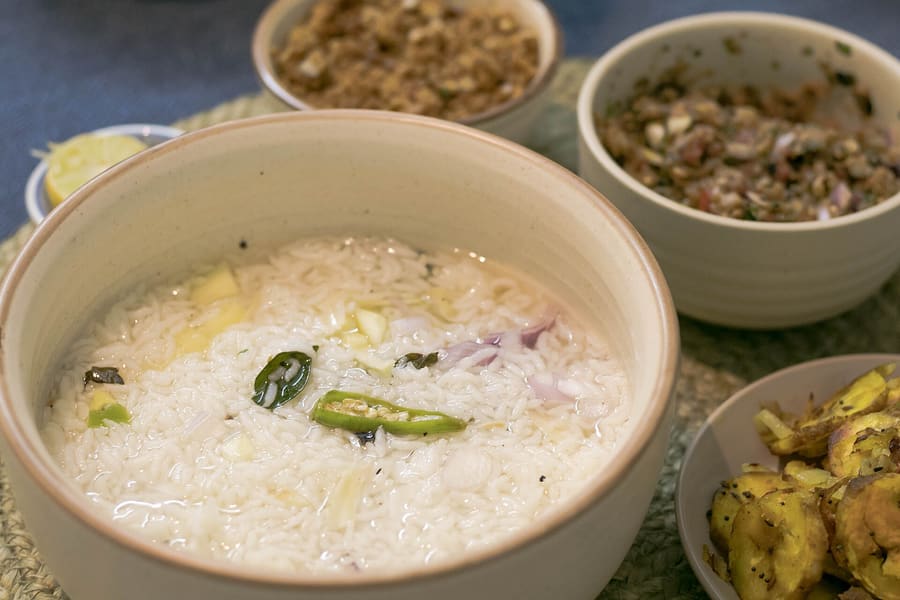
Pakhala bhata served with fried fish, badi chura, and seasonal vegetable sides.
Subhashish Panigrahi · CC BY-SA 4.0highlights
landmark
The 11th-century focal point of Kalinga architecture. Non-Hindus must view the complex from the exterior western platform.
Parleyに聞く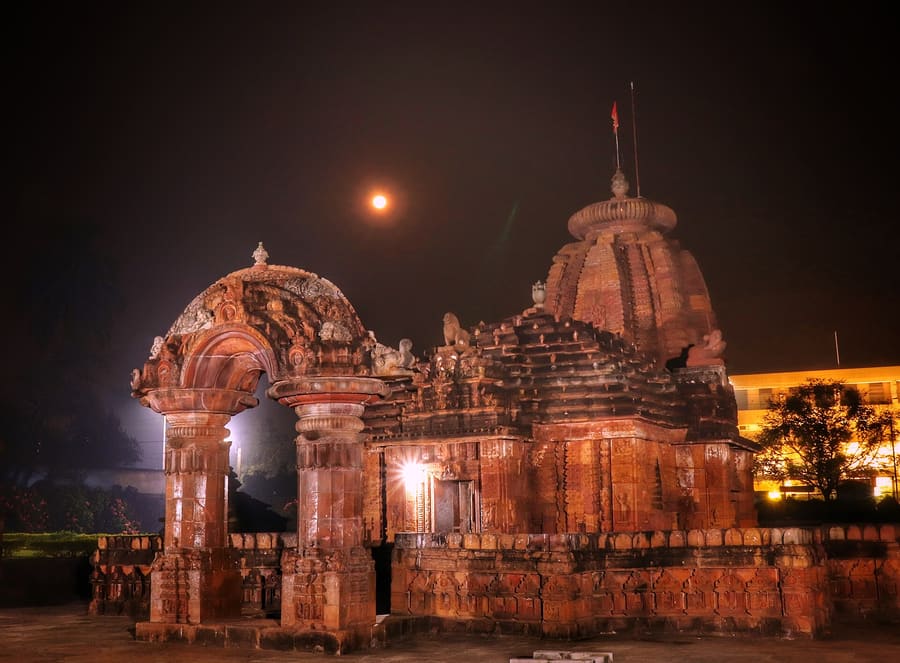
landmark
Famous for its carved arched gateway (torana). Visit early morning before foot traffic fills the compact courtyard.
Parleyに聞く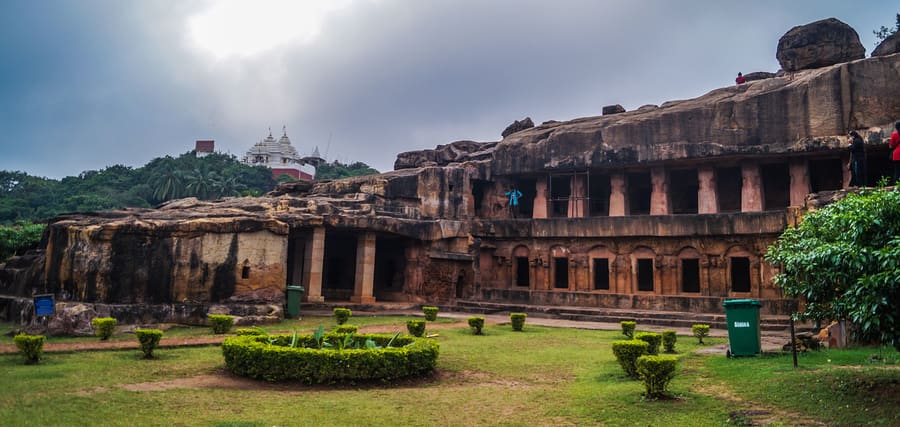
landmark
2nd-century BCE Jain cave dwellings. Watch for aggressive macaques on the upper steps of Khandagiri.
Parleyに聞く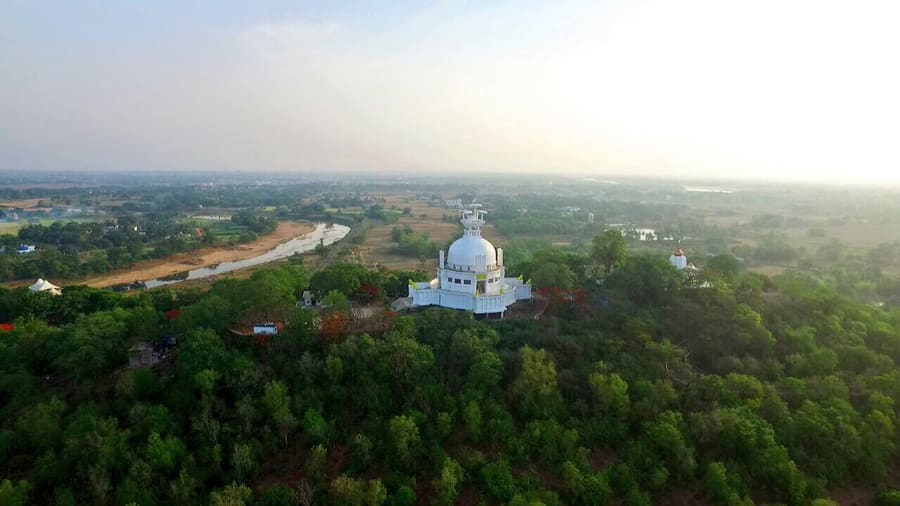
landmark
White dome marking Emperor Ashoka's historical renunciation of war. Sits eight kilometres south of the city center.
Parleyに聞く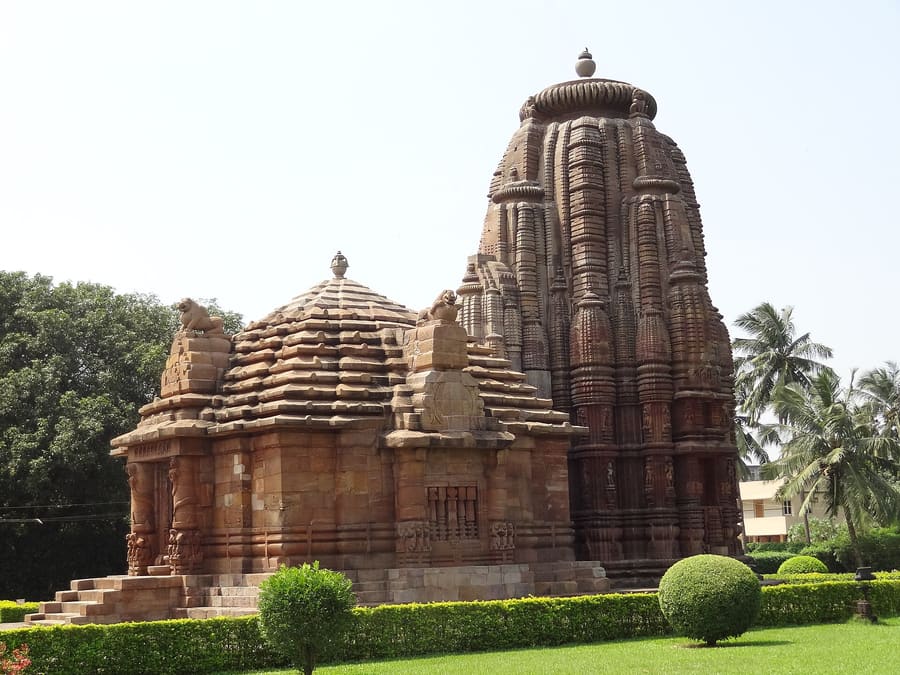
landmark
Maintained by the ASI without an active deity inside. Open to all visitors for an entry fee of ₹25.
Parleyに聞く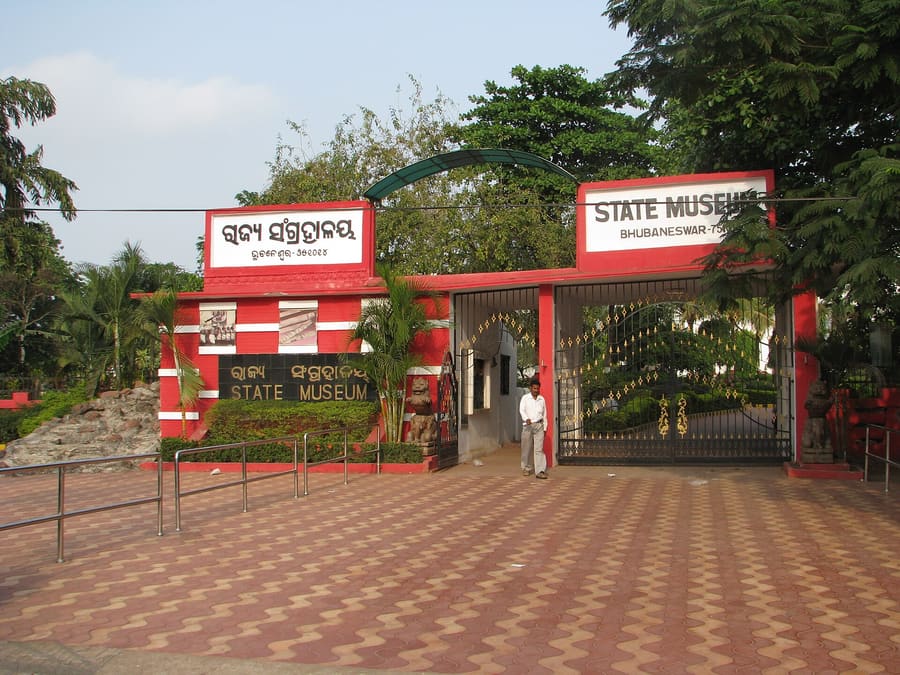
landmark
Houses rare palm-leaf manuscripts and ancient tools. Closed on Mondays.
Parleyに聞くattractions
areas
Narrow lanes around Bindusagar lake, thick with flower vendors and stone temples.
近くLingaraj, Mukteshvara, Kedar Gouri
Parleyに聞くCentral commercial sector packed with sweet shops, textile stores, and transport links.
近くBhubaneswar Railway Station, Janpath market
Parleyに聞くNorthern university and tech district filled with cafes, modern apartments, and brewpubs.
近くKIIT University, Infocity
Parleyに聞くfood
Odia cooking relies on mustard oil, panch phoron spice blend, and fresh seafood from nearby coastal lagoons. Pakhala—fermented rice soaked in seasoned water—is the afternoon staple consumed across all economic classes to defeat summer heat. You order it accompanied by fried fish, chhena khatta (a sweet-and-sour cottage cheese dish), or badi chura (crushed lentil dumplings).Subtle spicing separates Odia dishes from neighbouring Bengal. Dalma combines lentils with raw papaya, pumpkin, and eggplant, stewed with roasted cumin. For lunch, local eateries around Master Canteen serve thalis featuring Machha Besara, freshwater fish cooked in a sharp yellow mustard gravy.Sweets are integral to daily life in Odisha. Chhena Poda, made by caramelizing fresh cottage cheese and sugar over night-long charcoal heat, offers a smoky, baked taste completely distinct from dairy desserts elsewhere in India.
Pakhala bhata served with fried fish, badi chura, and seasonal vegetable sides.
Subhashish Panigrahi · CC BY-SA 4.0Order Pakhala Dibasa-style rice during hot afternoons at traditional thali joints like Nimantran or Odisha Hotel.
Pahala village, situated on the highway to Cuttack, specializes in fresh hot Chhena Poda sold direct from large brass containers.
Ananta Vasudeva Temple in Old Town serves holy cooked vegetarian meals (Mahaprasad) daily around noon on earthen pottery.
history
Bhubaneswar traces its urban footprint over two millennia. The region served as the core of ancient Kalinga, where Emperor Ashoka fought a bloody conquest in 261 BCE that converted him to Buddhism. Between the 7th and 12th centuries, regional rulers built over a thousand stone temples around Ekamra Kshetra, defining the classical Kalinga architectural style. In 1948, modern Bhubaneswar was designated as Odisha's capital, designed by German planner Otto Königsberger as a spacious neighborhood grid.
Kalinga War
Emperor Ashoka conquers Kalinga. The carnage prompts his conversion to Buddhism, documented on the Dhauli rock edicts.
Temple Construction Era
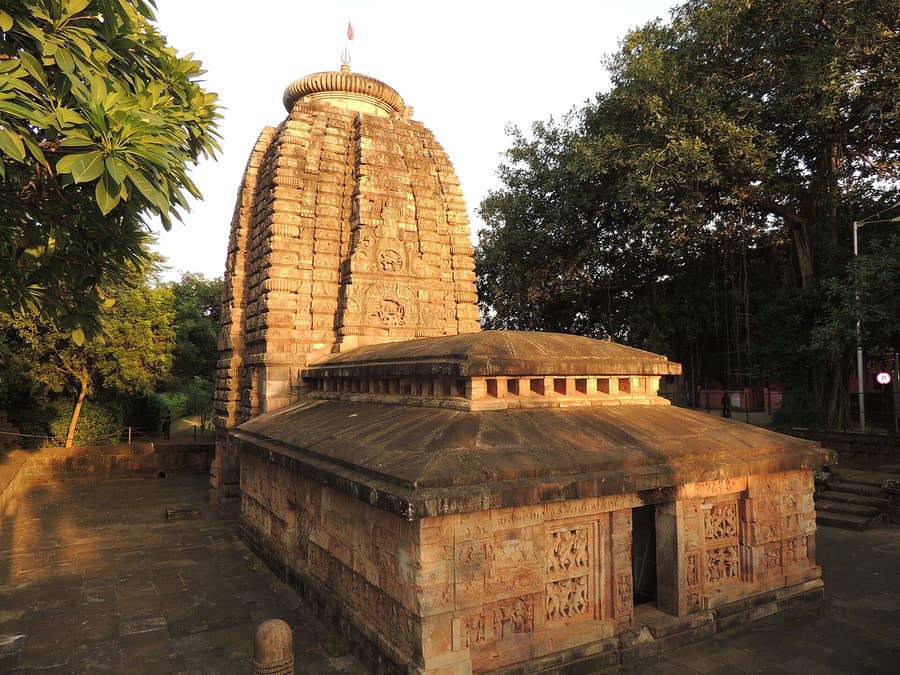
Early Kalinga temple architecture takes root with the construction of Parasurameswara Temple.
Lingaraj Consecration
Somavamsi dynasty completes Lingaraj Temple, solidifying the city as a Shaivite pilgrimage hub.
New Capital Planning
Otto Königsberger designs modern Bhubaneswar with wide linear sectors, replacing Cuttack as state capital.
where to stay
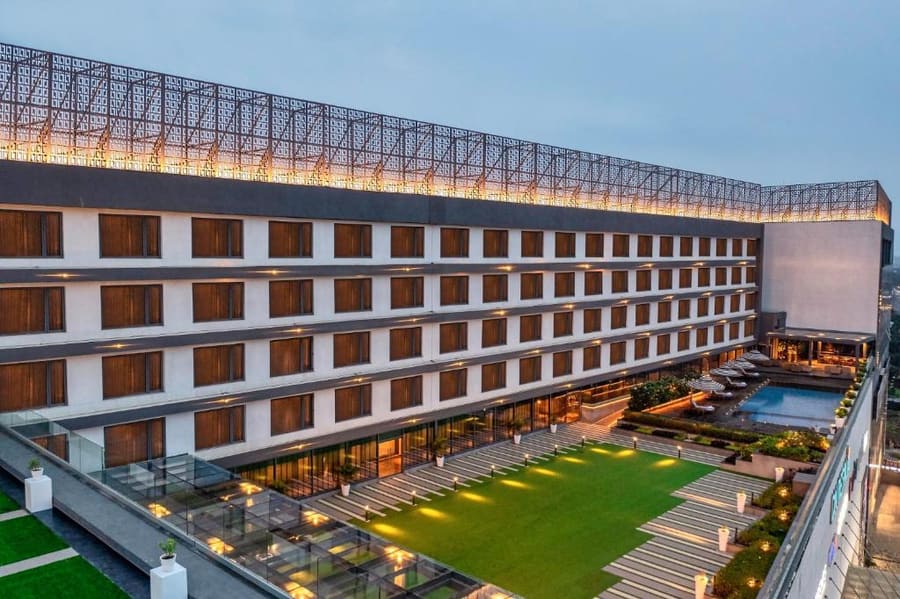
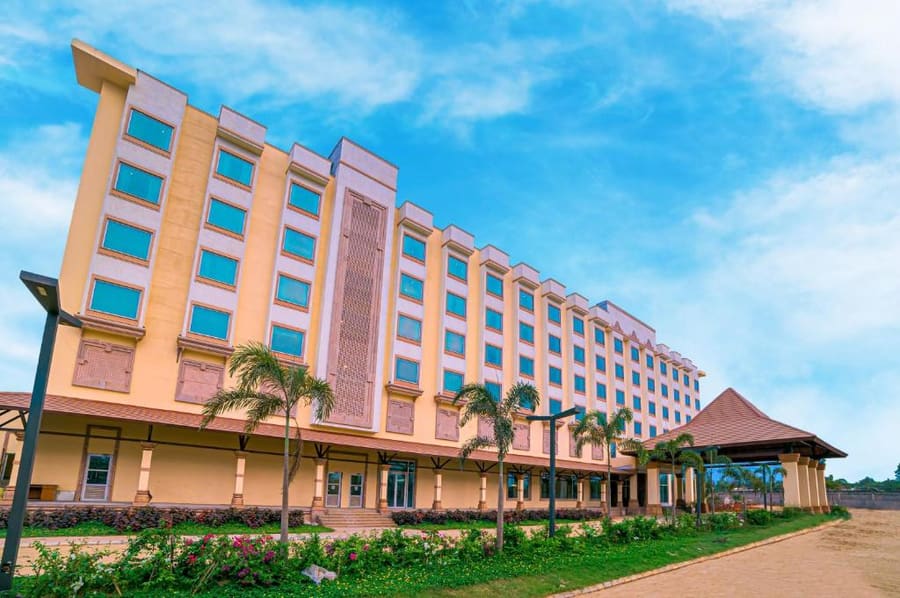
Choose your base depending on your primary purpose. Stay in Old Town if you want to walk to ancient temples at sunrise. Choose Jaydev Vihar or Janpath if you want modern hotel amenities, corporate connectivity, and easy vehicle access.
transport
Bhubaneswar features a reliable bus network called Mo Bus, alongside auto-rickshaws and app-based rides. Taxis and autos are easy to call via apps like Uber and Ola.
Biju Patnaik International Airport (BBI)から
Prepaid counter available at terminal exit. Book online via app for lower fixed rates.
Pickups gather outside the main terminal parking lot.
Mo Bus Route 10 connects airport terminals directly to Master Canteen station.
Mo Bus routes cover major corridors like Janpath and Nandan Kanan road. Tap pay or use cash on board.
Street auto-rickshaws rarely use meters. Always agree on a final fare before sitting down.
Janpath and Jaydev Vihar flyover experience bottleneck traffic between 9:00 AM–10:30 AM and 6:00 PM–8:00 PM.
Uber Auto and Ola Auto operate widely and prevent price haggle for short city journeys.
cost
Bhubaneswar remains economical compared to Tier-1 Indian metropolises like Delhi or Mumbai. Entry fees for historical monuments are minimal, and dining costs remain reasonable even in mid-range establishments.
Includes rice, dalma, vegetable sides, and dessert at local traditional restaurants.
Covers short hop fares up to long-distance routes across town.
Covers typical 3–5 km journeys across central city sectors.
seasonality
OCT – FEB
Pleasant, mild temperatures between 15°C and 28°C. Prime season for outdoor temple walking.
MAR – MAY
Extreme heat often surpassing 40°C with high humidity. Limit sightseeing to early mornings.
JUN – SEP
Heavy monsoon rains and cloudy skies. Lush greenery returns, but muggy conditions persist.
practicalities
Cover shoulders and knees when visiting active temples like Ananta Vasudeva or Kedar Gouri.
Belts, wallets, and bags made of leather are strictly banned inside active temple precincts.
Shoes must be left at temple shoe counters. Stones get scorching hot past 10:00 AM.
Odisha State Museum and Crafts Museum (Kala Bhoomi) close every Monday.
Carry fresh tender coconut water (Dab) sold widely along roadsides for ₹40–50.