landmark
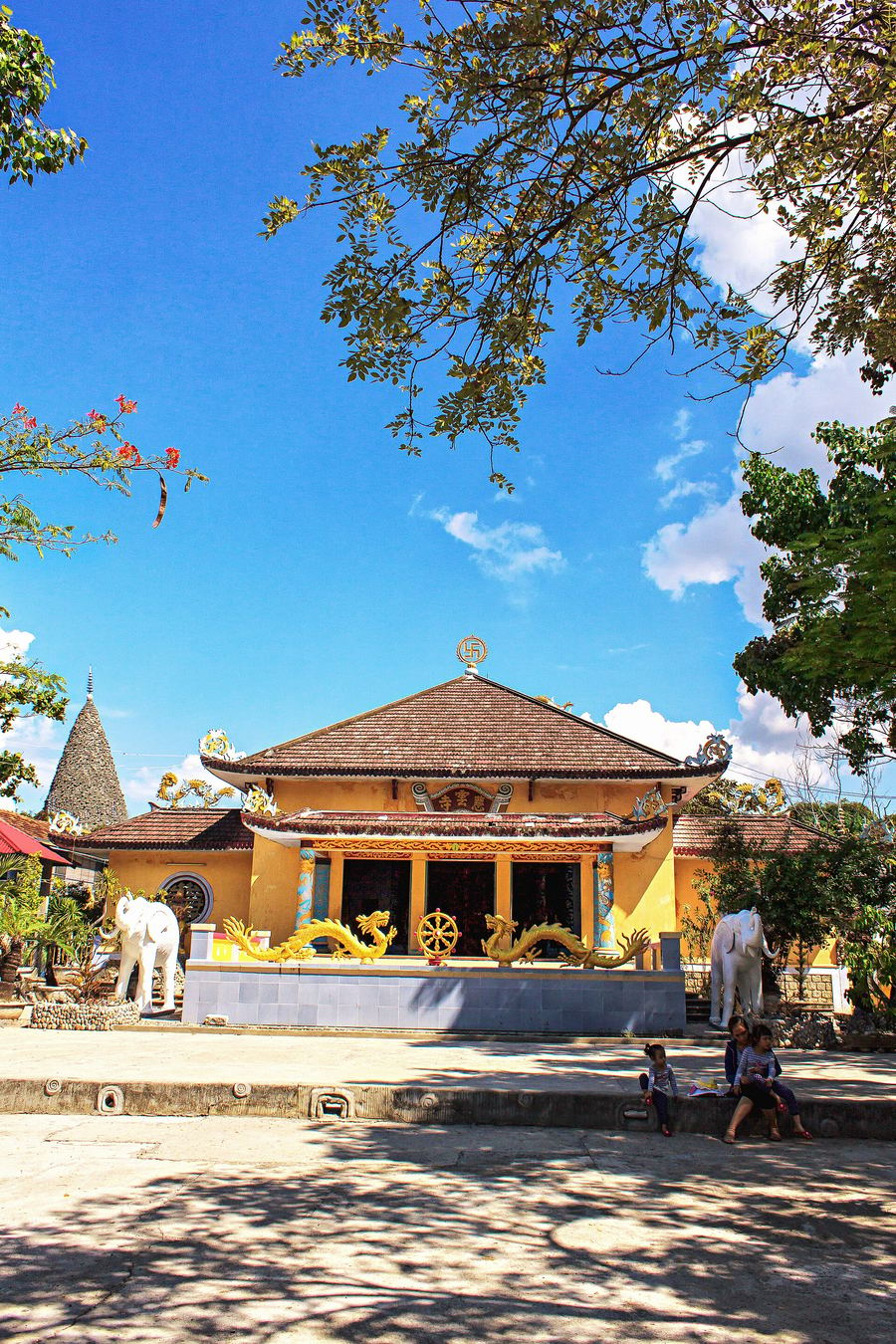
Tu Van Pagoda
A complex featuring a 39-meter tower built from coral and shells. Bring a flashlight for the underground dragon tunnel.
Parleyに聞くベトナム
A military deep-water bay turned strip of quiet resorts.
introduction
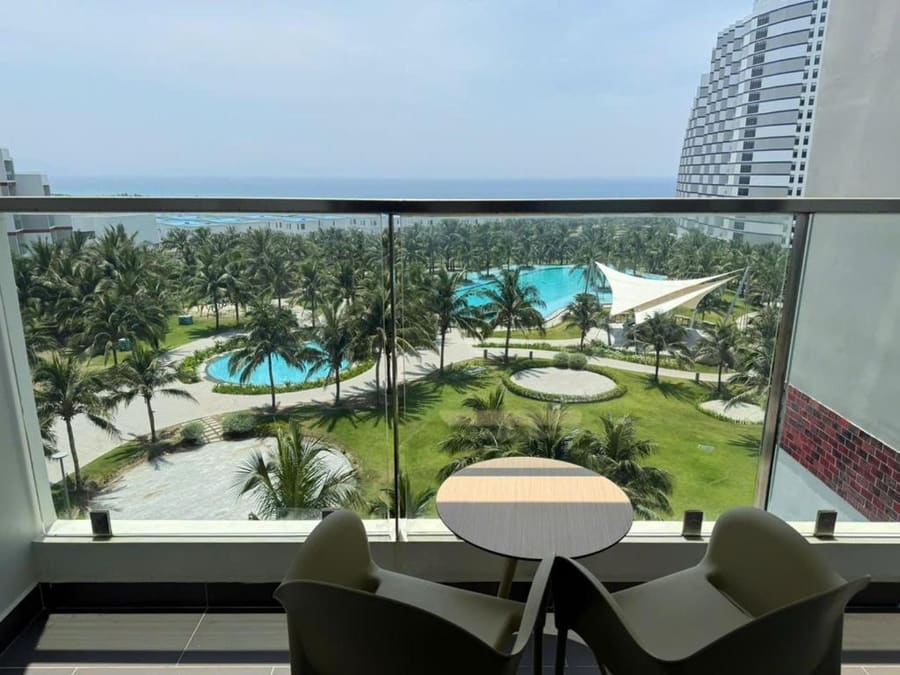
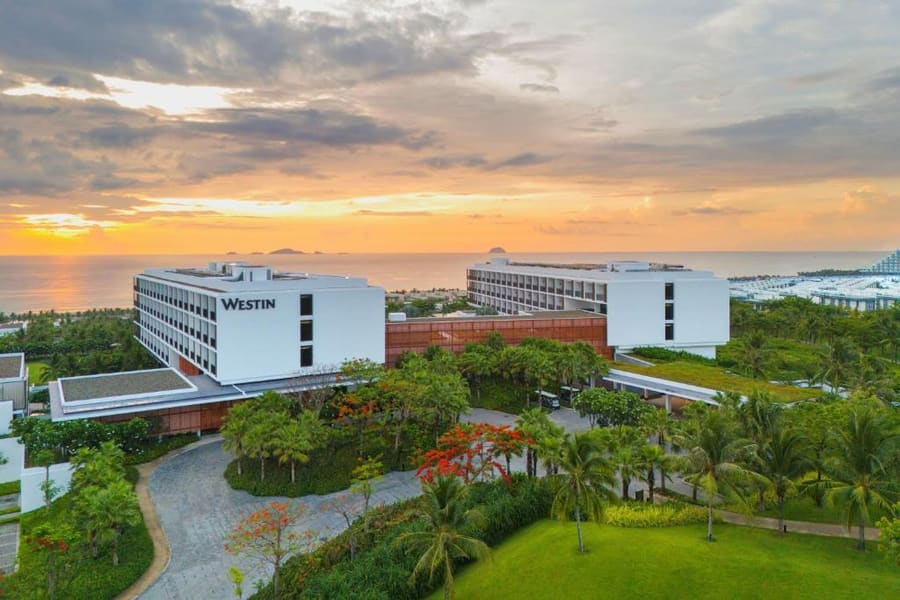
Cam Ranh sits along a deep natural harbor south of Nha Trang. A former military base area, the Bai Dai coastline now hosts self-contained beach resorts separated by wide coastal highways. You come here to stay inside peaceful resort perimeters or ride scooters along empty headlands rather than walk through historic urban streets.
Airport proximity
CXR airport sits on the Bai Dai peninsula, placing resort guests 10 minutes from their rooms while Nha Trang travelers take 45 minutes.
Strategic deep-water bay
Cam Ranh Bay remains a major natural deep-water harbor in Southeast Asia, historically used by French, American, and Soviet navies.
Island access restrictions
Binh Ba Island bans foreign tourists due to military regulations. Foreign passport holders should confirm eligibility before booking bay boat tours.
highlights
landmark
A complex featuring a 39-meter tower built from coral and shells. Bring a flashlight for the underground dragon tunnel.
Parleyに聞く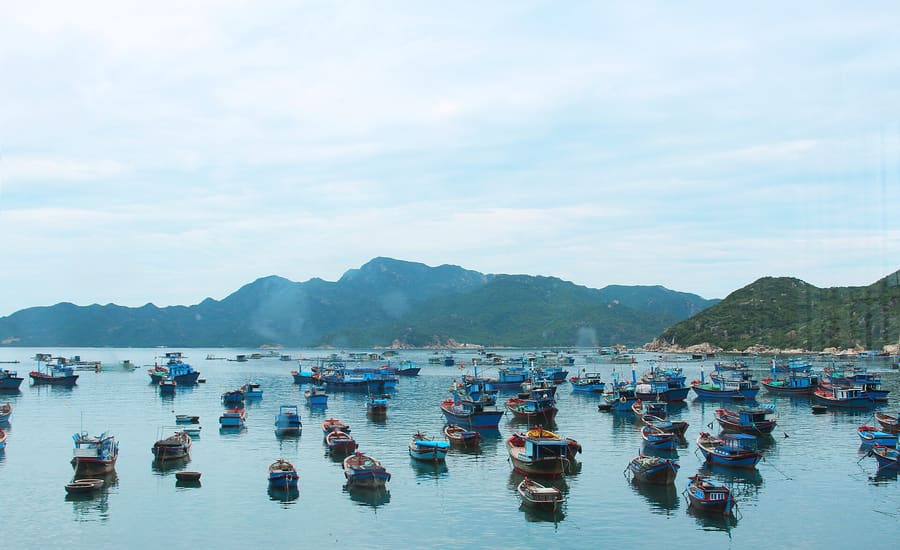
landmark
An island famous for floating lobster farms. Closed to non-Vietnamese citizens due to naval base proximity.
Parleyに聞く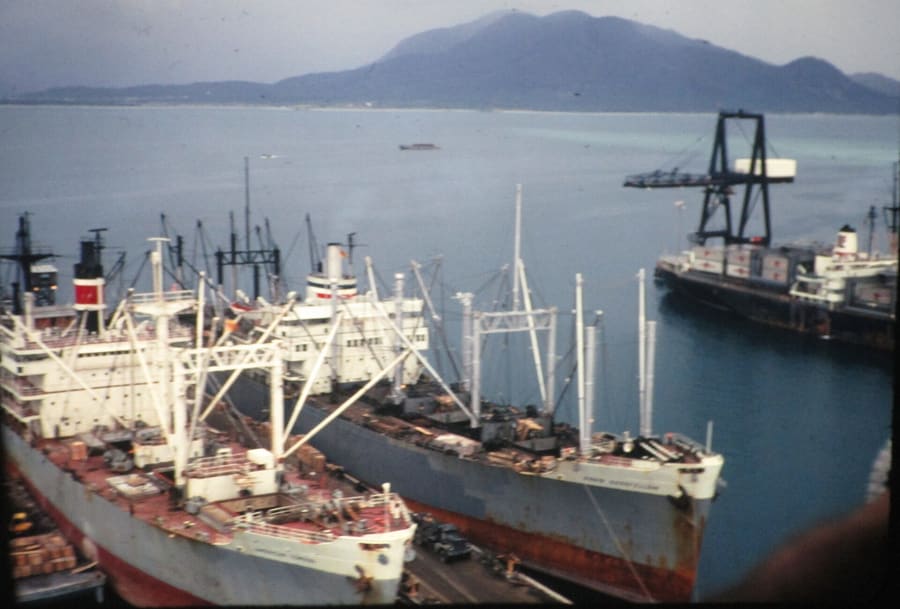
landmark
One of Asia's finest natural deep-water ports. Boat access to inner naval zones remains strictly regulated.
Parleyに聞くattractions
areas
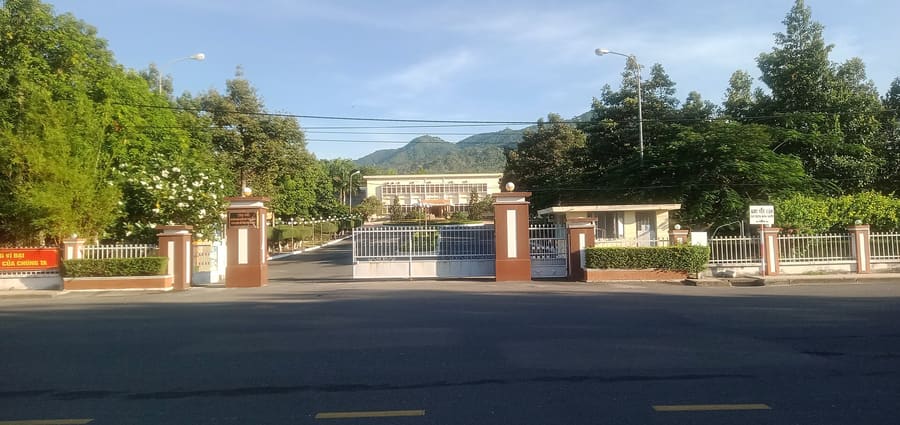
Unvarnished coastal municipality built along Highway 1A.
近くTu Van Pagoda and Ba Ngoy Port
Parleyに聞く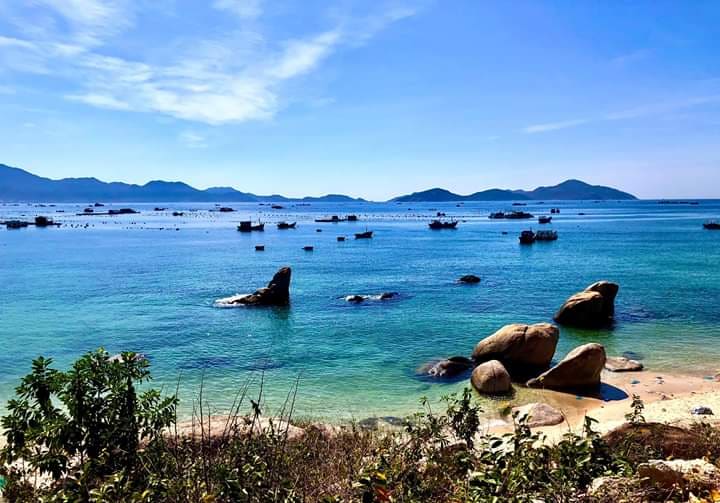
Secluded rocky coves with rustic eco-lodges and calm water.
近くBinh Lap beach
Parleyに聞くHigh-end self-contained resorts along a wide empty coastal avenue.
近くCam Ranh International Airport
Parleyに聞くCliffside roads overlooking blue water and quiet fishing villages.
近くNui Chua National Park
Parleyに聞くfood
Cam Ranh culinary life centers on deep-water bay catches, particularly local spiny lobster raised in floating wooden cages. Mainland street stalls specialize in bánh căn Cam Ranh, small rice-flour pancakes baked in terracotta molds with squid or eggs. Local town eateries serve fresh raw fish salad with peanut-sesame dip rather than tourist-oriented set menus.
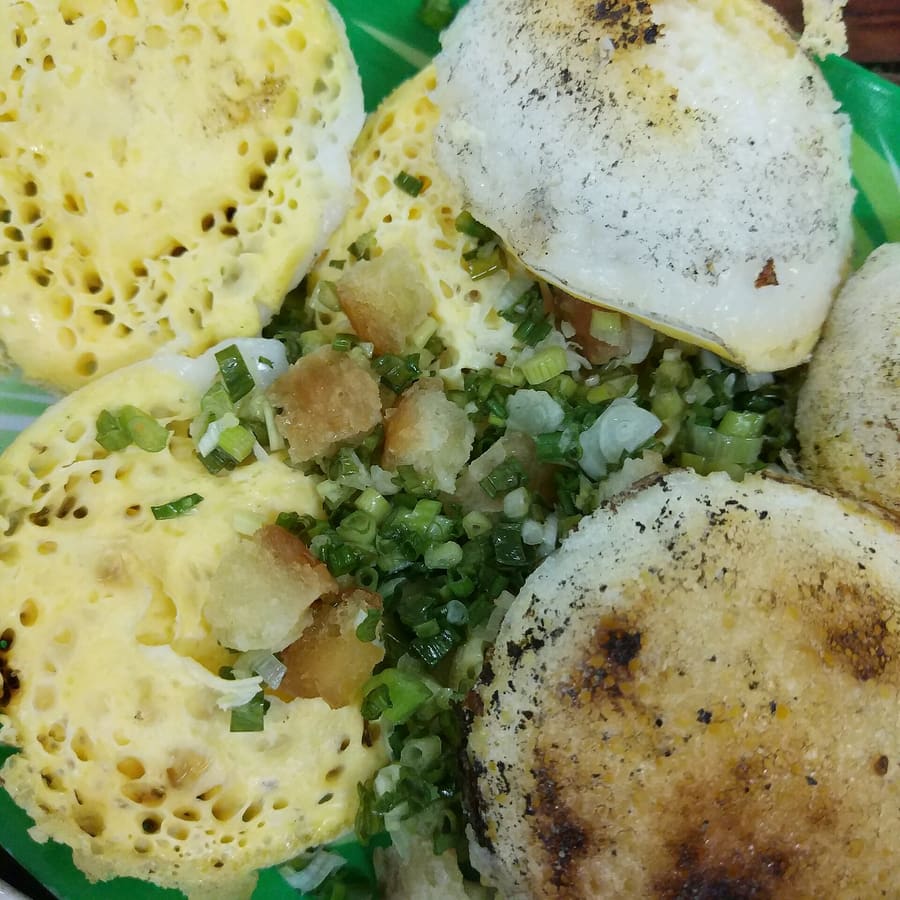
Bánh căn baking over hot coals in traditional terracotta molds.
Saigon Time · CC0Visit Chợ Cam Ranh before 09:00 for bánh căn topped with fresh baby squid.
Floating restaurants in Cam Lap host lunch crowds between 11:00 and 14:00.
Mainland street eateries operate on cash only, while resorts take major cards.
history
Cam Ranh Bay's natural water depth shaped its military history. French forces used the sheltered anchorage in the late 19th century, and the Russian Imperial Fleet staged here before the 1905 Battle of Tsushima. The United States developed massive air base facilities in 1965, which were later leased by the Soviet Navy from 1979 to 2002. Commercial passenger flights began in 2004, opening the coastline to tourism development.
Russian Fleet Staging
Tsarist warships assemble in Cam Ranh Bay prior to the Battle of Tsushima.
US Base Construction
American forces construct deep-water harbor docks and dual airfield runways.
Soviet Naval Lease
The Soviet Union signs a 25-year lease for the strategic forward operating base.
Civil Airport Conversion
Cam Ranh Airport opens for commercial domestic flights, launching resort growth.
where to stay
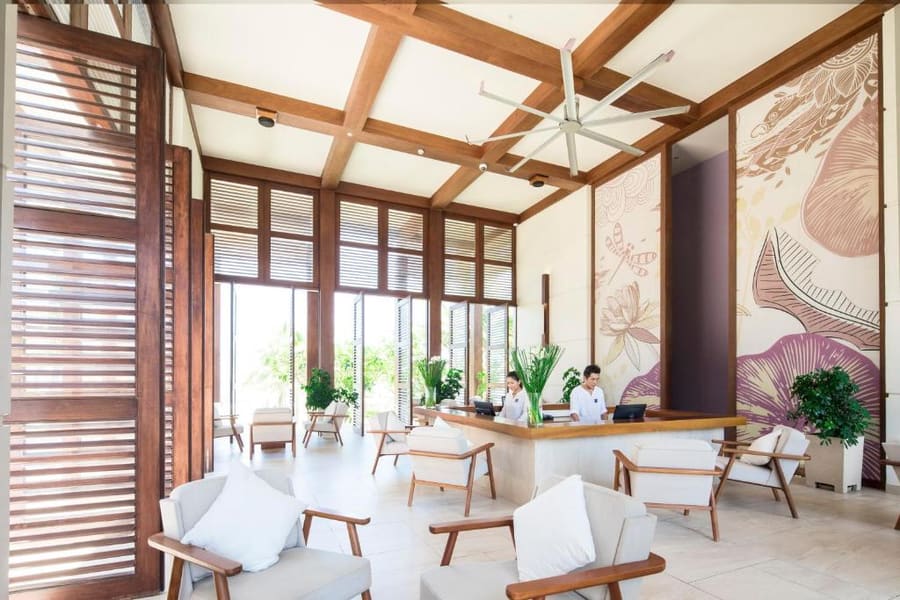
Base your stay on whether you prefer complete resort isolation or independent coastal exploration. Pick Bai Dai North if you want beachfront pools and on-site dining without leaving hotel grounds. Choose Cam Lap if you prefer quiet coastal eco-lodges near floating seafood markets.
transport
Cam Ranh International Airport (CXR) lies directly on the Bai Dai peninsula. Getting to nearby resorts takes ten minutes by taxi. Moving between mainland town areas and remote southern coves requires hiring a driver or renting a motor scooter.
Cam Ranh International Airport (CXR)から
Metered cabs line up outside arrivals for Bai Dai resort drops.
Grab rides run reliably to resorts along the Bai Dai peninsula.
Resort-arranged pickups avoid airport arrival queue waits.
Local mainland shops charge 150,000 VND daily and require passport identification.
Highway 1A carries heavy truck traffic; stick to coastal route DT702 for motorcycling.
Isolated Bai Dai properties often require 15 minutes lead time to call a taxi.
Drivers rarely carry change for 500,000 VND notes on short airport runs.
cost
Resort dining prices match international hotel standards, while local mainland eateries charge domestic rates. Expect a clear financial line between Bai Dai property menus and street stalls in town.
A plate of eight hot rice cakes served at mainland market stalls.
Price varies by weight and species at raft dining setups.
Standard hotel drink price on the Bai Dai resort strip.
Standard daily fee from mainland town rental agencies.
seasonality
MAR – MAY
Calm seas and moderate humidity offer prime conditions for water activities.
JUN – AUG
Hot dry weather brings peak domestic summer vacation crowds to Bai Dai.
SEP – NOV
Monsoon rains bring rough waves that disrupt southern bay boat trips.
DEC – FEB
Cooler winds create choppy water; dry skies return for winter travel.
practicalities
Non-Vietnamese passport holders cannot legally visit Binh Ba Island.
Bai Dai experiences strong rip currents during winter monsoon months.
Mainland Cam Ranh eateries usually close before 20:30.
Carry physical cash when visiting Ba Ngoy pier or local seafood markets.
Small wooden shuttle boats link mainland piers to floating bay restaurants.