landmark
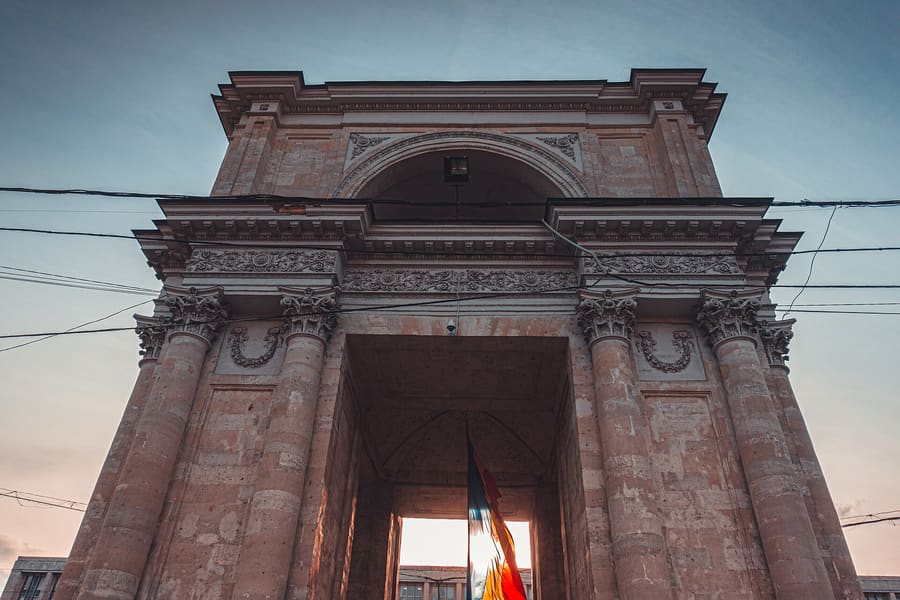
Triumphal Arch
Built in 1840 to celebrate victory over Ottoman forces. Stand directly under the vault to see the massive brass bell.
Parleyに聞くモルドバ
Brutalist avenues, wine cellars, and leafy green grids.
introduction
Chișinău is a quiet, brutalist capital laid out on a spacious grid rebuilt after World War II. You move through it along Boulevard Ștefan cel Mare, where shade trees mask heavy concrete administrative blocks. The city demands little performance from visitors. You trade slick tourist infrastructure for raw markets, cheap local wine, and uncrowded parks.
Airport arrival trick
Trolleybus 30 runs from the airport to the centre every 20 minutes for 6 MDL. Skip private taxi touts inside the terminal entirely.
City layout logic
The street numbering along Boulevard Ștefan cel Mare increases from southeast to northwest. Keep the boulevard in sight to stay oriented.
Market payment rule
Piața Centrală operates on physical cash in local lei. Card terminals exist in supermarkets, but market vendors only accept bills.
Chișinău
andrez1 · CC BY-SA 3.0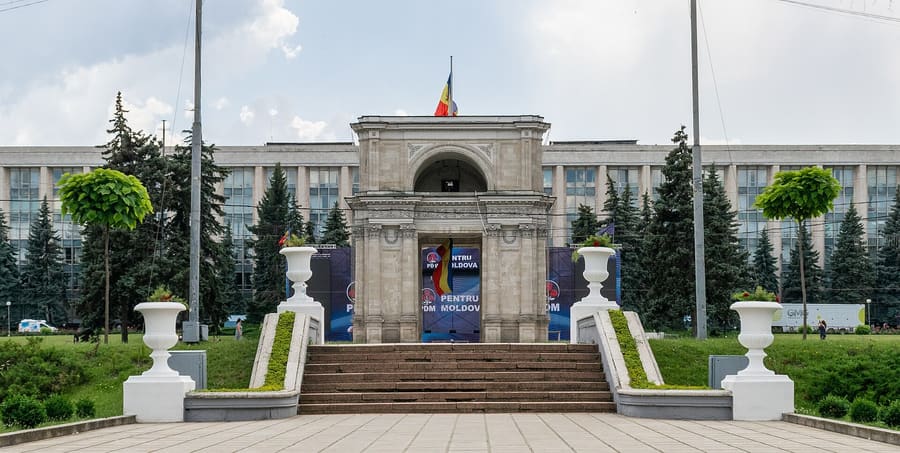
Centru — The central grid housing government offices, major parks, and primary dining streets.
Photobank MD from Chisinau, Moldova · CC0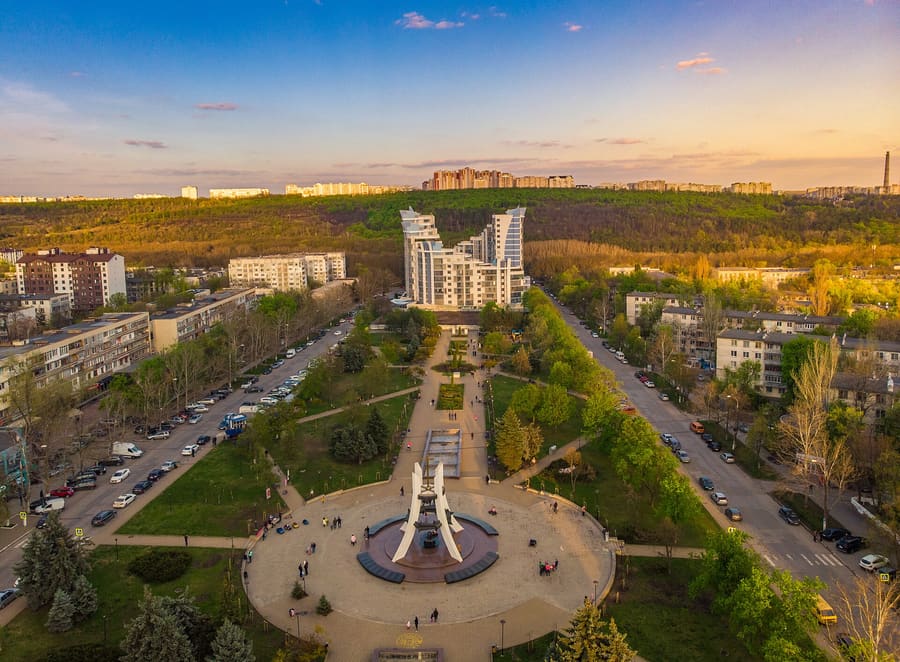
Râșcani — A northern residential sector featuring wide Soviet-era avenues and quiet neighborhood parks.
Pelin Oleg · CC BY-SA 4.0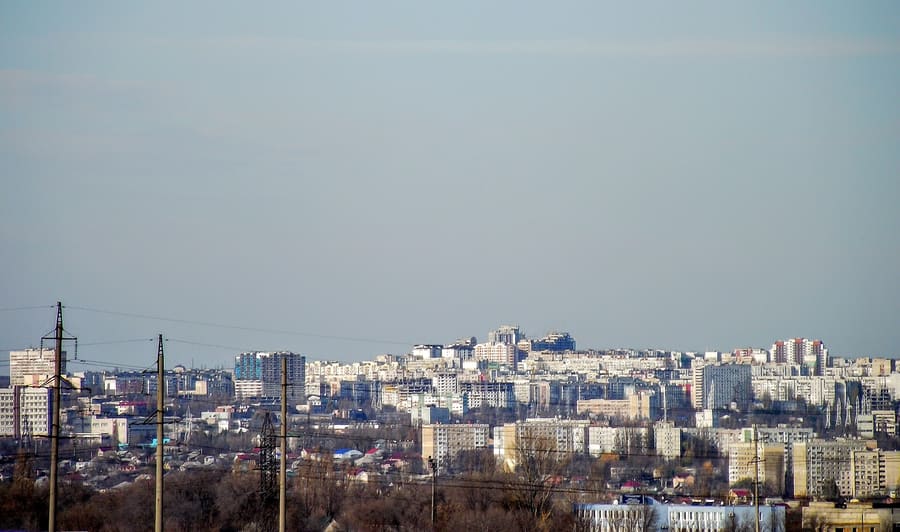
Botanica — Southeast district defined by massive concrete housing complexes and expansive botanical gardens.
Анатолий Зубанюк · CC BY 3.0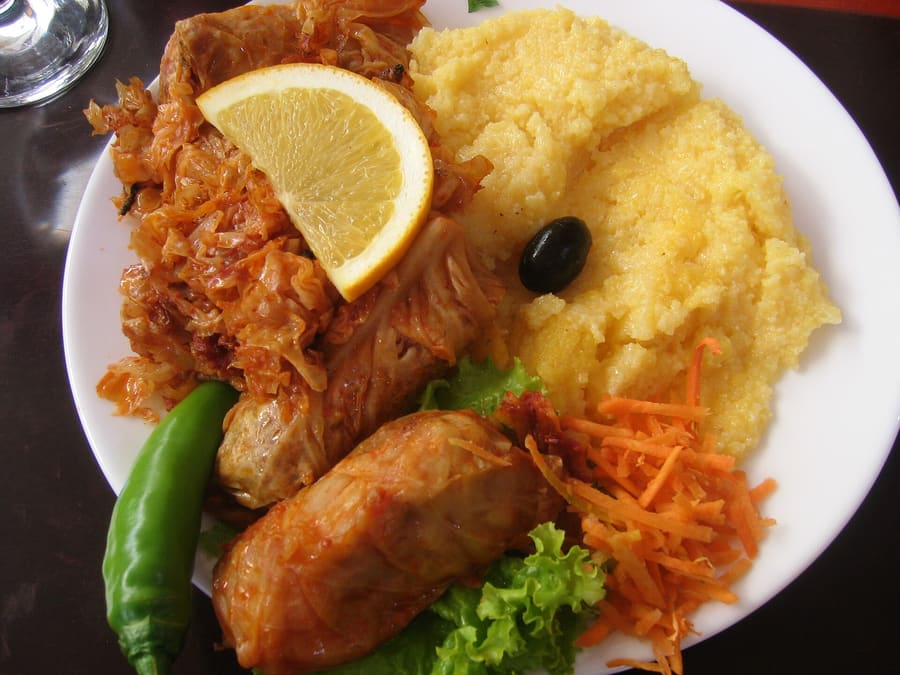
Freshly pan-fried plăcintă pastries cut into quarters.
User:Themightyquill · CC BY-SA 2.5highlights
landmark
Built in 1840 to celebrate victory over Ottoman forces. Stand directly under the vault to see the massive brass bell.
Parleyに聞く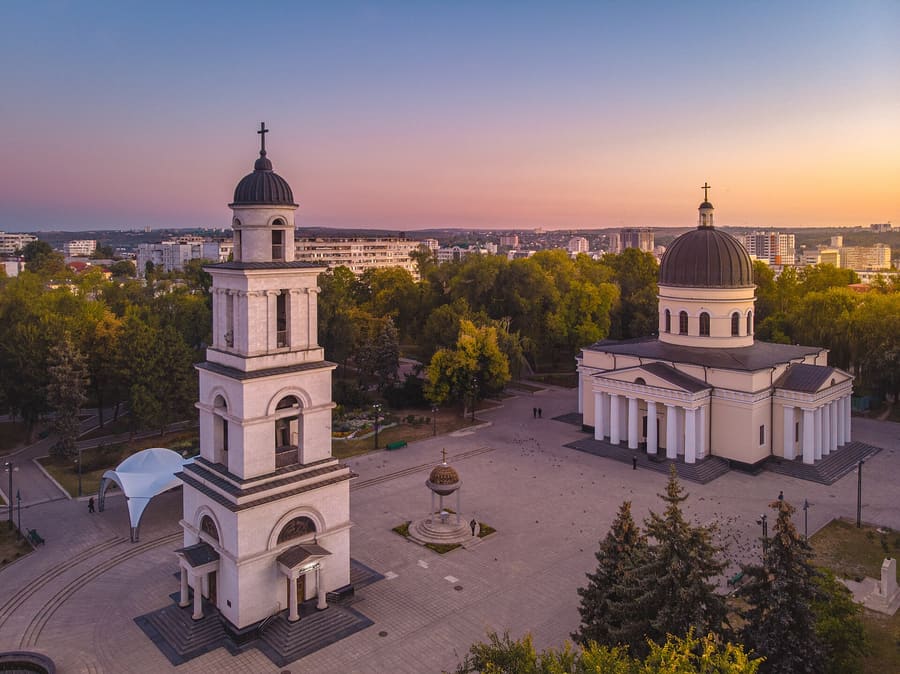
landmark
The main Neoclassical Orthodox church set in Great National Assembly Square. Step inside during morning service for choir chanting.
Parleyに聞く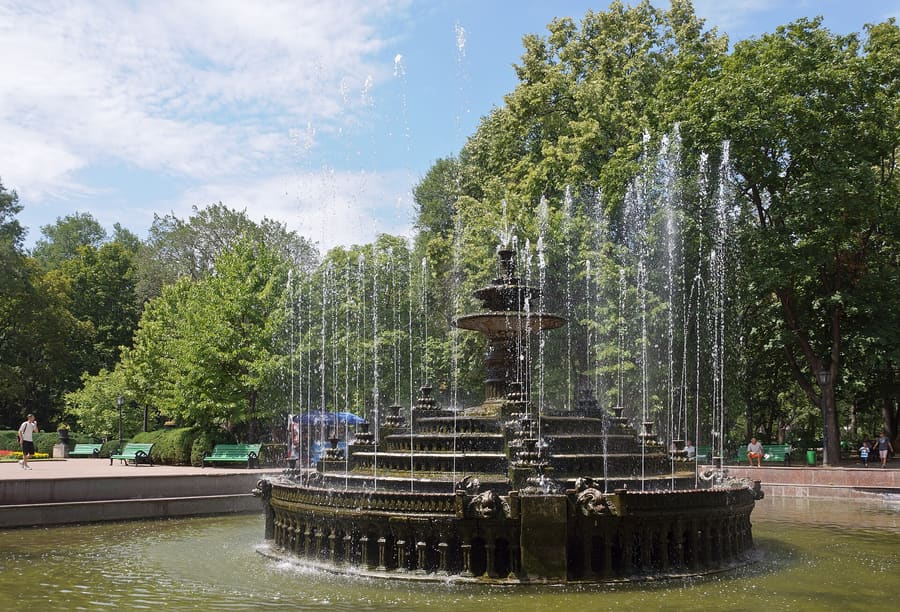
landmark
The oldest park in Moldova, filled with bronze busts of writers. Free Wi-Fi and benches lined along central avenues.
Parleyに聞く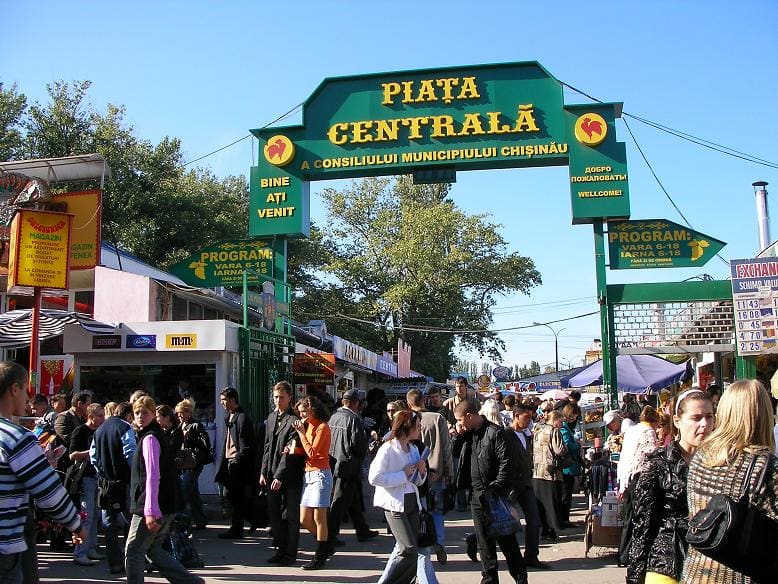
landmark
A sprawling outdoor market selling produce, cheap clothing, and housewares. Bring small paper bills and guard your pockets.
Parleyに聞く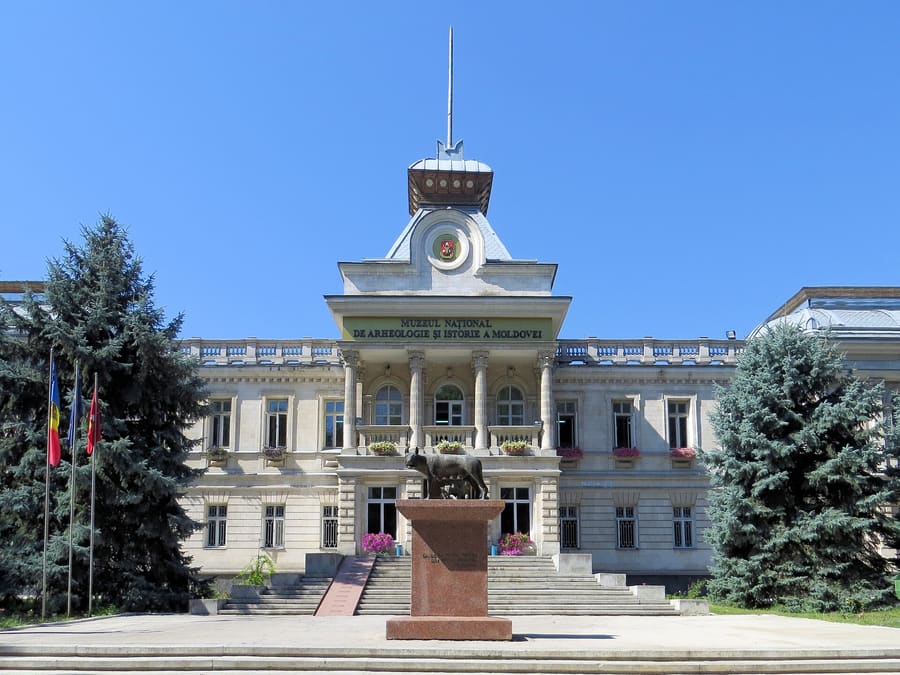
landmark
Displays artifacts from antiquity through Soviet times. Look for the bronze Roman wolf statue outside the front steps.
Parleyに聞く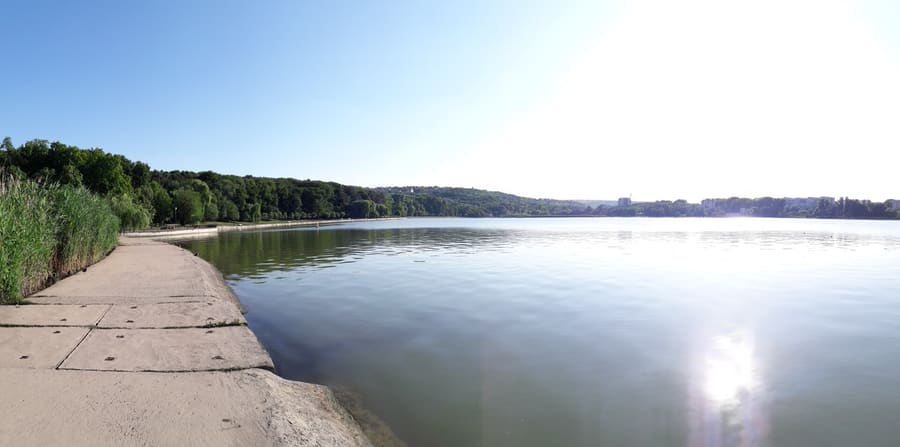
landmark
Surrounds a central lake south of the centre. Climb the 218 steps of the restored Cascade Staircase for sunset views.
Parleyに聞くattractions
areas
The central grid housing government offices, major parks, and primary dining streets.
近くPiața Centrală and Ștefan cel Mare Park
Parleyに聞くA northern residential sector featuring wide Soviet-era avenues and quiet neighborhood parks.
近くAfghan War Memorial Park
Parleyに聞くSoutheast district defined by massive concrete housing complexes and expansive botanical gardens.
近くChișinău Botanical Garden
Parleyに聞くSouthern elevated district with views over the valley and quiet residential streets.
近くValea Morilor Lake
Parleyに聞くfood
Dining in Chișinău revolves around cheap, hearty staples available across all budget tiers. Plăcintă—flaky fried or baked pastry filled with brânză cheese, potatoes, or sour cherries—is eaten for breakfast on the move. Midday meals center on zeamă, a light chicken noodle soup made sour with fermented wheat bran, served alongside hot mămăligă polenta and sour cream.
Freshly pan-fried plăcintă pastries cut into quarters.
User:Themightyquill · CC BY-SA 2.5This widespread local chain offers consistent, quick Moldovan traditional meals with bilingual menus.
Visit Stolovaya No. 1 near Piața Centrală between 12:00 and 14:00 for self-service trays of borscht and cutlets.
Wine bars along Strada Veronica Micle pour indigenous Fetească Neagră for under 80 MDL a glass.
history
Chișinău grew from a 15th-century monastery village into the capital of Russian Bessarabia in 1812. World War II bombardment and a massive 1940 earthquake flattened most historic structures. Soviet planners subsequently rebuilt the center on a geometric grid with grand boulevards, concrete public administrative offices, and heavy urban tree canopies.
First written reference
Chișinău is documented as a small monastery settlement along the Bâc River.
Russian imperial control
Bessarabia joins the Russian Empire, turning Chișinău into a regional administrative capital.
Wartime destruction
Earthquakes and wartime artillery destroy over 70 percent of the urban housing stock.
Moldovan independence
Chișinău becomes the official capital of the independent Republic of Moldova.
where to stay
Choose your base by transit priority. Centru puts you within walking distance of all primary cultural sites and restaurants, while Botanica offers cheaper rooms near the main airport corridor.
transport
Chișinău has an extensive network of electric trolleybuses and diesel buses. You pay conductors in cash on board immediately after boarding. The central core is flat and easy to traverse on foot.
Chișinău International Airport (KIV)から
Trolleybus 30 runs directly from terminal exit to Boulevard Ștefan cel Mare.
Use app services like Yandex Go rather than unmarked terminal drivers.
Hand 6 MDL exact change to the conductor walking the aisle to receive your paper ticket.
Download Yandex Go or iTaxi before arriving to avoid negotiated fare surcharges.
Most trolleybus lines end service around 23:00. Plan taxi rides for late departures.
You can board trolleybuses through any door; the conductor will walk to find you.
cost
Moldova uses the Moldovan Leu (MDL). Chișinău remains one of the lowest-cost capital cities in Europe for accommodation, food, and public transport.
Flat rate for any single journey across the municipal transport network.
Standard price at bakery kiosks and street windows across the city.
Includes main dishes, shared salad, and local draft wine.
Price at central specialty coffee counters.
seasonality
MAR – MAY
Mild weather and blossoming trees. Ideal conditions for walking the central parks.
JUN – AUG
Hot and humid days exceeding 30°C. City streets quiet down as locals head to countryside dachas.
SEP – OCT
Grape harvest season. National Wine Day in early October brings outdoor tastings to the main square.
NOV – FEB
Cold temperatures with intermittent snow. Short days, but winter daylight brings dry conditions.
practicalities
Romanian is the official language. Russian is widely spoken and understood across the capital.
ATMs are plentiful along Boulevard Ștefan cel Mare. Choose local currency billing to skip fee conversions.
Smaller family shops close early on Sunday afternoon, though large supermarkets remain open late.
Tap water is safe for brushing teeth, but most locals prefer filtered or bottled water for drinking.
Sidewalk pavements outside the main boulevard are often broken. Watch your step at night.