landmark
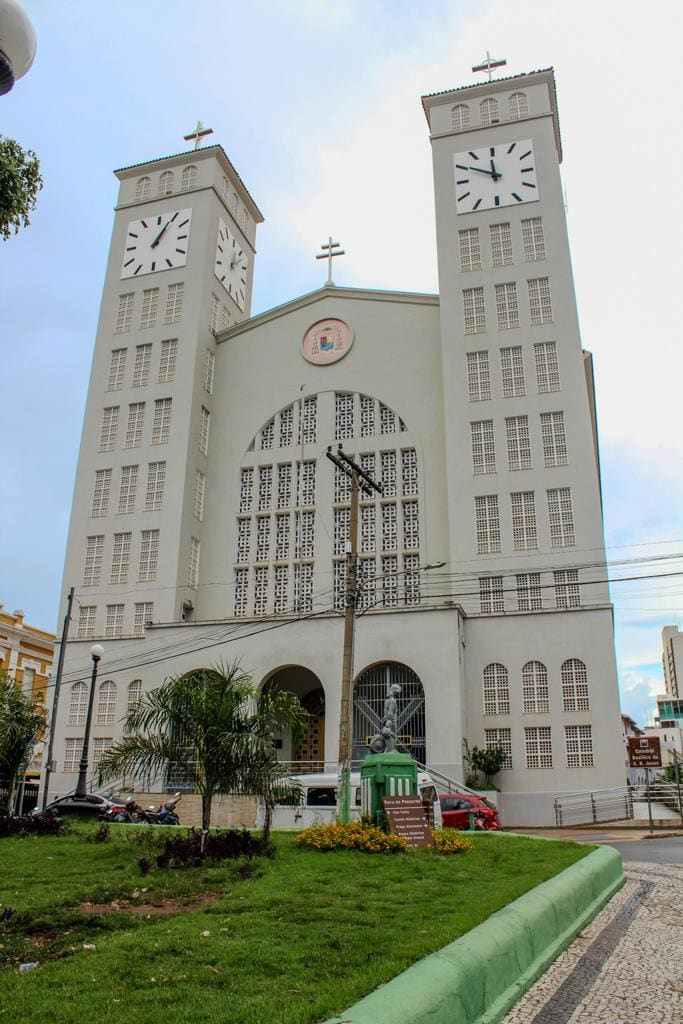
Catedral Metropolitana de Cuiabá
Modernist 1973 cathedral built over an 18th-century original. The air-conditioned interior offers cool refuge from afternoon heat.
Parleyに聞くブラジル
Heat, gold-rush origins, and freshwater fish at the center.
introduction
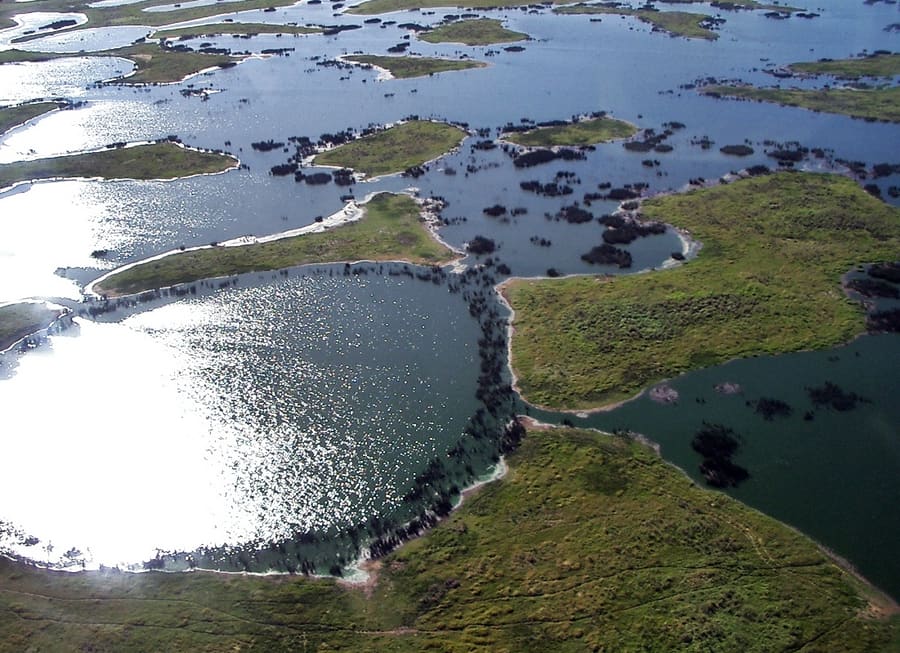
Cuiabá sits at the physical center of South America and routinely records Brazil's highest urban temperatures. Life pivots around air-conditioned interiors by day and open-air fish restaurants along the river by night. Most travellers use the city as a logistical launchpad for the Pantanal wetlands and Chapada dos Guimarães plateaus. Expect persistent heat, distinct river-fish cuisine, and direct access to Central Brazil's wilderness.
Airport transfer trick
Marechal Rondon Airport sits in neighbouring Várzea Grande. A ride-hailing car to central Cuiabá costs half as much as an official airport taxi.
Geodesic center
Praça Pascoal Moreira Cabral marks the exact geographical center of South America. A stone obelisk erected in 1909 confirms the coordinates.
Heat survival rule
Daily temperatures regularly cross 38°C between August and October. Schedule all outdoor walking before 09:00 or after sunset.
Cuiabá
Alicia Yo · CC BY-SA 3.0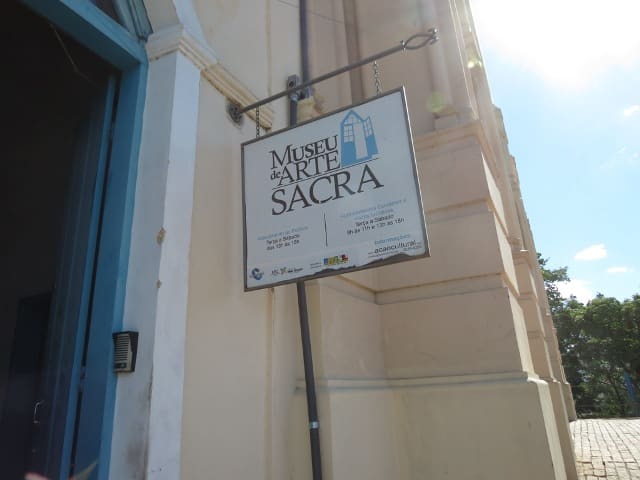
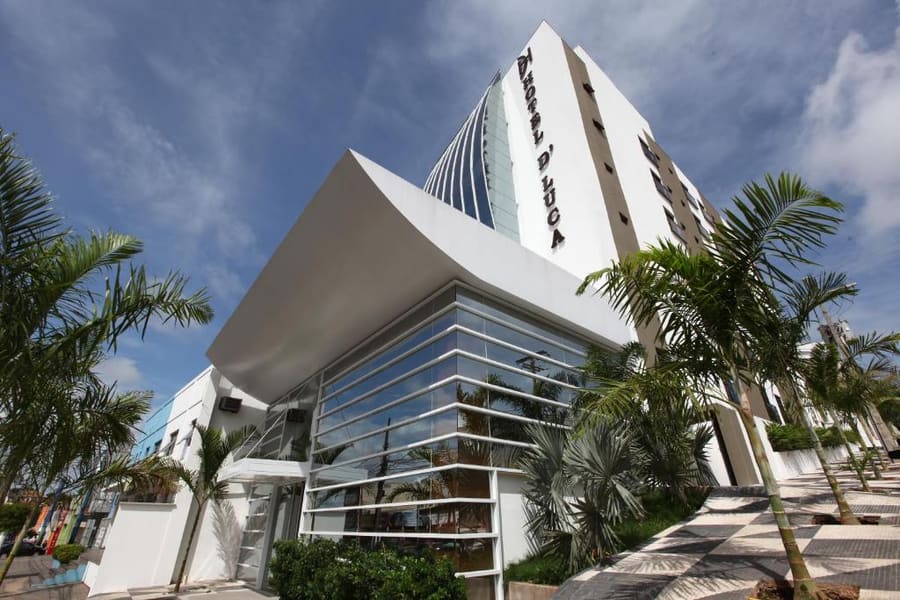
Centro Histórico — Dense colonial core with narrow streets, administrative offices, and cheap lunch spots.
Ação Cultural Associação dos Produtores Culturais de Mato Grosso from Brasil · CC BY 2.0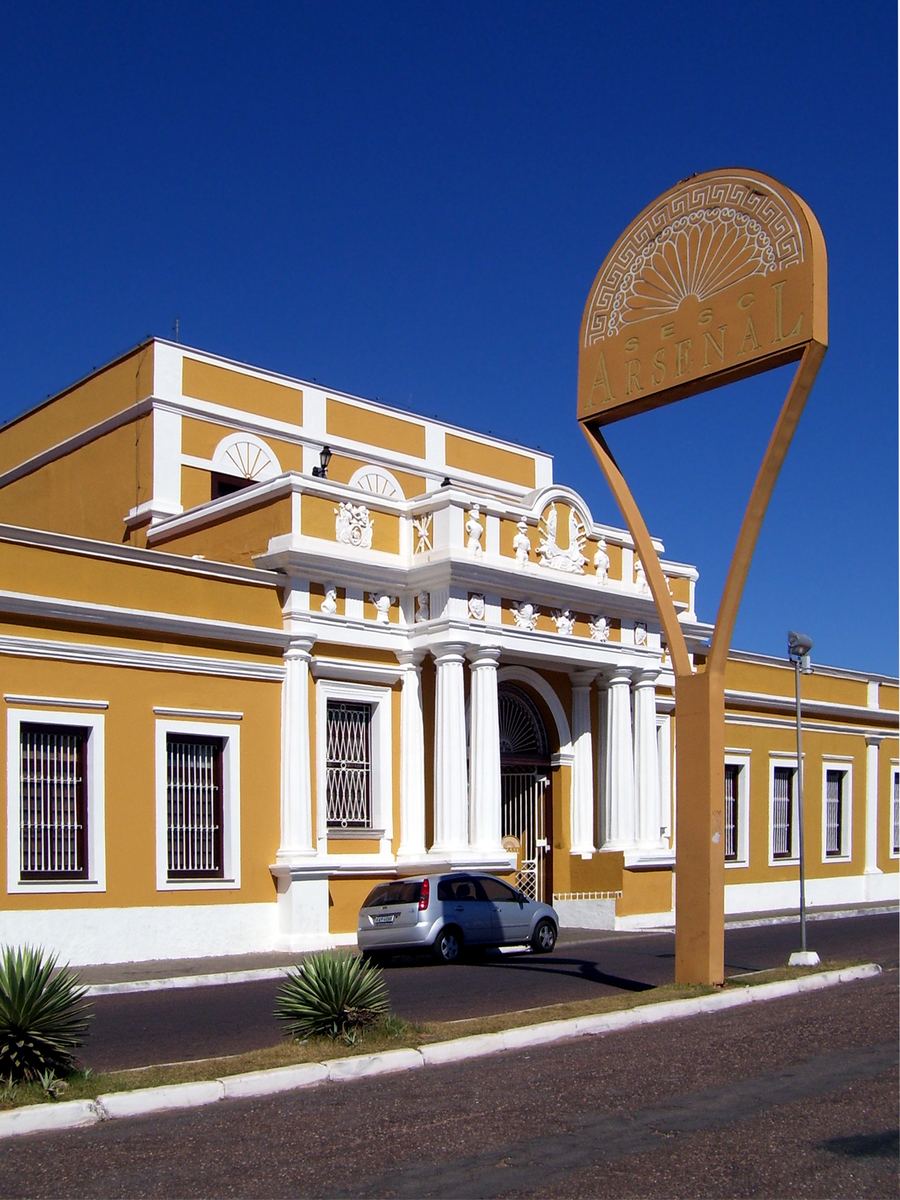
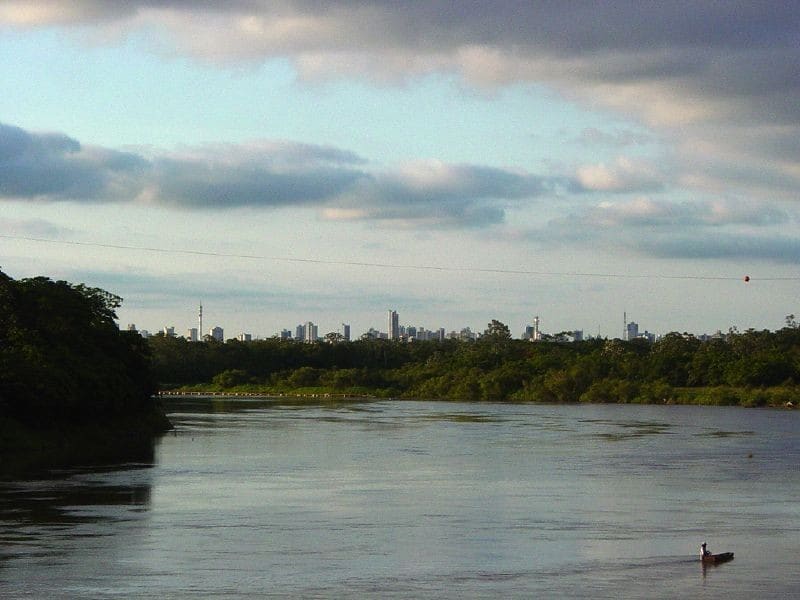
Porto — Working-class riverfront neighborhood defined by fish markets and cultural centers.
Mateus Hidalgo from Cuiabá/MT, Brasil · CC BY-SA 2.0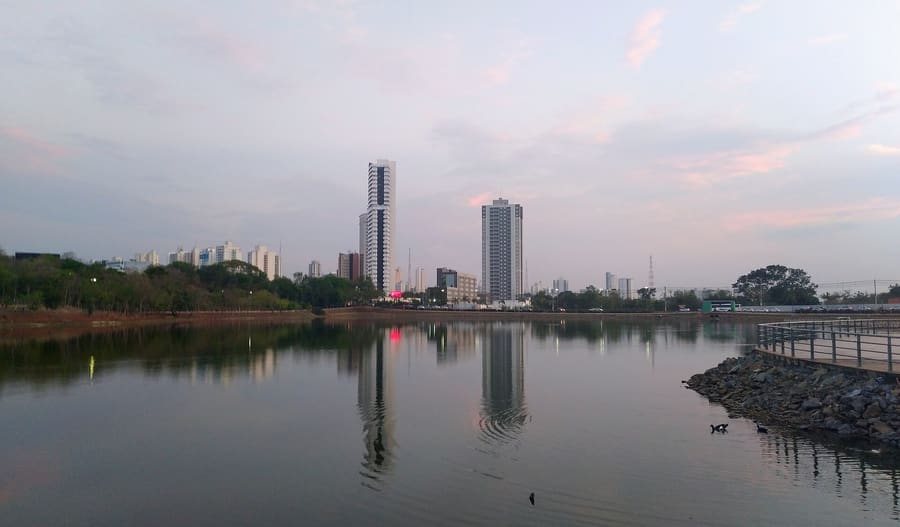
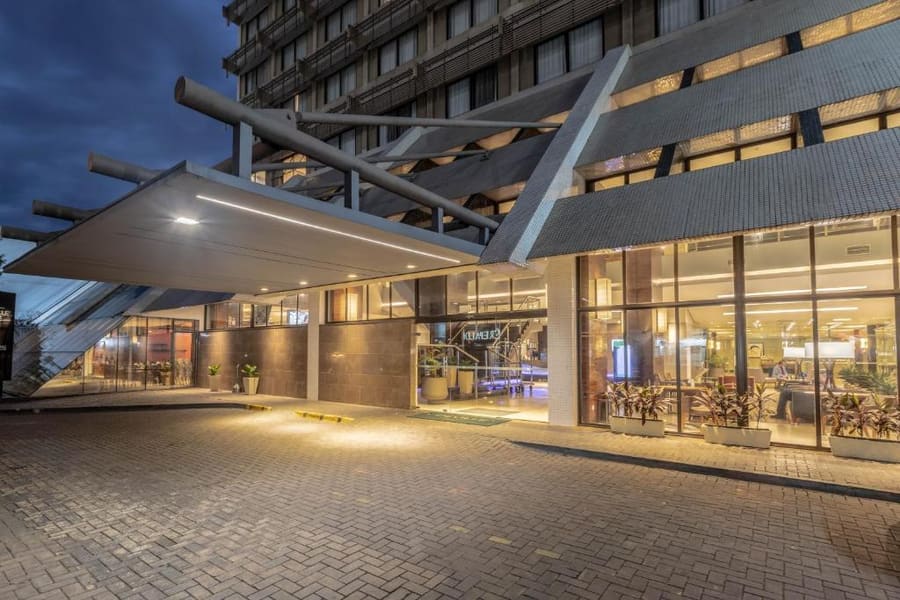
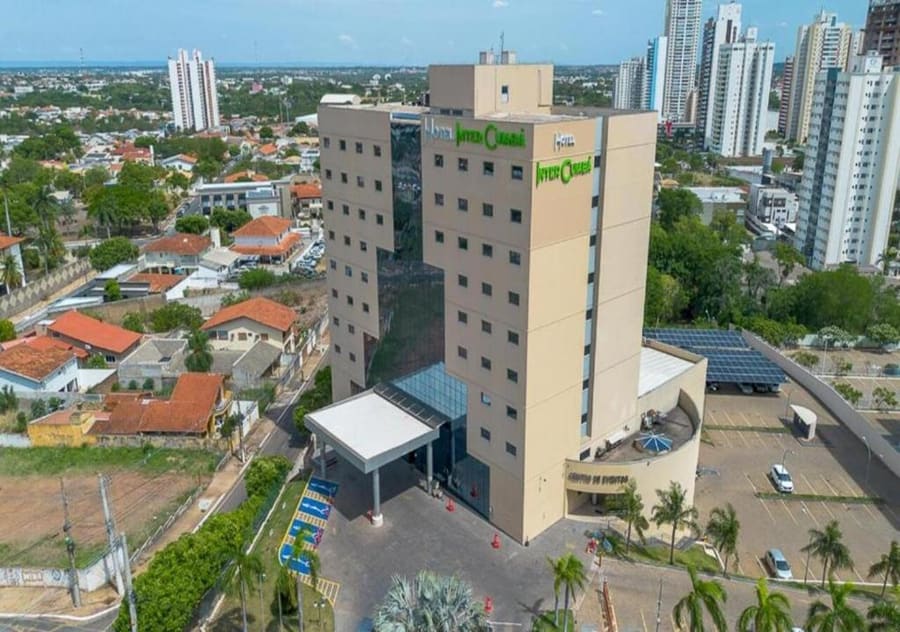
Santa Rosa — Suburban commercial zone with high-rise residential towers and modern restaurant chains.
Bruno Luiz · CC BY-SA 4.0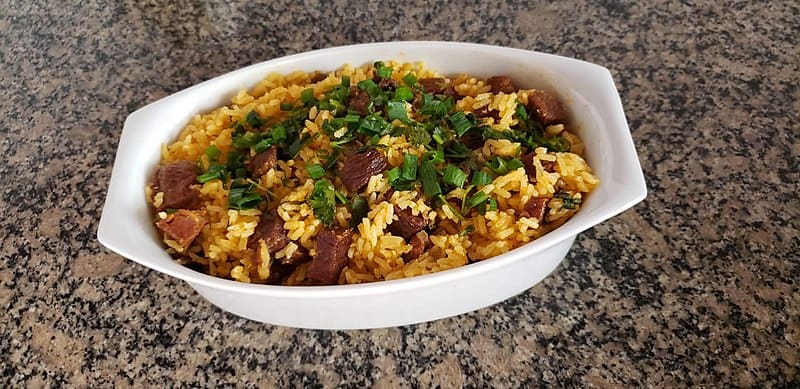
Maria Isabel, a local staple of sun-dried beef cooked with rice.
ConceicaoSotero · CC BY-SA 4.0highlights
landmark
Modernist 1973 cathedral built over an 18th-century original. The air-conditioned interior offers cool refuge from afternoon heat.
Parleyに聞く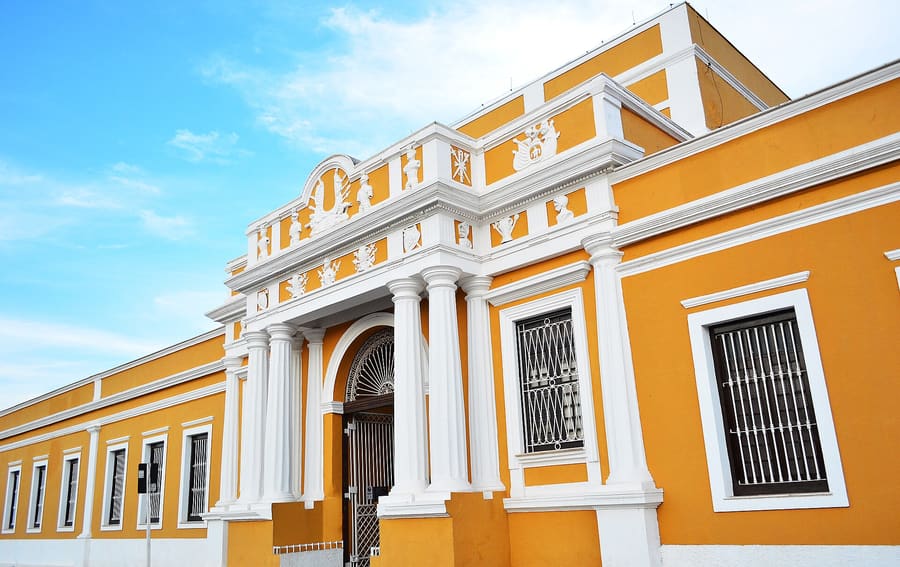
landmark
A 19th-century military arsenal converted into a arts complex. Visit on Thursday evenings for regional food stalls and music.
Parleyに聞く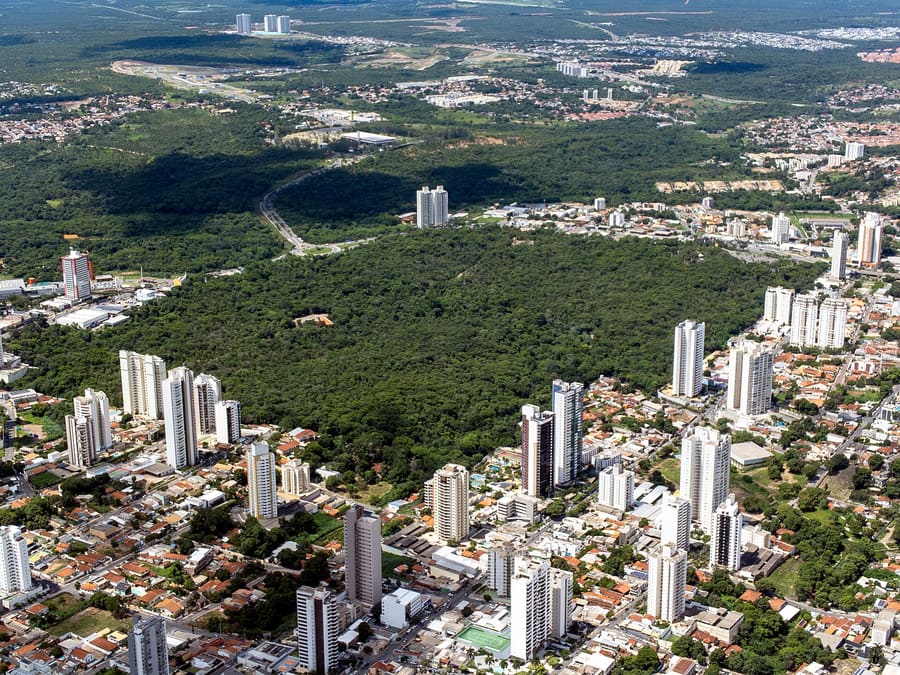
landmark
A 77-hectare native forest reserve inside city limits. Walk the shaded trails before 08:00 to spot marmosets in the canopy.
Parleyに聞く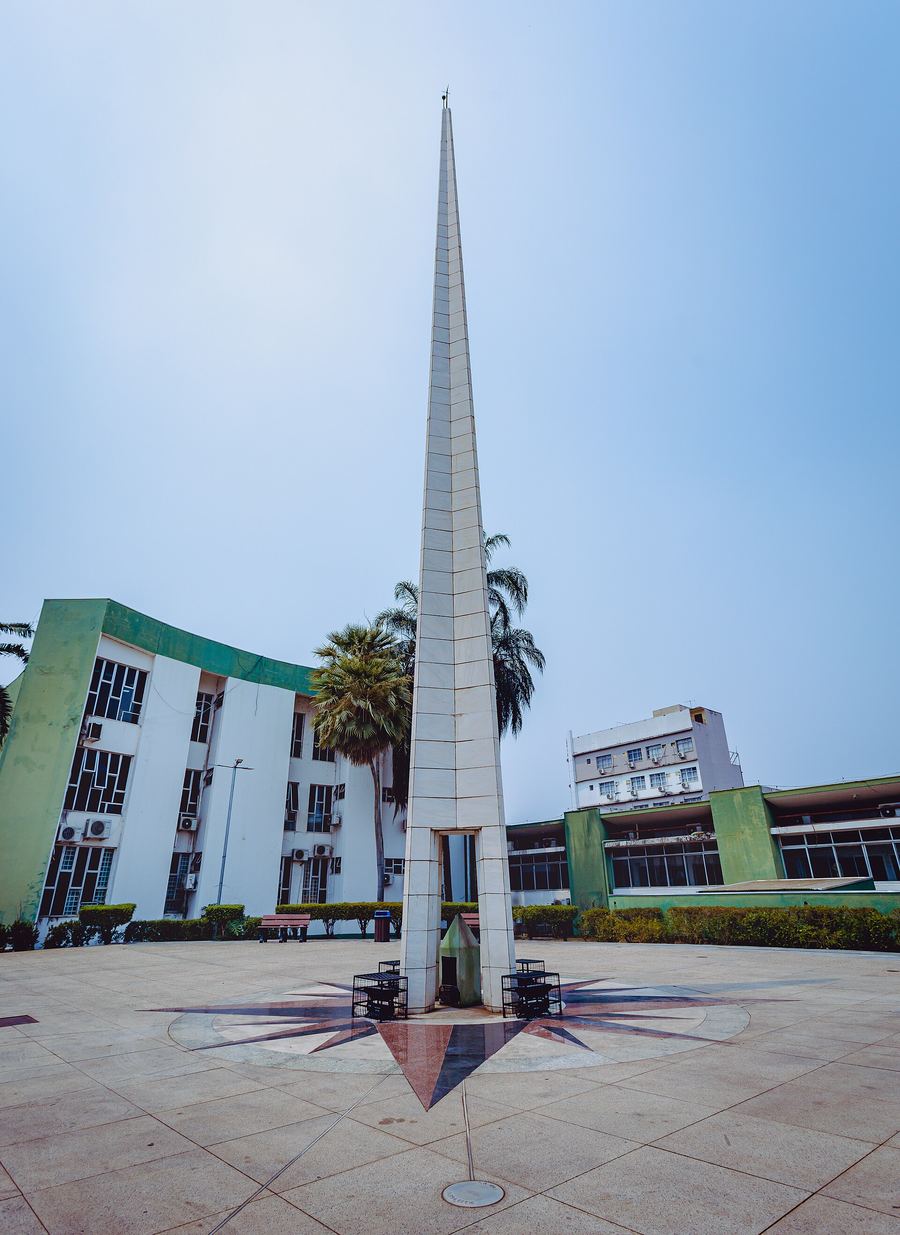
landmark
A stone obelisk in Praça Pascoal Moreira Cabral marking South America's geographical center. A quick ten-minute stop.
Parleyに聞くattractions
areas
Dense colonial core with narrow streets, administrative offices, and cheap lunch spots.
近くCatedral Metropolitana and Praça da República
Parleyに聞くWorking-class riverfront neighborhood defined by fish markets and cultural centers.
近くMercado do Porto and Sesc Arsenal
Parleyに聞くSuburban commercial zone with high-rise residential towers and modern restaurant chains.
近くShopping Estação Cuiabá
Parleyに聞くUpscale residential district filled with air-conditioned shopping malls, cocktail bars, and modern hotels.
近くParque Mãe Bonifácia and Avenida Popular
Parleyに聞くfood
Cuiabano cuisine relies heavily on local river fish and cattle-ranching ingredients. Freshwater species like pacu, pintado, and matrinxã dominate evening menus, typically grilled over charcoal or baked with tomatoes and cheese. Accompaniments feature cassava flour, fried green bananas, and pequi fruit. Daily heat encourages a unique local habit: drinking powdered guaraná, scraped from dried fruit sticks into cold water for energy.
Maria Isabel, a local staple of sun-dried beef cooked with rice.
ConceicaoSotero · CC BY-SA 4.0Order pintado baked on a clay tile at traditional riverfront peixarias in Porto or Coxipó. The fish comes smothered in tomato sauce and melted cheese.
Choose Maria Isabel for a hearty lunch. The traditional dish combines shredded sun-dried beef cooked directly into rice, served alongside farofa de banana.
Buy shaved guaraná powder from stalls in Mercado do Porto. Merchants scrape the dried berry stick into ice water for a natural afternoon stimulant.
history
Gold prospectors founded Cuiabá in 1719 along the Coxipó River banks. The remote settlement grew as an inland mining outpost of the Portuguese Empire. When gold deposits dwindled in the 19th century, the city transitioned into a regional trade center for cattle and river shipping. The late 20th century transformed Cuiabá into Brazil's western agricultural capital and the primary supply base for Pantanal expeditions.
Gold discovery
Pascoal Moreira Cabral discovers gold, establishing the initial mining encampment.
State capital
Cuiabá is officially designated capital of Mato Grosso province, replacing Vila Bela.
Paraguayan War
The city functions as a strategic supply point for military forces on the border.
World Cup host
Arena Pantanal opens to host four FIFA World Cup matches, driving regional infrastructure updates.
where to stay
Choose your location based on air-conditioned comfort and transit convenience. Staying in Goiabeiras or Santa Rosa provides quiet residential streets, modern hotel infrastructure, and easy access to top restaurants. Booking in Centro Histórico puts you near old town monuments, but streets grow dead quiet after business hours.
transport
Cuiabá depends on motor transport. Ride-hailing apps operate efficiently across all urban zones and offer air-conditioned rides during hot hours. Municipal buses serve major routes along main avenues, but vehicles can get hot and crowded during rush periods. Walking is recommended only within small historic blocks during early morning hours.
Marechal Rondon International Airport (CGB)から
Pick up directly outside the arrivals terminal door. The most economical private transfer.
Pre-paid voucher desks operate inside the baggage claim hall.
Line 024 runs from the airport terminal into central Cuiabá bus stops.
City buses accept contactless bank cards and transport cards. Cash payments are not accepted on board.
Order rideshare cars between 11:00 and 16:00 to avoid standing at unshaded bus stops.
Traffic thickens along Avenida Miguel Sutil from 17:30 to 19:00. Budget extra travel time across town.
cost
Daily expenses in Cuiabá run below Brazil's southeast metropolis averages. Casual dining and local transport remain affordable, though upscale hotels in Goiabeiras increase rates during major agricultural conventions.
Standard executive lunch including beef, rice, beans, and cassava flour at local diners.
All-you-can-eat freshwater fish meals along the riverfront, including fried pacu ribs.
Covers average trips between Goiabeiras, Centro Histórico, and Porto.
Price for a 600ml bottle of cold lager at neighborhood bars.
seasonality
MAY – JUL
Cooler dry period with night temperatures around 20°C. Best window for outdoor walking and Pantanal road trips.
AUG – OCT
Peak dry heat with daytime temperatures exceeding 38°C routinely. Limit sight-seeing to early mornings.
NOV – FEB
Rainy season with heavy afternoon downpours. High humidity, but the surrounding landscape turns green.
MAR – APR
Rains lessen while river levels remain high. Good conditions for riverboat activities nearby.
practicalities
Drink bottled water constantly. Dry air combined with high temperatures causes quick dehydration.
Stores in Centro Histórico close around 18:00 on weekdays and 12:30 on Saturdays.
English is rarely spoken outside major hotel desks. Learn basic Portuguese phrases for daily taxi rides.
Credit and debit cards are universally accepted, even at small juice kiosks.
Apply insect repellent when visiting riverbanks or city parks during late afternoon.