landmark
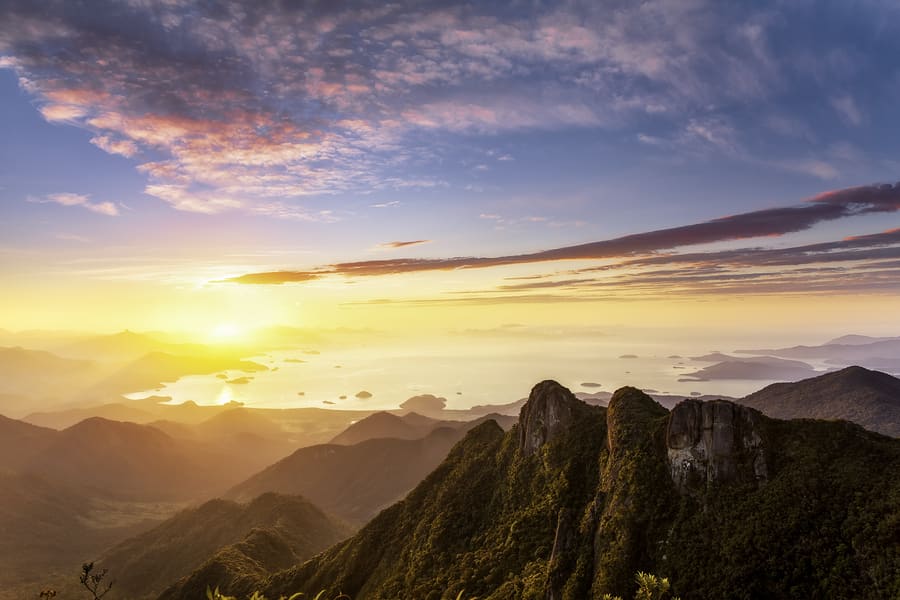
Pedra da Macela
A steep 2 km paved walk leads to views of Paraty and the coast. Arrive before dawn to catch clear skies above the cloud line.
Parleyに聞くブラジル
High-altitude ceramics, lavender fields, and mountain passes.
introduction
Cunha sits along the winding SP-171 highway, high in the hills between São Paulo and Paraty. You need a car to navigate its spread-out ceramic studios, lavender farms, and trailheads. Expect cool mountain air, steep paved roads, and a quiet rhythm that shifts to busy weekend crowds from São Paulo.
Arrival via SP-171
Arrive from Guaratinguetá for the easiest mountain drive. The road down to Paraty is paved but steep and narrow.
Noborigama ceramics origin
Japanese potters brought high-temperature Noborigama wood kilns here in 1975. Cunha is now South America's main center for this technique.
Weekend vs weekday pace
São Paulo drivers crowd rural roads on weekends. Visit studios from Tuesday to Thursday for quiet access to artisans.
Cunha
Deyvid Setti e Eloy Olindo Setti · CC BY-SA 3.0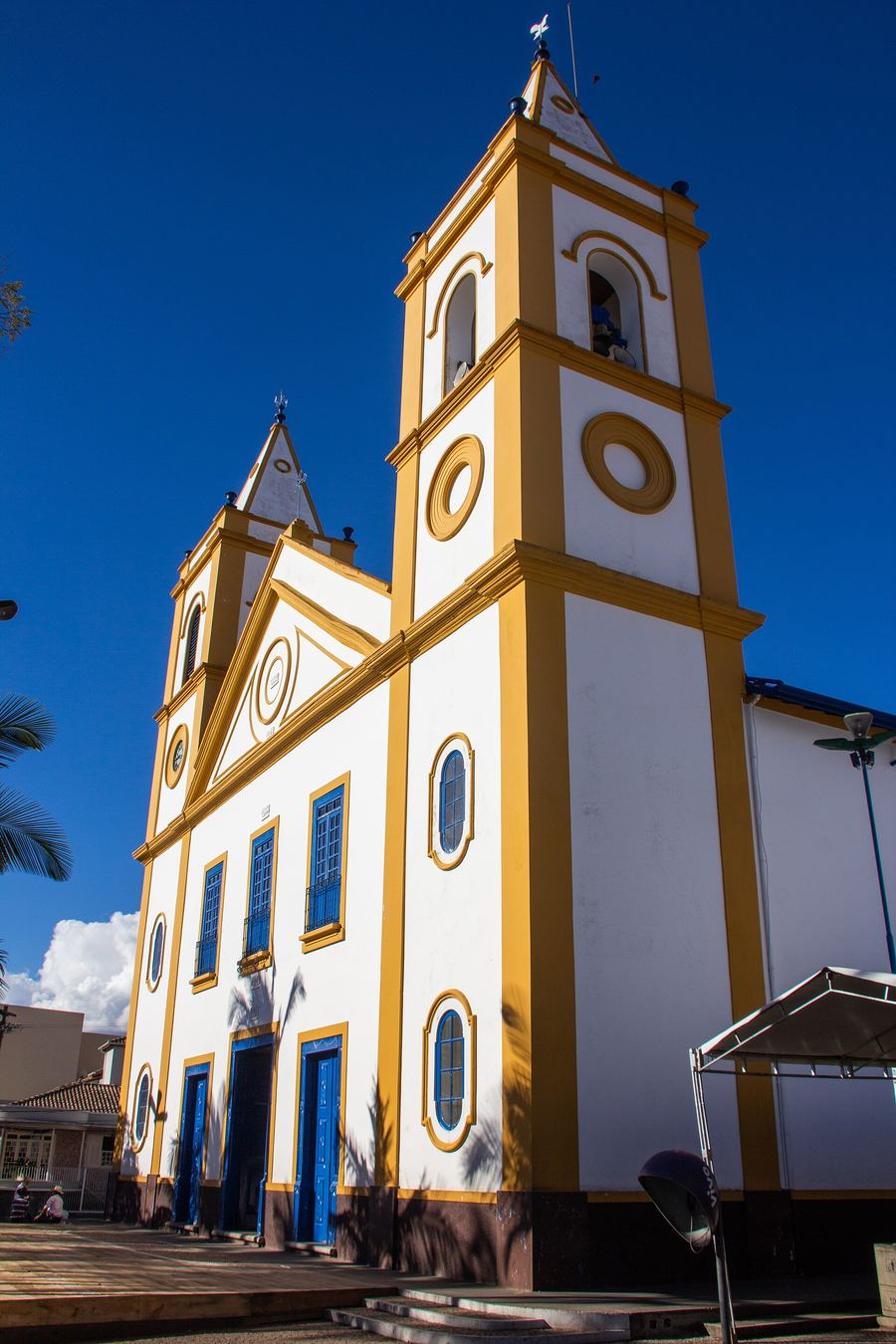
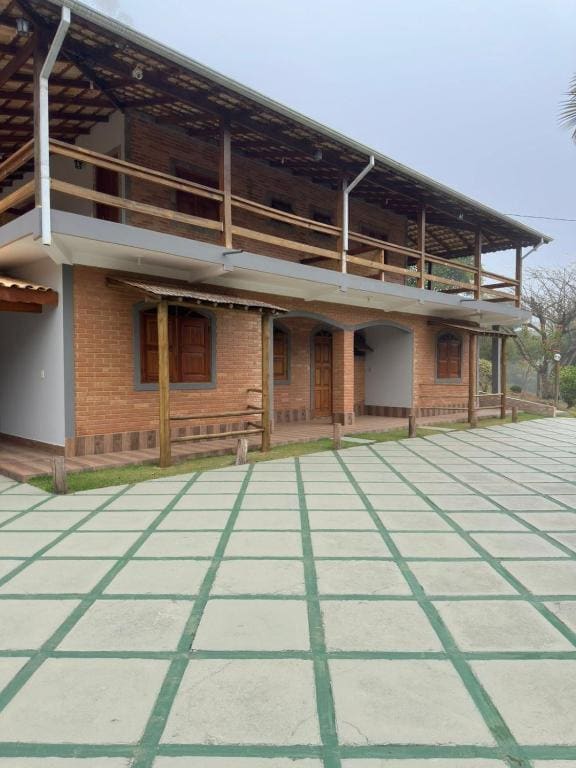
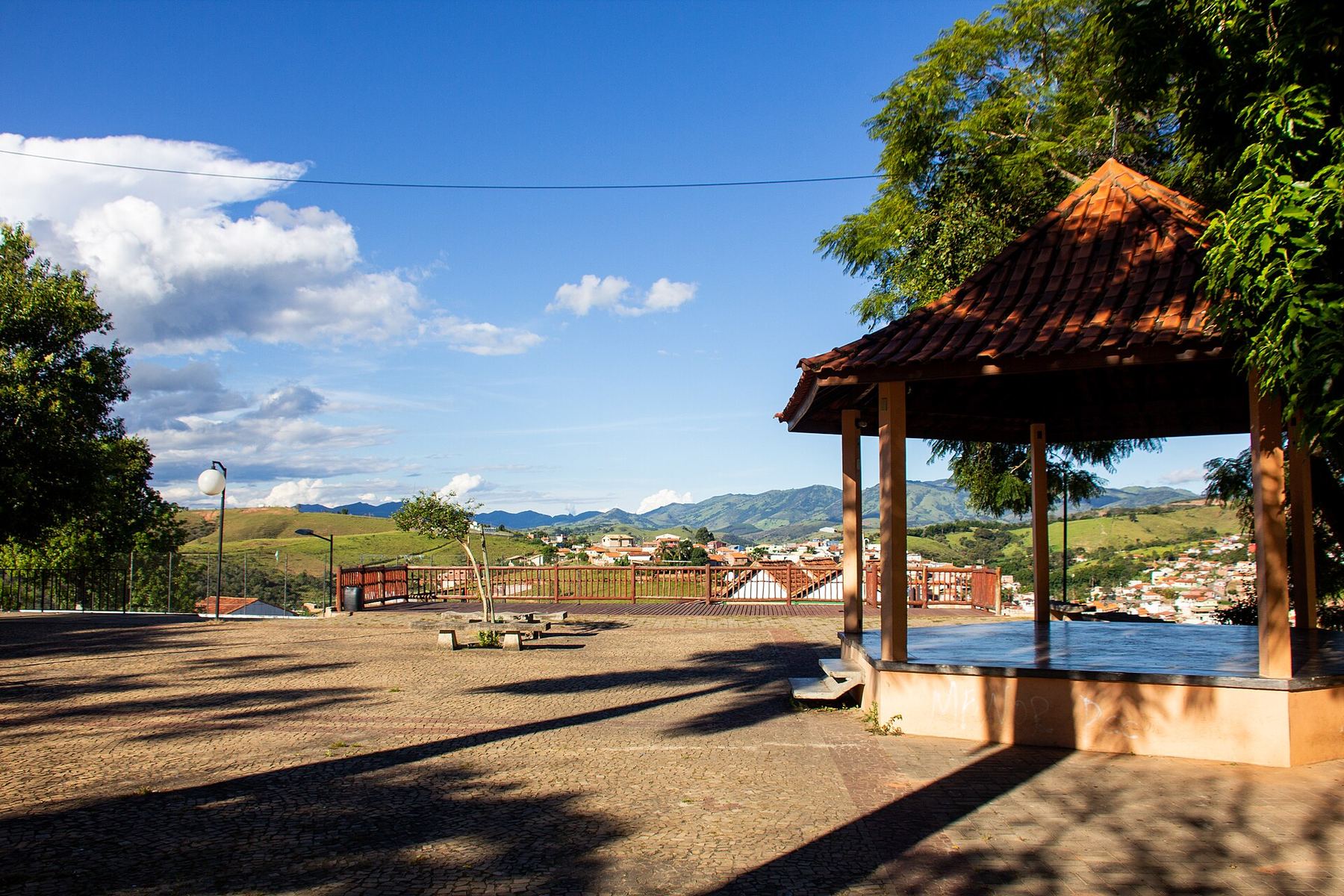
Centro Histórico — Walkable town core with paved streets, traditional bakeries, and central dining options.
Photograph by Mike Peel (www.mikepeel.net). · CC BY-SA 4.0
Corredor SP-171 — Scenic high-altitude highway stretch housing lavender farms and upscale inns.
Diego Campos · Public domain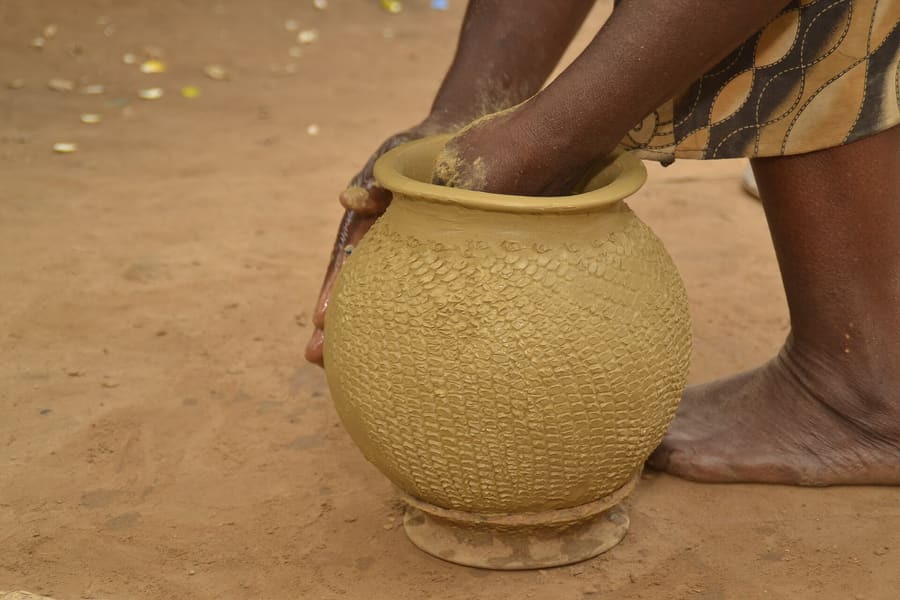
Rota da Cerâmica — Quiet rural pockets lined with working pottery workshops and artisan homes.
Chukwukajustice · CC BY-SA 4.0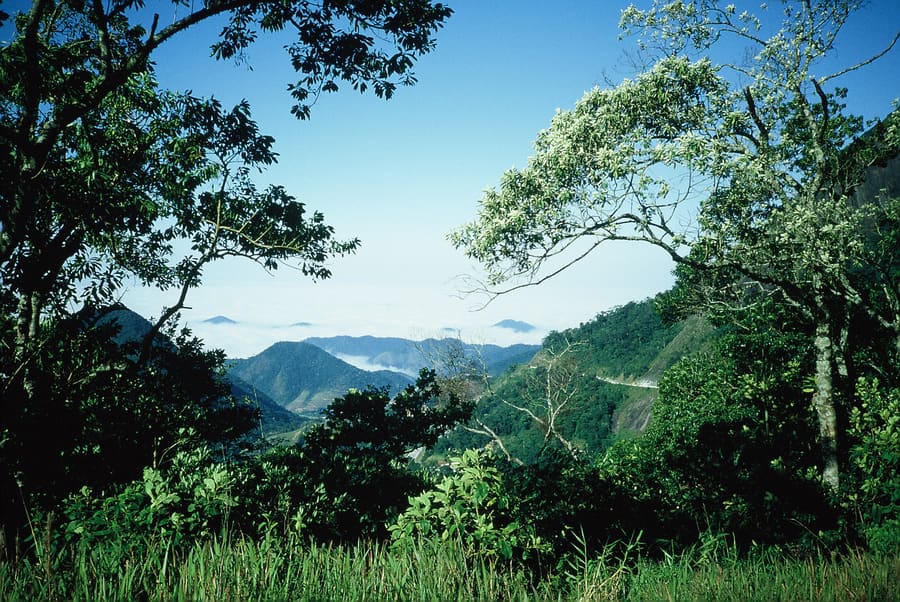
Estrada do Monjolo — Forest-bordered dirt track leading toward trailheads and rustic chalets.
Claus Bunks aka Afrobrasil on flickr · Public domain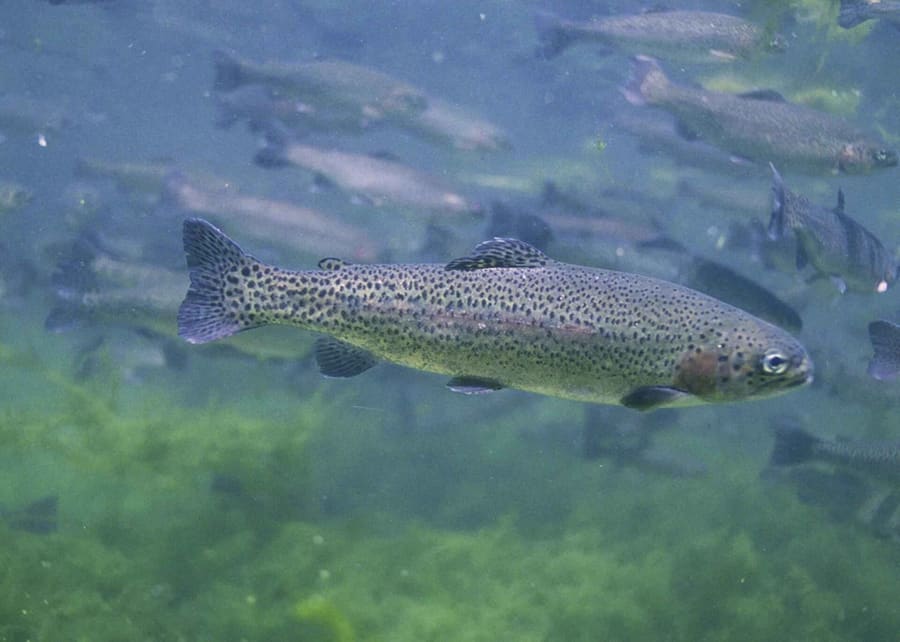
Fresh trout served with local pinhão at a mountain bistro off SP-171.
Engbretson Eric, U.S. Fish and Wildlife Service · Public domainhighlights
landmark
A steep 2 km paved walk leads to views of Paraty and the coast. Arrive before dawn to catch clear skies above the cloud line.
Parleyに聞く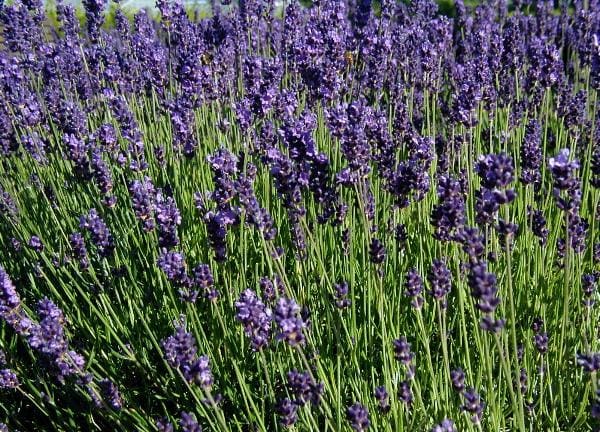
landmark
Over 40,000 lavender plants blanket these steep hillsides. Sunset draws crowds, so arrive an hour early to park smoothly.
Parleyに聞く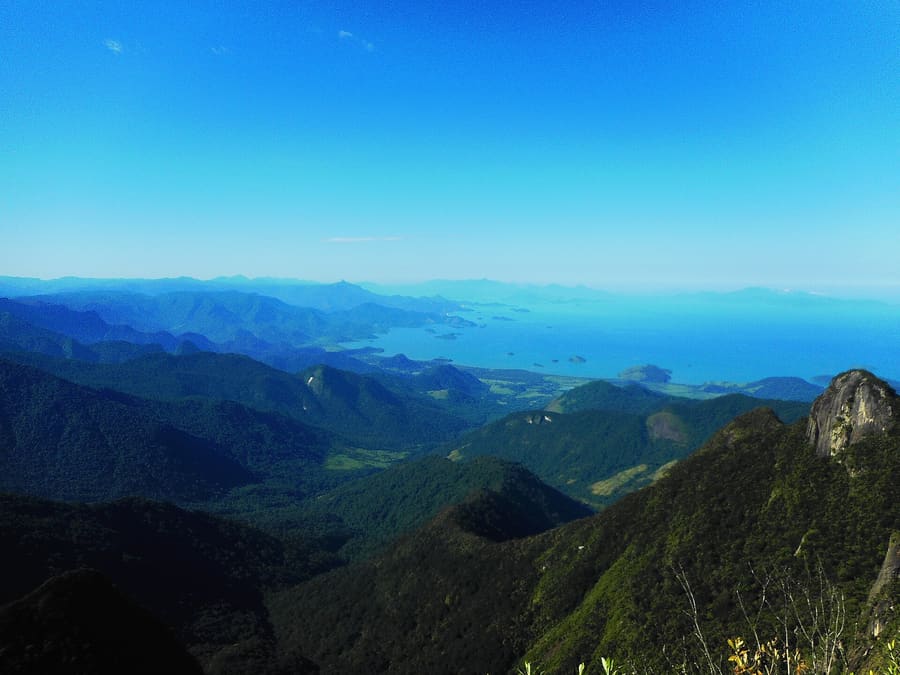
landmark
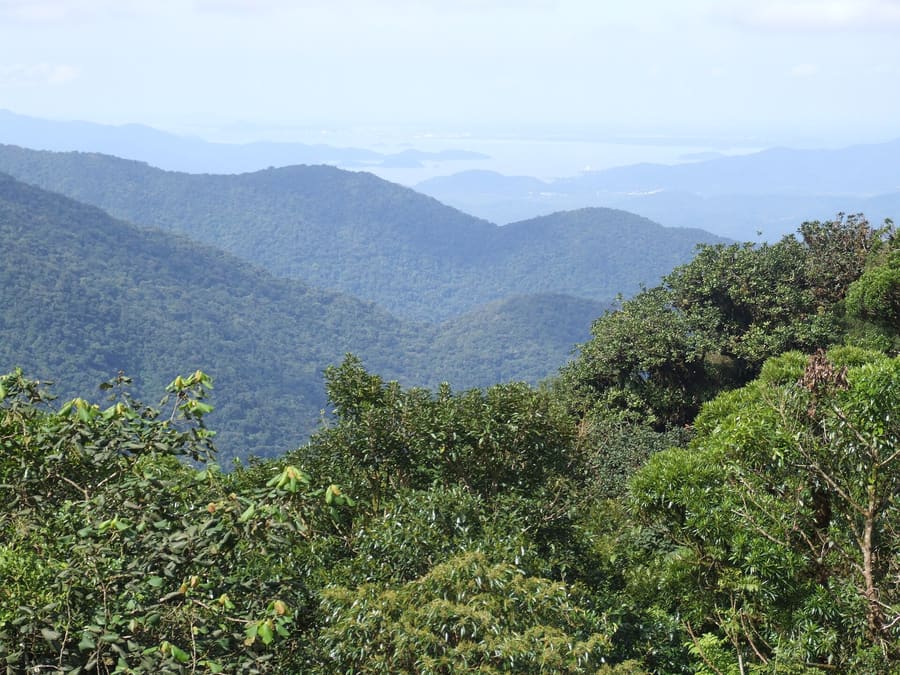
Protected Atlantic Forest reserve with clear rivers and marked hiking trails. Registration at the visitor center is mandatory.
Parleyに聞く
landmark
Farm growing lavender, rosemary, and lemongrass along scenic walking paths. The café serves lavender-infused tea and ice cream.
Parleyに聞くattractions
areas
Walkable town core with paved streets, traditional bakeries, and central dining options.
近くIgreja Matriz and central bus terminal
Parleyに聞くScenic high-altitude highway stretch housing lavender farms and upscale inns.
近くO Lavandário and Contemplário
Parleyに聞くQuiet rural pockets lined with working pottery workshops and artisan homes.
近くAtelier Suenaga & Jardineiro
Parleyに聞くForest-bordered dirt track leading toward trailheads and rustic chalets.
近くNúcleo Cunha state park entrance
Parleyに聞くfood
Cunha builds its cuisine around mountain altitude and cold freshwater streams. Local farms harvest rainbow trout, serving it baked, grilled, or topped with toasted pine nuts. Araucaria trees shed heavy crops of pinhão (pine nuts) every autumn, which chefs turn into pestos, risottos, and thick winter soups. Craft breweries along the highway use local spring water to brew lagers and ales tailored to chilly mountain nights.
Fresh trout served with local pinhão at a mountain bistro off SP-171.
Engbretson Eric, U.S. Fish and Wildlife Service · Public domainAraucaria pine nuts appear on menus between April and June. Try local farofa de pinhão as a side dish.
Rural restaurants often close kitchens by 16:00 on Sundays. Plan early lunches when driving outside the town center.
Card machines rely on cellular connections that frequently drop along rural tracks. Carry physical cash for off-grid eateries.
history
Cunha originated as a remote mountain stopover along the Estrada Real, moving gold from Minas Gerais to the port of Paraty. Isolated for centuries by rugged terrain, the town transformed in 1975 when Japanese potters installed high-temperature wood-firing Noborigama kilns. This introduced an artistic craft tradition that reshaped the local economy around stoneware and studio ceramics.
Gold Trail Stop
Cunha establishes itself as a supply point along the Caminho do Ouro between Minas Gerais and Paraty.
Constitutionalist Revolution
Local troops defend the mountain pass during armed conflict between São Paulo and federal forces.
First Noborigama Kiln
Potters Toshiyuki and Mieko Ukeseki establish the first wood-fired high-temperature ceramic kiln in town.
where to stay
Choose your base by your willingness to drive at night. Staying in the Centro Histórico lets you walk to dinner, bakeries, and banks without navigating unlit mountain curves. Rural pousadas along the SP-171 highway offer dramatic valley views and silence, but you must drive for every meal.
transport
A private vehicle is practical for visiting Cunha. The town center is compact enough to explore on foot, but ceramic studios, waterfall trails, and lavender farms spread out over tens of kilometers along SP-171 and unpaved side roads. Public transit inside the municipality is sparse.
The main highway is well-paved, but high-altitude fog drops visibility quickly above km 55. Drive cautiously.
Refuel in downtown Cunha. There are no gas stations along the rural highway stretches toward Paraty.
The road descending to Paraty is paved but features steep 10% declines. Use low gears to save your brakes.
Buses from Guaratinguetá run roughly every two hours until 21:00. Check timetables at the station upon arrival.
cost
Prices reflect Cunha's status as a weekend retreat for São Paulo city residents. Dining and studio ceramics carry premium price tags, while natural attractions and state park trails remain low-cost or free.
Stoneware pricing depends on glaze complexity and whether it was wood-fired in a Noborigama kiln.
Ticket includes access to the lavender fields and high-altitude viewing platforms.
Prices in mid-range highway bistros and town center restaurants.
Private parking lot fee at the base gate before the summit trail walk.
seasonality
MAY – AUG
Cold, dry weather with clear mountain skies. Ideal for hiking, but hotel rates peak during July winter holidays.
SEP – NOV
Spring blooms across the farms with moderate temperatures and manageable weekend traffic.
DEC – FEB
Warm wet summer. Waterfall flows are strong, but heavy afternoon downpours can turn unpaved roads muddy.
MAR – APR
Pine nut harvest season. Clearer days return and local restaurants highlight special autumn menus.
practicalities
Cunha sits at 950 meters altitude. Even in summer, evenings get cool enough to require a jacket.
Ceramic studios operate independently. Most open Thursday through Sunday, but close on Mondays.
ATM access is limited to the town center. Rural farms and roadside stands do not have banking kiosks.
The walk up Pedra da Macela is paved but very steep. Wear footwear with strong tread.
Blackflies (borrachudos) are active near forest rivers. Apply repellent containing Icaridin before river walks.