landmark
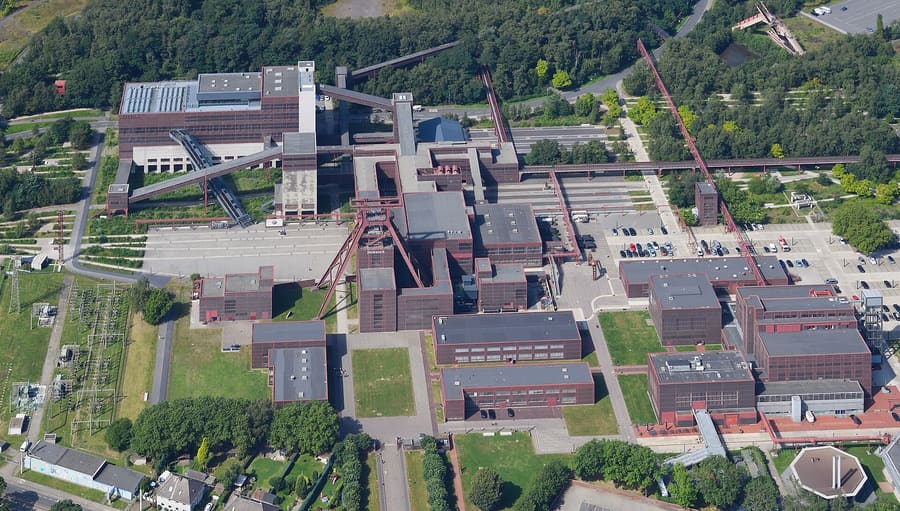
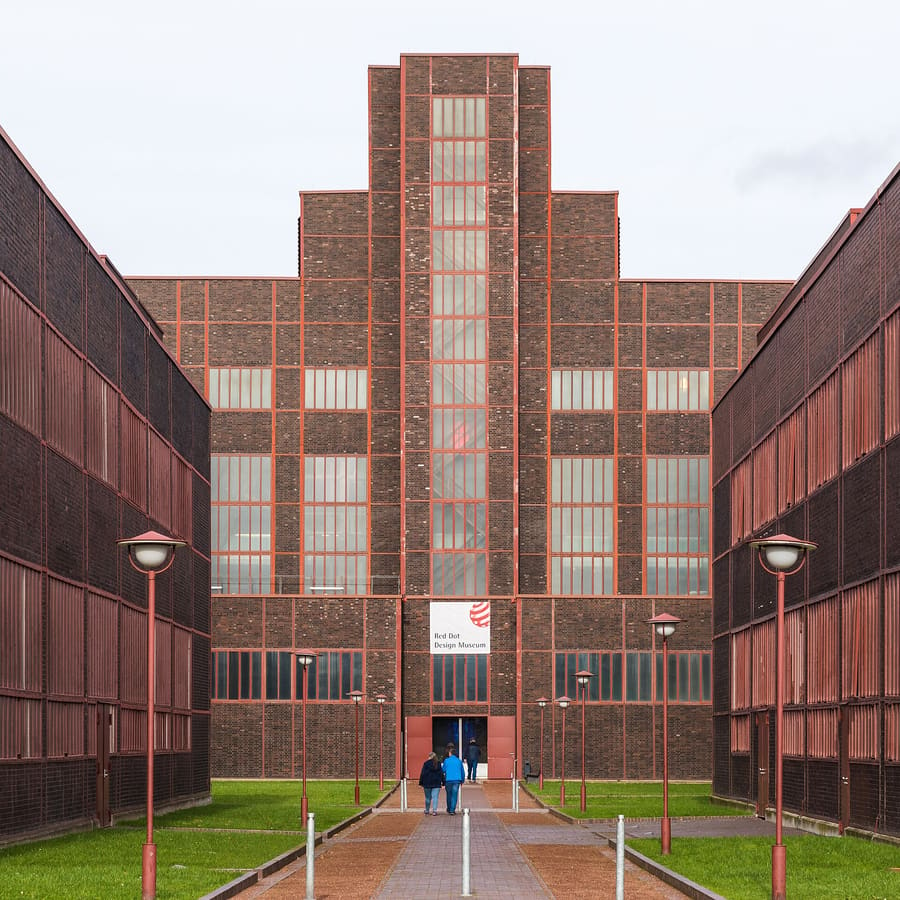
Zollverein Coal Mine
Former coal complex converted into design galleries and museums. Tram 107 drops you right at the shaft entrance.
Parleyに聞くドイツ
Heavy industry reborn as high culture and urban greenery.
introduction
Essen rebuilt itself from a heavy industrial coal hub into the cultural engine of the Ruhr region. The city layout spreads out across distinct districts connected by fast light rail. You will find massive Bauhaus-era industrial landmarks in the north and quiet timber-framed villages along the Ruhr River in the south. Expect raw structural beauty, world-class galleries, and straightforward local hospitality.
Industrial UNESCO status
Zollverein Coal Mine Industrial Complex gained UNESCO World Heritage status in 2001 for its iconic Bauhaus-inspired functional architecture.
Free permanent collection
Museum Folkwang charges zero entry fee for its permanent art collection, covering modernism through contemporary works.
Essen
Raimond Spekking · CC BY-SA 4.0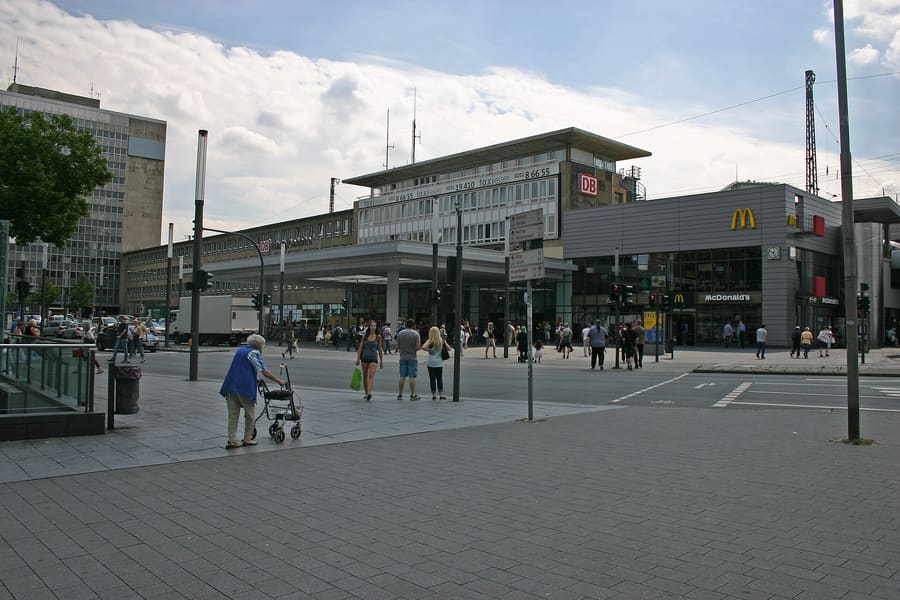
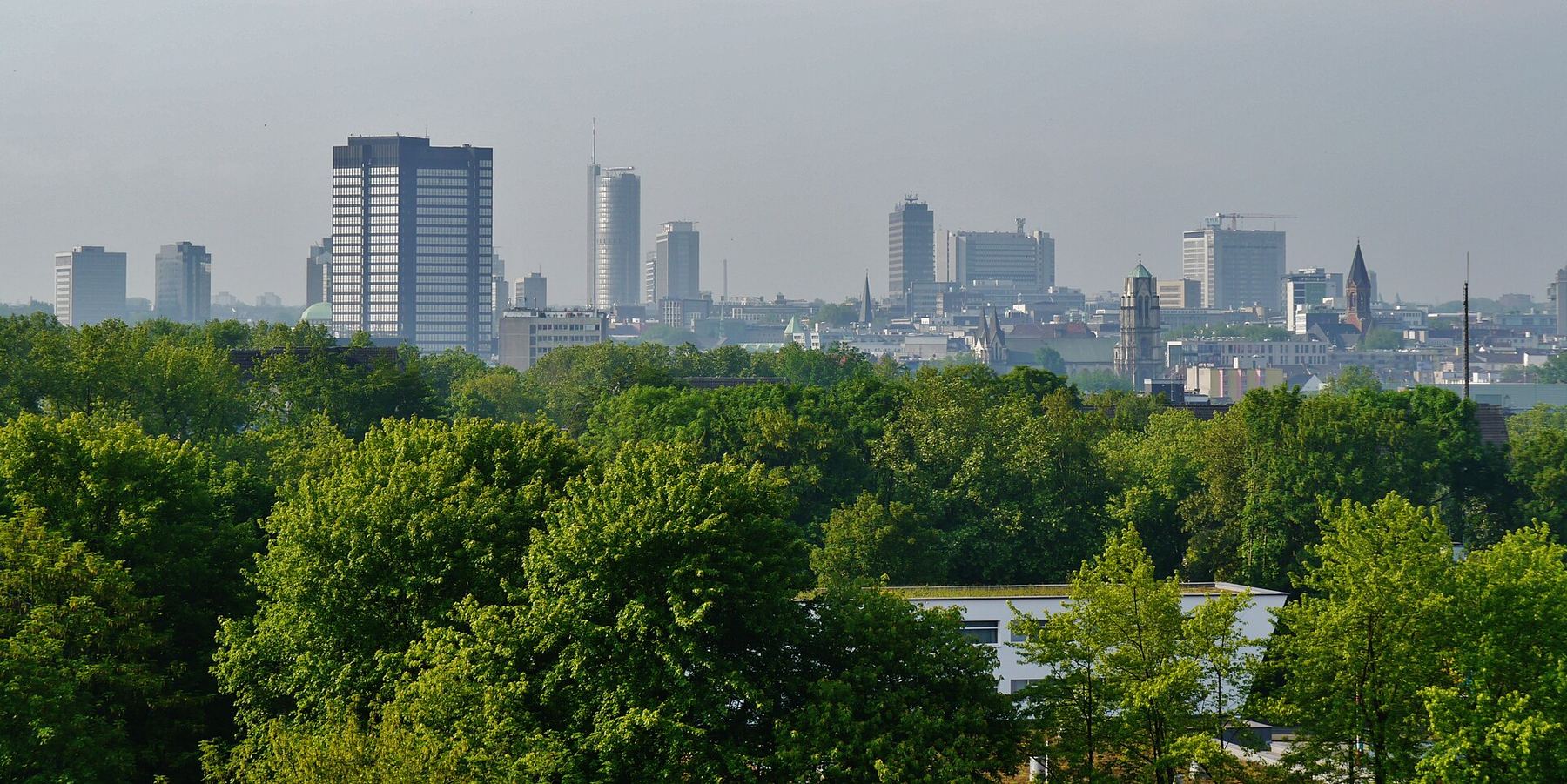
Stadtkern — Pedestrian retail strip around the central station. Functional, busy, and lined with post-war department stores.
Christian Liebscher (Platte) · CC BY-SA 3.0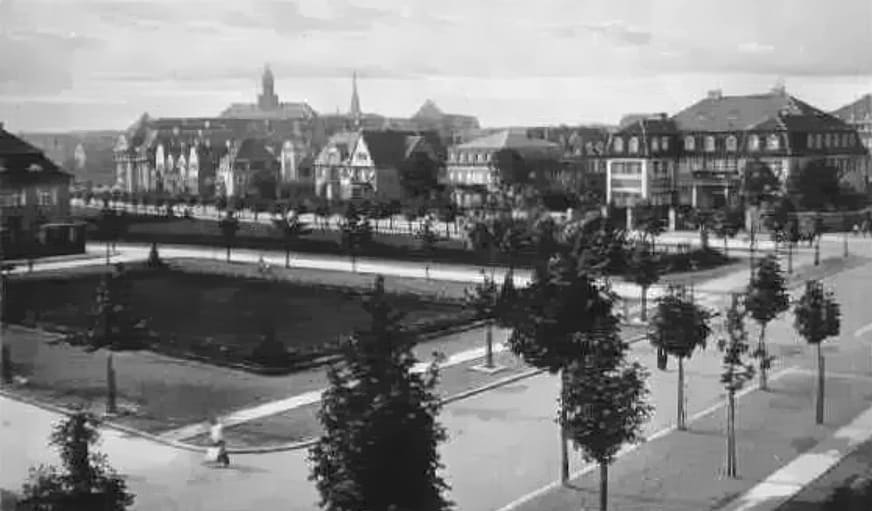
Rüttenscheid — Essen's dining and nightlife district centered on 'Rü' street. Packed with independent bistros and espresso bars.
Unknown authorUnknown author · Public domain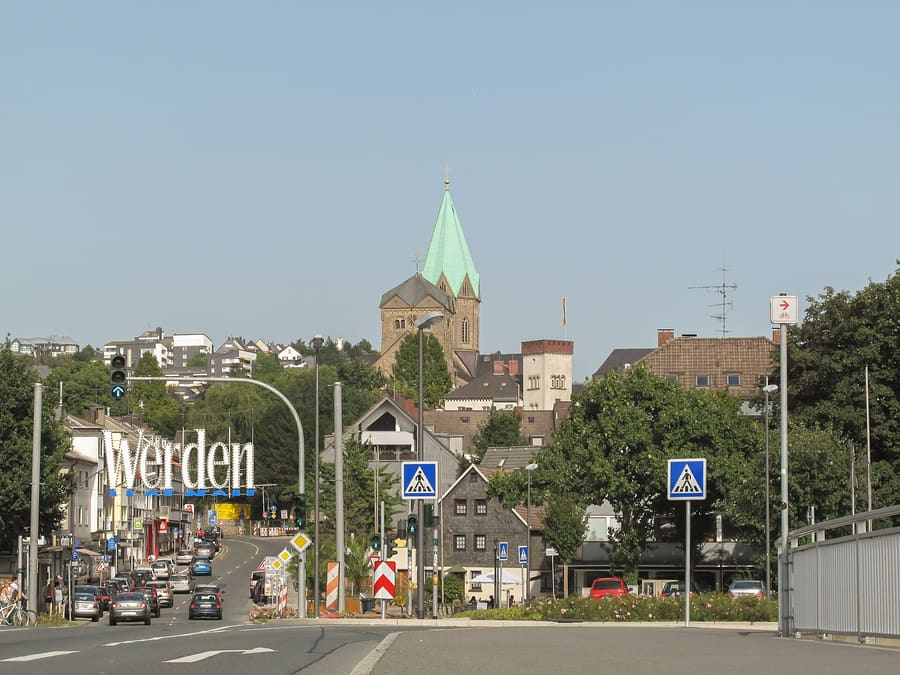
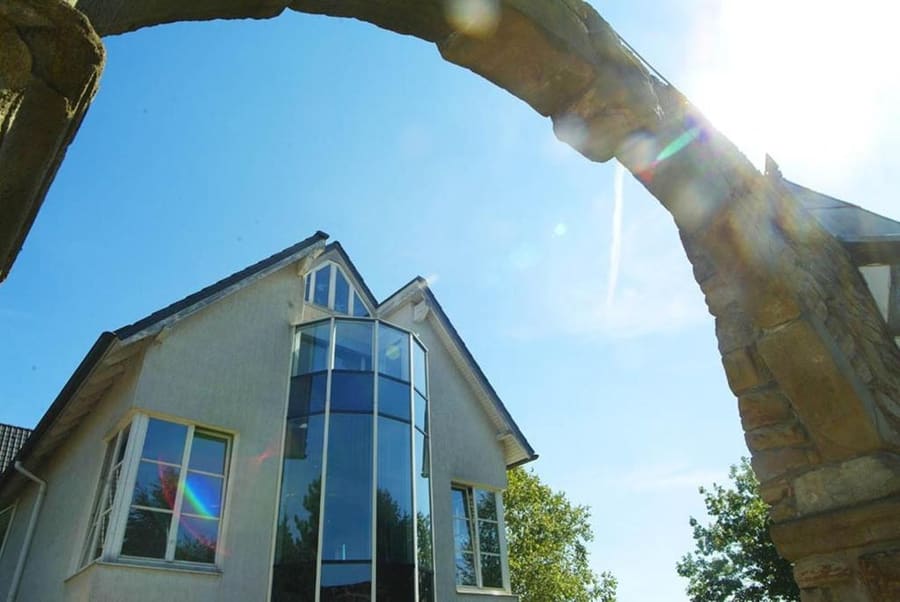
Werden — Old abbey district along the Ruhr river. Narrow lanes, historic masonry, and waterfront walking trails.
Michielverbeek · CC BY-SA 3.0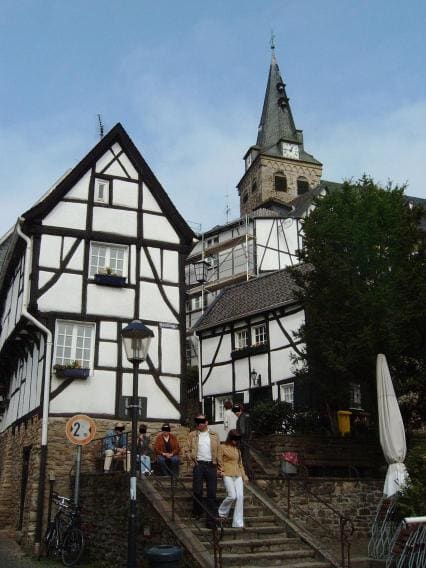
Kettwig — Picturesque riverside suburb filled with timber-framed houses. Feels more like a self-contained village.
Schumir · CC BY-SA 3.0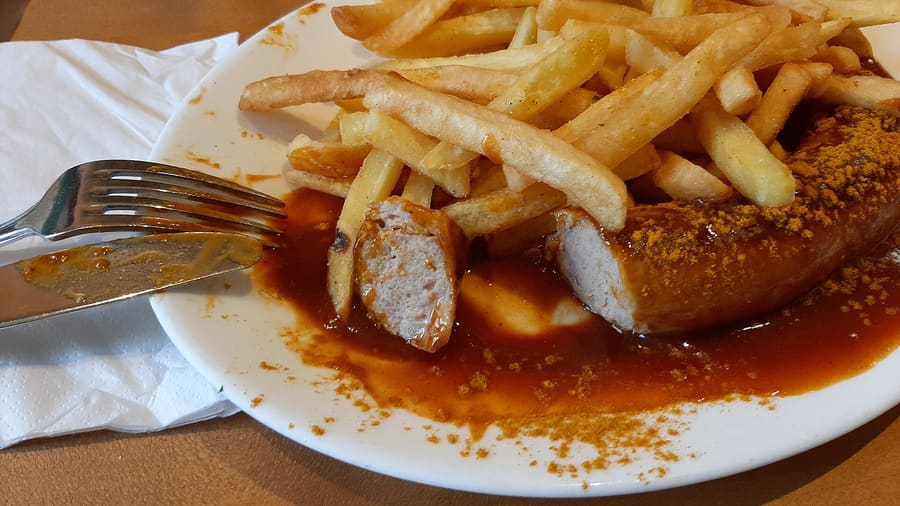
Currywurst with fries at a traditional Ruhr Imbiss stand.
Ziko van Dijk · CC BY-SA 4.0highlights
landmark
Former coal complex converted into design galleries and museums. Tram 107 drops you right at the shaft entrance.
Parleyに聞く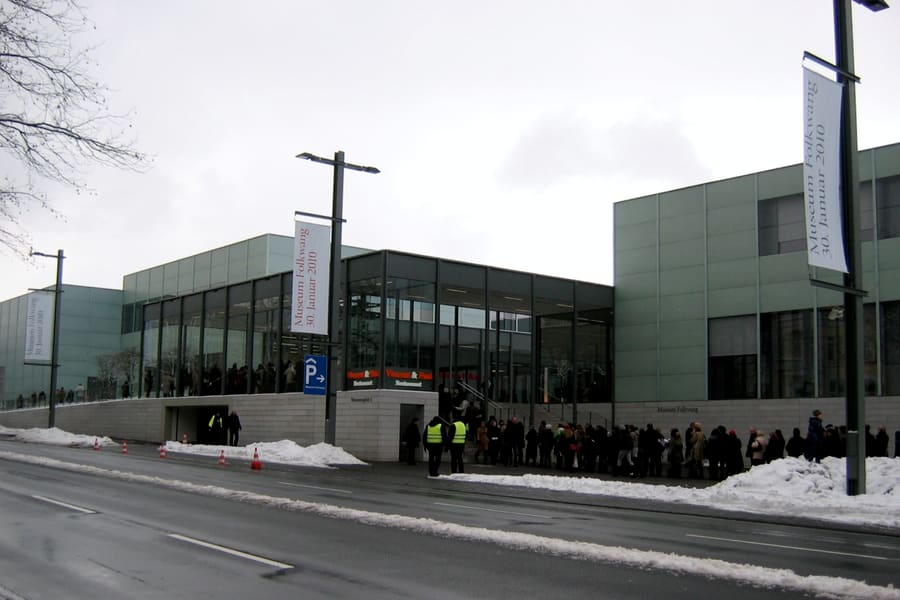
landmark
Premier gallery space with French impressionism and modern masters. Permanent exhibits are free to enter.
Parleyに聞く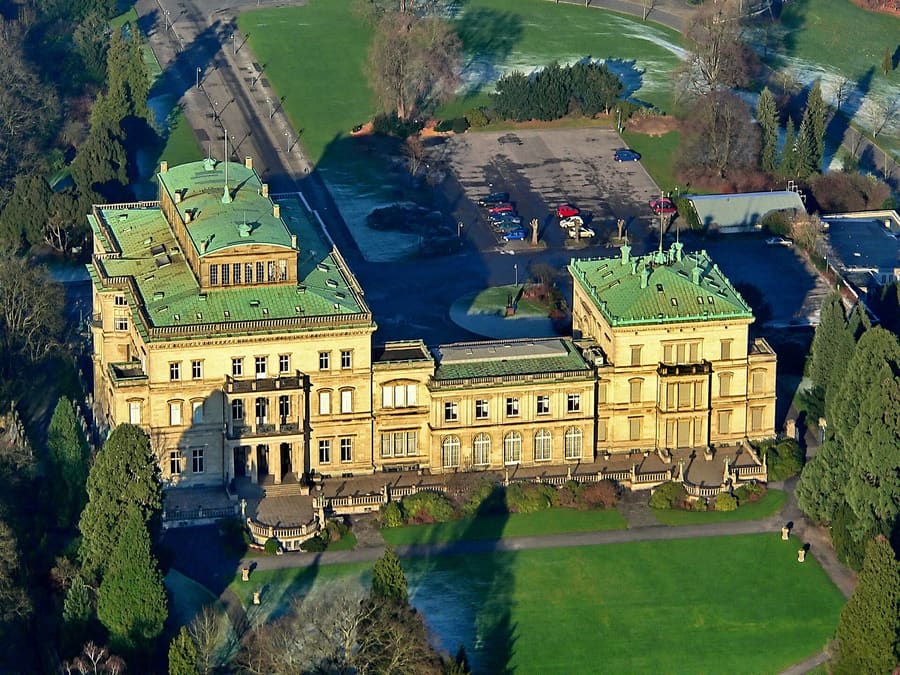
landmark
269-room mansion built by industrialist Alfred Krupp. The ticket includes access to the expansive surrounding park.
Parleyに聞く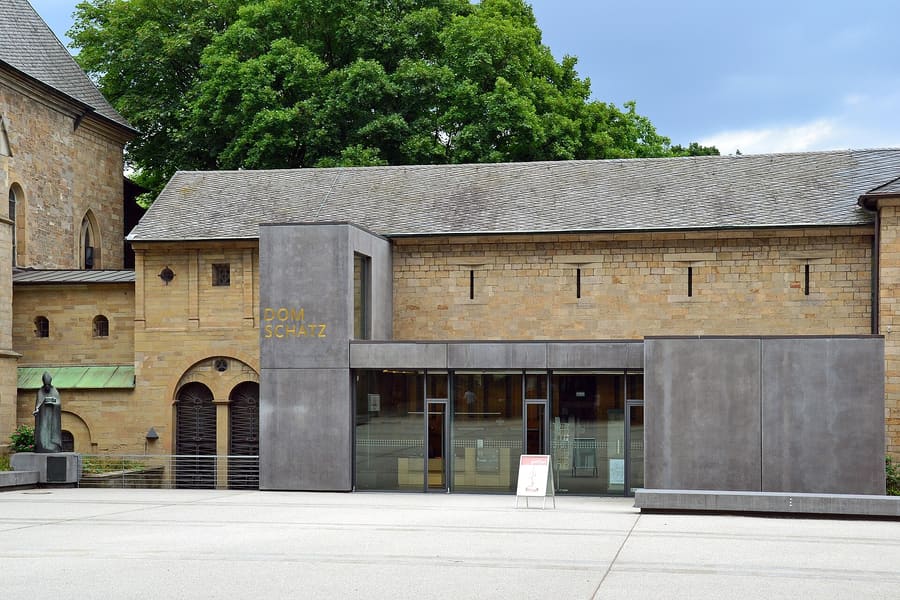
landmark
Home to the Golden Madonna, the oldest free-standing sculpture of Mary in Western art. Closed on Mondays.
Parleyに聞く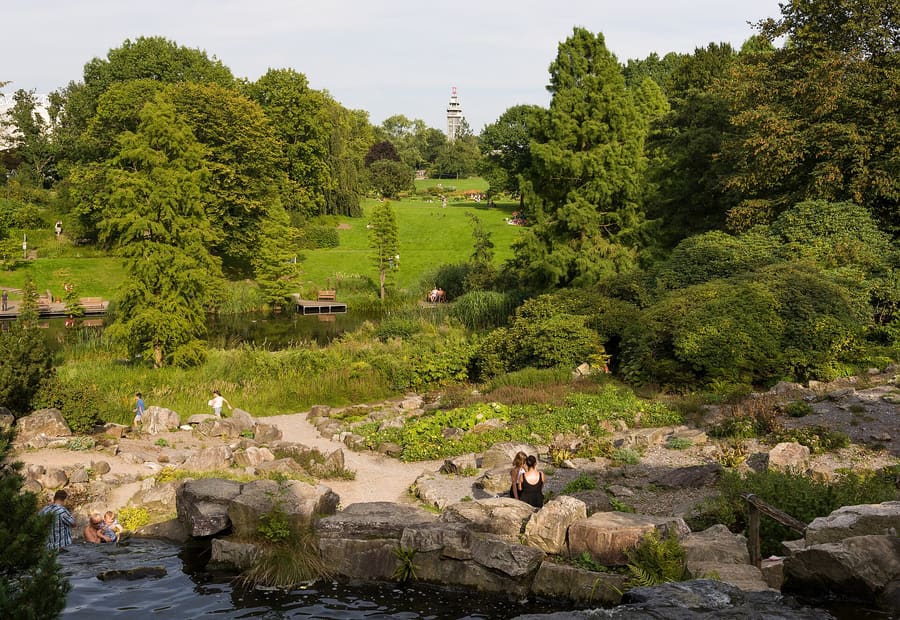
landmark
Central botanical garden with open lawns, greenhouse domes, and concert spaces. Small cash entry fee at gates.
Parleyに聞く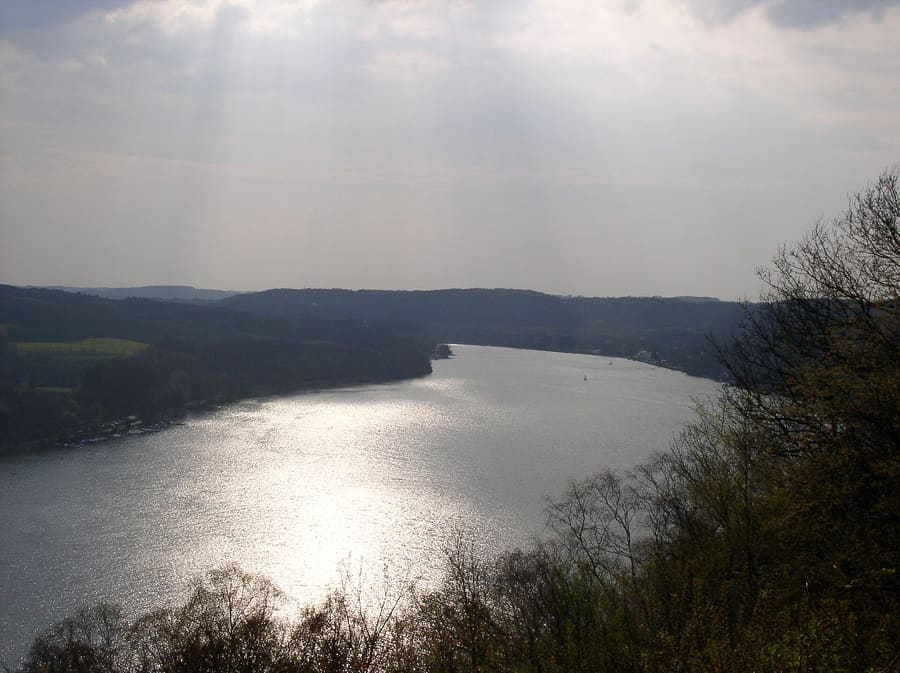
landmark
Reservoir on the Ruhr river offering 14km of flat paved trail for cycling and walking. Reachable via S-Bahn S6.
Parleyに聞くattractions
areas
Pedestrian retail strip around the central station. Functional, busy, and lined with post-war department stores.
近くEssen Hauptbahnhof and Cathedral Treasury
Parleyに聞くEssen's dining and nightlife district centered on 'Rü' street. Packed with independent bistros and espresso bars.
近くMuseum Folkwang and Grugapark
Parleyに聞くOld abbey district along the Ruhr river. Narrow lanes, historic masonry, and waterfront walking trails.
近くBaldeneysee and St. Ludgerus Abbey
Parleyに聞くPicturesque riverside suburb filled with timber-framed houses. Feels more like a self-contained village.
近くRuhr valley bike path
Parleyに聞くfood
Essen's food culture splits between classical Ruhr mining staples and the modern gastronomy of Rüttenscheider Straße. Traditional menus favor unpretentious meat dishes, sour roasts, and local sausage stands. Modern choices flourish along 'Rü', where international kitchens and third-wave coffee shops line the pavement.
Currywurst with fries at a traditional Ruhr Imbiss stand.
Ziko van Dijk · CC BY-SA 4.0Order Currywurst mit Pommes Schranke (fries with mayo and ketchup) at local snack bars for a authentic regional lunch.
Table reservations are necessary for dinner between 18:30 and 21:00 along Rüttenscheider Straße from Thursday through Saturday.
Traditional beer halls and suburban Imbiss stands frequently accept only German EC-cards or cash, ignoring international credit cards.
history
Essen grew from a 9th-century women's religious convent into the heavy industrial heartland of Europe. The Krupp family turned the city into an armaments and steel giant in the 19th century, driving rapid growth. Coal mining peaked in the mid-20th century before structural economic change forced a complete transition toward service, education, and cultural tourism.
Abbey Founded
Bishop Altfried founds Essen Abbey, establishing the settlement that develops into the city.
Krupp Works Established
Friedrich Krupp opens his cast steel factory, laying the base for Essen's heavy industrial boom.
Shaft 12 Opens
Zollverein Shaft 12 begins production, operating as the most modern coal extraction facility worldwide.
Mine Closure
Zollverein closes its last pit, marking the end of active coal extraction inside city limits.
Capital of Culture
Essen represents the Ruhr area as European Capital of Culture, solidifying its post-industrial change.
where to stay
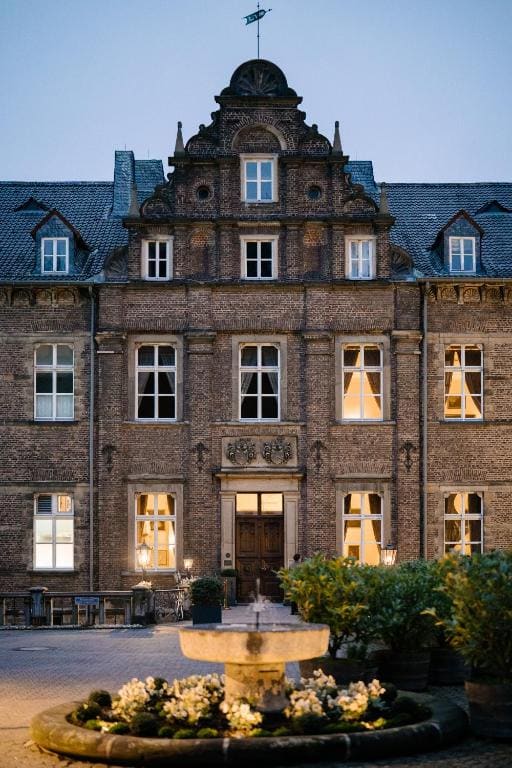
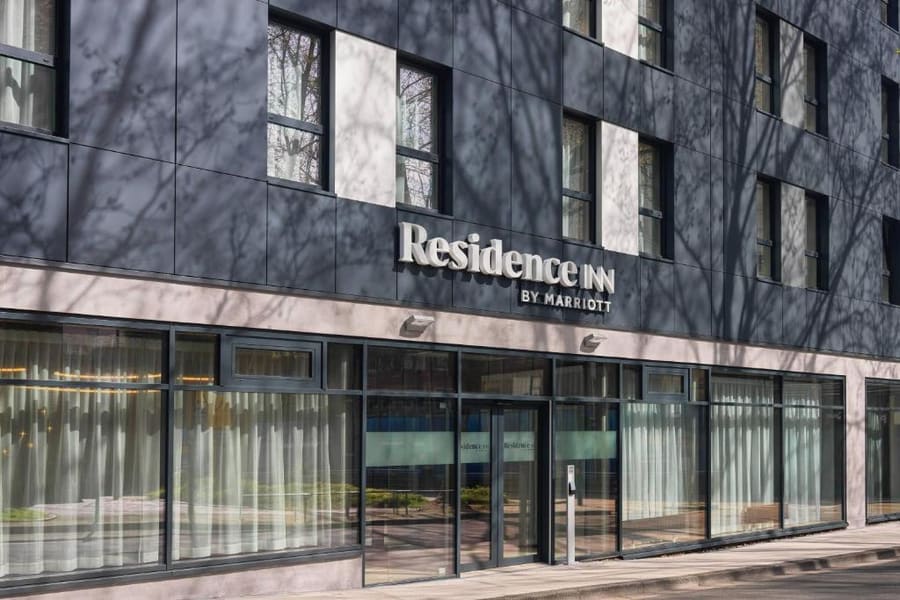
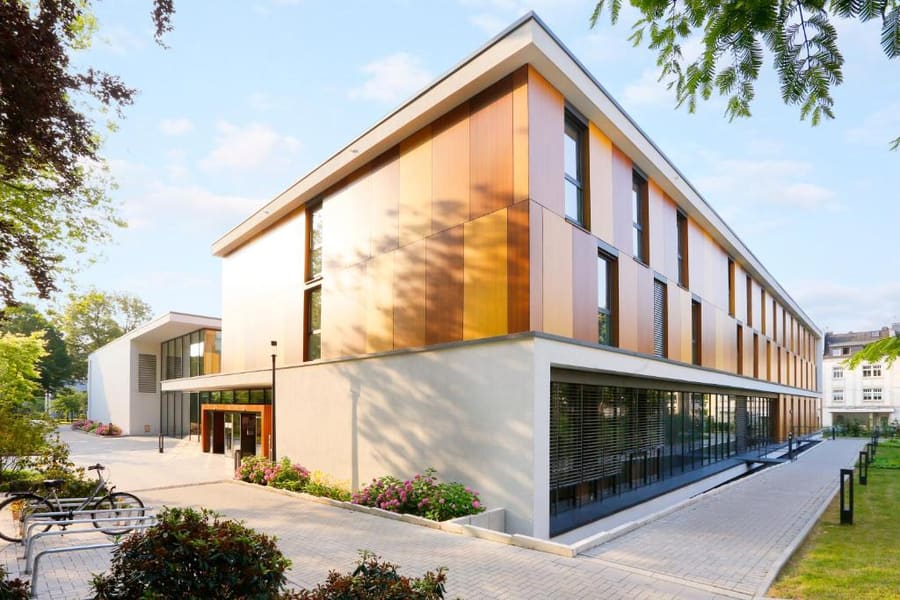
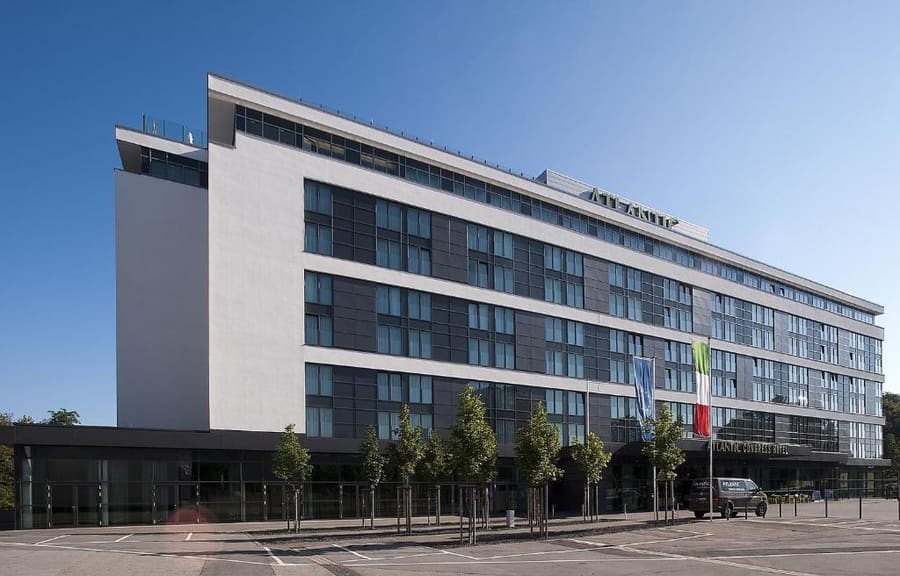
Select your neighborhood based on transit needs versus evening ambiance. Staying in Stadtkern puts you steps from regional train lines, while Rüttenscheid offers nightlife and walkable restaurant options outside hotel doors.
transport
Essen has a dense transit network of trams, underground light rail (Stadtbahn), buses, and S-Bahn trains operated by Ruhrbahn and VRR. All modes use a unified ticketing zone structure.
Tram 107 runs directly from Hauptbahnhof to Zollverein, serving as a sightseeing connection between central landmarks.
You must stamp paper single tickets in the orange validator machines on platforms or inside trams before riding.
A 24-Stunden-Ticket for Preisstufe A3 pays for itself after three single transit trips within Essen.
Night buses (N-Lines) replace trams after 01:00 on weeknights, departing centrally from Hauptbahnhof.
cost
Essen offers lower travel costs than southern German cities like Munich or central German cities like Frankfurt. Cultural attractions are accessible, and mid-range dining along Rüttenscheider Straße remains reasonably priced.
Standard price for a sausage, french fries, and soft drink at local snack outlets.
Museum Folkwang permanent collection is free; Ruhrmuseum at Zollverein costs €10–12.
Single-person 24-hour ticket for unlimited local tram, bus, and underground travel.
Three-course dinner per person at a casual Rüttenscheid restaurant without wine.
seasonality
MAR – MAY
Cool temperatures and light rainfall. Excellent season for industrial architecture tours and spring walking around Grugapark.
JUN – AUG
Warm weather brings outdoor dining on 'Rü' and swimming or sailing activities at Lake Baldeney.
SEP – NOV
Crisp autumn weather ideal for museum visits. Essen Light Festival brightens the city center in late autumn.
DEC – FEB
Cold winters with early darkness. Christmas market takes over Stadtkern throughout December.
practicalities
All retail stores and supermarkets close completely on Sundays; only train station outlets stay open.
The WelcomeCard Ruhr includes entry to industrial monuments and free local transit across the entire region.
Small bakeries and newsagents frequently refuse card payment on transactions below €5.
Walking around the exterior industrial grounds of Zollverein is free 24/7; museums inside require tickets.
Hotel room rates triple during major trade fairs at Messe Essen (like SPIEL or Essen Motor Show).