landmark
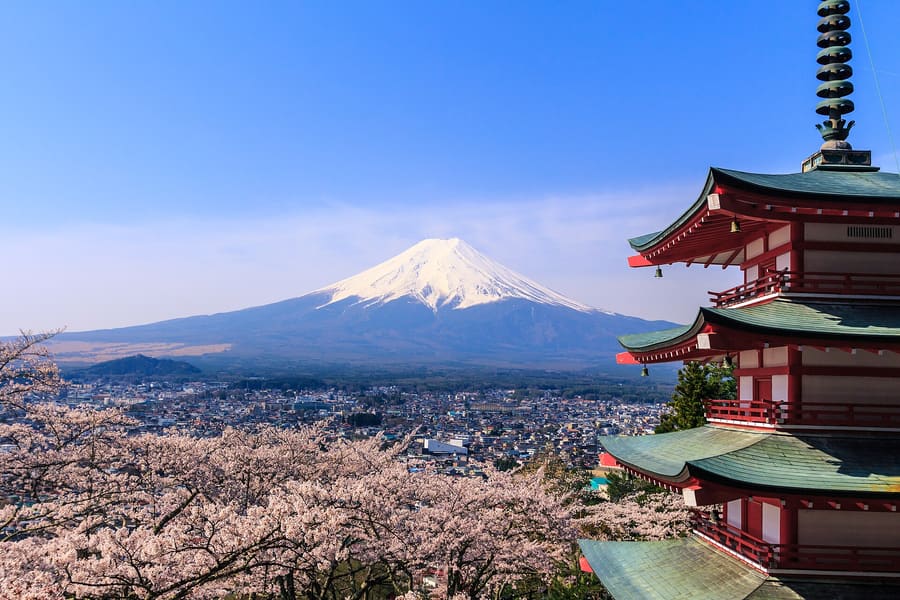
Chureito Pagoda
Climb 398 steps for the classic view of Mount Fuji framed by a red five-story pagoda. Visit at sunrise to beat tour buses.
Parleyに聞く日本
Mount Fuji viewing hub, lakeside ryokan, and noodle halls.
introduction
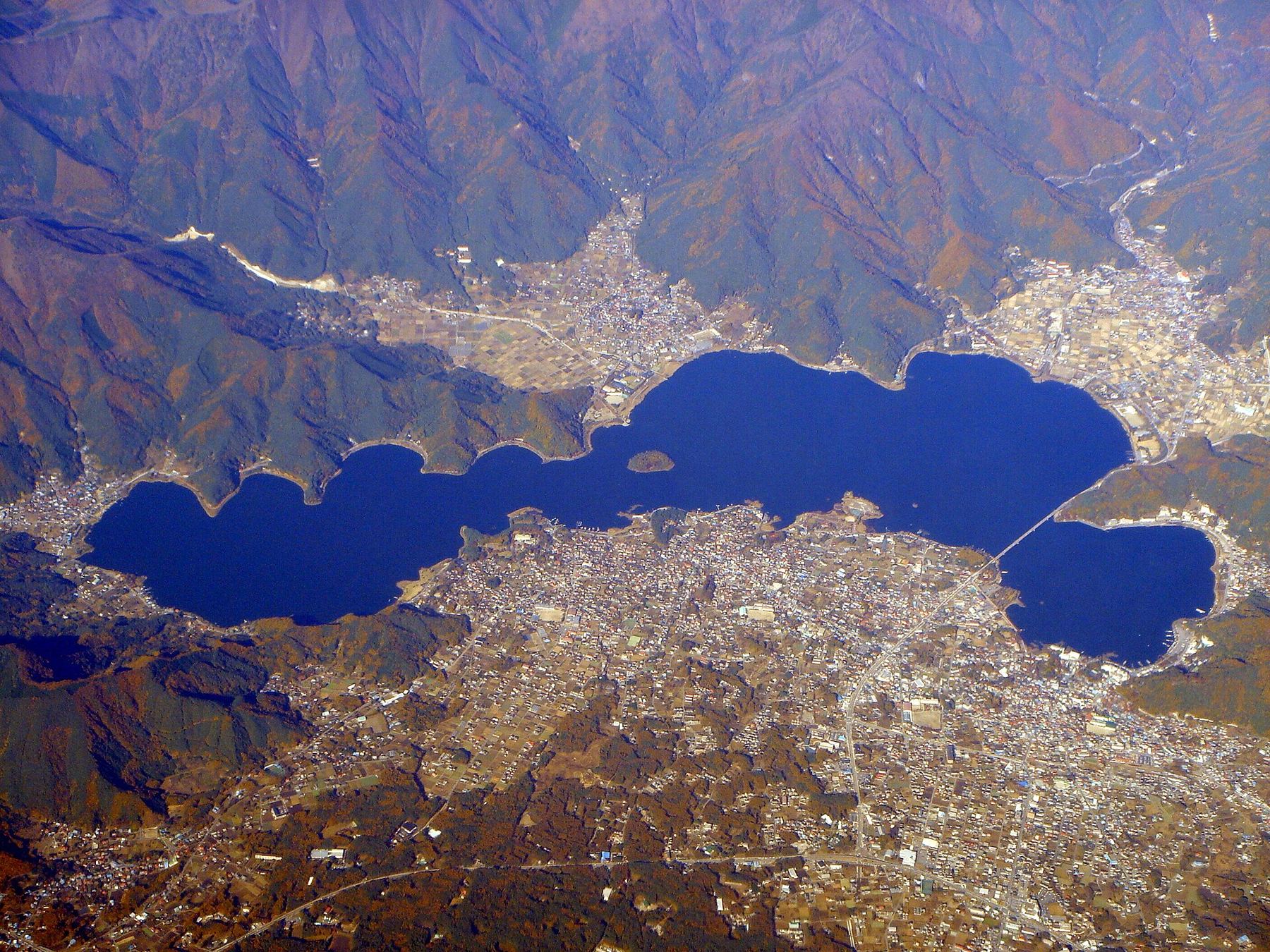
Fujikawaguchiko is a resort town built around the northern foot of Mount Fuji along the shores of Lake Kawaguchi. You move between its sights using three color-coded bus loops or rented electric bicycles. Early morning offers the clearest mountain visibility, as clouds routinely gather by noon. Expect heavy weekend traffic along the primary shore road.
Arrival timing tip
Take the direct Highway Bus from Shinjuku Station. It takes 105 minutes and avoids the expensive train transfers at Otsuki.
Mount Fuji visibility trick
Clouds usually obscure Mount Fuji by noon. Plan all outdoor viewing points between 07:00 and 10:00 for clear skies.
Fujikawaguchiko
Captain76:Nikon D90+TAMRON SP10-24mm · CC BY-SA 3.0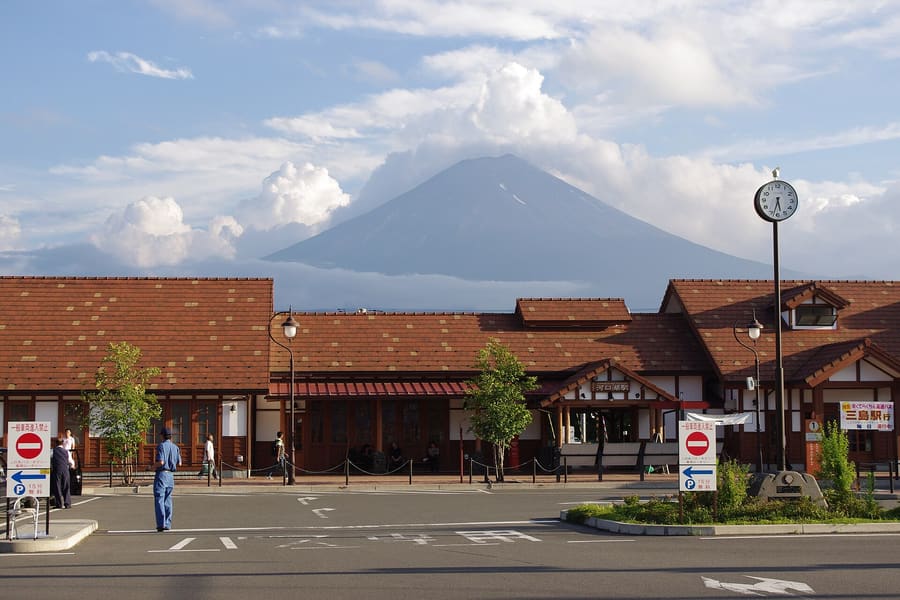
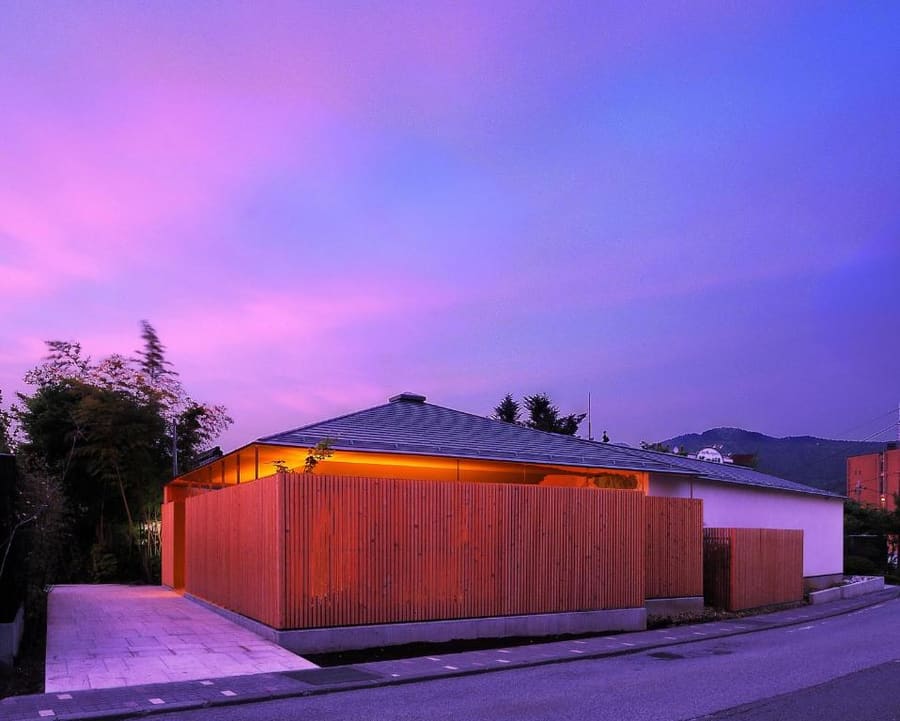
Station Hub & Funatsu — Transport hub packed with eateries, bike rentals, and train connections.
Jakub Hałun · CC BY-SA 4.0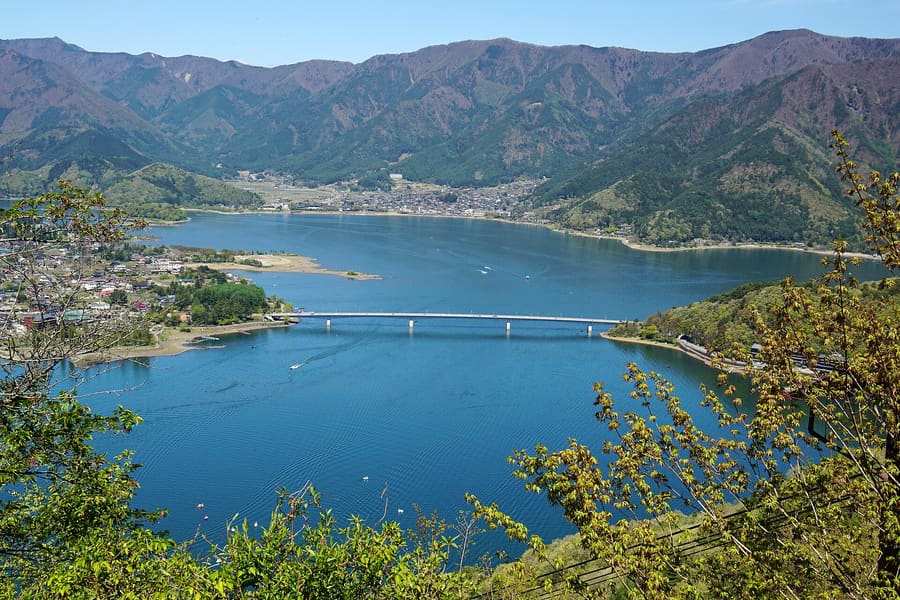
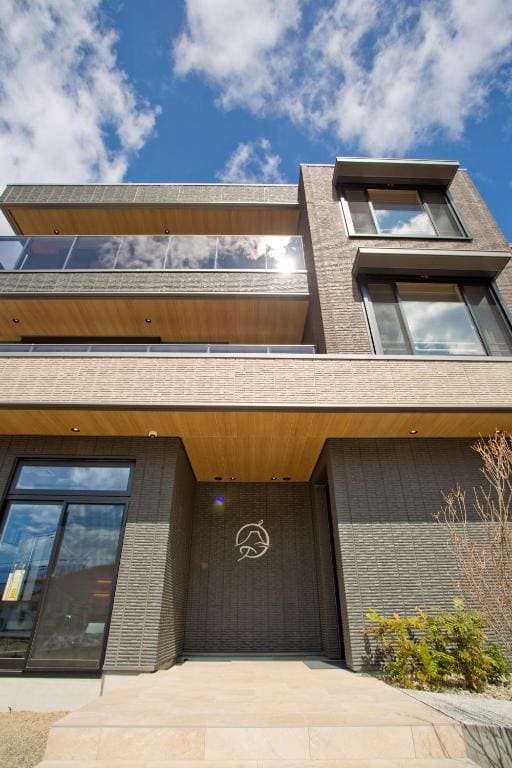
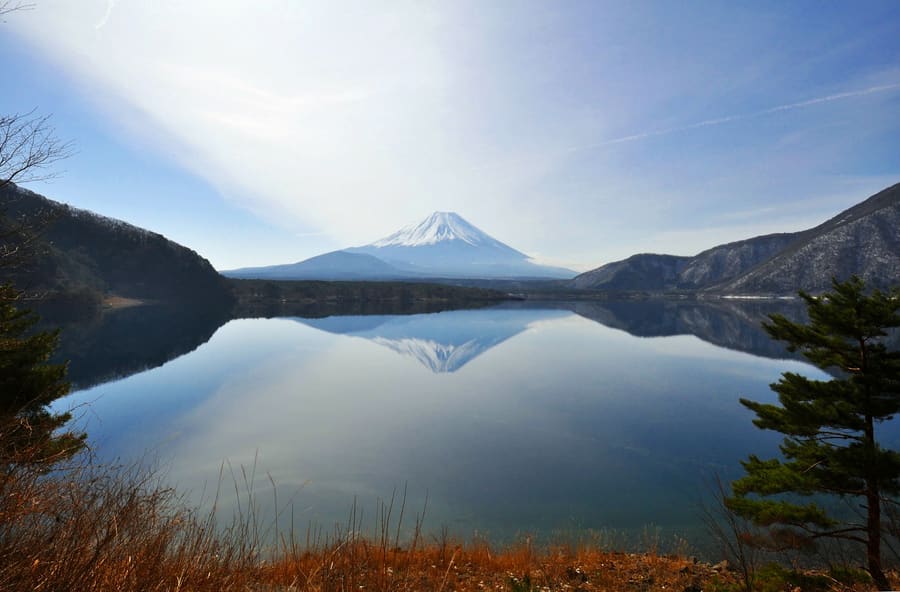
Northern Shore — Open lakeside promenade featuring direct south-facing views of Mount Fuji.
663highland · CC BY-SA 4.0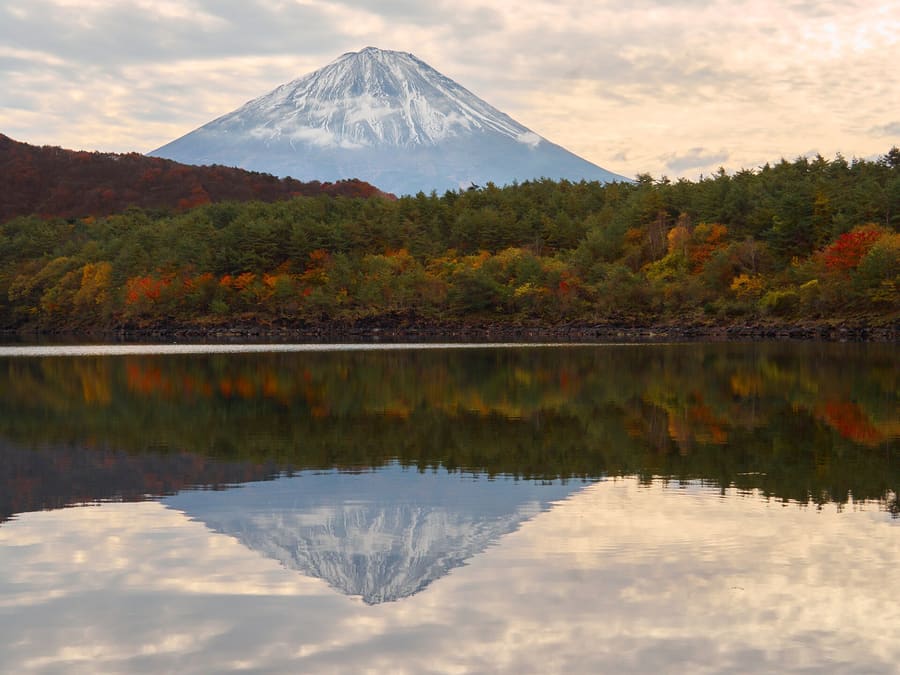
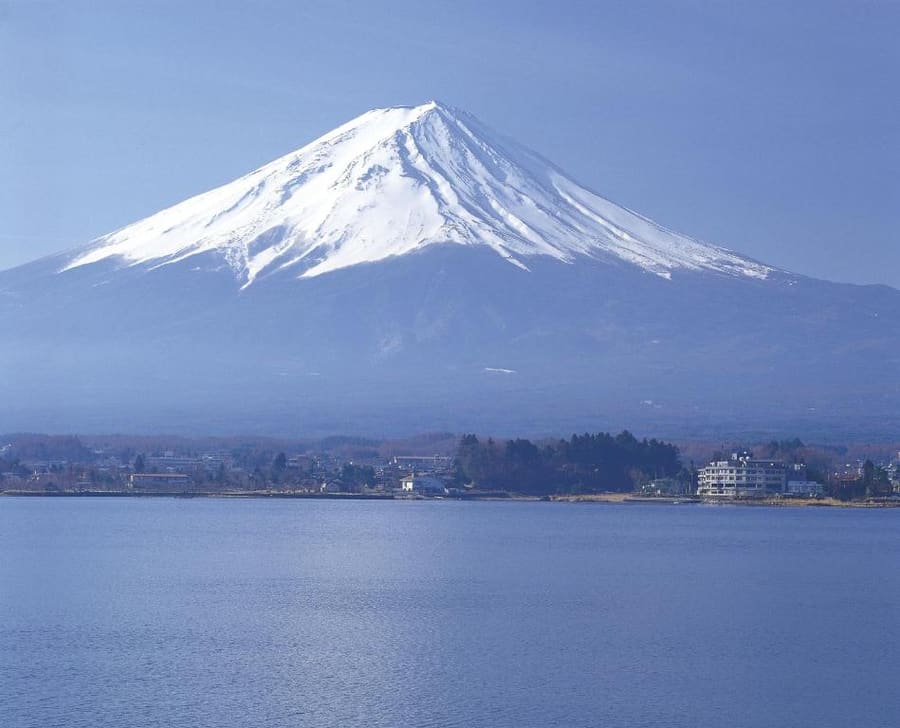
Saiko & Western Lakes — Quiet forested shoreline with hiking trails and fewer tour groups.
lumoplank · CC0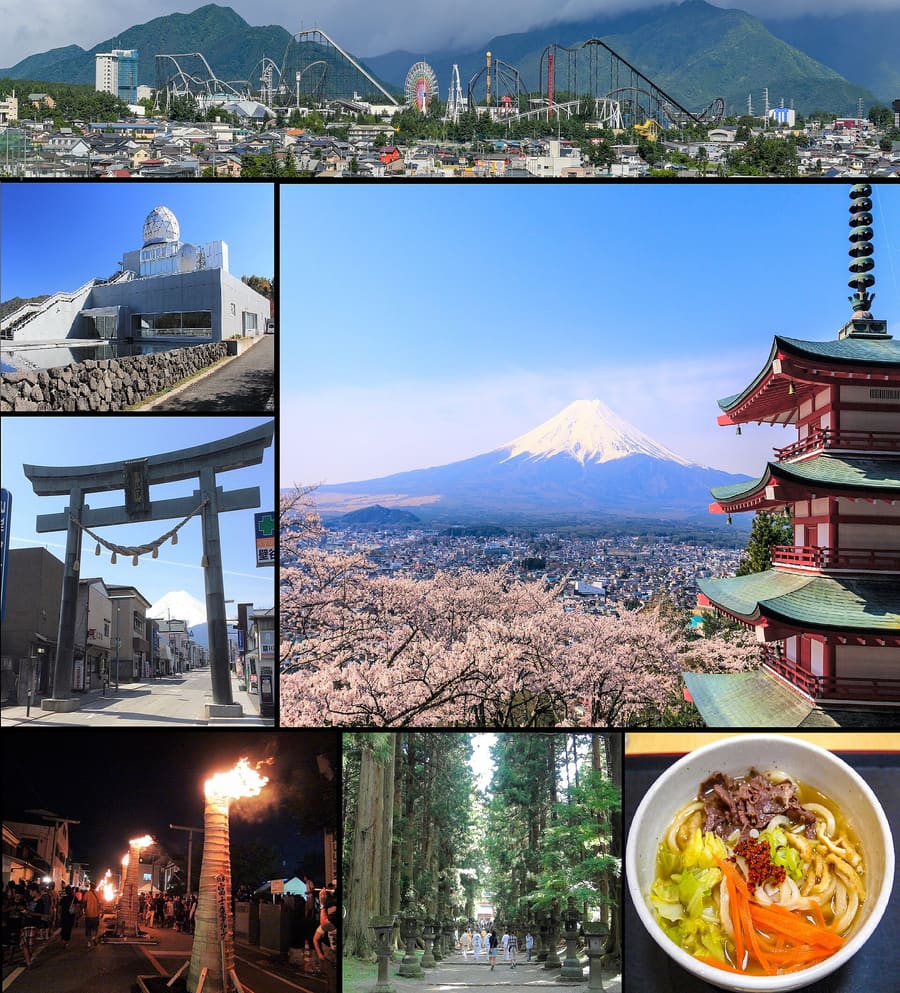
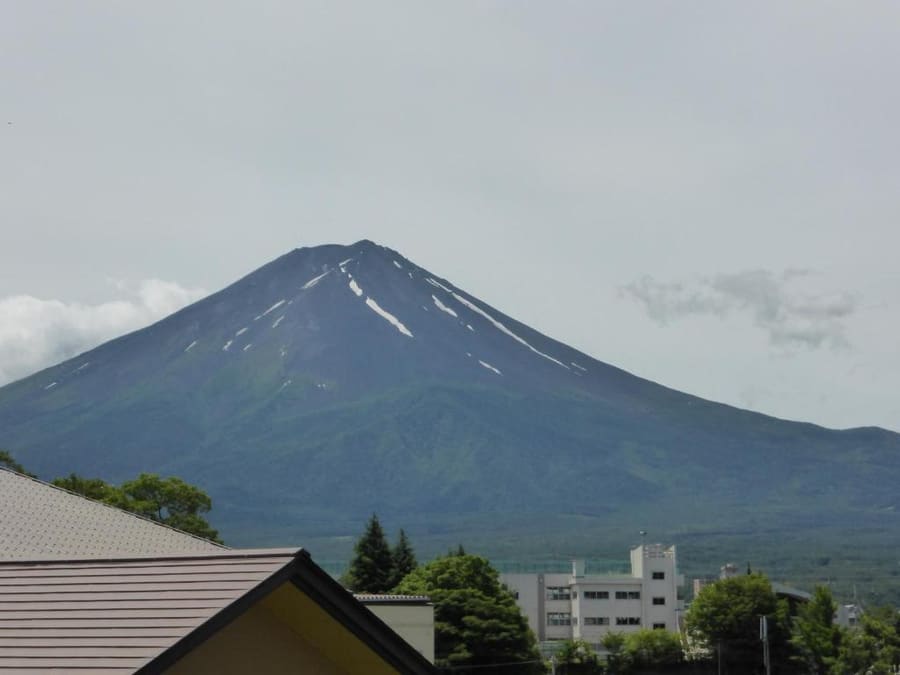
Fujiyoshida Border — Historic streetscapes, textile heritage, and shrine approaches.
Halowand · CC BY-SA 4.0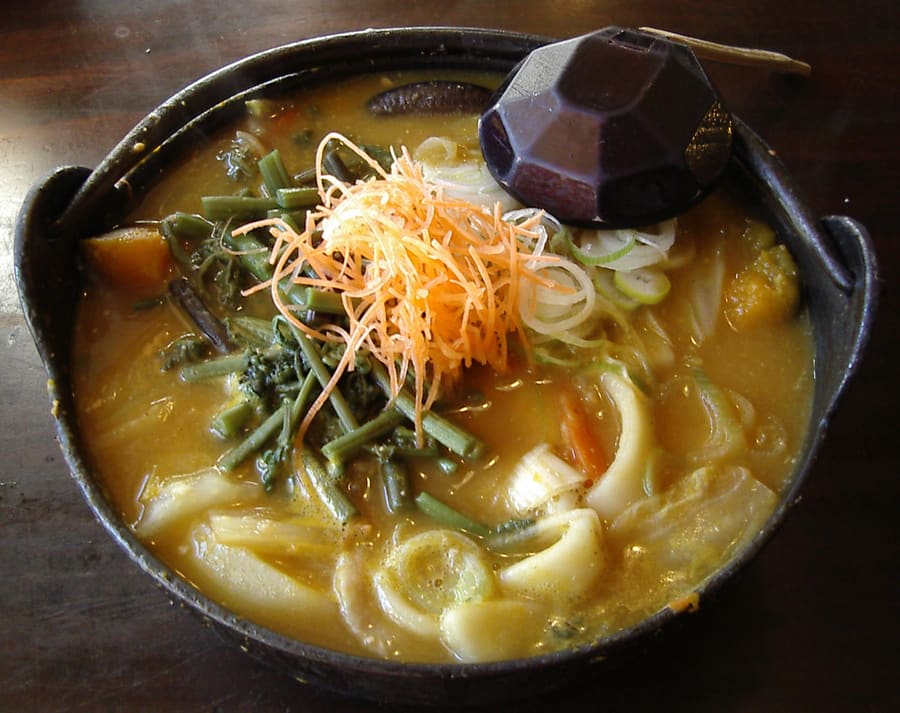
A hot pot of Houtou noodles served in a traditional iron kettle.
No machine-readable author provided. Jungle assumed (based on copyright claims). · CC BY-SA 3.0highlights
landmark
Climb 398 steps for the classic view of Mount Fuji framed by a red five-story pagoda. Visit at sunrise to beat tour buses.
Parleyに聞く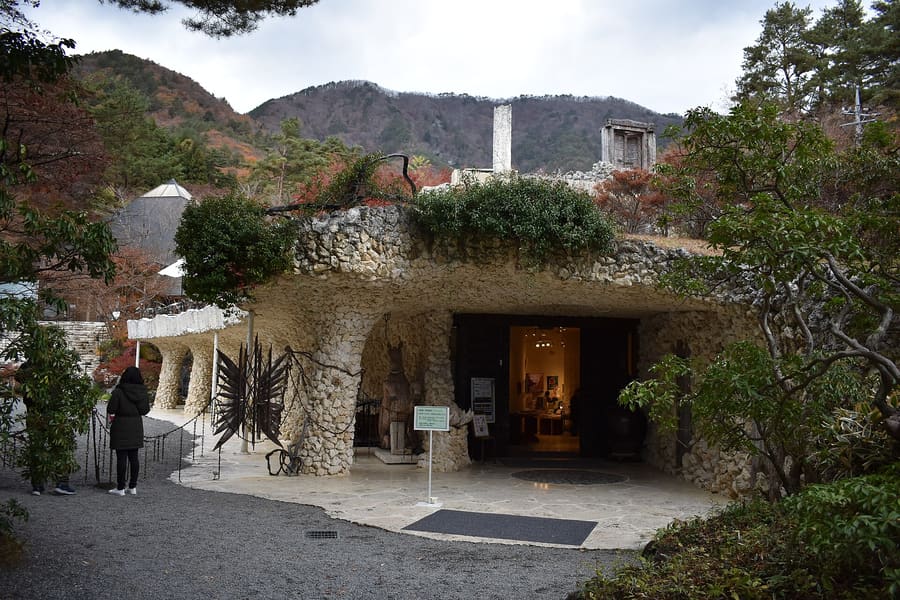
landmark
Kimonos depicting seasonal landscapes hang in a kimono artist's former workshop. Walk through the surrounding moss garden.
Parleyに聞く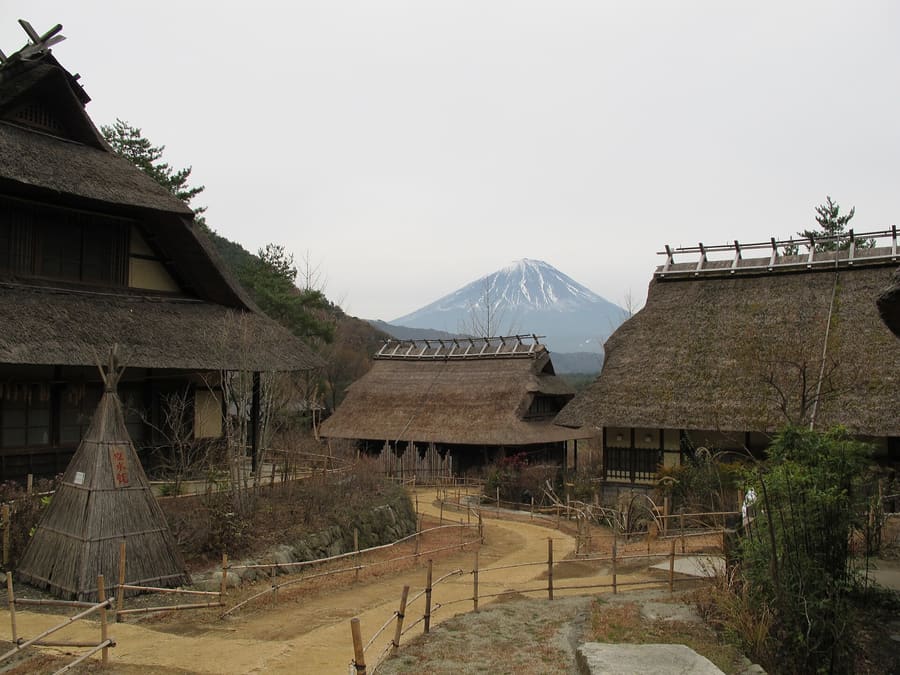
landmark
Reconstructed thatched-roof houses show traditional crafts beside Lake Saiko. The Green Line bus reaches the village in 40 minutes.
Parleyに聞くattractions
areas
Transport hub packed with eateries, bike rentals, and train connections.
近くKawaguchiko Station, ropeway lower station, lake cruise pier.
Parleyに聞くOpen lakeside promenade featuring direct south-facing views of Mount Fuji.
近くOishi Park, Kubota Itchiku Museum, Music Forest.
Parleyに聞くQuiet forested shoreline with hiking trails and fewer tour groups.
近くIyashi-no-Sato, Saiko Bat Cave, Lake Shoji.
Parleyに聞くHistoric streetscapes, textile heritage, and shrine approaches.
近くArakurayama Sengen Park, Honcho Street view.
Parleyに聞くfood
Dining in Fujikawaguchiko revolves around heavy mountain noodle dishes developed for cold winters. Houtou noodles are flat wheat ribbons simmered in miso broth with sweet pumpkin and local mushrooms. You order this dish at specialized family taverns around the station or along the main highway. Local restaurants also serve Yoshida Udon, known for firm, chewy noodles topped with boiled cabbage and spiced horse meat.
A hot pot of Houtou noodles served in a traditional iron kettle.
No machine-readable author provided. Jungle assumed (based on copyright claims). · CC BY-SA 3.0Most Houtou spots present the soup in iron pots straight from the stove. Use your wooden ladle to scoop small portions into your side bowl to cool before eating.
Popular noodle halls like Kosaku and Houtou Fudo draw huge queues by 11:30. Arrive at 11:00 sharp or wait until 14:00 to get a table.
Independent noodle shops and lakeside food stalls take cash only. Keep 2,000 to 3,000 yen cash per person for meals.
history
Fujikawaguchiko grew as a staging post for pilgrims climbing Mount Fuji via the Yoshida trail. Historically, travellers rested along Lake Kawaguchi's shores before tackling the upper ascent. In the early 20th century, railway extensions connected the region to Tokyo, transforming small farming communities into a resort town. Today, four of the Fuji Five Lakes are located within the municipality, with Kawaguchiko serving as the main transport hub.
Fuji-Hakone-Izu National Park
The area received national park designation to protect crater lakes and virgin forests.
Fujikyu Railway expansion
Rail tracks reached Kawaguchiko Station, bringing direct weekend travelers from Shinjuku.
UNESCO World Heritage
Mount Fuji and its surrounding lakes earned collective listing as a cultural heritage site.
where to stay
Choose your stay by whether you prioritize a private hot spring view of Mount Fuji or fast transit access. Northern shore ryokan offer direct Fuji views across the lake, but cost significantly more and require early booking. Southern station hotels trade water views for walkable access to trains, buses, and late-night convenience stores.
transport
Navigating Fujikawaguchiko relies on three colored sight-seeing bus loops operated by Fujikyu Bus. The Red Line runs along the lake's northern shore, the Green Line services Lake Saiko, and the Blue Line extends west to Lake Shoji. Bicycles offer faster travel during peak traffic jams.
Tokyo (Shinjuku Highway Bus Terminal)から
Direct express bus from Shinjuku Expressway Bus Terminal. Reservation required.
Fastest for groups, avoids traffic queues if departing early.
Traffic grids to a halt on the northern shore road during peak seasonal weekends. Walking or cycling is often faster.
E-bikes cost around ¥2,500 per day near the station and conquer the lakeside slopes effortlessly.
Suica and Pasmo IC cards work on Fujikyu buses and local trains, but cannot be reloaded at minor bus stops.
cost
Fujikawaguchiko prices reflect its status as a major international day-trip and weekend destination from Tokyo. Accommodation rates double during April cherry blossoms and November autumn leaves, while food and local transport remain predictable year-round.
A hearty pot of vegetable Houtou fills you up for lunch without extra sides.
Includes access to the Mount Tenjo summit viewing deck.
Daily rate from rental shops around Kawaguchiko Station.
seasonality
MAR – MAY
Cherry blossoms bloom in mid-April. Skies are frequently clear, but hotel rates hit peak levels.
JUN – AUG
Warm weather and lavender blooms at Oishi Park. Fuji is often obscured by summer humidity.
SEP – NOV
Momiji leaf festival in November brings deep red foliage. Morning Fuji visibility is excellent.
DEC – FEB
Crisp winter air provides the highest chance of clear Fuji views. Freezing night temperatures require thermal layers.
practicalities
Mount Fuji collects cloud cover by midday. Schedule outdoor photos and ropeway rides before 10:00.
Seven-Eleven and Lawson convenience stores offer 24-hour international card cash withdrawals.
Kawaguchiko Station coin lockers fill by 09:30. Luggage storage offices nearby charge ¥700–1,000 per bag.
Public hot springs often ban visible tattoos. Rent a private bath (kazokuburo) at your ryokan if tattooed.
The mountain trail opens only from early July to early September. Off-season ascents are dangerous and restricted.