landmark
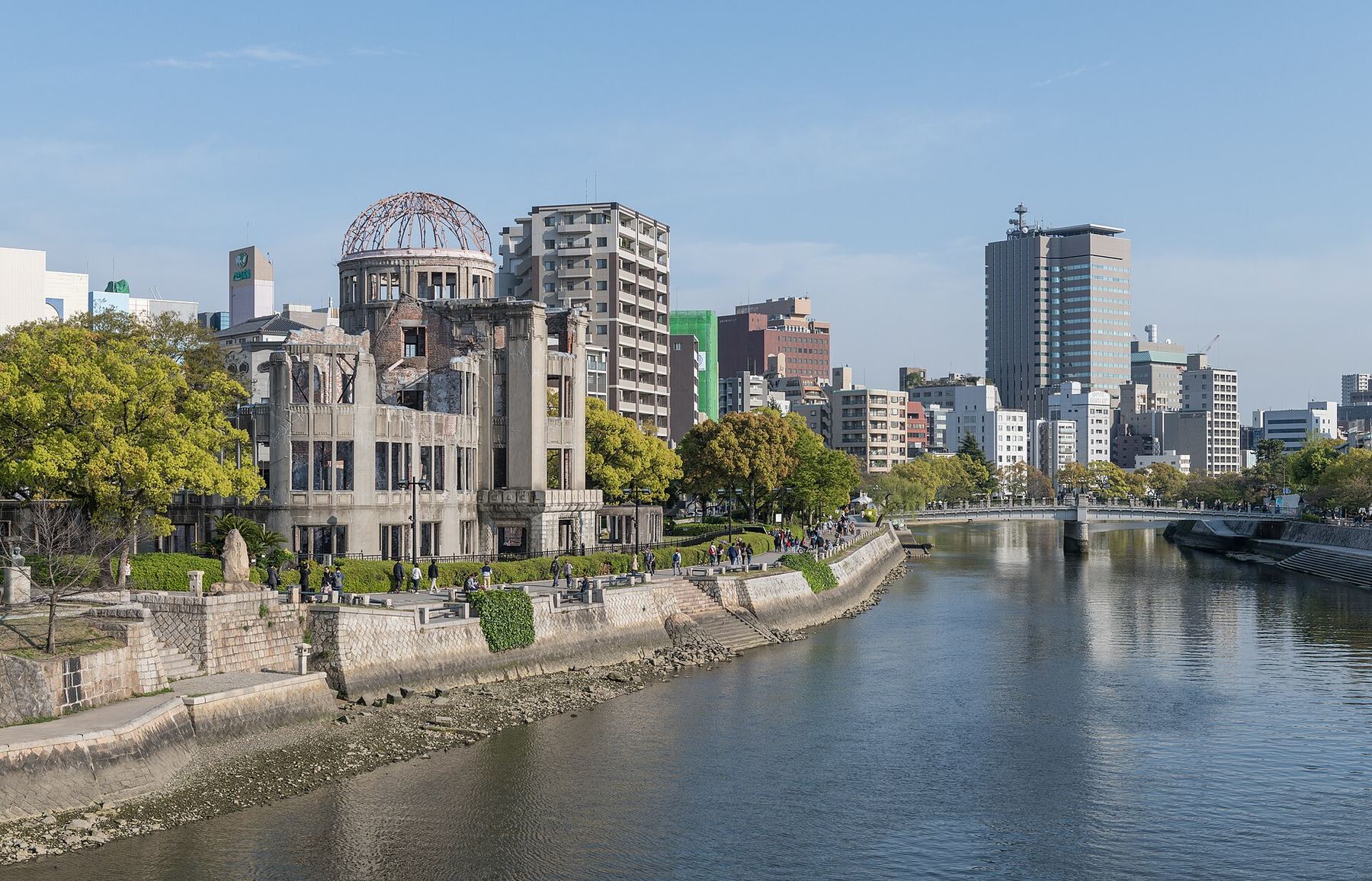
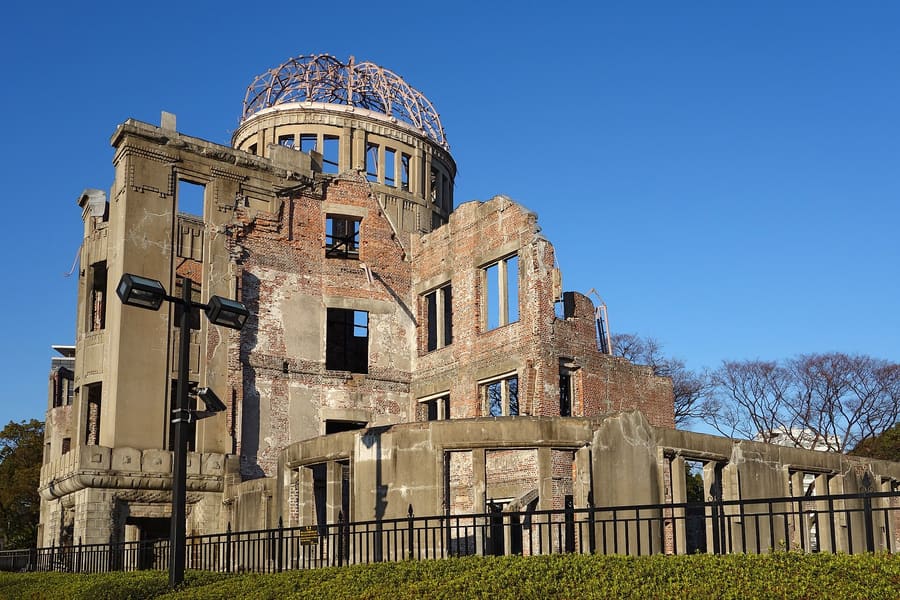
Atomic Bomb Dome
Genbaku Dome stands as it did in 1945. View it from across the Motoyasu River at night when crowds leave and lights highlight the steel frame.
Parleyに聞く日本
A flat city built on six rivers, defined by memory and food.
introduction
Hiroshima sits on a wide river delta facing the Seto Inland Sea. Streetcars navigate six broad channels that shape daily urban movement. Visitors come primarily to confront the 1945 atomic bombing, but find a resilient modern city driven by teppan griddles and coastal shellfish. Transport runs along clear grids, making navigation direct and fast.
Arrival choice: train over plane
Shinkansen trains land at central Hiroshima Station. The airport sits 50 kilometres east and requires a 50-minute bus.
Dual UNESCO designation
Hiroshima hosts two UNESCO World Heritage sites: the Atomic Bomb Dome in the centre and Itsukushima Shrine on Miyajima.
Transit pass strategy
Buy the MOBIRY digital transit pass on your phone. It covers all Hiroden streetcars and the Matsudai ferry to Miyajima.
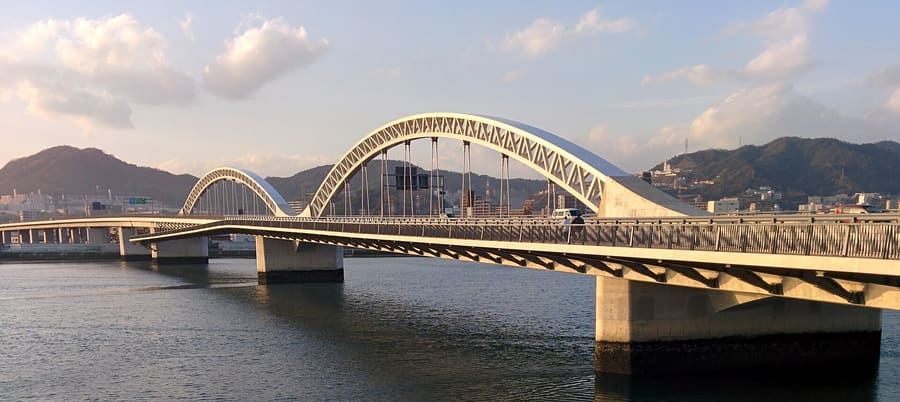
Hiroshima
Brianhe · CC BY-SA 4.0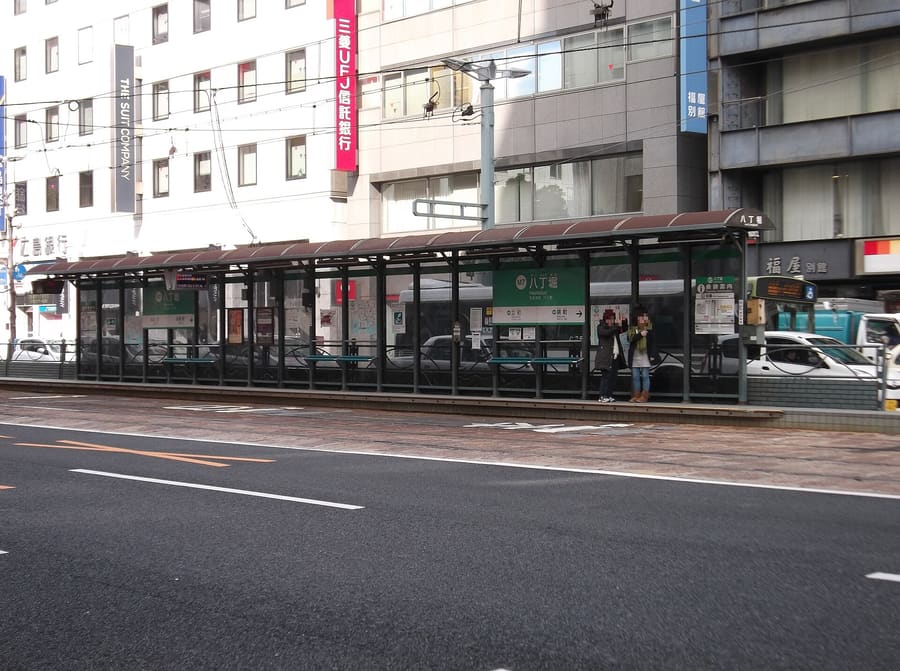
Hatchobori / Hondori — Commercial core packed with arcade shopping, department stores, and late-night izakaya streets.
Inaji pc · CC BY-SA 3.0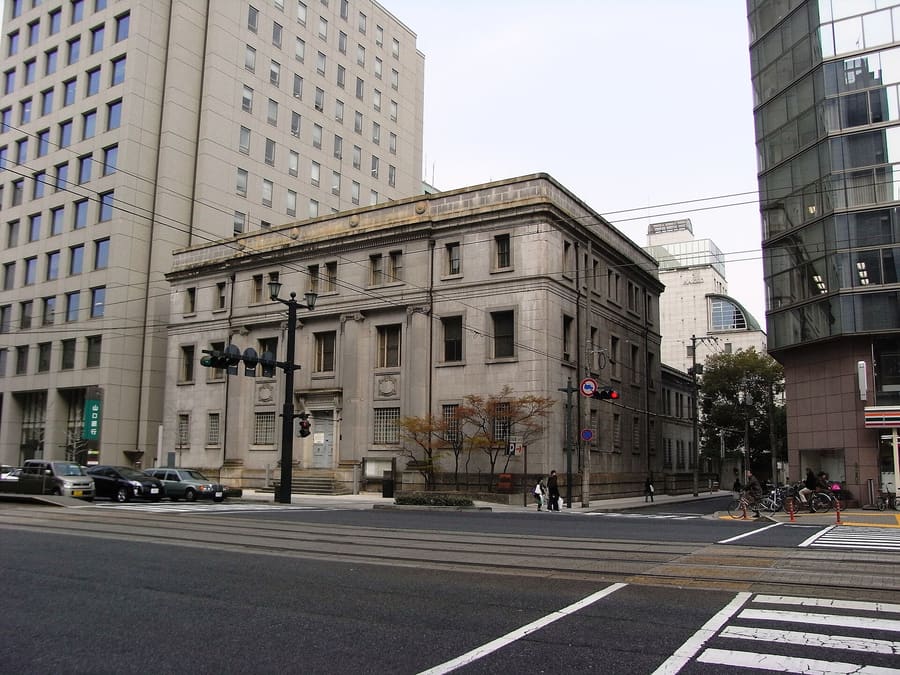
Peace Park / Otemachi — Quiet riverside avenues facing the memorial grounds, with small cafes and design-led boutique hotels.
Taisyo at Japanese Wikipedia · CC BY 3.0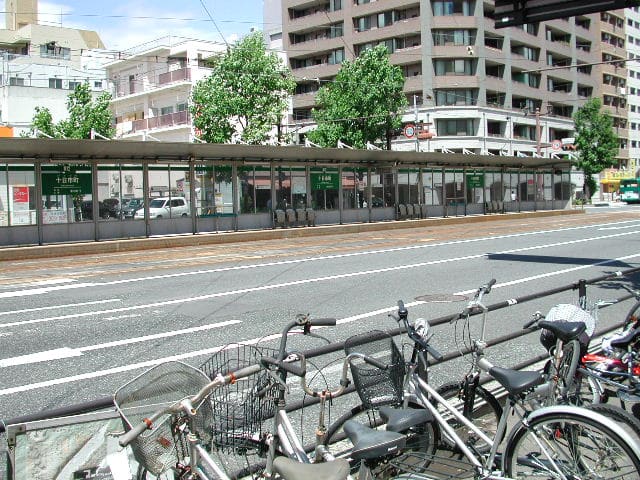
Tokaichi — A quiet residential enclave across the river with third-wave coffee shops, craft beer bars, and bakeries.
VZP10224 · CC BY-SA 3.0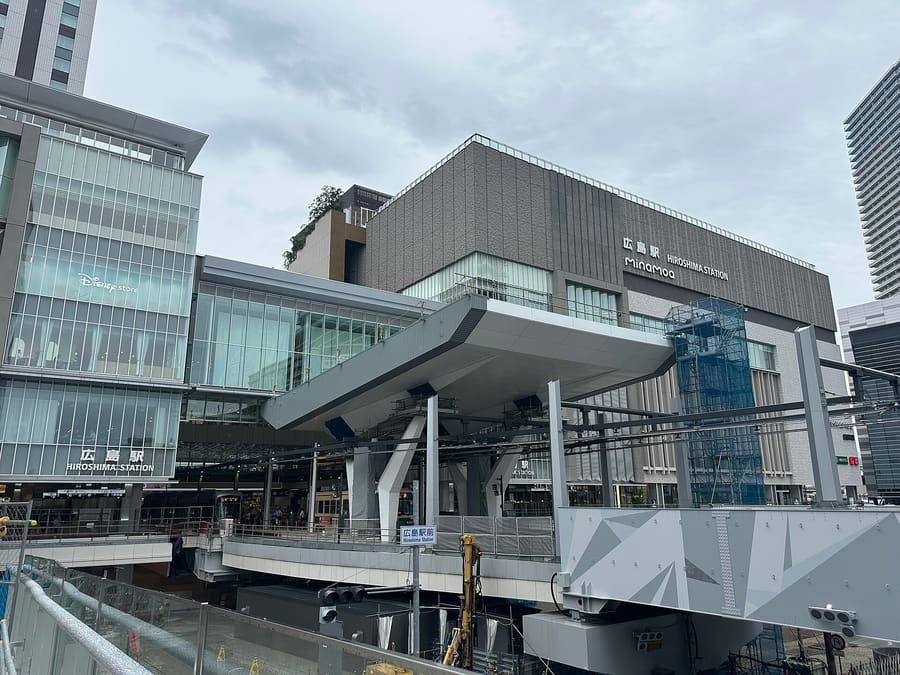
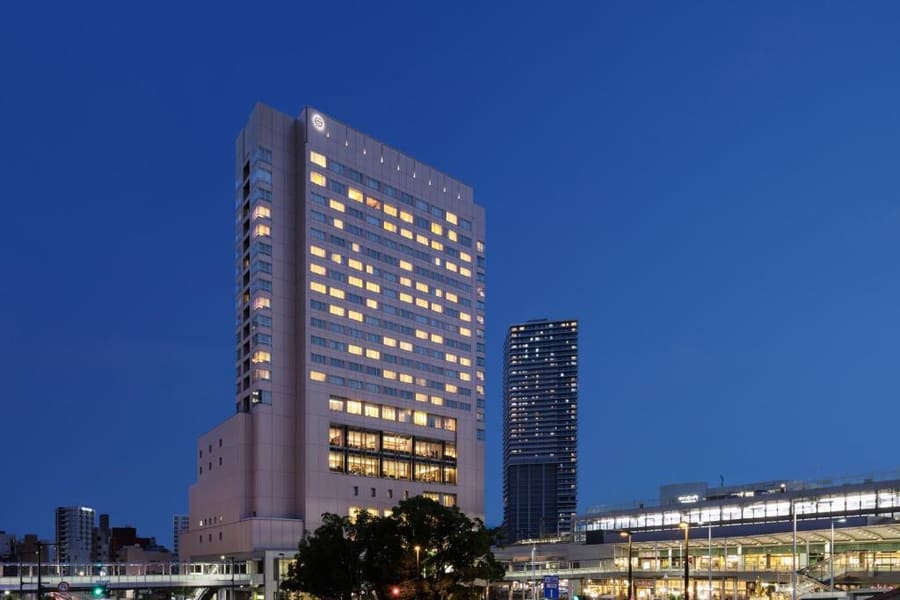
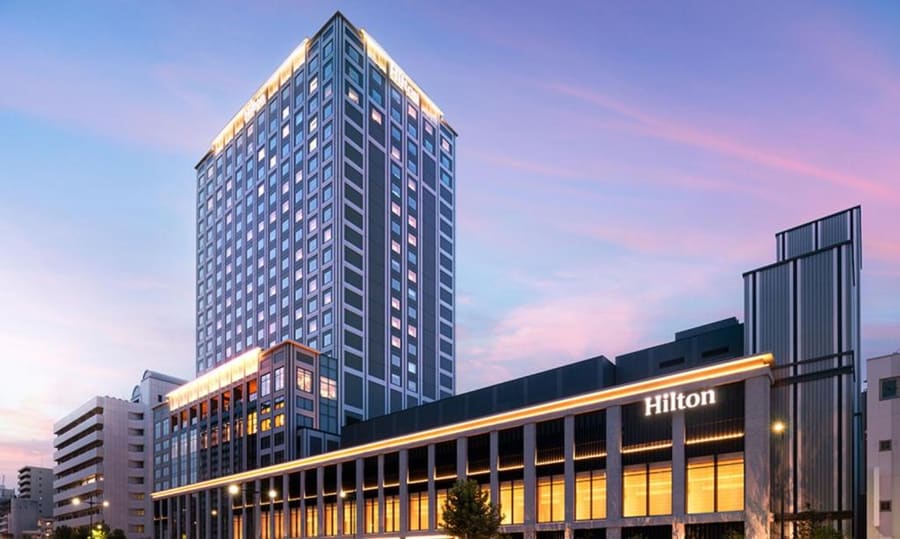
Hiroshima Station / Ekimae — The transit hub around Hiroshima Station, filled with high-rise hotels, ramen halls, and quick transit links.
ノボホショコロトソ · CC BY 4.0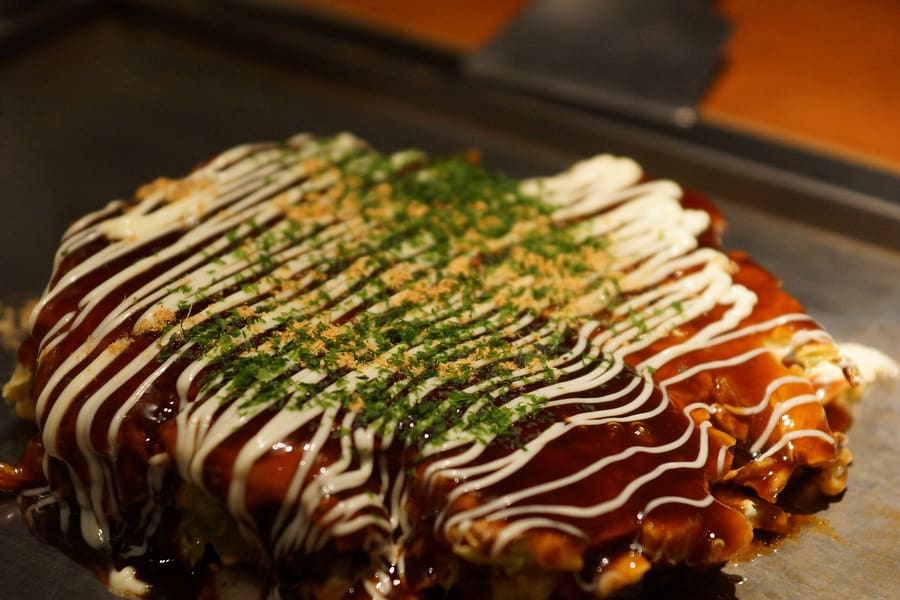
A Hiroshima-style okonomiyaki cooked with cabbage, pork belly, egg, and yakisoba noodles.
ume-y · CC BY 2.0highlights
landmark
Genbaku Dome stands as it did in 1945. View it from across the Motoyasu River at night when crowds leave and lights highlight the steel frame.
Parleyに聞く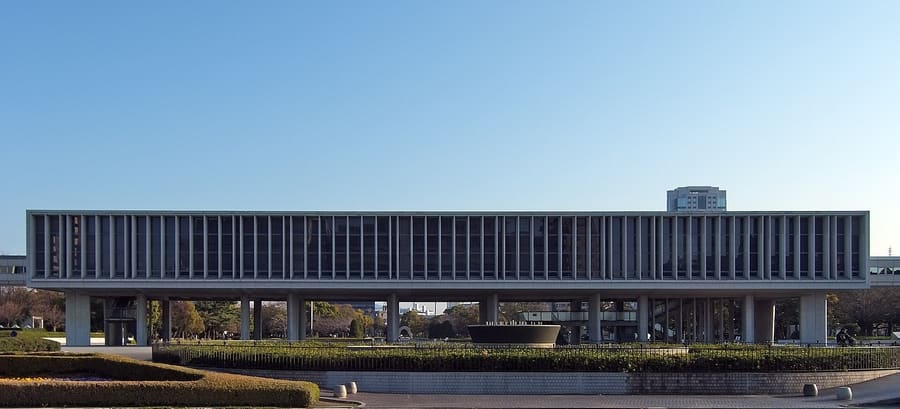
landmark
Chronicles August 6, 1945, using personal artifacts. Reserve timed tickets online to skip the one-hour ticket queue at the entrance.
Parleyに聞く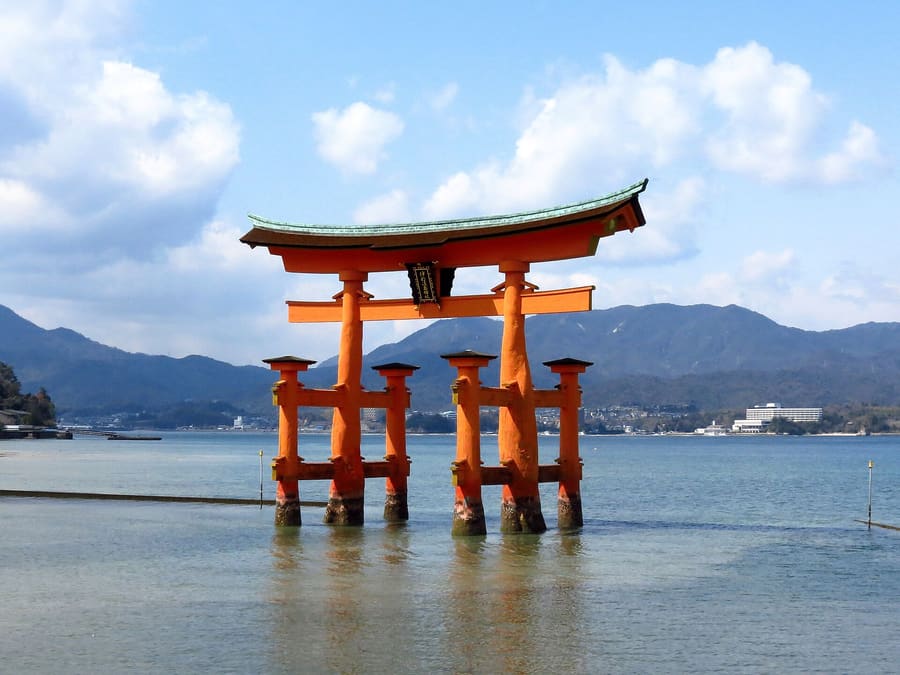
landmark
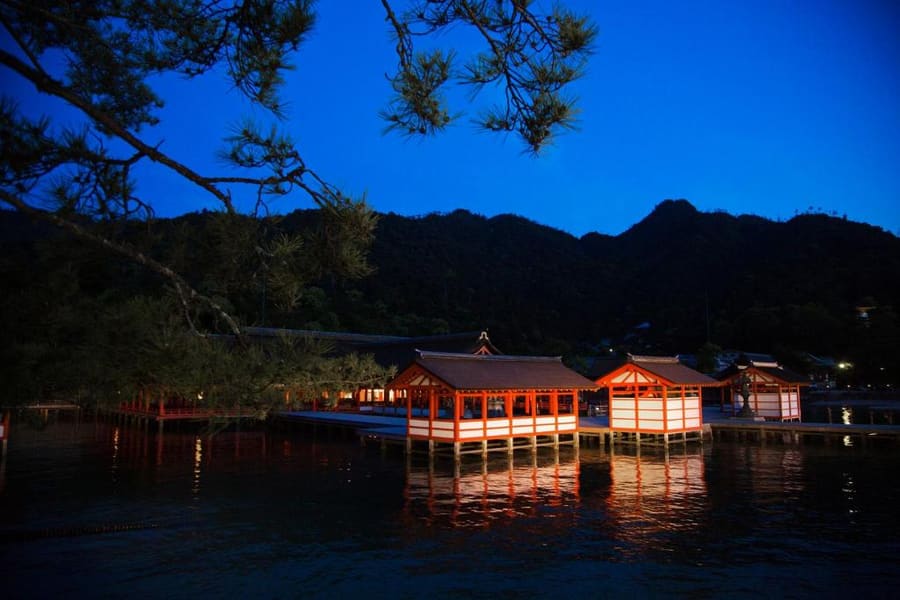
The shrine stands inside a sheltered bay on Miyajima. High tide makes the structure float; low tide lets you walk to the main gate.
Parleyに聞く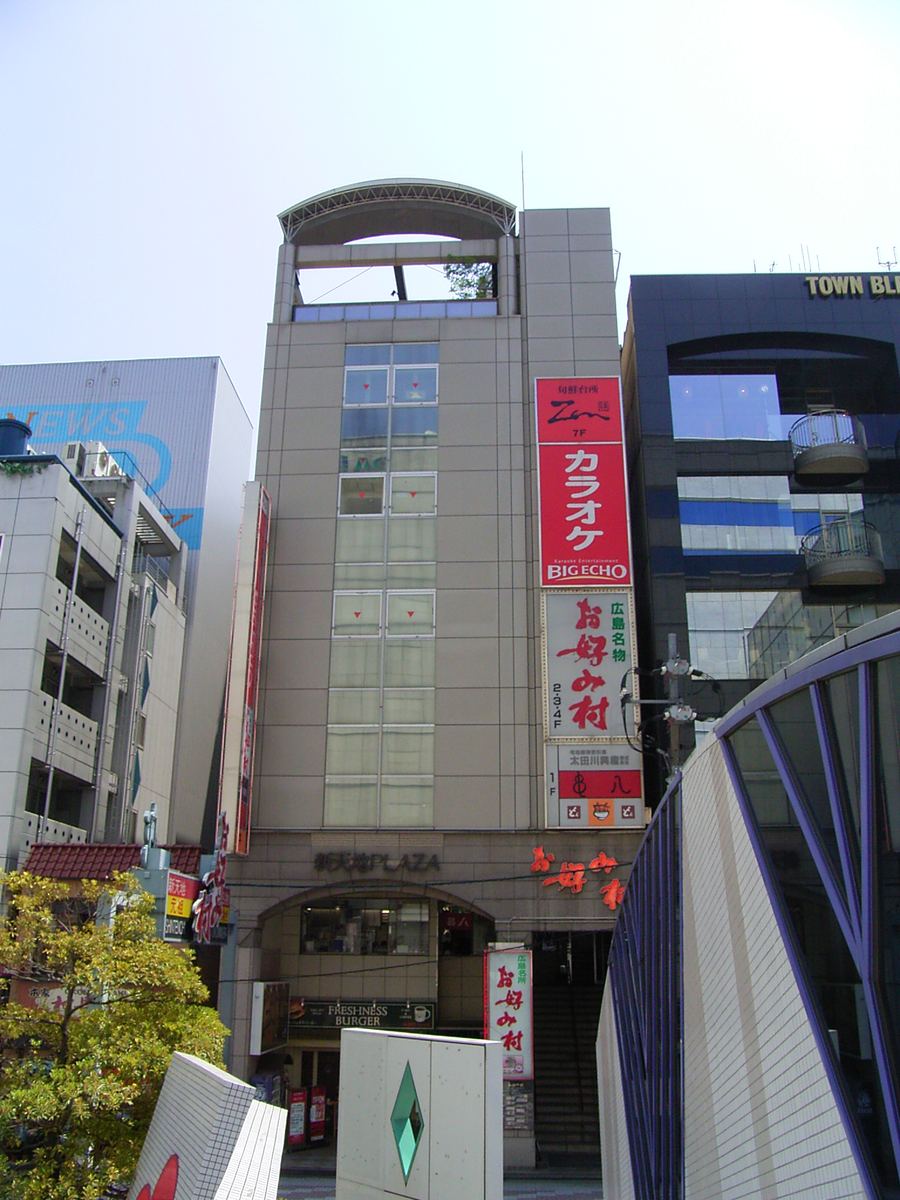
landmark
A four-storey building housing over 20 competing okonomiyaki counters. Pick a stool on the third floor for smaller crowds and faster service.
Parleyに聞く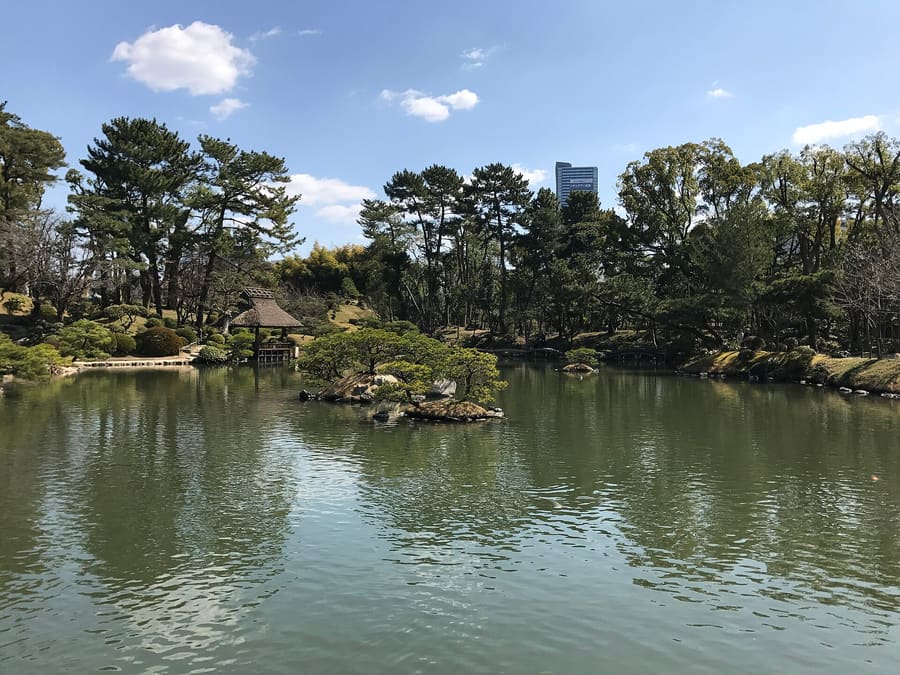
landmark
A miniature landscaped garden built in 1620 around a central pond. Tea houses offer matcha service overlooking tea trees and stone bridges.
Parleyに聞くattractions
areas
Commercial core packed with arcade shopping, department stores, and late-night izakaya streets.
近くOkonomimura and Kamiyacho transit junction
Parleyに聞くQuiet riverside avenues facing the memorial grounds, with small cafes and design-led boutique hotels.
近くPeace Memorial Museum and Motoyasu River
Parleyに聞くA quiet residential enclave across the river with third-wave coffee shops, craft beer bars, and bakeries.
近くHonkawa River and Yokogawa Station
Parleyに聞くThe transit hub around Hiroshima Station, filled with high-rise hotels, ramen halls, and quick transit links.
近くShinkansen platforms and MAZDA Zoom-Zoom Stadium
Parleyに聞くfood
Hiroshima cooks okonomiyaki differently from Osaka. Chefs cook a thin batter into a crepe first, top it with cabbage and pork before flipping, and later merge the stack with separately fried yakisoba noodles. Local waters yield huge oysters, served grilled over charcoal along Hondori arcade or steamed at Miyajima stalls. Cold tsukemen noodles dipped in spicy chili oil complete the local repertoire.
A Hiroshima-style okonomiyaki cooked with cabbage, pork belly, egg, and yakisoba noodles.
ume-y · CC BY 2.0Eat directly off the hot teppan griddle using a flat metal spatula called a kote. Using a plate cools the food too quickly.
Okonomimura fills up by 12:00 for lunch and 18:30 for dinner. Arrive 20 minutes before peak hours to secure a seat without queueing.
Street stalls on Miyajima accept cash only. Station food halls and central okonomiyaki counters accept IC cards like Suica and ICOCA.
history
Founded as a castle town on the Ota River delta in 1589, Hiroshima grew into an industrial and military hub. On August 6, 1945, the first atomic bomb used in warfare destroyed the city centre. Reconstruction prioritized wide avenues, open green spaces, and a designated Peace Memorial zone, turning the urban landscape into a planned space dedicated to global nuclear disarmament.
Founding of Hiroshima Castle
Mori Terumoto builds Hiroshima Castle on the Ota River delta, establishing a castle town.
Streetcar network launches
Hiroshima Electric Railway begins operations, creating the streetcar system that still serves the city today.
Atomic bombing
An atomic bomb detonates over the city on August 6, destroying the urban core and killing over 140,000 people.
City of Peace designation
The Japanese government passes the Hiroshima Peace Memorial City Construction Law to rebuild the town.
UNESCO Recognition
The Atomic Bomb Dome and Itsukushima Shrine receive UNESCO World Heritage status on the same day.
where to stay
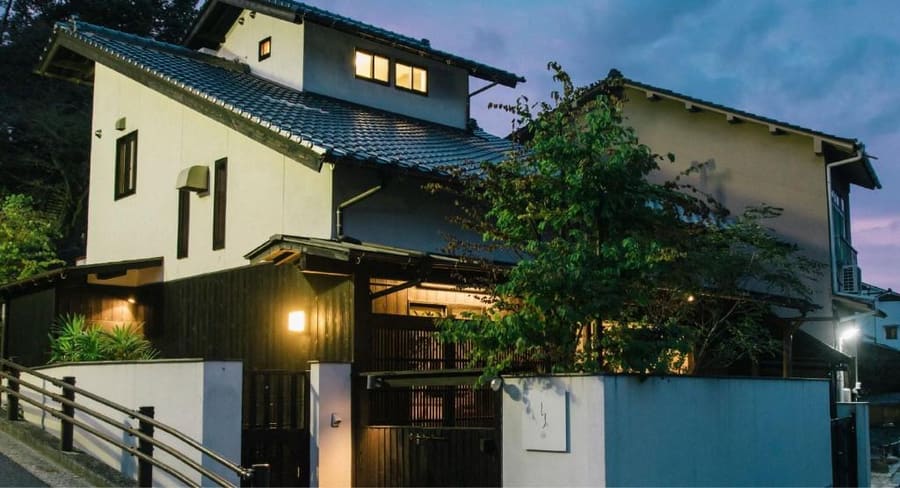
Choose your lodging based on your arrival route and night plans. Station hotels maximize convenience if you carry heavy bags off the Shinkansen. Hatchobori puts you within walking distance of evening dining, while Otemachi offers quiet riverfront access near the Peace Memorial Park.
transport
Hiroshima operates Japan's largest streetcar network, known locally as Hiroden. Lines radiate from Hiroshima Station across the delta rivers. JR trains run west toward Miyajimaguchi for island ferry connections, while buses handle direct routes to Hiroshima Airport.
Hiroshima Station (Shinkansen)から
Hiroden streetcars run every few minutes from the station front to all central districts.
JR Sanyo Line links Hiroshima Station directly to Miyajimaguchi for the ferry to Miyajima island.
Direct buses run from Hiroshima Airport (HIJ) to Hiroshima Station Shinkansen exit.
Touch your IC card on the reader when boarding at the rear door, then tap again at the front door when exiting.
The JR Sanyo train to Miyajimaguchi is faster than taking the Hiroden tram line 2 from central Hiroshima.
Suica, Pasmo, and ICOCA work seamlessly on Hiroden streetcars, local JR trains, and Miyajima ferries.
Streetcars reduce frequency after 21:00 and stop around 23:00. Taxis become necessary after midnight.
cost
Hiroshima is generally cheaper than Tokyo or Kyoto for accommodation and food. Teppan dining keeps meal budgets low, while transit passes keep day travel predictable.
A complete noodle-and-cabbage pancake at Okonomimura or Nagataya, cooked right in front of you.
Covers full access to all permanent exhibition galleries and survivor testimony archives.
Includes unlimited streetcar rides and the Matsudai ferry to Miyajima island for 24 hours.
Automatically added to ferry tickets purchased at Miyajimaguchi pier to fund island conservation.
Gets you two large local oysters grilled over open fire at stalls near Miyajima shrine.
seasonality
MAR – MAY
Mild days and cherry blossoms along the Ota River. Book Miyajima lodgings four months ahead.
JUN – AUG
High heat and humidity with heavy summer rains. August 6 Peace Memorial Ceremony brings large crowds.
SEP – NOV
Crisp air and autumn foliage at Shukkeien Garden and Miyajima. High season for domestic travel.
DEC – FEB
Cold weather but clear skies and peak oyster season. Winter illuminations line Peace Boulevard.
practicalities
Book Peace Memorial Museum entry slots online 30 days ahead to avoid waiting in physical queues.
Check daily tide tables before visiting Miyajima. High tide gives the floating effect; low tide lets you walk out.
Baseball home games at Mazda Stadium start in April. Tickets sell out quickly on weekends.
Hiroshima Station has extensive coin locker banks on the first floor and mezzanine levels.
The Miyajima ropeway stops running in strong wind. Check operational status at the ferry terminal before hiking up.