landmark
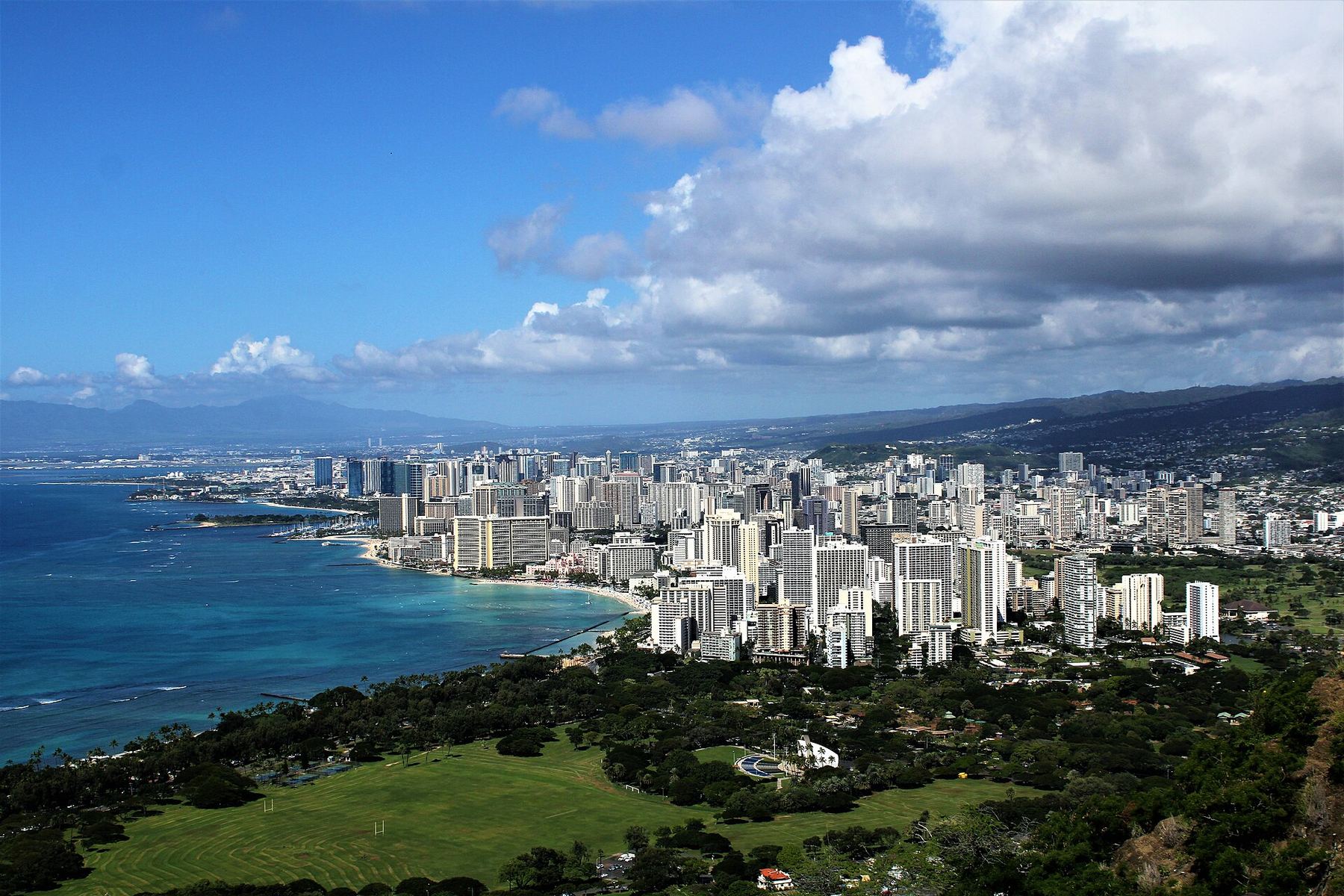
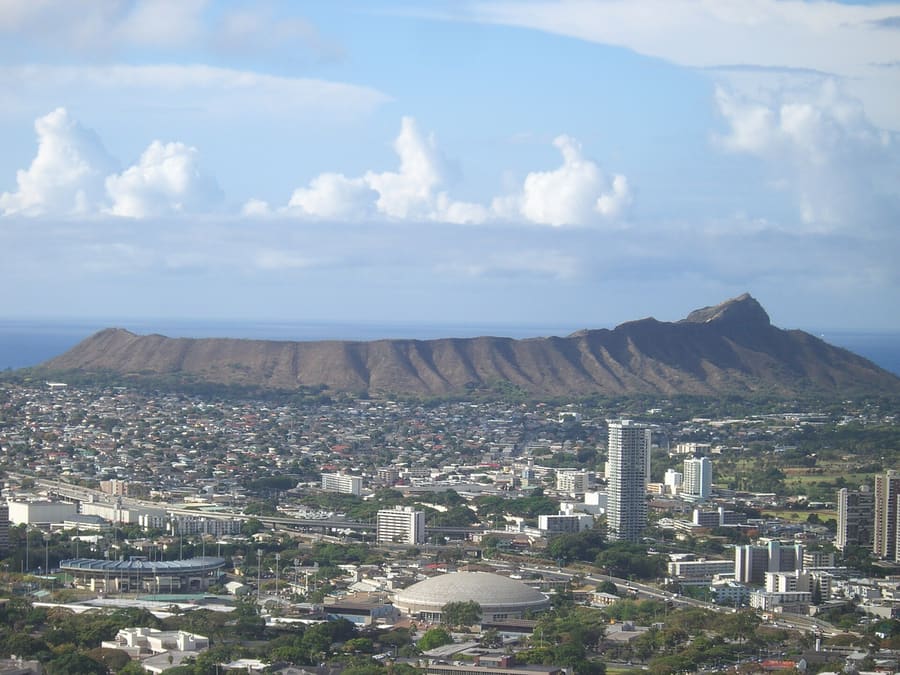
Diamond Head State Monument
Crater trail with 99 steps near the summit. Non-residents must reserve entry times online before arriving.
Parleyに聞くアメリカ合衆国
Pacific urbanism, royal history, and ocean access.
introduction
Honolulu is a dense Pacific capital squeezed between steep volcanic ridges and low-energy coral reefs. Urban transit runs along coastal corridors, connecting high-rise beach neighborhoods to working docks and historic government blocks. Expect high food costs offset by exceptional local counter service, from fresh poke counters to plate-lunch shops. Moving around relies on a punctual bus system or ride-hailing, as parking rates in tourist corridors match major mainland cities.
Airport transit trick
TheBus route 20 links Honolulu Airport to Waikiki for $3.00 with a HOLO card. Luggage must fit under your seat or on your lap.
Royal history milestone
Iolani Palace is the only official royal palace on US soil. King Kalakaua installed electric lighting here before the White House had it.
Reserve Hanauma Bay early
Hanauma Bay opening slots release 48 hours prior at 7:00 AM local time. Non-residents pay $25 entry plus $3 parking and must reserve online.
Honolulu
Joel Bradshaw · Public domain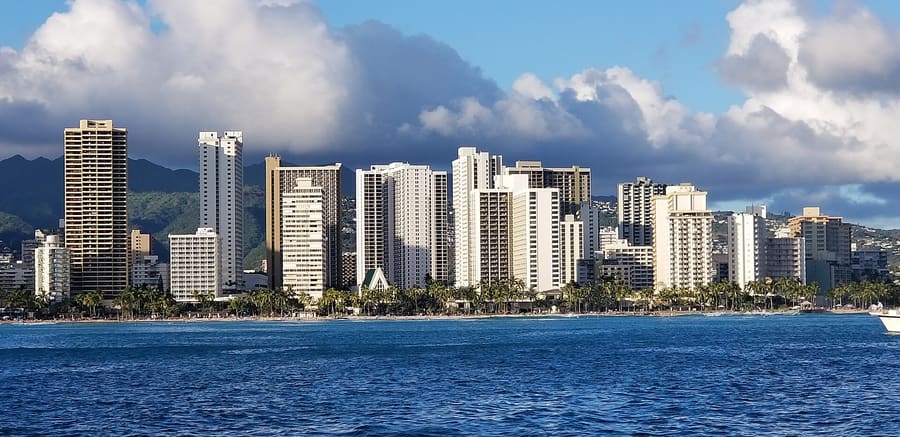
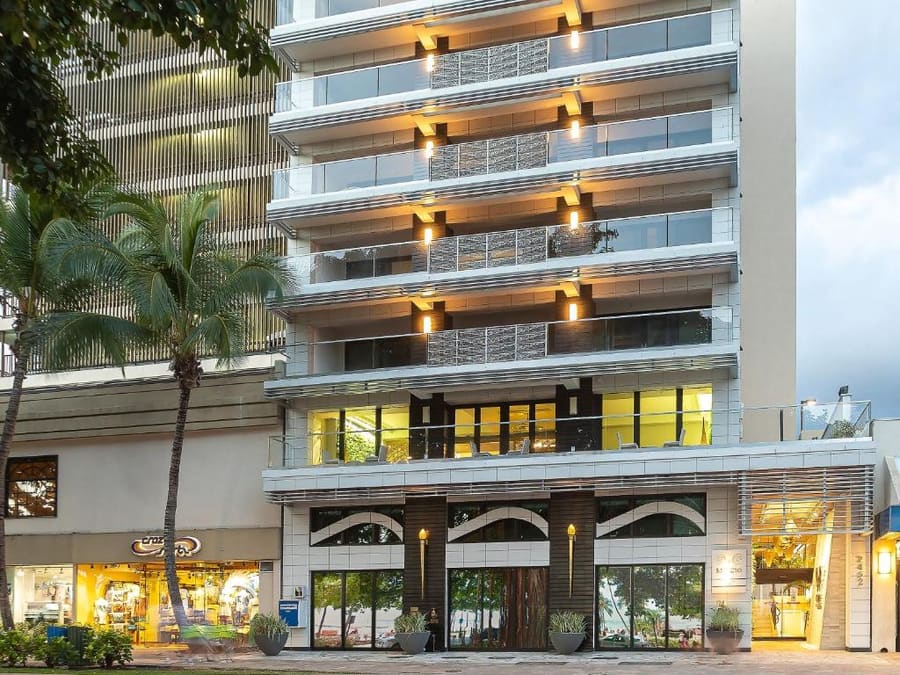
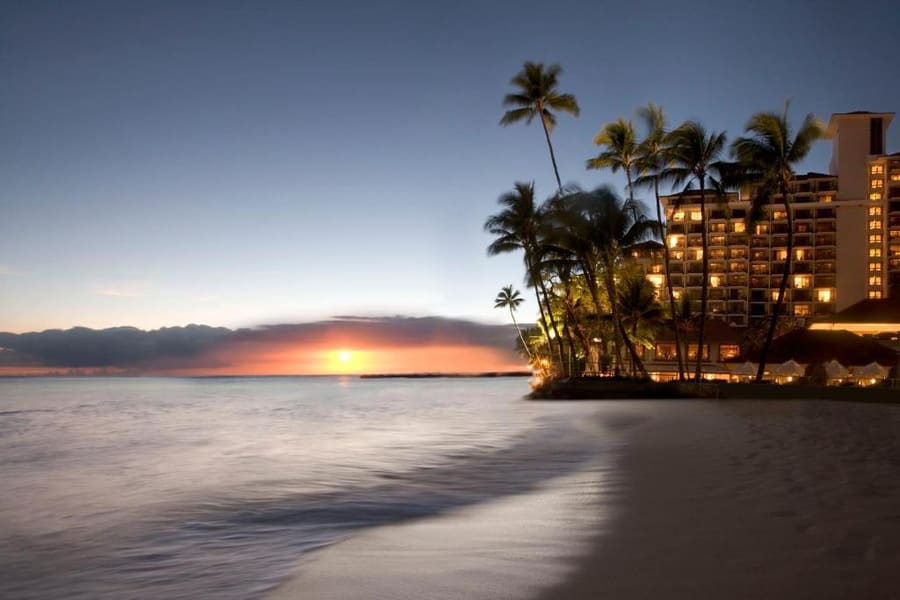
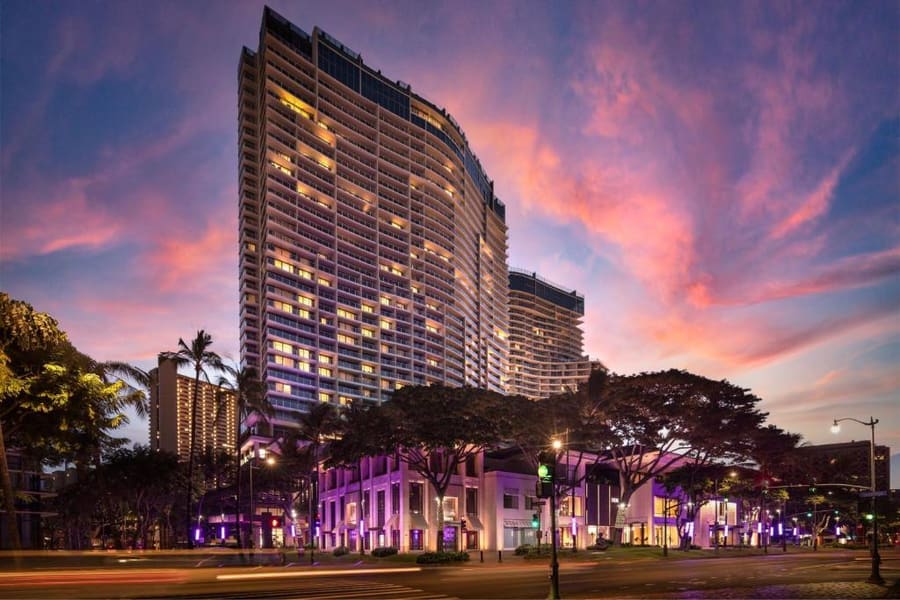
Waikiki — High-rise resort district fronting a calm, reef-protected crescent beach.
Pickle the cool · CC BY-SA 4.0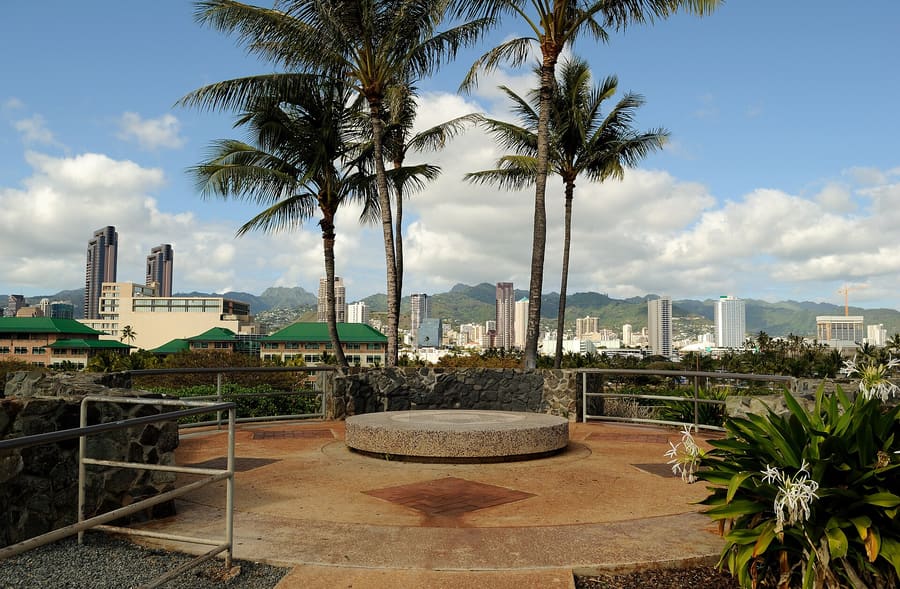
Kakaako — Former industrial block turned street-art district with microbreweries and warehouse retail.
Daniel Ramirez from Honolulu, USA · CC BY 2.0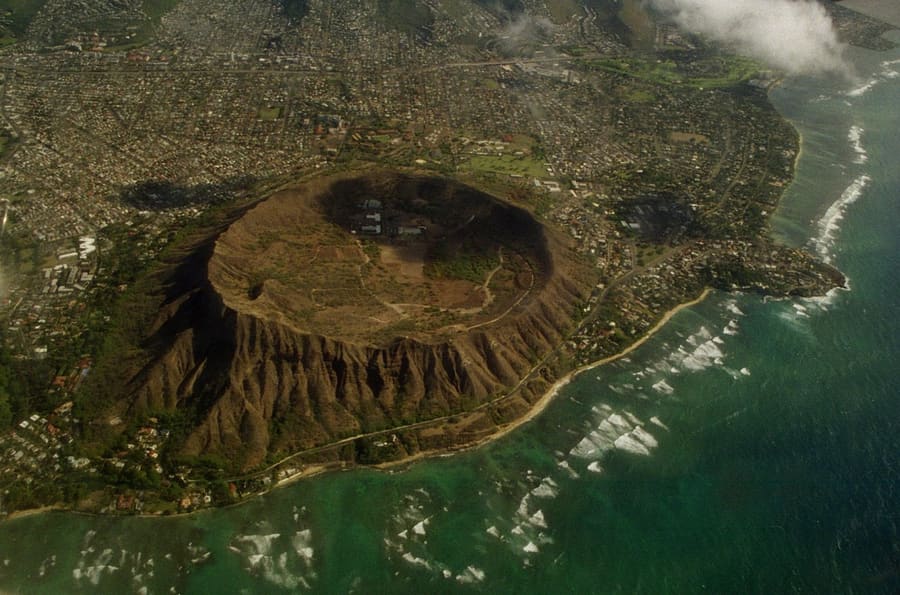
Kaimuki — Inland hillside neighborhood centered on Waialae Avenue, driven by local diners and bakeries.
Brian Snelson · CC BY 2.0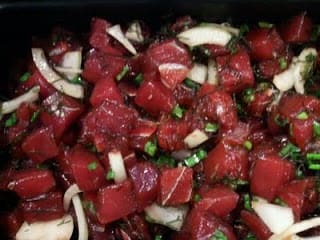
Fresh ahi tuna poke made with sea salt, shoyu, and sea lettuce.
Aquateamhungerforce · CC BY-SA 4.0highlights
landmark
Crater trail with 99 steps near the summit. Non-residents must reserve entry times online before arriving.
Parleyに聞く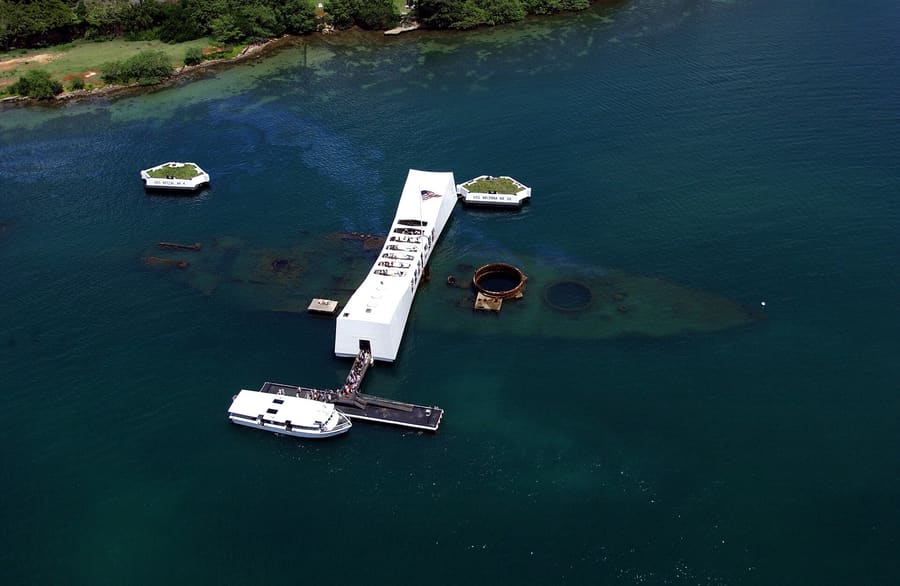
landmark
National memorial over the sunken battleship USS Arizona. Free shuttle boat tickets require advance booking via recreation.gov.
Parleyに聞く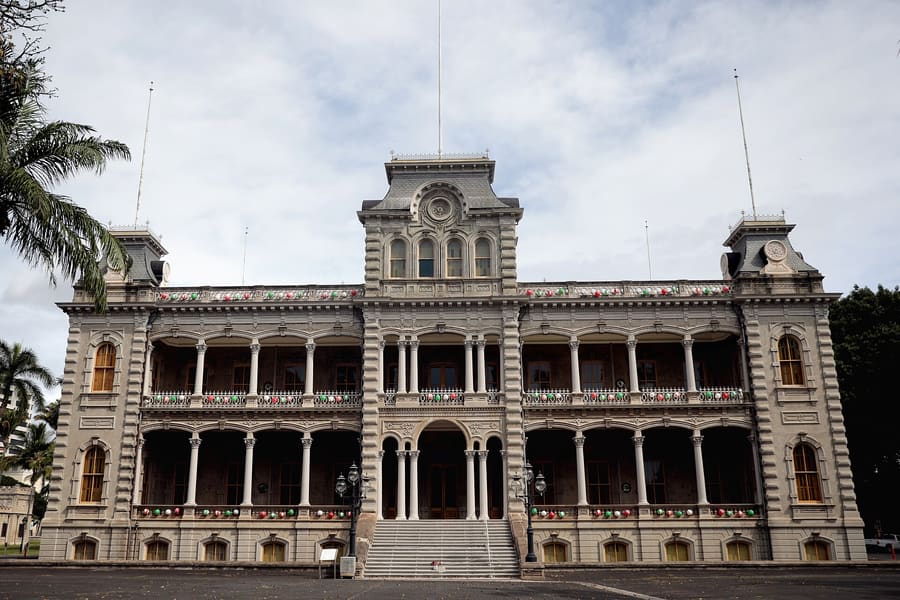
landmark
1882 royal residence of Hawaii's monarchs. Audio tours cover the 1893 overthrow and the room where Queen Liliuokalani was imprisoned.
Parleyに聞く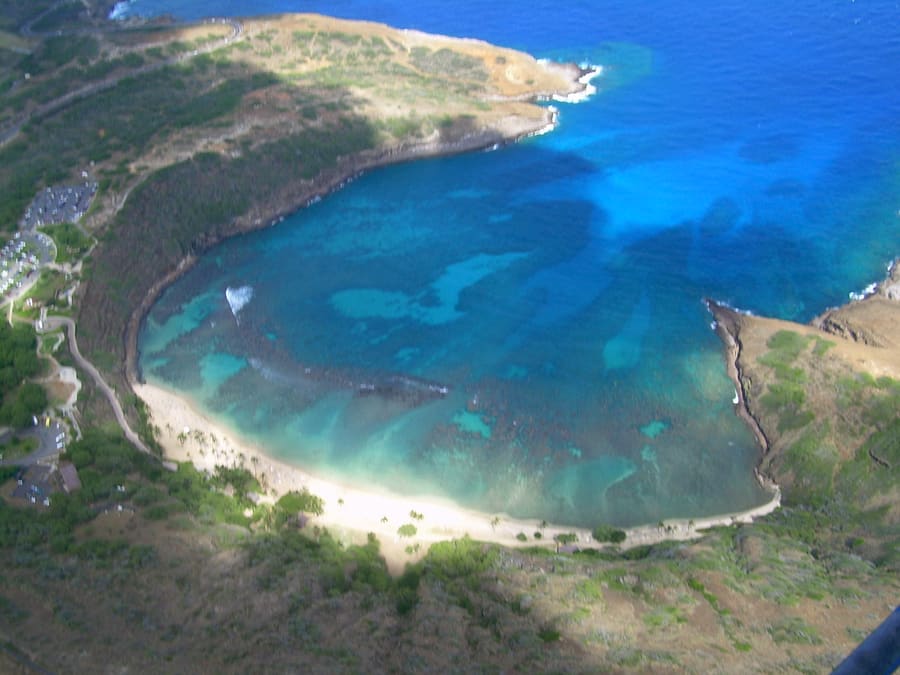
landmark
Protected marine preserve inside a volcanic crater. Reservations open 48 hours prior and sell out in minutes.
Parleyに聞く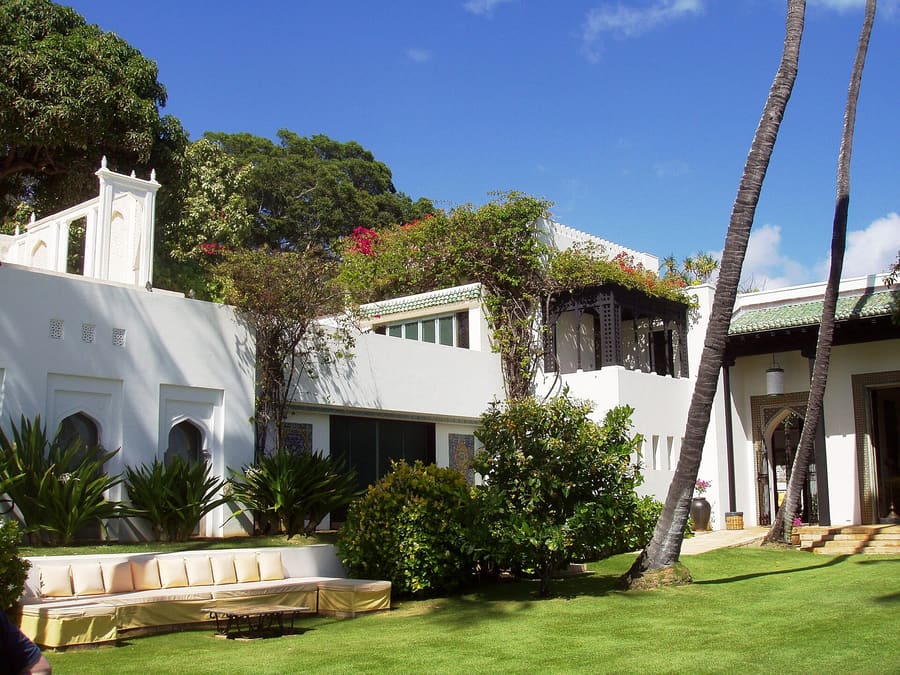
landmark
Doris Duke's oceanfront estate displaying Islamic art collections. Access is by guided tour bus from the Honolulu Museum of Art.
Parleyに聞く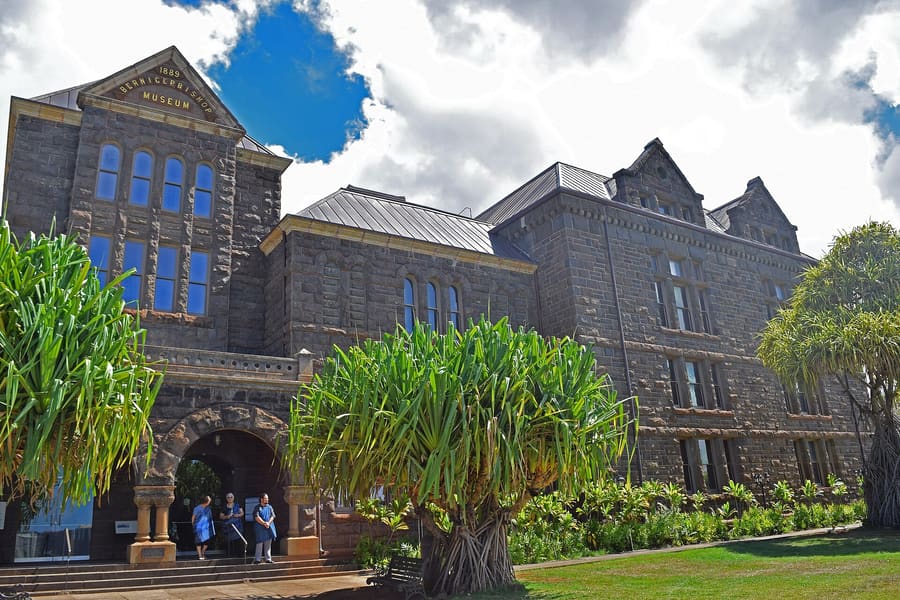
landmark
Largest collection of Hawaiian cultural artifacts and Pacific natural history. Features the original 1889 Hawaiian Hall.
Parleyに聞くattractions
areas
High-rise resort district fronting a calm, reef-protected crescent beach.
近くDiamond Head, Kapiolani Park, Ala Moana Beach
Parleyに聞くFormer industrial block turned street-art district with microbreweries and warehouse retail.
近くSALT at Our Kakaako, Ala Moana Center, Harbor
Parleyに聞く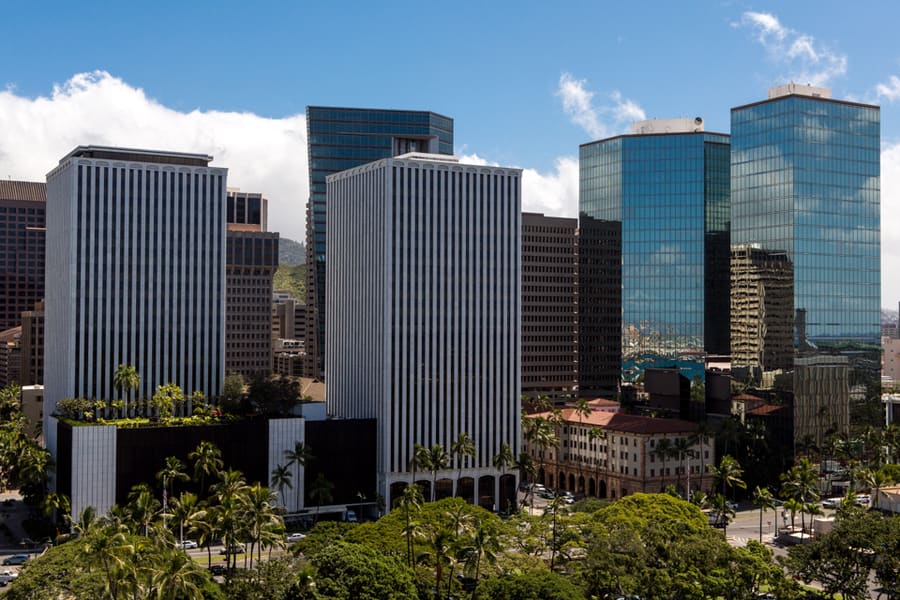
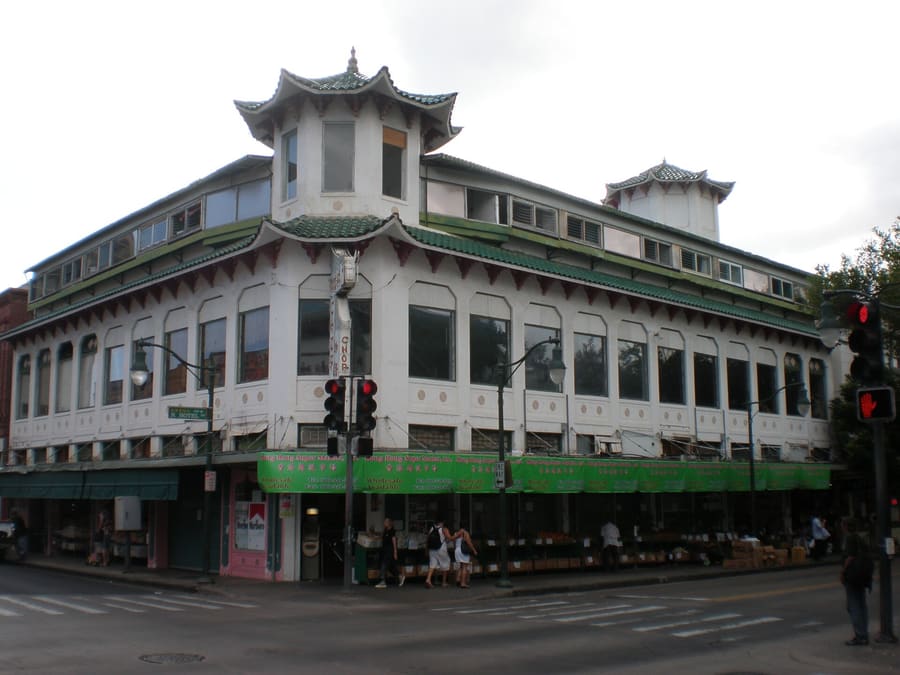
Civic centre combining 19th-century royal sites with financial towers and Chinatown markets.
近くIolani Palace, Oahu Market, Capitol Building
Parleyに聞くInland hillside neighborhood centered on Waialae Avenue, driven by local diners and bakeries.
近くWaialae Avenue, Kahala Mall, Diamond Head slopes
Parleyに聞くfood
Honolulu eating runs on two main pillars: fresh raw fish from Pacific catches and the multi-protein plate lunch born on plantation estates. Supermarket counters like Foodland and specialized shops like Off the Hook Hawaiian Poke prepare ahi tuna within hours of dock arrival. You order by weight or as a bowl over rice, seasoned with shoyu, limu seaweed, or spicy mayo.Plate lunches consist of two scoops of white rice, macaroni salad, and an intense protein such as chicken katsu, kalbi ribs, or loco moco (a burger patty topped with fried egg and brown gravy). Rainbow Drive-In and Highway Inn maintain the traditional formulas established decades ago.For Portuguese-influenced baking, Leonard's Bakery serves hot malasadas (holeless fried donuts dusted in sugar or filled with coconut haupia cream). Line up early at the Kapahulu Avenue location to avoid afternoon crowds.
Fresh ahi tuna poke made with sea salt, shoyu, and sea lettuce.
Aquateamhungerforce · CC BY-SA 4.0Buy poke by the pound at grocery deli counters like Foodland for better prices and fresher turn-over than tourist sit-down spots.
Leonard's Bakery queues move quickly, but fried malasadas turn chewy after 20 minutes. Eat them warm immediately in the parking lot.
Plate lunch counters peak between 11:30 AM and 1:00 PM when construction workers and downtown staff fill the queues.
history
Honolulu grew from a fishing harbor into the capital of the Kingdom of Hawaii under King Kamehameha III in 1845. Deep water access attracted whaling fleets, sugar traders, and foreign consulates. Royalty commissioned Iolani Palace in 1882, outfitting it with modern amenities like telephone lines and electric lighting before European palaces had them.In 1893, a group of American sugar planters and businessmen overthrew Queen Liliuokalani with back-up from US Marines. Hawaii was annexed by the United States in 1898 and converted into a US territory, followed by military expansion at Pearl Harbor.The December 7, 1941 attack on Pearl Harbor drew the United States into World War II and put Oahu under martial law. Post-war aviation brought commercial tourism, culminating in statehood in 1959 and high-rise construction across Waikiki wetlands.
Capital named
King Kamehameha III officially moves the royal capital of the Kingdom of Hawaii from Lahaina to Honolulu.
Iolani Palace completed
King Kalakaua opens the official royal residence, featuring rare koa wood interiors and modern electricity.
Overthrow of Monarchy
A military-backed coup deposes Queen Liliuokalani, leading to US annexation five years later in 1898.
Pearl Harbor attack
Imperial Japanese forces bomb the US naval base at Pearl Harbor, bringing the nation into World War II.
Statehood boom
Hawaii becomes the 50th US state, triggering rapid resort tower construction along Waikiki Beach.
where to stay
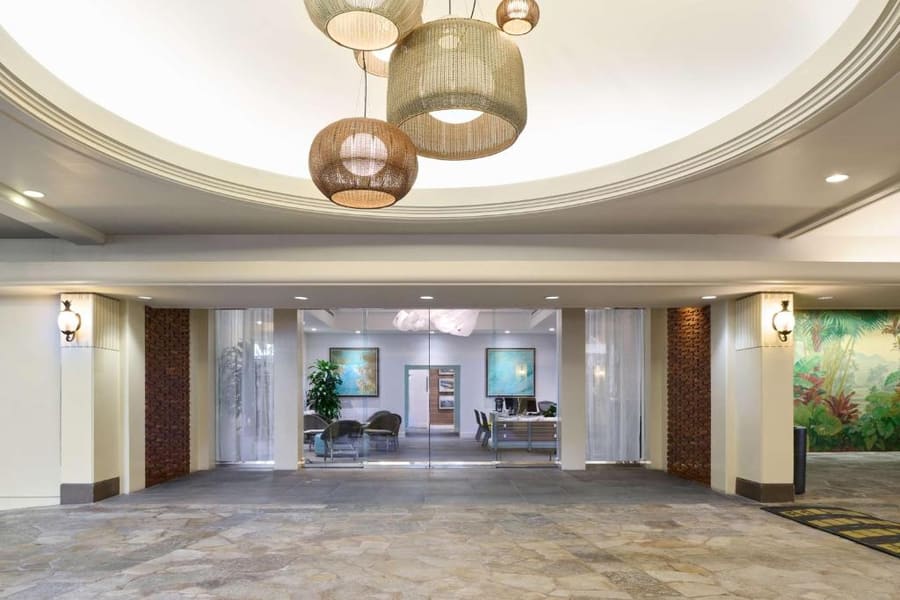
Choose your location based on your dependence on a car and proximity to the beach. Waikiki holds 90% of the city's hotels, placing you within walking distance of surf breaks, dining, and transit hubs. However, resort fees averaging $35 to $50 per night get added to base room charges across most properties.If you want quiet evenings and local neighborhood dining, look to luxury properties out in Kahala, as short-term vacation rentals are illegal in residential Kaimuki under City and County of Honolulu land use ordinances. Staying in Downtown puts you near historic landmarks and business districts but removes immediate access to swimmable sand.
transport
Honolulu's island setting makes public transit practical along urban coastal corridors. TheBus operates extensive routes with clean vehicles and reliable scheduling. Drivers do not give change, so get a reusable HOLO card at airport convenience stores or ABC Stores.Rideshare services (Uber and Lyft) operate heavily throughout the urban core and have dedicated pickup zones at Daniel K. Inouye International Airport (HNL). Driving inside tourist areas is easy, but parking costs in Waikiki garages run from $35 to $55 per night.
Daniel K. Inouye International Airport (HNL)から
Route 20 or 42. Luggage must fit under your seat or on your lap; large bags not allowed.
Pickup available at lobby 2 on the second level median across terminals.
Metered queues outside baggage claim. Tipping 15% is standard practice.
Shared vans like Roberts Hawaii. Book online prior to flight arrival.
Tap a HOLO transit card on TheBus. Daily fares cap automatically at $7.50, giving you free unlimited rides for the rest of the day.
Eastbound morning traffic into downtown spikes 6:30–8:30 AM. Westbound traffic jams 3:30–6:00 PM.
Biki operates hundreds of blue rental bikes across Waikiki and Kakaako. Unlock them using a credit card at street docks.
cost
Honolulu imports a vast majority of its goods and energy, driving up retail prices relative to mainland US standards. A 4.712% general excise tax gets added to nearly all retail purchases, food orders, and services at checkout.Budgeting requires planning for daily resort fees added onto hotel room rates. Counter-service eateries and local markets provide high-quality food without table service charges.
Fresh tuna over rice purchased at deli counters or specialized fish shops.
Maximum fare charged per calendar day when paying with a HOLO card.
Per-person entry fee for non-residents. Parking costs an additional $10 per vehicle.
Mandatory daily charge tacked onto base nightly rates at Waikiki hotels.
seasonality
DEC – FEB
Winter brings huge north shore surf swells and peak holiday room rates. Ocean water stays warm enough for swimming.
MAR – MAY
Spring offers lower accommodation prices and moderate rainfall. Ideal conditions for hiking and urban walking.
JUN – AUG
Summer delivers warm sea conditions and calm north shores. Air temperatures regularly cross 88°F (31°C).
SEP – NOV
Autumn sees reduced crowds between summer holidays and winter peak. Trade winds keep humidity manageable.
practicalities
Hawaii law bans sunscreens containing oxybenzone and octinoxate to protect coral reefs. Buy mineral sunscreens locally.
Pay attention to warning flags for high surf or box jellyfish (which arrive 7–10 days after a full moon).
Oahu stores cannot issue single-use plastic checkout bags. Bring reusable bags or pay 15 cents for paper.
Hawaii does not observe Daylight Saving Time. The time difference from the US West Coast changes by an hour in spring.
Drivers must stop completely for pedestrians once they step into any portion of a marked crosswalk.