landmark
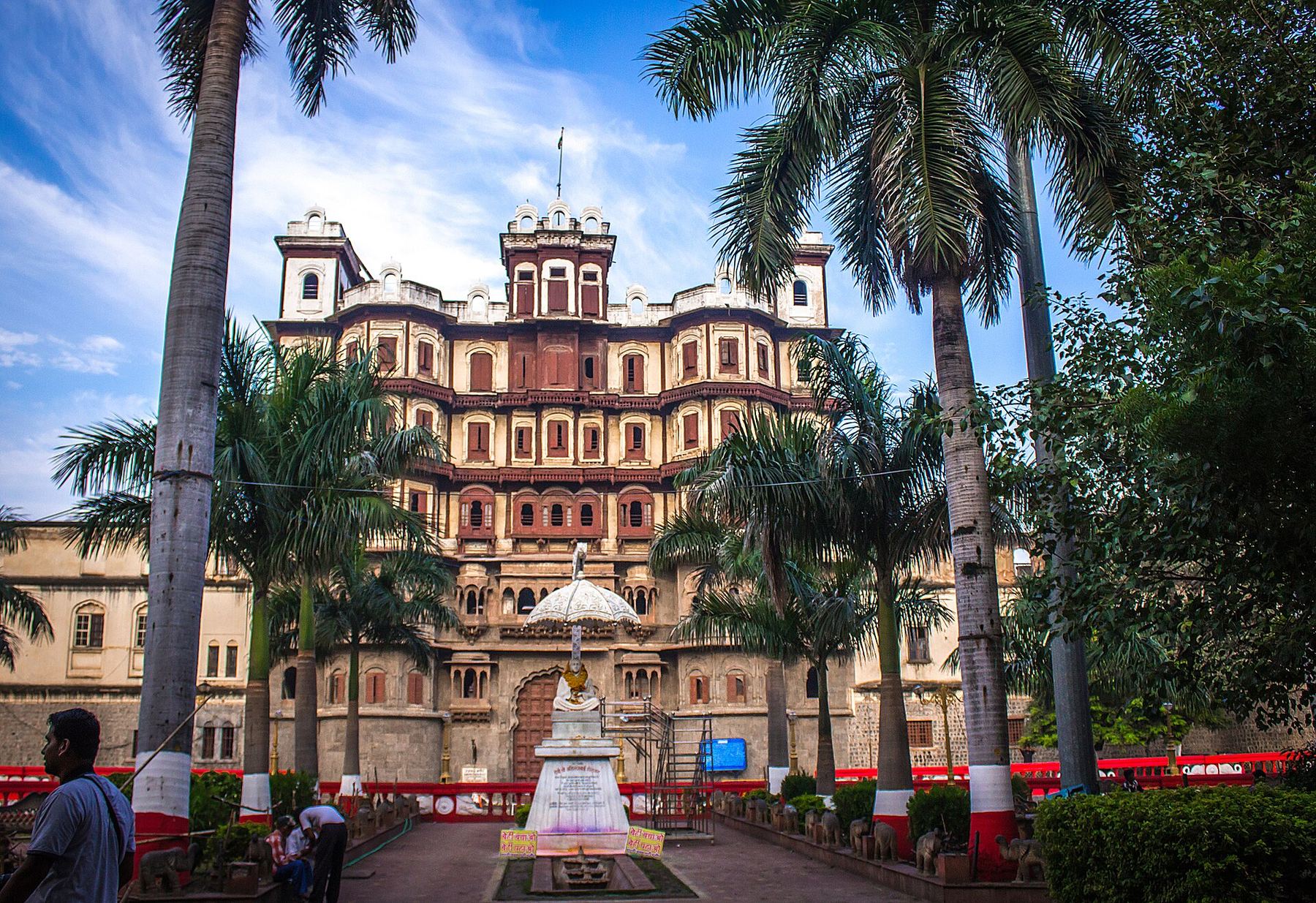
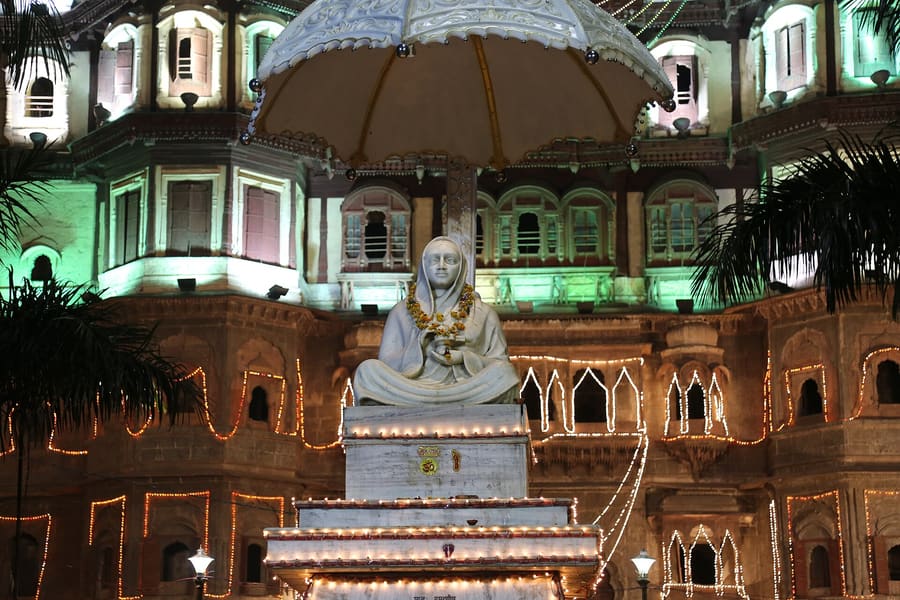
Rajwada Palace
Seven-storey Maratha palace built in 1766. Lower levels are stone; upper levels are crafted from wood.
Parleyに聞くインド
Street food capital of Malwa with Maratha palace history.
introduction
Indore is the commercial capital of Madhya Pradesh and India's cleanest city. It runs on a double schedule of daytime textile commerce and midnight street dining. The historic core around Rajwada reflects Holkar Dynasty rule, while modern Vijay Nagar drives tech expansion. Navigating the city is easy via the iBus BRTS corridor.
Airport transport shortcut
Devi Ahilya Bai Holkar Airport sits 8 km west of the centre. Pre-paid taxi booths inside arrival handle fixed fares to town.
Cleanest city rating
Indore has won India's Swachh Survekshan cleanliness award for seven consecutive years. Waste sorting is strictly enforced everywhere.
Night market operating hours
Sarafa Bazar transforms from jewelry shops to food market at 20:00. Stall vendors cook until 02:00 every night.
Indore
Shirazibustan · CC BY-SA 3.0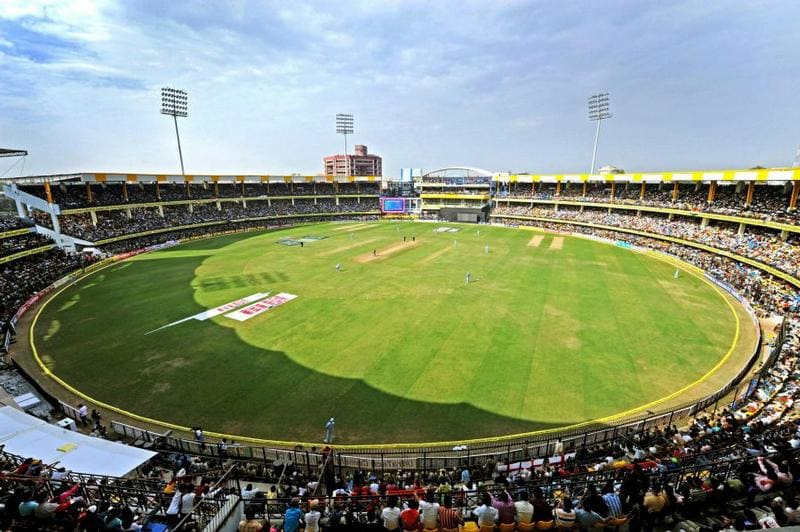
New Palasia — Central residential and commercial mix known for boutique cafes and leafy residential avenues.
Gyanendrasinghchauha… · CC BY 3.0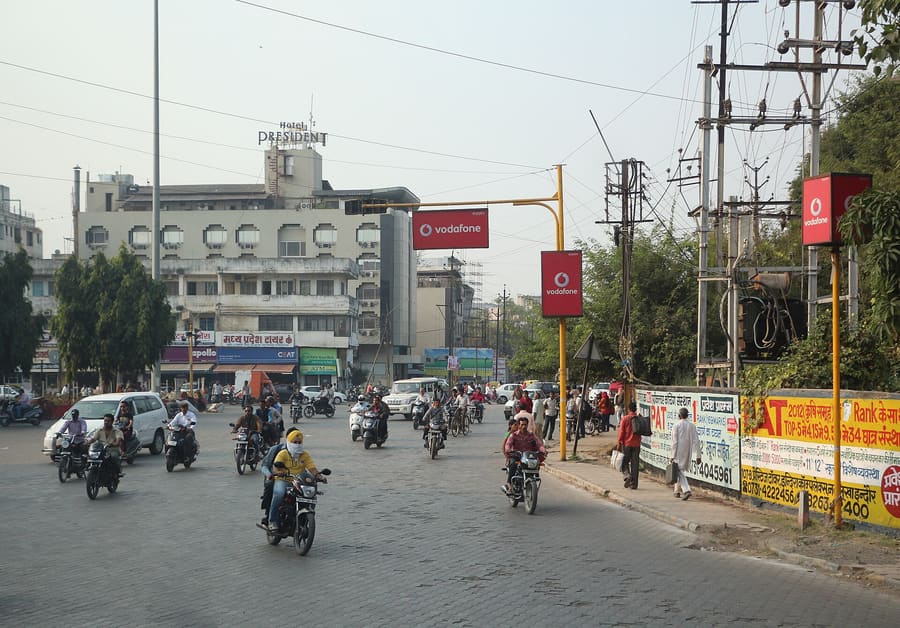
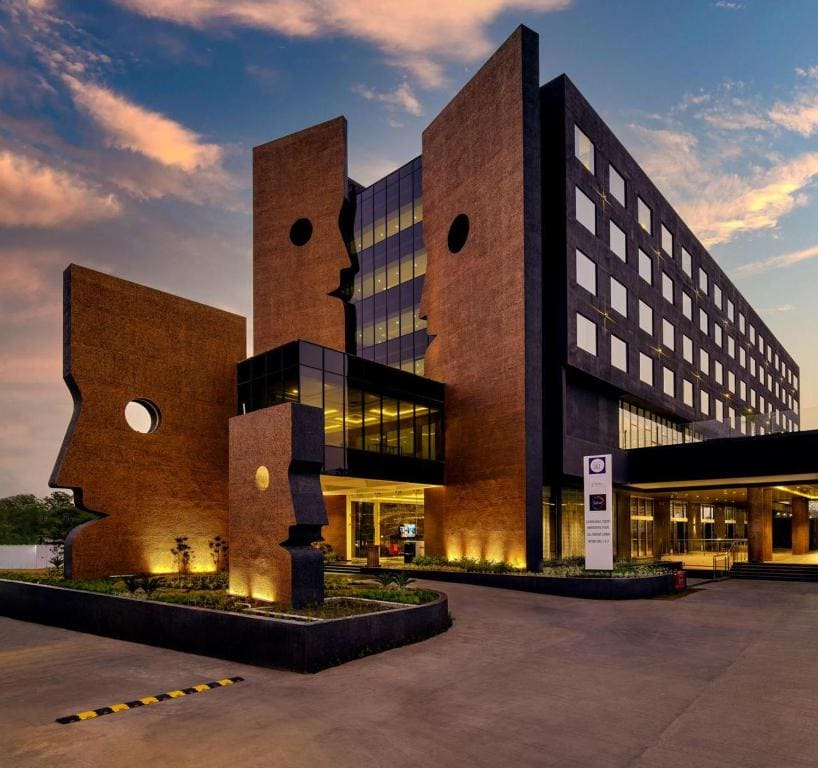
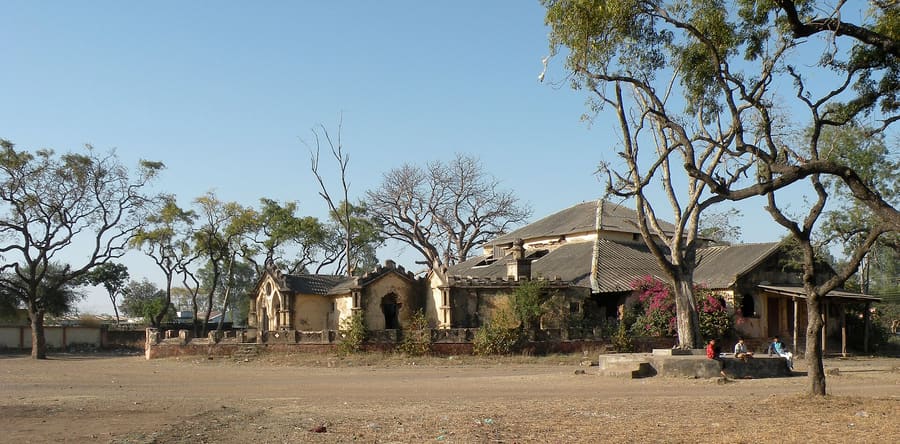
South Tukoganj — Established commercial hub near the main railway station with mid-range heritage properties.
Bernard Gagnon · CC BY-SA 3.0highlights
landmark
Seven-storey Maratha palace built in 1766. Lower levels are stone; upper levels are crafted from wood.
Parleyに聞く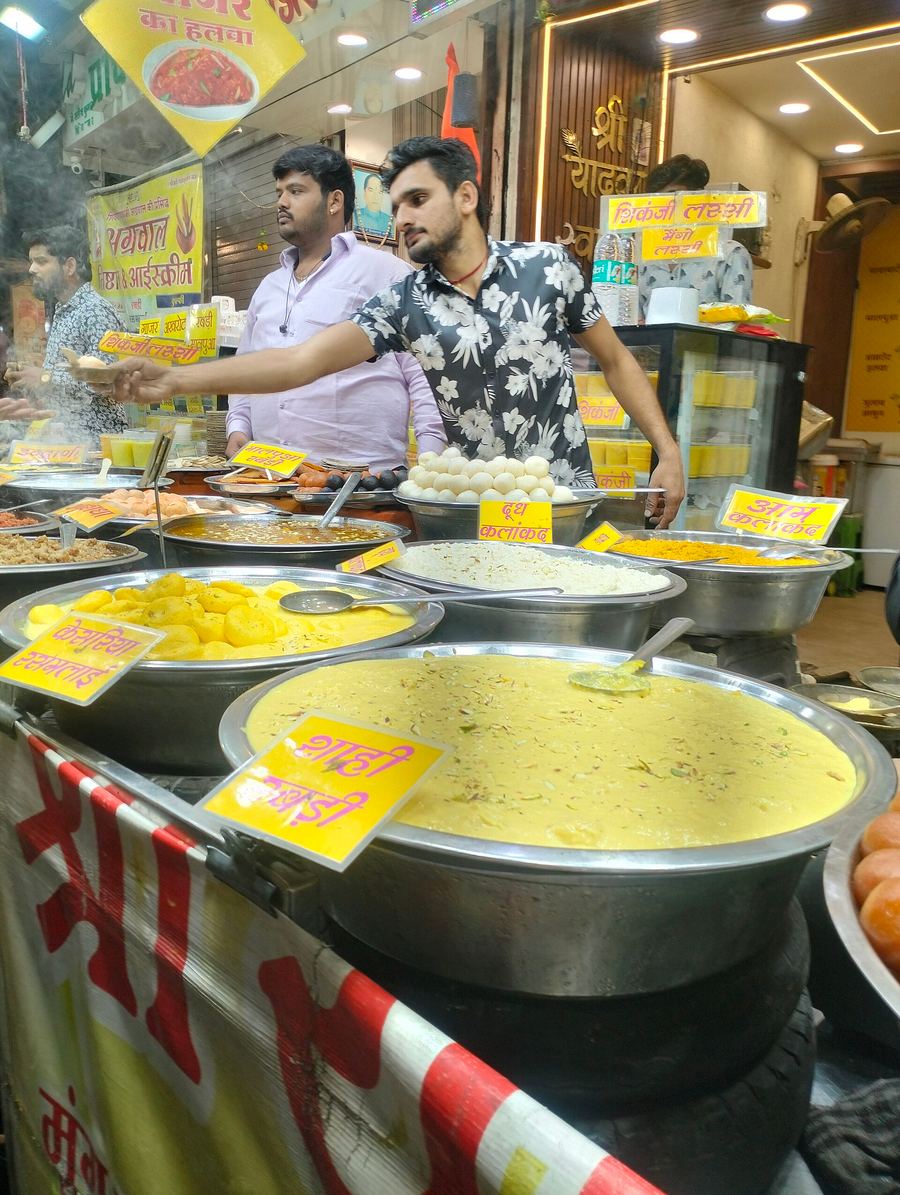
landmark
A pedestrian food street housing 56 original shops serving snack classics like poha and jalebi.
Parleyに聞く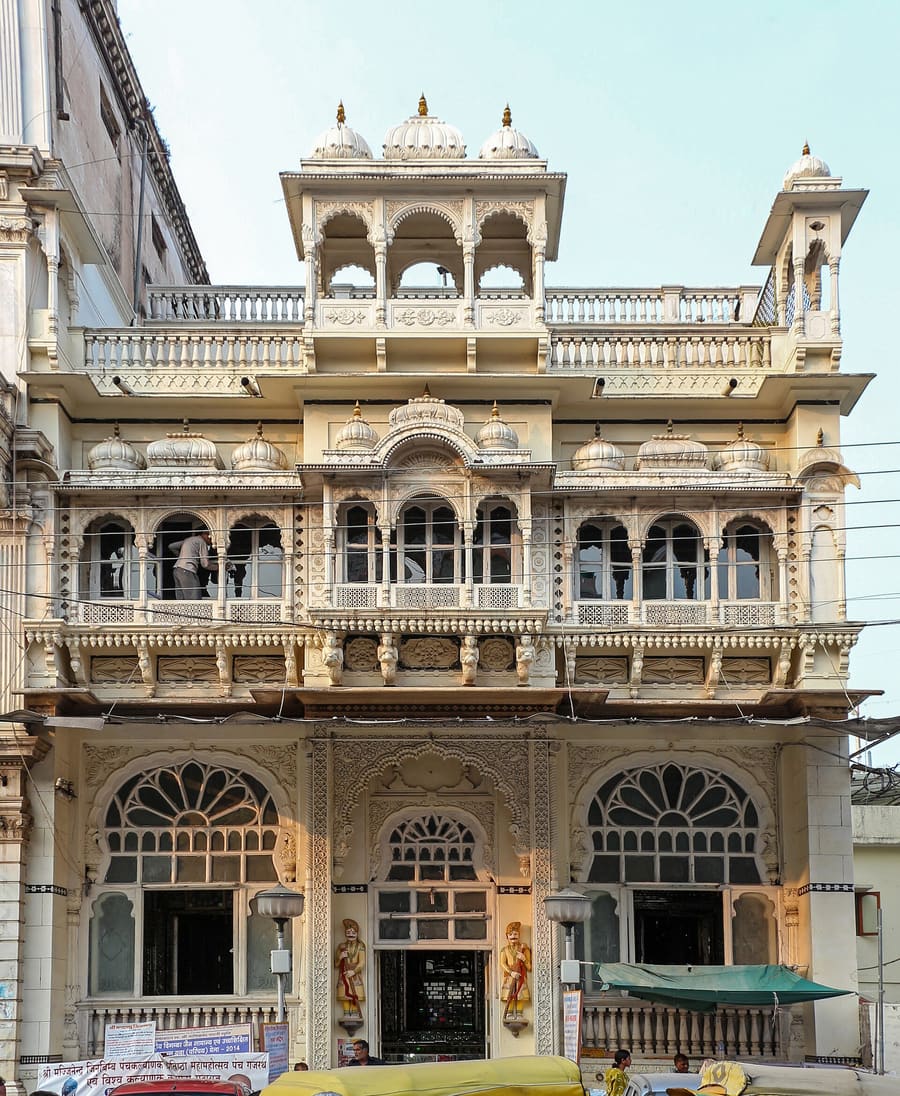
landmark
Jain temple built in 1903. Every interior surface is covered in hand-cut glass mosaics and mirrors.
Parleyに聞く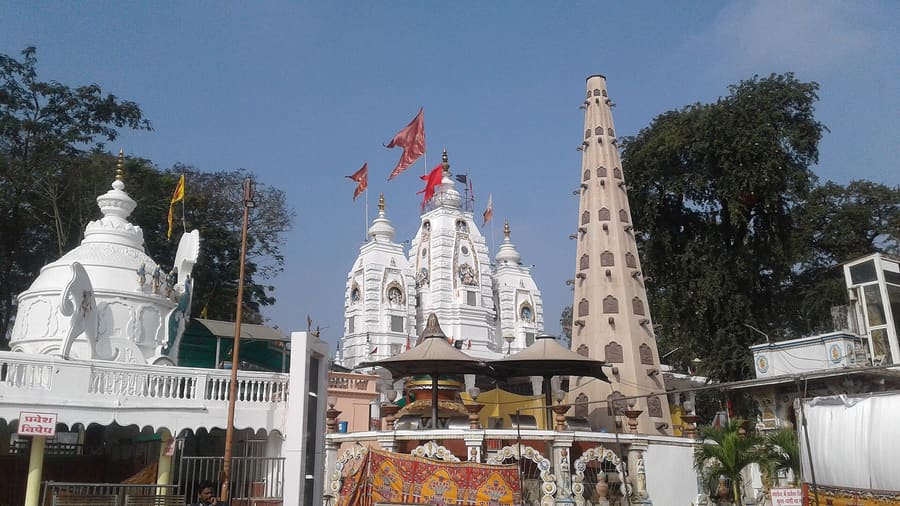
landmark
Houses an 8-meter Ganesha idol erected in 1875. Made from limestone, jaggery, and holy water.
Parleyに聞くattractions
areas
Central residential and commercial mix known for boutique cafes and leafy residential avenues.
近くChappan Dukan, Treasure Island Mall
Parleyに聞くEstablished commercial hub near the main railway station with mid-range heritage properties.
近くIndore Junction Railway Station, Nehru Stadium
Parleyに聞くDense historic quarter with narrow market lanes, Maratha palaces, and late-night food alleys.
近くRajwada Palace, Sarafa Bazar, Kanch Mandir
Parleyに聞くModern northern district filled with upscale business hotels, tech hubs, and shopping malls.
近くC21 Mall, Phoenix Citadel Mall, AB Road
Parleyに聞くfood
Indore treats street food as a primary civic activity. Mornings center on steamed poha topped with crispy sev and sweet jalebi. Evenings shift to Chappan Dukan and midnight cravings belong exclusively to Sarafa Bazar. Indori cuisine balances spicy, tangy, and sweet flavors in single dishes.
Eat Indori poha before 10:00 at Prashant Corner or Headquarter Poha. The flattened rice is steamed with fennel seed and topped with onion and sev.
Try fried yam tossed with local spices between November and February. Vendors sell it piping hot across Chappan Dukan stalls.
history
Indore grew under the Holkar dynasty in the 18th century. Rani Ahilyabai Holkar shifted the capital to Maheshwar in 1767, but Indore remained the commercial backbone. The British Raj integrated the princely state through treaties while leaving local Holkar rule intact until Indian independence.
Holkar Dynasty founded
Maratha general Malhar Rao Holkar receives control of Malwa, establishing Indore as a trading centre.
Rajwada Palace built
Construction begins on the seven-storey palace, blending Maratha, Mughal, and French architectural styles.
Treaty of Mandsaur
Indore becomes a British protectorate following the Third Anglo-Maratha War, preserving internal royal rule.
Accession to India
The princely state of Indore accedes to the Union of India, later merging into Madhya Pradesh state in 1956.
where to stay
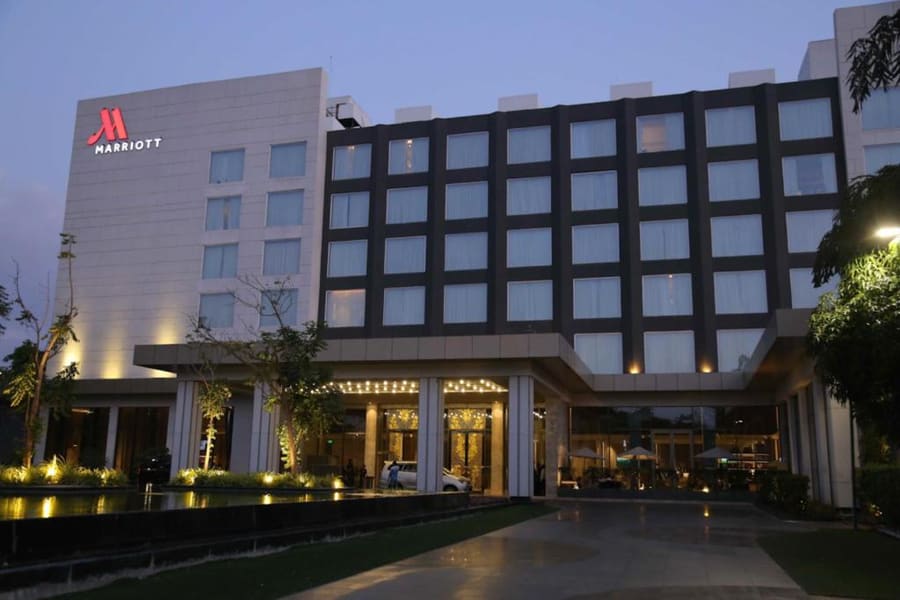
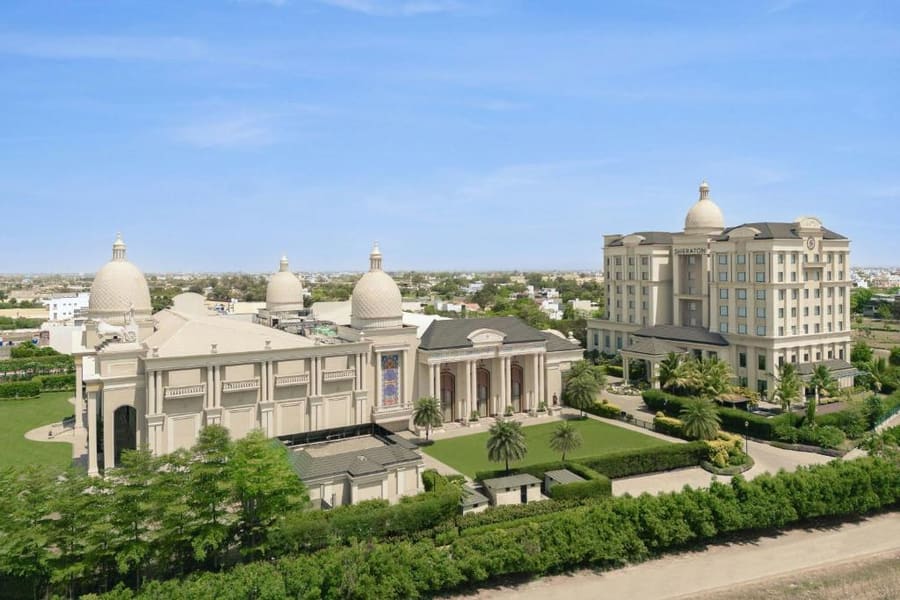
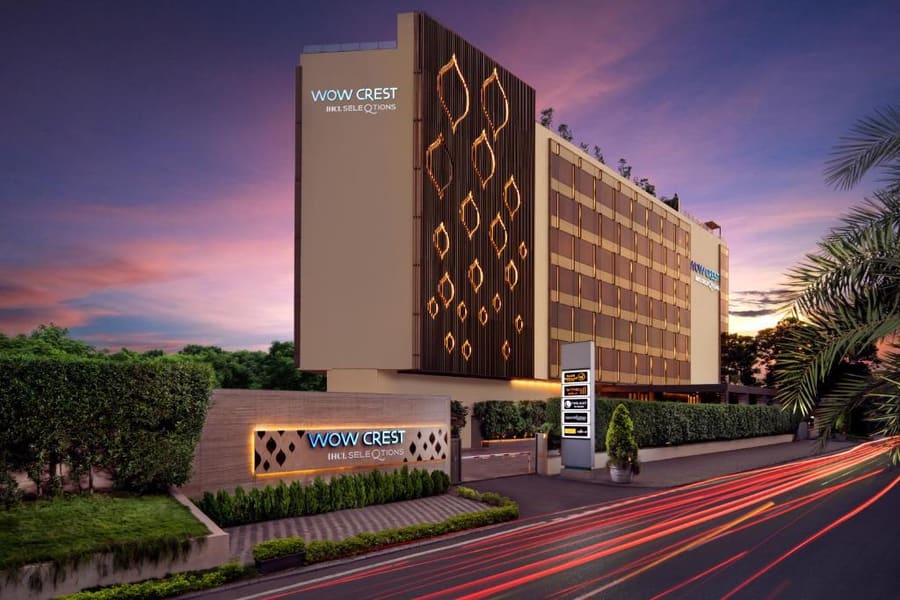
Choose your location based on transit priorities. Stay in Vijay Nagar for modern international hotel chains and quiet nights. Pick New Palasia or South Tukoganj if you want easy walking distance to railway services and street food markets.
transport
Indore features an efficient Bus Rapid Transit System (iBus) running along the main trunk road. Auto-rickshaws handle short local connections, while app-based cabs operate across the metropolitan area.
Devi Ahilya Bai Holkar Airport (IDR)から
Book at pre-paid counters inside arrivals to ensure regulated fares to town.
Uber and Ola pickup spots are located right outside the main terminal exit.
Bargain driver rates before setting off; meters are rarely used for airport runs.
The iBus runs along AB Road in dedicated lanes. It costs ₹5–25 and avoids standard city traffic jams entirely.
Most auto drivers accept instant UPI QR code transfers. Keep small cash notes in ₹10 and ₹20 denominations for night rides.
Bike taxis operate through the Rapido app. They bypass narrow Old City lane congestion far faster than cars.
Heavy traffic clogs the main arterial corridors between 09:00–10:30 and 18:30–20:00 every weekday.
cost
Indore remains very affordable compared to tier-one Indian metros. Food yields high value, while transport costs are modest across all modes.
Standard price at local street vendors for a filling breakfast portion.
Covers four to five snack portions including dahi bada, bhutte ka kees, and dessert.
Allows unlimited rides across the bus rapid transit network for one calendar day.
Lal Bagh Palace charges ₹20 for Indian citizens and ₹250 for foreign tourists.
seasonality
OCT – FEB
Daytime temperatures stay around 20–28°C. Ideal season for outdoor sightseeing and night food walking tours.
MAR – MAY
Temperatures cross 40°C regularly. Limit urban exploration to early morning hours or air-conditioned spaces.
JUN – SEP
Monsoon rains cool the city down. Nearby waterfalls in the Vindhya range reach full strength during this window.
practicalities
Indore enforces strict littering fines. Throw trash only into labeled wet and dry public bins.
UPI mobile payments are accepted by almost every street food vendor, auto driver, and shopkeeper.
Shops in traditional bazaars close for lunch between 14:00 and 16:00, staying open until 21:00.
Remove footwear and cover shoulders before stepping inside Jain and Hindu temples.
Most central street stalls serve exclusively pure vegetarian food due to local culinary heritage.