landmark
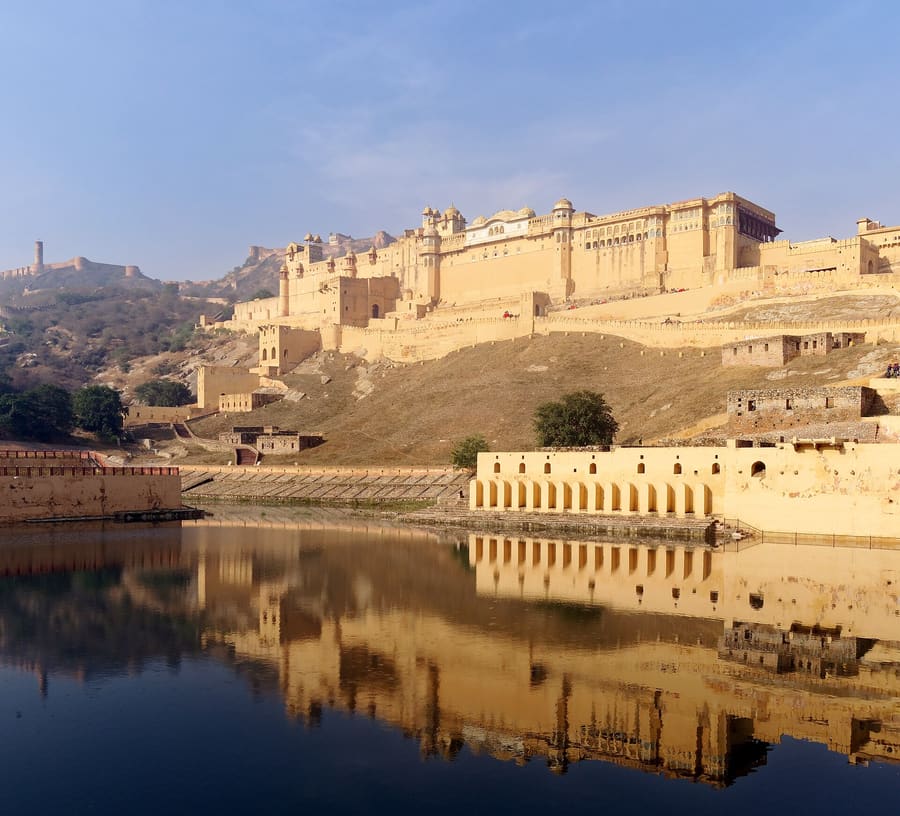
Amber Fort
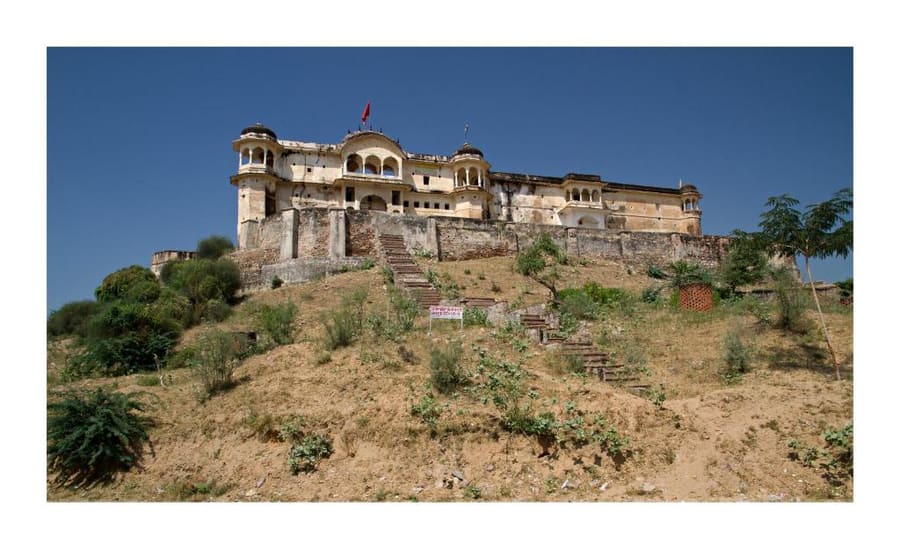
This 16th-century fortress sits 11 km north of the city. Arrive before 08:30 to beat tour buses and heat.
Parleyに聞くインド
Grid-planned royal heritage, spice markets, and pink walls.
introduction
Jaipur operates on a strict geometric grid laid out in 1727. The historic core stays enclosed by terracotta-pink walls that give the city its nickname. You navigate between fortified hilltop palaces and crowded bazaar avenues lined with jewelry workshops. Daily life balances traditional artisan commerce with a modern urban center.
UNESCO World Heritage designation
The Walled City of Jaipur gained UNESCO status in 2019 for its grid planning. Jantar Mantar holds a separate UNESCO listing.
Composite monument ticketing
A single composite ticket valid for two days covers Amber Fort, Jantar Mantar, Hawa Mahal, and Nahargarh. Buy it at your first stop.
Jaipur
Ajit Kumar Majhi · CC BY-SA 4.0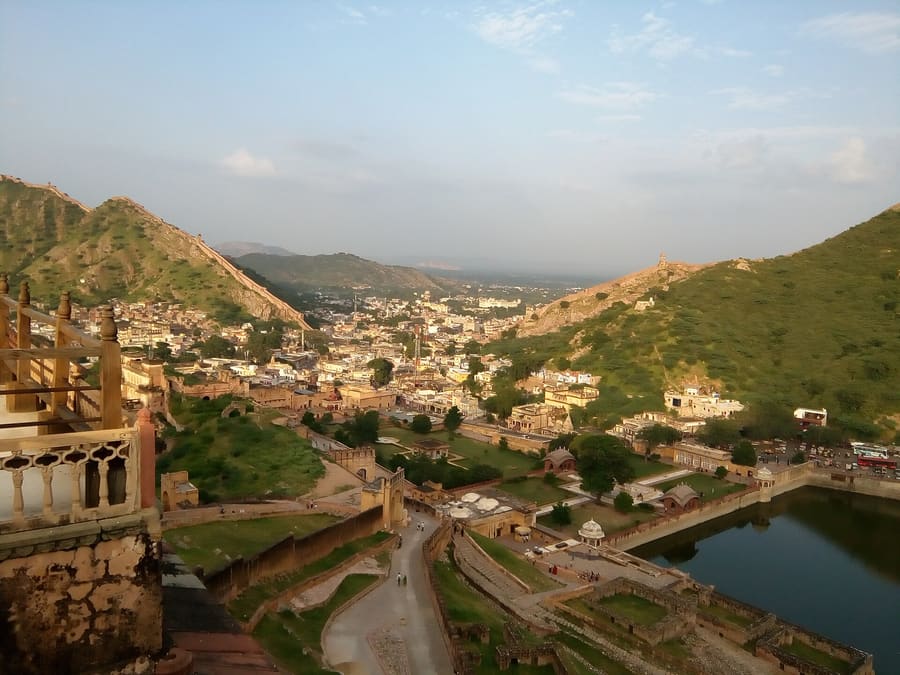
Amer — A quiet village setting beneath Amber Fort, surrounded by the Aravalli hills.
Roshanrajverma · CC BY-SA 4.0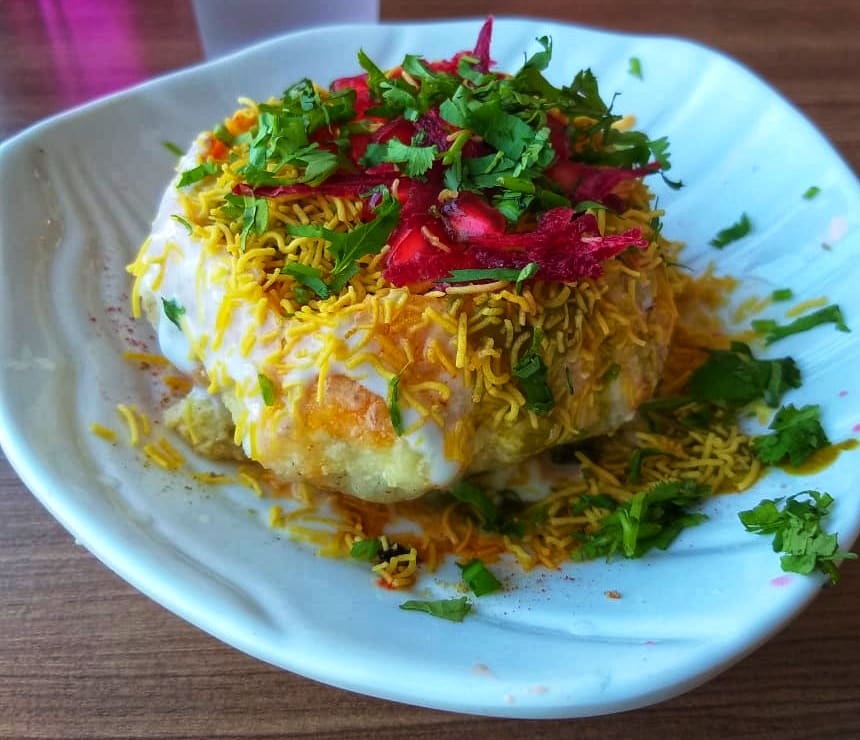
Freshly fried pyaaz kachori served hot at Rawat Mishthan Bhandar.
Jaipuriamanasi · CC BY-SA 4.0highlights
landmark
This 16th-century fortress sits 11 km north of the city. Arrive before 08:30 to beat tour buses and heat.
Parleyに聞く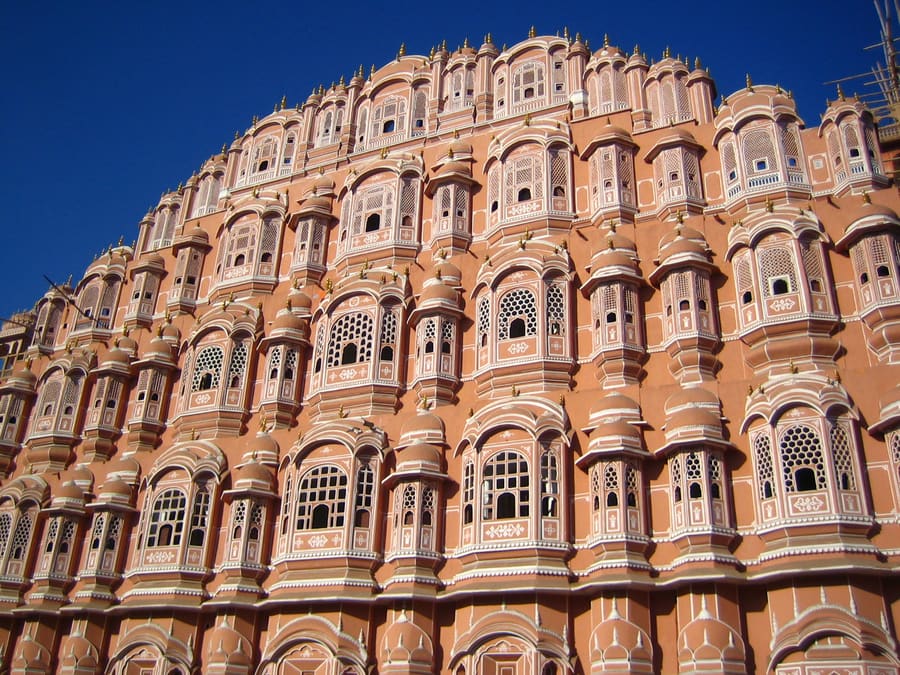
landmark
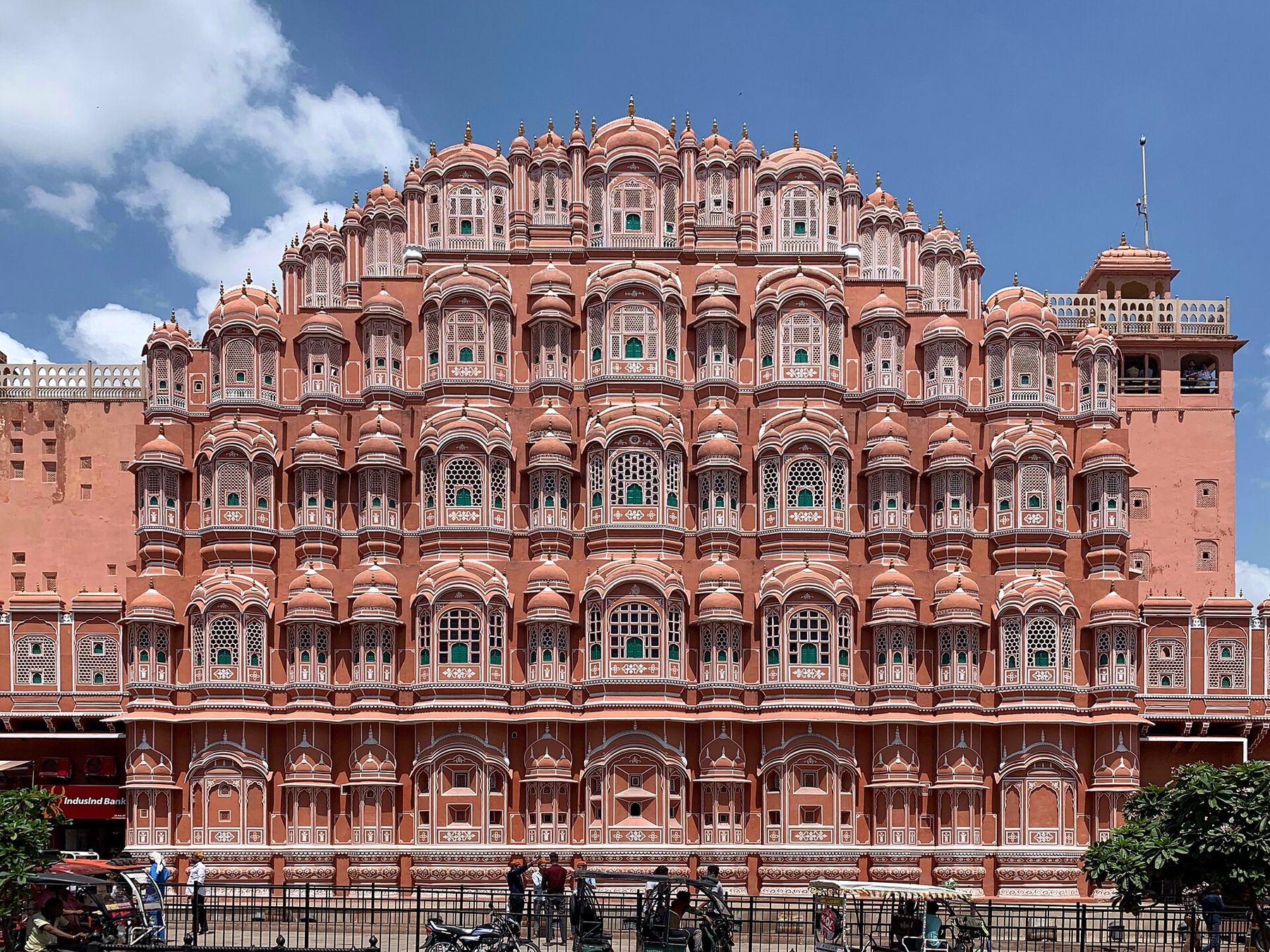
The 953-window facade cooled royal women watching street processions. View it from wind-facing street cafes across the road.
Parleyに聞く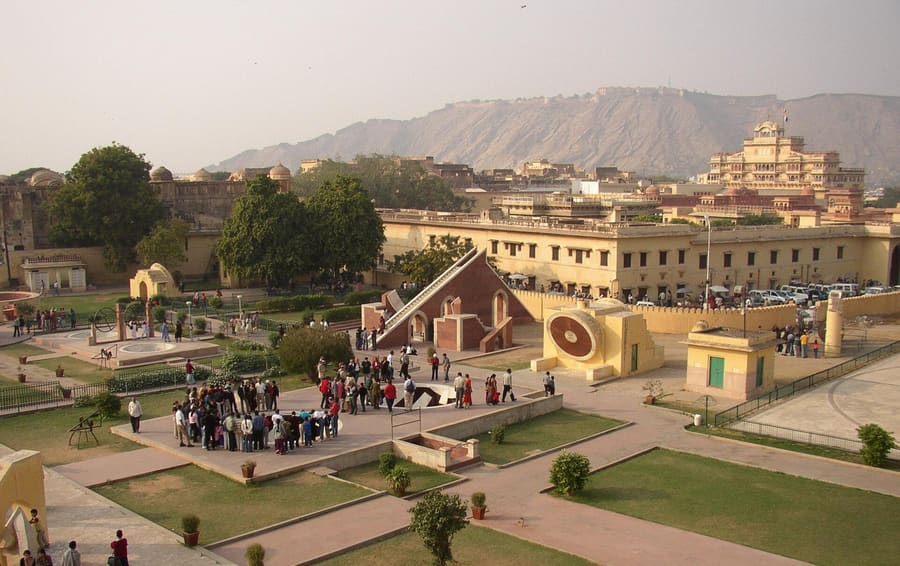
landmark
An 18th-century astronomical observatory with world's largest stone sundial. Hire an official guide at the gate to decode instruments.
Parleyに聞く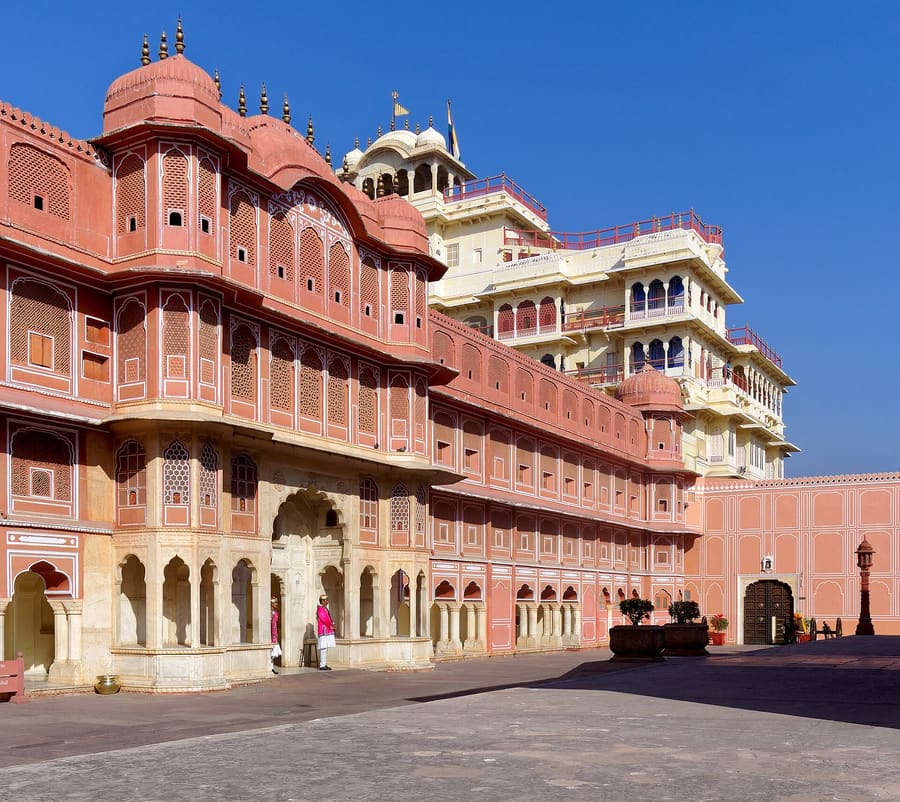
landmark
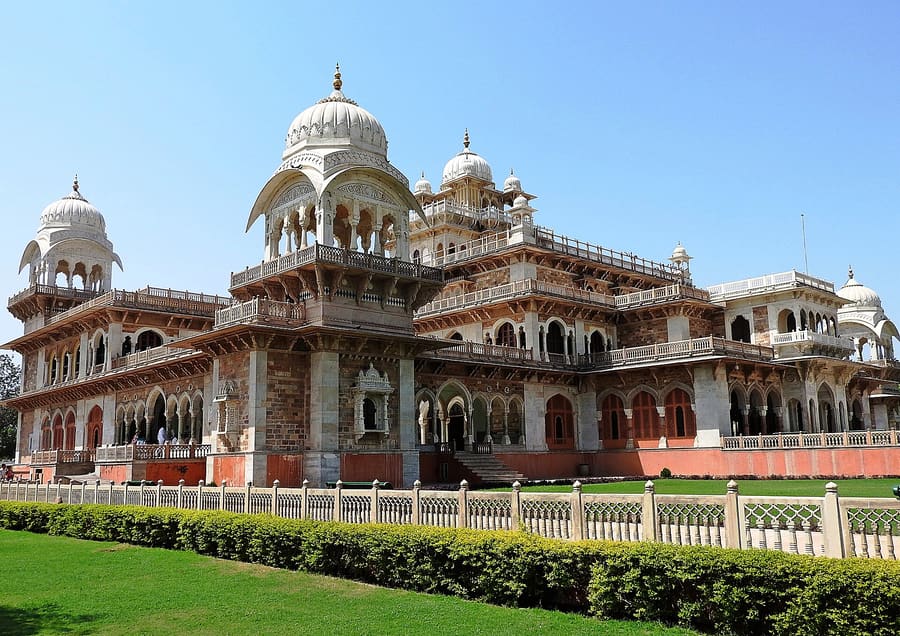
The royal family still lives in a private wing. The standard ticket gives access to the courtyard, armory, and textile museum.
Parleyに聞くattractions
areas
A quiet village setting beneath Amber Fort, surrounded by the Aravalli hills.
近くAmber Fort and Stepwells
Parleyに聞くTree-lined avenues, boutique cafes, cocktail bars, and quiet residential compounds.
近くCentral Park and Museum
Parleyに聞くSpacious suburban neighborhood filled with heritage havelis converted into boutique guesthouses.
近くJaipur Junction Station
Parleyに聞くfood
Jaipur cooking uses clarified butter, yogurt, and dried spices to preserve food in arid climates. Street stalls specialize in specific morning or evening snacks rather than full menus. Breakfast centers on fried pastries filled with spiced lentils or onion. Sweetshops sell disk-shaped disc pastries soaked in sugar syrup called ghevar during monsoon months.
Freshly fried pyaaz kachori served hot at Rawat Mishthan Bhandar.
Jaipuriamanasi · CC BY-SA 4.0Rawat Mishthan Bhandar near the main bus station fries hot batches of deep-fried onion pastry from 07:00.
This spicy mutton curry prepared with Mathania red chilies requires a sit-down restaurant like Handi or Niros.
history
Maharaja Jai Singh II founded Jaipur in 1727 to replace overcrowded Amer as his capital. Architect Vidyadhar Bhattacharya designed the city using ancient Hindu vastu shastra principles on a nine-square grid. In 1876, Maharaja Ram Singh painted every central building terracotta-pink for the arrival of the Prince of Wales. The color scheme remains enforced by municipal law today.
City foundation
Jai Singh II moves his royal court from Amer to the newly planned grid city of Jaipur.
Jantar Mantar completed
Royal astronomers construct nineteen architectural stone instruments to measure planetary movement.
Hawa Mahal built
Sawai Pratap Singh builds the Palace of Winds so royal women can observe street life unseen.
The Pink City
The city paints its outer walls pink to welcome royal British guests, creating the regional signature.
UNESCO status
The Walled City receives UNESCO World Heritage status for its historic urban planning.
where to stay
Choose your base by your tolerance for noise and urban chaos. Stay inside the Old City if you want historic atmosphere outside your doorway. Pick C-Scheme for modern restaurants and quiet nights. Bani Park offers peaceful courtyards at moderate prices.
transport
Jaipur transit splits between auto-rickshaws, rideshare apps, and a single metro line. Walking works inside individual bazaars but proves hazardous between major sights due to lack of sidewalks and heavy vehicle traffic.
JAIから
Prepaid desks inside arrivals prevent fare bargaining upon landing.
Uber and Ola pick up outside the main terminal building.
Agreed fare before loading luggage; unmetered.
Low-floor city buses run from the main airport road to Ajmeri Gate.
App fares establish baseline prices for auto-rickshaws when bargaining on street corners.
The metro connects Mansarovar to Badi Chaupar in the Old City. Use it to bypass street traffic into central markets.
Agree on ₹800–1200 for five hours of sightseeing. Pay only after completion.
Badi Chaupar and Chhoti Chaupar bottlenecks jam entirely between 17:00 and 20:00.
cost
Jaipur fits multiple budgets. Major monument entry fees for foreign tourists carry steep markups over domestic rates, making sight tickets a significant expense.
Covers eight major monuments over two days including Amber Fort and Hawa Mahal.
Standard price at established sweetshops like Rawat or Sodhani.
Covers transit out to Amber Fort and return trips across town.
Dinner for one including main dish, bread, and drink in C-Scheme.
seasonality
OCT – MAR
Daytime temperatures stay around 20–28°C. Expect full hotels and higher room rates.
APR – JUN
Temperatures regularly exceed 40°C. Sightseeing must finish before 11:00.
JUL – SEP
Monsoon rains bring high humidity and brief downpours. Landscape greens out.
practicalities
Remove leather items including belts and watchbands before entering central shrines like Govind Dev Ji.
Rickshaw drivers offer cheap fares in exchange for dropping you at specific emporiums. Refuse store stops firmly.
Amber Fort and City Palace open by 08:00 or 09:00. Start early to avoid midday sun and group tours.
Small street vendors and rickshaws do not accept foreign credit cards. Carry small rupee notes.
Tap water is unsafe for visitors. Use sealed bottles for drinking and brushing teeth.
/18359394b1da.jpg)