landmark
Bako National Park
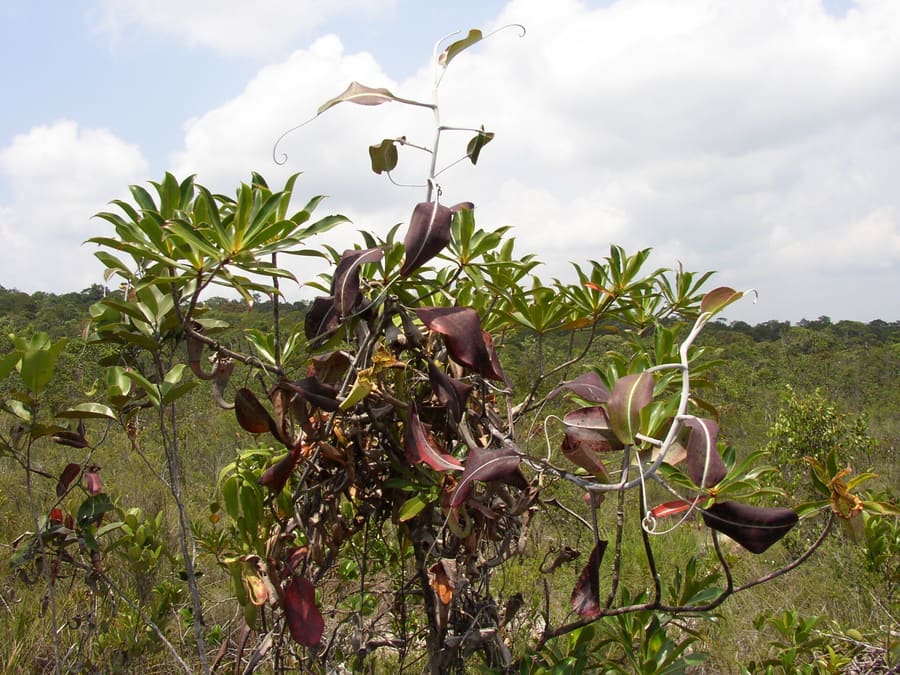
Sarawak's oldest national park features proboscis monkeys and coastal trails. Take the boat from Kampung Bako early to beat low tide.
Parleyに聞くマレーシア
Borneo's riverside capital of food, rainforests, and Rajah history.
introduction
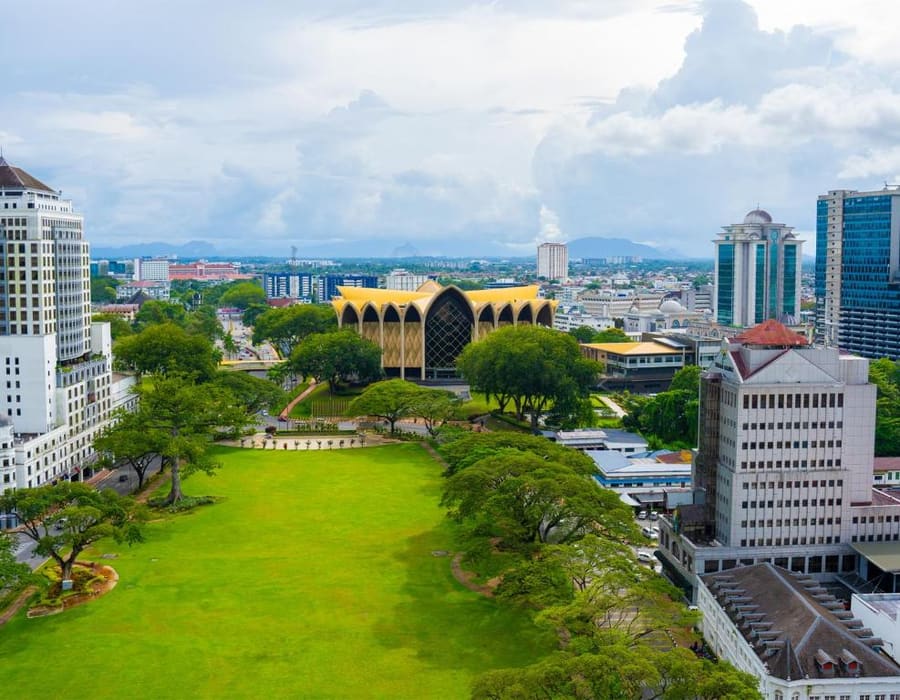
Kuching sits on the Sarawak River in Malaysian Borneo. You navigate the city center easily on foot, using river sampans to cross to northern traditional villages. Rainforest reserves and wildlife sanctuaries lie within an hour's drive of downtown. Expect humid tropical days, quiet evenings, and distinct regional food found nowhere else in Malaysia.
Airport transport shortcut
Skip the airport taxi counter line. Book a Grab driver via the app for roughly RM 20 directly to the city center.
UNESCO City of Gastronomy
UNESCO designated Kuching a Creative City of Gastronomy in 2021 for its indigenous culinary traditions and street food culture.
Kuching
Graystravels · CC BY-SA 4.0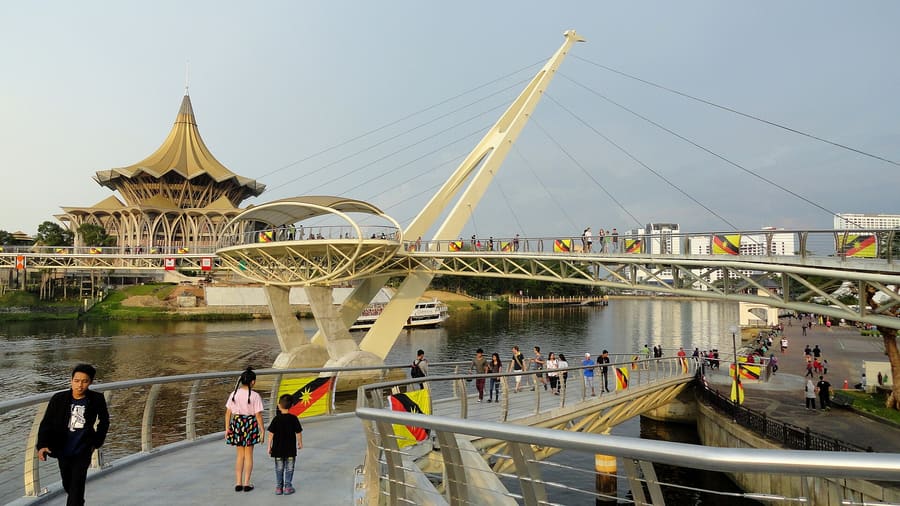
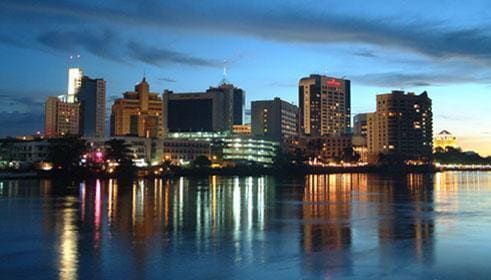
Waterfront — Central riverside hub with wide pedestrian paths and open-air food stalls.
Fabio Achilli from Milano, Italy · CC BY 2.0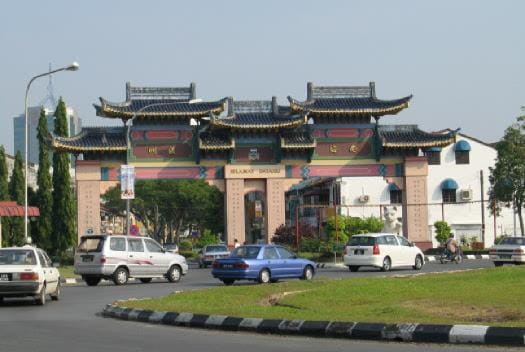
Padungan — Old commercial strip lined with classic kopitiams and famous local eateries.
Syafsanai at ms.wikipedia · Public domain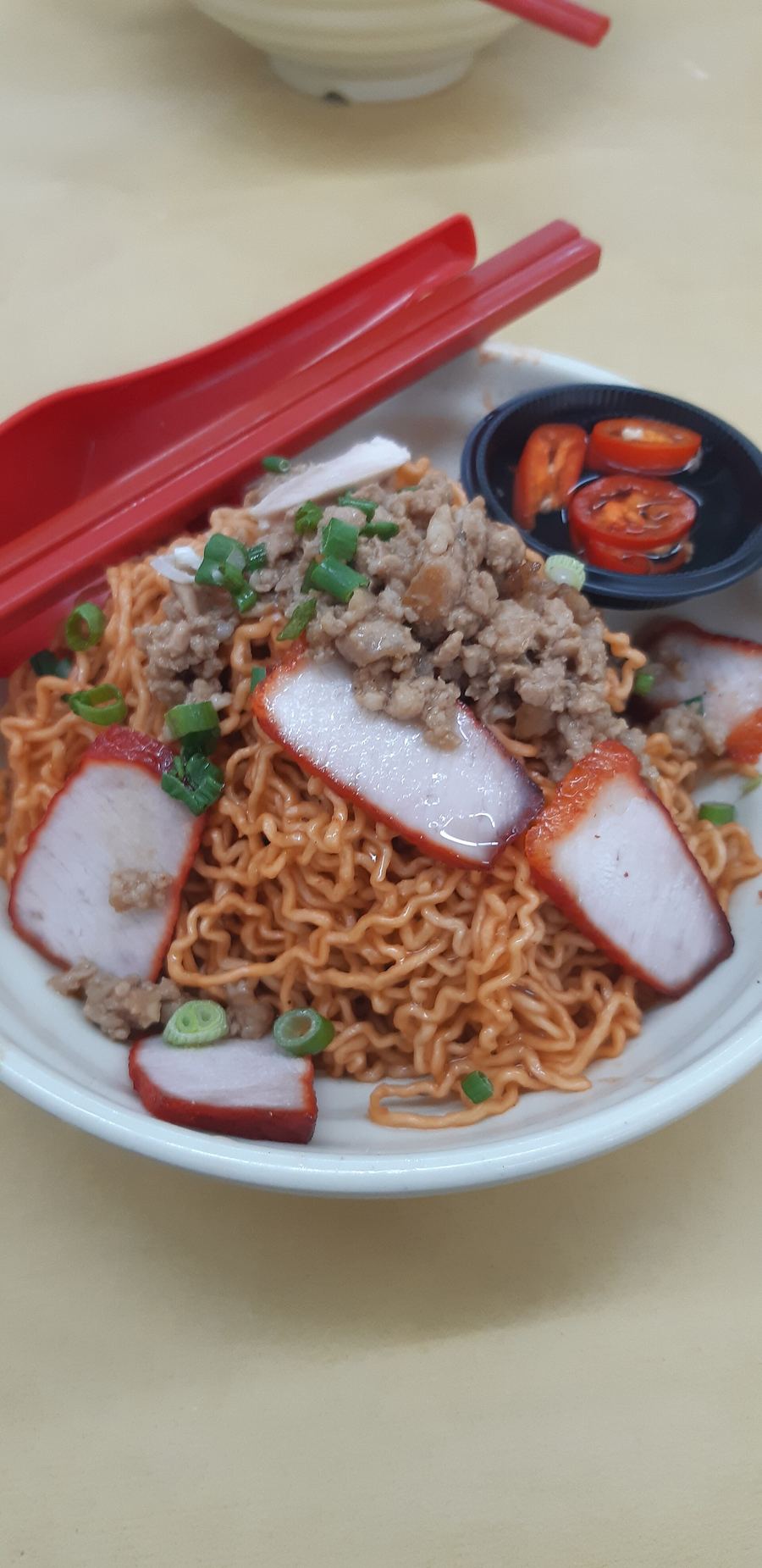
Kolo mee served dry with pork slices and minced meat at a downtown kopitiam.
Lemmas123 · CC0highlights
landmark
Sarawak's oldest national park features proboscis monkeys and coastal trails. Take the boat from Kampung Bako early to beat low tide.
Parleyに聞く
landmark
A 900-meter paved riverwalk with views of the State Assembly building. Walk at dusk when vendors open and heat recedes.
Parleyに聞く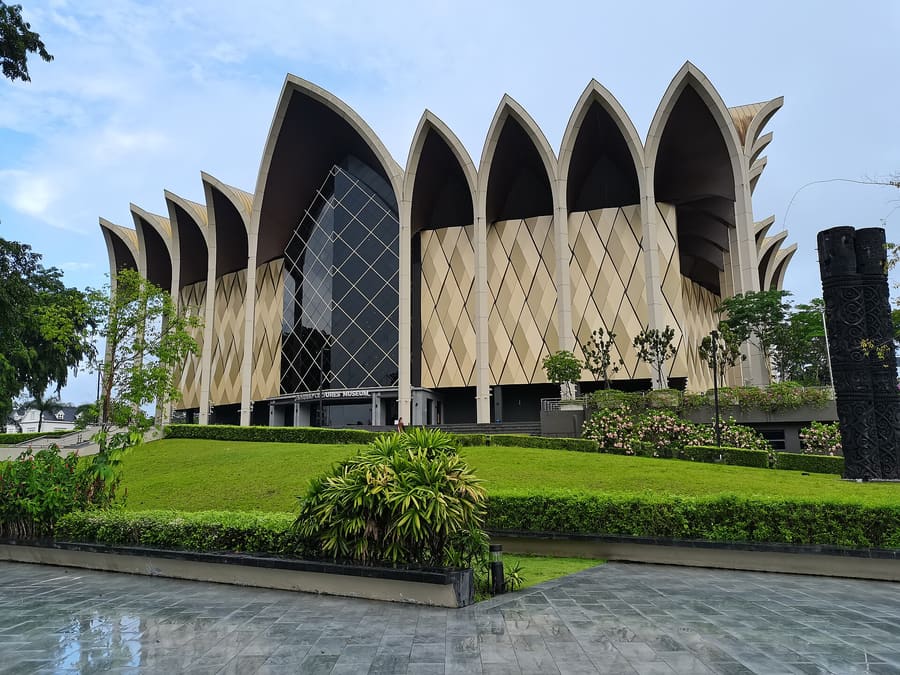
landmark
Five floors of state-of-the-art indigenous artifacts and interactive displays. Book tickets online to avoid weekend morning queues.
Parleyに聞く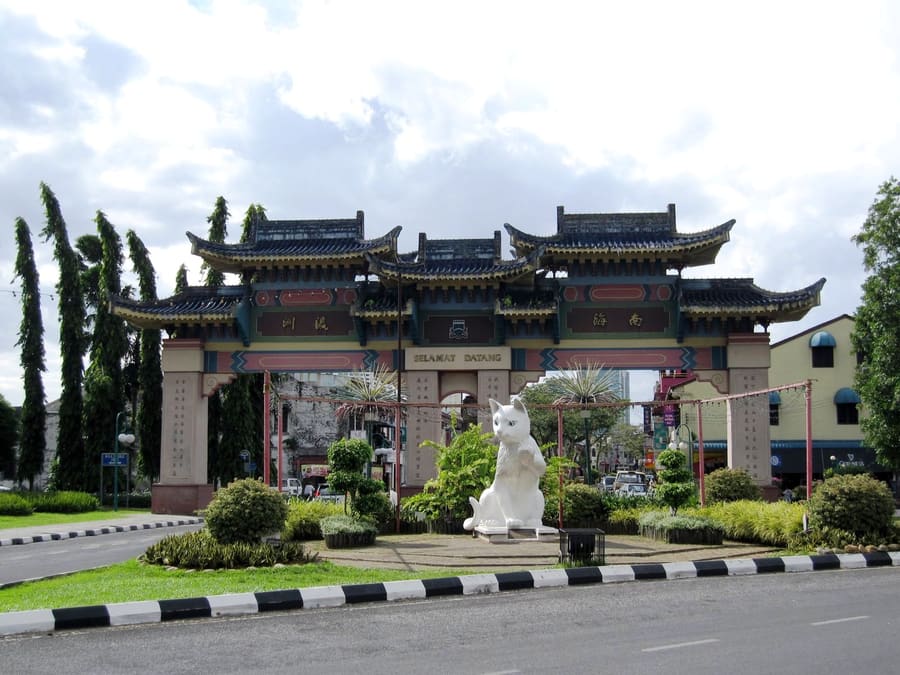
landmark
The heart of Old Chinatown filled with traditional coffee shops and handicraft stores. Visit around 8:00 AM for fresh kolo mee.
Parleyに聞くattractions
areas
Central riverside hub with wide pedestrian paths and open-air food stalls.
近くDarul Hana Bridge, Main Bazaar, Old Courthouse
Parleyに聞くOld commercial strip lined with classic kopitiams and famous local eateries.
近くGreat Cat Statue, Padungan market stalls
Parleyに聞くTraditional Malay village across the river known for kek lapis layer cakes.
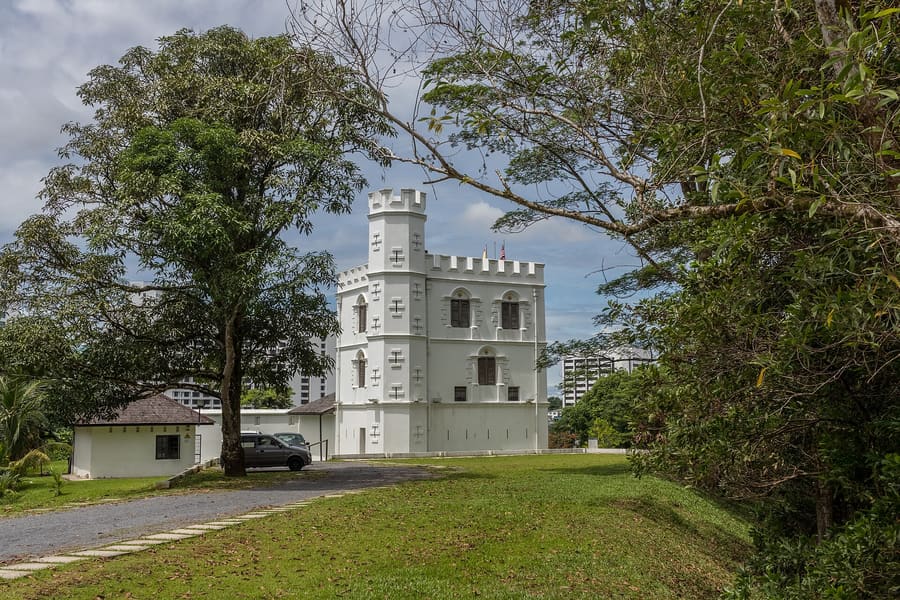
近くFort Margherita, Astana, Darul Hana Bridge
Parleyに聞くTight grid of historical lanes filled with temples, artisan shops, and noodle stalls.
近くTua Pek Kong, Harmony Arch, Plaza Merdeka
Parleyに聞くfood
Kuching food differs sharply from Peninsular Malaysia. Sarawak laksa uses a tangy, spiced broth that relies on coconut milk as a primary ingredient alongside the spiced laksa paste and tamarind. Dry kolo mee noodles come tossed in light lard or oil, topped with minced meat and barbecue pork. Local restaurants regularly serve midin, a wild jungle fern stir-fried with garlic or belacan chili paste.
Kolo mee served dry with pork slices and minced meat at a downtown kopitiam.
Lemmas123 · CC0Kolo mee hawkers open by 6:30 AM and often sell out by 10:30 AM. Arrive early for the freshest bowls.
Local chili paste contains fermented shrimp. Diners with shellfish allergies must specify plain sliced chili instead.
Hawker stalls near the waterfront open around 5:00 PM for satay, grilled fish, and fresh coconut water.
history
Kuching grew from a small river trading post into the capital of the Kingdom of Sarawak under the Brooke dynasty. British military officer James Brooke took control in 1841 after aiding the Sultan of Brunei. Three generations of White Rajahs ruled Sarawak until World War II, shaping the city's unique architectural mix of European forts, Chinese shophouses, and Malay kampongs.
Brooke Rule Begins
James Brooke becomes Rajah of Sarawak, establishing Kuching as his administrative capital.
British Protectorate
Sarawak becomes a British protectorate under the ruling Brooke family, securing external defence.
Japanese Occupation
Japanese forces occupy Kuching during World War II until liberation in late 1945.
Malaysian Federation
Sarawak gains independence from Britain and joins the newly formed Federation of Malaysia.
where to stay
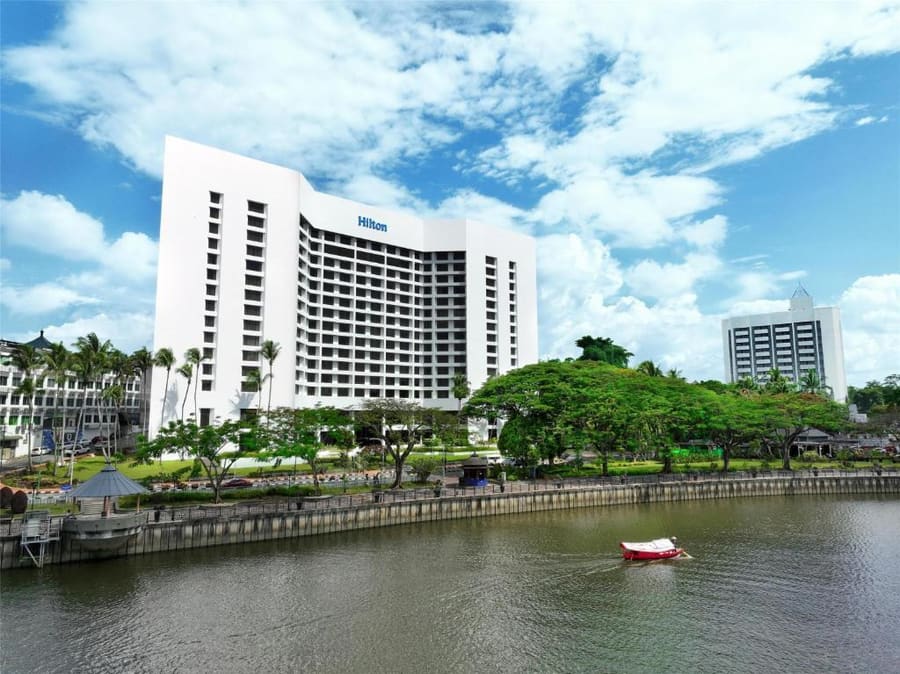
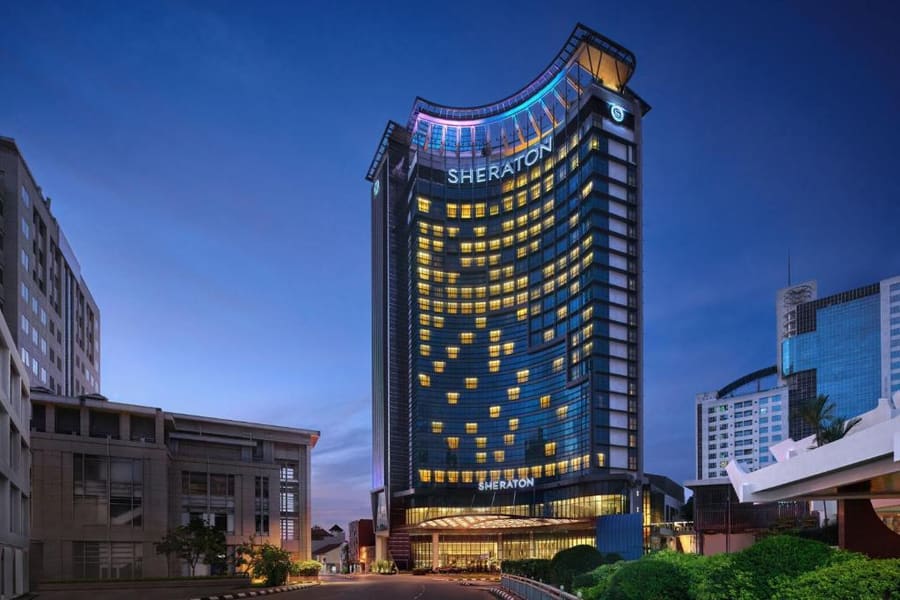
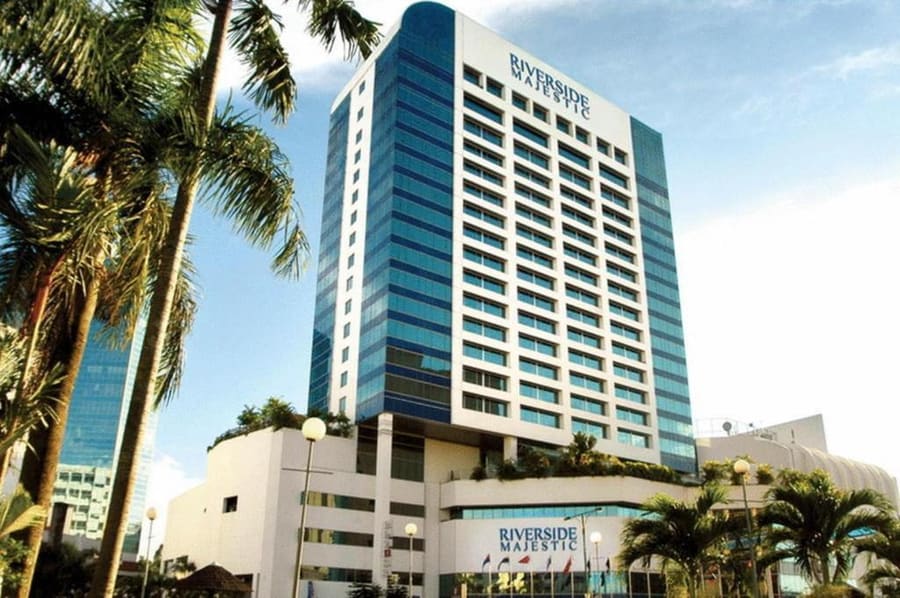
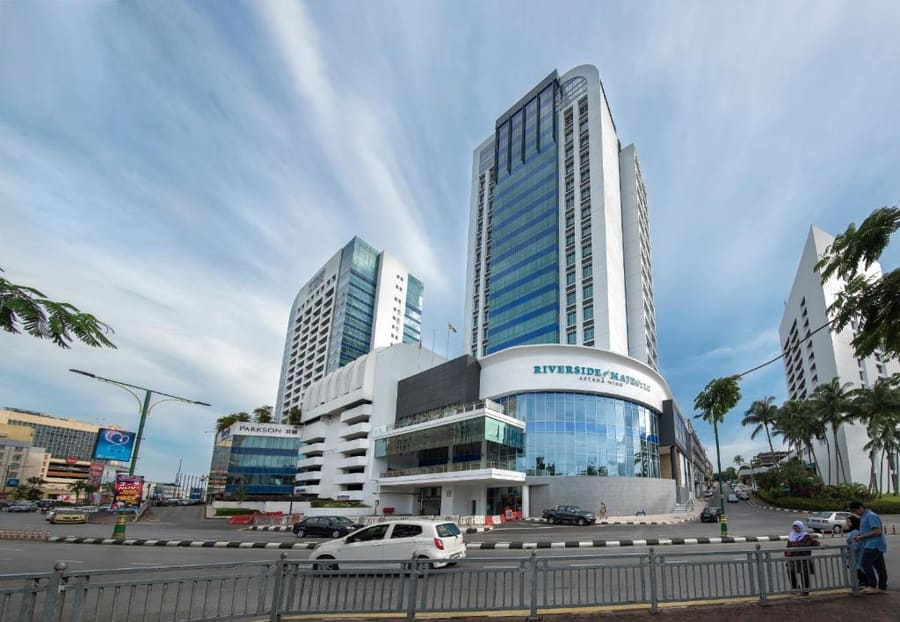
Choose your location by how you want to move. Staying along the main Waterfront gives you immediate walking access to evening food stalls and river crossings. Selecting Padungan places you closer to local breakfast spots and quieter residential streets at night.
transport
Central Kuching is easy to explore on foot. To cross the Sarawak River, catch a local penambang sampan boat or walk across the Darul Hana footbridge. For destinations outside the historic core like Semenggoh or national park jetties, ride-hailing apps provide cheap and reliable transport.
Kuching International Airport (KCH)から
Book via the Grab app from the designated pickup points outside arrivals.
Buy a fixed-fare coupon at the airport transport counter before exiting.
Grab is the main transport app in Kuching. Street taxis rarely use meters, so book rides digitally.
Wooden sampans cross the river constantly. Pay RM 1 in cash directly to the boat captain upon boarding.
The Waterfront and Chinatown areas feature covered walkways, making downtown entirely walkable.
Book return Grab rides in advance when visiting Semenggoh or Bako boat jetty to avoid waiting for drivers.
cost
Kuching offers excellent value compared to Kuala Lumpur or Singapore. Dining at hawker stalls costs very little, while national park entrance fees stay affordable for international travelers.
Standard price at traditional kopitiams in the city center.
A basic breakfast bowl served with minced pork or beef.
Standard adult entry fee for non-Malaysian visitors paid at the park office.
Flat single crossing rate between the South and North riverbanks.
seasonality
APR – SEP
Drier months with lower rainfall. Ideal conditions for national park hiking and wildlife spotting.
OCT – NOV
Transition months with afternoon showers. Park trails get muddy but crowds remain light.
DEC – FEB
Peak northeast monsoon season. Heavy rains can disrupt boat trips to Bako National Park.
MAR
Rains decrease and humidity rises. Good balance of low hotel rates and manageable weather.
practicalities
Sarawak maintains autonomous immigration. You must clear passport control even when arriving from Kuala Lumpur.
Daily humidity routinely exceeds 80 percent. Carry water and schedule outdoor walks for early morning.
Coffee shops and market vendors operate on cash or local e-wallets. Carry small Ringgit notes.
Register and pay permit fees at the forestry counter before entering national park trails.
Rainforest trails require insect repellent. Wear light long trousers when hiking in Bako or Gunung Gading.