landmark
Kumamoto Castle
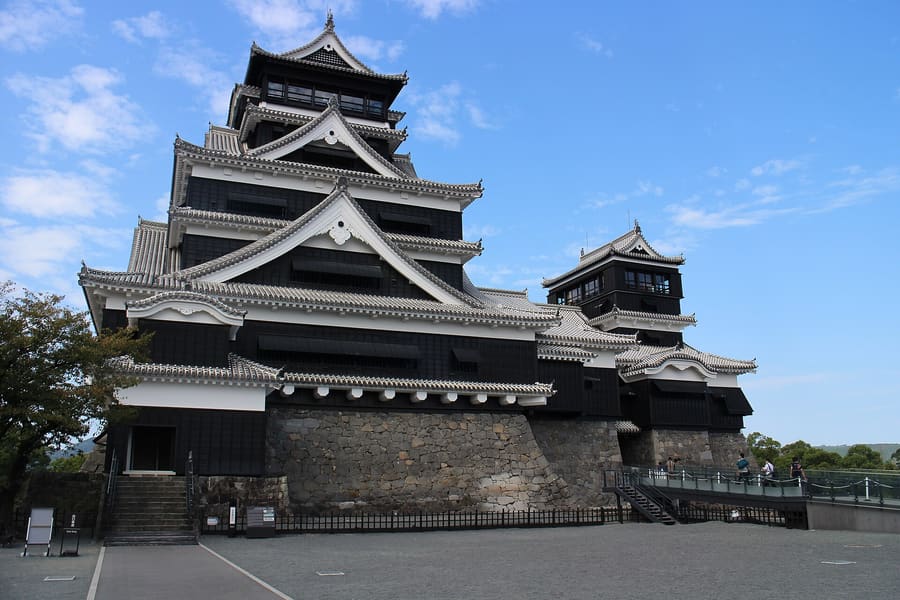
Massive 17th-century fortress restored after the 2016 quakes. Walk the elevated wooden gangway inside for clear views.
Parleyに聞く日本
A castle fortress city built on pure volcanic spring water.
introduction
Kumamoto is a compact castle city in central Kyushu defined by feudal military architecture and clean underground spring water. Tram lines cut through the grid, connecting the central fortress to sprawling covered shopping arcades. You come here to explore ongoing stone-by-stone castle restoration and sample intense garlic-infused pork ramen.
Arrival trick
Take the airport bus to Toricho-suji instead of Kumamoto Station. It drops you right at the arcade district in 40 minutes for ¥1,000.
Earthquake recovery status
Kumamoto Castle main keep fully reopened in 2021 following the 2016 quakes. Stone wall restoration work continues across the grounds through 2038.
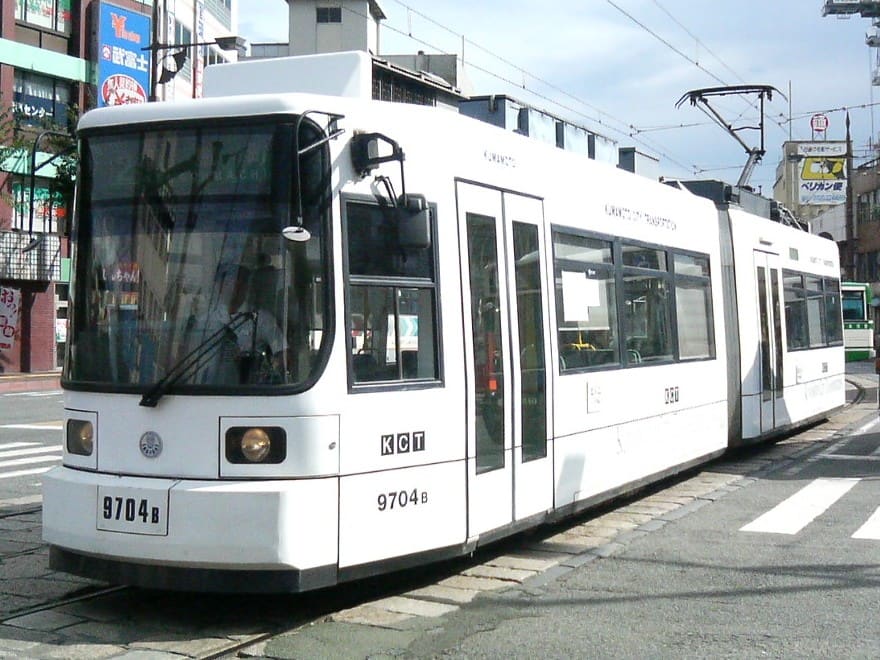
Kumamoto
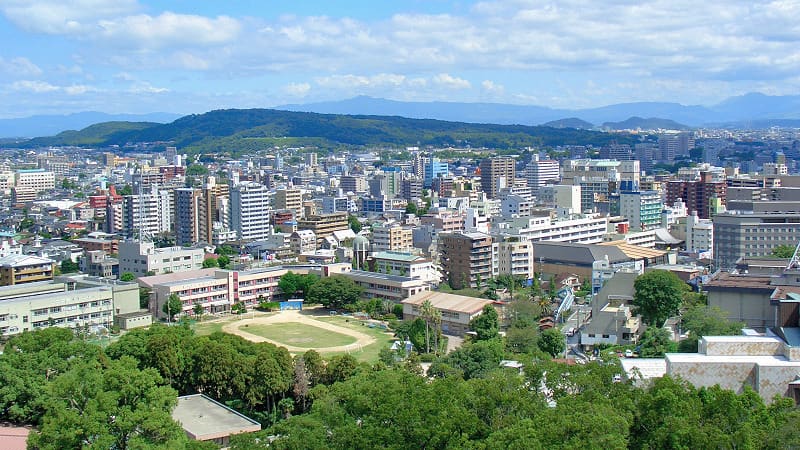
Muyo at Japanese Wikipedia · CC BY-SA 3.0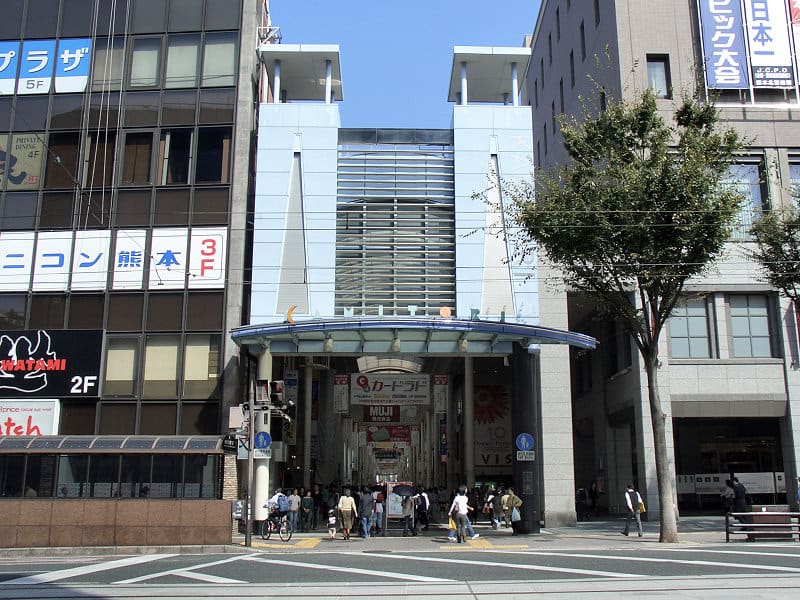
Shimotori & Kamitori — Twin covered arcades stretching over a kilometer. Pedestrian traffic, izakayas, and late-night ramen spots.
MK Products · CC BY-SA 3.0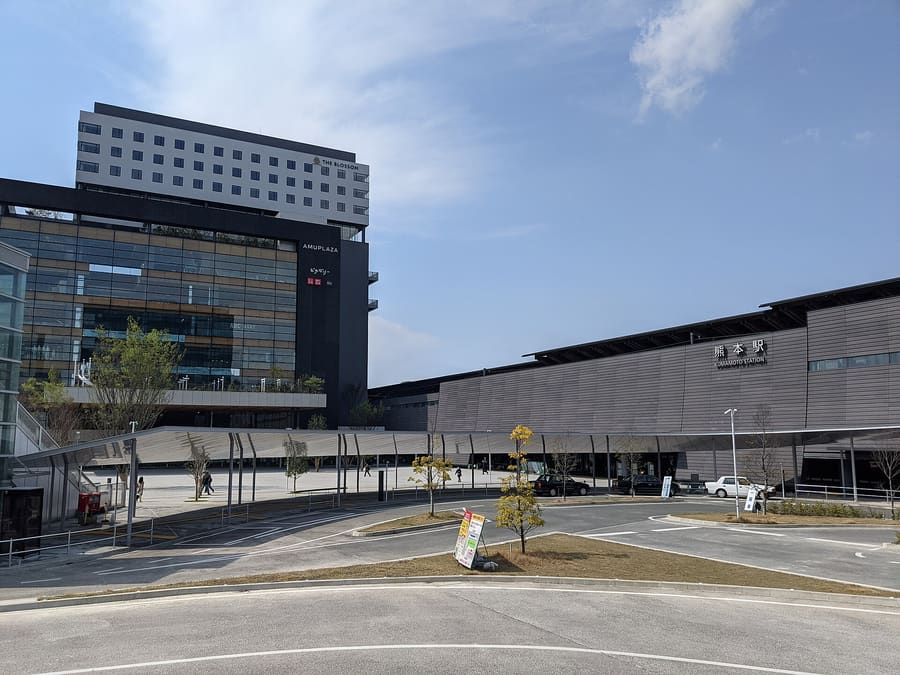
Kumamoto Station — Modern transit hub anchored by Amu Plaza shopping mall. Wide plazas and straightforward hotel options.
Jdjuice · CC BY-SA 4.0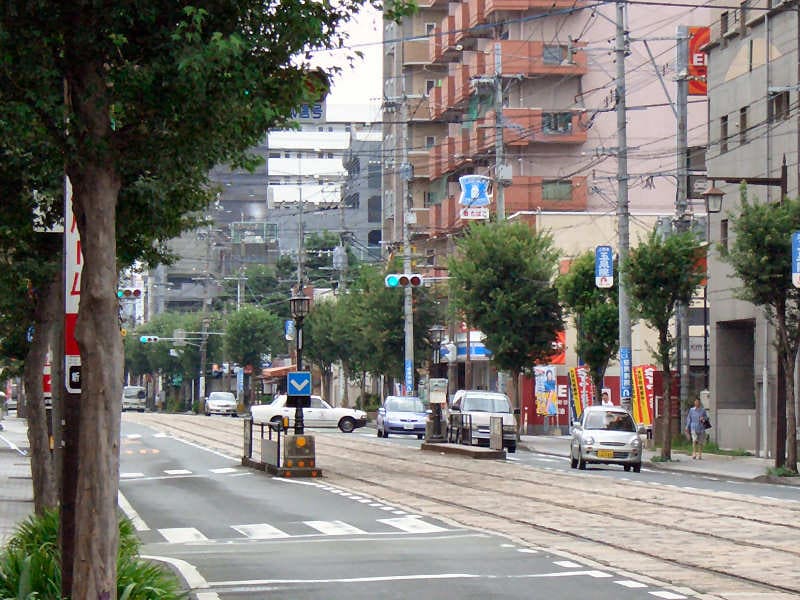
Shinmachi & Furumachi — Historic merchant streets west of the castle. Old wooden storehouses and craft shops along narrow lanes.
MK Products at Japanese Wikipedia · CC BY-SA 3.0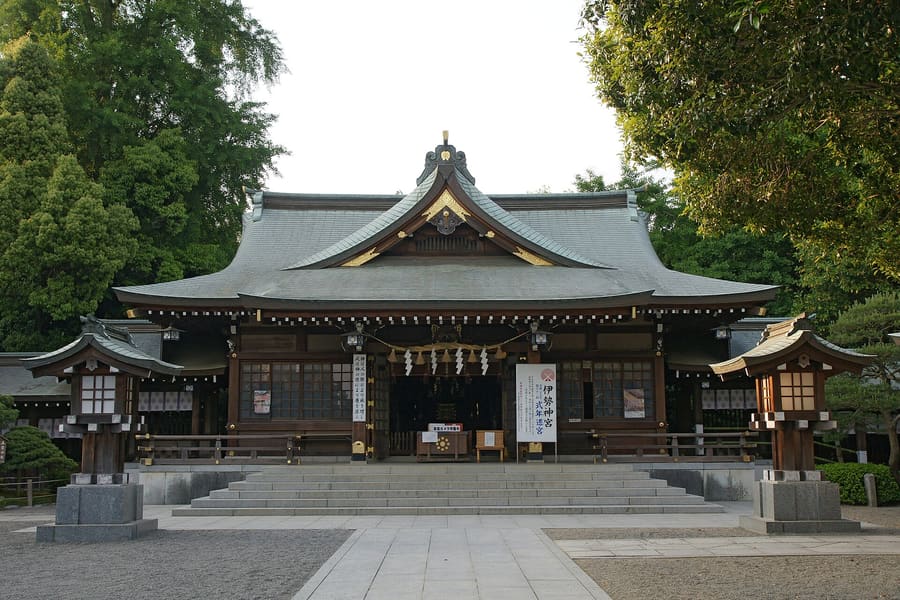
Suizenji District — Residential district surrounding the park and shrine. Calm avenues fed by natural spring water.
663highland · CC BY 2.5highlights
landmark
Massive 17th-century fortress restored after the 2016 quakes. Walk the elevated wooden gangway inside for clear views.
Parleyに聞く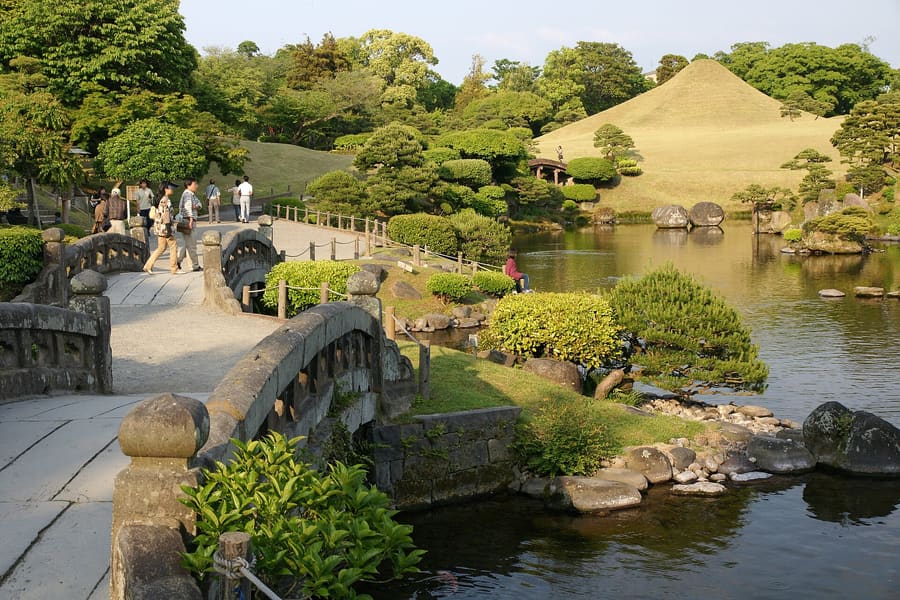
landmark
A 1630s landscape garden recreating the 53 stations of the Tokaido road. Drink matcha at the Kokindenju-no-ma teahouse.
Parleyに聞く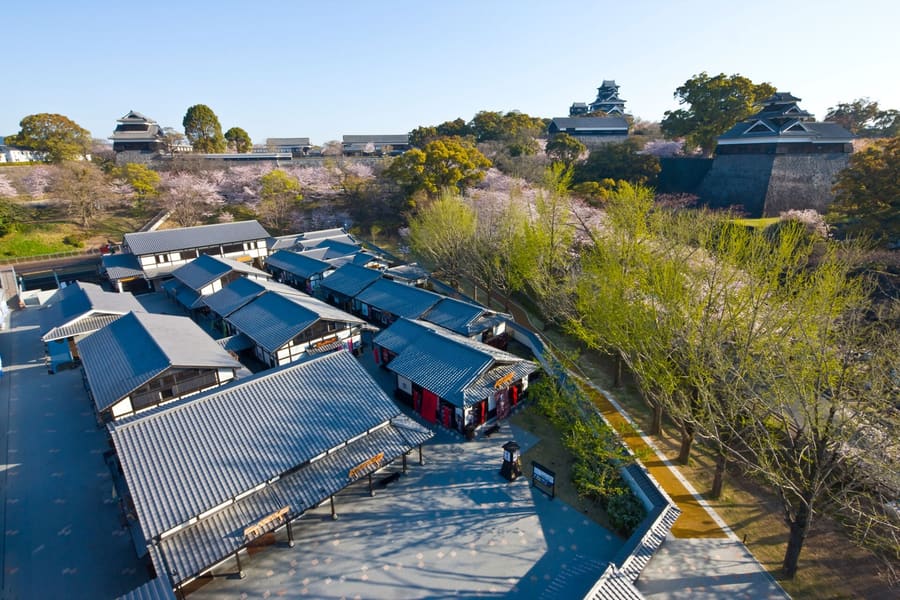
landmark
Reconstructed Edo-period village at the foot of the castle. Sample mustard lotus root and fried snacks.
Parleyに聞く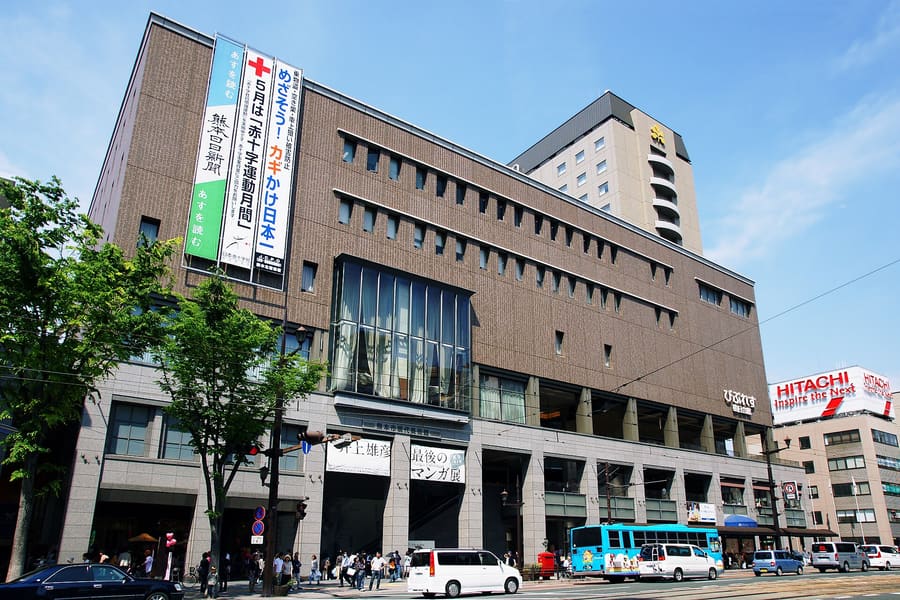
landmark
Free-access city library and art space inside the B9 building downtown. Check the schedule for modern Japanese art exhibits.
Parleyに聞く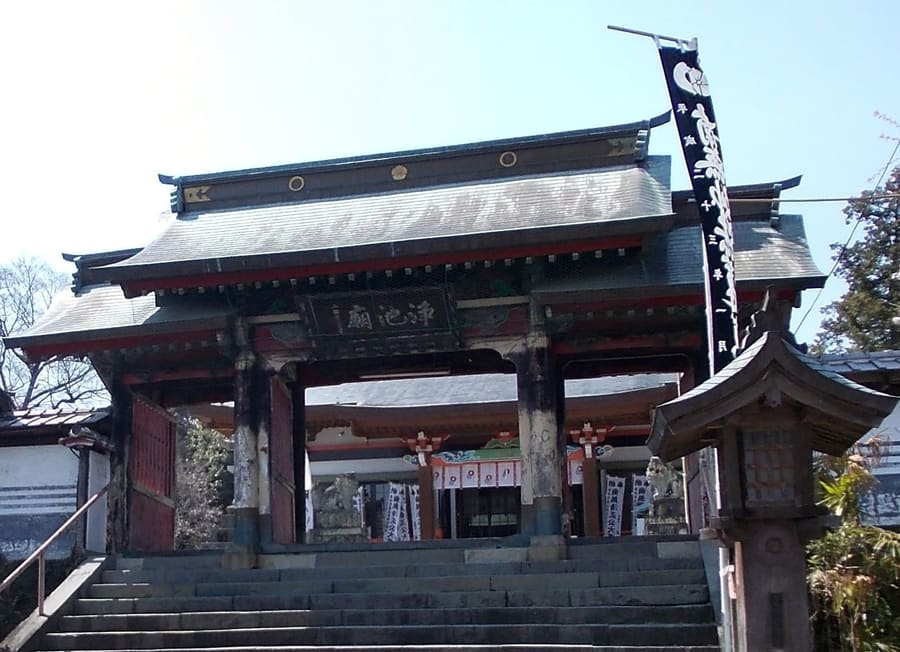
landmark
Hillside temple housing the tomb of warrior lord Kato Kiyomasa. Climb 300 stone steps through a lantern-lined cedar forest.
Parleyに聞く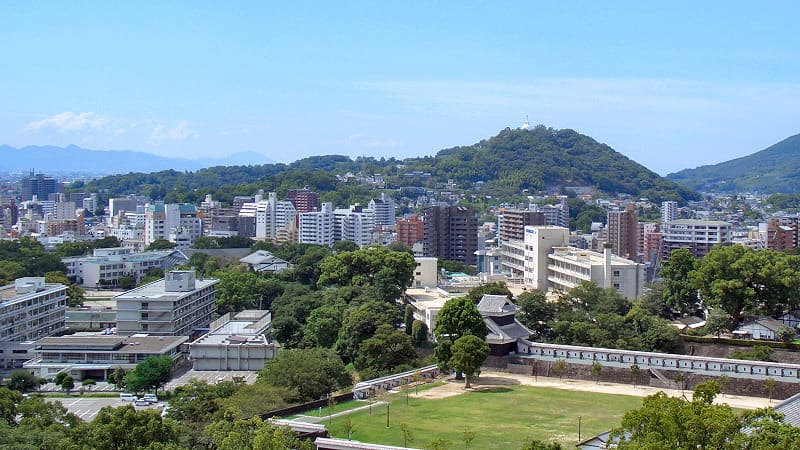
landmark
Hilltop park offering clear night views over the city grid. Take a taxi up after sunset to avoid the steep narrow walk.
Parleyに聞くattractions
areas
Twin covered arcades stretching over a kilometer. Pedestrian traffic, izakayas, and late-night ramen spots.
近くKumamoto Castle and CAMK.
Parleyに聞くModern transit hub anchored by Amu Plaza shopping mall. Wide plazas and straightforward hotel options.
近くShinkansen platforms and Hanaokayama.
Parleyに聞くHistoric merchant streets west of the castle. Old wooden storehouses and craft shops along narrow lanes.
近くKumamoto Castle western gates.
Parleyに聞くResidential district surrounding the park and shrine. Calm avenues fed by natural spring water.
近くSuizenji Jojuen Garden.
Parleyに聞くfood
Kumamoto pork bone broth stands out from neighbouring Hakata ramen. Chefs add fried garlic and fragrant black garlic oil (mayu) to give the soup a roasted, earthy depth. Medium-thick straight noodles hold the rich pork-and-chicken stock without turning soggy.Horsemeat (basashi) is a regional staple served thin-sliced and raw over ice. You dip the chilled slices into sweet soy sauce with grated ginger and garlic. Izakayas across Shimotori offer sampler platters featuring lean tenderloin, marble fat, and tongue.Taipien is Kumamoto’s unique Chinese-Japanese noodle soup. It swaps wheat noodles for bean thread glass noodles in a light chicken broth loaded with cabbage, seafood, and a flash-fried boiled egg.
Boiled lotus root filled with a mixture of miso and hot yellow mustard, then battered and deep fried. Buy it fresh by the slice at Suganoya.
Shina Soba Keika and Kokutei serve classic garlic ramen straight through lunch and dinner. Late-night ramen stalls near Shimotori stay open until 2:00 AM.
Popular horsemeat specialty houses fill seats by 6:00 PM. Book online at least three days ahead for weekend dining.
history
Feudal lord Kato Kiyomasa designed Kumamoto Castle in 1607 with steep curved stone walls engineered to stop attackers. The Hosokawa clan took control in 1632 and governed the province through the Edo period, fostering regional crafts and landscape design.In 1877, the castle faced its fiercest test during the Satsuma Rebellion. Rebel samurai besieged the fortress for 54 days, but the government garrison held out, establishing the castle's defensive reputation despite fire destroying the wooden keep.In April 2016, twin earthquakes registering magnitude 6.2 and 7.0 struck Kumamoto. The tremors collapsed stone ramparts and severely damaged historical structures. City authorities mounted a long-term reconstruction project that keeps public viewing routes open during ongoing work.
Castle Construction
Kato Kiyomasa completes Kumamoto Castle using advanced curved stone wall techniques known as mushagaeshi.
Hosokawa Clan Era
The Hosokawa family assumes control of Higo Province, developing Suizenji Garden and local arts.
Satsuma Rebellion Siege
Government troops defend the castle against Saigo Takamori's samurai army during a 54-day siege.
Kumamoto Earthquakes
Severe quakes damage castle structures and masonry, triggering a long-term municipal restoration plan.
Main Keep Reopens
The reconstructed main keep reopens to the public featuring structural upgrades.
where to stay
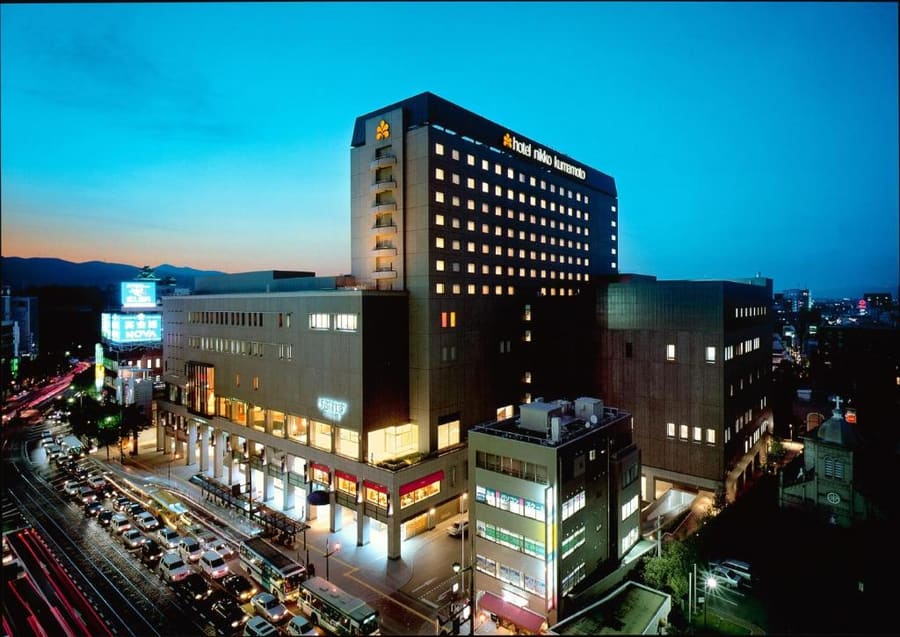
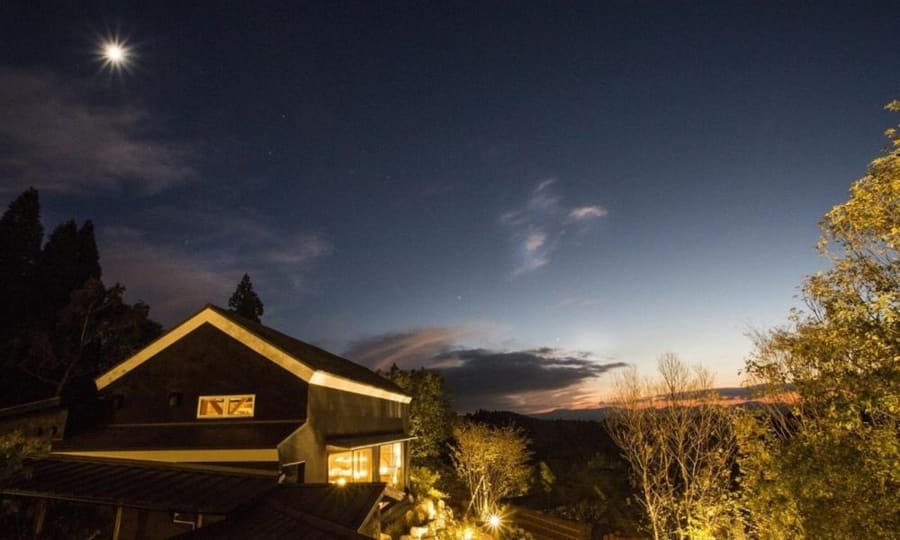
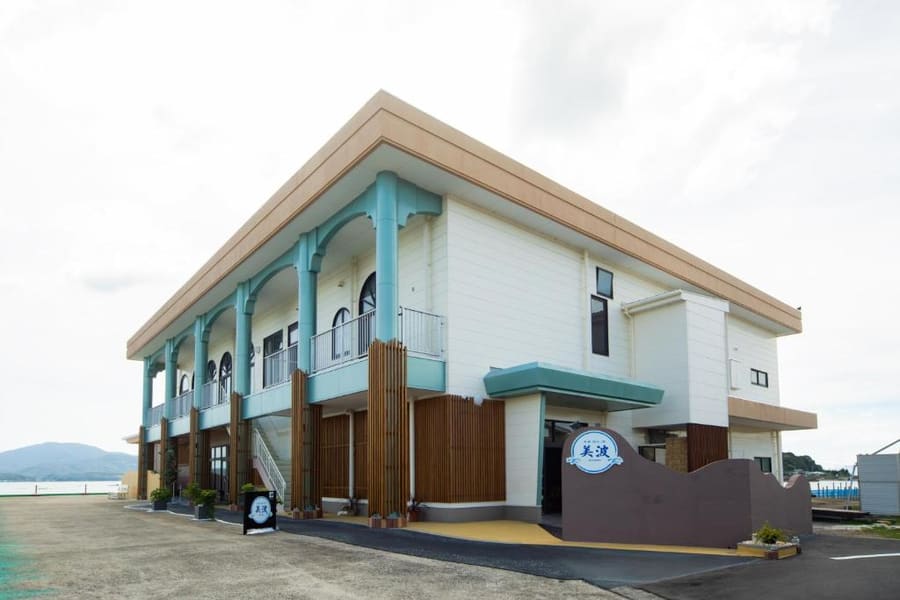
Choose your location based on your evening plans and rail connections. Staying near Kumamoto Station suits short visits and early Shinkansen departures. Downtown Shimotori puts nightlife, dining, and streetcars directly outside your front door.
transport
Kumamoto runs on two main transport pillars: the Kumamoto City Tram and local bus routes. The streetcars connect Kumamoto Station, downtown, and Suizenji along two easy lines.
Kumamoto Airport (KMJ)から
Airport Limousine Bus runs directly to Toricho-suji (downtown) and Kumamoto Station.
Direct door-to-door option; best if traveling with heavy luggage.
Board streetcars through the middle or rear door. Exit through the front door next to the driver.
Buses cover wider outer districts like Honmyo-ji. Trams are simpler and avoid street traffic jams.
cost
Kumamoto offers lower dining and hotel costs than Tokyo or Fukuoka. Expect honest prices for local horsemeat specialties and modest transport fees.
A rich bowl of black garlic oil ramen at Kokutei or Keika.
Multi-course horsemeat meal at Suganoya including sashimi and grilled cuts.
Combined entry ticket covering castle grounds and Josaien museum.
seasonality
MAR – MAY
Mild weather and cherry blossoms around Kumamoto Castle grounds in late March. Book hotels early for Golden Week in early May.
JUN – AUG
Hot and humid with frequent summer rain. Expect 33°C afternoons; plan outdoor castle walks for early morning.
SEP – NOV
Warm days and clear skies. Autumn foliage turns bright red around Suizenji Garden in mid-November.
DEC – FEB
Chilly days averaging 8°C. Low tourist volume means quiet castle viewing and easy restaurant walk-ins.
practicalities
Ticket gates close at 4:30 PM sharp. Allow two full hours to walk the elevated deck and interior exhibits.
Paved castle grounds retain intense heat in July and August. Carry water and use shaded rest stations.
Castle exhibits feature full English signage and QR code audio guides. Smaller neighborhood shrines have Japanese-only signs.
Kumamoto's tap water comes entirely from underground volcanic aquifers. It is clean, safe, and tastes crisp.
%20-%20Non-Smoking/65a7d97105ed.jpg)