landmark
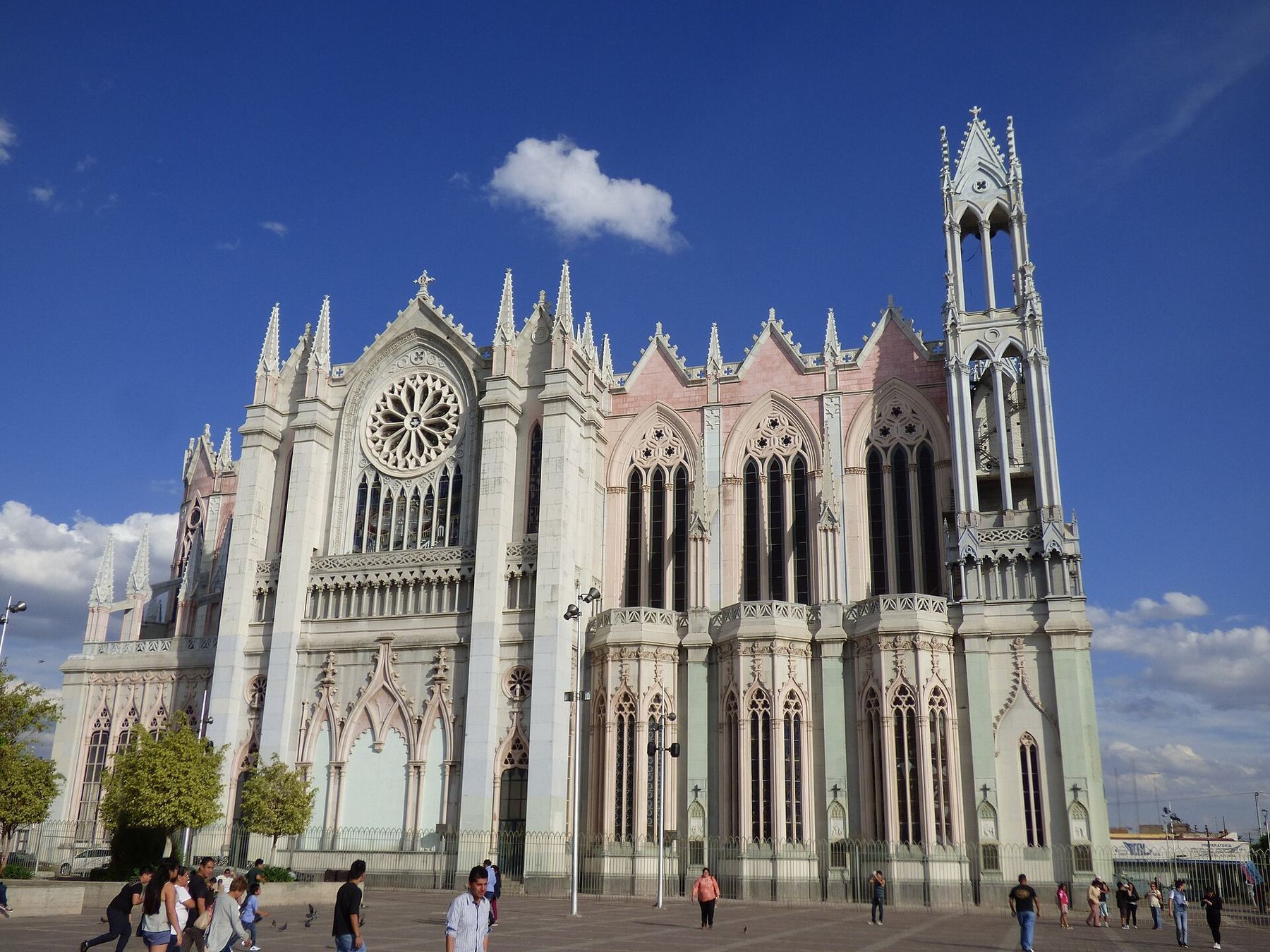
Templo Expiatorio del Sagrado Corazón
Neo-Gothic church featuring extensive stained glass windows and underground catacombs open for guided visits.
Parleyに聞くメキシコ
Mexico's footwear capital built on leather and trade.
introduction
León runs on manufacturing, leathercraft, and practical urban transit. You experience the city through wide boulevards, public plazas, and working markets rather than resort crowds. The central core connects historic churches directly to commercial leather districts via dedicated bus lanes. Expect warm days, straightforward navigation, and distinct regional food.
Airport connection
Del Bajío Airport sits 26 km southeast of central León. Pre-paid taxis and public buses connect the terminal directly to the central bus station.
Industrial footwear hub
León manufactures over seventy percent of Mexico's shoes. The Zona Piel district packs thousands of leather vendors into twenty contiguous blocks.
Integrated transit system
The Optibús network uses dedicated trunk lanes across main avenues. Reusable transit cards speed up boardings at enclosed transfer stations.
highlights
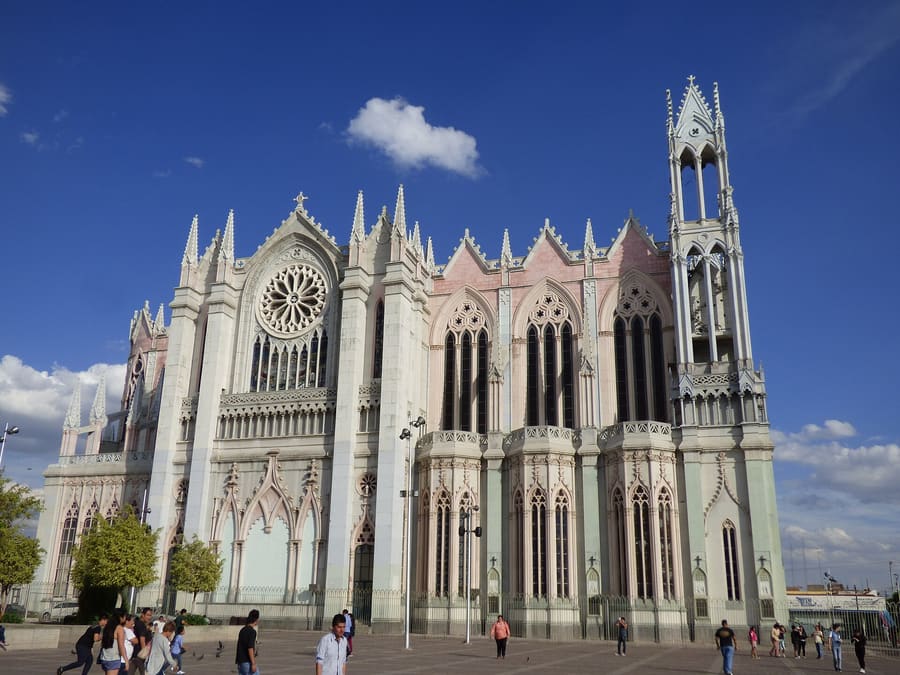
landmark
Neo-Gothic church featuring extensive stained glass windows and underground catacombs open for guided visits.
Parleyに聞く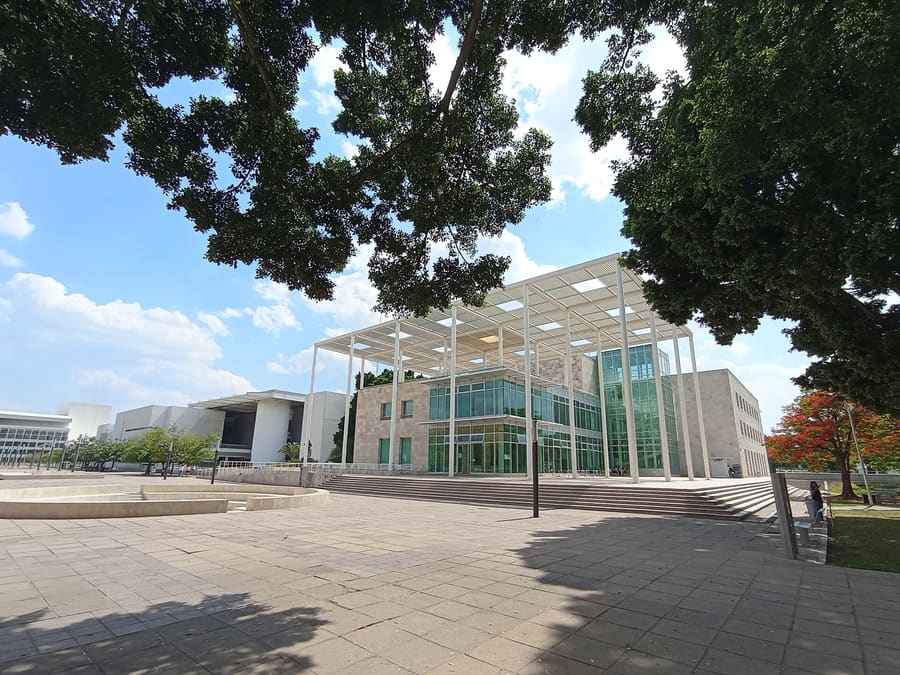
landmark
Modern arts complex housing the Regional Museum of Art and History and Teatro del Bicentenario.
Parleyに聞く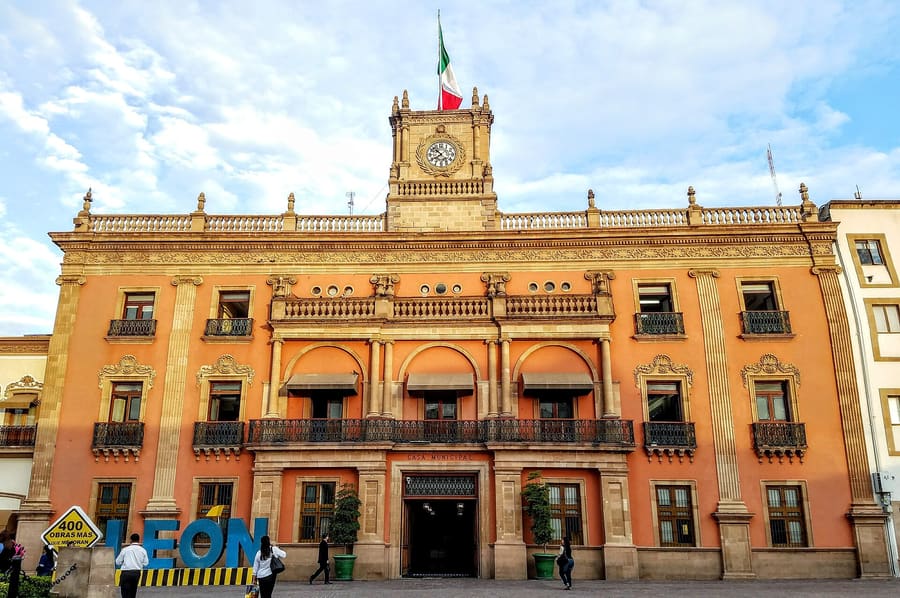
landmark
Central pedestrian square anchored by the Fuente de los Leones fountain and arcaded walkways.
Parleyに聞くattractions
areas
Pedestrian arcades, historic plazas, street food stands, and colonial church facades.
近くPlaza Fundadores, Templo Expiatorio, San Juan de Dios
Parleyに聞くShaded promenade lined with cafes, craft stalls, and mid-century residential streets.
近くArco Triunfal, Templo Expiatorio, Centro
Parleyに聞くModern cultural district with large museums, performance venues, and wide avenues.
近くForum Cultural Guanajuato, Central Bus Station
Parleyに聞くUpscale commercial district with shopping malls, chain hotels, and modern dining.
近くPlaza Mayor, Golf Club
Parleyに聞くfood
León eats on its feet. The signature street food is the guacamaya, a crusty bolillo bread roll stuffed with crispy pork rind (chicharrón duro), fresh lime juice, salt, and hot salsa with raw onion. You buy them from specialized cart vendors across the city, particularly around Calzada de los Héroes and Plaza Fundadores.To wash down heavy snacks, local stands pour cebadina. This cold reddish drink starts with fermented barley water, fruit syrup, and vinegar. Right before handing you the cup, the vendor stirs in a spoonful of sodium bicarbonate, creating an immediate fizzy reaction you drink while it foams.
Vendors ask if you want salsa 'de la que pica' or 'de la que no pica'. First timers should request salsa on the side.
Drink the cebadina immediately when served. The foam drops quickly once the baking soda finishes reacting.
Plaza San Juan de Dios vendors serve traditional house-made ice creams into late evening hours.
history
León started in 1576 as a defensive Spanish settlement against Chichimeca raids in the Bajío valley. Cattle farming established raw hide processing as the dominant trade early in the colonial era. By the late nineteenth century, mechanized tanneries turned the settlement into Central Mexico's primary shoe producer. Industrial expansion shaped modern infrastructure, including the trunk-line bus transit system opened in 2003.
City foundation
Spanish colonial authorities found Villa de León to secure trade routes between Mexico City and Zacatecas mines.
Great flood
A disastrous flood destroys much of the mud-brick city center, prompting massive stone embankment projects.
Templo Expiatorio construction
Work begins on the neo-Gothic Templo Expiatorio, continuing through generations until completion in 2012.
Optibús system launches
León becomes the first Mexican city to implement a Bus Rapid Transit system with dedicated travel lanes.
where to stay
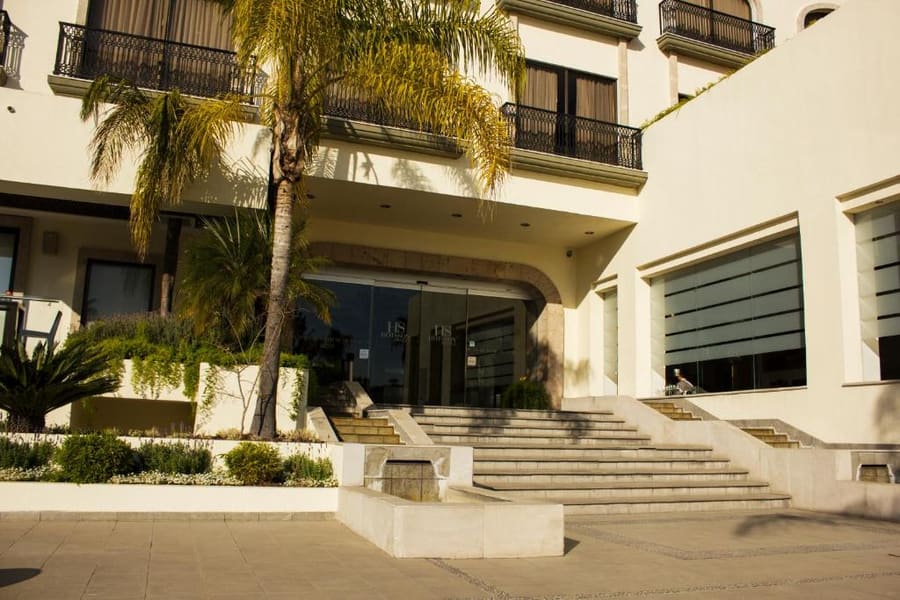
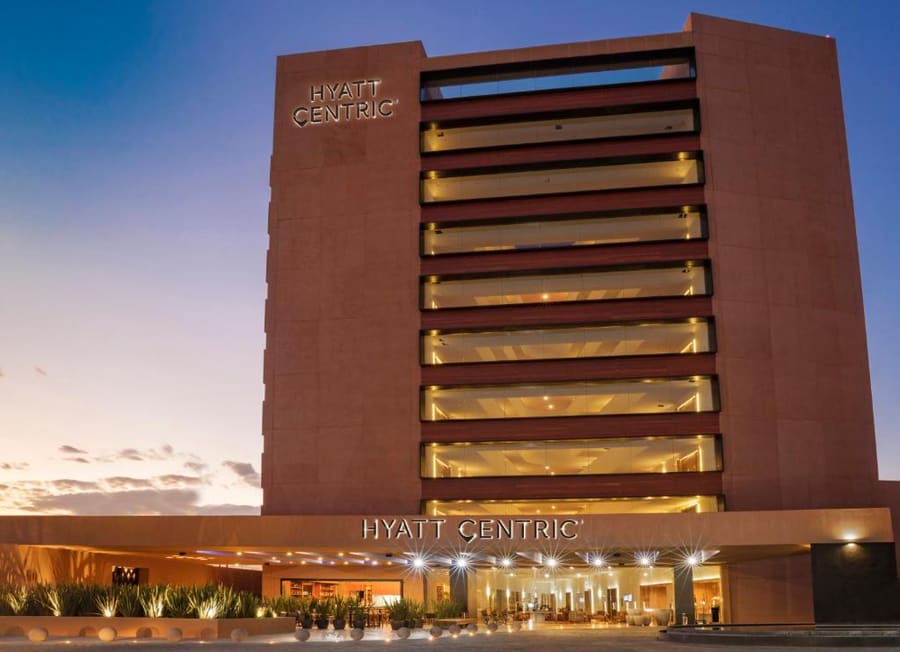
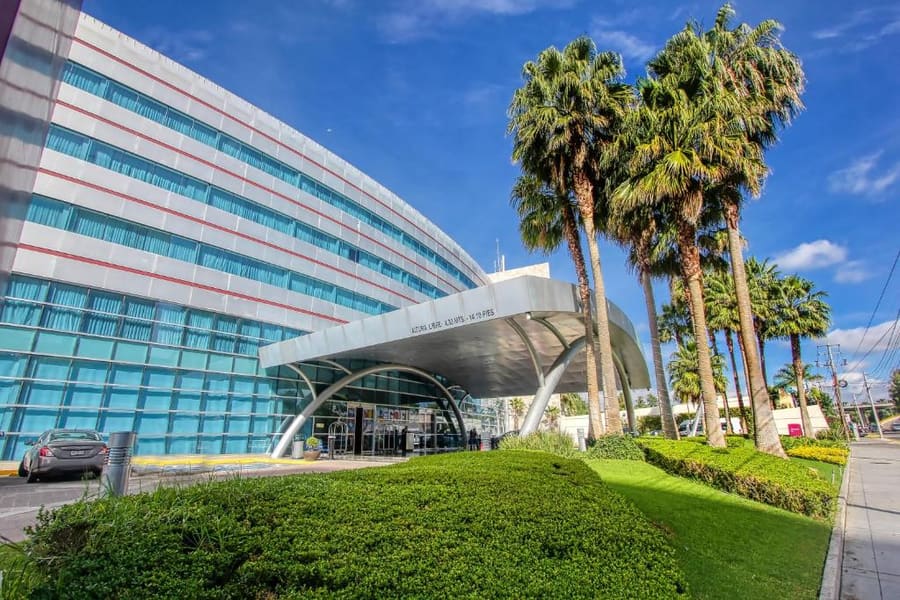
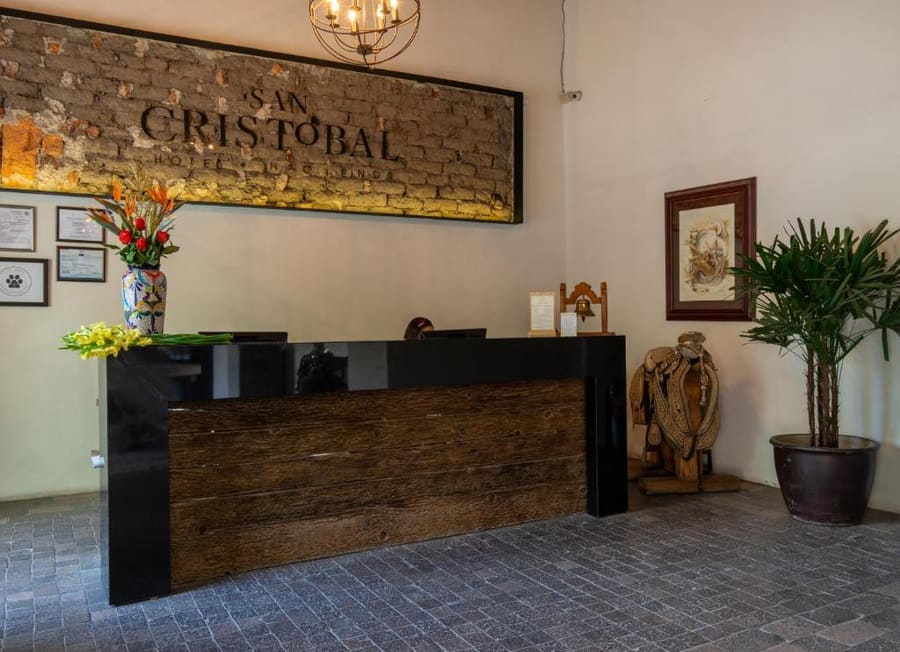
Choose your location based on your primary reason for visiting. Leisure travelers wanting sight access and walkable evening street life should pick Centro Histórico or La Calzada. Business travelers and conference attendees prefer the Poliforum corridor or the modern Campestre business park along the northern highway.
transport
León operates one of Latin America's most efficient Bus Rapid Transit networks, known as Optibús or 'La Oruga'. Green articulated buses run in exclusive lanes down major arterial boulevards, connecting suburban transfer stations directly with Centro Histórico and the primary bus terminal.
Del Bajío International Airport (BJX)から
Purchase fixed-rate tickets at official airport counters inside the terminal before exiting.
Drivers pick up outside the airport property fence line due to local airport taxi regulations.
Intercity buses run from the airport exit road to the central León bus terminal.
Pay at turnstiles inside enclosed stations before entering the platform level.
Buy a PagoBús card at major stations to tap through gates without exact cash change.
Use designated 'sitio' taxi ranks or app rides rather than flagging taxis on street corners.
Buses fill past capacity between 07:30-09:00 and 18:00-19:30 on weekdays.
cost
León remains noticeably more affordable than Mexico City or tourist-heavy Guanajuato City. Dining and transit prices reflect a working industrial city focused on domestic manufacturing.
Standard price at street carts around central plazas.
Served fresh in plastic cups or glass mugs in Barrio San Juan de Dios.
Includes transfers inside enclosed terminal stations.
Factory direct pricing across Zona Piel retail markets.
seasonality
JAN – FEB
Feria Estatal de León fills hotels. Dry days with cool evenings and heavy fair crowds.
MAR – MAY
Warmest months with afternoon temperatures exceeding 30°C. Clear skies and moderate hotel rates.
JUN – SEP
Rainy season brings heavy late afternoon thunderstorms. Temperatures drop into comfortable ranges.
OCT – DEC
Pleasant dry weather. November hosts the International Hot Air Balloon Festival (FIG).
practicalities
León sits at 1,800 meters elevation. UV intensity requires sunscreen even on overcast mornings.
Small leather stalls in Zona Piel accept only cash or charge extra fees for card payments.
Family leather workshops close on Sundays, though large retail plazas remain open.
Prices in Zona Piel shops are mostly fixed. Polite discounts apply when purchasing multiple items.
Drink bottled water. Tap water in Guanajuato state is not intended for direct drinking.