landmark
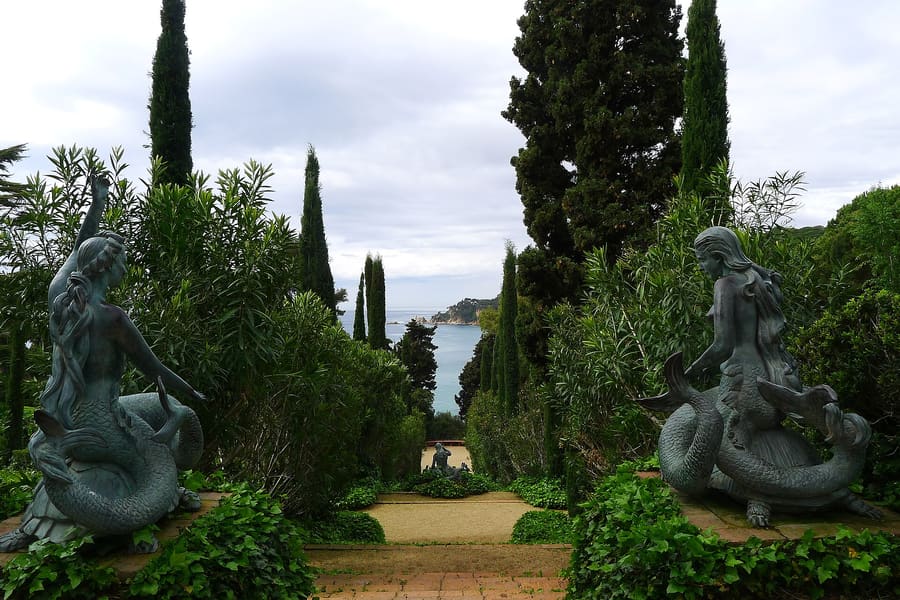
Santa Clotilde Gardens
Italian Renaissance gardens perched on a cliff over the Mediterranean. Entry costs €6; visit early in the morning for calm views.
Parleyに聞くスペイン
Granite cliffs, Catalan seafood, and dual summer identities.
introduction
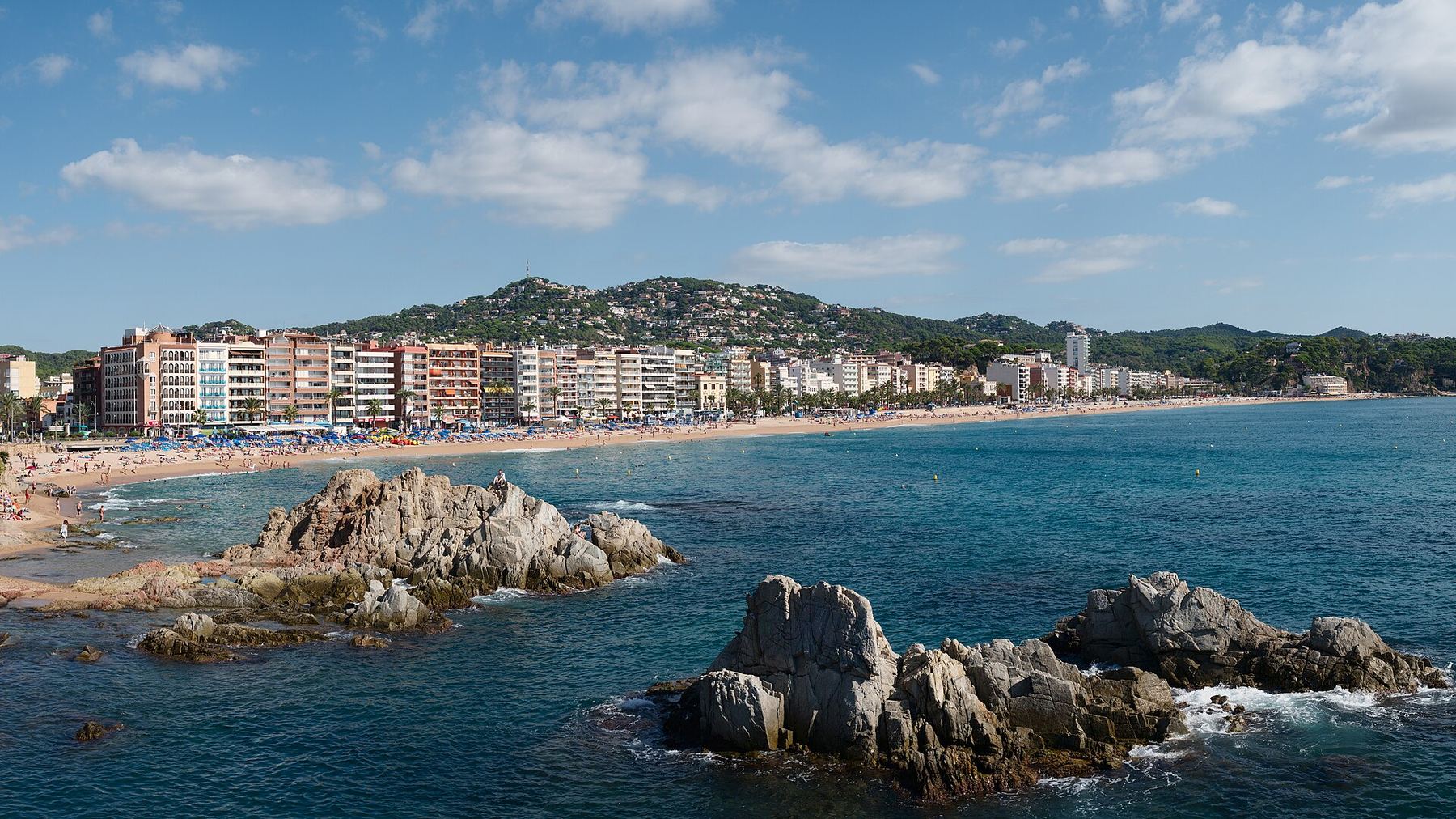
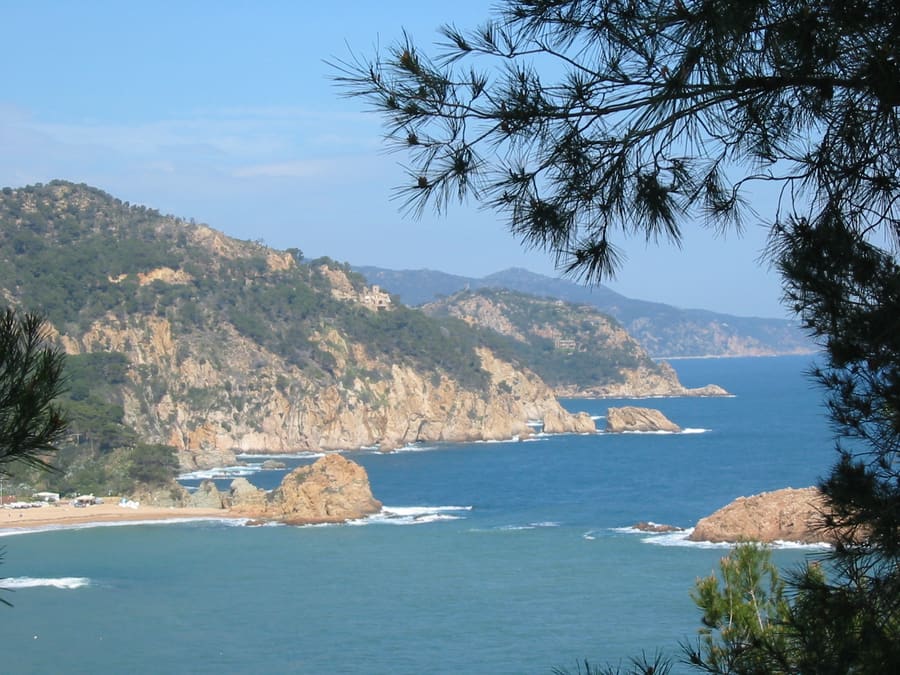
Lloret de Mar operates as two distinct towns depending on when and where you walk. Its coastal centre balances high-density resort nightlife with traditional Catalan maritime heritage. Beyond the main beach strip, steep granite cliffs shelter Renaissance gardens, quiet coves, and coastal footpaths. You move best on foot along the coast or by local bus to reach outlying bays.
Girona Airport connection
Sarfa buses run directly from Girona Airport (GRO) to Lloret bus station in 35 minutes. A single ticket costs around €10.
Indiano architectural legacy
Nineteenth-century locals returned wealthy from Cuba and built neoclassic mansions along the waterfront. Can Garriga now houses the town's Maritime Museum.
Caminos de Ronda footpath link
The GR92 coastal path links Lloret to Fenals and Tossa de Mar. Solid footwear is required for the uneven cliff stairs.
Lloret de Mar
Gabriele Delhey · CC BY-SA 3.0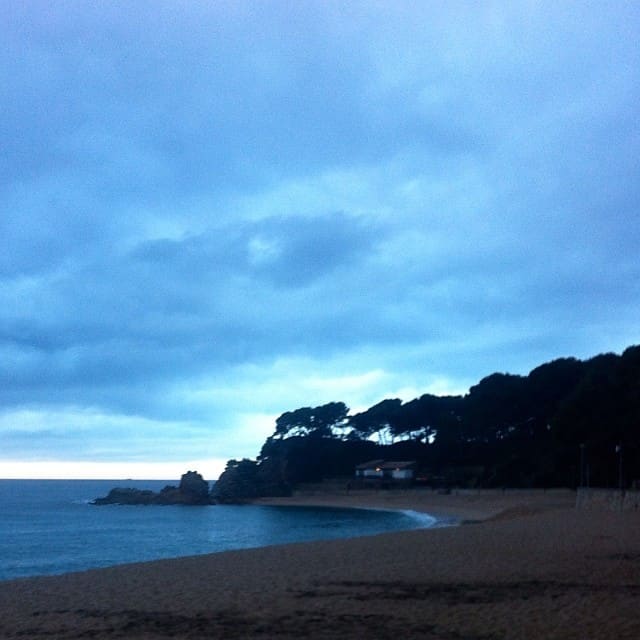
Fenals — Suburban apartment resort feel with a wide sand beach and calmer family crowds.
Crispica · CC BY-SA 3.0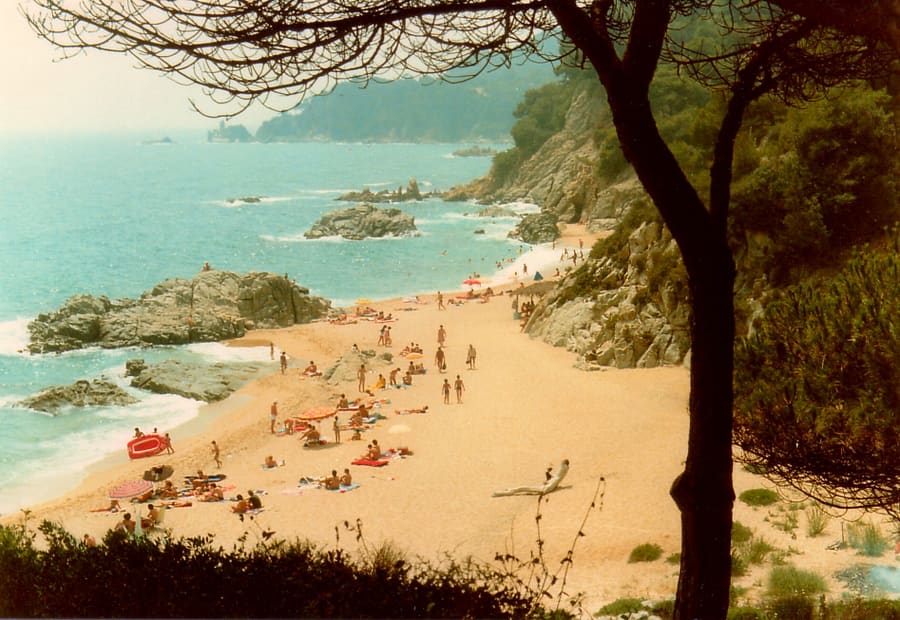
Sa Boadella & Santa Clotilde — Upscale green neighborhood framed by cliffside pine forests and secluded coves.
Axel Hindemith at de.wikipedia · Public domain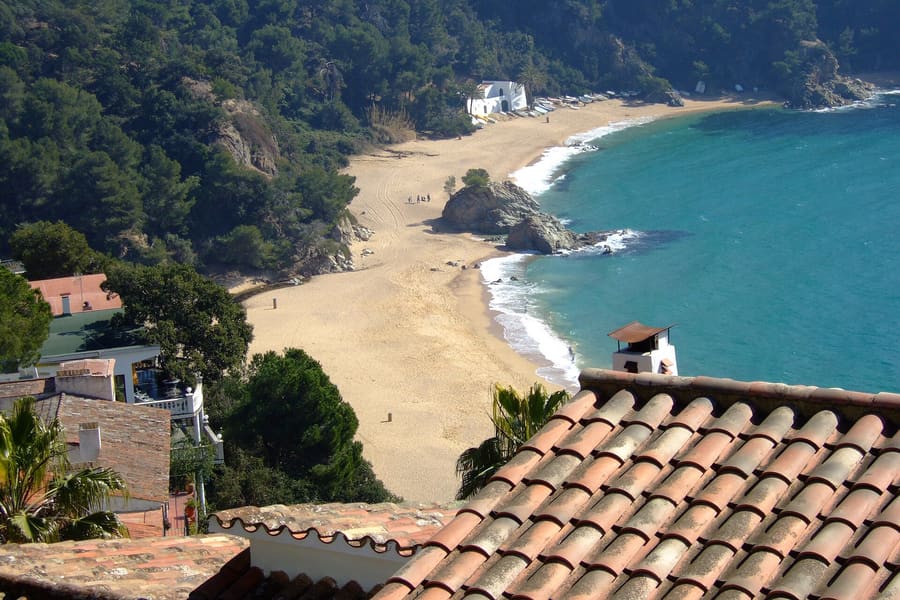
Canyelles — Residential hillside pocket centered around a small marina and sheltered beach.
Dawid Glawdzin · CC BY 3.0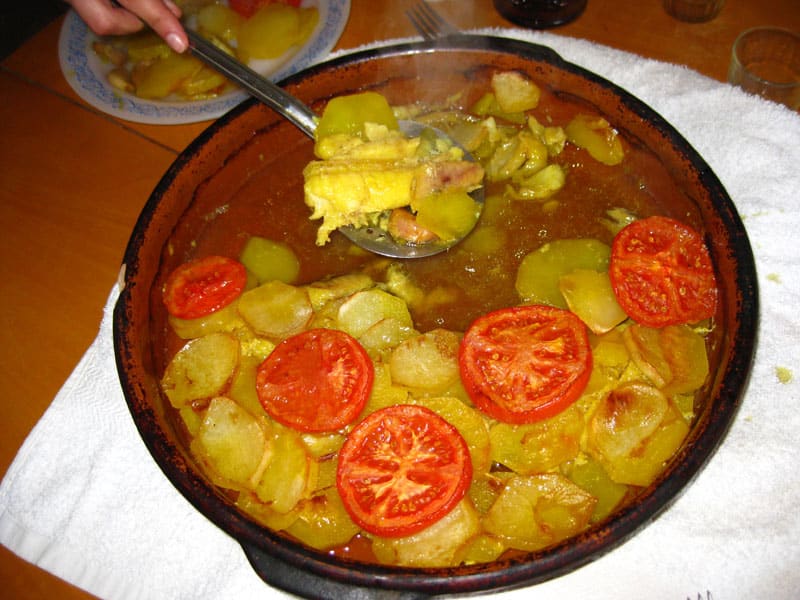
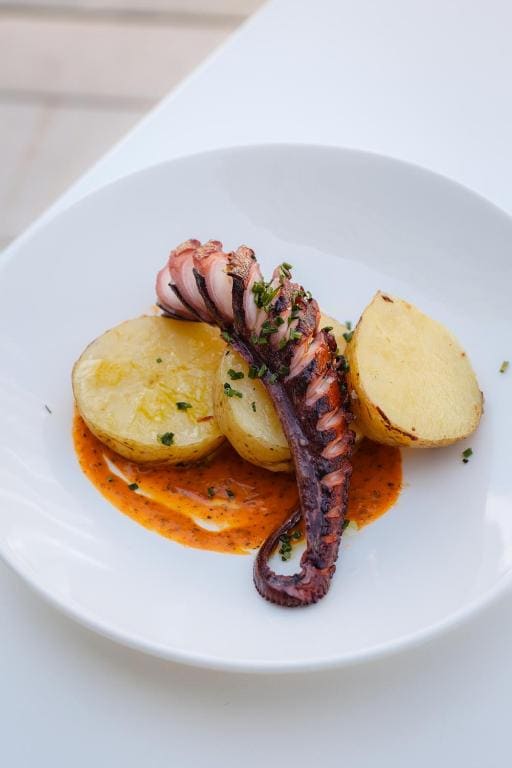
Suquet de peix, a classic Catalan fisherman's stew served across Costa Brava restaurants.
Espencat · Public domainhighlights
landmark
Italian Renaissance gardens perched on a cliff over the Mediterranean. Entry costs €6; visit early in the morning for calm views.
Parleyに聞く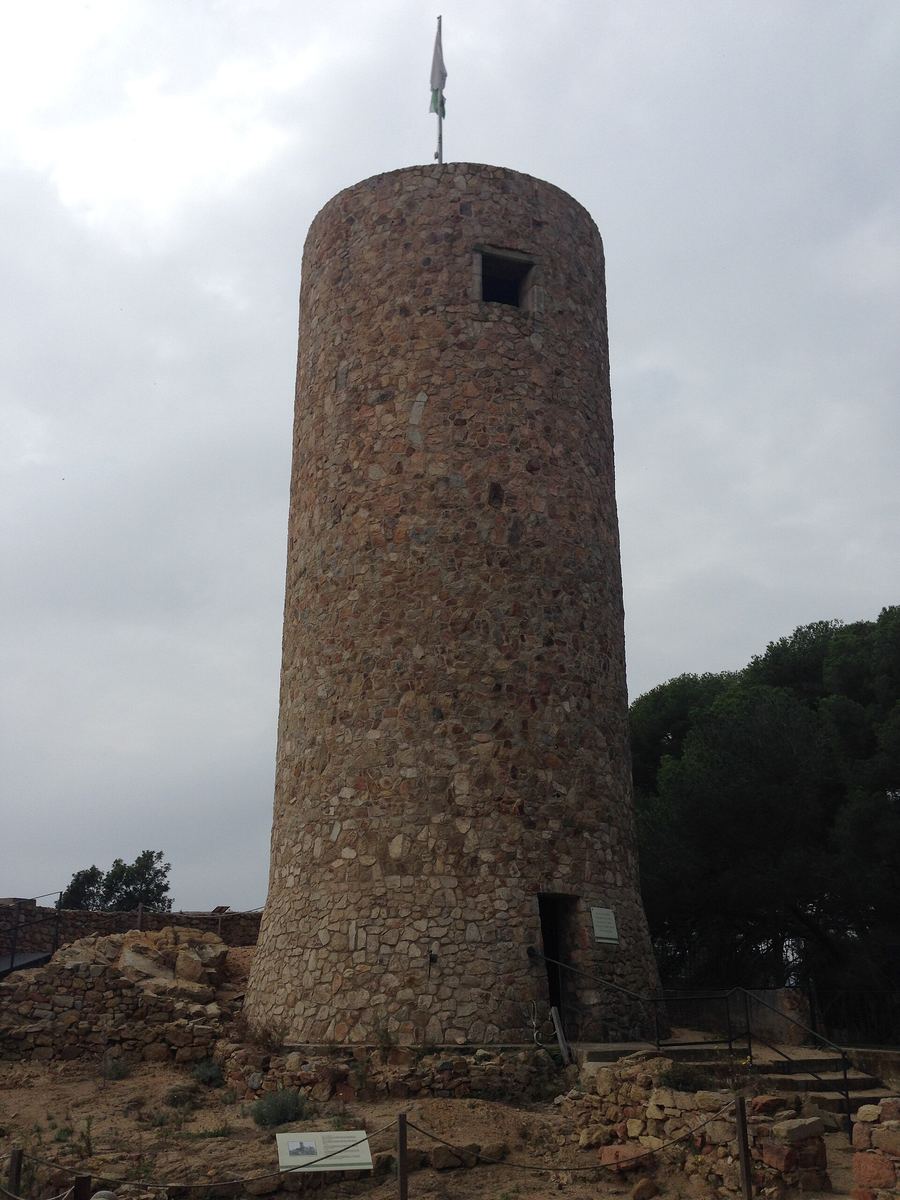
landmark
Eleventh-century watchtower atop the headland between Lloret and Fenals beaches. Climb the restored tower for €3 to see the coastline.
Parleyに聞く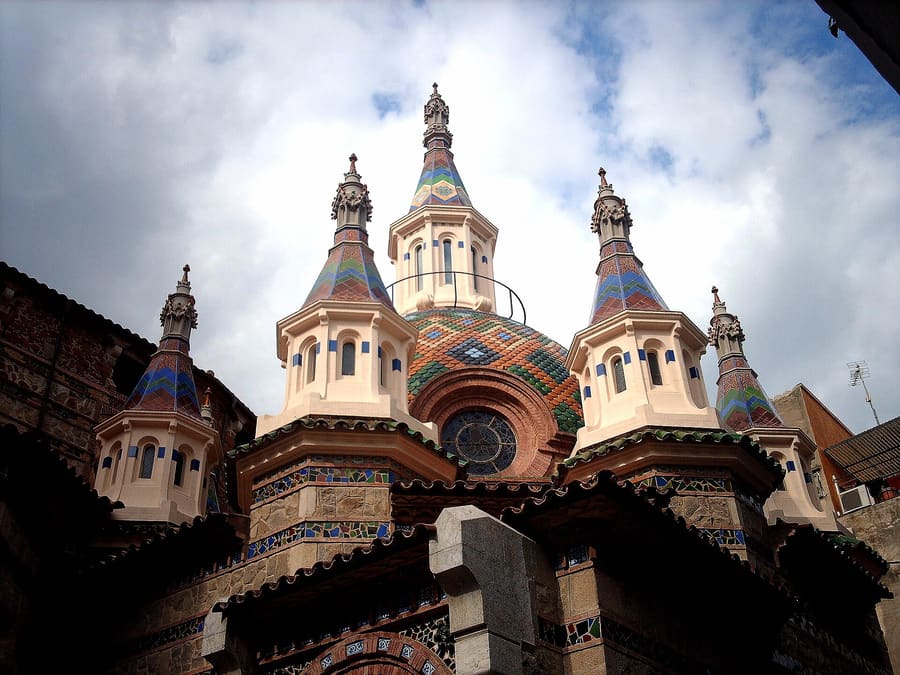
landmark
Gothic church updated with bright Catalan Modernist mosaic domes in 1916. Free entry during daylight hours outside service times.
Parleyに聞く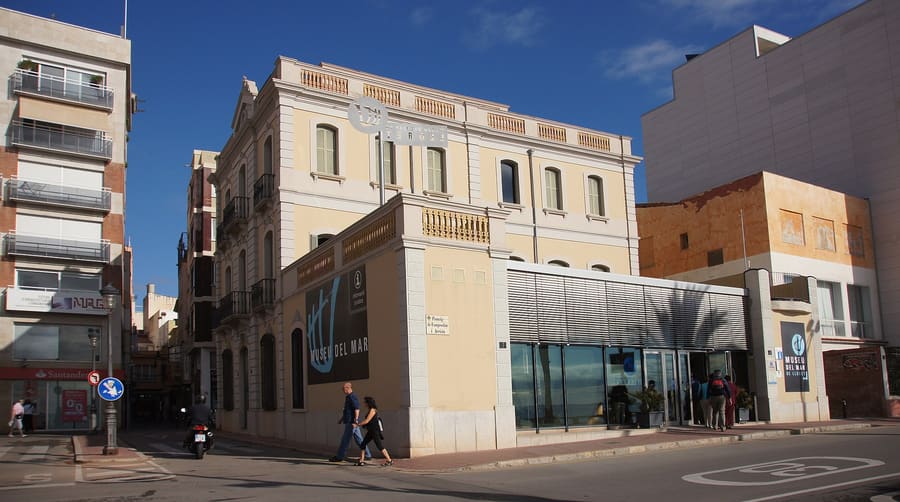
landmark
Housed in Can Garriga, an Indiano mansion on the promenade. Entry costs €4 and details Lloret's shipbuilding history.
Parleyに聞く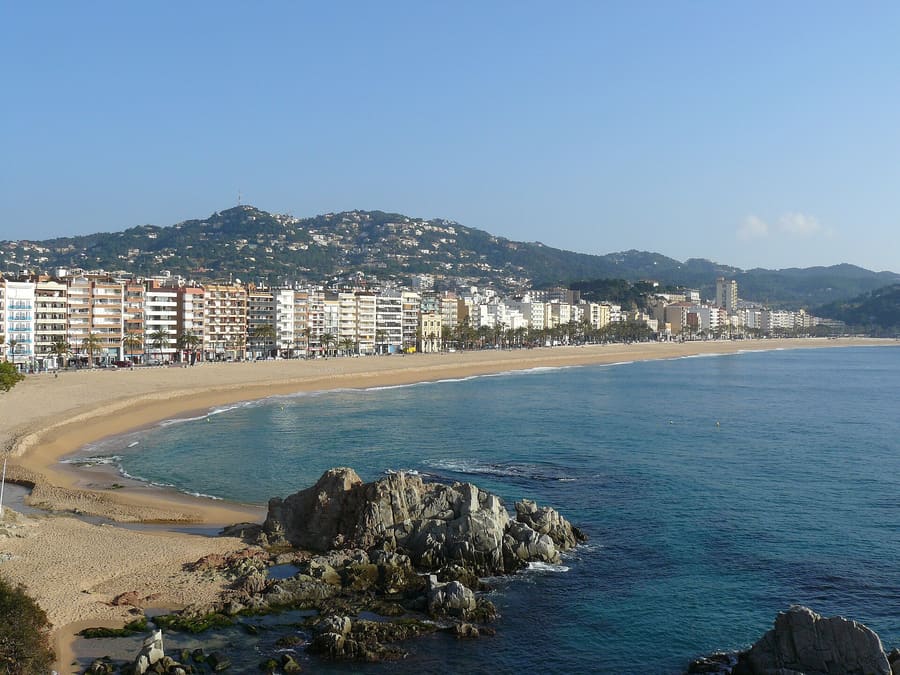
landmark
A 1.5 km stretch of coarse granite sand flanked by the seafront promenade. Expect dense crowds from July through August.
Parleyに聞く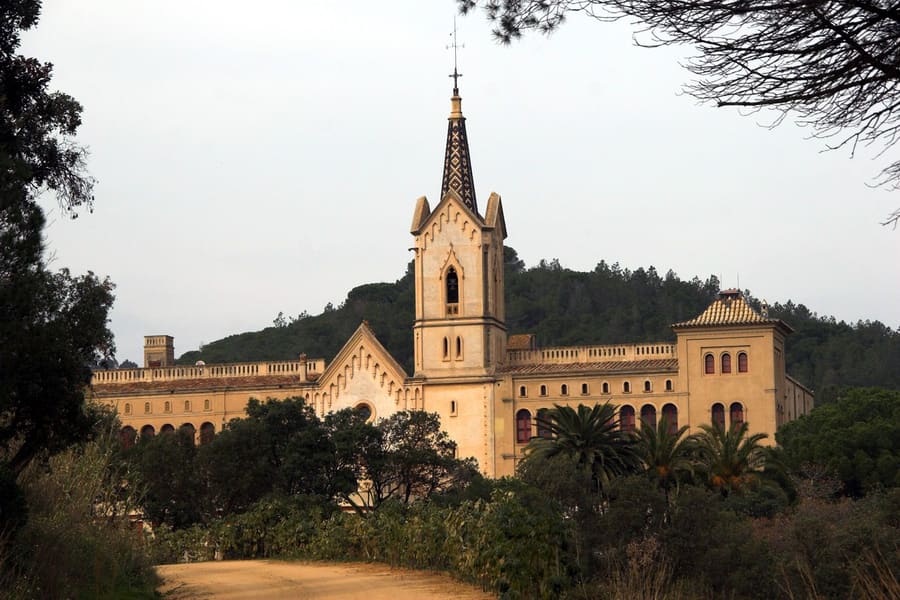
landmark
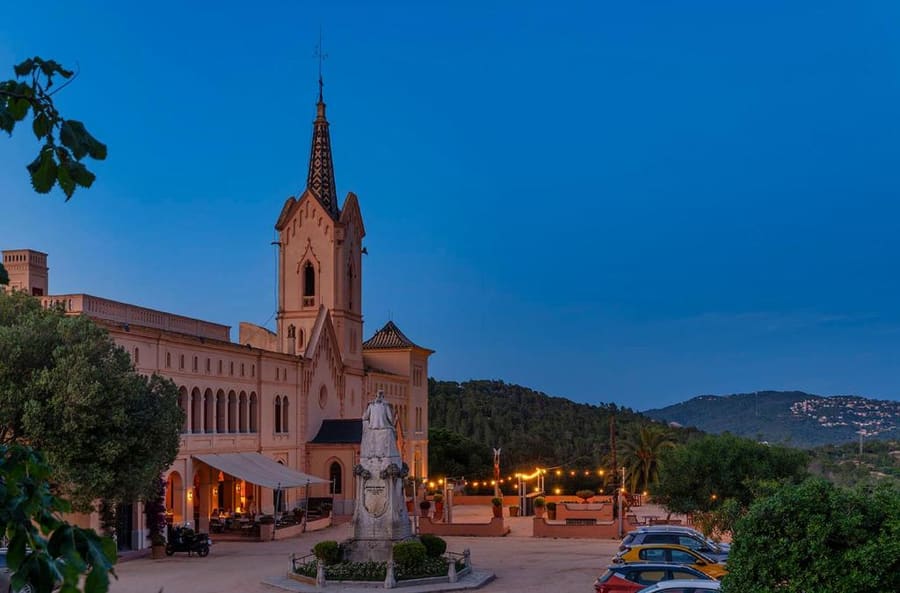
Former monastery rebuilt by architect Josep Puig i Cadafalch in the forested hills. Accessible by taxi or a 5 km uphill hike.
Parleyに聞くattractions
areas
Suburban apartment resort feel with a wide sand beach and calmer family crowds.
近くFenals Beach, Sant Joan Castle, Coastal path
Parleyに聞くUpscale green neighborhood framed by cliffside pine forests and secluded coves.
近くSanta Clotilde Gardens, Sa Boadella beach
Parleyに聞くResidential hillside pocket centered around a small marina and sheltered beach.
近くCala Canyelles, Marina, Coastal hiking path
Parleyに聞くHigh-density pedestrian streets, night clubs, and historic Indiano waterfront mansions.
近くLloret Beach, Sant Romà Church, Maritime Museum
Parleyに聞くfood
Lloret de Mar's traditional cuisine stems from its seafaring past before resort tourism expanded in the 1960s. The regional benchmark is suquet de peix, a rich rockfish and potato stew bound with garlic and crushed almond picada. Local restaurants also serve cim i tomba, an anglerfish and cod stew originating from neighboring Tossa fishermen.
Suquet de peix, a classic Catalan fisherman's stew served across Costa Brava restaurants.
Espencat · Public domainAsk for seasonal catches like scórpora (scorpionfish) or lluerna (gurnard) in rockfish stews at harbour restaurants.
Sit down between 13:30 and 15:00 for traditional menú del día three-course set lunches.
Bread and tomato (pa amb tomàquet) brought to the table without asking is charged per head, usually €1.50 to €2.50.
history
Lloret de Mar developed from an Iberian settlement at Montbarbat into an isolated coastal fishing village. In the 18th and 19th centuries, local shipyards produced ocean-going vessels for trade with the Americas. Successful emigrants, known as Indianos, returned to build grand neoclassic mansions and fund civic projects, reshaping the town's architecture before mass package tourism arrived in the mid-20th century.
Iberian settlement
Fortified Iberian villages established on inland hilltops like Montbarbat.
Sant Romà consecration
Original parish church built inland to protect villagers from pirate raids.
Free trade with America
Royal decree opens American trade, sparking shipyards and Indiano migration.
Indiano architecture peak
Wealthy returnees construct Modernist homes, public schools, and town cemetery monuments.
Tourism boom
First international hotels open, transforming the fishing town into a major beach resort.
where to stay
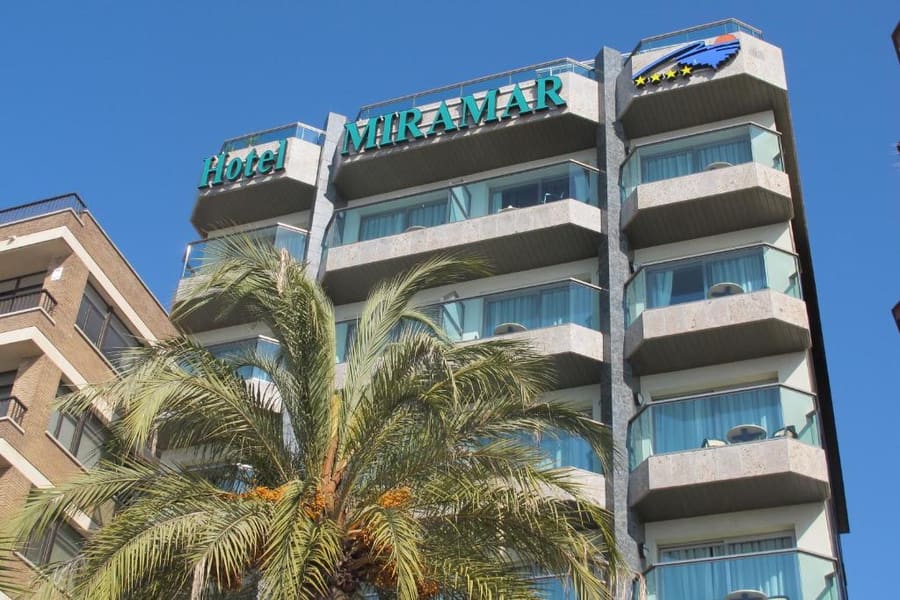
Choose your base by your noise tolerance and daily priorities. Central Lloret keeps you steps from nightlife and dining, but late-night crowds make high-floor rooms mandatory. Fenals offers resort conveniences with quieter nights. Sa Boadella provides secluded luxury among pine groves, while Canyelles suits travellers with cars seeking coastal quiet.
transport
Lloret de Mar has no passenger rail station. Transfers run via Blanes rail station or direct regional coaches from Girona and Barcelona airports. Within town, L3 and L2 local buses connect central Lloret to Fenals, Santa Clotilde, and outer districts.
Lloret bus lines (Lloret Bus) accept contactless cards on board. A single urban ride costs €1.55.
Pujol buses run every 20 minutes from Lloret bus station to Blanes rail station to connect with Barcelona trains.
The T-10 card issued by ATM Àrea de Girona cuts local bus ride costs significantly if staying multiple days.
Central Lloret to Fenals Beach is a 20-minute cliffside walk along the marked GR92 trail.
cost
Lloret de Mar remains one of Costa Brava's most affordable towns for dining and lodging, though high summer drives up hotel rates threefold. Mid-range travellers balance reasonable food prices with premium beachfront accommodation.
Set price per sunbed or umbrella on Lloret and Fenals beaches for full day access.
Three courses, bread, and wine included at local restaurants away from the main strip.
Reduced ticket rate of €3 available for seniors and students with valid ID.
One-way ticket on Sarfa bus running along the coastal highway.
seasonality
MAY – JUN
Sea temperatures reach 19–21°C. Warm sunny days without peak summer resort crowds.
JUL – AUG
Sea temperature hits 25°C. Packed beaches, active nightlife, and premium room rates.
SEP – OCT
Warm sea remains till October. Autumn rains start, but sightseeing conditions are comfortable.
NOV – APR
Sea cold at 13–15°C. Many beach hotels and seasonal restaurants close completely.
practicalities
Lloret beaches feature heavy coarse sand that drops steeply into deep water within three metres of shore.
Kayaking and paddleboard rentals operate directly on Sa Boadella and Fenals beaches from June to September.
Exploring coastal caves requires sturdy wet shoes due to sharp granite edges and sea urchins.
Clubs on Av. Just Marlés stay quiet until 01:00 and peak between 02:30 and 05:00.
Cala Sa Boadella has an official clothing-optional section at its northern end separated by rocks.