landmark
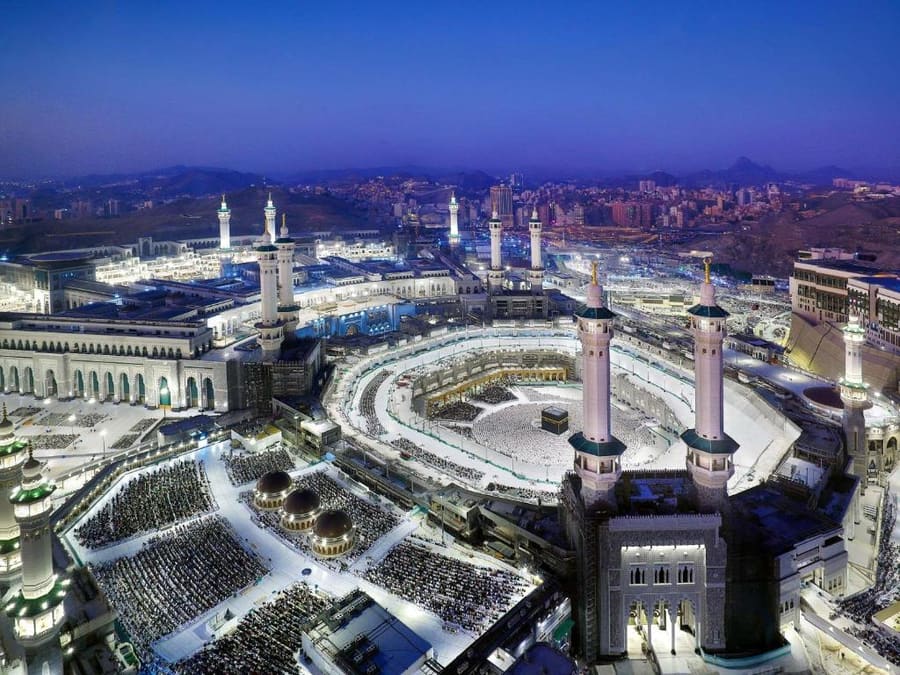
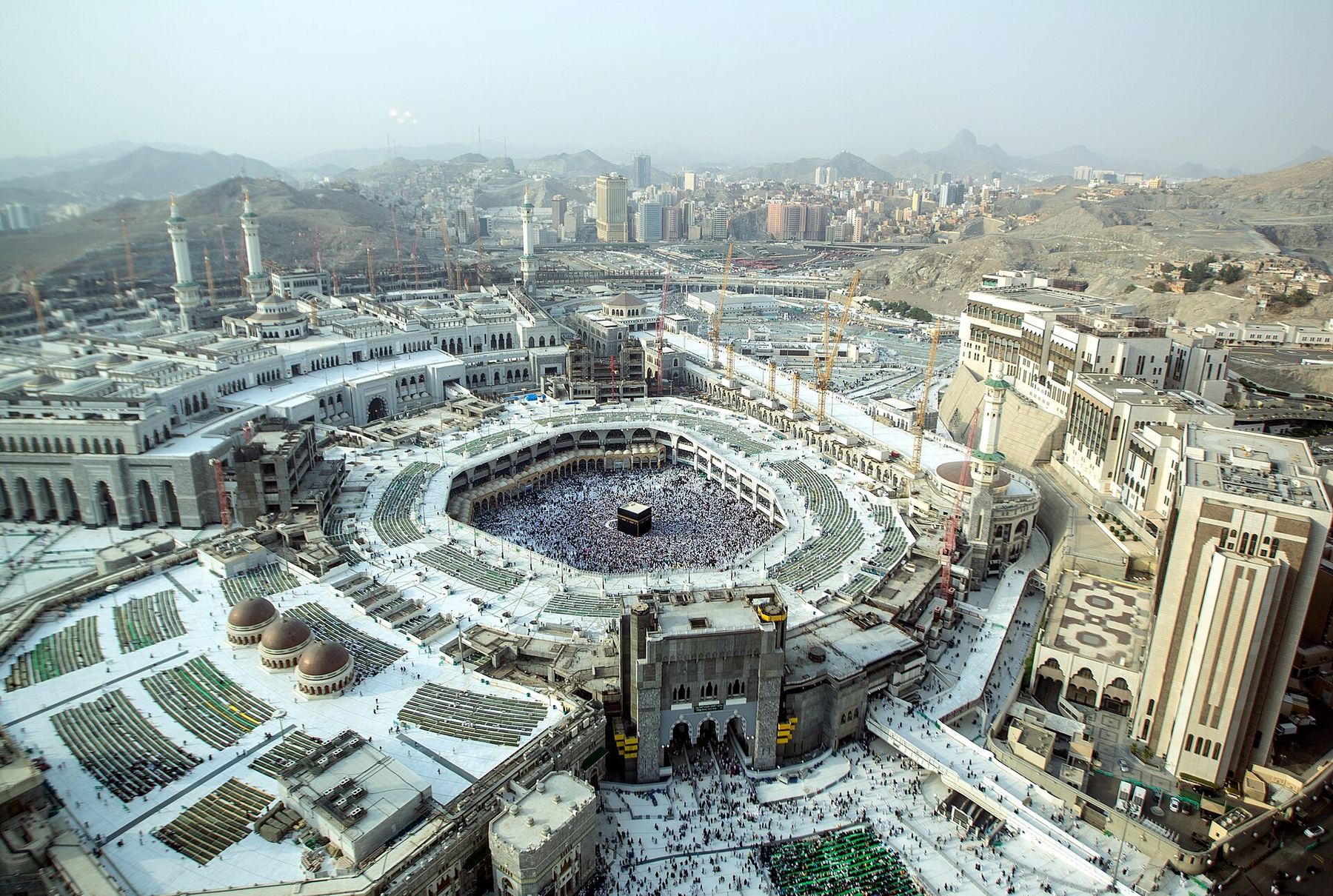
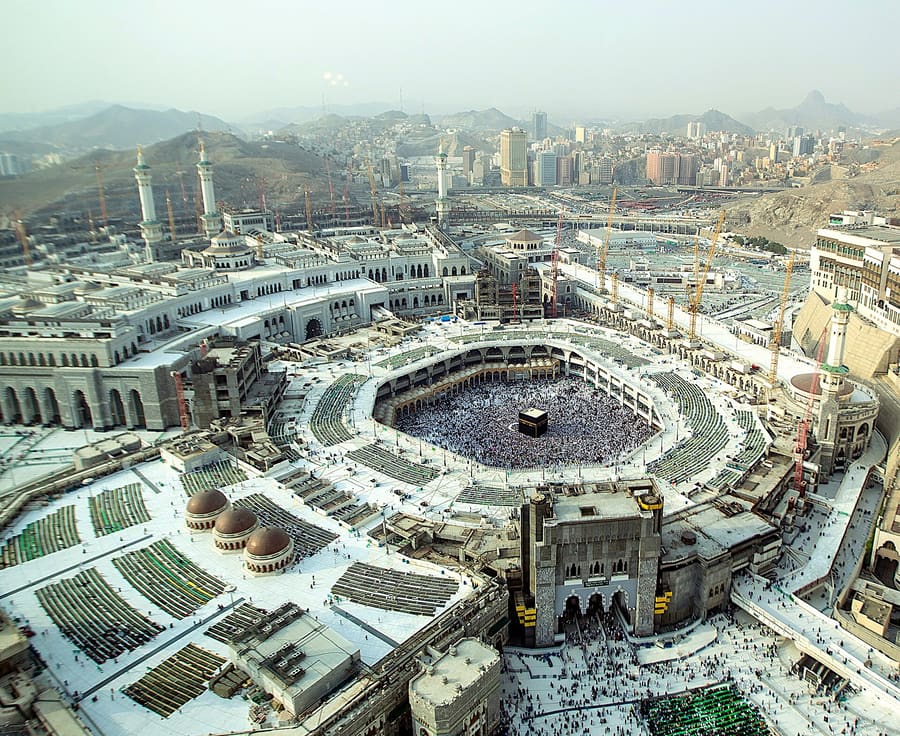
Al-Masjid al-Haram
The holiest site in Islam housing the Kaaba. Enter via King Abdulaziz Gate for direct access to the central courtyard.
Parleyに聞くサウジアラビア
The spiritual center of Islam and world's largest pilgrimage.
introduction
Makkah operates on a scale and rhythm unlike any other city on Earth. Life here revolves strictly around the five daily prayers and the continuous flow of pilgrims toward Al-Masjid al-Haram. Towering modern skyscraper hotels overlook ancient mountain paths, while high-speed trains connect the sanctuary to Jeddah in 34 minutes. Non-Muslims are prohibited from entering the city limits by Saudi law.
Airport connection
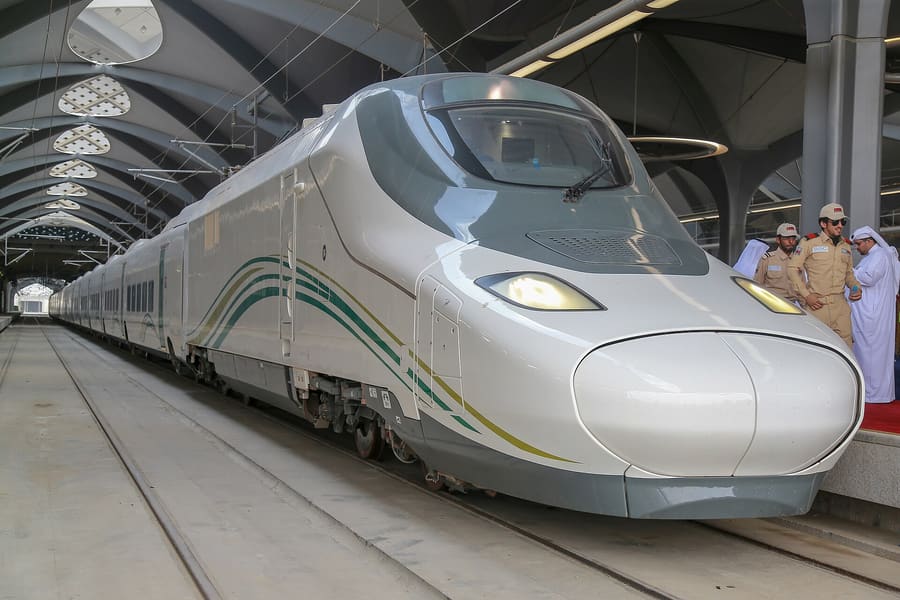
The Haramain High-Speed Railway links Jeddah Airport directly to Makkah Station in under 40 minutes.
Sanctuary boundary
Saudi law strictly limits entry into Makkah's city limits and holy sites to Muslims.
Prayer time transit
Pedestrian roads surrounding the Grand Mosque freeze completely during prayer times.
Makkah
Glory20 · CC BY-SA 4.0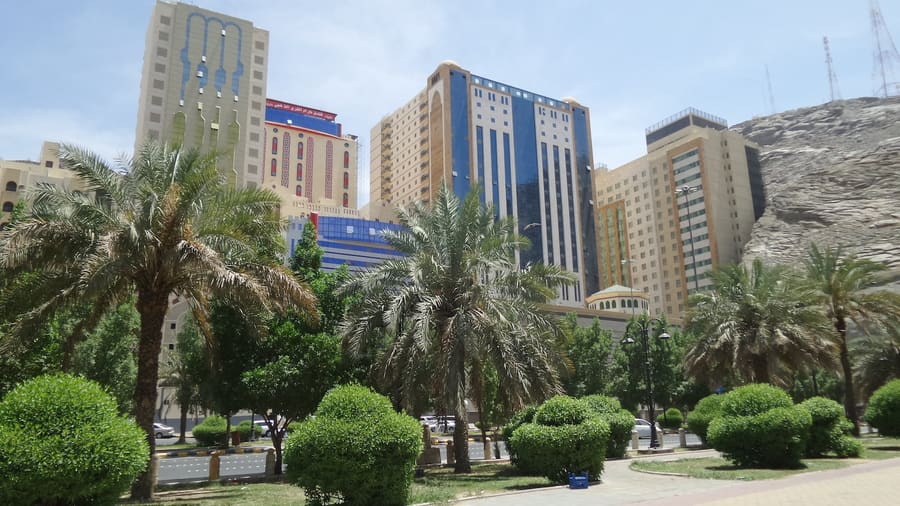
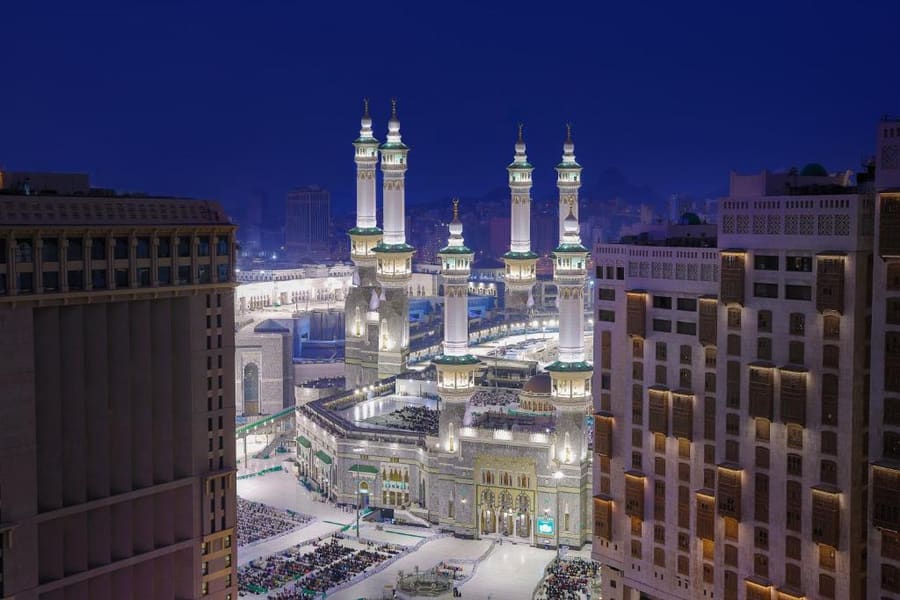
Ajyad & Central District — High-density hotel towers steps from the sanctuary gates.
Adeeb Atwan · CC BY 3.0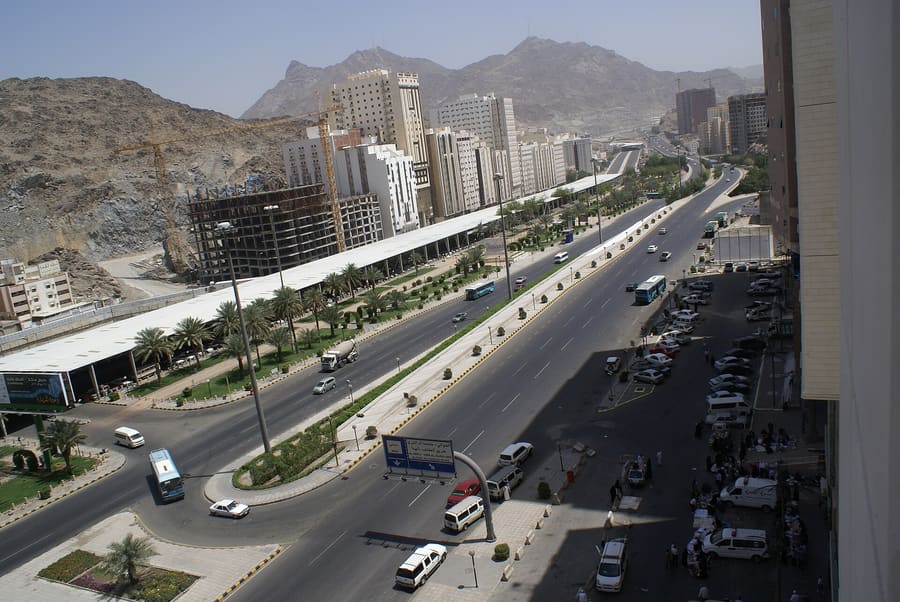
Al Aziziyah — Bustling commercial corridor packed with local eateries and markets.
yousefmadari · Public domain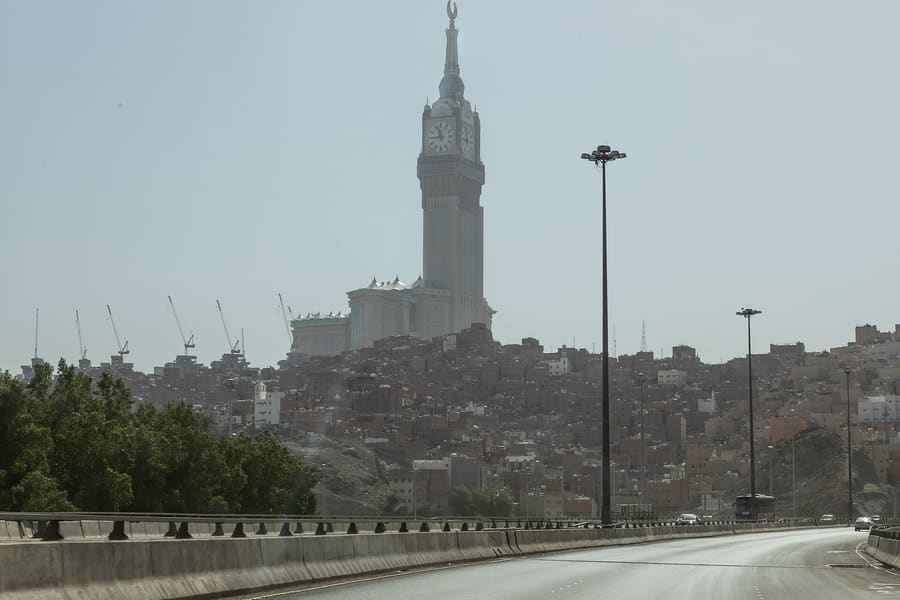
Al Misfalah — Traditional neighborhood with dense market streets south of the Haram.
saudipics · CC BY-SA 4.0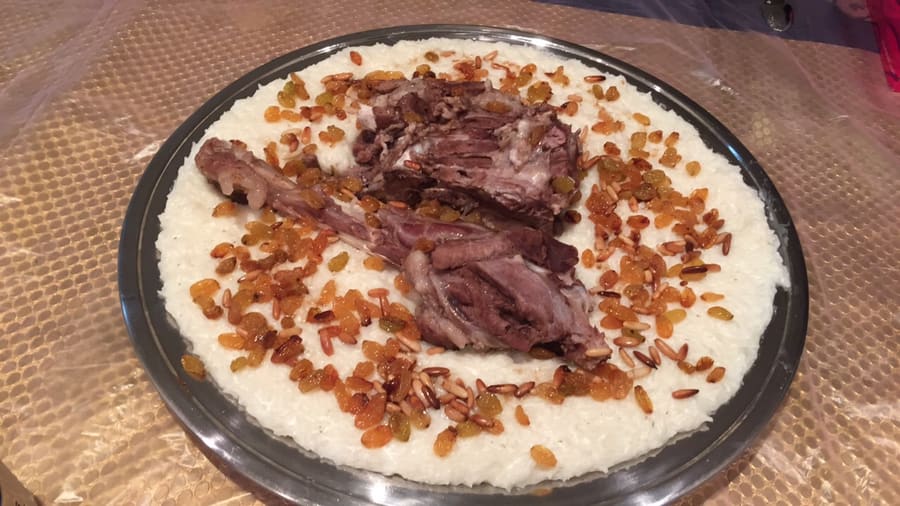
Saleeg, a creamy Hejazi rice dish cooked in broth and milk.
Sayom · CC BY-SA 4.0highlights
landmark
The holiest site in Islam housing the Kaaba. Enter via King Abdulaziz Gate for direct access to the central courtyard.
Parleyに聞く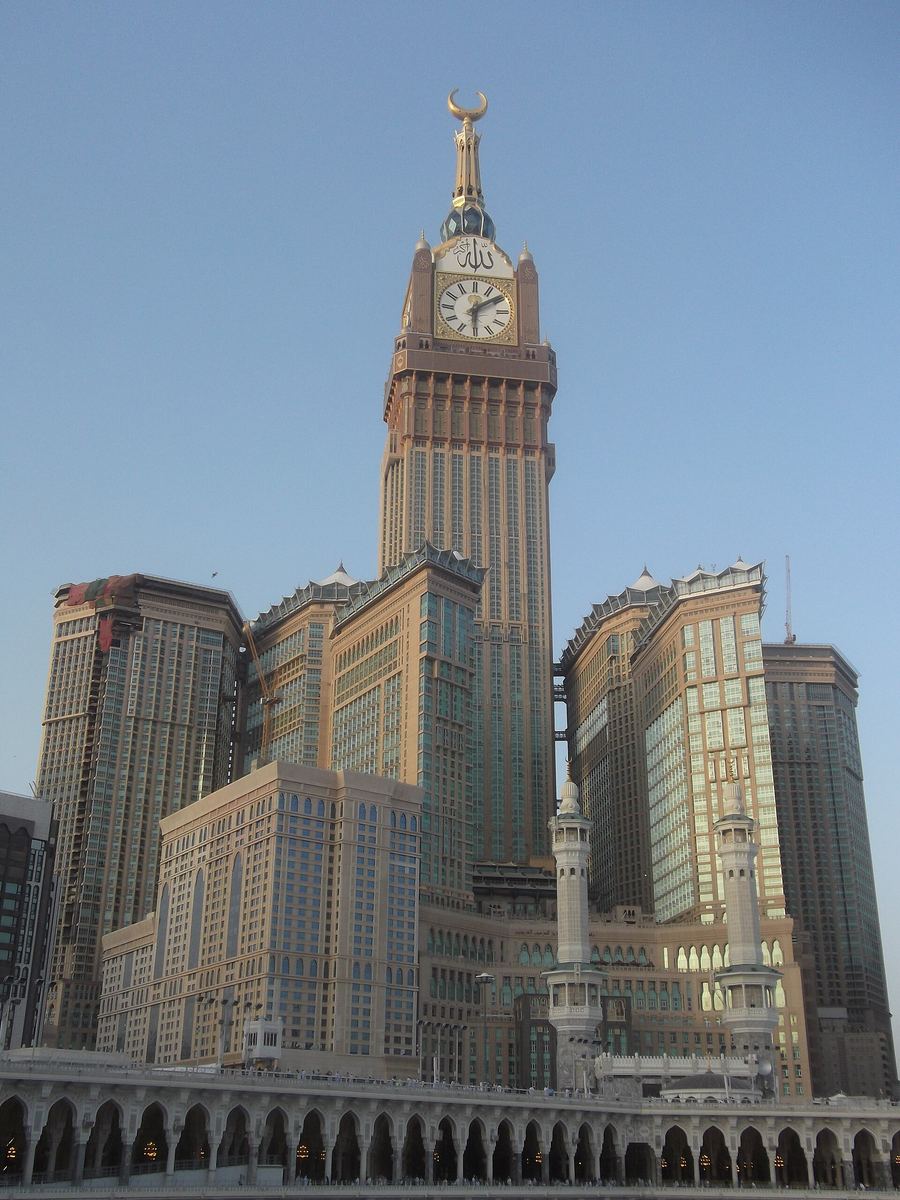
landmark
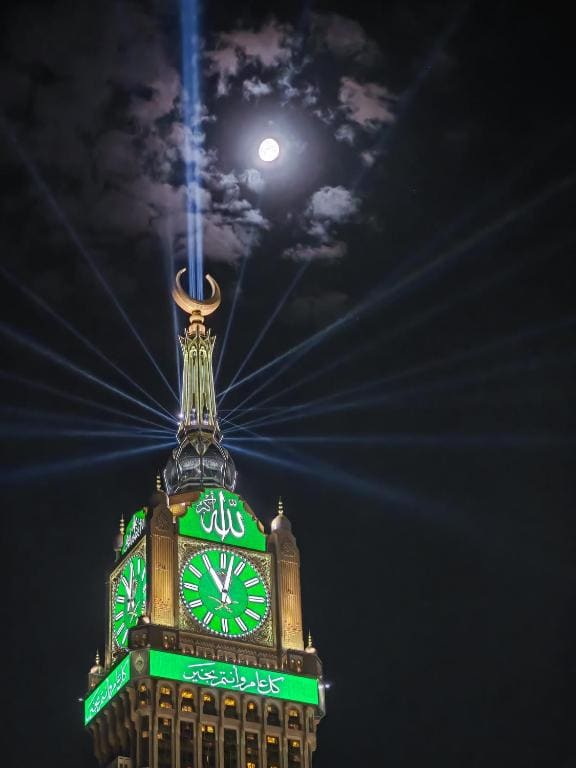
A massive complex featuring the world's largest clock face. Use its multi-level mall to escape afternoon thermal heat.
Parleyに聞く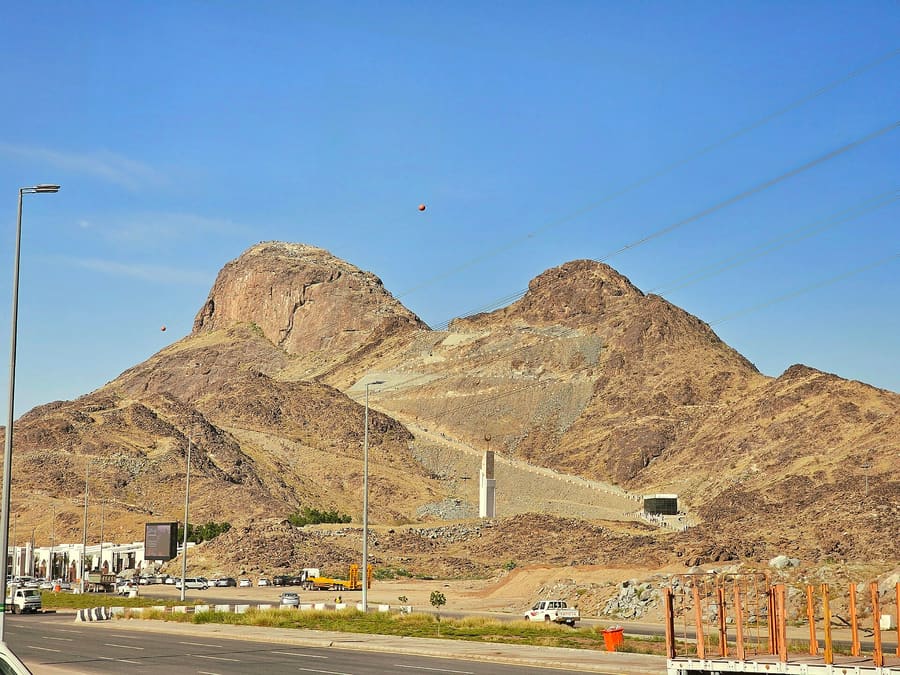
landmark
The mountain housing Hira Cave where the first Quranic revelation occurred. Climb early before dawn to avoid intense daytime sun.
Parleyに聞く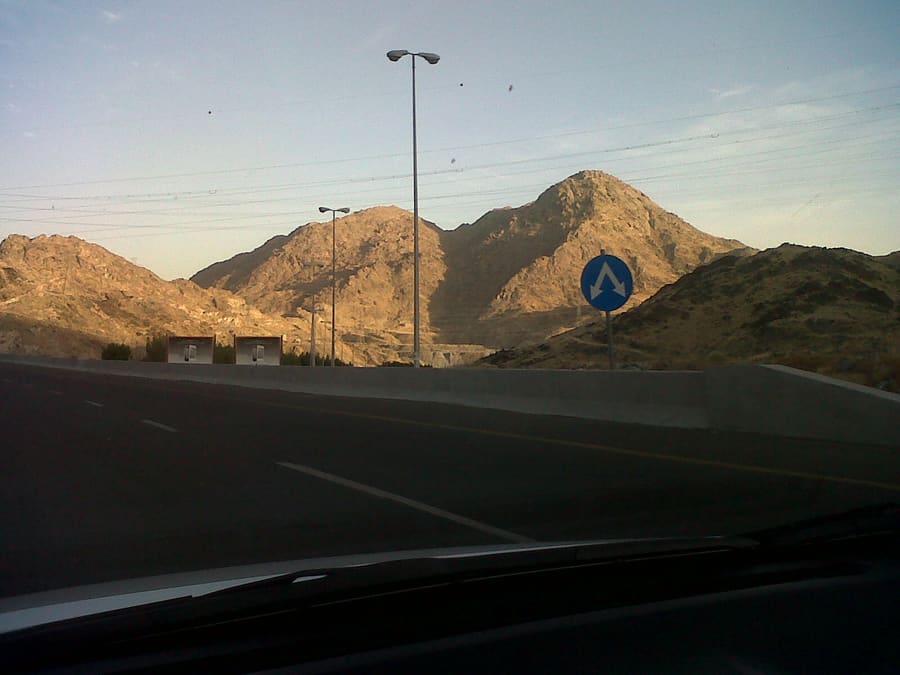
landmark
Houses the cave where Prophet Muhammad hid during migration to Medina. The rocky ascent takes two hours on steep stone tracks.
Parleyに聞く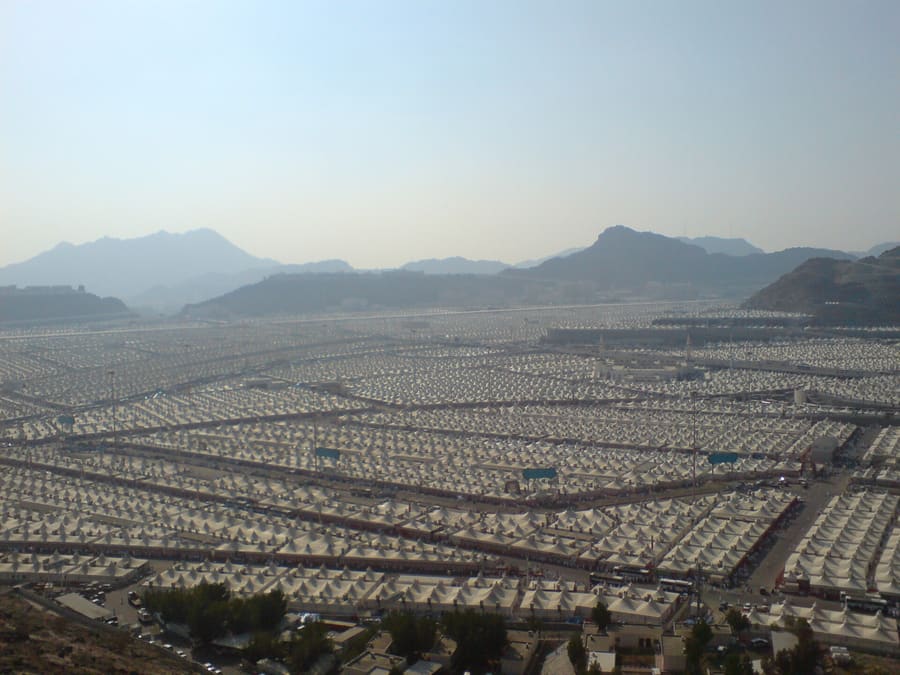
landmark
A vast valley containing over 100,000 air-conditioned tents. Access is restricted outside the official Hajj pilgrimage season.
Parleyに聞く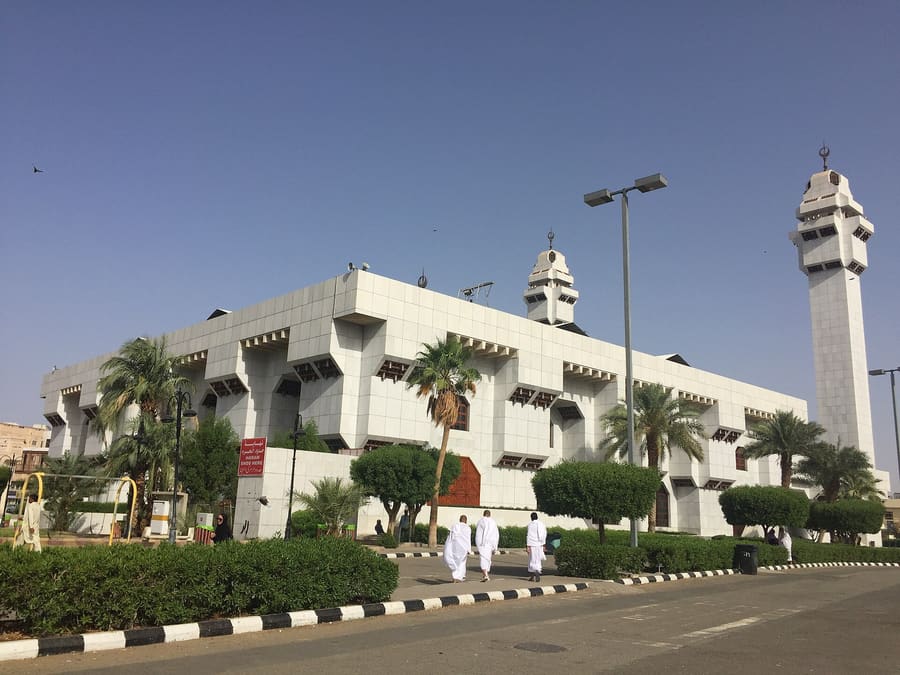
landmark
The designated miqat boundary point for residents entering ihram. Taxis run continuously here from the central mosque gates.
Parleyに聞くattractions
areas
High-density hotel towers steps from the sanctuary gates.
近くAl-Masjid al-Haram
Parleyに聞くBustling commercial corridor packed with local eateries and markets.
近くMina Valley
Parleyに聞くTraditional neighborhood with dense market streets south of the Haram.
近くSouthern Haram Courtyard
Parleyに聞くModern master-planned urban complex on elevated terraces.
近くWestern Haram Courtyard
Parleyに聞くfood
Makkah dining caters to millions of global visitors alongside Hejazi culinary traditions. Local staples focus on rich rice dishes like Saleeg and Kabsa served with slow-cooked lamb or chicken. For quick budget meals, local fast-food chains like Albaik draw massive crowds around the clock.
Saleeg, a creamy Hejazi rice dish cooked in broth and milk.
Sayom · CC BY-SA 4.0Try Mutabbaq, a thin layered stuffed pastry cooked on flat griddles, sold widely near Al Misfalah.
Order via the mobile app in advance to bypass long queues at the Abraj Al Bait location.
history
Makkah developed as a key trade hub on ancient caravan routes before becoming the focal point of Islamic pilgrimage in the 7th century. Centuries of Ottoman rule shaped its architecture before the modern Saudi expansion transformed the holy sanctuary into a state-of-the-art complex.
The Hijrah
Prophet Muhammad migrated from Makkah to Medina, marking the beginning of the Islamic calendar.
Ottoman Era
The Ottoman Empire assumed custodianship of Makkah, constructing defensive forts and upgrading water infrastructure.
Saudi Rule
Makkah was incorporated into the Saudi state, initiating unprecedented sanctuary expansion projects.
High-Speed Rail
The Haramain railway opened, linking Makkah directly to Jeddah and Medina in under two hours.
where to stay
Choose your accommodation based on how far you are willing to walk during peak heat and crowd hours.
transport
Navigating Makkah depends on your distance from the holy sanctuary. Walking is the primary option within the central ring, while taxis, bus networks, and high-speed rail handle outer trips.
King Abdulaziz International Airport (JED)から
Haramain Express runs direct from JED Airport terminal to Makkah Railway Station.
Agree on the total price before boarding if the meter is not used.
Buses operate from Jeddah airport terminals directly to central Makkah bus hubs.
Book high-speed train tickets days in advance online, especially around weekends and Ramadan.
Red Makkah Bus routes cover main corridors and offer regular, reliable transport around the city.
Taxis cannot access roads near the Grand Mosque 30 minutes before and after prayer times.
Use hotel mall corridors like Abraj Al Bait to walk in air-conditioned comfort near the sanctuary.
cost
Costs in Makkah range from inexpensive local meals to luxury hotel rooms overlooking the sanctuary.
Rates fluctuate heavily based on proximity to the Haram and timing in the lunar calendar.
Plentiful portions in local restaurants around Al Aziziyah and Al Misfalah.
Rates increase significantly during peak pilgrimage seasons and late night.
High quality fast fried chicken at reliable prices across multiple city branches.
seasonality
NOV – FEB
Daytime temperatures are mild (25–30°C). Ideal for walking, but winter months bring higher domestic tourist crowds.
MAR – MAY
Temperatures rise above 35°C. Outside peak Umrah dates, room prices drop significantly.
JUN – AUG
Extreme heat often exceeds 42°C. Outdoor walking during mid-day is dangerous; Hajj season often falls in summer.
SEP – OCT
Heat tapers slowly. A quieter window for travel between major peak seasons.
practicalities
Non-Muslims are strictly prohibited by Saudi law from entering Makkah city limits.
Credit cards and Apple Pay are accepted almost everywhere, but carry cash for small street vendors.
Marble plazas around the sanctuary are cooled, but carrying an umbrella and water is essential outside.
Ramadan and Hajj move 10-11 days earlier each solar year, drastically affecting crowd levels and prices.
Pilgrims entering for Umrah must be in ihram before crossing designated miqat boundaries.