landmark
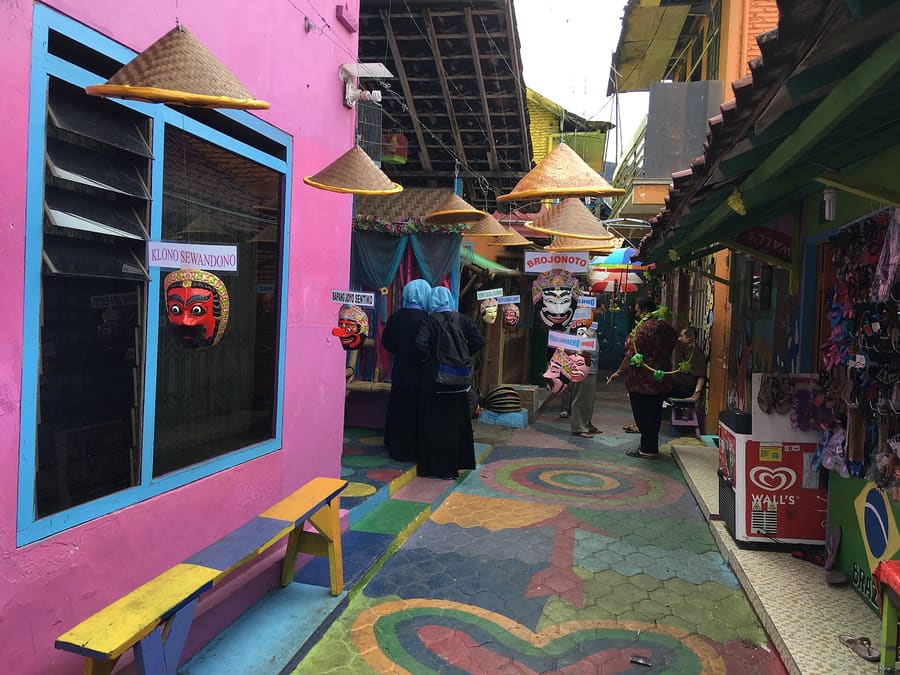
Kampung Warna-Warni Jodipan
A hillside settlement repainted in vivid colors. Walk the yellow glass bridge to Kampung Tridi for the best perspective.
Parleyに聞くインドネシア
Cool highland air, colonial grids, and street food stops.
introduction
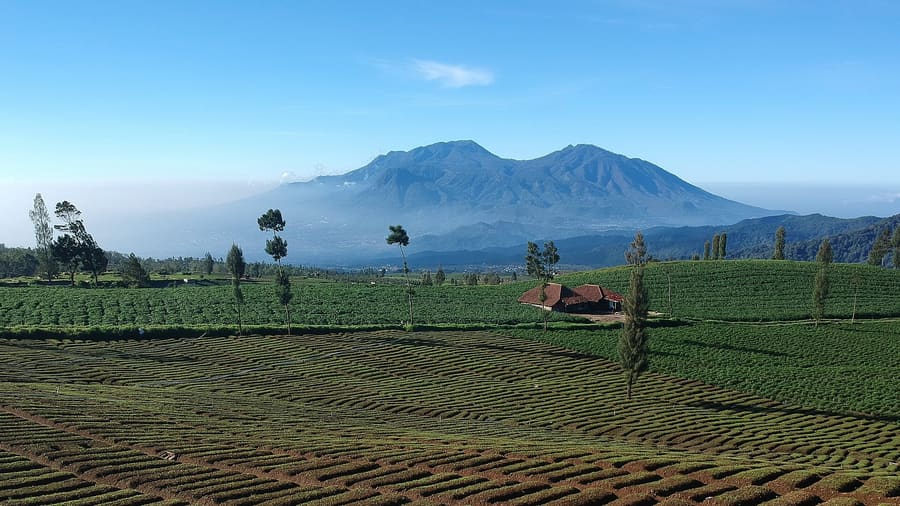
Sitting at 440 meters above sea level, Malang is East Java's highland refuge from coastal heat. Dutch urban planners laid out wide avenues and leafy parks here in the 1930s. Today, university students and historic coffee houses give the city a measured pace.
Arrival by rail
Take the train from Surabaya to Malang Kota Baru to avoid congested toll roads. The journey takes two hours and drops you in the city center.
Dutch urban design
Architect Thomas Karsten designed Malang's 1930s expansion with boulevards and green belts. Jalan Ijen remains the best surviving example.
Early morning markets
Pasar Oro-Oro Dowo opens at 05:00 and serves regional breakfast snacks until 09:00. Arrive early for warm lupis sticky rice before stalls sell out.
Malang
consigliere ivan from Bontang, Indonesia · CC BY 2.0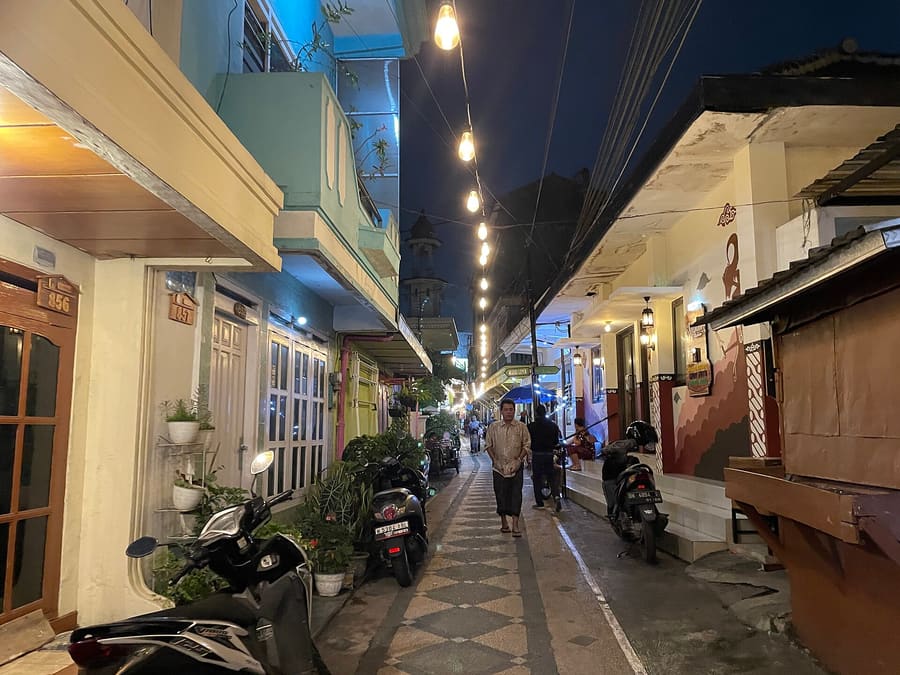
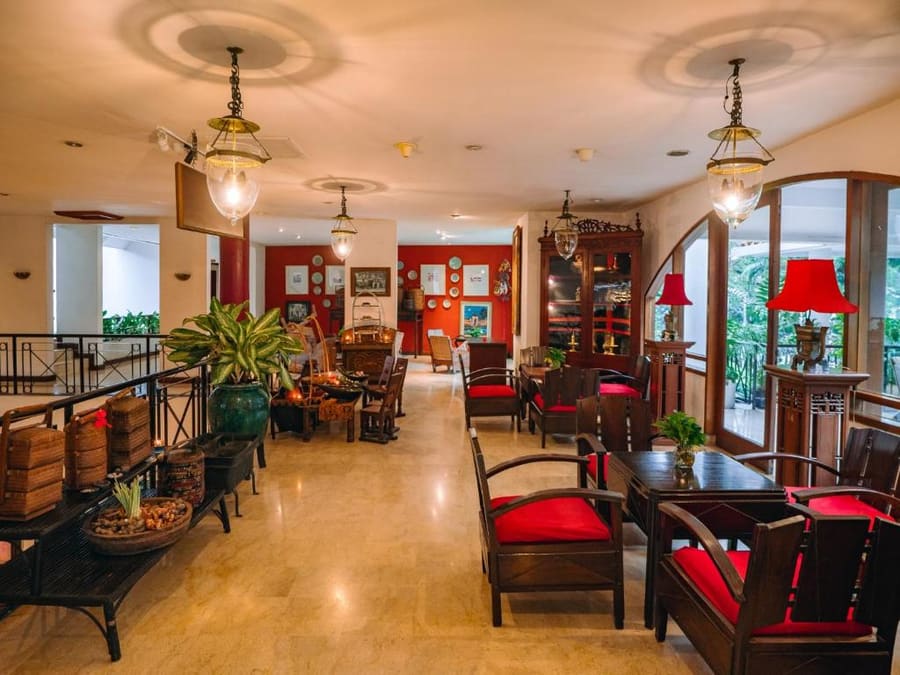
Kayutangan — Dutch-era shopfronts turned independent coffee houses along walkable heritage alleys.
Annidafattiya · CC BY 4.0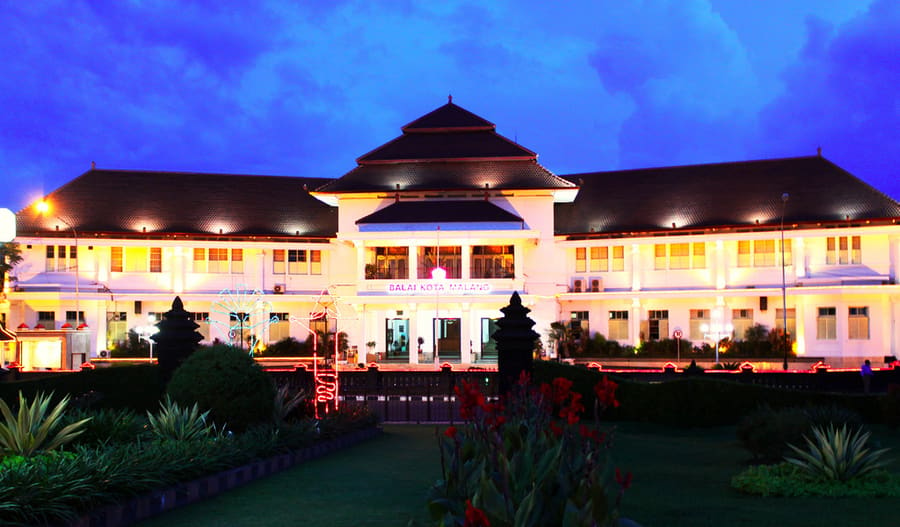
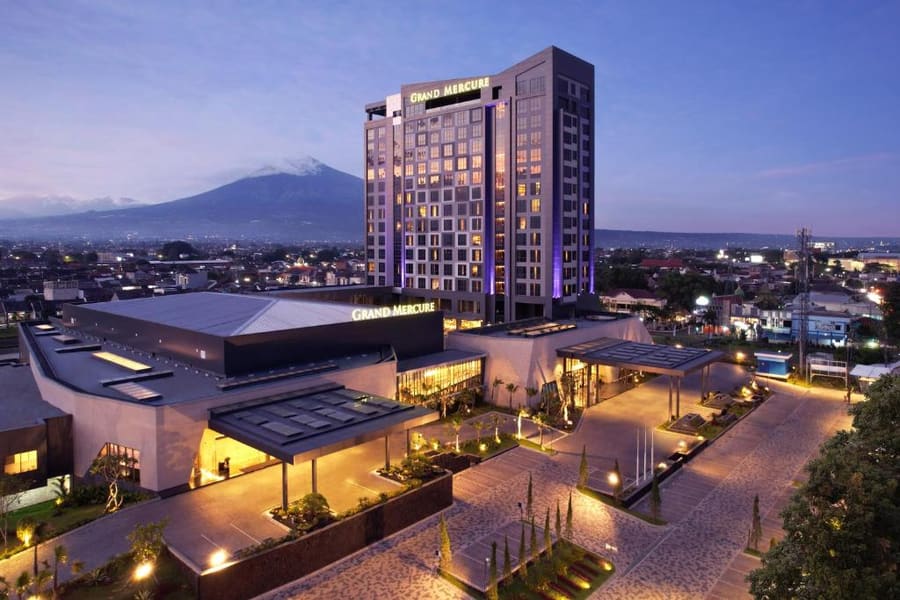
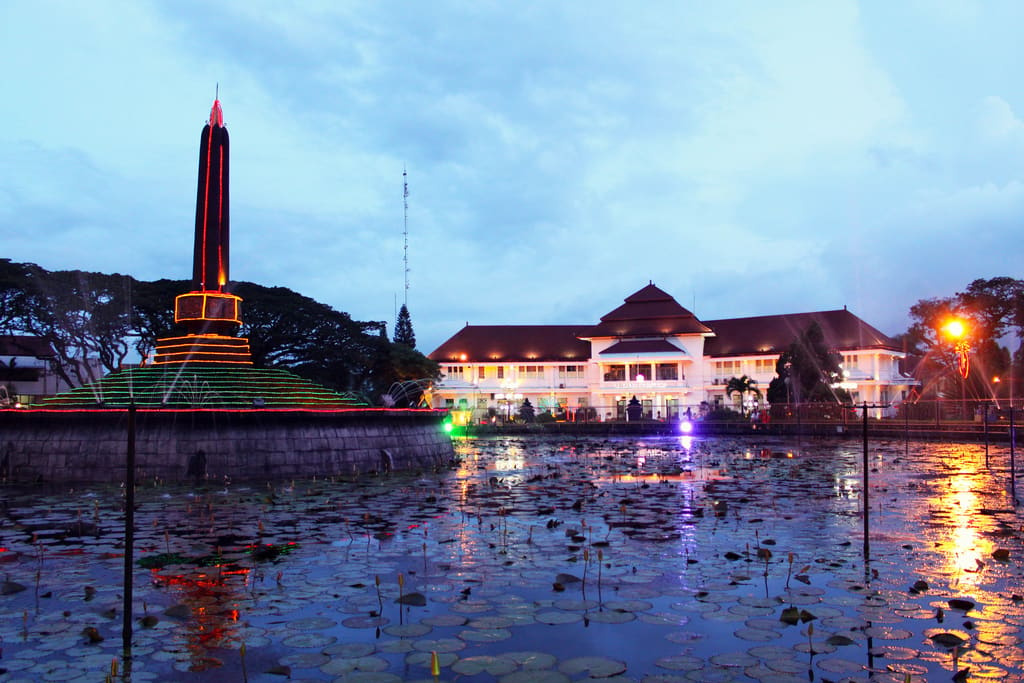
Klojen — The civic core around Tugu Park, anchored by the train station and classic landmark hotels.
Annisa Alwita from Malang, Indonesia · CC BY-SA 2.0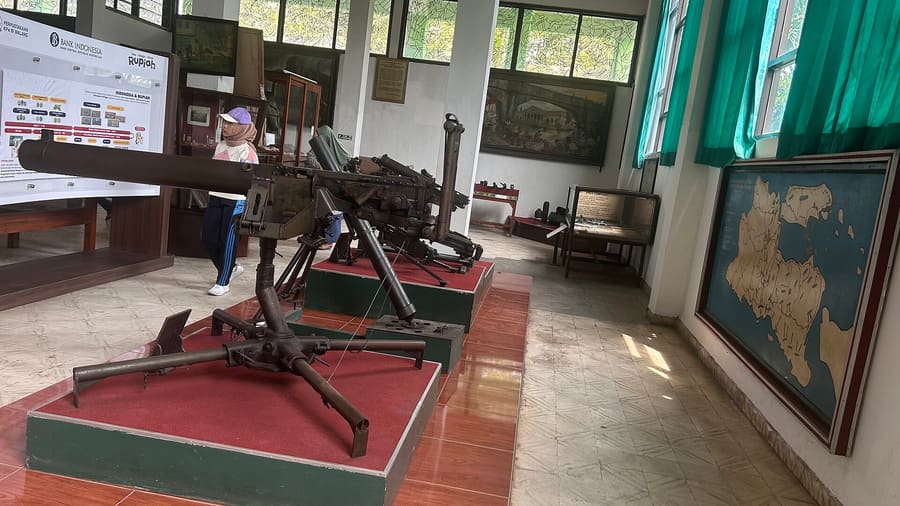
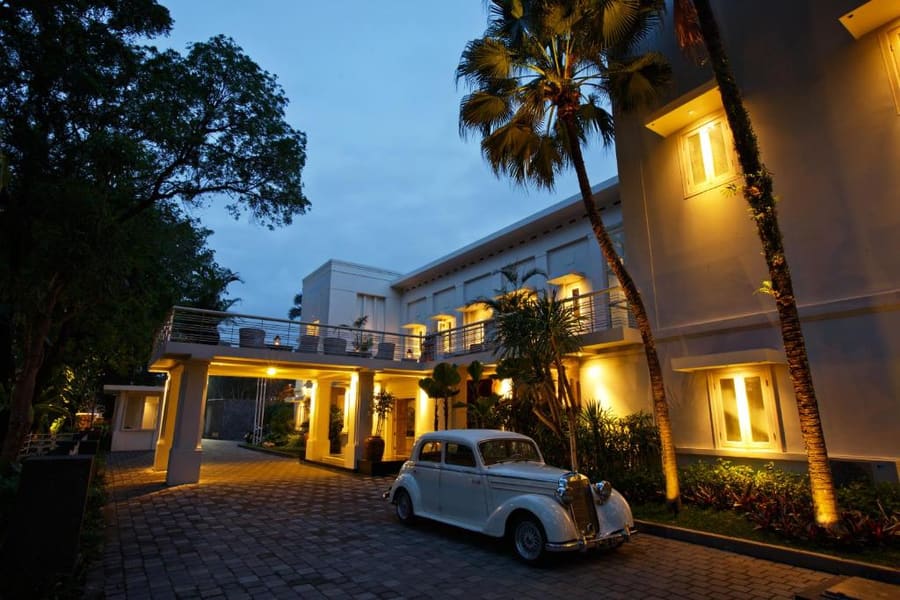
Ijen — Shaded residential avenues lined with Dutch colonial villas and quiet neighborhood bakeries.
Justayals · CC BY 4.0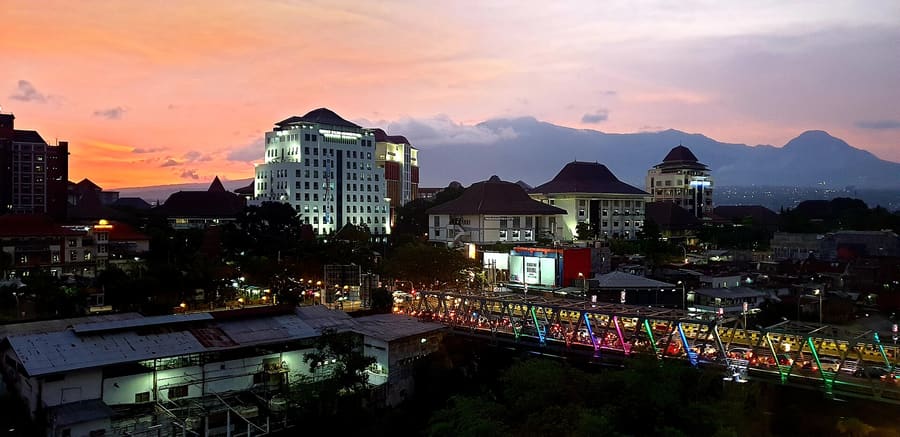
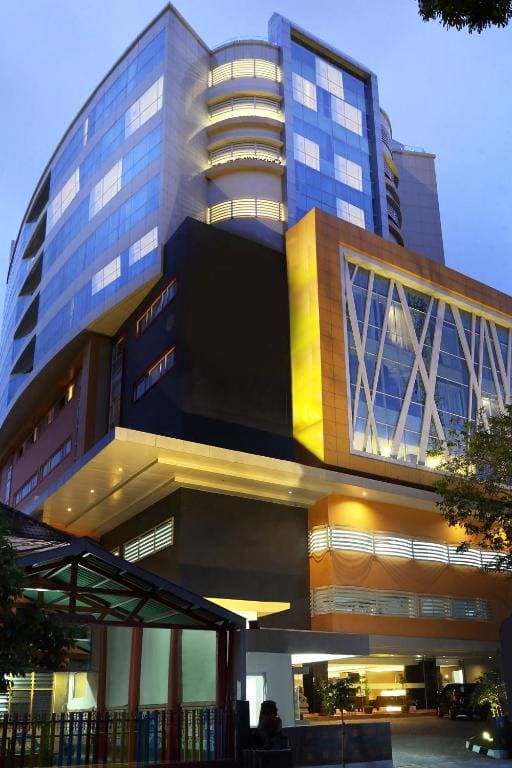
Lowokwaru — A lively northern university district packed with late-night food stalls and budget cafes.
consigliere ivan from Bontang, Indonesia · CC BY 2.0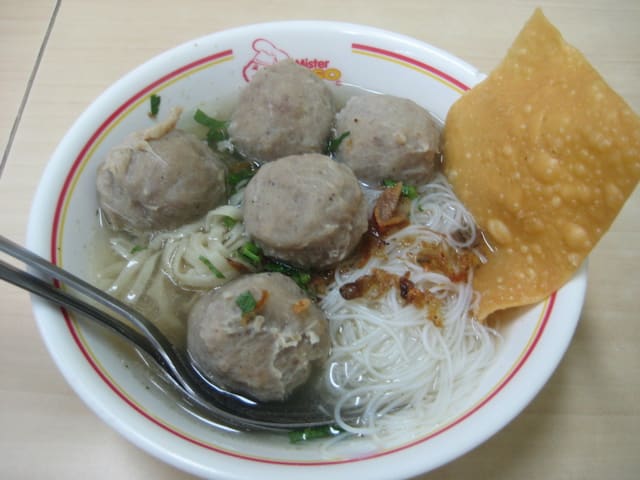
A bowl of Bakso Malang served with fried wontons and steamed tofu.
christian r from Singapore · CC BY-SA 2.0highlights
landmark
A hillside settlement repainted in vivid colors. Walk the yellow glass bridge to Kampung Tridi for the best perspective.
Parleyに聞く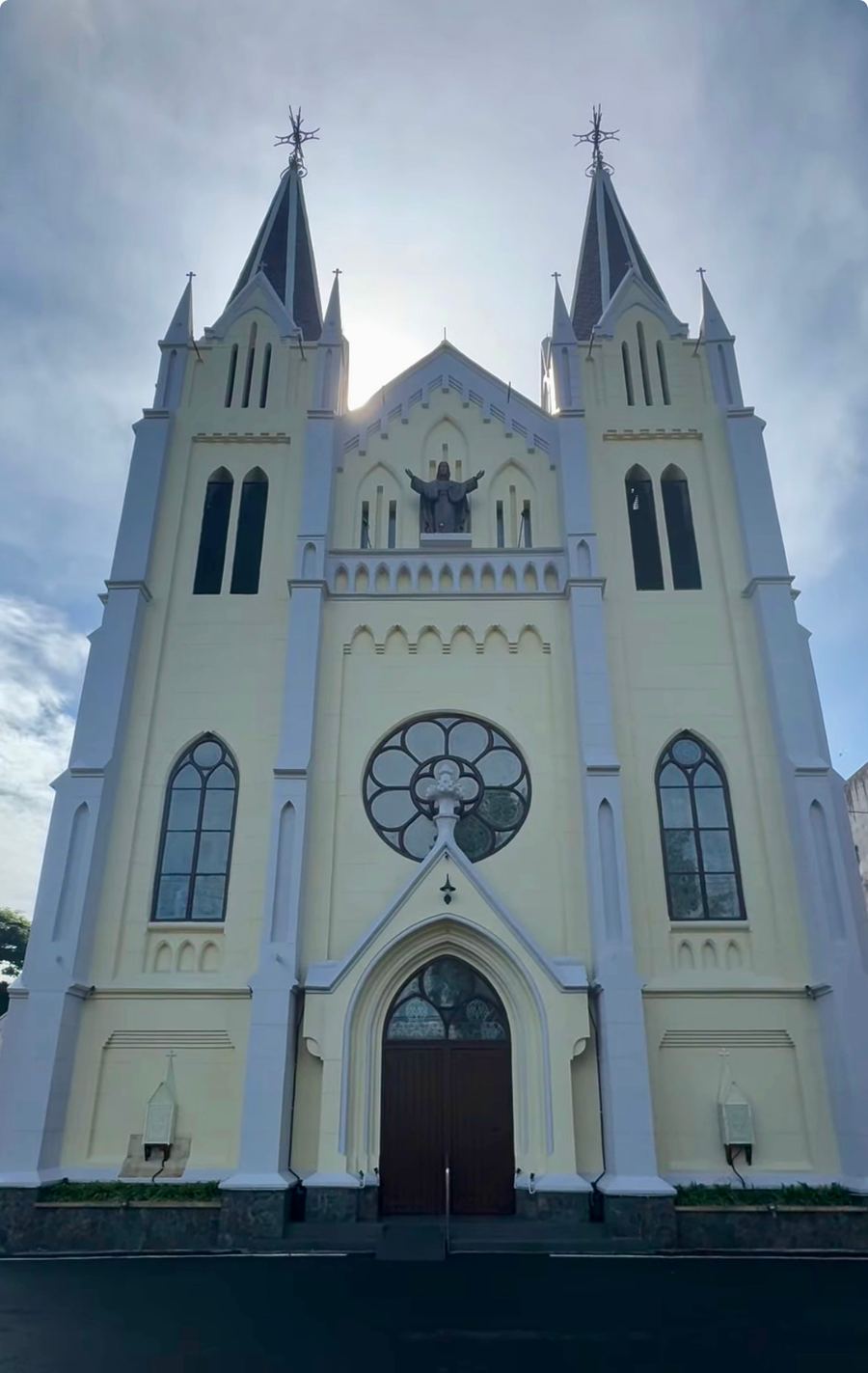
landmark
A preserved Dutch-era commercial street lined with coffee shops. Pedestrian alleys lead into residential modern heritage quarters.
Parleyに聞く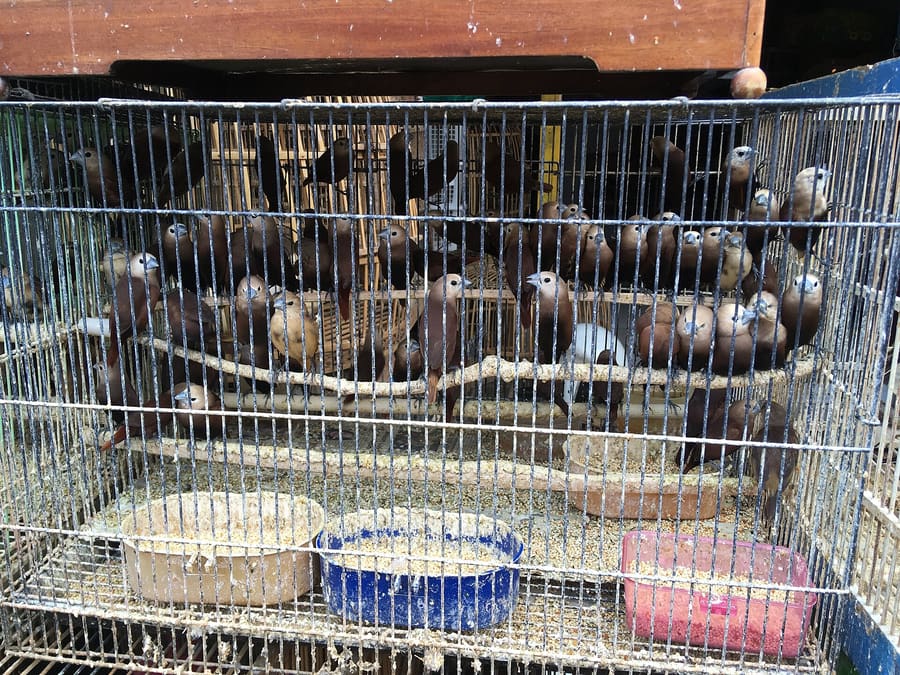
landmark
An open-air animal and flower market along the river bank. Local songbird keepers gather here daily to compare cages and birds.
Parleyに聞くattractions
areas
Dutch-era shopfronts turned independent coffee houses along walkable heritage alleys.
近くPasar Splendid and Alun-Alun Merdeka
Parleyに聞くThe civic core around Tugu Park, anchored by the train station and classic landmark hotels.
近くMalang Kota Baru station and Balai Kota
Parleyに聞くShaded residential avenues lined with Dutch colonial villas and quiet neighborhood bakeries.
近くBrawijaya Museum and Oro-Oro Dowo Market
Parleyに聞くA lively northern university district packed with late-night food stalls and budget cafes.
近くUniversitas Brawijaya and Soekarno-Hatta food strip
Parleyに聞くfood
Malang eats differ markedly from coastal East Java. The city's signature dish is Bakso Malang, a meatball soup customized by picking fried wontons, steamed tofu, glass noodles, and siomay from a heated broth cart.Colonial baking traditions survive in local institutions. Dutch-style bakeries sell rum horns, croquettes, and sweet enriched breads made using decades-old recipes.Coffee culture centers on traditional kopi tubruk brewed in historic shops alongside modern espresso bars in Kayutangan.
A bowl of Bakso Malang served with fried wontons and steamed tofu.
christian r from Singapore · CC BY-SA 2.0Eat meatballs right beside active train tracks behind Malang Kota Baru station. Steamed tofu and crispy fried wontons cost around IDR 3,000 per item.
Operating since 1930 on Jalan Basuki Rahmat. Stop for homemade ice cream, Dutch croquettes, and iced filter coffee under high ceilings.
Visit early in the morning for hot rawon beef soup and warm lupis rice cakes coated in coconut and palm sugar.
history
Malang grew as the seat of the 13th-century Singhasari Kingdom before falling under Mataram rule. Dutch colonial authorities recognized its cool climate in the late 19th century and developed the area into a major coffee and sugar plantation hub.In the 1930s, urban planner Thomas Karsten transformed Malang into a modern garden city, laying out boulevards, parks, and residential sectors that still frame the urban core today.
Singhasari Empire
King Ken Arok establishes the Singhasari Kingdom north of modern Malang.
Railway Connection
The Dutch East Indies railway connects Malang to Surabaya, accelerating coffee export growth.
Karsten Master Plan
Architect Thomas Karsten designs Malang's modern town layout with green belts and broad avenues.
Jodipan Transformation
Local university students repaint the riverbank settlement of Jodipan, turning it into a municipal attraction.
where to stay
Choose your base depending on how you plan to move around. Klojen puts you steps from the rail hub, making morning train departures effortless. Kayutangan suits travelers who want coffee shops and evening street life on their doorstep. For quiet nights and shaded walks, select Ijen.
transport
Central Malang is compact enough to explore on foot, particularly around Kayutangan and Ijen Boulevard. For longer trips across town, rideshare apps provide reliable transit. Public angkot minivans run fixed color-coded routes, though they lack published schedules.
Grab and Gojek operate widely across Malang. Motorbike pickups (GoRide/GrabBike) navigate narrow alleys far faster than cars.
Local blue minivans show destination codes on their windshields (e.g. AT for Arjosari-Tidar). Pay the driver IDR 5,000 cash when getting off.
Book Java intercity trains via the KAI Access app up to 45 days in advance. Executive class tickets sell out early on weekend routes.
Avoid road transit across the Brantas River bridges between 07:00–08:30 and 16:30–18:00 due to severe bottleneck congestion.
cost
Malang is significantly less expensive than Bali or Jakarta. Cash remains essential for small eateries, street stalls, and angkot fares, though QRIS digital payments are accepted widely in local coffee shops.
Price varies depending on how many meatballs and fried wontons you choose.
Independent cafes offer specialty pour-overs alongside local milk coffee.
Flat rate across the urban area regardless of distance traveled.
Covers most rides within the inner city districts.
seasonality
MAR – MAY
Moderate afternoon rain. Morning skies remain clear for walking tours through heritage districts.
JUN – SEP
Dry season brings clear skies and crisp cool air. Expect high domestic tourist volume on weekends.
OCT – DEC
Heavy downpours arrive most afternoons. Mountain road trips encounter fog and wet pavement.
JAN – FEB
Peak wet season. Low travel crowds, but outdoor excursions and hiking plans face regular rain delays.
practicalities
Temperatures drop to 18–20°C at night. Carry a light jacket or sweater if you are riding motorbikes.
Jalan Ijen closes to motor vehicles every Sunday morning from 05:30 to 09:30 for walking and street market stalls.
BCA and Mandiri ATMs accept international cards. Carry small cash notes (IDR 2,000–20,000) for food vendors.
Modest clothing covering shoulders and knees is recommended when visiting neighborhoods outside tourist spots.
Tap water is not potable. Drink boiled or filtered water provided at hotels and cafes.