landmark
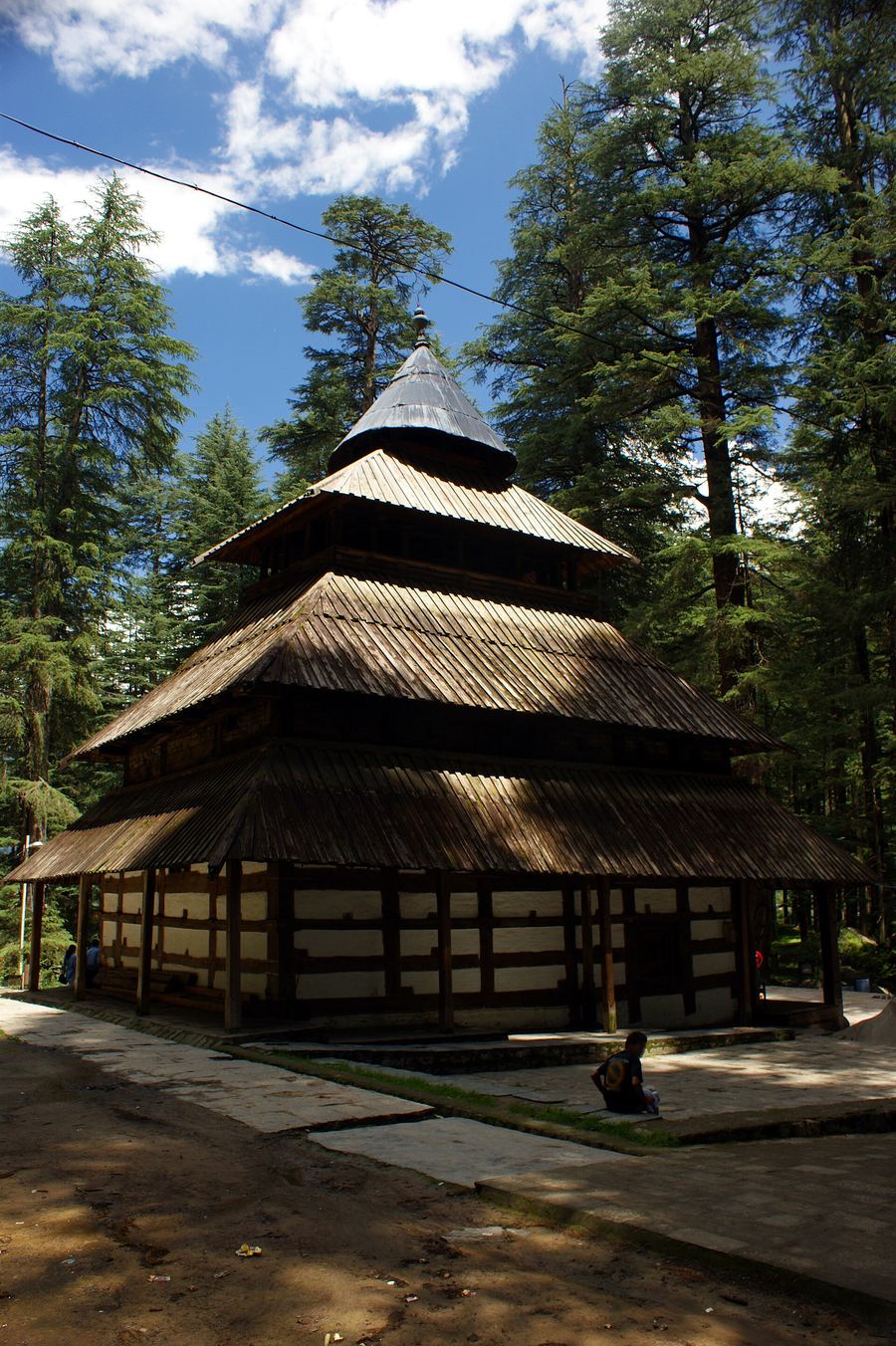
Hadimba Temple
16th-century wooden pagoda temple set inside a cedar forest. Visit before 09:00 to skip tour bus queues.
Parleyに聞くインド
High-altitude hub for Himalayan passes and mountain trails.
introduction
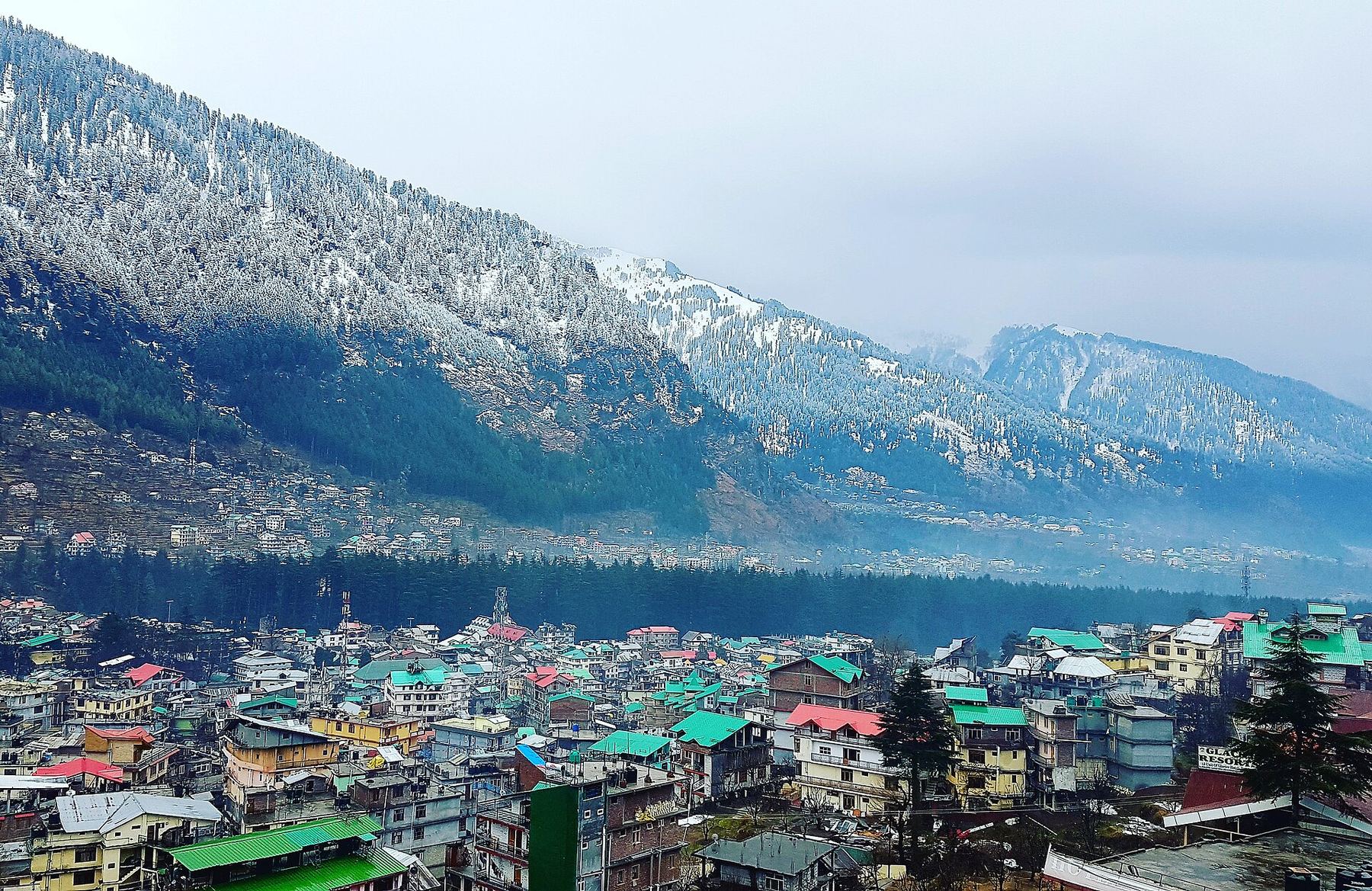
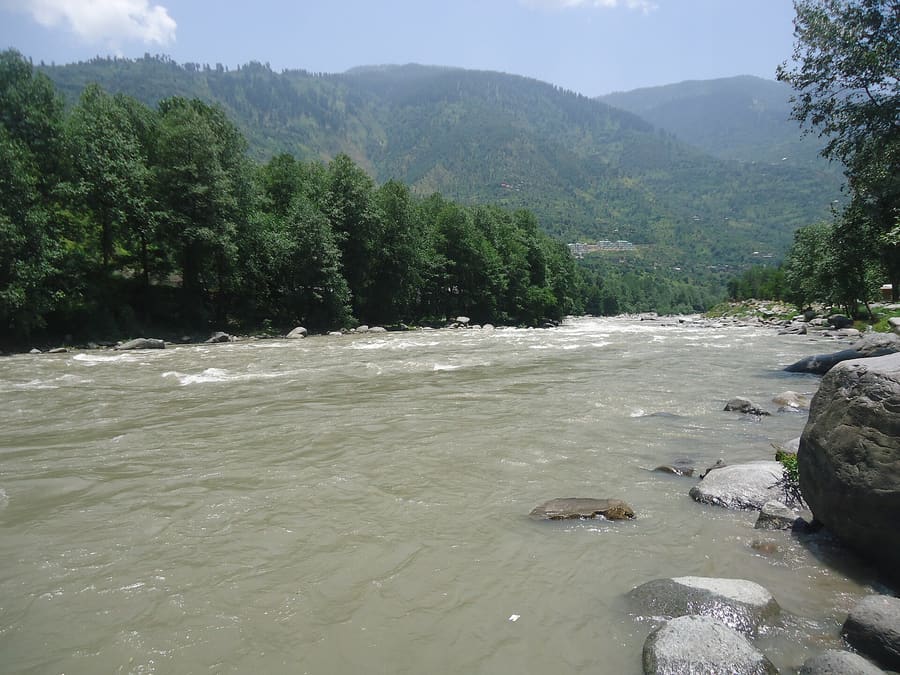
Manali sits at 2,050 metres in the Kullu Valley along the Beas River. Main roads divide the town into busy commercial transport hubs and quiet hillside villages. You navigate steep gradients via auto-rickshaws, local buses, or on foot. Expect sharp temperature drops after sunset and heavy vehicular traffic during peak summer months.
Fly to Bhuntar for direct access
Bhuntar Airport sits 50 kilometres south of town. Prepaid taxis cost around ₹2,200 and take two hours depending on valley traffic.
Year-round valley access via Atal Tunnel
Atal Tunnel connects Manali directly to the Lahaul Valley. The engineering feat bypasses the treacherous Rohtang Pass winter blockage.
Secure Rohtang permits in advance
Vehicles entering Rohtang Pass require a daily government permit. Apply online two days prior because daily slot limits fill fast.
Manali
User:Jupitus Smart · CC BY-SA 4.0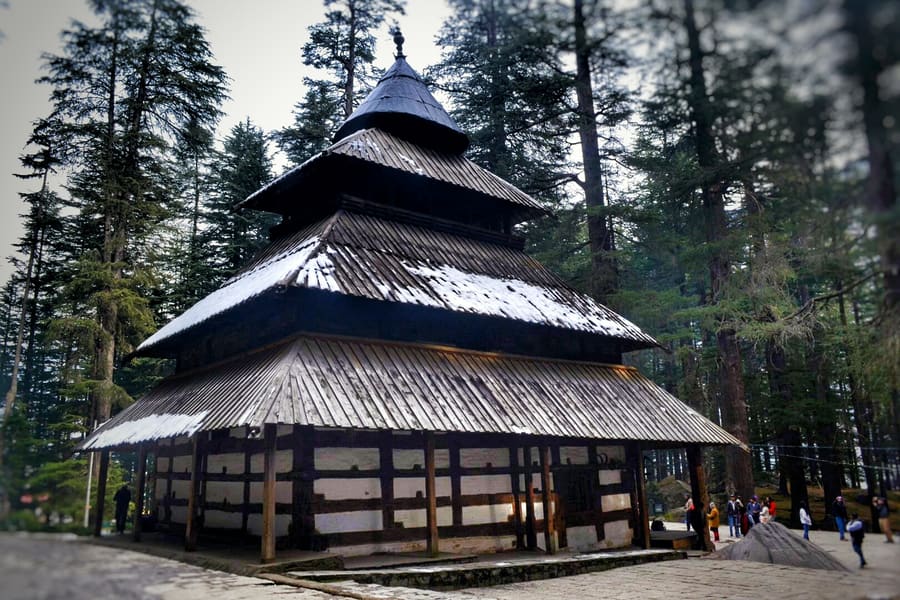
Old Manali — Cobblestone lanes, wooden guesthouses, and relaxed bakeries above the river.
Rishabh gaur · CC BY-SA 4.0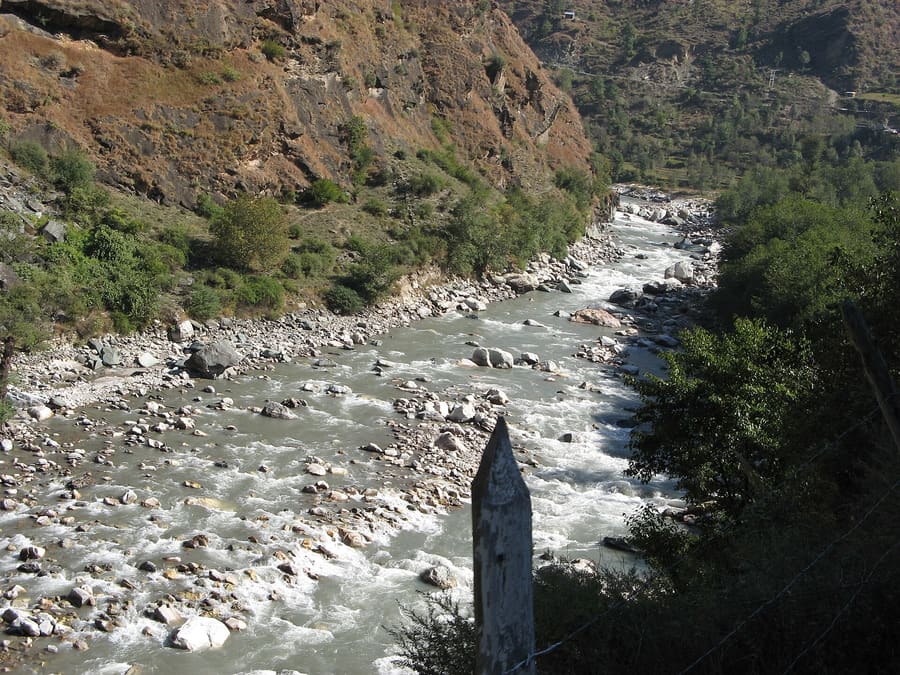
Aleo & Left Bank — Riverside zone with resort hotels and easier vehicular access.
Achiwiki356 at English Wikipedia · Public domainhighlights
landmark
16th-century wooden pagoda temple set inside a cedar forest. Visit before 09:00 to skip tour bus queues.
Parleyに聞く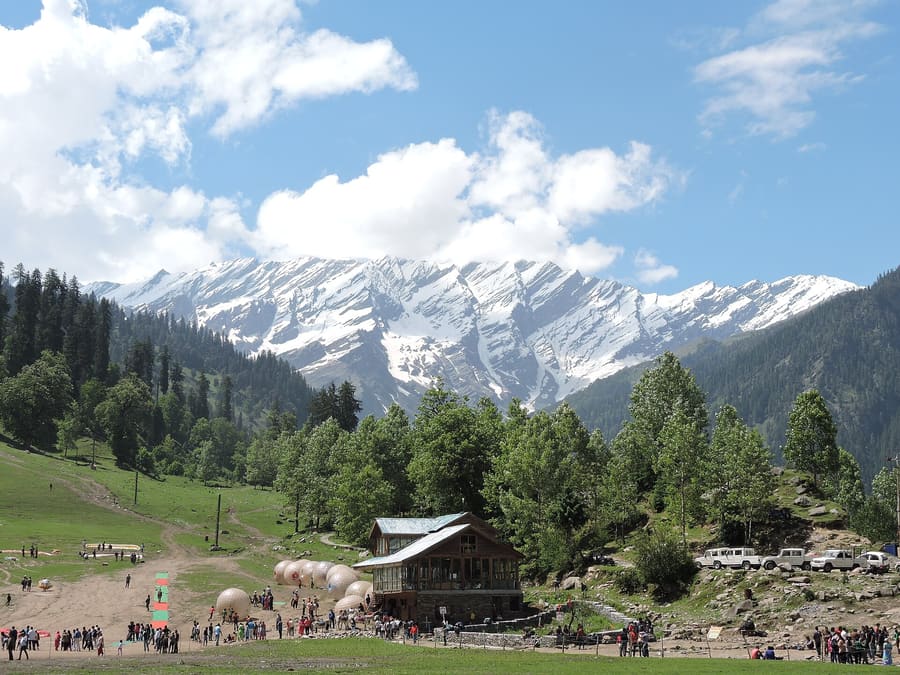
landmark
Hub for paragliding and ski slopes 14km north. Skip afternoon hours when road gridlock doubles travel time.
Parleyに聞く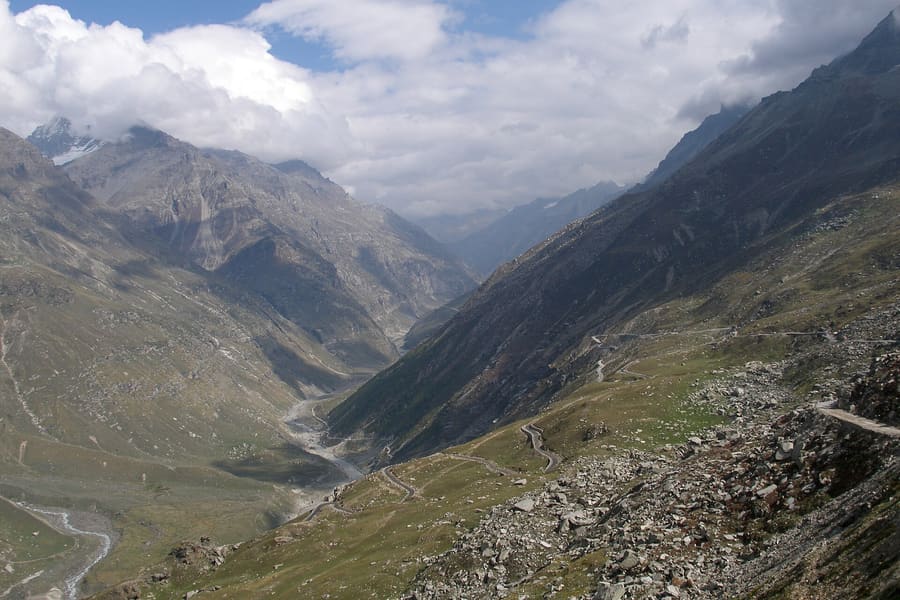
landmark
High-altitude pass at 3,978m offering glacier views. Online permits are mandatory for all non-local vehicles.
Parleyに聞くattractions
areas
Cobblestone lanes, wooden guesthouses, and relaxed bakeries above the river.
近くHadimba Temple and Manali Sanctuary.
Parleyに聞くRiverside zone with resort hotels and easier vehicular access.
近くBeas riverbanks and Naggar highway.
Parleyに聞くPedestrian retail strip packed with woollen shops, dhabas, and transport stands.
近くPrivate bus stand and Van Vihar park.
Parleyに聞くSteep hillside village centered around sulfur baths and backpacker cafes.
近くJogini Waterfall trail and natural baths.
Parleyに聞くfood
Himachali cuisine in Manali centers on cold-weather carb staples and slow-cooked spices. Siddu, a steamed wheat flour bread stuffed with spiced poppy seeds, walnuts, or lentils, is the region's signature dish. You find local trout farms along the Beas River serving fresh grilled or fried fish. In Old Manali, Israeli and Tibetan bakeries sit alongside traditional dhabas serving local Himachali dham meals.
Order siddu fresh from steamer pots in local markets; it toughens quickly as it cools down.
Restaurants along the Kullu road catch trout daily on site. Expect to pay by weight.
Traditional dhabas close by 21:30. Only tourist cafes in Old Manali serve past 22:00.
history
Manali derives its name from Manu-alaya, meaning the home of sage Manu. According to local belief, Manu stepped off his ark here to recreate human life after a deluge. For centuries, the valley remained an isolated trade outpost along the route linking India to Ladakh and Central Asia. British administrators introduced apple orchards in the late 19th century, transforming the valley's agricultural economy.
Hadimba Temple Constructed
Raja Bahadur Singh builds the wooden pagoda temple dedicated to deity Hadimba Devi.
Apple Orchards Introduced
British settlers introduce English apple varieties, establishing the valley's primary crop.
Tourism Boom Begins
Regional conflicts divert domestic travelers north to Kullu Valley, establishing Manali as a mountain resort.
Atal Tunnel Opens
The 9.02 km tunnel connects Manali to Lahaul Valley year-round, bypassing Rohtang Pass.
where to stay
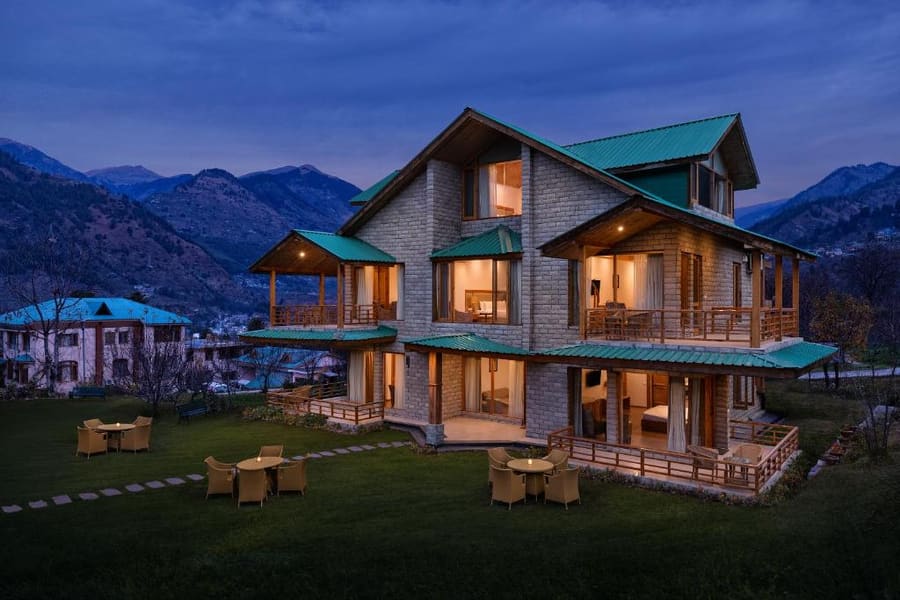
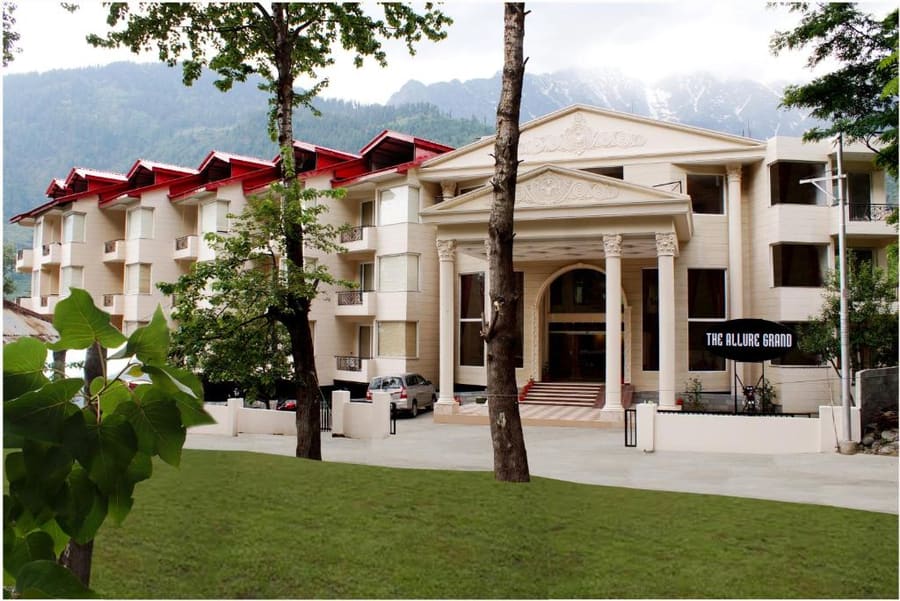
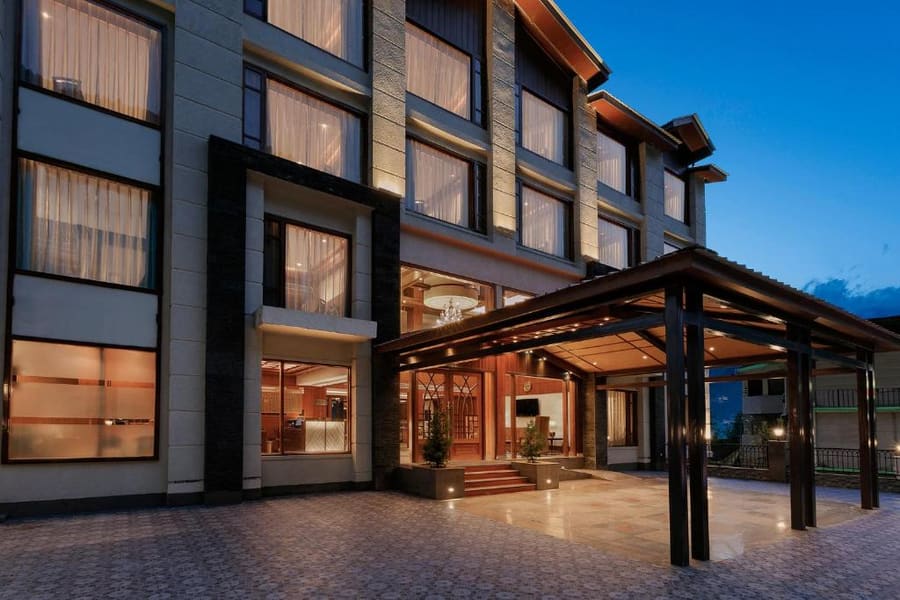
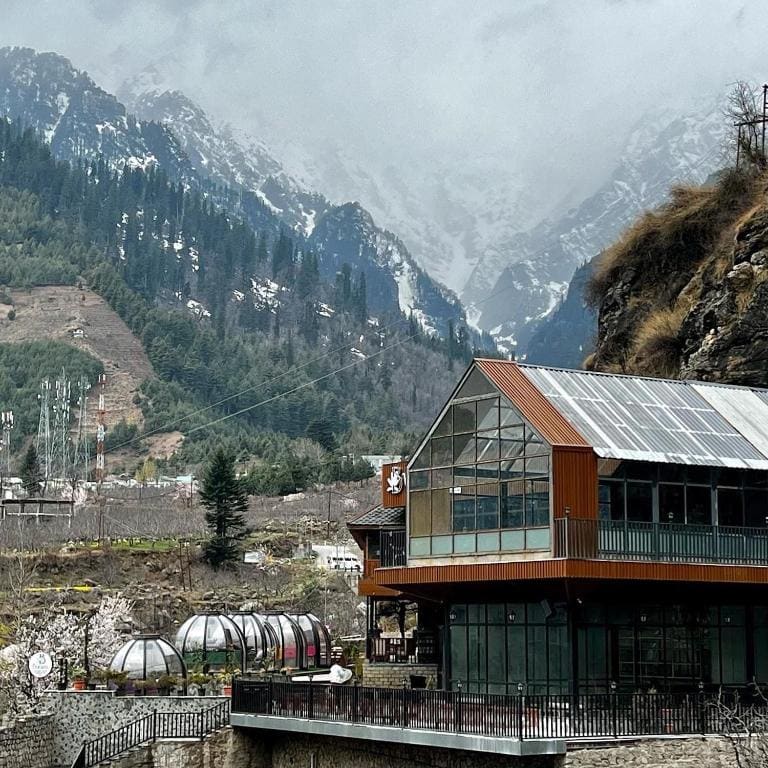
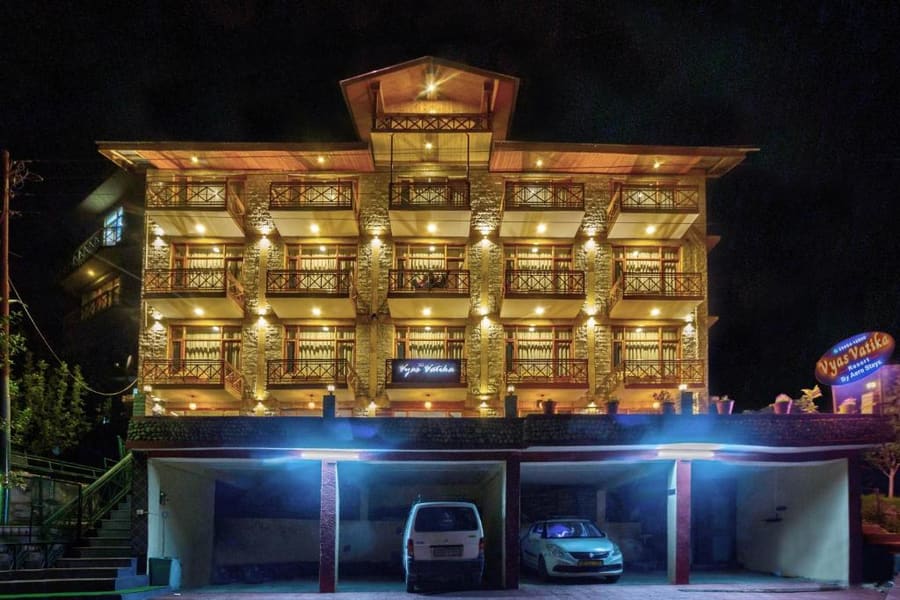
Choose your base by your transport tolerance and daily plans. Old Manali suits walkable cafe days and quiet nights. Mall Road works best if taking early morning buses or requiring flat terrain. Vashisht offers steep budget stays near hot springs, while Aleo provides spacious resorts with vehicle parking.
Live rates, matched to the areas above.
transport
Manali has no train station within city limits. You arrive via road from Kullu Airport or long-distance intercity overnight buses from Delhi and Chandigarh. Local transit relies on auto-rickshaws, green local buses, and private taxis.
Kullu-Manali Airport (KUU)から
Prepaid counter available at airport exit. Fares are set by local driver union.
Board local Himachal Road Transport bus outside airport gate to Manali main stand.
Book through your hotel for direct drop-off at steep Old Manali properties.
Auto-rickshaws do not run on meters. Agree on the exact price before stepping in.
Local HRTC buses run frequently between Mall Road, Solang, and Naggar for cheap fixed fares.
Morning traffic toward Solang and Atal Tunnel stumbles into long jams during peak summer.
Narrow paved lanes above Manalusu river are strictly pedestrian or two-wheeler only.
cost
Manali prices fluctuate between summer peak months and winter shoulder periods. Cash remains essential for local buses, rickshaws, and small cafes, while temples in and around Manali do not charge entry fees.
Freshly steamed stuffed bread served with ghee at local market stalls.
Standard ride between Mall Road and Old Manali or Vashisht.
Whole grilled river trout served with potato sides in local restaurants.
Mandatory government green fee per vehicle applying online.
Standard guest house room in Old Manali during mid-season.
seasonality
DEC – FEB
Heavy snowfall and freezing nights. Solang ski slopes open, but Rohtang Pass remains closed.
MAR – MAY
Pleasant weather and clear roads. Peak domestic summer rush brings heavy road traffic.
JUN – AUG
Monsoon rains bring landslide risks along mountain highways. Lower hotel rates.
SEP – NOV
Clear skies, dry trails, and autumn foliage. Best conditions for high-altitude trekking.
practicalities
Daytime temperatures reach 25°C while mountain night air drops sharply toward 5°C.
ATMs in Old Manali and Vashisht often run out of cash during busy summer weekends.
Avoid immediate heavy treks on day one if arriving directly from sea level cities.
Pass permit portal opens two days in advance at 10:00 and 16:00 IST daily.
Remove shoes and leather items before entering Hadimba and Vashisht wooden temples.