landmark
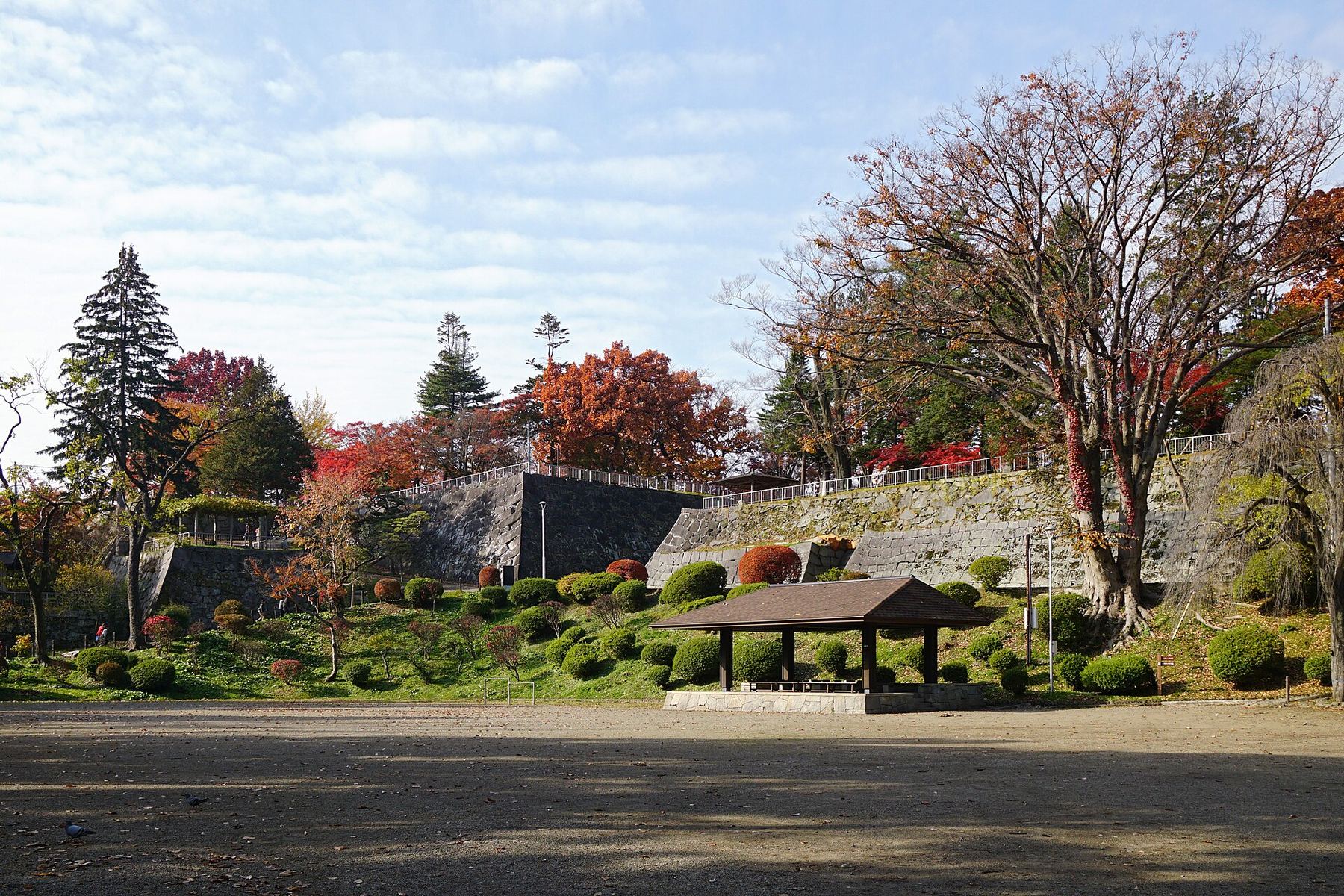
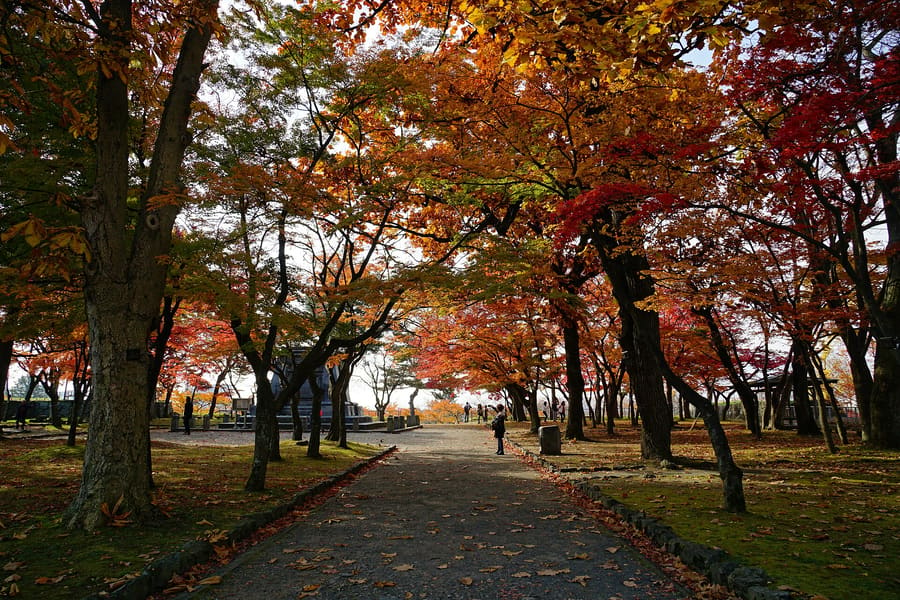
Morioka Castle Site Park
Granite walls of the former Nambu clan fortress surround peaceful wooded paths. Entry is free year-round.
Parleyに聞く日本
Noodle crafts, riverwalks, and ironwork in Iwate’s basin.
introduction
Morioka rests in a mountain basin where three rivers meet below Mount Iwate. You move through the city on foot or via the loop bus, following waterways that split downtown into quiet grid districts. Expect a compact provincial capital built around noodle traditions, Meiji stone structures, and active iron foundries. It offers depth without tourist crowds, provided you do not expect late-night entertainment.
Shinkansen connection
Tohoku Shinkansen trains arrive at Morioka Station in 130 minutes from Tokyo. The east exit grants immediate access to local city buses.
NYT Top Destination
The New York Times named Morioka a top destination in 2023 for its walkable scale and coffee culture. Local life remains untouristed.
Three Noodle Challenge
Eat Wanko Soba, Morioka Reimen, and Morioka Jajamen at specialized shops. Each dish requires a different dining etiquette and time.
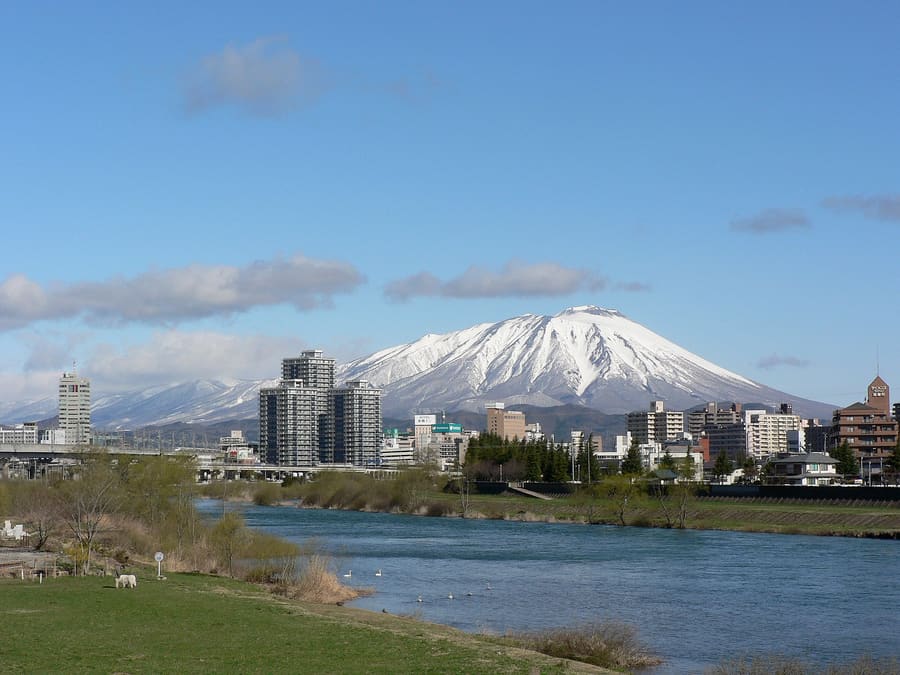
Morioka
yisris from Morioka, Japan · CC BY-SA 2.0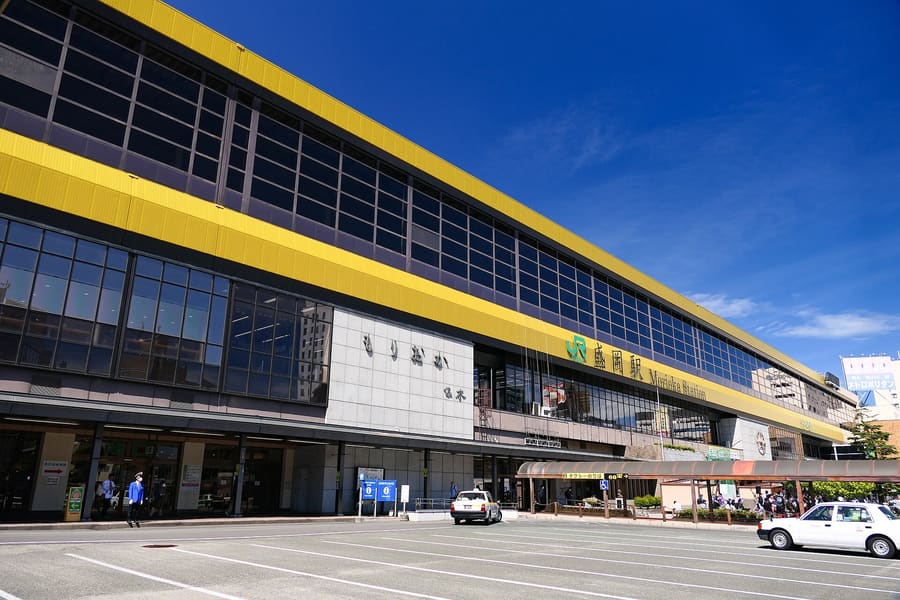
Ekimae — Transit-oriented hub filled with noodle halls, business hotels, and bus terminals.
MaedaAkihiko · CC0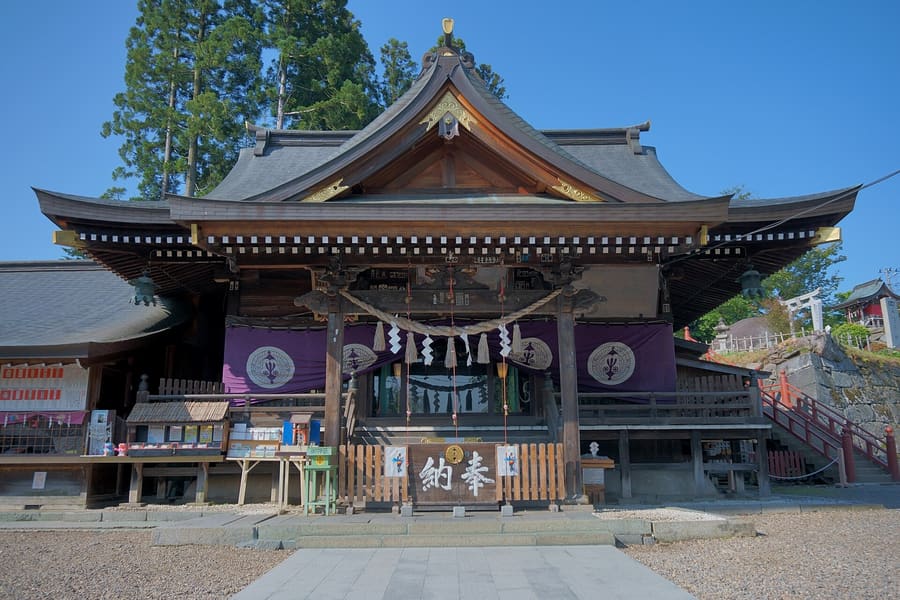
Sakurayama & Odori — Retro dining alleys, shrine grounds, and main shopping streets.
掬茶 · CC BY-SA 4.0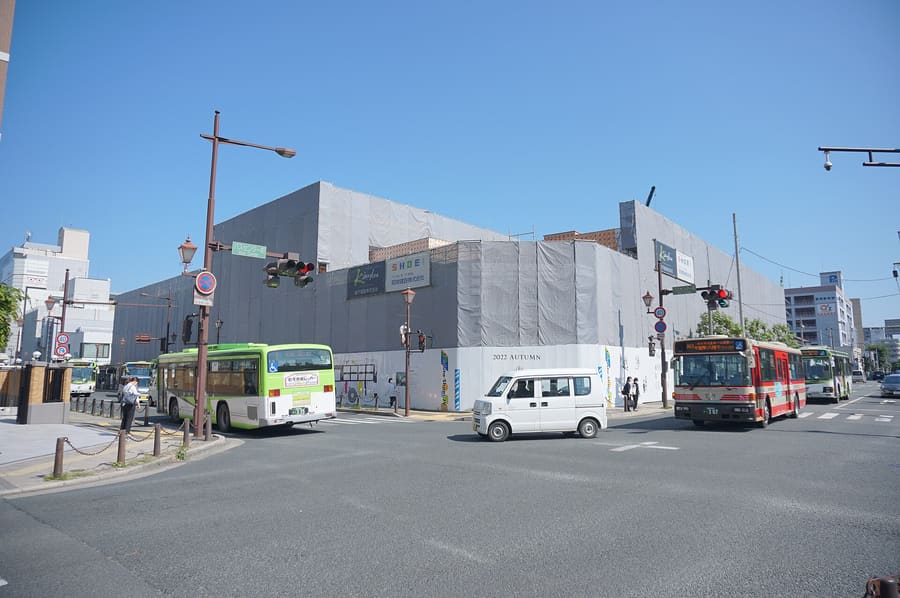
Sakanamachi — Old merchant district featuring preserved wooden machiya and arcade shops.
掬茶 · CC BY-SA 4.0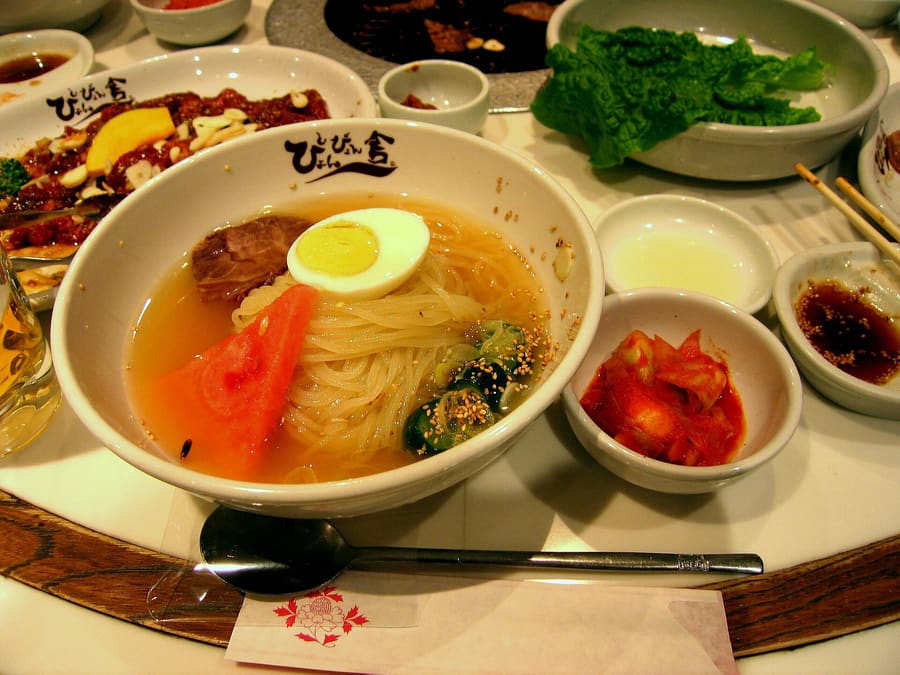
Morioka Reimen features cold translucent starch noodles topped with kimchi and seasonal fruit.
No machine-readable author provided. Shacho0822 assumed (based on copyright claims). · CC BY-SA 3.0highlights
landmark
Granite walls of the former Nambu clan fortress surround peaceful wooded paths. Entry is free year-round.
Parleyに聞く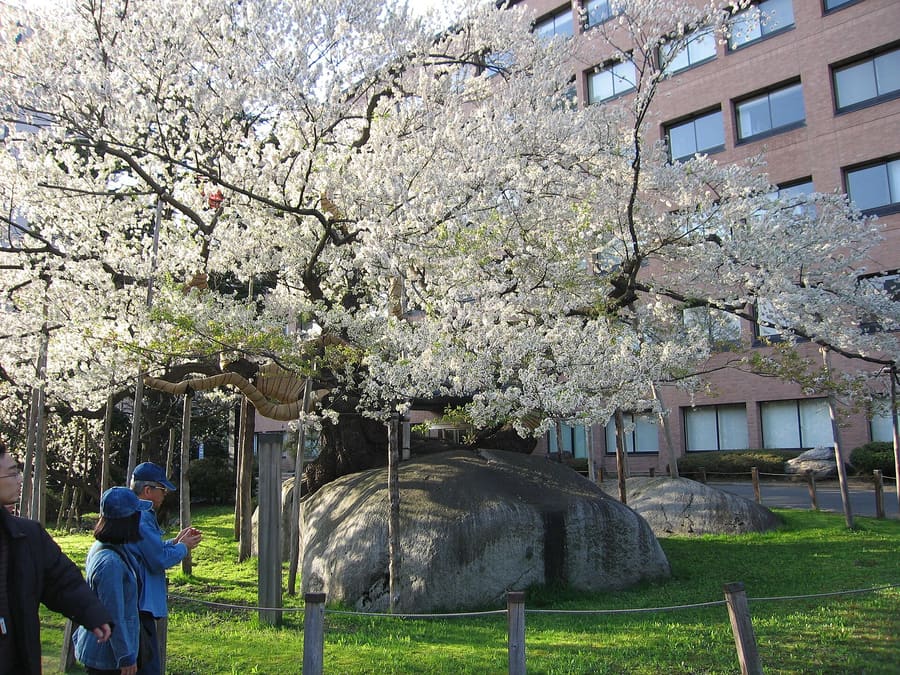
landmark
A 400-year-old cherry tree grows directly out of a split granite boulder in front of the courthouse.
Parleyに聞く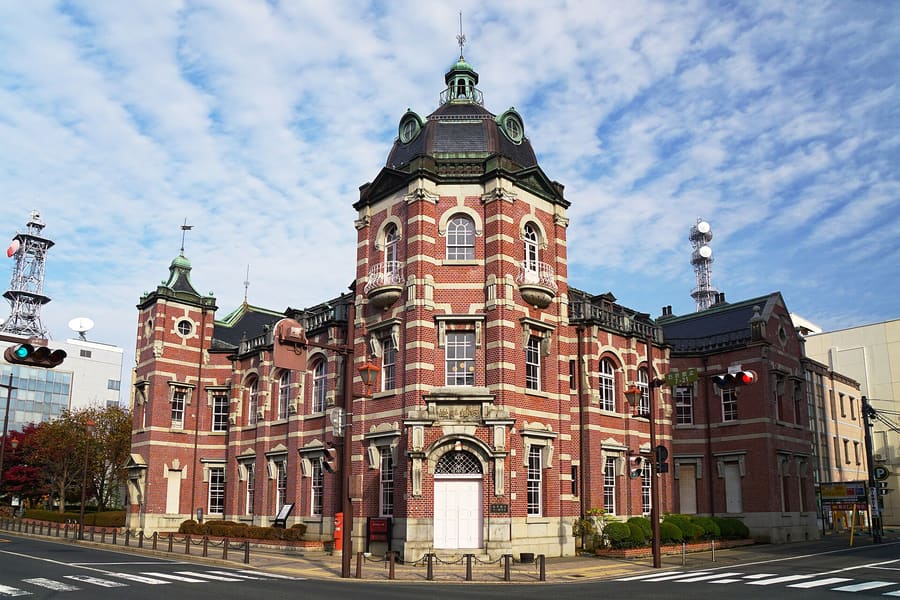
landmark
Designed by Kingo Tatsuno in 1911, this red-brick bank features dome roofs and wood interiors. Entry to the main hall is free.
Parleyに聞く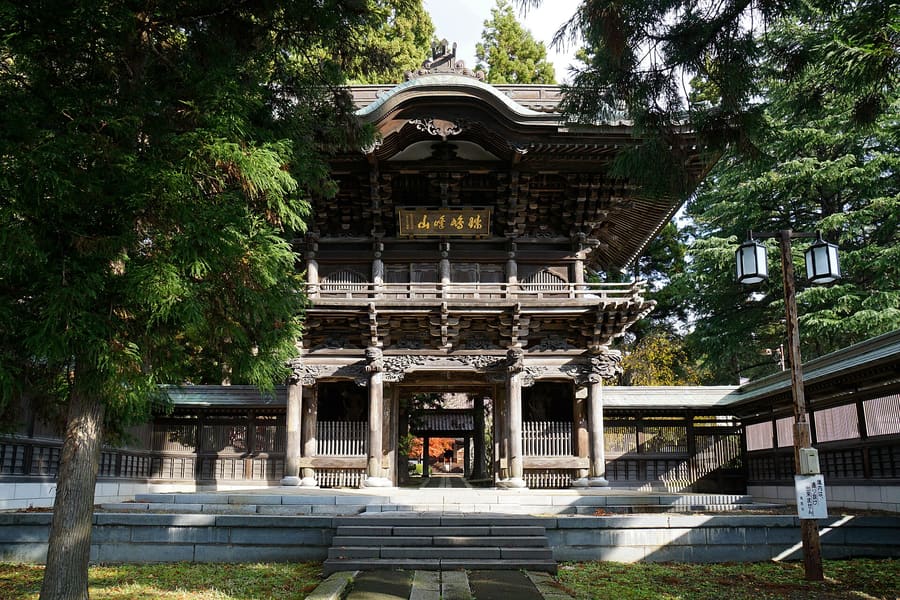
landmark
Houses 500 wooden Rakan statues carved in the 18th century inside a quiet Zen hall. Entry costs ¥300 cash.
Parleyに聞く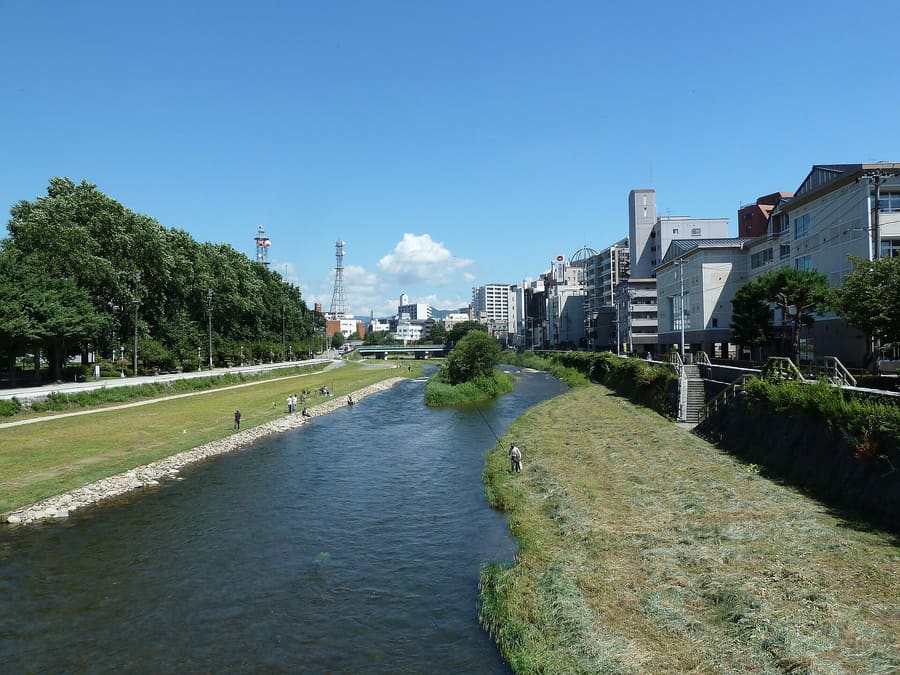
landmark
Salmon swim upstream through central Morioka every autumn. Pedestrian bridges link local coffee shops.
Parleyに聞くattractions
areas
Transit-oriented hub filled with noodle halls, business hotels, and bus terminals.
近くKitakami River and bus stops for Tsunagi Onsen.
Parleyに聞くRetro dining alleys, shrine grounds, and main shopping streets.
近くIwate Park and Bank of Iwate Red Brick Building.
Parleyに聞くOld merchant district featuring preserved wooden machiya and arcade shops.
近くNakatsu River and Nanakai retro arcades.
Parleyに聞くPedestrian merchant street dedicated to craft markets and literary heritage.
近くKitakami River northern banks and Morioka Station.
Parleyに聞くfood
Morioka bases its culinary reputation on three distinct noodle dishes. Wanko Soba presents buckwheat noodles in bite-sized bowls served continuously by attentive staff. Morioka Reimen uses firm potato-starch noodles in chilled beef broth with kimchi. Morioka Jajamen features warm flat wheat noodles topped with savory meat miso, finished with an egg soup called Chitantan.
Morioka Reimen features cold translucent starch noodles topped with kimchi and seasonal fruit.
No machine-readable author provided. Shacho0822 assumed (based on copyright claims). · CC BY-SA 3.0Visit Azumaya near the station. Staff stack empty wooden bowls at your table until you cap your bowl with its lid to signal defeat.
Eat Pairon's miso noodles first. Leave a small mouthful, crack a raw egg into the dish, and hand it to the chef for broth to make Chitantan.
At Pyonpyonsha, request your kimchi on the side (Betsukimchi) to adjust the soup temperature and heat yourself.
history
Morioka developed as the seat of the Nambu clan during the Edo period. The castle was built at the confluence of the Nakatsu and Kitakami rivers in 1597. Modernization in the Meiji era brought western brick architecture and rail connections, turning the provincial stronghold into northern Iwate's administrative engine.
Castle construction
Lord Nambu Nobunao begins building Kozukata Castle, establishing the town layout.
Railway connection
Tohoku Main Line rail service reaches Morioka, driving industrial expansion.
Red brick landmark
Bank of Iwate completes its head office, introducing Western brick engineering.
Shinkansen arrives
Tohoku Shinkansen opens, reducing travel time to Tokyo to under three hours.
where to stay
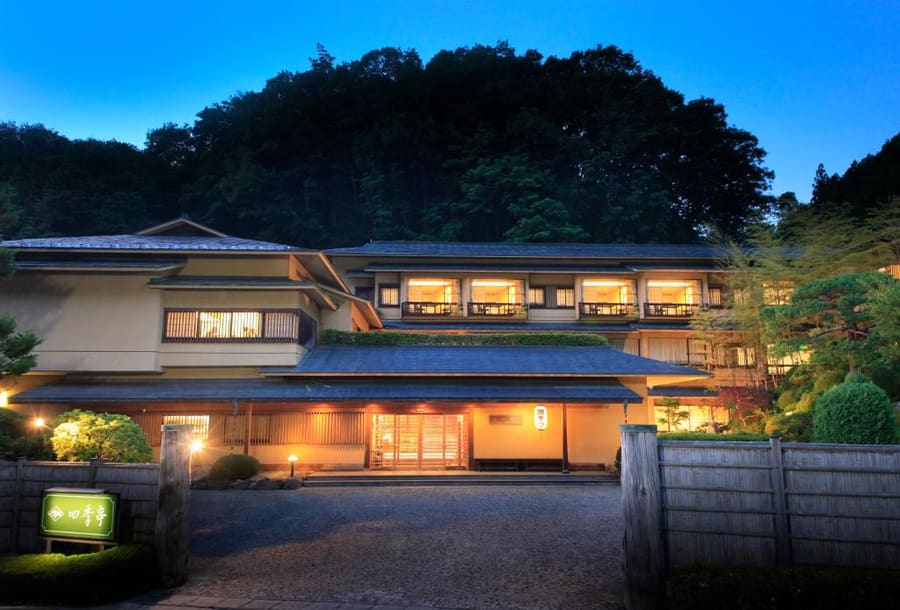
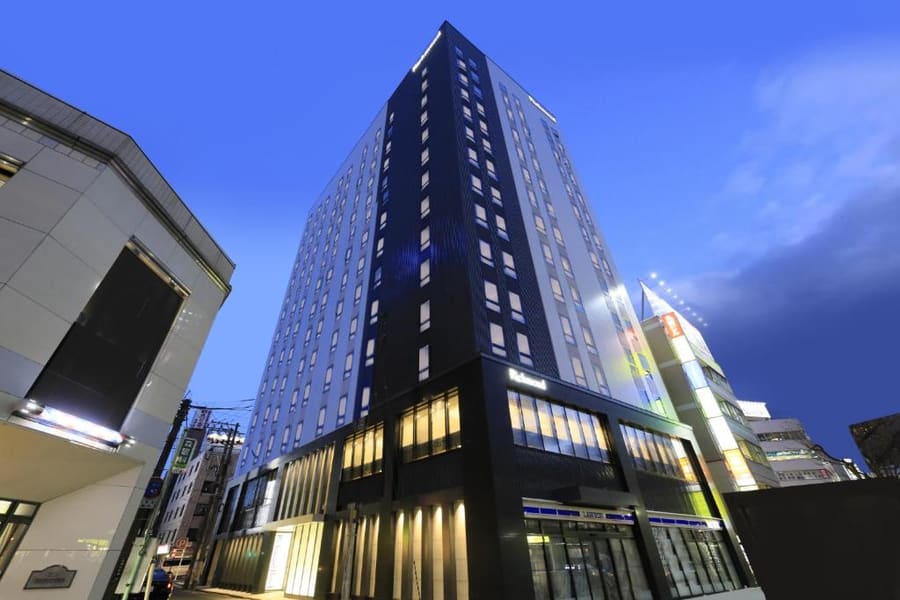
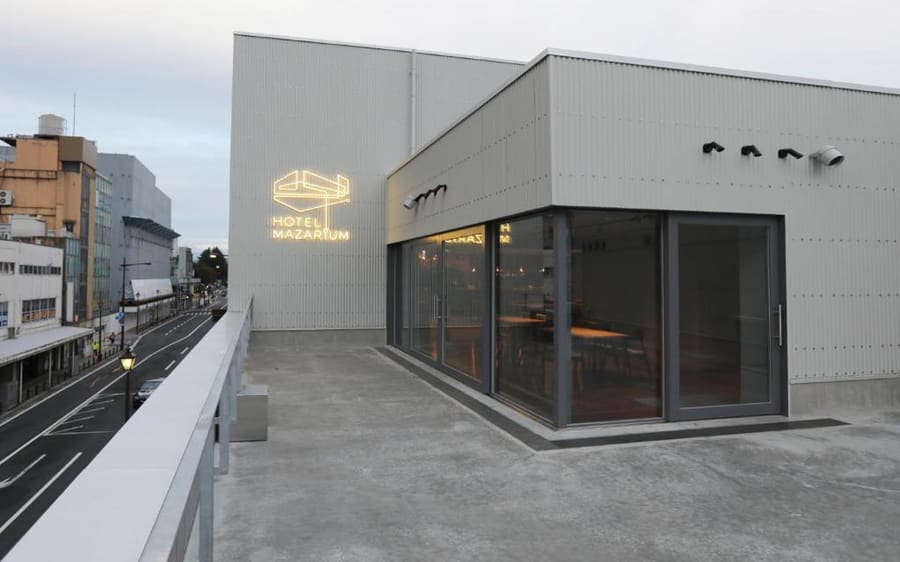
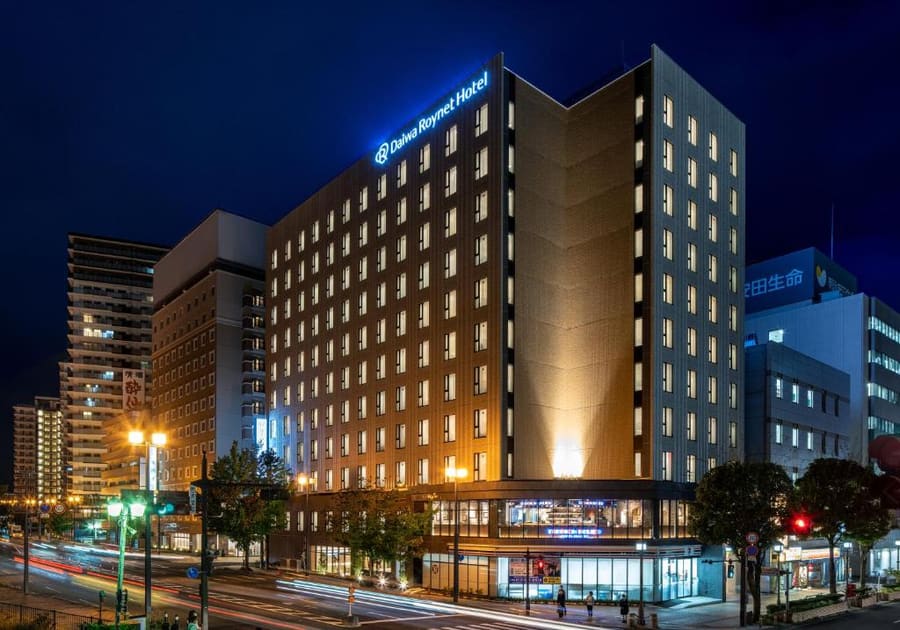
Choose your hotel location based on transit needs versus evening atmosphere. Staying near Morioka Station suits early train departures and regional day trips. Staying in Sakurayama puts local izakayas and river walks outside your door.
transport
Central Morioka is compact and flat enough to navigate on foot. The Denden Mushi loop bus connects all major central districts for a flat fee.
Morioka Station (Rail Hub)から
Tohoku Shinkansen Hayabusa from Tokyo Station. Reserved seats required.
Iwate Hanamaki Airport shuttle bus directly to Morioka Station East Exit.
Denden Mushi loop bus runs clockwise and counter-clockwise around central sights.
Local Iwate Kenkotsu buses accept IC cards, but cash is required on some regional routes.
Walking between the station and Sakurayama takes 15 minutes along dedicated riverside trails.
Rental bikes are available at Morioka Station for ¥500 per day from spring to autumn.
cost
Morioka offers lower daily prices than Tokyo or Kyoto. Meals and local transit are straightforward and modest in cost.
Includes all-you-can-eat buckwheat noodles, side dishes, and a commemorative wooden token.
A standard bowl of cold noodles with beef soup and kimchi topping.
Hand-draped pour-over coffee at independent roasters in historic quarters.
seasonality
DEC – FEB
Sub-zero temperatures and steady snowfall. Great for hot springs in Tsunagi and warm noodle bowls.
MAR – MAY
Cherry blossoms bloom in late April around the castle ruins and Ishiwarizakura rock tree.
JUN – AUG
Warm summer days peak during the Sansa Odori drum festival in early August. Book hotels early.
SEP – NOV
Autumn foliage frames Mount Iwate and Nakatsu River. Salmon return upstream through downtown.
practicalities
Most shops and cafes close by 18:00 or 19:00. Evening dining centers on izakayas near Sakurayama.
Traditional craft makers in Handi-Works Village and small noodle shops often require cash payments.
Sidewalks freeze solid between December and March. Wear shoes with deep rubber treads.
Clear views of Mount Iwate are most common on dry spring and autumn mornings.